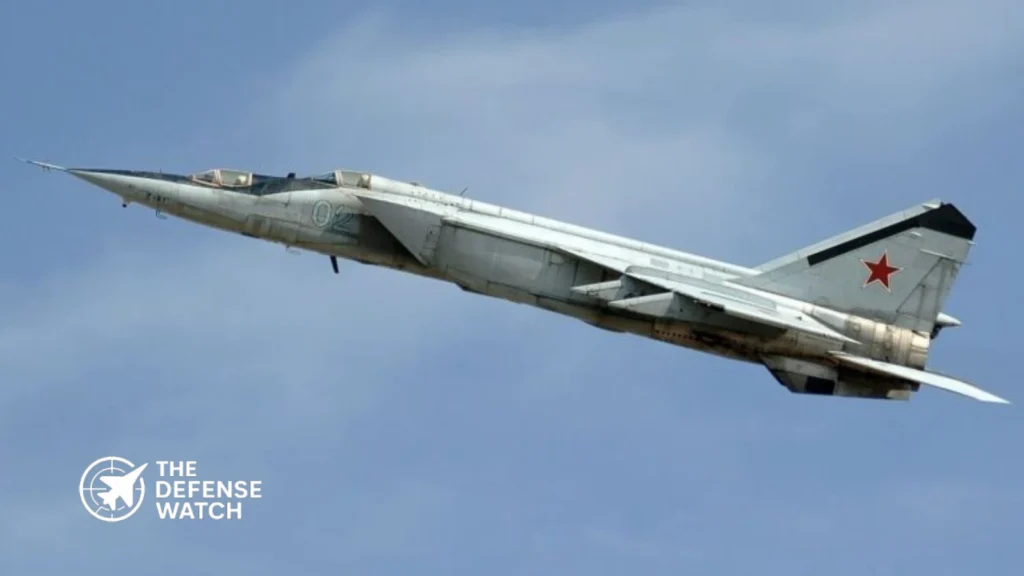
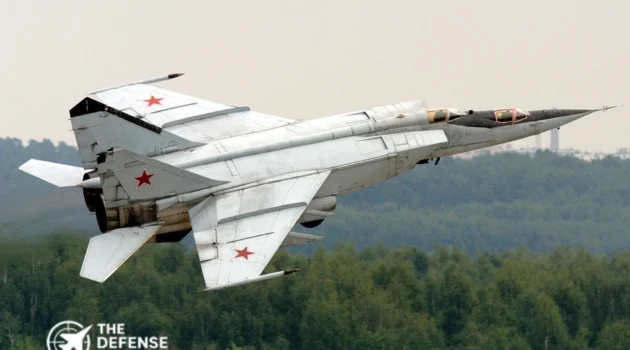
The fastest fighter jet in the world is generally identified as the Soviet-designed Mikoyan-Gurevich MiG-25 Foxbat, a high-speed interceptor that could reach an operational maximum of about Mach 2.83, or roughly 3,000 km/h at altitude. Guinness World Records identifies the MiG-25 as the fastest combat jet, while radar tracking of a reconnaissance version recorded approximately Mach 3.2 under exceptional conditions.
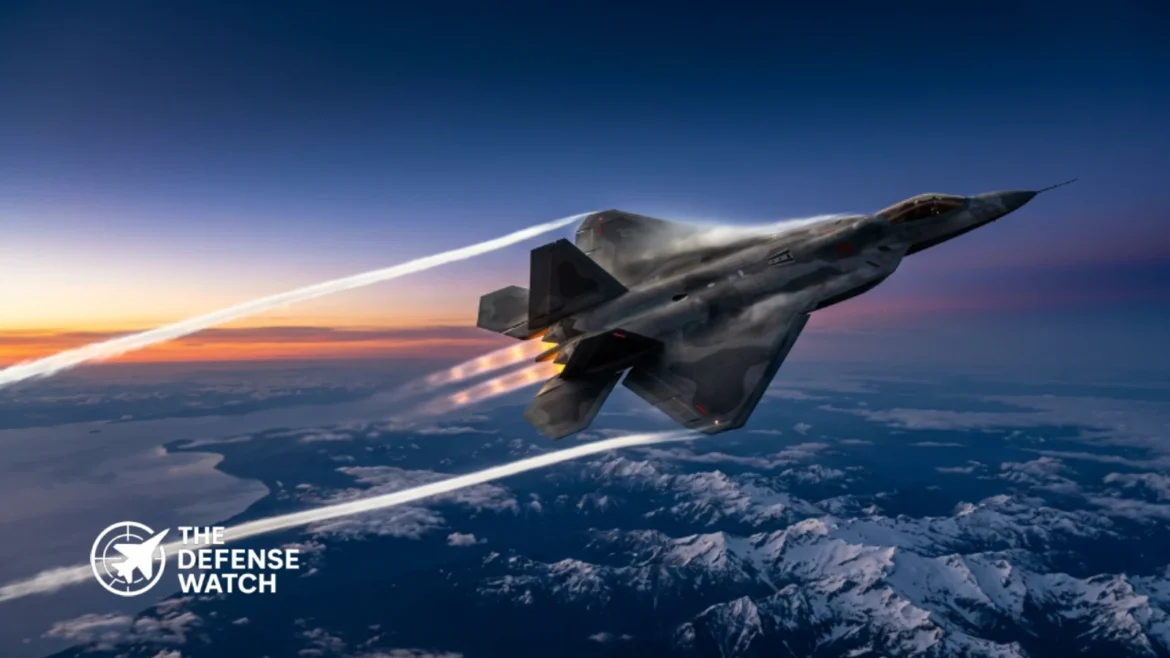
That distinction matters because maximum speed alone does not determine which fighter is most effective in modern air combat. The MiG-25 was designed around a Cold War requirement to intercept high-speed, high-altitude aircraft. Modern fighters such as the F-22 Raptor and F-15EX Eagle II place greater emphasis on stealth, sensors, electronic warfare, networking, weapons range and survivability.
So, what is the fastest fighter jet in the world? If the question is based on maximum speed among purpose-built fighter and interceptor aircraft, the answer remains the MiG-25 Foxbat, with the closely related MiG-31 Foxhound occupying the next position at approximately Mach 2.83.
Takeaways
Speed records tell only part of the story in modern fighter warfare
1. MiG-25 Holds the Speed Crown
The MiG-25 Foxbat is widely recognized as the fastest combat jet, with an operational maximum of about Mach 2.83.
2. Mach 3 Was Possible Under Extreme Conditions
A reconnaissance Foxbat was tracked at approximately Mach 3.2, but sustained operation at that speed could cause severe engine damage.
3. MiG-31 Is the Closest Successor
The MiG-31 Foxhound inherited the high-speed interceptor mission and can reach approximately 3,000 km/h while adding improved radar, range and weapons capabilities.
4. F-15EX Leads Among Modern U.S. Fighters
The F-15EX Eagle II has a published maximum speed of Mach 2.5 and combines high speed with a 29,500-pound weapons payload, AESA radar and electronic warfare capabilities.
5. Speed Is No Longer the Main Measure of Air Superiority
Fifth-generation fighters increasingly trade extreme top speed for stealth, sensor fusion, networking, electronic warfare and long-range weapons.
What Is the Fastest Fighter Jet in the World?
The MiG-25 Foxbat is the strongest answer to the question, what is the fastest fighter jet in the world?
Developed by the Soviet Mikoyan design bureau, the MiG-25 was created primarily as a high-speed interceptor and reconnaissance aircraft. Its design reflected a specific Cold War threat environment in which Soviet air defenses needed to respond to high-altitude, high-speed aircraft.
The aircraft used two powerful R-15-series afterburning turbojets, a large airframe and extensive use of stainless steel to tolerate the thermal loads associated with sustained high-speed flight. Available technical data places the MiG-25’s loaded maximum speed at approximately Mach 2.83, equivalent to around 3,000 km/h at altitude.
The aircraft could theoretically go faster. A reconnaissance Foxbat was tracked at about Mach 3.2 during an emergency high-speed flight. However, this was not a normal operating speed. Exceeding the aircraft’s intended limits could cause extreme engine temperatures and damage.
This distinction is important when comparing the fastest jet fighter plane in the world with other military aircraft.
The MiG-25’s speed came from an unusual combination of power, aerodynamics and mission specialization.
Its two afterburning engines generated enormous thrust, while the airframe was optimized for high-speed flight at altitude. The aircraft was not designed primarily for close-range maneuvering. Instead, its mission was to climb quickly, reach very high speeds and intercept or conduct reconnaissance against aircraft operating at extreme altitude.
The available technical data lists a maximum level speed of approximately Mach 2.83 in a loaded configuration, with an exceptional clean-aircraft figure reaching approximately Mach 3.2. It also records an absolute altitude achievement of approximately 37,650 meters during test operations.
The aircraft carried a powerful radar and could employ several types of air-to-air missiles depending on the variant. Its interceptor versions were built around the idea that speed and altitude could provide the opportunity to engage threats before they reached Soviet airspace.
The design philosophy was very different from that of modern stealth fighters.
Why the MiG-25 Was Built for Speed
During the Cold War, the Soviet Union faced concerns about high-altitude strategic aircraft, including U.S. bombers and reconnaissance platforms.
The response was an interceptor capable of operating at extreme altitude and speed.
The MiG-25 therefore prioritized:
Very high maximum speed
High-altitude performance
Rapid climb
Powerful radar
Long-range air-to-air weapons
Interception of high-speed targets
This explains why the aircraft could outperform many more maneuverable fighters in straight-line speed while being comparatively less effective in a close-range dogfight.
The MiG-25’s development also influenced the next generation of Soviet interceptors.
MiG-31 vs MiG-25: Which Is Faster?
The MiG-31 Foxhound is the direct successor to the MiG-25 interceptor concept and is often listed alongside the Foxbat among the fastest fighter aircraft ever built.
Russian state technology company Rostec states that the MiG-31 can reach approximately 3,000 km/h and operate at altitudes of up to 21 kilometers. The aircraft was developed to replace the MiG-25 in the Soviet air-defense interceptor role.
At maximum published speed, the MiG-31 and MiG-25 are therefore extremely close.
The difference is that the MiG-31 was developed as a more capable combat system rather than simply a faster aircraft. It introduced a two-person crew, improved avionics, longer range and a more advanced interception architecture.
The MiG-31 also became notable for its ability to coordinate with other aircraft and ground-based air-defense assets.
From a pure speed perspective, however, the MiG-25 retains the stronger historical claim to the fastest combat jet record. Guinness World Records specifically identifies the MiG-25 as the fastest combat jet.
Fastest Fighter Jet in the World: How the F-15 Compares
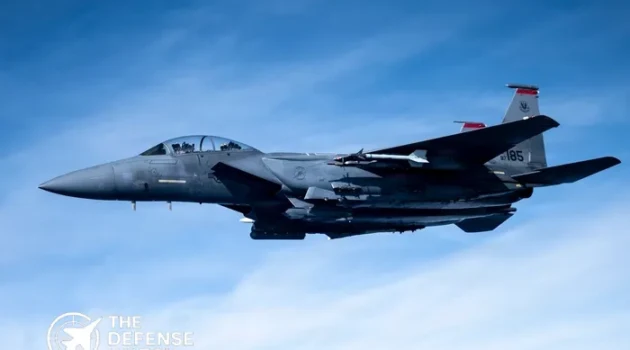
The F-15 Eagle is slower than the MiG-25, but it represents a very different approach to air superiority.
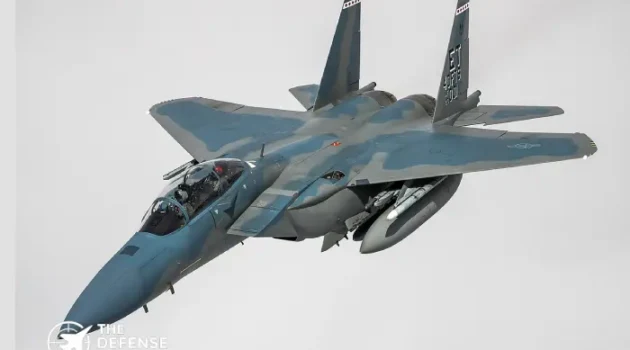
Boeing lists the F-15’s maximum speed at more than Mach 2.5, or more than 1,600 mph. The aircraft was designed as an air-superiority fighter with high thrust, maneuverability, radar capability and substantial weapons capacity.
The latest F-15EX Eagle II retains the high-speed characteristics of the Eagle family. Boeing publishes a maximum speed of Mach 2.5, a maximum payload of 29,500 pounds and a service ceiling of 50,000 feet. The aircraft also incorporates an AESA radar, electronic warfare systems, digital flight controls and an open mission architecture.
This makes the F-15EX particularly relevant to modern air forces.
The MiG-25 was designed to get to a target extremely quickly. The F-15EX is designed to combine speed with long-range weapons, advanced sensors, electronic warfare and networked operations.
That is a major difference between Cold War and modern air combat.
F-22 Raptor: Faster Does Not Always Mean More Capable
The F-22 Raptor illustrates why maximum speed is no longer the sole measure of fighter effectiveness.
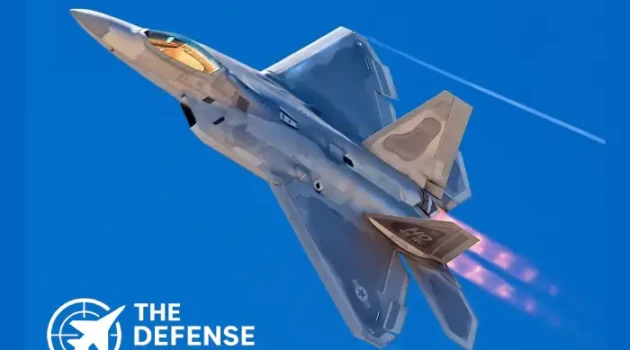
The F-22 combines low-observable stealth, supercruise, agility and integrated avionics. Lockheed Martin identifies supercruise as a core capability, allowing the aircraft to sustain supersonic flight without relying on afterburners.
Its maximum speed is generally reported around Mach 2.0 to Mach 2.25, depending on the source and configuration, below the MiG-25’s maximum.
But a modern air-to-air engagement is not simply a race between aircraft.
A fighter may need to:
Detect an opponent before being detected.
Establish a firing solution.
Launch a missile from advantageous geometry.
Avoid or defeat enemy sensors and weapons.
Share targeting information with other platforms.
Survive after weapons employment.
Stealth, sensor fusion, electronic warfare and networking can therefore provide a greater combat advantage than several hundred additional kilometers per hour of maximum speed.
Speed figures should be treated as maximum performance figures rather than normal combat speeds. Aircraft often fly substantially slower when carrying weapons, external fuel tanks or other mission equipment.
How Fighter Jet Speed Is Actually Measured
A common mistake in discussions about the fastest fighter jet world rankings is treating every published speed figure as directly comparable.
Aircraft speed depends on:
Altitude
Air temperature
Aircraft weight
Fuel load
External weapons
External fuel tanks
Engine condition
Flight profile
Airframe configuration
Mach number also changes with atmospheric conditions because Mach is based on the local speed of sound.
For this reason, a fighter reaching Mach 2.8 in a high-altitude test configuration does not mean it can sustain Mach 2.8 while carrying a full combat weapons load at low altitude.
The MiG-25 demonstrates this particularly well. Its extraordinary speed was achievable under conditions that imposed significant thermal and mechanical stress on the aircraft and engines.
The F-15EX and the Modern Meaning of Speed
The F-15EX is useful for understanding how the concept of speed has evolved.
Boeing describes the aircraft as a high-energy fighter optimized for large weapons loads, long-range strike and air-dominance missions. Its published specifications include Mach 2.5 maximum speed and a 29,500-pound payload.
The aircraft can also carry large numbers of air-to-air weapons. Boeing states that the F-15EX can accommodate up to 12 AMRAAMs or an equivalent combination of large ordnance, while its AESA radar and electronic warfare suite support operations in contested environments.
This creates a different kind of speed advantage.
The aircraft’s high-energy performance can help it reposition rapidly, extend weapon engagement opportunities and maintain energy during combat. But its value comes from the combination of speed, range, payload, sensors and networking.
Boeing is also positioning the F-15EX as a platform capable of working with future collaborative combat aircraft and other networked systems.
Why the Fastest Fighter Jet Is Not Automatically the Best Fighter
The MiG-25’s record demonstrates the limits of using one specification to rank combat aircraft.
A fighter’s effectiveness can depend on several interconnected capabilities:
Stealth
Low observability can reduce the range at which an opponent detects and tracks the aircraft.
Sensors
Modern AESA radars and distributed sensors provide improved target detection, tracking and identification.
Electronic Warfare
Electronic warfare can interfere with enemy radars, communications and targeting systems, helping an aircraft operate inside contested environments.
Weapons
Long-range air-to-air missiles can allow a fighter to attack without entering a traditional visual-range dogfight.
Networking
Modern fighters increasingly operate as nodes in a wider combat network involving aircraft, satellites, drones, ships and ground systems.
Sensor Fusion
The ability to combine information from multiple sensors can give pilots a more complete picture of the battlespace.
These factors explain why a Mach 2-class fifth-generation fighter can have a greater combat advantage than an older Mach 3-class interceptor in many scenarios.
The Strategic Legacy of the MiG-25
The MiG-25 remains important because it represented an extreme solution to a specific strategic problem.
Its speed, altitude and radar performance were designed around the possibility of confronting high-altitude strategic aircraft.
The aircraft also had an important indirect effect on U.S. fighter development. Western assessments of the Foxbat contributed to concerns about Soviet air-superiority capabilities and influenced the thinking that surrounded the development of the F-15.
The resulting F-15 became one of the most successful air-superiority fighters in aviation history.
Boeing’s modern F-15EX continues that lineage, combining the basic high-energy characteristics of the Eagle with modern avionics, electronic warfare and networked warfare capabilities.
What About the Fastest Jet Fighter Plane in the World Today?
If the question is strictly about maximum fighter or interceptor speed, the MiG-25 remains the key answer.
If the question is about the fastest widely deployed modern fighter, the answer changes.
The F-15 family remains one of the fastest major fighter families in active service, with the F-15EX officially listed by Boeing at Mach 2.5. The MiG-31 also retains a maximum speed of approximately 3,000 km/h and remains an important high-speed interceptor platform.
The distinction between historical speed records and current combat relevance is essential.
The MiG-25 is the stronger answer to the historical speed question. The MiG-31 is the more relevant successor to the Soviet high-speed interceptor concept. The F-15EX represents the modern U.S. approach to combining high speed with weapons capacity, networking and electronic warfare.
Challenges of Extreme Speed
Mach 3-class flight creates severe engineering problems.
As aircraft speed increases, aerodynamic heating rises dramatically. Engine components face greater thermal loads, while air intakes must manage enormous quantities of air at high Mach numbers.
The MiG-25’s experience demonstrated these limitations.
Its engines could support extraordinary speeds, but prolonged operation at the extreme end of the envelope could result in severe engine damage. This is one reason the aircraft’s practical operational limit was lower than the highest speed ever recorded by the type.
Extreme speed also carries penalties in:
Fuel consumption
Engine life
Maintenance requirements
Airframe heating
Weapon integration
Maneuverability
Operating cost
Modern fighter development therefore generally seeks a balance rather than maximum speed at any cost.
The Future of Fighter Speed
The future of combat aviation is unlikely to be determined by maximum Mach number alone.
Sixth-generation fighter programs are expected to emphasize integrated sensors, low observability, electronic warfare, autonomous systems, long-range weapons and manned-unmanned teaming.
Speed will remain important because it affects reaction time, energy, range and survivability. But the more important question will increasingly be how quickly an aircraft can sense, decide, communicate and engage.
That is particularly relevant as air forces develop collaborative combat aircraft and other autonomous systems.
Boeing describes the F-15EX as having a growth path toward collaborative combat aircraft and manned-unmanned teaming, demonstrating how fighter operations are moving toward networked formations rather than isolated aircraft.
The result is a shift from speed as an isolated performance statistic toward speed as part of a broader kill chain.
Conclusion: Is the MiG-25 Still the Fastest Fighter Jet in the World?
Yes, with an important qualification.
The MiG-25 Foxbat remains the best-supported answer to the question, what is the fastest fighter jet in the world? Guinness World Records identifies the MiG-25 as the fastest combat jet, while its operational performance is generally cited at approximately Mach 2.83. A reconnaissance version was tracked at approximately Mach 3.2, but that was not a normal sustainable operating speed.
The MiG-31 comes very close, with a published maximum speed of approximately 3,000 km/h, while the F-15 family reaches approximately Mach 2.5.
Yet the fastest fighter jet is not necessarily the most capable fighter.
Modern air superiority increasingly depends on stealth, sensor fusion, electronic warfare, network connectivity, weapons range and the ability to operate as part of a wider multi-domain force.
The MiG-25 therefore remains a remarkable answer to the speed question, but modern air warfare has moved beyond the simple pursuit of maximum Mach number. The defining competition is now about who can detect first, decide first, engage first and survive inside an increasingly contested battlespace.
Executive Summary: The UK Ministry of Defence is set to award Inzpire a £502,000 contract to provide air warfare education and training to the Ukrainian Air Force. The one-year program will deliver about 20 weeks of instruction focused on air tactics and planning, supporting Ukraine’s transition toward Western air warfare practices.
UK Expands Ukrainian Air Tactics Training
Ukrainian pilots air tactics training is entering a new phase as the UK Ministry of Defence prepares to contract British defense company Inzpire to provide specialized air warfare education to the Ukrainian Air Force.
the contract is valued at approximately £502,000 and is scheduled to begin August 26. It will cover roughly 20 weeks of instruction during the contract year, with an option for the UK Ministry of Defence to extend the arrangement for another 12 months.
The contract centers on an air tactics and planning course. Inzpire will be responsible for establishing training objectives, developing the course and delivering the instruction.
The award was made directly rather than through a competitive procurement process, according to the contract information reported by UK Defence Journal.
Inzpire Brings Air Warfare Training Experience
Inzpire is a UK defense company founded by former Royal Air Force personnel. The company provides training, mission support, technical services and operational expertise to military customers.
Its air portfolio includes live and synthetic collective training, tactical air command and control instruction, intelligence training, electromagnetic warfare training and mission rehearsal. Inzpire also supports major RAF exercises and works with the Air and Space Warfare Centre.
The company says its training activities support aircrew and other defense personnel across complex operational environments. Its instructors include personnel with operational military experience, while its training programs cover both individual and collective performance.
That background is relevant to the Ukrainian requirement because the new contract is not simply about flying proficiency. It is focused on the planning and execution of air operations.
Training Moves Beyond Basic Flight Skills
The distinction between flight training and air warfare education is important.
The United Kingdom has already played a major role in preparing Ukrainian pilots for Western combat aircraft. In 2023, the RAF began providing Ukrainian pilots with basic flying and English-language training as part of the international effort to establish a modern Ukrainian combat aviation capability.
The initial program covered aircraft handling, instrument flying, navigation and formation flying. Graduates subsequently moved to advanced training before progressing toward F-16 training with partner nations.
The new Inzpire program addresses a different layer of combat aviation.
Air tactics training can include the planning and coordination of missions, interpretation of the operational air picture, employment of aircraft within larger air operations and decision-making under changing conditions. The precise syllabus and operational scenarios for the Ukrainian course have not been publicly disclosed.
This distinction matters because acquiring modern aircraft is only one part of developing a modern air force. Effective combat aviation also depends on trained pilots, mission planners, intelligence personnel, command-and-control structures and procedures that allow those elements to operate together.
A Shift Toward Western Air Operations
The UK contract also fits into Ukraine’s broader transition from Soviet-designed aviation practices toward Western operating concepts.
Ukraine inherited an air force structured around Soviet aircraft and doctrine. Western air forces generally place greater emphasis on mission planning, decentralized decision-making, networked operations and the integration of intelligence, surveillance and reconnaissance with combat aviation.
The Ukrainian Air Force has been undergoing this transition while operating in an active war environment, making the development of tactics and planning skills particularly significant.
The United Kingdom’s earlier pilot training effort already included English-language instruction specifically to improve interoperability with NATO air forces. The UK government has described this as part of the wider international effort to develop Ukraine’s future combat air capability.
The Inzpire contract therefore represents a progression from foundational aviation training toward more specialized operational education.
Connection To Ukraine’s F-16 Fleet
The training comes as Ukraine continues to integrate Western combat aircraft into its air force.
The international coalition supporting Ukraine’s air capability has involved multiple countries, including the United States, Denmark and the Netherlands, while European partners have contributed aircraft and training. The United Kingdom does not operate the F-16 itself, but it has contributed pilot training and other forms of air capability support.
Ukraine began receiving Western F-16s in 2024, creating a requirement that extends beyond conversion training on the aircraft itself. Pilots must also operate within a wider system of mission planning, intelligence support, air command and control and coalition interoperability.
That makes Ukrainian pilots air tactics training an important supporting element of the broader modernization effort.
However, the £502,000 contract should not be interpreted as a commitment to a particular aircraft type or as evidence that Inzpire will directly train Ukrainian pilots on F-16 systems. The publicly available contract information describes the requirement as air tactics and planning education rather than aircraft conversion training.
Why The Contract Matters
The value of the agreement is relatively modest compared with major aircraft or weapons contracts, but its operational focus is significant.
Modern air combat depends on more than aircraft performance. A capable fighter can provide limited value if crews lack the training and planning processes required to employ it effectively within a contested airspace.
Inzpire’s role is therefore best understood as part of the human and doctrinal side of Ukraine’s air force modernization.
The company already provides training associated with tactical air command and control, intelligence, surveillance and reconnaissance, electronic warfare and complex multinational exercises. Those areas overlap with many of the skills required to conduct modern coalition air operations.
The contract also demonstrates how the UK’s support for Ukraine is extending beyond the provision of equipment. Training and institutional knowledge can remain relevant as Ukraine expands its inventory of Western systems and seeks greater interoperability with European and NATO air forces.
What Happens Next
The contract is scheduled to begin on August 26, 2026, and will run for 12 months. A further 12-month option is available.
The publicly disclosed information does not identify the number of Ukrainian personnel who will participate, the specific locations where instruction will take place, or the detailed tactical syllabus.
Those details may remain undisclosed because air warfare training can involve sensitive operational procedures and information.
What is clear is that the British effort is moving from basic pilot preparation toward a more advanced layer of air warfare education. For Ukraine, that development is relevant to the long-term challenge of building an air force capable of operating modern Western aircraft within a more integrated command, control and mission-planning structure.
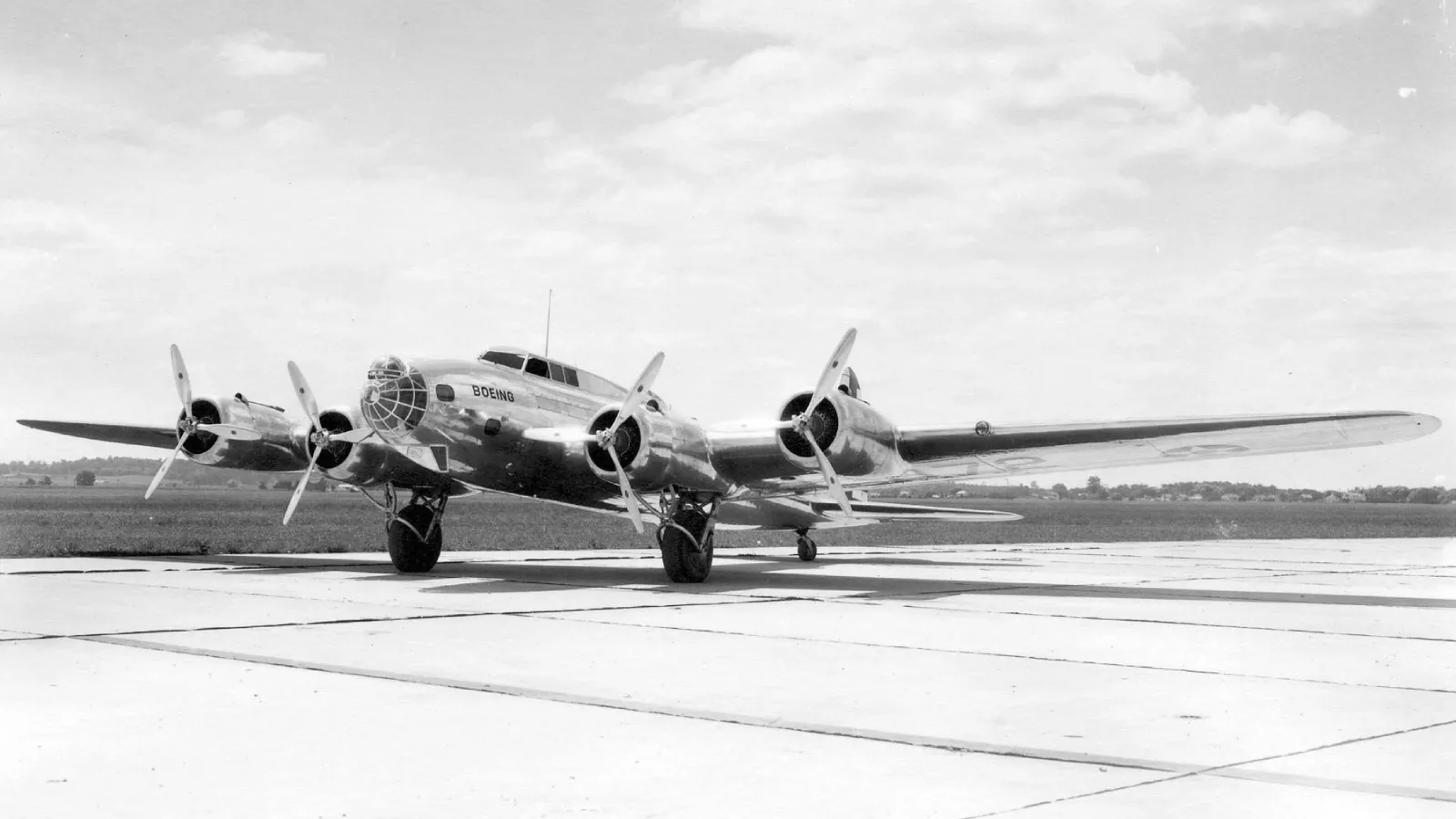
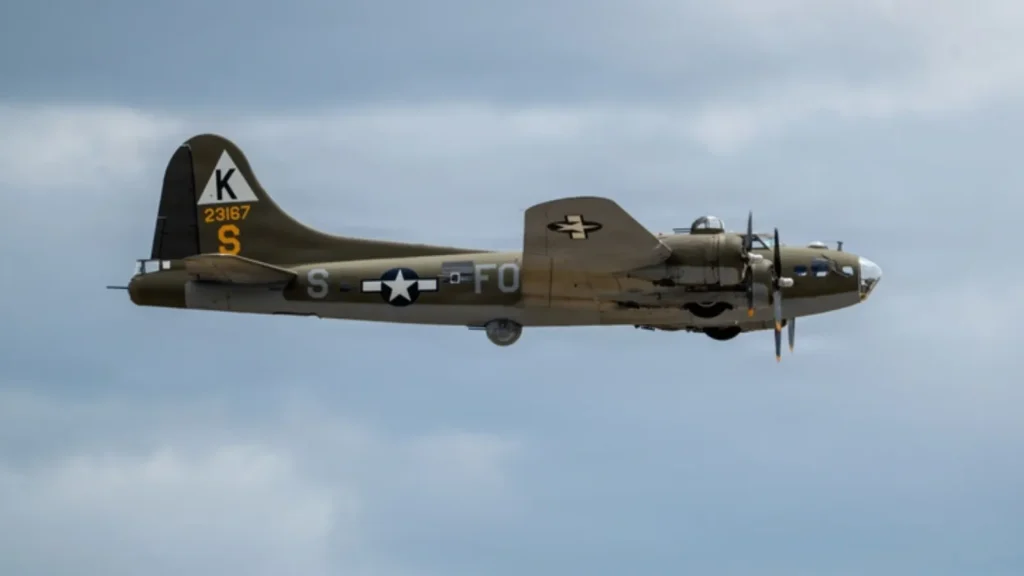
Ten obsolete B-17 Flying Fortresses, stripped of their cockpit glass and packed with more than nine tons of Torpex explosive apiece, sat on the runway at RAF Fersfield in the summer of 1944. Each one needed a two-man volunteer crew willing to fly it into the air, arm the payload, and then bail out of a plane that had, for all practical purposes, already become a bomb. This was Operation Aphrodite, the U.S. Army Air Forces’ attempt to build the world’s first operational strike drone — decades before the term “unmanned combat aerial vehicle” existed. It would end in a string of failures, the death of a Kennedy, and a hard lesson about the limits of 1944-era guidance technology. But the concept it tested — a remotely piloted aircraft delivering a massive payload against a target too hardened for conventional bombs — is exactly the concept that underwrites today’s loitering munitions and strike drones.
Operation Aphrodite (USAAF); Operation Anvil (U.S. Navy parallel program)
Date / Theater
August 1944 – January 1945; launched from RAF Fersfield and Royal Air Force Station Woodbridge, England, against targets in occupied France and Germany
Executing Force(s)
U.S. Eighth Air Force, 3rd Bombardment Division, 388th Bombardment Group (562nd Bomb Squadron detachment); U.S. Navy Special Air Task Force One
Primary Target
Hardened V-1 and V-2 sites (Mimoyecques, Siracourt, Watten/Wizernes), U-boat pens, and industrial targets
Key Platforms & Tech
War-weary Boeing B-17 (redesignated BQ-7) and Navy PB4Y-1/B-24 Liberator (redesignated BQ-8) drones; “Double Azon” radio guidance; television camera relay to de Havilland Mosquito and B-17 “mother ships”
Mission Outcome
Tactical failure — no confirmed direct hits on primary targets; strategically notable as an early proof-of-concept for remote-guided strike aircraft
By mid-1944, Allied planners faced a problem that conventional heavy bombing simply could not solve. Germany’s V-weapon program had produced launch and storage facilities built with concrete walls many meters thick — the V-3 supergun site at Mimoyecques and the V-2 bunker complexes at Watten and Wizernes among them. Standard daylight precision bombing runs by Eighth Air Force B-17s and B-24s were failing to penetrate these structures, and the missions were exacting a steady toll on aircrews facing dense flak belts.
Eighth Air Force commander Major General Jimmy Doolittle formally approved the concept on June 26, 1944, tasking the 3rd Bombardment Division with turning the idea into an operational weapon after the United States Strategic Air Forces in Europe ordered the project into development on June 23. The logic was simple, if ruthless in its arithmetic: American industry was producing B-17s faster than combat losses could consume them, so a small number of war-weary airframes — planes too worn for further combat duty — could be converted into single-use weapons carrying a payload roughly ten times larger than any bomb a manned aircraft could deliver. If a hundred sorties by conventional bombers couldn’t crack a bunker roof, perhaps one flying bomb loaded with Torpex could.
Engineering & Technological Innovation
The technical execution of Operation Aphrodite was a patchwork of contemporary radio-control technology, adapted under wartime urgency rather than purpose-built from the ground up. Ground crews stripped the B-17’s cockpit down to a bare windscreen, removed all nonessential equipment, and packed the fuselage with roughly 20,000 pounds of Torpex — a naval explosive considerably more powerful than TNT by weight. The converted airframes were redesignated BQ-7; the Navy’s parallel effort under Operation Anvil used the PB4Y-1 Liberator, redesignated BQ-8.
Guidance relied initially on a system nicknamed “Double Azon,” short for a double azimuth-only control layout adapted from the existing AZON guided bomb program. A volunteer pilot and flight engineer took the drone off manually, climbed to roughly 2,000 feet, leveled the aircraft on its assigned heading, armed the explosive charge, and then bailed out through cockpit hatches deliberately widened for a fast exit — a sequence with almost no margin for error. Control then passed to a “mother ship,” typically a de Havilland Mosquito or a B-17 flying at around 20,000 feet, whose operator steered the drone toward the target using a primitive television camera feed mounted in the drone’s nose. Later missions added Eureka/Rebecca homing transponders and a radio-triggered smoke dispenser to help the mother ship track the drone visually, along with yellow paint on the drone’s upper surfaces for the same reason.
Mission Execution & Key Sorties
The first operational Aphrodite mission flew on August 4, 1944, when four BQ-7 drones lifted off from Woodbridge intending to strike V-weapon infrastructure in France. None hit their targets; the results ranged from guidance failures to drones going down well short of the objective. The pattern repeated on August 6: two drones crashed into the sea off the English coast and a third was shot down over Gravelines.
The most consequential — and tragic — sortie flew on August 12, 1944, as part of the Navy’s Anvil effort. Lieutenant Joseph P. Kennedy Jr., elder brother of the future president and already a combat veteran of 25 completed missions, volunteered to fly a BQ-8 Liberator loaded with Torpex against a V-weapon site believed to be at Mimoyecques. Kennedy and his co-pilot were killed when the aircraft’s explosive charge detonated prematurely, apparently while they were still aboard preparing to arm and bail out, destroying the aircraft over Blythburgh, Suffolk, and damaging buildings on the ground below.
Photo : Lieutenant Joseph P. Kennedy Jr.
Subsequent missions through the autumn fared little better. On September 3, 1944, a Navy-controlled BQ-8 aimed at U-boat pens near Heligoland was accidentally guided by its own controller into Düne Island rather than the intended target. Additional Aphrodite sorties between August 1944 and January 1945 — a total of roughly 14 to 17 drone launches across both the Army and Navy programs — were flown against U-boat pens, oil facilities, and remaining hardened sites, but no mission is confirmed to have scored a direct hit on its primary objective. One further pilot died when his parachute failed during egress.
Tactical Outcome & Operational Assessment
Judged purely on tactical results, Operation Aphrodite was a failure. Not one of its drones is confirmed to have destroyed its intended target, and the program cost the lives of at least two aircrew, including Kennedy, during a sequence of the mission — manual takeoff and bailout — that guidance technology of the era could not remove from human hands. The core vulnerabilities were consistent across missions: the “Double Azon” and later television-relay guidance systems lacked the resolution, reliability, and latency performance needed for precision terminal guidance; radio links were vulnerable to interference and simple mechanical failure; and the requirement for a live crew to fly the initial climb-out negated much of the risk-reduction rationale that justified the program in the first place.
Strategically, however, Aphrodite is better understood as an expensive but genuine proof-of-concept. It demonstrated — under actual combat conditions rather than a test range — that a large aircraft could be flown by remote control for a sustained period, that a chase aircraft could receive a live video feed from a drone in flight, and that a war-weary airframe could be repurposed as a one-way precision-strike vehicle rather than being scrapped. Those were nontrivial engineering achievements for 1944, even though the weapon system built around them wasn’t yet ready for the battlefield it was sent into.
The Modern Connection: Lineage to 21st-Century Warfare
The conceptual DNA of Operation Aphrodite runs directly through the decades to today’s loitering munitions and one-way attack drones. The core proposition Aphrodite tested — an expendable airframe, a remote operator, a real-time video feed for target correction, and a warhead sized to defeat hardened structures — is the same proposition behind systems like the Israeli Harop, the U.S. Switchblade family, and the Shahed-136-derived weapons seen extensively in the Russia-Ukraine war. Where Aphrodite’s operators watched a grainy black-and-white television picture and steered with a joystick over a radio link prone to interference, modern loitering munitions use encrypted digital datalinks, inertial navigation backed by GPS, and in some cases onboard machine-vision terminal guidance that requires no human in the loop at all for the final seconds of flight.
The most important lesson Aphrodite left for later programs was arguably about the takeoff-and-transition problem: the riskiest and least automatable phase of the mission was getting the weapon safely into stable flight before handing off control. Modern designs solve this the way Aphrodite’s engineers could not, by removing the human from the airframe entirely — rail-launching, catapult-launching, or air-launching munitions so that no aircrew is ever aboard, at any phase of flight. In esports and military simulation circles, this same handoff problem shows up in real-time strategy titles that model early unmanned or remote-guided units: the “manual liftoff, AI-assisted terminal phase” workflow Aphrodite pioneered is a recognizable template for the two-stage unit-control mechanics found in games like Command: Modern Operations, where players hand off a drone or missile from manual waypoint control to autonomous terminal guidance — a design choice that traces its lineage to exactly the handoff Aphrodite crews performed by hand in 1944.
Key Takeaways
Operation Aphrodite converted war-weary B-17s (BQ-7) and Navy PB4Y-1/B-24 Liberators (BQ-8) into radio-controlled flying bombs to strike hardened V-weapon sites and U-boat pens that conventional bombing couldn’t destroy.
No Aphrodite or Anvil drone is confirmed to have hit its primary target; the program’s roughly 14-17 missions were plagued by guidance failures, crashes, and premature detonations.
The program’s core concept — an expendable remote-guided airframe with a large warhead and video-assisted terminal guidance — directly foreshadows today’s loitering munitions and one-way attack drones.
FAQs
What was Operation Aphrodite?
Operation Aphrodite was a 1944 U.S. Army Air Forces program that converted retired B-17 Flying Fortress bombers into radio-controlled flying bombs, intended to strike heavily fortified German targets that conventional bombing could not destroy.
Did Operation Aphrodite succeed?
No confirmed direct hits on primary targets were achieved across the program’s roughly 14 to 17 missions between August 1944 and January 1945; it is generally judged a tactical failure, though it proved several remote-guidance concepts under combat conditions.
How did Joseph Kennedy Jr. die in relation to this program?
Kennedy died on August 12, 1944, when the Torpex explosive charge aboard his BQ-8 drone Liberator detonated prematurely during Operation Anvil, the Navy’s parallel version of Aphrodite, before he and his co-pilot could bail out.
What is the difference between Operation Aphrodite and Operation Anvil?
Aphrodite was the U.S. Army Air Forces’ program using converted B-17s designated BQ-7; Anvil was the parallel U.S. Navy effort using converted PB4Y-1/B-24 Liberators designated BQ-8, targeting similar objectives with a comparable remote-guidance approach.
How does Operation Aphrodite connect to modern drones?
Its combination of an expendable airframe, remote piloting, video-assisted guidance, and a large warhead against hardened targets is the same basic template used by modern loitering munitions such as the Switchblade and Harop.
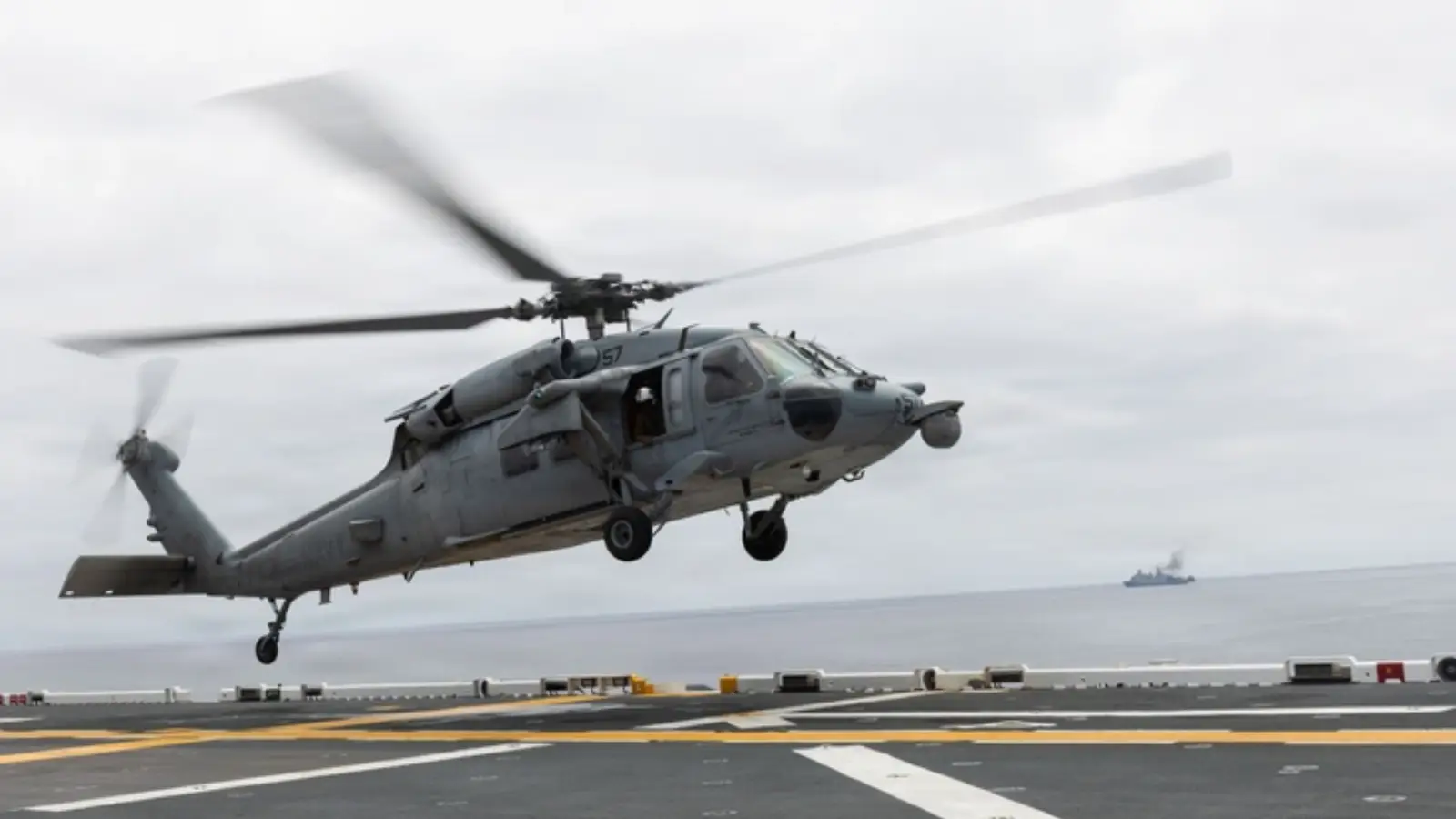
Modern military helicopters remain indispensable despite the growth of drones and long range precision weapons. The aircraft on this list combine advanced sensors, precision strike capability, battlefield mobility, and survivability, making them essential assets for NATO, the United States, European forces, and militaries across the Indo-Pacific.
Top 10 Helicopter In The World
Modern battlefields demand aircraft capable of operating where fixed wing platforms cannot. Helicopters provide close air support, anti armor warfare, special operations insertion, combat search and rescue, and rapid logistical support in contested environments.
The Top 10 helicopter in the world are ranked based on combat effectiveness, operational flexibility, survivability, sensor technology, payload, modernization potential, and combat record rather than simply speed or size.
Ranking Criteria
Each helicopter was evaluated using the following factors:
1.Deep-Dive Analysis: The World’s Top 10 Rotorcraft
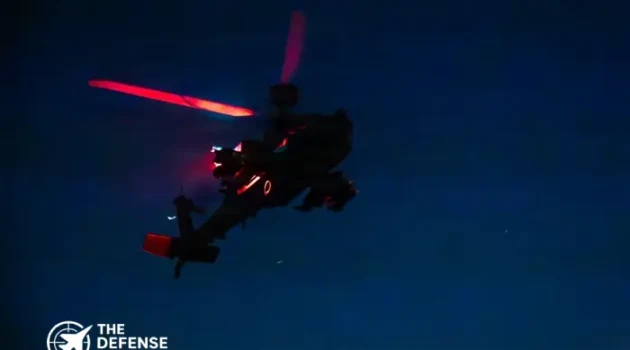
1. AH-64E Apache Guardian (United States)
The ah-64e apache attack helicopter remains the undisputed benchmark for modern rotary-wing lethality. Far outclassing the legacy ah-64d apache attack helicopter baseline, the Echo variant transitions the platform from a self-contained gunship into a collaborative battlefield network node.
Key Avionics & Armament Subsystems
Sensors: Upgraded AN/APG-78 Longbow Fire Control Radar featuring advanced overwater and maritime targeting modes.
With Poland finalizing a historic 96-aircraft procurement program and major operators like the UK and the Netherlands consolidating their fleets around this architecture, this specific apache attack helicopter standard forms the backbone of NATO’s forward defense lines. Its ability to command uncrewed assets and route telemetry across the joint force establishes it as the world’s premier attack helicopter.
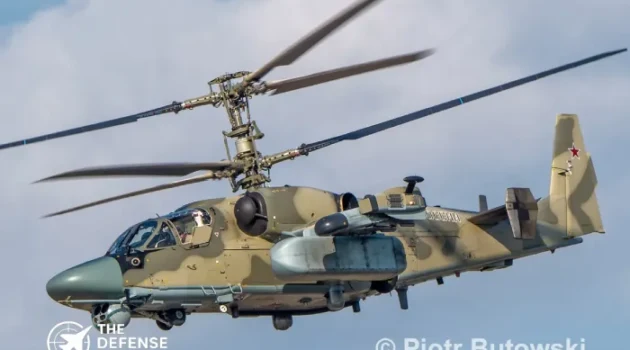
2. Ka-52M Alligator (Russia)
The heavily modified Ka-52M utilizes a distinctive coaxial counter-rotating rotor design, eliminating the need for a traditional tail rotor while providing exceptional agility, high climb rates, and superior hover stability in crosswinds.
Following intensive operational deployments, the “M” variant integrates an upgraded Active Electronically Scanned Array (AESA) radar system alongside a reinforced, combat-hardened hull. It relies on the long-range Izdeliye 305 (LMUR) laser-guided missile and Vikhr anti-tank systems, remaining one of the few combat rotorcraft outfitted with a functional crew ejection seat system.
Engineered primarily for the United States Marine Corps’ demanding amphibious assault and expeditionary requirements, the AH-1Z Viper excels in austere littoral corridors.
The Viper shares significant drivetrain and component commonality with its utility sibling, the UH-1Y Venom, significantly reducing forward logistical burdens. Featuring a fully integrated glass cockpit, optimized composite four-blade rotor systems, and standard loadouts consisting of AGM-114 Hellfires, APKWS laser-guided rockets, and AIM-9X Sidewinder air-to-air missiles, the platform provides precise, rapid close air support directly from forward-deployed naval decks.
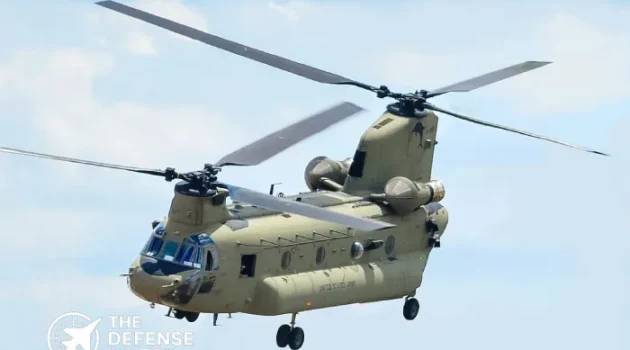
When evaluating raw tactical mobility and heavy-lift logistics, the tandem-rotor CH-47F Chinook remains unmatched across Western militaries.
Powered by dual Honeywell T55-GA-714A engines, the Chinook easily handles a massive external cargo capacity of up to 10,900 kg. It serves as the primary heavy tactical transport for the US Army, the British Royal Air Force, and various European NATO contingents, specializing in the rapid insertion of artillery batteries, light tactical vehicles, and combat-ready infantry units inside contested areas.
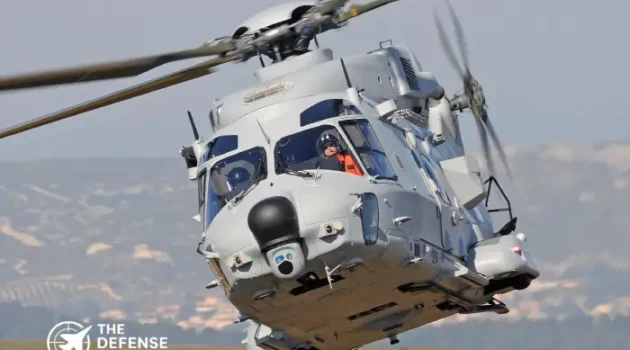
The NH90 is a product of European industrial cooperation (designed by NHIndustries), serving as a core multi-role asset for multiple NATO forces.
Built with a corrosion-resistant, all-composite fuselage, it features an advanced fly-by-wire flight control architecture that minimizes pilot fatigue during long overwater missions. The platform is divided into two primary operational configurations: the Tactical Transport Helicopter (TTH) for air assault operations and the NATO Frigate Helicopter (NFH), which is equipped with specialized dipping sonar, surface-search radars, and anti-ship torpedoes for complex anti-submarine warfare (ASW).
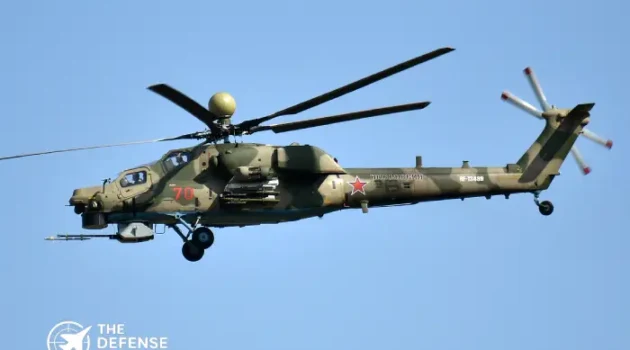
The Mi-28NM represents Russia’s dedicated tandem-seat, heavy armored strike platform.
Nicknamed the “Havoc,” the modern “NM” iteration introduces an omnidirectional N025 mast-mounted radar dome and a dual-cockpit flight control system that allows either crew member to pilot the aircraft if the other is incapacitated. Designed around heavy titanium airframe shielding, the platform utilizes Khrizantema-V radio-guided anti-tank missiles and upgraded thermal imaging tracking channels to strike fortified armor formations at extended ranges, night or day.
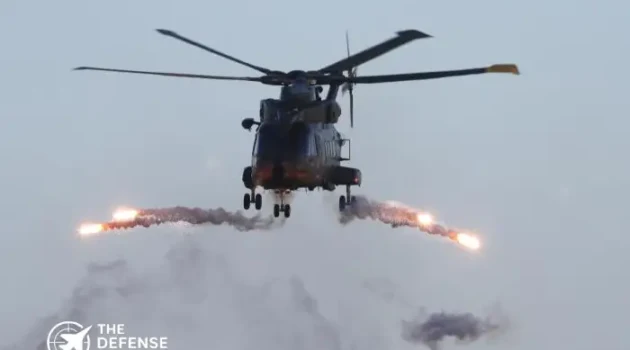
The Leonardo AW101 Merlin stands out due to its unique three-engine propulsion configuration (utilizing Rolls-Royce Turbomeca RTM322 or GE CT7 powerplants), offering an unparalleled level of safety and range for long-range maritime operations.
Extensively deployed by the UK Royal Navy and Italian Navy, the Merlin acts as a premium airborne early warning (AEW) and deep-sea anti-submarine platform. Its spacious internal cabin permits the installation of advanced acoustic processing systems, long-range dipping sonars, and heavy anti-surface weapons.
The UH-60M represents the modern pinnacle of the legendary Sikorsky utility family.
Serving as the primary air assault, medical evacuation (MEDEVAC), and command-and-control platform for the US military and over 35 international partners, the “Mike” variant features digital avionics, a digitized Common Avionics Architecture System (CAAS) cockpit, and wide-chord composite rotor blades that increase lift performance. Its robust airframe survivability and global supply chain make it one of the most successful utility aircraft ever built.
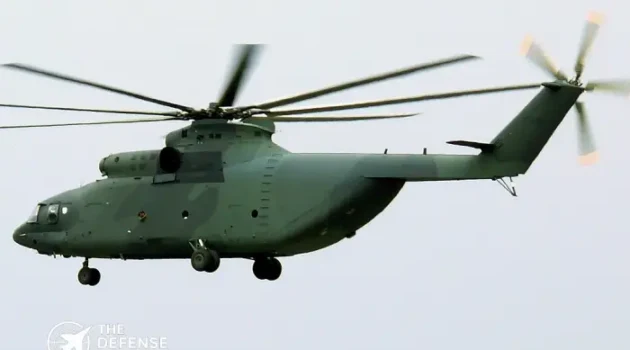
The Mi-26 Halo holds the record as the largest and most powerful production helicopter in aviation history.
Driven by two massive Lotarev D-136 turboshaft engines powering an eight-blade main rotor system, the Halo can transport up to 20 metric tons of internal or external cargo. This unique capacity allows it to airlift fully armored personnel carriers, heavy engineering vehicles, or up to 90 combat troops simultaneously—a lifting capability unmatched by any other active vertical-lift platform on Earth.
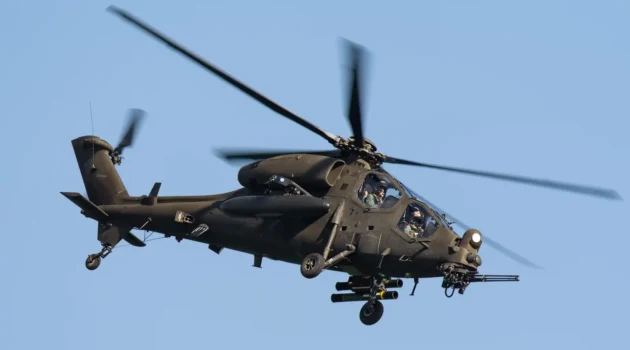
Developed by Turkish Aerospace Industries (TAI) from the AgustaWestland A129 Mangusta baseline, the T129 ATAK has carved out a highly successful niche in the international export market.
Optimized specifically for high-altitude, high-temperature (“hot-and-high”) operating profiles, the T129 balances agile flight performance with low operating costs. It is armed with a nose-mounted 20mm three-barrel rotary cannon, indigenously developed UMTAS long-range anti-tank missiles, and CIRIT laser-guided rockets, drawing significant procurement interest across Africa and Asia.
Despite rapid advances in unmanned systems, modern combat helicopters continue to provide capabilities that drones cannot fully replace.
They can:
React within minutes
Support troops in close contact
Operate from austere locations
Conduct casualty evacuation under fire
Transport special operations forces
Deliver precision fires while maintaining direct communication with ground commanders
Recent conflicts have also accelerated investment in electronic warfare protection, infrared suppression systems, active defensive aids, and manned-unmanned teaming concepts that integrate helicopters with reconnaissance drones.
Future Outlook
The next generation of rotorcraft is already reshaping military aviation. The United States is advancing the Future Long Range Assault Aircraft (FLRAA) program, while European manufacturers are investing in high speed compound rotorcraft and next generation vertical lift technologies. At the same time, attack helicopters are evolving to operate alongside autonomous drones, enabling crews to detect, identify, and engage threats from greater distances while reducing exposure to modern air defense systems.
Although future battlefields will become increasingly networked and contested, the best military helicopters will continue to combine mobility, precision firepower, and battlefield flexibility in ways that remain difficult for any other platform to match.
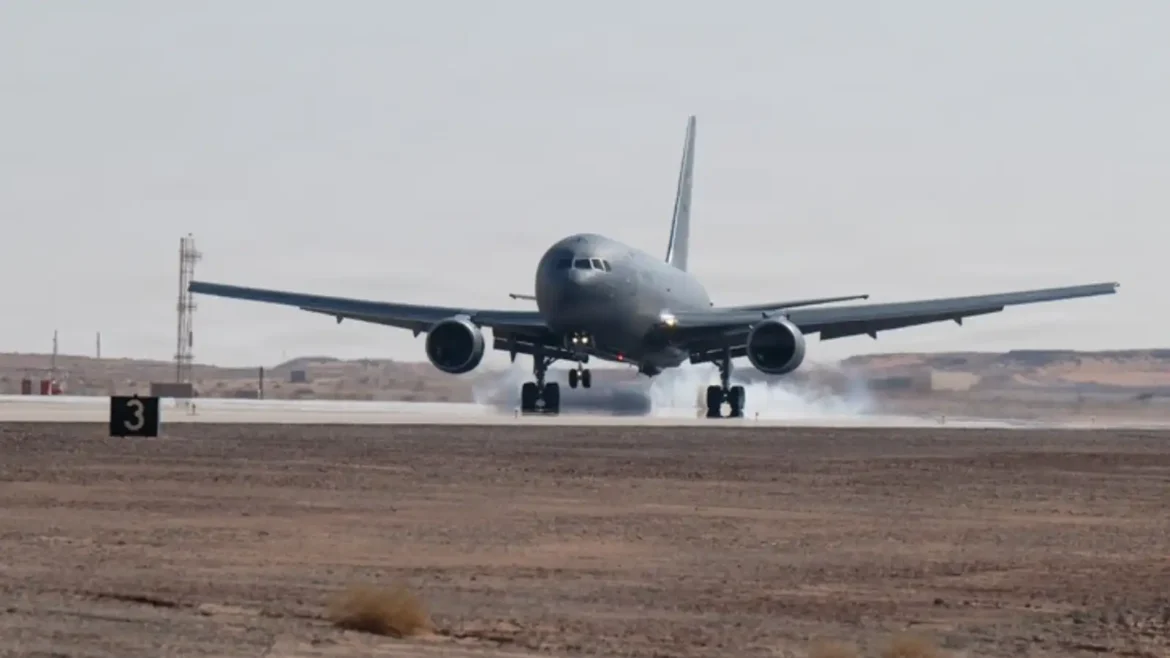
Executive Summary: The U.S. Air Force has launched a long-term KC-46A readiness initiative aimed at increasing tanker aircraft availability by 20% by 2030. The effort focuses on sustainment, maintenance efficiency, and fleet modernization as aerial refueling demand expands across multiple theaters.
U.S. Air Force Launches KC-46A Readiness Initiative
The U.S. Air Force has introduced a new KC-46A readiness plan designed to improve operational availability of its growing aerial refueling fleet by 20% before the end of the decade. The initiative reflects increasing demand for tanker support across Indo-Pacific, European, and Middle Eastern operational environments.
The effort centers on sustainment reform, predictive maintenance, supply chain optimization, and stronger coordination between the Air Force and industry partners.
The KC-46A Pegasus, developed by Boeing, is intended to gradually replace portions of the aging KC-135 Stratotanker fleet while expanding modern aerial refueling capabilities for joint and allied operations.
The KC-46A has become one of the Air Force’s most strategically important aviation programs. Modern U.S. military operations depend heavily on aerial refueling to sustain long-range fighter patrols, bomber deployments, intelligence missions, and rapid force projection.
As tensions continue to rise in the Indo-Pacific region and Europe, tanker aircraft availability has become increasingly critical. The Air Force has repeatedly identified aerial refueling capacity as a major enabler for distributed combat operations and long-range deterrence missions.
The new readiness plan appears designed not only to improve aircraft availability rates, but also to reduce maintenance bottlenecks that have affected fleet performance during the platform’s early operational years.
Sustainment And Maintenance Reforms
The KC-46A readiness plan reportedly includes several operational improvements focused on increasing aircraft mission-capable rates.
These measures include:
Expanded predictive maintenance tools
Improved spare parts availability
Reduced depot maintenance delays
Streamlined logistics coordination
Enhanced digital sustainment systems
The Air Force is also expected to increase data-driven maintenance planning to reduce unplanned downtime and improve sortie generation rates.
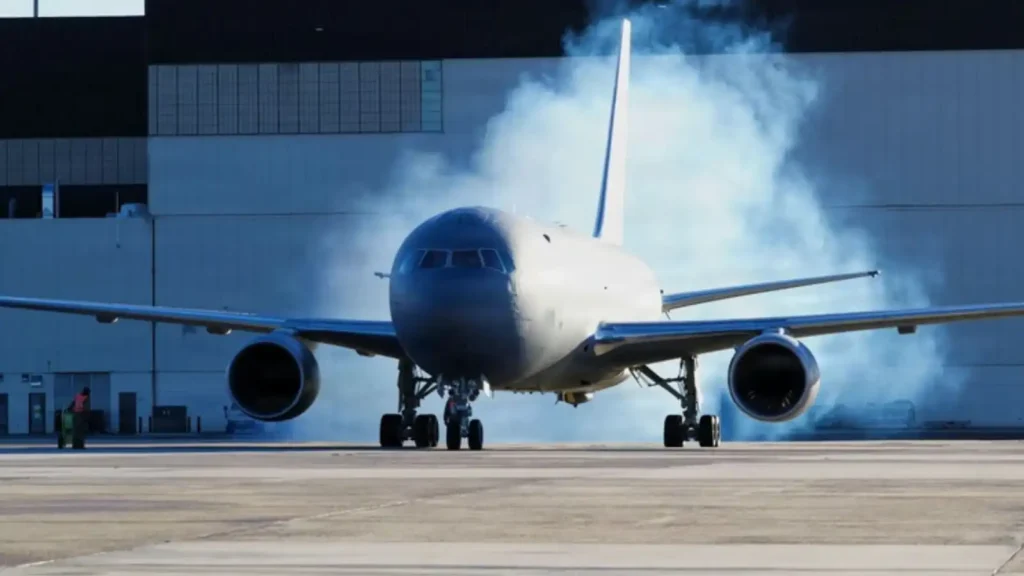
Image : U.S. Air Force
This approach mirrors broader Pentagon-wide efforts to modernize aircraft sustainment using digital logistics management and condition-based maintenance technologies.
KC-46A Program Continues To Mature
The KC-46A program has experienced a difficult development path since its initial contract award. The aircraft faced years of technical deficiencies involving its Remote Vision System (RVS), refueling boom performance, and other operational systems.
However, the platform has gradually expanded operational deployments while supporting real-world missions for U.S. and allied forces.
The tanker is capable of refueling a wide range of aircraft, including:
The Air Force continues working with Boeing on the upgraded Remote Vision System 2.0, which remains one of the most important remaining modernization efforts for the platform.
Strategic Pressure Driving Tanker Modernization
The KC-46A readiness initiative comes as the Air Force faces growing operational pressure in multiple regions simultaneously.
In the Indo-Pacific, tanker aircraft are considered essential for sustaining combat aircraft over long distances where forward basing options may be limited during a conflict scenario involving China.
In Europe, NATO air operations supporting deterrence missions against Russia have increased demand for aerial refueling support since the outbreak of the Ukraine war.
At the same time, Middle East operations continue requiring persistent tanker support for surveillance, strike coordination, and regional force protection missions.
This operational environment is forcing the Air Force to maximize availability across its tanker inventory while accelerating modernization of aging fleets.
Improving fleet readiness often requires expanded partnerships between the Air Force, aircraft manufacturers, and logistics suppliers. Boeing and associated contractors are expected to remain heavily involved in sustainment optimization efforts tied to the KC-46A program.
The Air Force has already accepted dozens of KC-46A aircraft and plans to continue expanding the fleet under existing procurement schedules.
Despite earlier technical setbacks, the service continues treating the Pegasus as the backbone of its future aerial refueling architecture.
Operational Analysis
The Air Force’s decision to prioritize KC-46A readiness highlights a broader shift in Pentagon planning toward sustainment resilience rather than purely platform acquisition.
Aircraft availability rates increasingly matter as much as fleet size. A tanker fleet with low mission-capable rates can significantly reduce combat airpower projection during high-tempo operations.
The 20% availability target by 2030 suggests the Air Force is attempting to address readiness concerns before the KC-46A becomes fully central to U.S. global tanker operations.
The initiative also reflects lessons learned from recent operational demands, where logistics and sustainment capacity have become major strategic factors in prolonged military deployments.
Executive Summary: Hanwha Aerospace has confirmed participation in South Korea’s indigenous long-range air-to-air missile program aimed at replacing the MBDA Meteor missile in Republic of Korea Air Force service. The missile will support the KF-21 fighter program and reflects Seoul’s broader push for defense self-reliance and advanced aerospace weapons development.
Hanwha Long-Range Air-To-Air Missile Program Advances
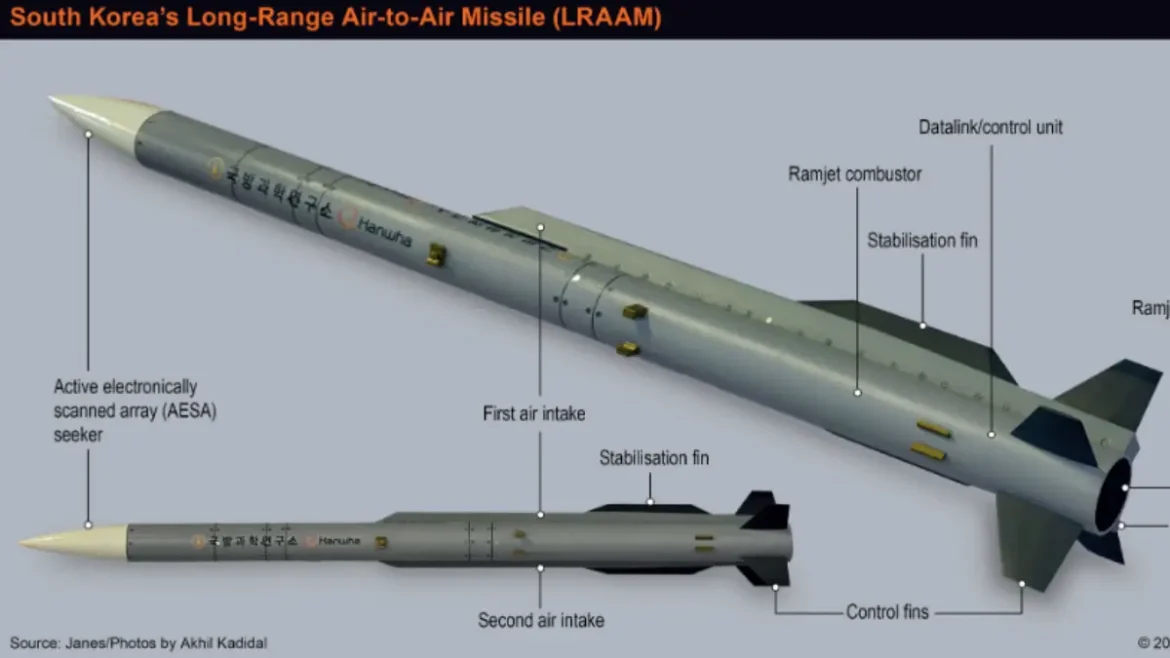
South Korea’s new long-range air-to-air missile program is moving into full development as Hanwha Aerospace works alongside the country’s defense authorities to build an indigenous beyond-visual-range weapon comparable to the European Meteor missile.
The long-range air-to-air missile program is being led by South Korea’s Agency for Defense Development (ADD), while Hanwha Aerospace is contributing propulsion and missile technologies developed over nearly two decades of ramjet research.
Development is scheduled to run from 2026 through 2033 under a government-led framework. The effort follows approval from South Korea’s Defense Acquisition Program Committee in late 2025.
Designed To Support KF-21 Air Combat Capability
The new missile is expected to become a key component of the KF-21 Boramae fighter program, which remains central to Seoul’s long-term military aviation modernization strategy.
South Korea currently relies on foreign suppliers for advanced air-to-air missiles, including the MBDA Meteor. While the Meteor remains one of the most capable ramjet-powered BVRAAMs in operational service, Seoul increasingly views domestic missile production as strategically necessary.
The Hanwha long-range air-to-air missile is expected to use a solid-fuel ducted ramjet propulsion system. That propulsion architecture is designed to sustain energy over long distances, allowing missiles to retain maneuverability and speed deeper into engagement envelopes compared with conventional rocket-powered systems.
A concept model displayed during Seoul ADEX 2025 showed a missile design visually similar to Meteor, including dual ramjet air intakes. However, the South Korean concept also included stabilizing fins around the intake section, indicating possible aerodynamic modifications tailored to domestic requirements.
Why The Program Matters Strategically
The missile project highlights a broader trend across Asia in which regional powers are attempting to reduce dependence on imported precision weapons and aerospace systems.
South Korea has already invested heavily in indigenous missile defense systems, including the L-SAM and L-SAM II programs. Hanwha Aerospace has become one of the country’s most prominent defense manufacturers through programs involving artillery rockets, missile defense, armored systems, and aerospace technologies.
The air-to-air missile effort also aligns with Seoul’s ambitions to improve export competitiveness for the KF-21 fighter. Export customers increasingly seek aircraft packages that include sovereign weapons integration rather than dependence on third-party missile approvals.
That issue has become more important globally as geopolitical tensions reshape defense supply chains and governments seek greater control over sustainment and munitions availability.
Analysts also note that ramjet-powered air-to-air missiles remain among the most technically demanding classes of guided weapons because they combine high-speed propulsion, advanced seekers, datalink integration, and long-range engagement requirements.
South Korea Expands Indigenous Missile Portfolio
The long-range missile program is not operating in isolation. South Korea is simultaneously pursuing a domestically developed short-range air-to-air missile program intended for the KF-21 platform.
Together, the short-range and long-range missile initiatives suggest Seoul is attempting to establish a fully domestic air combat weapons ecosystem for future fighter operations.
Hanwha Systems has also reportedly begun work tied to advanced missile seekers for future air-launched weapons.
At the same time, South Korean defense firms continue expanding internationally. Hanwha Aerospace recently secured major export agreements in Europe involving rocket artillery and missile production partnerships, strengthening the company’s position in the global defense market.
Outlook
The Hanwha long-range air-to-air missile remains years away from operational deployment, but the program represents an important step in South Korea’s broader aerospace and defense modernization effort.
If development proceeds on schedule, the missile could provide the Republic of Korea Air Force with an indigenous long-range air combat capability while reducing reliance on foreign missile suppliers for future KF-21 operations.
The project also signals South Korea’s growing ambition to compete in advanced guided weapon technologies traditionally dominated by the United States and major European defense manufacturers.
Executive Summary: The U.S. Air Force is intensifying efforts to sustain and modernize the B-1B Lancer fleet at Tinker Air Force Base. The initiative aims to improve bomber readiness, extend aircraft service life, and preserve long range strike capabilities amid growing global security challenges.
Tinker Air Force Base Expands B-1 Bomber Sustainment Efforts
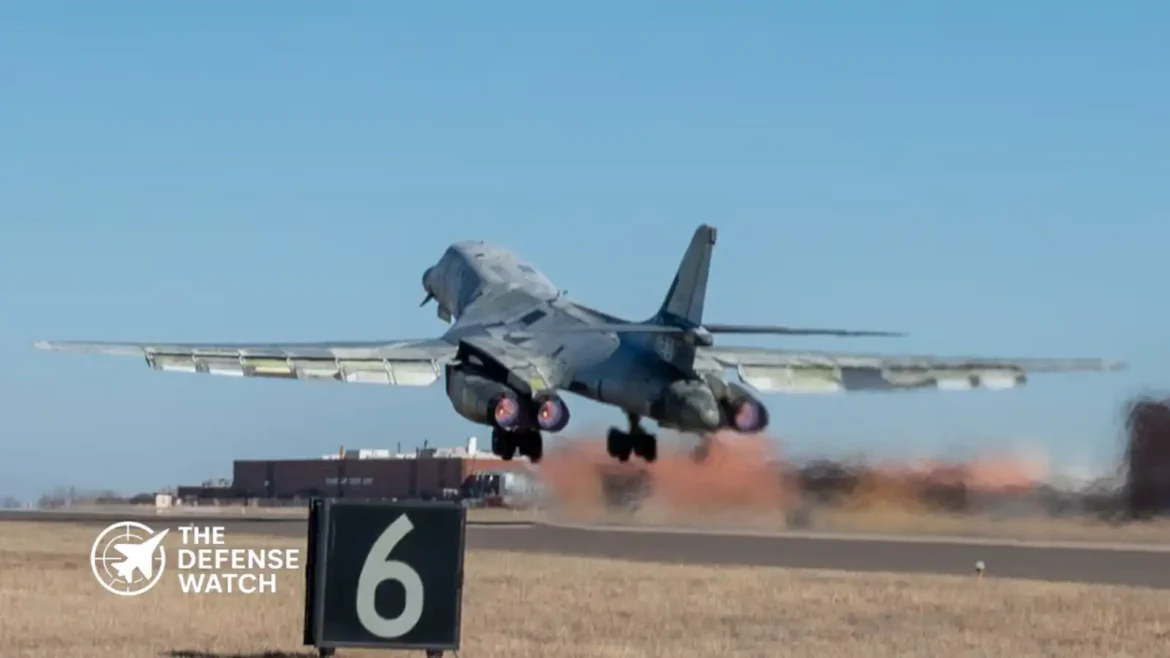
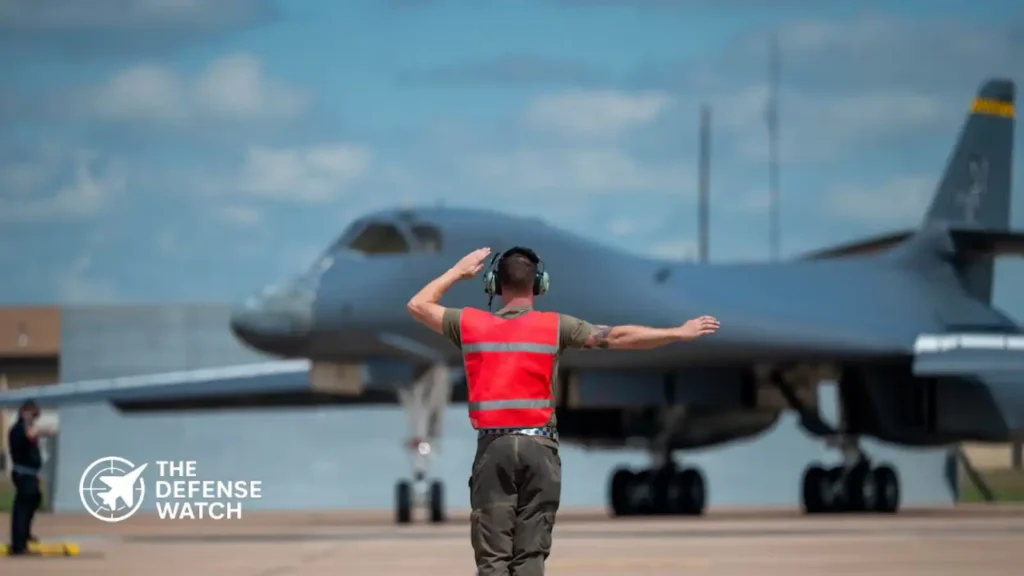
The U.S. Air Force is expanding B-1 bomber modernization and sustainment activities at Tinker Air Force Base as the service works to maintain the combat effectiveness of its aging long range strike fleet.
According to the U.S. Air Force, engineers, logisticians, and maintainers at the Oklahoma facility are conducting extensive structural repairs and upgrades designed to keep the B-1B Lancer mission capable for future operations. The work is being led through the Air Force Sustainment Center and the Oklahoma City Air Logistics Complex, both central to sustaining the Air Force’s bomber inventory.
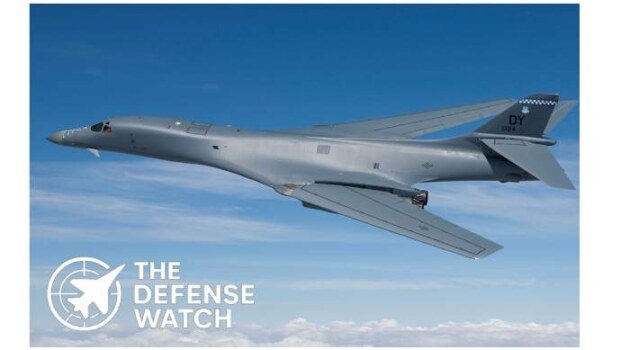
The B-1B remains one of the Air Force’s primary long range strike platforms, capable of carrying large conventional payloads across intercontinental distances. Although originally developed during the Cold War as a nuclear capable bomber, the aircraft has evolved into a key conventional strike asset supporting U.S. Indo Pacific and Middle East operations over the past two decades.
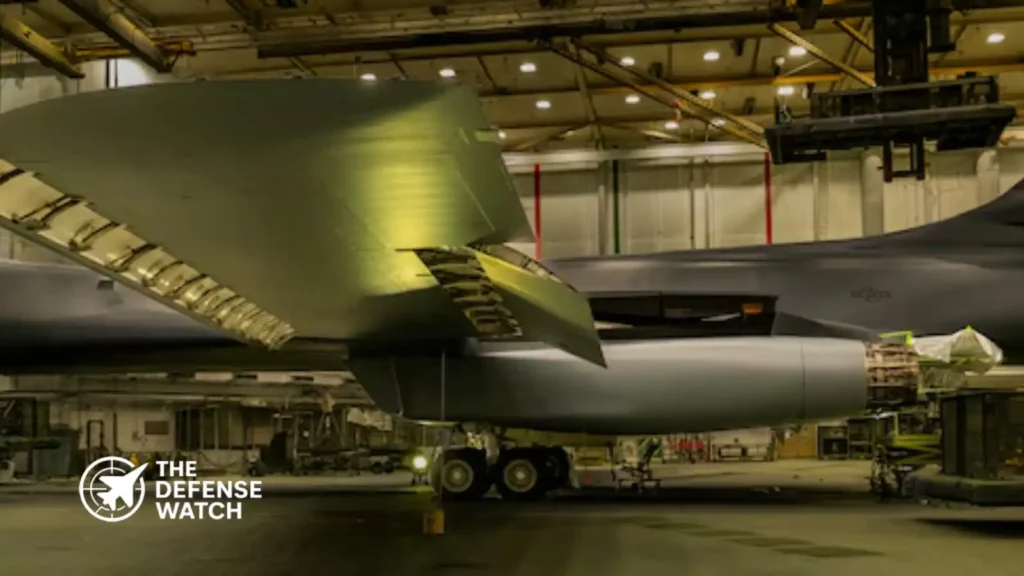
Air Force officials stated that depot teams at Tinker are addressing long standing structural fatigue issues affecting the bomber fleet. The effort includes replacing worn components, restoring aircraft sections, and applying modernization upgrades intended to improve reliability and availability rates.
Sustainment Critical As Bomber Fleet Ages
The B-1 fleet has faced persistent readiness challenges in recent years due to heavy operational demand, aging airframes, and maintenance backlogs. Several aircraft were previously retired to free up resources and reduce pressure on sustainment units.
The latest effort reflects a broader Air Force strategy focused on balancing modernization with force availability. While the service is developing the next generation B-21 Raider, the B-1B continues to play an essential operational role in global strike missions.
The Air Force has increasingly relied on bomber task force deployments to demonstrate strategic reach and deterrence. B-1 aircraft have regularly deployed to Europe, the Indo Pacific, and the Middle East in support of allied exercises and rapid response missions.
Keeping the fleet operational therefore remains strategically important. Sustainment work at Tinker directly supports U.S. Global Strike Command requirements and helps ensure bomber forces remain available during periods of heightened geopolitical tension.
The maintenance initiative also highlights the growing importance of industrial base resilience inside the U.S. defense sector. Depot level sustainment operations are becoming increasingly critical as military services attempt to extend the operational lifespan of legacy platforms while awaiting next generation systems.
Structural Restoration Extends Aircraft Service Life
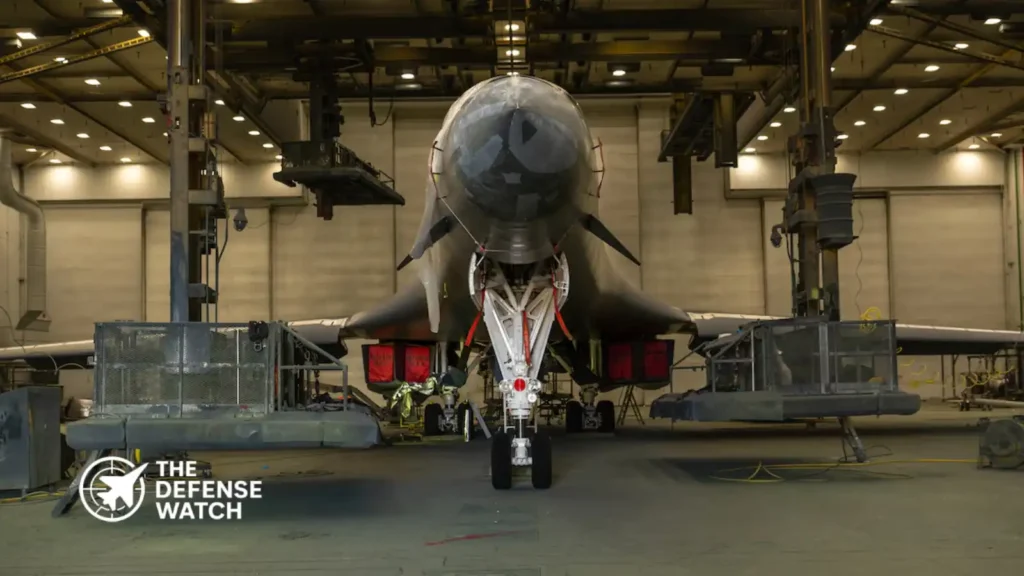
One major focus of the program involves restoring aircraft sections that have experienced fatigue after decades of high tempo flight operations. Maintainers are replacing structural components that are no longer economically repairable through routine field maintenance.
Air Force personnel described the process as highly labor intensive, requiring detailed inspections and precision engineering work. Technicians often remove major aircraft assemblies to access internal structural areas requiring restoration.
The B-1’s variable sweep wing design and high speed flight profile have historically placed significant stress on the airframe. As a result, sustainment teams must continually monitor aircraft integrity to prevent readiness declines.
The modernization effort is also intended to improve long term fleet management efficiency. By restoring key aircraft now, the Air Force can maintain operational bomber capacity during the transition toward future stealth bomber capabilities.
Strategic Importance Of The B-1 Lancer
Despite its age, the B-1B remains one of the most capable conventional bombers in the U.S. inventory. The aircraft can carry precision guided munitions, long range cruise missiles, and large conventional payloads for strike missions against heavily defended targets.
The bomber has frequently participated in joint military exercises with NATO allies and Indo Pacific partners, reinforcing U.S. strategic presence in contested regions.
Its speed, payload capacity, and operational flexibility continue to provide military planners with a valuable strike option short of deploying stealth assets or carrier strike groups.
The sustainment work at Tinker demonstrates how the Air Force intends to preserve this capability until sufficient numbers of B-21 aircraft enter operational service later this decade.
Analysis: Sustainment Becoming As Important As Procurement
The renewed focus on B-1 bomber modernization underscores a broader trend across the U.S. military. Sustainment is increasingly becoming as strategically important as new procurement programs.
While advanced systems such as the B-21 Raider receive significant attention, legacy platforms still carry much of the operational burden for day to day global missions. Extending aircraft availability through depot modernization offers a relatively cost effective way to preserve combat power during force transitions.
The Air Force’s approach also reflects lessons learned from years of high operational tempo following post 9/11 combat deployments. Aircraft once expected to serve under lower utilization rates are now facing accelerated structural wear.
For the Pentagon, maintaining bomber readiness is especially critical as strategic competition with both China and Russia intensifies. Long range strike aircraft remain central to deterrence strategy, rapid response operations, and power projection across multiple theaters.
Rather than treating sustainment as a secondary function, the Air Force increasingly views depot modernization as an operational necessity directly linked to combat readiness and strategic flexibility.
Executive Summary: The U.S. Air Force and Northrop Grumman completed a critical B-21 Raider flight test campaign in 73 days instead of the planned 180. The accelerated pace highlights progress in America’s next-generation stealth bomber program and could support faster operational deployment.
B-21 Raider Flight Test Campaign Advances Faster Than Expected
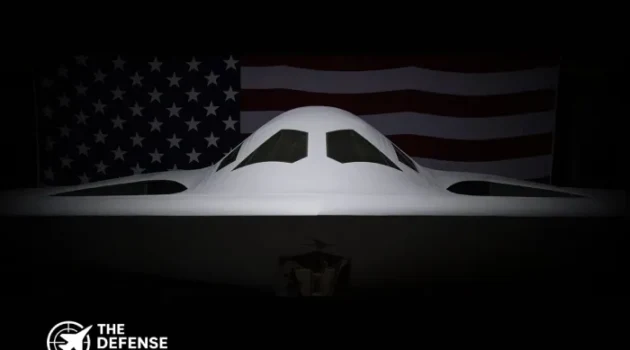
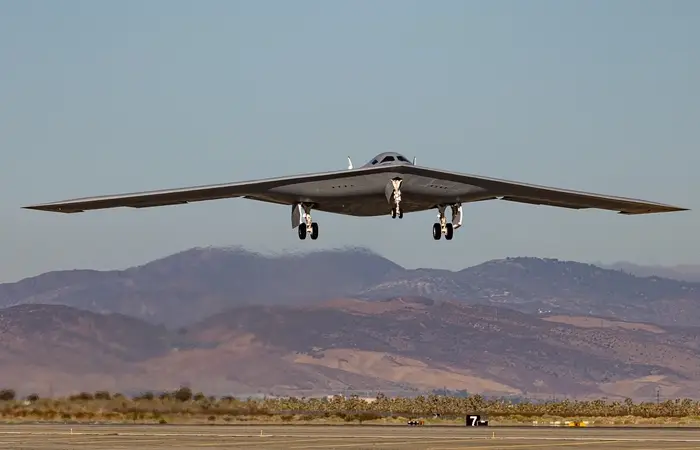
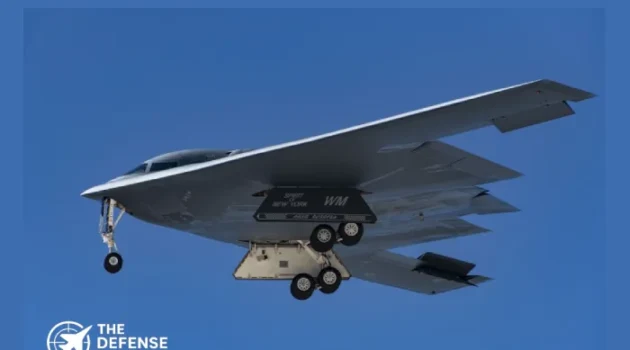
The U.S. B-21 Raider stealth bomber has completed a major developmental flight test campaign significantly faster than initially planned, marking an important milestone for the U.S. Air Force’s next-generation long-range strike program.
Northrop Grumman revealed on May 7, 2026, that the B-21 Raider Combined Test Force reduced a planned 180-day testing schedule to just 73 days.
The accelerated timeline is notable because large-scale military aircraft development programs frequently encounter delays during early flight testing, especially with stealth aircraft integrating advanced sensors, mission systems, and low observable technologies.
The B-21 Raider program appears to be avoiding many of those early setbacks.
Why The Accelerated Testing Timeline Matters
The B-21 Raider is intended to replace portions of the aging U.S. bomber fleet, including the B-1B Lancer and B-2 Spirit, while complementing the B-52 Stratofortress in long-range strike missions.
The faster-than-expected test progress suggests that the aircraft entered flight trials with mature software integration and a relatively stable design baseline. That is a significant achievement for a stealth platform expected to operate in highly contested environments against advanced air defense systems.
Northrop Grumman stated that the Combined Test Force achieved the milestone while completing roughly half of the planned mission objectives connected to an $11.8 billion effort.
Industry analysts view this as evidence that digital engineering and advanced modeling techniques used during development may be reducing traditional flight-test risks. The B-21 program has heavily emphasized digital design and production methods since its earliest phases. Earlier Air Force and Northrop Grumman statements also indicated that flight performance during testing closely matched digital simulations.
That alignment between simulated and real-world performance can shorten troubleshooting cycles and reduce costly redesign work.
Expanding U.S. Long-Range Strike Capability
The B-21 Raider is central to the U.S. Air Force’s future global strike strategy. Designed as a penetrating stealth bomber capable of delivering both conventional and nuclear payloads, the aircraft is expected to operate deep inside heavily defended airspace.
The bomber will eventually support missions across the Indo-Pacific, Europe, and other contested theaters where survivability against modern integrated air defense systems is increasingly important.
The U.S. Air Force has also continued expanding the flight test fleet. A second B-21 Raider test aircraft joined the program in 2025, enabling parallel testing of mission systems, weapons integration, and sustainment procedures.
The rapid progress of the B-21 Raider program comes amid increasing strategic competition with China and Russia. Both nations continue investing heavily in advanced air defenses, long-range missiles, and next-generation combat aircraft.
For the Pentagon, the B-21 Raider represents more than a new bomber. It is a key part of maintaining credible long-range deterrence and strike flexibility in future conflicts.
The Air Force plans to acquire at least 100 B-21 aircraft, though some defense analysts argue that number may eventually increase depending on operational demands and geopolitical developments.
Unlike previous stealth bomber programs that faced major production and affordability challenges, the B-21 effort has focused heavily on scalable manufacturing and lower sustainment costs from the outset.
That production-focused approach may help the Air Force field the aircraft more rapidly than earlier strategic bombers.
Program Momentum Continues
The B-21 Raider first flew in November 2023 and has steadily expanded its test envelope since then. The aircraft already entered low-rate initial production, another sign of Pentagon confidence in the program’s maturity.
While many technical details remain classified, recent milestones indicate the stealth bomber program is progressing with fewer disruptions than typically seen in next-generation combat aircraft development.
If the current pace continues, the B-21 Raider could enter operational service on schedule and become the backbone of the U.S. Air Force’s future bomber fleet during a period of intensifying global strategic competition.
Executive Summary: The U.S. Congress is advancing legislation that could preserve three retired F-14D Tomcat fighters and potentially return one aircraft to flying condition. The Maverick Act would transfer the jets from Navy storage to the U.S. Space & Rocket Center in Alabama for heritage and educational use.
Congress Advances F-14 Tomcat Preservation Effort
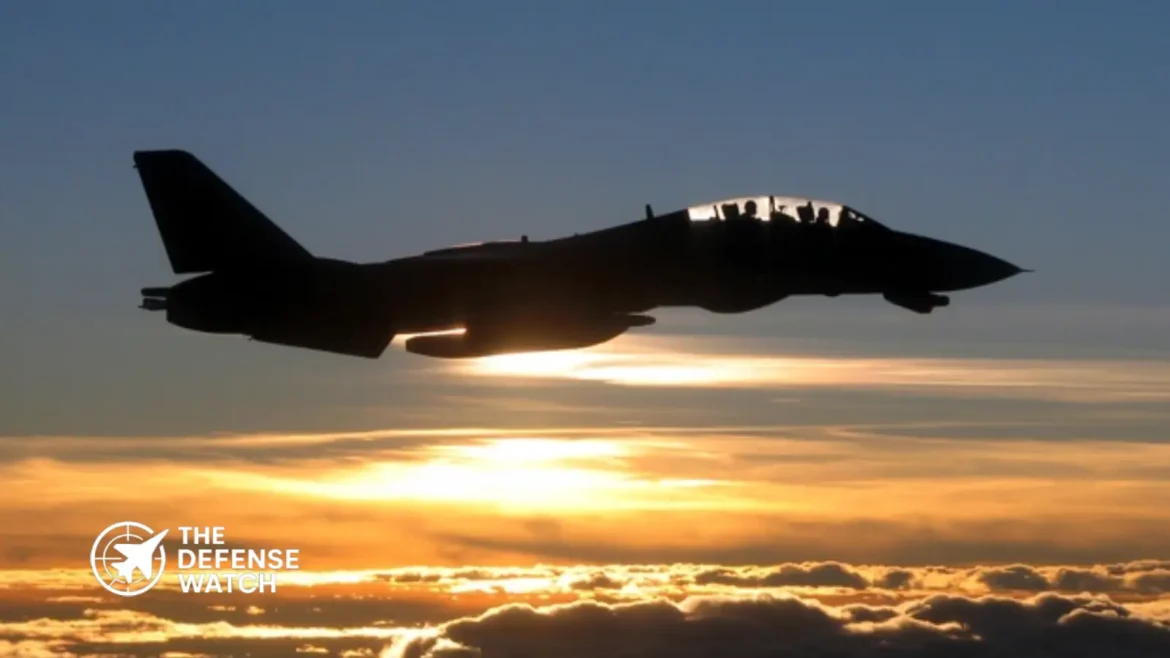
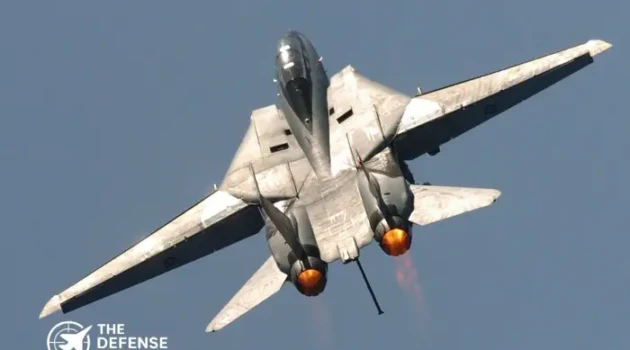
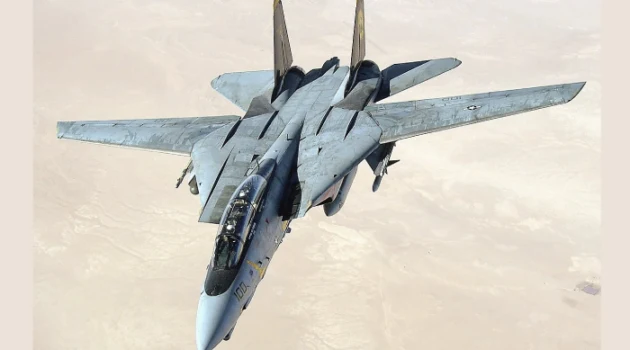
The future of the iconic Grumman F-14 Tomcat may be changing after nearly two decades in retirement, as U.S. lawmakers move forward with legislation aimed at preserving three remaining aircraft and potentially restoring one to flight status.
The proposed legislation, known as the Maverick Act, has already passed the U.S. Senate by unanimous consent and is now under consideration in the House of Representatives. The bill would authorize the transfer of three retired F-14D Tomcats from storage at Davis-Monthan Air Force Base in Arizona to the U.S. Space & Rocket Center Commission in Huntsville, Alabama.
The legislation was introduced in the Senate by Tim Sheehy and co-sponsored by Mark Kelly. In the House, companion legislation was introduced by Abe Hamadeh.
The most significant provision in the Maverick Act allows the Secretary of the Navy to provide excess spare parts needed to make one of the aircraft either flyable or suitable for static display.
If approved and technically feasible, the restored aircraft could appear at public airshows, commemorative events, and naval aviation heritage demonstrations. The three aircraft identified in the legislation carry Bureau Numbers 164341, 164602, and 159437.
The proposed transfer would come with strict limitations. The aircraft would be fully demilitarized and stripped of any combat capability or weapons release functionality before transfer. Lawmakers also emphasized that the legislation does not reopen foreign transfer pathways for the aircraft.
The F-14 Tomcat was retired by the U.S. Navy in 2006 after more than three decades of service. The aircraft gained worldwide recognition for its variable-sweep wing design, long-range interception capability, and operational role aboard U.S. aircraft carriers during the Cold War and post-Cold War era.
Why The F-14 Was Previously Destroyed
The congressional effort marks a major shift in long-standing U.S. policy toward retired F-14 airframes.
After the Tomcat left Navy service, the Pentagon ordered most surviving aircraft dismantled or destroyed to prevent spare parts from reaching Iran, the only foreign operator of the aircraft. Iran acquired F-14s before the 1979 Islamic Revolution and continued operating portions of the fleet for decades despite sanctions.
That policy led to the scrapping of nearly all retired U.S. Navy F-14s. Many aviation experts believed the aircraft would never fly again in the United States because of severe parts shortages and structural modifications made during retirement processing.
Online aviation communities and former maintainers have debated whether surviving airframes remain structurally recoverable. Some observers claim critical wing box structures were intentionally cut during demilitarization, while others argue a limited number of preserved aircraft may still be viable for restoration.
Technical And Financial Challenges Remain
Even if the Maverick Act becomes law, returning an F-14 Tomcat to flight would remain a highly complex undertaking.
The F-14 was one of the most maintenance-intensive fighter aircraft ever operated by the U.S. Navy. Maintaining the swing-wing fighter required extensive logistics support, specialized tooling, and a large supply chain that no longer exists.
Unlike legacy warbirds such as the P-51 Mustang or F-4 Phantom, the Tomcat fleet was deliberately removed from long-term civilian restoration pipelines. Many spare parts were destroyed, and no commercial production network remains active for critical systems.
Still, the legislation reflects growing interest in preserving Cold War aviation history as public demand for historic military aircraft demonstrations continues to expand. The F-14 also remains one of the most recognizable U.S. naval aircraft ever built, partly due to its continued cultural visibility through films and aviation media.
Strategic Symbolism Beyond Heritage
While the Maverick Act is primarily framed as a heritage preservation initiative, the proposal also carries symbolic value for U.S. naval aviation history.
The Tomcat represented the peak of Cold War carrier-based fleet defense and served as a central component of Navy air superiority strategy for decades. Restoring even one aircraft to flying condition would provide the United States with a highly visible heritage platform linked to naval aviation history and carrier warfare evolution.
The move also comes during a broader period of renewed interest in preserving legacy American combat aircraft as museums, private organizations, and veterans groups seek to maintain public engagement with military aviation history.
Whether one of the aircraft ultimately returns to the skies will depend on engineering feasibility, funding, regulatory approvals, and long-term maintenance support. However, the fact that Congress is now openly considering the possibility marks a major reversal from the post-retirement policy that once ensured the F-14 would never fly again.
Executive Summary: Türkiye has revealed the new GUECHAN turbofan engine, a 42,000-pound-thrust indigenous propulsion system aimed at powering future combat aircraft. The program supports Ankara’s long-term effort to reduce dependence on foreign engines and strengthen its next-generation aerospace sector.
Türkiye Unveils GUECHAN Turbofan Engine For Future Fighter Programs
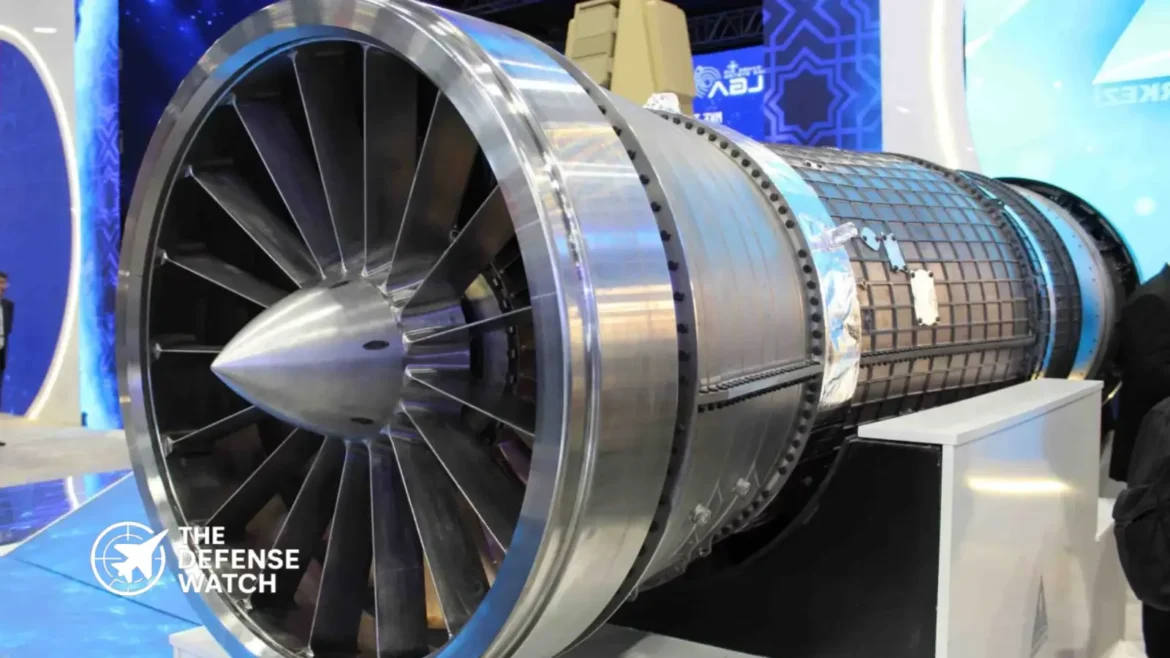
Türkiye’s aerospace sector has introduced the new GUECHAN turbofan engine, a domestically developed propulsion system designed to deliver up to 42,000 pounds of thrust, placing it in the same performance category as engines used by fifth-generation combat aircraft.
The engine is being positioned as a strategic step toward supporting Türkiye’s expanding military aviation ambitions, including future variants of the KAAN next-generation fighter program.
The unveiling reflects Ankara’s broader push to reduce reliance on foreign defense suppliers following years of export restrictions, procurement disputes, and licensing challenges affecting several Turkish aerospace programs.
The GUECHAN turbofan is expected to support high-performance combat aircraft operations, including sustained supersonic flight, advanced maneuverability, and larger payload capacities. Turkish defense officials have repeatedly emphasized the importance of sovereign propulsion technology as a core requirement for long-term defense autonomy.
Indigenous Engine Development Gains Strategic Importance
The development of an indigenous fighter engine has become increasingly important for Türkiye’s defense planning over the last decade. The country’s defense industry has expanded rapidly across drones, missiles, naval systems, armored vehicles, and combat aircraft, but propulsion technology remains one of the most difficult areas to localize.
Modern fighter engines require advanced metallurgy, precision manufacturing, thermal management systems, and highly sophisticated turbine technologies. Only a limited number of countries currently possess the industrial base needed to independently design and manufacture high-thrust military turbofans.
The GUECHAN program appears intended to narrow that gap.
Türkiye’s KAAN stealth fighter currently relies on imported propulsion systems during prototype development and flight testing phases. However, Ankara has repeatedly stated its goal of integrating a fully indigenous engine in future production configurations.
The reported 42,000 lbf thrust rating places the GUECHAN engine within the performance range associated with modern fifth-generation fighter propulsion systems. For comparison, the Pratt & Whitney F135 engine used in the Lockheed Martin F-35 Lightning II generates roughly similar thrust output depending on configuration.
That comparison is strategically significant. It suggests Türkiye is not simply pursuing a replacement engine for legacy aircraft, but rather attempting to establish an independent high-performance propulsion capability suitable for advanced stealth platforms.
KAAN Fighter Program Remains Central To Türkiye’s Aerospace Ambitions
The indigenous KAAN fighter program remains one of Türkiye’s largest defense modernization projects. Led by Turkish Aerospace Industries, the aircraft is intended to replace portions of the Turkish Air Force’s aging F-16 fleet over the coming decades.
The KAAN prototype completed its maiden flight in 2024, marking a major milestone for Türkiye’s domestic aerospace industry. Future development phases are expected to focus on avionics integration, stealth optimization, weapons testing, and propulsion improvements.
An indigenous engine program could reduce long-term exposure to export controls or political restrictions affecting combat aircraft operations and upgrades.
This issue has gained greater relevance since Türkiye’s removal from the F-35 program following Ankara’s acquisition of the Russian-made S-400 air defense system. The dispute highlighted the risks associated with reliance on foreign-controlled supply chains for strategic military platforms.
As a result, Turkish defense planners have increasingly prioritized domestic production capabilities across key technologies, particularly propulsion, sensors, radar systems, and electronic warfare components.
Regional And Global Implications
The unveiling of the GUECHAN turbofan also carries broader geopolitical implications for regional aerospace competition.
Türkiye has emerged as a major exporter of defense systems, particularly unmanned aerial vehicles and armored platforms. A successful indigenous high-thrust engine program could strengthen its position in the global defense market by enabling greater control over export licensing and aircraft customization.
Countries seeking alternatives to Western or Russian combat aircraft suppliers may view Turkish aerospace products as increasingly attractive if Ankara can independently provide propulsion systems without third-party approval requirements.
The move also reflects a wider global trend toward defense industrial self-sufficiency. Several middle powers are investing heavily in indigenous aerospace manufacturing capabilities amid rising geopolitical tensions and concerns over supply chain vulnerability.
Still, developing an operational fifth-generation-class fighter engine remains an exceptionally difficult and expensive undertaking. Engine reliability, durability, thermal efficiency, and maintenance cycles often require years of testing before operational deployment.
Industry analysts note that while prototype demonstrations are important milestones, large-scale production and long-term sustainment capabilities ultimately determine whether a propulsion program achieves strategic success.
Technical Challenges Remain Ahead
Although the unveiling marks a significant symbolic and industrial milestone, major technical hurdles remain before the GUECHAN engine can enter operational service.
Military turbofan development programs typically require extensive ground testing, high-altitude validation, thermal endurance assessments, and integration trials with combat aircraft platforms. Certification timelines can stretch for years, even among established aerospace powers.
Türkiye’s growing experience in aerospace manufacturing may provide a stronger foundation than in previous decades, particularly through lessons learned from drone engines, helicopter propulsion systems, and advanced aerospace composites.
However, transitioning from smaller propulsion systems to a 42,000-pound-thrust class fighter engine represents a major technological leap.
The long-term success of the GUECHAN program will likely depend on sustained government funding, industrial cooperation, supply chain resilience, and successful flight integration with future KAAN variants.
Why The GUECHAN Engine Matters
The GUECHAN turbofan represents more than a new aerospace product. It reflects Türkiye’s broader strategic effort to establish greater independence in advanced military technologies amid a changing geopolitical and defense environment.
If successful, the engine could become a cornerstone capability for future Turkish combat aviation programs while strengthening Ankara’s standing as an emerging aerospace power.
At the same time, the program underscores how propulsion technology remains one of the defining competitive areas in modern military aviation.