(adsbygoogle = window.adsbygoogle || []).push({});Executive Summary:
The U.S. Air Force says it is confident Boeing has resolved a critical flaw affecting the KC-46 Pegasus aerial refueling tanker. The upgraded Remote Vision System 2.0 has completed testing and is expected to enter production aircraft in 2028, a key milestone for one of the Air Force’s most important mobility programs.
US Air Force Confident KC-46 Tanker Fix Is Working
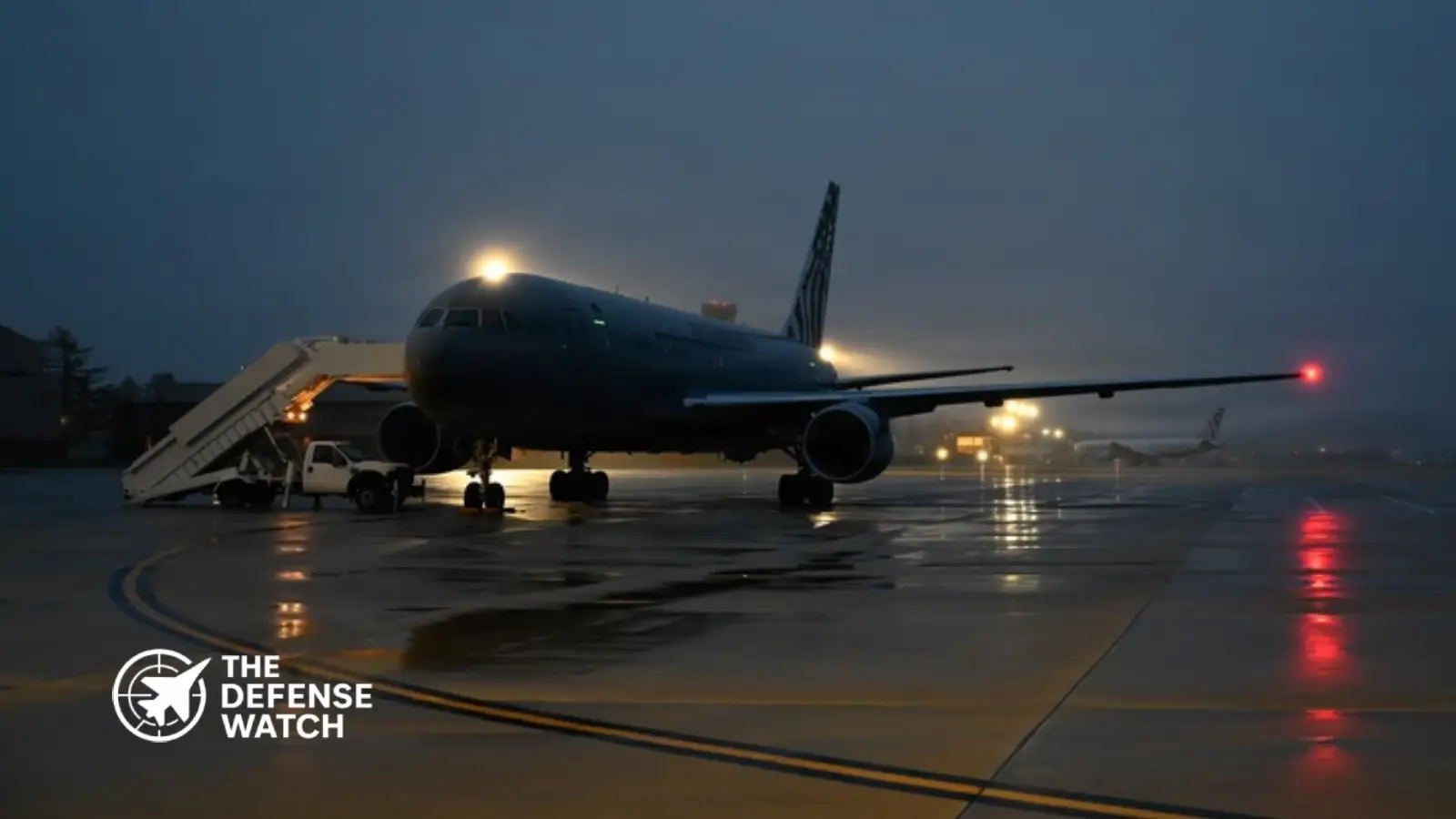
The KC-46 tanker upgrade program reached a significant milestone this week as U.S. Air Force Secretary Troy Meink told lawmakers that the service believes Boeing has successfully fixed the aircraft’s troubled Remote Vision System (RVS), a critical component used during aerial refueling operations.
Speaking before a Senate appropriations subcommittee, Meink said the new Remote Vision System 2.0 has been tested successfully and is expected to begin entering the production line in 2028. The announcement marks one of the strongest endorsements yet from Air Force leadership regarding Boeing’s efforts to address a problem that has plagued the tanker program for years.
The KC-46 Pegasus relies on the vision system to allow boom operators to remotely guide the aircraft’s refueling boom into receiving aircraft. Deficiencies in image quality and depth perception under certain lighting conditions have limited the system’s effectiveness and delayed full operational capability.
(adsbygoogle = window.adsbygoogle || []).push({});A Decade-Long Challenge For Boeing
The KC-46 program has faced technical and schedule setbacks since its development phase. Beyond the Remote Vision System issues, Boeing and the Air Force have worked through problems involving the refueling boom, fuel systems, and production quality concerns.
The aircraft, derived from the commercial Boeing 767 platform, was selected to replace portions of the aging KC-135 Stratotanker fleet. While the tanker has entered operational service and supports missions worldwide, unresolved deficiencies have prevented the program from fully meeting all Air Force expectations.
The latest timeline remains well behind original plans. Air Force officials had initially expected the upgraded vision system years earlier, making the anticipated 2028 production integration roughly five years later than first projected.
(adsbygoogle = window.adsbygoogle || []).push({});Why The KC-46 Matters To US Military Operations
Aerial refueling aircraft are among the most strategically important assets in the U.S. military inventory. They extend the range of fighters, bombers, intelligence aircraft, and transport fleets, enabling global power projection and sustained operations across multiple theaters.
The importance of tanker fleets has become increasingly apparent as the Pentagon focuses on long-range operations in the Indo-Pacific and maintains readiness across Europe and the Middle East. Modern air campaigns depend heavily on reliable aerial refueling capabilities to support extended missions far from established bases.
From an operational perspective, resolving the KC-46’s deficiencies is about more than fixing a single aircraft. It is about ensuring the Air Force can field a modern tanker force capable of supporting future high-end conflicts where range, endurance, and rapid deployment are critical factors.
This broader strategic role explains why Air Force leaders continue to invest heavily in the program despite years of technical challenges.
(adsbygoogle = window.adsbygoogle || []).push({});Additional Orders Depend On Successful Fixes
The Air Force has already ordered 188 KC-46 tankers and received more than 100 aircraft. However, future procurement plans remain tied to Boeing’s ability to fully resolve outstanding deficiencies.
Earlier this year, Air Force Vice Chief of Staff Gen. John Lamontagne stated that the service would not move forward with a potential follow-on order for an additional 75 aircraft until key issues are corrected.
That position makes the successful testing of RVS 2.0 particularly important. If the upgraded system performs as expected during further validation and fleet integration, it could remove one of the largest obstacles standing between Boeing and future tanker contracts.
The Air Force and Boeing recently announced a joint readiness improvement plan focused on accelerating upgrades, improving aircraft availability, and speeding installation of the new vision system across the fleet. Officials believe the effort could significantly improve tanker readiness by the end of the decade.
(adsbygoogle = window.adsbygoogle || []).push({});Analysis: A Critical Turning Point For The KC-46
The Air Force’s confidence in the upgraded Remote Vision System represents an important turning point for a program that has often been defined by technical setbacks rather than operational achievements.
While successful testing does not eliminate all remaining challenges, it signals that one of the aircraft’s most persistent deficiencies may finally be nearing resolution. The next phase, integrating the system into production aircraft and retrofitting the existing fleet, will determine whether Boeing can fully restore confidence in the KC-46 program.
Retrofitting aircraft already in service is expected to take several years, meaning the benefits of the upgrade will be realized gradually rather than immediately. Nevertheless, the Air Force’s public endorsement of the fix suggests that program leaders believe the effort is finally moving in the right direction.
For Boeing, which has absorbed more than $7 billion in losses on the fixed-price tanker contract, a successful RVS 2.0 rollout could help stabilize one of its most challenging defense programs and support future tanker production opportunities.

US Air Force Races To Deploy Collaborative Combat Aircraft Amid Push For Air Dominance Against China
Executive Summary:
The U.S. Air Force plans to procure at least 150 Collaborative Combat Aircraft (CCA) by 2031 as part of its broader effort to expand manned-unmanned teaming capabilities. The autonomous aircraft are expected to operate alongside the F-35 and future F-47 fighter, improving survivability, combat reach, and operational flexibility in contested environments.US Air Force Expands Collaborative Combat Aircraft Program
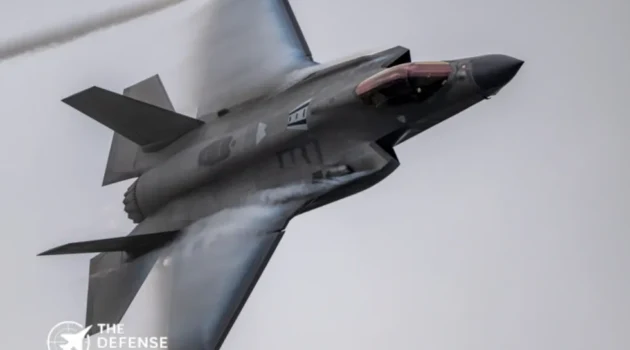
The U.S. Air Force’s Collaborative Combat Aircraft program is moving from concept development toward operational planning, with the service now targeting the acquisition of at least 150 autonomous aircraft by fiscal year 2031. The initiative is intended to support both current fifth-generation fighters such as the F-35 and the future sixth-generation F-47 platform under the Next Generation Air Dominance (NGAD) framework.
The Air Force’s latest procurement projections reflect growing confidence in autonomous combat aviation as a key component of future air warfare.
The Collaborative Combat Aircraft program represents one of the most significant shifts in U.S. tactical aviation strategy in decades. Rather than relying solely on expensive manned fighters, the Air Force intends to pair crewed aircraft with lower-cost autonomous systems capable of carrying sensors, electronic warfare payloads, and weapons.
Autonomous Wingmen Designed For High-Threat Environments
The planned Collaborative Combat Aircraft fleet is expected to operate as force multipliers during high-end conflicts, particularly in contested regions such as the Indo-Pacific. Air Force officials have repeatedly emphasized that future operations against near-peer adversaries will require larger and more distributed air formations capable of surviving advanced air defense systems.
Under the current concept, a single pilot could coordinate multiple unmanned aircraft during combat missions. These autonomous systems could conduct forward sensing, electronic attack, decoy operations, or strike missions while reducing risk to human pilots.
The program aligns with broader Pentagon efforts to integrate artificial intelligence and autonomous technologies into operational planning. Senior defense officials have argued that collaborative drones can increase combat mass at lower cost compared to traditional fighter procurement.
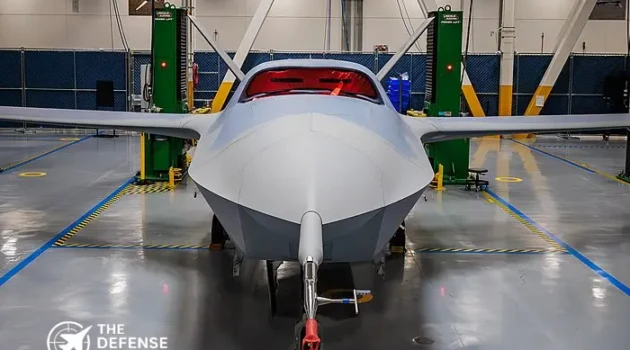
The Air Force previously selected two industry teams for the Increment 1 phase of the program. Anduril Industries is developing its Fury drone design, while General Atomics is advancing the YFQ-42A platform derived from the XQ-67A concept.
Support Role For F-35 And Future F-47 Fighters
The Air Force views the Collaborative Combat Aircraft initiative as critical to enabling future operations centered around the F-35 and the forthcoming F-47 fighter aircraft.
While the F-35 remains a cornerstone of U.S. and allied tactical aviation, the aircraft’s operational effectiveness increasingly depends on networked warfare and sensor integration. Autonomous wingmen could extend sensor coverage, carry additional weapons, and absorb attrition in contested environments where survivability remains a concern.
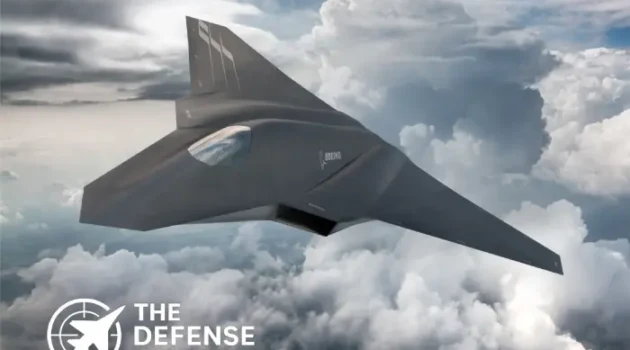
The future F-47, expected to serve as the Air Force’s next-generation air superiority fighter, is also being designed around manned-unmanned teaming concepts. Although many details surrounding the platform remain classified, Air Force leadership has consistently linked NGAD development with autonomous support aircraft.
This shift reflects a broader evolution in air combat doctrine. Rather than viewing unmanned systems as separate assets, the Pentagon increasingly sees them as integrated components of a single combat ecosystem.
Strategic Importance Amid Rising Competition With China
The Air Force’s accelerated interest in Collaborative Combat Aircraft comes amid intensifying strategic competition with China. U.S. defense planners continue to assess that future conflicts could involve highly contested airspace defended by advanced integrated air defense systems, long-range missiles, and electronic warfare capabilities.
Autonomous aircraft are viewed as a potential solution to operational challenges posed by long distances and attrition risks in the Pacific theater. Lower-cost drones operating alongside crewed fighters may allow commanders to generate larger combat formations without dramatically increasing procurement costs.
The initiative also reflects concerns about sustaining aircraft inventories during prolonged conflicts. Modern stealth fighters remain expensive and time-consuming to produce, making attritable autonomous systems increasingly attractive from both operational and budgetary perspectives.
In recent years, the Pentagon has accelerated experimentation with autonomous aviation through programs linked to the Defense Advanced Research Projects Agency (DARPA), the Air Force Research Laboratory, and private industry partners.
Procurement Timeline And Future Expansion
Current Air Force planning reportedly envisions the first operational Collaborative Combat Aircraft entering service before the end of the decade. The initial objective of 150 aircraft by 2031 may represent only the beginning of a larger procurement effort.
Air Force leaders have previously suggested that future combat squadrons could deploy with multiple autonomous aircraft assigned to each manned fighter. If operational testing validates the concept, procurement numbers could expand substantially during the 2030s.
The program’s success will depend on several factors, including autonomous flight reliability, secure communications, artificial intelligence integration, and the ability to operate effectively in electronically contested environments.
Industry competition is also expected to remain intense as defense firms seek to secure positions in what could become one of the Pentagon’s largest future aviation programs.
Analysis: A Fundamental Shift In Air Warfare
The Collaborative Combat Aircraft initiative signals more than just a new drone procurement effort. It reflects a deeper transformation in how the U.S. Air Force intends to fight future wars.
For decades, air superiority relied primarily on increasingly sophisticated manned fighters. However, rising aircraft costs, evolving missile threats, and advances in autonomy are pushing military planners toward distributed force structures built around human-machine collaboration.
The Air Force appears to be pursuing a model that combines the decision-making strengths of human pilots with the scalability and survivability advantages of autonomous systems. If successful, the program could reshape tactical aviation doctrine not only for the United States, but also for allied air forces likely to adopt similar concepts.
At the same time, integrating autonomous combat aircraft into frontline operations introduces technical and doctrinal challenges that remain unresolved. Questions surrounding command authority, AI reliability, electronic warfare resilience, and operational coordination will likely shape the program’s future trajectory.
Executive Summary:
The United States is repositioning F-22 stealth fighters closer to China to improve response times in a potential Taiwan crisis. The move underscores growing tensions and a renewed focus on air superiority in the Indo-Pacific.US Moves F-22 Stealth Fighters Closer To China
The F-22 stealth fighters deployment marks a significant step in U.S. efforts to strengthen rapid-response capabilities near Taiwan, as tensions with China continue to shape regional military planning.
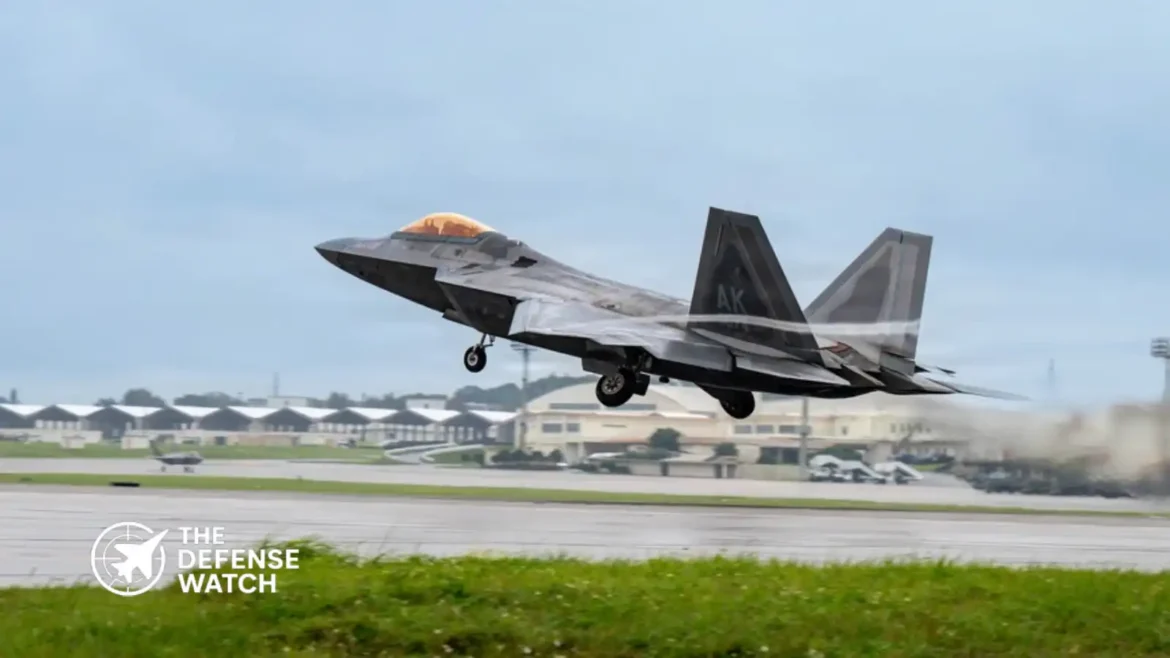
The U.S. Air Force has moved F-22 Raptors closer to the western Pacific theater, reducing operational distance to potential hotspots around the Taiwan Strait. This forward positioning is designed to enable faster sortie generation and immediate air dominance in the early stages of a conflict.
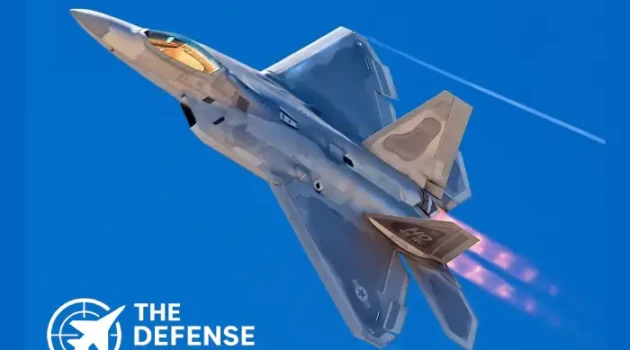
The F-22 Raptor, developed by Lockheed Martin, remains the U.S. military’s premier air superiority fighter. Its low observable design, advanced avionics, and supercruise capability allow it to penetrate contested airspace and engage high-end threats, including advanced Chinese fighters and integrated air defense systems.
Strategic Context: Taiwan And The Indo-Pacific Balance
The F-22 stealth fighters deployment comes amid increasing military activity by China around Taiwan, including large-scale air and naval exercises. Beijing continues to assert sovereignty over the island, while Washington maintains a policy of strategic ambiguity backed by growing military presence in the region.
Forward deployment of fifth-generation fighters reflects a broader U.S. shift toward distributed and resilient force posture across the Indo-Pacific. By positioning assets closer to potential flashpoints, the Pentagon aims to complicate adversary planning and ensure rapid escalation control.
From an operational perspective, reducing transit time for high-value assets like the F-22 can significantly impact early-phase combat effectiveness. In a Taiwan contingency, the first 24 to 72 hours are widely assessed by defense analysts as critical for establishing air superiority.
Operational Advantages Of Forward-Deployed F-22s
The F-22 stealth fighters deployment enhances several key operational capabilities:
- Reduced Response Time: Aircraft can reach contested zones faster, improving reaction speed to emerging threats.
- Increased Sortie Rates: Shorter distances allow for more frequent missions per aircraft.
- Enhanced Deterrence: Visible presence of advanced stealth fighters signals readiness and capability.
- Survivability In Contested airspace: The F-22’s stealth and electronic warfare suite provide a decisive edge against modern air defenses.
In addition, forward basing supports integration with allied forces, including Japan and other regional partners, enabling joint operations and interoperability in complex scenarios.
U.S. Airpower Strategy Against China
The F-22 stealth fighters deployment aligns with the Pentagon’s broader modernization and deterrence strategy focused on peer competition with China. While newer platforms like the F-35 are more widely distributed, the F-22 remains unmatched in pure air-to-air combat performance.
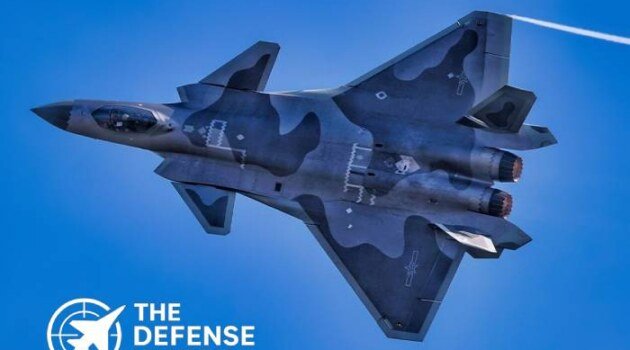
China, for its part, continues to field advanced systems such as the J-20 stealth fighter and long-range surface-to-air missile networks. This evolving threat environment has driven the U.S. to prioritize survivable, high-end capabilities in forward positions.
Defense analysts note that positioning F-22s closer to China also supports the concept of agile combat employment (ACE), which emphasizes dispersal, mobility, and rapid redeployment across multiple bases to reduce vulnerability.
Analysis: Speed, Deterrence, And Escalation Risks
The F-22 stealth fighters deployment reflects a calculated balance between deterrence and escalation management. On one hand, forward positioning strengthens U.S. credibility and reassures regional allies. On the other, it increases the proximity of high-end military assets between competing powers.
From a strategic standpoint, this move signals that the U.S. is prioritizing readiness for high-intensity conflict scenarios, particularly in the Taiwan Strait. It also highlights the importance of air superiority as a foundational element of any potential operation.
However, closer deployments may also heighten risks of miscalculation, especially during periods of increased military activity. Encounters between U.S. and Chinese aircraft have become more frequent, raising concerns among policymakers and military leaders.
Conclusion
The F-22 stealth fighters deployment closer to China underscores a clear shift toward faster, more responsive U.S. airpower in the Indo-Pacific. As tensions over Taiwan persist, the ability to rapidly project advanced combat capability will remain central to deterrence and crisis response.
Executive Summary:
Lockheed Martin has secured a $48 million contract to provide sustainment and logistics support for the U.S. Air Force’s C-130J fleet. The agreement ensures continued operational readiness through engineering, repairs, and program management. The deal reflects ongoing reliance on industry partners for lifecycle aircraft support.Lockheed Martin Strengthens C-130J Sustainment Capability
Lockheed Martin has been awarded a $48 million indefinite-delivery/indefinite-quantity contract to provide C-130J sustainment contract support for the U.S. Air Force, reinforcing long-term fleet readiness and operational availability.
The contract, issued by the Air Force Life Cycle Management Center at Robins Air Force Base, covers logistics sustainment, engineering services, repairs, and program management for the C-130J Super Hercules aircraft. Work will be carried out across key operational and maintenance hubs, including Marietta, Georgia; Robins Air Force Base; and Hurlburt Field, Florida. The contract is scheduled to run through May 4, 2031.
Initial funding includes $5.01 million from fiscal year 2025 procurement funds and $508,515 from fiscal year 2026 funds obligated at the time of award.
Sustaining a Critical Tactical Airlift Platform
The C-130J sustainment contract highlights the continued importance of lifecycle support for one of the U.S. military’s most versatile tactical airlift platforms. The C-130J Super Hercules plays a central role in global mobility operations, including troop transport, cargo delivery, humanitarian missions, and special operations support.
Unlike procurement-focused contracts, sustainment agreements such as this are designed to ensure long-term aircraft availability, reliability, and mission readiness. This includes predictive maintenance, supply chain management, software updates, and structural repairs.
The sole-source nature of the award reflects Lockheed Martin’s position as the original equipment manufacturer (OEM) and primary sustainment authority for the C-130J platform. This structure is common across major U.S. defense programs, where technical complexity and proprietary systems limit competition in sustainment phases.
Strategic Importance of Sustainment Contracts
While smaller in value compared to large acquisition programs, the C-130J sustainment contract carries significant operational weight. Sustainment typically accounts for the majority of a platform’s lifecycle cost, often exceeding initial procurement expenses over time.
For the U.S. Air Force, maintaining high mission-capable rates is critical amid increasing global operational demands. Aircraft availability directly impacts deployment flexibility, response times, and overall force readiness.
This contract aligns with broader Department of Defense efforts to improve sustainment efficiency and reduce maintenance backlogs. The Air Force Life Cycle Management Center, which oversees the program, has prioritized data-driven maintenance strategies and closer collaboration with industry partners.
Operational Footprint and Support Infrastructure
Work under the contract will span multiple locations, each playing a specific role in the sustainment ecosystem:
- Marietta, Georgia: Primary manufacturing and engineering hub for the C-130J program
- Robins Air Force Base, Georgia: Key depot-level maintenance and logistics center
- Hurlburt Field, Florida: Operational base supporting Air Force Special Operations Command (AFSOC)
This distributed model allows for integrated support across production, maintenance, and operational environments, improving turnaround times and reducing downtime for deployed aircraft.
Analysis: Why This Deal Matters
Although the $48 million value may appear modest compared to multi-billion-dollar defense programs, the C-130J sustainment contract reflects a critical shift in defense priorities toward readiness and lifecycle management.
Modern military strategy increasingly emphasizes sustainment as a force multiplier. Advanced aircraft are only as effective as their availability rates, and sustainment contracts ensure that fleets remain mission-capable in high-demand environments.
This is particularly relevant for the C-130J, which operates across a wide range of mission profiles and geographic regions. Its adaptability makes it a high-utilization asset, increasing wear and maintenance requirements.
The contract also underscores the Pentagon’s reliance on long-term partnerships with defense contractors. By leveraging OEM expertise, the Air Force can maintain technical integrity while streamlining maintenance processes.
Industry Context and Broader Trends
The award comes amid a broader trend of increased investment in sustainment across the U.S. military. As platforms age and operational tempos remain high, sustainment spending is expected to grow steadily over the coming years.
Programs like the C-130J benefit from incremental upgrades and continuous support, extending service life and delaying the need for costly replacement programs.
Lockheed Martin’s sustainment portfolio spans multiple platforms, including fighter aircraft, transport systems, and rotary-wing assets. This positions the company as a key player not only in production but also in long-term defense support services.
Contract Details at a Glance
- Contract Type: Indefinite-delivery/indefinite-quantity (IDIQ)
- Total Value: $48 million
- Completion Date: May 4, 2031
- Work Locations: Marietta, GA; Robins AFB, GA; Hurlburt Field, FL
- Contracting Authority: Air Force Life Cycle Management Center
- Acquisition Method: Sole source
Executive Summary:
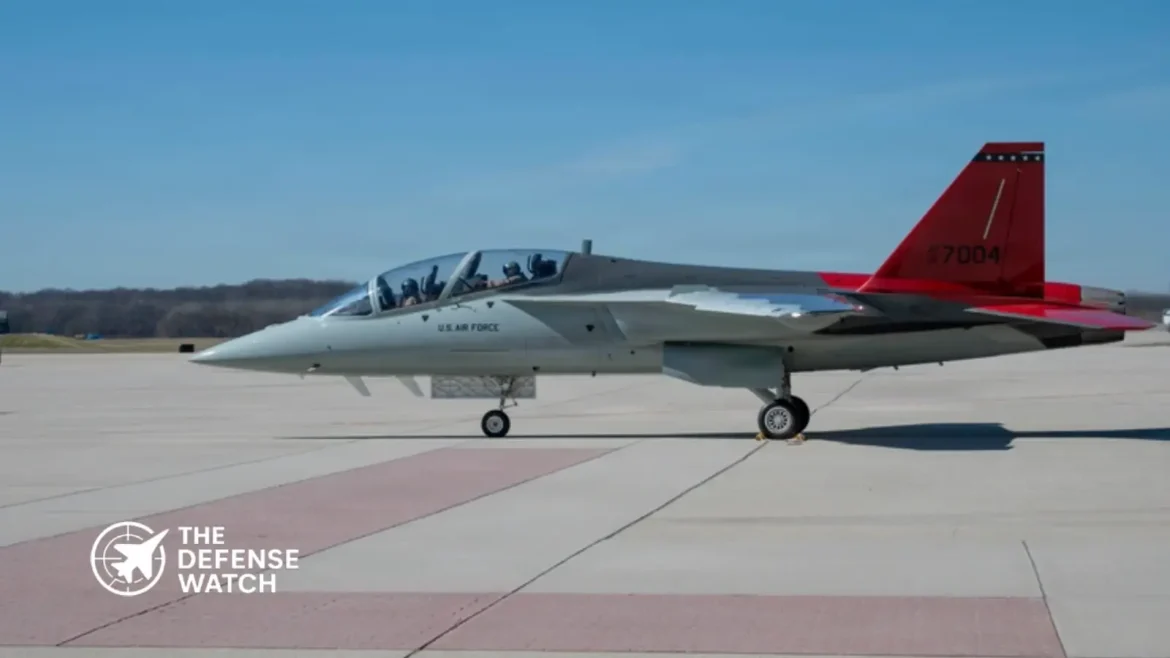
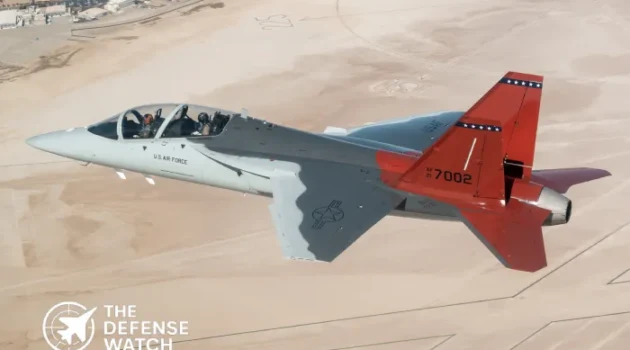
The U.S. Air Force has approved the T-7A Red Hawk for full-rate production, marking a critical milestone in its pilot training modernization program. Developed by Boeing, the aircraft will replace the aging T-38 Talon fleet. The move is intended to align pilot training with the demands of fifth-generation combat aircraft.
T-7A Red Hawk Cleared for Production
The T-7A Red Hawk program has reached a decisive stage, with the U.S. Air Force authorizing full-rate production following years of development and testing. The approval confirms that the aircraft meets operational requirements for advanced pilot training.
The T-7A is designed to prepare pilots for modern combat platforms such as the F-35 and F-22. It introduces a digital architecture, advanced avionics, and embedded simulation systems that reflect real-world combat environments.
This milestone follows extensive flight testing and system validation, ensuring the platform is ready for scaled manufacturing and operational deployment.
Replacing the Legacy T-38 Talon
The T-7A will replace the long-serving Northrop T-38 Talon, which has been in service since the 1960s.
Key limitations of the T-38:
- Aging airframes with rising maintenance costs
- Limited ability to simulate modern combat scenarios
- Outdated cockpit and avionics systems
The T-7A addresses these gaps with a modern, flexible training system designed for current and future air combat requirements.
Comparison: T-7A Red Hawk vs T-38 Talon
Feature T-7A Red Hawk T-38 Talon Range ~1,830 km ~1,800 km Payload Training systems, simulation suite Limited training payload Status Approved for full production (2026) Operational, nearing retirement Key Technology Digital engineering, embedded simulation Analog systems, legacy avionics Advanced Features and Training Capabilities
The T-7A introduces several technological improvements that redefine pilot training.
Key advantages:
- Digital engineering design, reducing development time and lifecycle costs
- Open architecture systems for rapid upgrades
- Embedded virtual simulation, allowing pilots to train for complex combat scenarios without additional aircraft
- Glass cockpit with large-area displays similar to fifth-generation fighters
- High-G performance envelope to better prepare pilots for frontline aircraft
These features allow the Air Force to compress training timelines while improving pilot readiness.
Industrial and Program Significance
The T-7A program is notable for its use of digital engineering from inception. Boeing and its partners leveraged model-based design to accelerate development and reduce production risks.
The aircraft is expected to be produced at scale, with dozens of units planned annually as the Air Force transitions away from legacy trainers.
The program also supports long-term sustainment efficiency, with maintainability and modular upgrades built into the design.
Strategic Context: Preparing for Future Air Warfare
The approval of the T-7A comes amid growing emphasis on peer competition and high-end warfare scenarios.
Modern air combat requires pilots trained to operate:
- Fifth-generation fighters like the F-35
- Network-centric warfare systems
- Multi-domain operations involving cyber and space assets
The legacy T-38 cannot replicate these conditions. The T-7A bridges that gap by integrating live, virtual, and constructive training environments.
This aligns with broader U.S. defense priorities focused on readiness against near-peer adversaries such as China and Russia.
Outlook
With full-rate production approved in 2026, the T-7A Red Hawk is set to become the backbone of U.S. Air Force pilot training for decades. Initial operational units are expected to expand as production ramps up.
The platform’s modular design also positions it for potential export opportunities, as allied nations seek modern training solutions compatible with advanced fighter fleets.
Overall, the T-7A represents a generational shift in how air forces prepare pilots for increasingly complex combat environments.
Executive Summary
Marvin Engineering Company has been awarded a $138.2 million U.S. Air Force contract to supply guided missile launchers and power systems for fighter aircraft supporting Foreign Military Sales partners.
The contract reinforces long-term sustainment and integration of AIM-120 AMRAAM capabilities across allied air forces, with deliveries continuing through April 30, 2036.Contract Overview and Scope
The U.S. Air Force has awarded a firm-fixed-price requirements contract valued at $138,217,405 to Marvin Engineering for the production of guided missile launchers and associated power supply units. These systems are designed for fighter aircraft that deploy the AIM-120 AMRAAM.
Key contract details include:
- Contract Value: $138.2 million
- Award Date: April 30, 2026
- Completion Date: April 30, 2036
- Contract Type: Sole-source, firm-fixed-price requirements contract
- Work Location: Inglewood, California
- Contracting Authority: Air Force Life Cycle Management Center, Robins Air Force Base, Georgia
- Funding Status: No initial funds obligated at award
The contract supports Foreign Military Sales programs, ensuring allied air forces maintain operational readiness with U.S.-standard missile integration systems.
Role of Launcher Systems in AMRAAM Integration
Missile launchers are a critical interface between aircraft and weapon systems. For AMRAAM operations, they provide:
- Mechanical support and secure carriage of missiles
- Electrical power and data link connectivity
- Safe release and ignition sequencing
- Compatibility with modern avionics and fire-control systems
These components ensure that AMRAAM missiles can be deployed effectively in beyond-visual-range (BVR) engagements.
Technology Comparison: Modern vs Legacy Launcher Systems
Feature Modern AMRAAM Launcher Systems Legacy Missile Rails Range Supports full AMRAAM BVR capability Limited integration range Payload Multi-variant AMRAAM compatibility Restricted to older missile types Status Active production, FMS-enabled Gradually being phased out Key Technology Digital interface, power conditioning, smart release systems Analog systems, limited data integration Technical Advantages for Allied Air Forces
Modern launcher systems under this contract offer several operational benefits:
- Enhanced interoperability with NATO and allied aircraft fleets
- Improved reliability through updated power supply units
- Compatibility with newer AMRAAM variants, including extended-range models
- Reduced maintenance burden via modular design
- Scalability for integration across multiple fighter platforms
These advantages are particularly important for nations upgrading legacy fleets to maintain parity with evolving air combat threats.
Strategic Context: Sustaining Air Superiority Through FMS
This contract highlights the continued importance of Foreign Military Sales in extending U.S. defense capabilities to partner nations. By standardizing launcher systems for AMRAAM integration, the U.S. ensures:
- Greater coalition interoperability in joint operations
- Faster deployment timelines during crises
- Consistent logistics and sustainment frameworks
The AMRAAM remains a cornerstone of Western air combat doctrine, widely deployed across platforms such as the F-15, F-16, and F-35. Ensuring reliable launcher systems is essential as adversaries invest in advanced air-to-air missiles and electronic warfare capabilities.
Long-Term Industrial and Operational Impact
The 10-year duration of the contract reflects sustained demand for missile integration hardware as global air forces modernize. It also reinforces Marvin Engineering’s role as a key supplier within the U.S. defense industrial base.
With no funds obligated at award, the contract operates as a requirements-based vehicle, allowing the Air Force to procure systems as needed over time. This approach provides flexibility while maintaining readiness across allied fleets.
Overall, the award underscores the enduring relevance of AMRAAM-compatible infrastructure and highlights the critical, though often overlooked, role of launcher systems in modern air combat capability.
Lockheed Martin E-130J Phoenix II Training Systems Expand Strategic Readiness
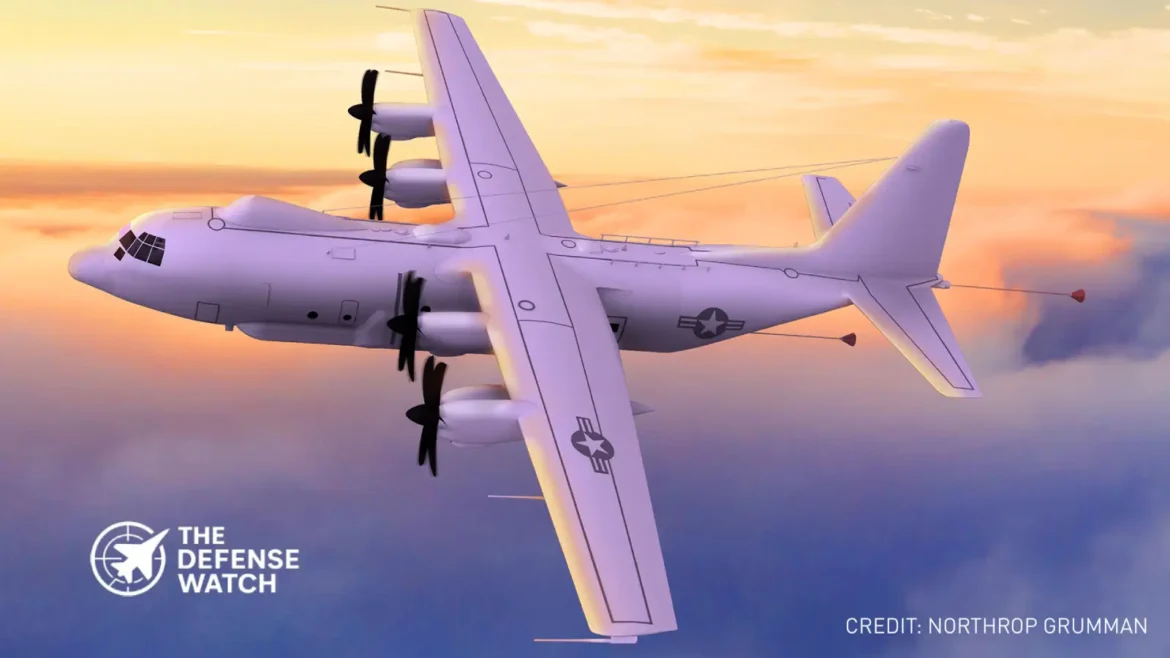
The E-130J Phoenix II training systems program is advancing U.S. military readiness as Lockheed Martin moves forward with delivering specialized training devices and services for the next generation airborne nuclear command and control fleet.
KEY FACTS AT A GLANCE- Lockheed Martin will provide training devices and services for the E-130J Phoenix II aircraft program.
- The effort supports U.S. nuclear command, control, and communications mission readiness.
- Training systems include advanced simulators and integrated mission training environments.
- The E-130J is expected to replace aging TACAMO aircraft supporting strategic communications.
- The program reflects ongoing modernization of U.S. airborne nuclear command infrastructure.
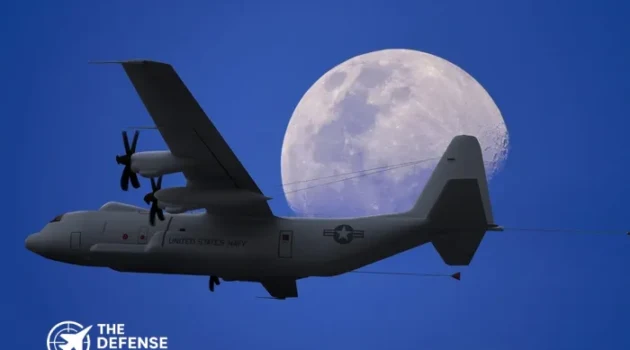
According to an official company release dated April 29, 2026, the effort will provide comprehensive training infrastructure to support operators and maintainers of the E-130J Phoenix II aircraft. The platform is widely viewed as a critical successor to the U.S. Navy’s existing TACAMO fleet, which ensures survivable communications between national leadership and strategic nuclear forces.
The introduction of dedicated E-130J Phoenix II training systems marks a key step in ensuring that crews can operate effectively in high stress, contested environments where uninterrupted communication is essential.
Modern Training For A High-Stakes Mission
The contract focuses on delivering advanced simulators, mission rehearsal systems, and integrated training services tailored to the E-130J’s unique operational role. These systems are designed to replicate real world mission conditions, including degraded communications environments and electronic warfare scenarios.
Unlike legacy training approaches, the new E-130J Phoenix II training systems emphasize realism and integration. Crews will train across multiple domains, including airborne operations, ground support coordination, and secure communications management.
This reflects a broader Pentagon shift toward synthetic training environments that reduce costs while increasing operational readiness. By combining live, virtual, and constructive training elements, the U.S. military aims to prepare crews for increasingly complex mission sets without relying solely on flight hours.
Strategic Importance Of The E-130J Phoenix II
The E-130J Phoenix II aircraft is expected to play a central role in the U.S. nuclear command, control, and communications architecture. Often referred to as NC3, this network ensures that presidential orders can be transmitted to nuclear forces under any conditions.
The current TACAMO aircraft, based on older airframes, face growing sustainment challenges. The transition to the E-130J platform represents not just a hardware upgrade, but a broader modernization of mission capability.
In this context, the E-130J Phoenix II training systems are not a secondary component. They are essential to ensuring that personnel can operate the aircraft effectively from day one. Training gaps in strategic systems carry significant operational risk, particularly in missions where failure is not an option.
Analysis: Training As A Core Capability, Not A Support Function
The decision to invest early in advanced E-130J Phoenix II training systems highlights a shift in how the U.S. Department of Defense approaches modernization. Training is no longer treated as a follow-on activity. Instead, it is integrated into the program from the outset.
This approach addresses a long standing issue in defense acquisition, where new platforms are fielded before crews are fully prepared to use them. By aligning training development with aircraft production, the Pentagon reduces the time required to achieve operational capability.
It also reflects lessons learned from recent conflicts and exercises, where communication resilience and crew proficiency have proven decisive. In a contested environment, particularly against near peer adversaries, the ability to maintain secure and reliable communications can determine mission success.
Furthermore, the E-130J program underscores the growing importance of airborne nodes in the U.S. command structure. As ground based infrastructure becomes more vulnerable to cyber and kinetic attacks, airborne systems provide a survivable alternative.
Broader Implications For U.S. Military Modernization
The E-130J Phoenix II training systems initiative fits within a wider modernization effort across the U.S. military. Programs focused on nuclear deterrence, including next generation bombers, submarines, and command systems, are receiving increased funding and attention.
Training systems are becoming more sophisticated, leveraging digital engineering, artificial intelligence, and networked simulation environments. These tools allow for rapid updates as threats evolve, ensuring that training remains relevant over the life of the platform.
For Lockheed Martin, the contract reinforces its position not only as a manufacturer of defense systems, but also as a provider of integrated training and sustainment solutions. This aligns with industry trends where lifecycle support is becoming as important as platform development.
B-1B Lancer Hypersonic Loadout Signals Shift In U.S. Strike Capability
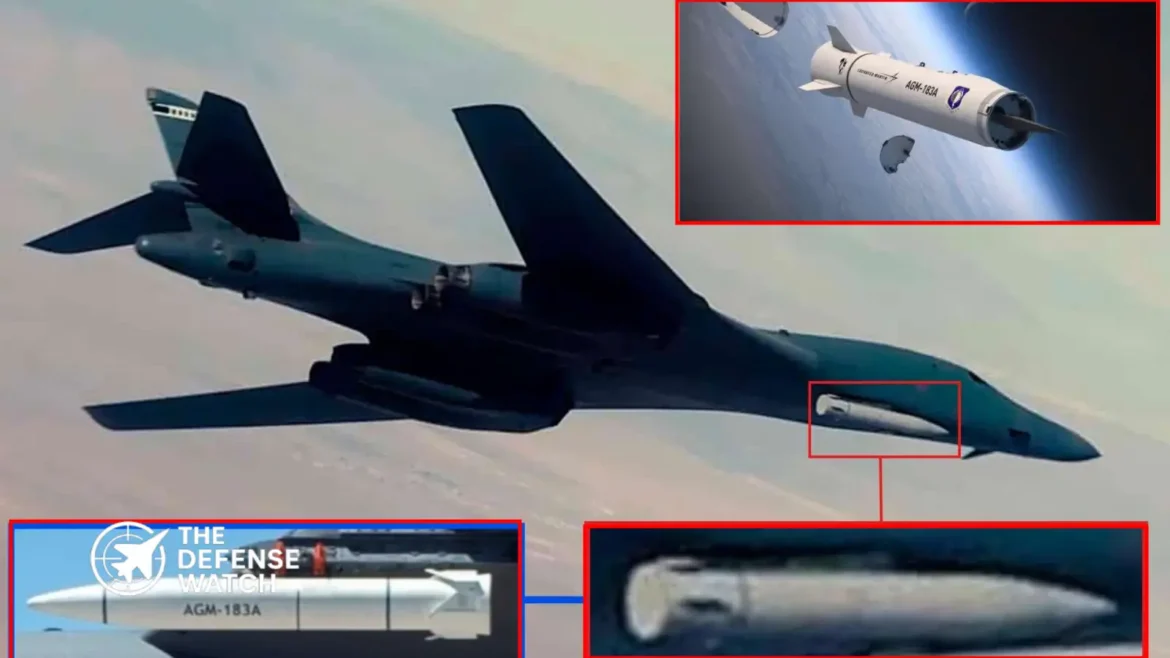
The B-1B Lancer hypersonic loadout revealed by the U.S. Air Force marks a notable step in integrating next-generation weapons into legacy bomber platforms. The configuration, featuring the AGM-183 ARRW, highlights a renewed focus on rapid, long-range strike options designed to penetrate advanced air defenses.
KEY FACTS AT A GLANCE- Iran and Russia reportedly signed a secret 500 million missile deal in December 2025, according to the Financial Times.
- The pact covers delivery of 500 Verba man portable air defense launch units and 2,500 9M336 missiles through 2027 to 2029.
- The Verba systems are infrared guided MANPADS designed to target low altitude threats including drones and cruise missiles.
- The deal follows damage to Iran s air defense network during the 2025 conflict with Israel.
- The agreement reflects deepening military cooperation between Tehran and Moscow.
The updated loadout demonstrates how the B-1B Lancer could carry multiple hypersonic missiles externally, significantly expanding its operational flexibility. The ARRW is designed to reach speeds above Mach 5, enabling it to strike high-value targets with minimal warning.
From Conventional Bomber To Hypersonic Carrier
The B-1B has long served as a conventional strike bomber, optimized for carrying large payloads of guided and unguided munitions. This new B-1B Lancer hypersonic loadout represents a shift toward high-speed precision strike missions.
Unlike stealth bombers such as the B-2, the B-1B relies on speed, payload, and stand-off weapons. Integrating ARRW allows the aircraft to launch from outside heavily defended zones, reducing exposure to modern air defense systems.
This evolution aligns with broader U.S. efforts to adapt existing platforms for hypersonic warfare, rather than waiting for next-generation systems like the B-21 to fully mature.
AGM-183 ARRW: Capability And Challenges
The AGM-183 ARRW program has faced technical hurdles in recent years, including test inconsistencies. However, its core concept remains central to U.S. hypersonic strategy.
The missile uses a boost-glide vehicle, launched by a rocket booster before gliding at hypersonic speeds toward its target. This flight profile complicates interception by traditional missile defense systems.
The introduction of the B-1B Lancer hypersonic loadout suggests continued confidence in ARRW or at least in the broader concept of air-launched hypersonic weapons.
From an operational standpoint, pairing ARRW with the B-1B offers several advantages:
- Rapid deployment from forward bases
- Large payload capacity
- Flexibility in targeting across multiple theaters
Strategic Context: Why It Matters Now
The timing of this reveal is significant. The United States is accelerating efforts to counter hypersonic developments by near-peer competitors, particularly China and Russia.
Both countries have already fielded or tested hypersonic systems, raising concerns about gaps in U.S. strike and deterrence capabilities. The B-1B Lancer hypersonic loadout directly addresses this gap by providing a near-term delivery platform.
This approach reflects a broader Pentagon strategy of incremental modernization. Instead of relying solely on future platforms, the U.S. is upgrading existing assets to maintain operational readiness.
Operational Impact And Future Outlook
If fully operational, the B-1B Lancer hypersonic loadout could reshape how the U.S. conducts long-range strike missions. The ability to launch hypersonic weapons from a proven bomber platform adds a layer of unpredictability and speed to U.S. military planning.
However, several factors will determine its effectiveness:
- Successful maturation of ARRW technology
- Integration with targeting and command systems
- Availability of sufficient missile inventory
There is also the question of survivability. While the B-1B can launch from stand-off distances, it lacks stealth characteristics, which may limit its use in highly contested environments.
Analysis: Bridging The Capability Gap
The decision to equip the B-1B with hypersonic weapons is less about transforming the aircraft and more about bridging a capability gap.
It reflects a pragmatic approach. Instead of waiting for next-generation systems, the U.S. is leveraging what it already has. This reduces risk and accelerates deployment timelines.
At the same time, it underscores the urgency of the hypersonic race. The B-1B Lancer hypersonic loadout is not just a technical upgrade. It is a signal that the U.S. is adapting its force structure to keep pace with evolving threats.
Netherlands CCA Prototypes Backed To Advance F-35 Drone Teaming
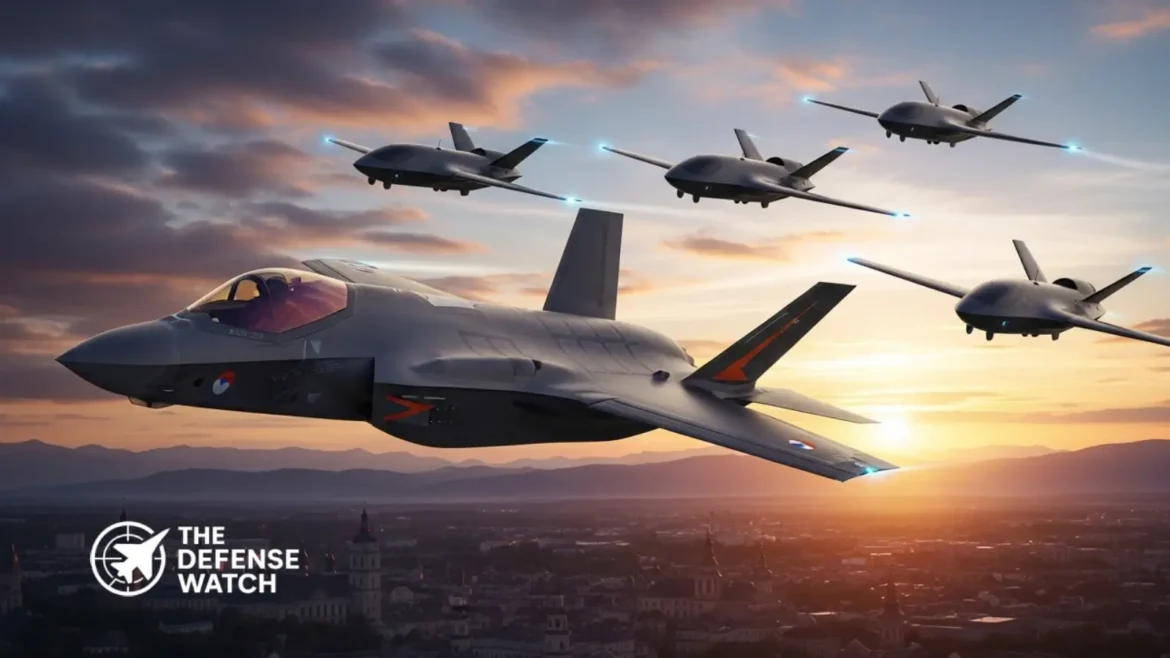
The Netherlands CCA prototypes decision marks a notable step in allied participation in the United States Air Force push to field Collaborative Combat Aircraft, autonomous or semi autonomous drones designed to operate with crewed fighters such as the F-35 Lightning II.
KEY FACTS AT A GLANCE- The Netherlands will finance two US Air Force Collaborative Combat Aircraft prototype efforts.
- The move is intended to build operational knowledge in F-35 drone teaming concepts.
- CCA platforms are designed to fly alongside crewed fighters as force multipliers.
- Dutch participation highlights allied interest in future autonomous combat aviation.
- The project may shape future NATO airpower integration and procurement choices.
Dutch funding will support two US Air Force prototype efforts aimed at helping the Netherlands develop practical experience in future manned unmanned teaming operations. The focus centers on how unmanned aircraft can extend the combat value of the Dutch F-35 fleet.
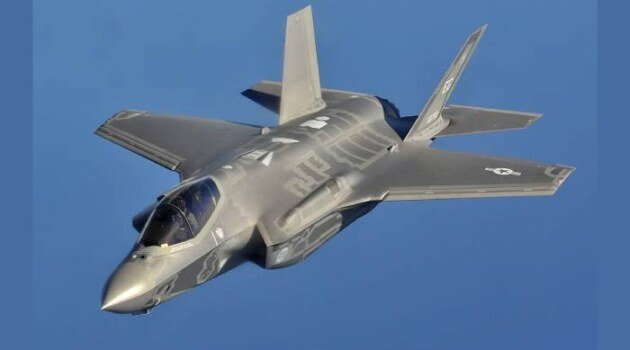
The Dutch Air Force already operates the F-35A, making it one of the most relevant European operators for early experimentation with drone wingmen. Rather than waiting for a mature export product, the Netherlands appears to be buying access to learning, testing, and concept development now.
Why Collaborative Combat Aircraft Matter
The US Air Force CCA program is one of Washington’s highest priority aviation modernization efforts. These aircraft are expected to perform missions such as:
- Forward sensing and ISR
- Electronic warfare support
- Weapons carriage
- Decoy operations
- Attritable strike missions
- Extending fighter range and survivability
In practical terms, a formation of one piloted fighter and multiple unmanned teammates could cover more airspace, carry more weapons, and accept higher risk than traditional fighter packages.
That matters for NATO air forces facing increasingly dense air defenses, long range missiles, and growing peer competition.
Why The Netherlands Is Moving Early
The Netherlands is a relatively small but technologically advanced NATO air power. It often prioritizes interoperability with the United States and alliance partners. Funding Netherlands CCA prototypes gives Dutch planners several advantages.
First, it creates early insight into doctrine, training, data links, autonomy rules, and sustainment demands.
Second, it helps ensure future CCA systems can integrate with Dutch F-35 operations rather than being retrofitted later.
Third, it positions the Netherlands to influence future NATO standards in manned unmanned teaming.
This is a strategic move, not simply a procurement move.
Implications For Europe And NATO
European air forces are watching the US CCA effort closely. Nations operating the F-35, including United Kingdom, Italy, Norway, Denmark, and Belgium, face the same question: how to increase combat mass without buying large numbers of expensive crewed fighters.
CCA type systems may offer one answer.
If the Dutch effort proves useful, other European operators may seek similar partnerships or domestic programs linked to their F-35 fleets.
Challenges Still Ahead
Despite the momentum, several issues remain unresolved:
- Rules for autonomous engagement decisions
- Secure communications in contested environments
- Cost per aircraft and sustainment burden
- Integration with NATO command networks
- Industrial participation for partner nations
These questions will determine whether CCA becomes a niche capability or a standard part of future air forces.
Strategic Outlook
The Netherlands CCA prototypes initiative is important because it shows allied governments are no longer treating loyal wingman systems as distant concepts. They are beginning to invest now, while doctrine and technology are still forming.
That could give smaller but advanced air forces a way to stay relevant in high end warfare without matching larger powers aircraft for aircraft.
For the United States, Dutch participation also sends a clear signal: allies want in on the next generation of air combat.
HACM Hypersonic Missile Moves Into Production Phase
The HACM hypersonic missile has entered a critical stage as the U.S. Air Force requests $404 million in its FY2027 budget to fund production of the first operational missiles. The funding request, reported by Army Recognition and based on Pentagon budget documents, signals that the program is shifting from development into procurement.
That transition matters. Many hypersonic programs remain trapped in testing cycles, cost growth, or schedule delays. Moving HACM toward production indicates growing confidence in the missile’s maturity and its relevance to future combat planning.
KEY FACTS AT A GLANCE- The U.S. Air Force is requesting $404 million in FY2027 to begin HACM missile production.
- HACM stands for Hypersonic Attack Cruise Missile, an air-launched high-speed strike weapon.
- The missile is designed for speeds above Mach 5 with high maneuverability.
- Raytheon is the prime contractor, with Australian participation in propulsion work.
- The request reflects growing Pentagon urgency to field operational hypersonic weapons.
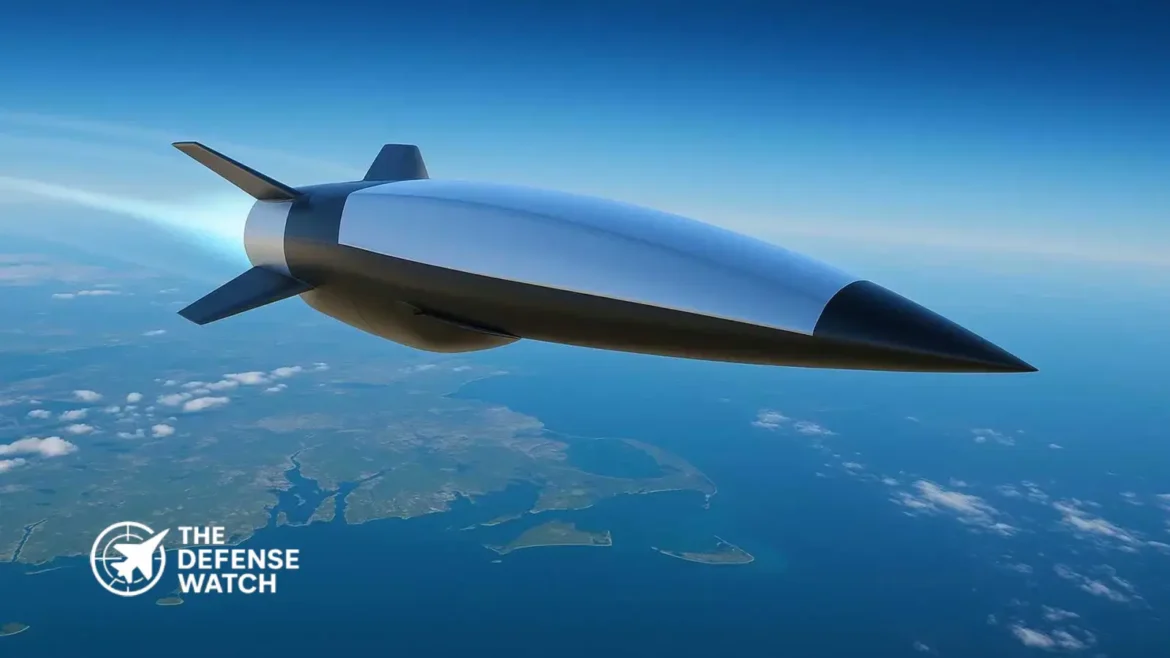
The Hypersonic Attack Cruise Missile is intended to provide U.S. forces with a fast, survivable weapon capable of penetrating advanced air defenses and striking time-sensitive targets at long range.
What Makes HACM Different
Unlike boost-glide hypersonic weapons, the HACM hypersonic missile uses an air-breathing scramjet propulsion system. That design can allow sustained hypersonic flight while maneuvering through the atmosphere.
This gives several operational advantages:
- Faster response times against mobile targets
- Reduced warning time for defenders
- Greater ability to evade interception
- Launch flexibility from combat aircraft
- Lower logistical burden than larger boost-glide systems
Because it is air-launched, HACM could potentially be integrated with tactical aircraft such as bombers or fighters, expanding the number of platforms able to deliver hypersonic strike effects.
Why The FY2027 Request Matters Now
The $404 million request is more than a procurement line. It reflects a broader U.S. defense priority to close capability gaps with rival powers.
China has heavily invested in operational hypersonic systems, including regional anti-ship and land-attack weapons. Russia has also fielded several hypersonic designs, though wartime performance claims remain mixed.
For Washington, the lesson is clear: hypersonics are no longer experimental prestige programs. They are becoming deployable military tools.
By funding first production missiles, the Air Force appears to be prioritizing weapons that can be fielded sooner and carried by existing aircraft.
Program Background And Industry Team
Raytheon was selected in 2022 to develop HACM under an accelerated acquisition pathway. The program also includes Australian cooperation under the SCIFiRE initiative, which focused on hypersonic air-breathing propulsion research.
That partnership is strategically useful for two reasons:
First, it spreads development risk across allied industrial bases.
Second, it strengthens U.S.-Australia defense technology ties at a time when Indo-Pacific deterrence has become central to American planning.
Challenges Still Ahead
Even with a production request, several hurdles remain before large-scale deployment:
- Successful flight testing at representative speeds
- Platform integration with Air Force aircraft
- Manufacturing of advanced heat-resistant materials
- Reliable scramjet engine production at scale
- Unit cost control for sustained procurement
Hypersonic weapons often face demanding engineering requirements, especially thermal stress, guidance precision, and supply chain constraints.
Strategic Impact
If fielded on schedule, the HACM hypersonic missile could give the Air Force a new option between subsonic cruise missiles and expensive ballistic systems.
That fills an important niche. Commanders increasingly need weapons able to strike defended targets quickly without relying solely on stealth aircraft entering contested airspace.
In practical terms, HACM could become part of a layered strike network that includes bombers, stand-off missiles, electronic warfare, and space-enabled targeting.
Bottom Line
The Air Force’s $404 million FY2027 request suggests HACM is becoming one of the Pentagon’s most serious near-term hypersonic efforts. While testing and integration risks remain, moving into production planning marks a significant milestone.
For U.S. military planners, speed now matters as much as range. HACM is designed to deliver both.
Newer Posts