US Clears High Energy Laser Counter Drone System For Domestic Airspace Defense
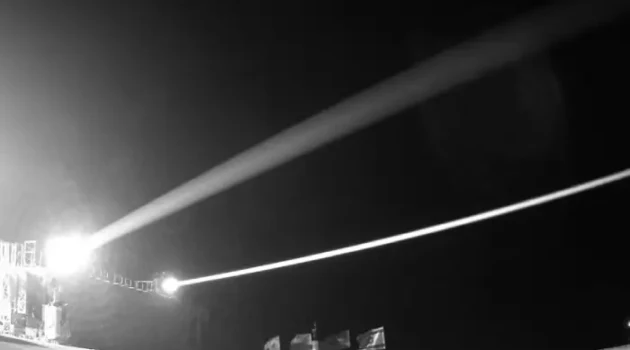
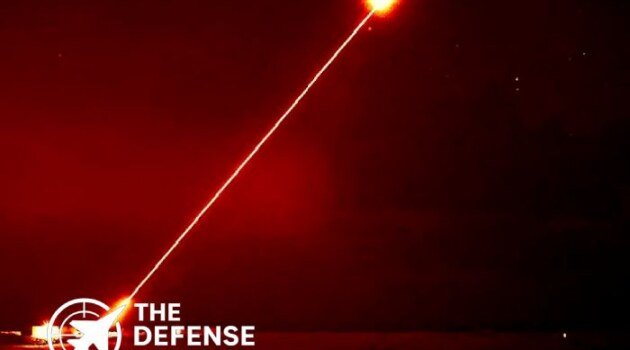
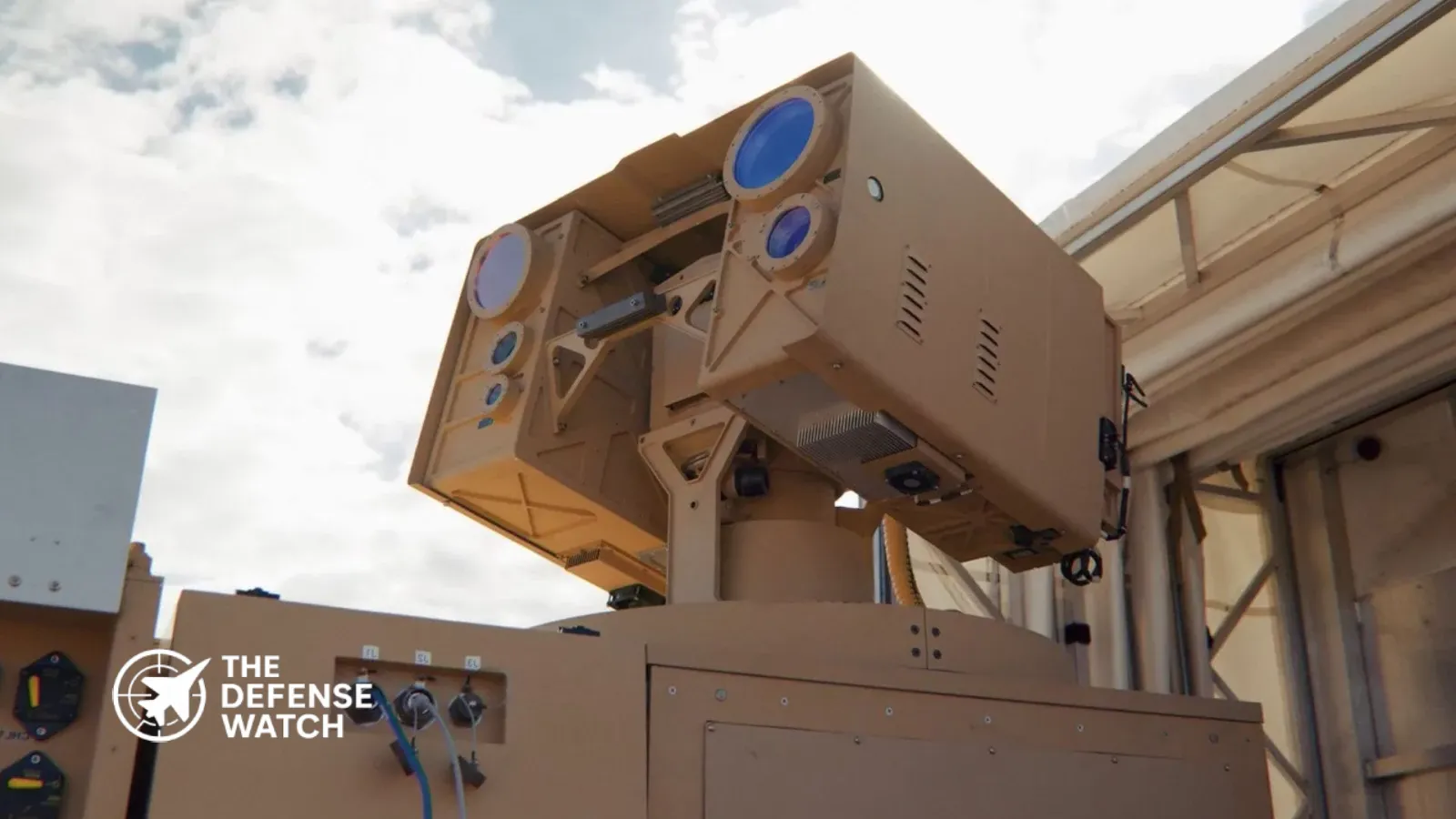
The high energy laser counter drone system has been cleared by US authorities for domestic airspace defense, marking a significant shift in how the United States plans to counter small unmanned aerial threats within its own borders.
The approval enables the deployment of directed energy systems designed to disable or destroy drones using focused laser beams rather than traditional kinetic interceptors. This development reflects both technological maturity and evolving threat perceptions tied to the rapid proliferation of commercial and military unmanned aerial systems.
- The US has cleared a high energy laser counter drone system for use in domestic airspace defense roles.
- The system is designed to neutralize small unmanned aerial systems using directed energy rather than kinetic interceptors.
- Approval marks a key regulatory milestone for deploying laser weapons within US territory.
- The move reflects growing concern over drone incursions near critical infrastructure and civilian airspace.
- Directed energy systems offer lower cost per engagement compared to traditional missile based defenses.
Regulatory Milestone Signals Shift In Domestic Defense Policy
The authorization of a high energy laser counter drone system for use in domestic airspace represents more than a technical achievement. It signals a policy shift in how the US approaches homeland defense against low altitude aerial threats.
Historically, the use of military grade weapons within US airspace has faced strict regulatory barriers, particularly where civilian safety and aviation integration are concerned. Directed energy systems introduce new considerations, including line of sight engagement, potential collateral effects, and coordination with aviation authorities.
The clearance suggests that US regulators now view laser based counter drone capabilities as sufficiently controlled and precise for limited domestic deployment. This reflects growing confidence in the system’s ability to engage targets without posing unacceptable risks to surrounding infrastructure or aircraft.
Why Counter Drone Capabilities Are Expanding
The push to operationalize a high energy laser counter drone system is closely tied to the rising frequency of drone incidents near sensitive sites. Airports, military bases, and critical infrastructure have all reported disruptions caused by unauthorized UAV activity.
Traditional countermeasures such as jamming or kinetic interception have limitations. Electronic warfare can be ineffective against autonomous drones, while missile or gun based systems carry higher costs and risk of debris.
Laser systems offer several advantages:
- Near instantaneous engagement
- Deep magazines limited primarily by power supply
- Reduced collateral damage compared to explosive interceptors
- Lower cost per shot
These characteristics make directed energy particularly attractive for countering swarms or repeated incursions, where conventional defenses may become economically or operationally strained.
Technology Overview And Operational Role
A typical high energy laser counter drone system operates by focusing a beam of energy onto a target, heating and damaging critical components such as sensors, propulsion systems, or structural elements.
Modern systems are increasingly integrated with advanced tracking and targeting sensors, allowing them to engage small, fast moving drones with high precision. The ability to scale power output also allows operators to tailor the level of force applied, from disabling electronics to causing structural failure.
In a domestic context, these systems are likely to be deployed in layered defense architectures. They could complement radar networks, electronic warfare systems, and conventional interceptors, forming part of a broader counter UAV ecosystem.
Strategic Implications For Homeland Defense
The clearance of the high energy laser counter drone system highlights a broader trend in US defense strategy. Homeland security is no longer limited to traditional threats such as aircraft or missiles. Instead, it now includes a wide spectrum of low cost, asymmetric aerial systems.
This shift mirrors developments observed in recent conflicts, where drones have demonstrated their effectiveness in surveillance, strike missions, and electronic warfare roles. The widespread availability of commercial drones further complicates the threat landscape, blurring the line between civilian and military use.
By enabling laser based countermeasures within US airspace, policymakers are effectively acknowledging that future threats may emerge closer to home and require rapid, scalable responses.
Industry And Defense Ecosystem Impact
The approval is also likely to accelerate investment in directed energy technologies across the US defense industry. Companies developing laser systems, power generation units, and advanced targeting solutions stand to benefit from expanded procurement opportunities.
In recent years, the US Department of Defense has increased funding for directed energy programs, including high energy lasers for ground vehicles, naval platforms, and airborne systems. The move toward domestic deployment could further drive innovation, particularly in areas such as:
- Power efficiency and thermal management
- Beam control and atmospheric compensation
- Integration with civilian air traffic systems
As these technologies mature, they may also find applications beyond military use, including law enforcement and critical infrastructure protection.
Challenges And Limitations
Despite its promise, the high energy laser counter drone system is not without limitations. Environmental factors such as weather, dust, and atmospheric conditions can affect beam quality and engagement range.
Additionally, line of sight requirements mean that obstacles or terrain can limit effectiveness in certain environments. Adversaries may also adapt by developing drones with reflective coatings, hardened components, or swarm tactics designed to overwhelm defenses.
These challenges underscore the need for a layered approach, where laser systems complement rather than replace existing counter drone measures.
Outlook
The clearance of the high energy laser counter drone system for domestic airspace defense marks a notable step in the evolution of US counter UAV capabilities. It reflects both technological progress and a changing threat environment that increasingly prioritizes protection against small, agile aerial systems.
As deployment begins, the effectiveness of these systems in real world conditions will likely shape future procurement decisions and regulatory frameworks. If successful, directed energy could become a cornerstone of both military and homeland air defense strategies in the years ahead.