Executive Summary:
BAE Systems says the T-7 Red Hawk offers a fundamentally different approach to Royal Air Force pilot training by combining advanced aircraft capabilities with extensive synthetic training environments. The proposal comes as the RAF prepares to replace its aging Hawk trainer fleet and adapt pilot training for future fourth, fifth, and sixth-generation combat aircraft.
T-7 Red Hawk Positioned For RAF Training Modernization
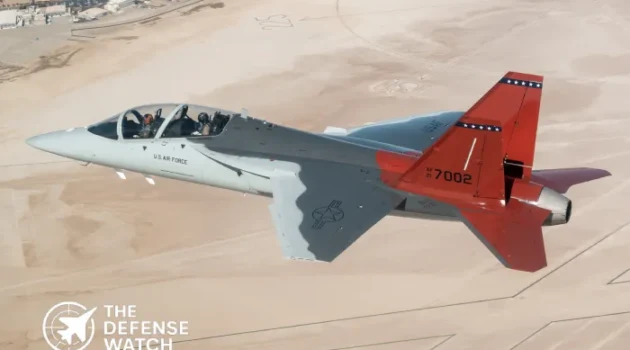
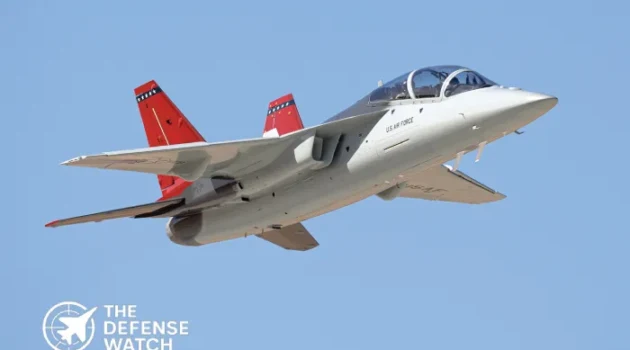
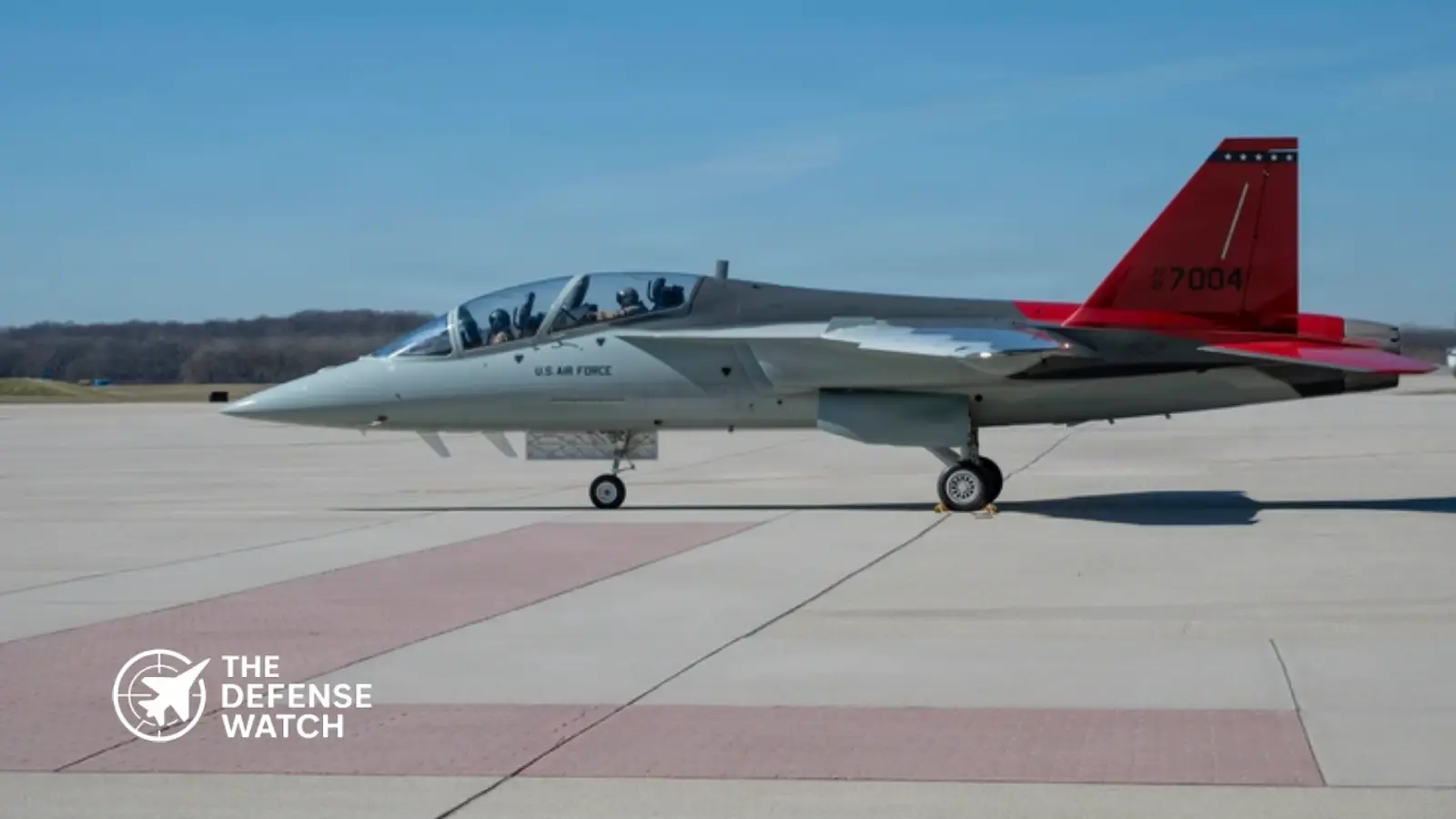
The T-7 Red Hawk is being presented as a new approach to Royal Air Force pilot training as the UK considers options to replace its aging Hawk trainer fleet. BAE Systems, working alongside Boeing and Saab, argues that future pilot preparation must move beyond traditional training aircraft and incorporate advanced digital technologies that mirror modern combat environments.
The proposal follows the UK’s Strategic Defence Review, which identified the need for a successor to the Hawk advanced jet trainer. The T-7 would serve as the centerpiece of a broader training ecosystem that combines live flying with virtual and synthetic training environments.
According to the industry team, the goal is to prepare pilots for increasingly complex operational environments and future combat aircraft, including fourth, fifth, and eventually sixth generation platforms.
Why The T-7 Red Hawk Matters
Developed by Boeing and Saab, the T-7A Red Hawk was originally selected by the U.S. Air Force to replace the decades old T-38 Talon trainer. The aircraft features a digital cockpit, large area displays, hands on throttle and stick controls, and an open architecture designed to support future upgrades.
The aircraft is powered by a General Electric F414 engine, the same engine family used on several modern fighter aircraft. Its design philosophy focuses on providing student pilots with an experience that more closely resembles frontline combat aircraft than legacy trainers.
An important aspect of the T-7 program is its use of digital engineering techniques during development. This approach has been promoted as a way to accelerate design changes, improve manufacturing efficiency, and simplify future modernization efforts.
BAE Systems Highlights Integrated Training Approach
Rather than marketing the T-7 solely as a replacement aircraft, BAE Systems is emphasizing a complete training system built around live, virtual, and constructive training methods. The concept combines flight hours in the aircraft with high fidelity simulators and networked mission environments.
This reflects a broader trend across NATO air forces, where rising operating costs and increasingly sophisticated threats are driving greater use of simulation and synthetic training. Such systems allow pilots to train against complex scenarios that would be difficult or expensive to replicate in live flying exercises.
From an operational perspective, this shift is particularly relevant as air forces prepare crews for aircraft such as the F-35 and future platforms associated with the Global Combat Air Programme (GCAP). Training systems must now support multi domain operations, data intensive missions, and interactions with autonomous systems.
UK Industrial Benefits Part Of The Proposal
BAE Systems would lead the UK effort under the proposed arrangement. The companies have indicated that final assembly could take place in the United Kingdom, while additional opportunities would be explored for British suppliers across the aircraft’s production and support network.
This industrial element is likely to be an important factor in any future RAF competition. The UK government has increasingly sought defense programs that deliver domestic manufacturing, technology development, and skilled employment alongside military capability.
Analysis: More Than A Hawk Replacement
The significance of the T-7 proposal extends beyond replacing an aging trainer aircraft. The RAF’s future challenge is ensuring pilots can transition efficiently into highly advanced combat systems while managing budget pressures and training demands
.
The T-7’s strongest selling point may not be the aircraft itself, but the integrated training architecture surrounding it. Modern fighter pilots require exposure to electronic warfare scenarios, networked operations, and complex threat environments long before reaching operational squadrons. Traditional training methods alone are increasingly insufficient.
For the UK, the decision will likely involve balancing operational requirements, industrial benefits, affordability, and alignment with future programs such as GCAP. The T-7 enters that discussion as a mature platform already selected by the U.S. Air Force and designed specifically for next generation pilot training.
Whether the RAF ultimately selects the T-7 or another solution, the competition highlights a broader shift in military aviation: future pilot training is becoming as much about digital ecosystems and synthetic environments as it is about the aircraft itself.