Executive Summary:
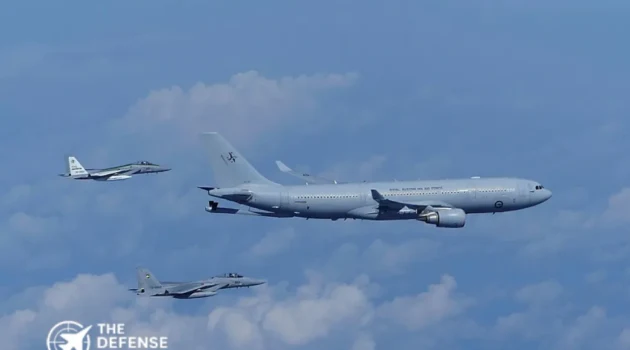
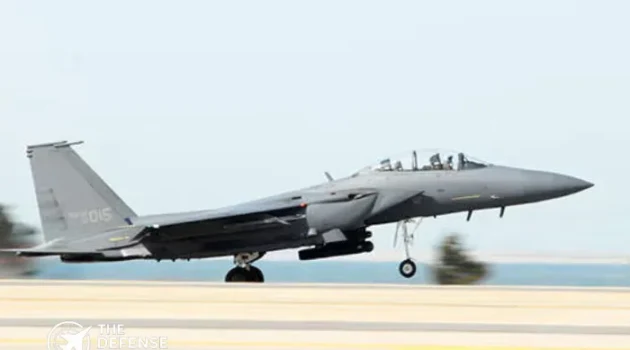
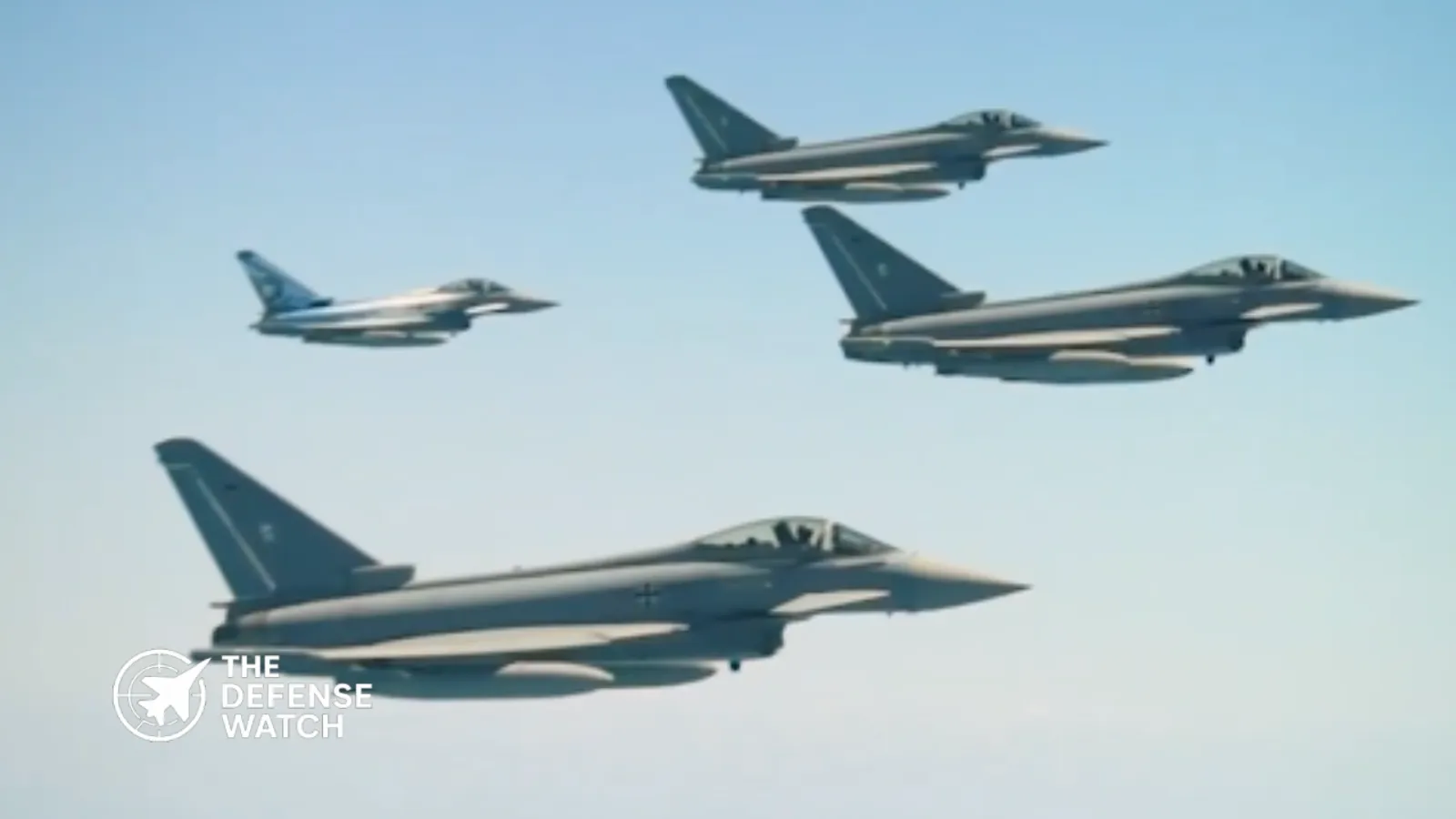
A Royal Australian Air Force KC-30A Multi-Role Tanker Transport delivered fuel to Indian Air Force Rafales, RAAF F/A-18F Super Hornets, Republic of Korea Air Force F-15Ks and German Air Force Eurofighter Typhoons during Exercise Pitch Black 2026. The operation, highlighted by the RAAF on 28 July 2026, demonstrated practical multinational aerial refueling interoperability among partner air forces operating from bases in northern Australia. The activity forms part of the biennial exercise running from 20 July to early August 2026, which brings together approximately 21 nations and up to 100 aircraft to strengthen collective readiness in the Indo-Pacific.
RAAF KC-30A Conducts Multinational Aerial Refueling at Pitch Black 2026
A Royal Australian Air Force KC-30A Multi-Role Tanker Transport successfully delivered fuel to Indian Air Force Rafales, RAAF Super Hornets, Republic of Korea Air Force F-15Ks and German Eurofighter Typhoons, the RAAF announced via official channels on 28 July 2026.
The mission occurred during Exercise Pitch Black 2026, the RAAF’s premier biennial air combat training event held primarily across RAAF Bases Darwin, Tindal and Amberley in Australia’s Northern Territory and Queensland. The exercise runs from 20 July to approximately 6–7 August 2026 and involves around 2,500 personnel from 21 nations with up to 100 aircraft.
Official RAAF statements describe the refueling as evidence of seamless multinational interoperability. The KC-30A, operated by No. 33 Squadron and based at RAAF Base Amberley, serves as both a tanker and strategic transport platform derived from the Airbus A330 airliner.
Exercise Pitch Black 2026 Context and Scale
Pitch Black 2026 ranks among the largest and most complex air combat exercises in the Indo-Pacific. It emphasizes large-force employment, day and night operations, and integration of fighters, tankers, airborne early warning, and airlift assets over one of the world’s largest military training areas.
Participating nations include Australia, the United States, Japan, India, the Republic of Korea, Germany, Spain, France, Singapore, Indonesia, the Philippines, Thailand and others, along with embedded personnel from additional partners. Aircraft types range from F-35A Lightning IIs and Super Hornets to Rafales, Typhoons, F-16s and supporting tankers such as the RAF Voyager, U.S. KC-135 and Multinational Multi-Role Tanker Transport Unit platforms.
Air-to-air refueling forms a core enabler. Tankers based at Amberley and Tindal extend the range and endurance of combat aircraft operating hundreds of kilometers from their temporary bases, allowing sustained training in realistic high-intensity scenarios.
Technical Capabilities of the KC-30A
The RAAF operates seven KC-30A aircraft. Each can carry more than 100 tonnes of fuel and offload substantial quantities while remaining on station for extended periods. The platform is equipped with an advanced aerial refueling boom system on the tail and two under-wing hose-and-drogue pods. An air refueling operator controls both systems from the cockpit using 2D and 3D displays.
This dual capability allows the KC-30A to service aircraft configured for boom refueling (common on many U.S. and allied types) and those using probe-and-drogue systems (standard on many European and some Asian fighters). Compatibility testing and certification with partner aircraft have expanded steadily in recent years, enabling the KC-30A to support a growing list of foreign receivers.
In previous iterations of Pitch Black and other multinational activities, RAAF tankers have refueled a wide range of allied platforms. The July 2026 mission with Indian Rafales, Korean F-15Ks and German Typhoons continues that progression.
Operational Implications for Indo-Pacific Interoperability
Aerial refueling interoperability is a practical measure of alliance readiness. In a theater as vast as the Indo-Pacific, the ability of partner aircraft to receive fuel from a common tanker fleet multiplies available combat power without requiring every nation to deploy its own tankers in equal numbers.
For the United States and its partners, such integration reduces logistical friction in potential coalition operations. Indian Rafales, already operating as part of a growing Indo-Pacific partnership, gain experience receiving fuel from a non-French tanker. Republic of Korea Air Force F-15Ks, long-range strike platforms, demonstrate the ability to sustain operations far from home bases. German Typhoons, deployed across significant distances, validate expeditionary procedures alongside regional partners.
The RAAF’s role as host and primary tanker provider positions Australia as a key enabler of collective air power. By concentrating tanker support at Amberley while combat operations occur over the Northern Territory, the exercise also tests distributed logistics and command-and-control arrangements that would be relevant in real-world contingencies.
From a technical standpoint, successful simultaneous or sequential refueling of disparate fighter types requires precise coordination of formation flying, radio procedures, fuel offload rates and emergency protocols. Achieving this across four different national air forces underscores the maturity of shared standards developed through repeated exercises.
Broader Strategic Context
Pitch Black occurs against a backdrop of heightened focus on Indo-Pacific security architecture. Regular large-scale air exercises build habits of cooperation that are difficult to generate in crisis. They also provide opportunities to identify and resolve technical or procedural gaps before they affect operations.
The KC-30A fleet itself continues mid-life upgrades and sustainment efforts to maintain high readiness. Australia’s investment in the platform, combined with its willingness to certify foreign aircraft, contributes directly to the region’s collective aerial refueling capacity.
As Pitch Black 2026 continues through early August, further combined missions are expected. The RAAF’s public highlighting of the multinational refueling event signals that practical interoperability remains a central objective of the exercise.