Executive Summary:
A Multinational Multi Role Tanker Transport (MRTT) aircraft has successfully refueled a Royal Australian Air Force KC-30A for the first time. The achievement demonstrates growing interoperability among allied air forces and strengthens multinational aerial refueling capabilities that support global military operations.
The Multinational MRTT aircraft has completed its first successful air to air refueling of a Royal Australian Air Force (RAAF) KC-30A, marking a significant milestone in multinational military aviation cooperation. The event demonstrates increasing interoperability between allied air forces and highlights the growing maturity of shared aerial refueling capabilities.
The successful mission represents another step toward integrating tanker fleets operated by NATO partners and close allies, allowing aircraft from different nations to support one another during training, exercises, humanitarian missions, and operational deployments.
First Of Its Kind Refueling Operation
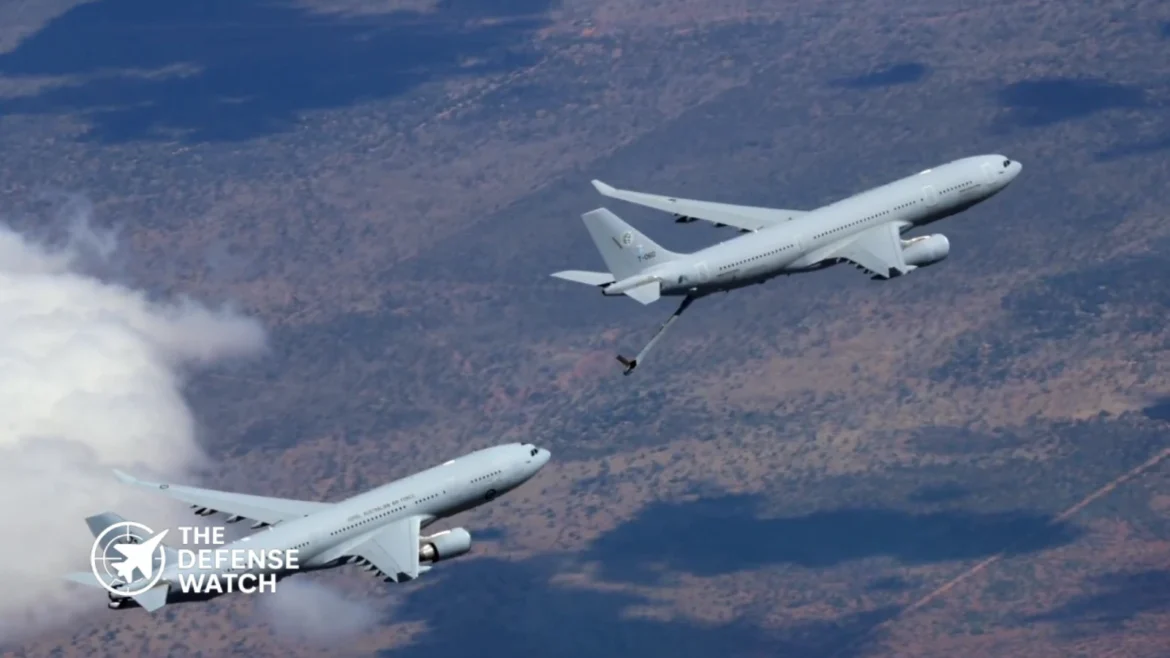
During the mission, the Multinational MRTT aircraft transferred fuel to an Australian KC-30A while both aircraft remained airborne. Although tanker aircraft routinely refuel combat aircraft and transport platforms, tanker to tanker refueling between multinational fleets requires extensive certification, standardized procedures, and close coordination between participating air forces.
The achievement confirms that compatible systems, operational procedures, and crew training now enable this capability between the multinational MRTT fleet and Australia’s KC-30A.
Air to air refueling remains one of the most important force multipliers for modern militaries because it extends aircraft endurance, increases operational range, and reduces reliance on forward operating bases.
Why The Milestone Matters
While the event may appear routine, its operational significance is considerable.
Modern military operations increasingly rely on multinational coalitions rather than single nation deployments. Shared tanker fleets allow participating nations to maximize aircraft availability while reducing operating costs and improving logistics.
The successful refueling of an Australian tanker by another allied tanker demonstrates that partner nations can support each other’s aerial refueling networks without requiring national assets to operate independently.
This flexibility becomes particularly valuable during large multinational exercises, disaster response missions, and long distance deployments across the Indo Pacific, Europe, and the Middle East.
Growing Multinational MRTT Capability
The Multinational MRTT Fleet was established to provide participating nations with shared aerial refueling and strategic airlift capabilities through a pooled fleet rather than maintaining separate national tanker forces.
The fleet is based on the Airbus A330 MRTT, one of the world’s most capable aerial refueling aircraft. Besides air to air refueling, the aircraft can transport troops, cargo, and medical evacuation patients during military and humanitarian missions.
Participating nations share aircraft availability according to previously allocated flying hours, improving efficiency while lowering overall ownership costs.
Australia’s KC-30A is also based on the Airbus A330 MRTT platform, making the successful interoperability demonstration an important validation of multinational operating standards.
Operational Benefits For Allied Air Forces
The first successful refueling between these two tanker fleets provides several operational advantages.
Aircraft from participating nations can now conduct longer ferry flights with greater flexibility.
Coalition commanders gain additional options for sustaining air operations during multinational missions.
Shared aerial refueling networks reduce pressure on individual national tanker fleets during periods of high operational demand.
The milestone also strengthens readiness for future NATO exercises and Indo Pacific coalition activities where interoperability between allied aircraft is increasingly important.
From an operational perspective, tanker interoperability increases resilience by allowing one nation’s aircraft to support another without requiring dedicated national refueling assets in every theater.
Broader Strategic Significance
The achievement reflects a broader trend toward multinational defense cooperation as allied nations seek to improve readiness while controlling costs.
Shared capabilities such as the Multinational MRTT Fleet enable participating countries to pool resources without sacrificing operational effectiveness.
As military operations become more multinational, standardized aerial refueling procedures are becoming increasingly important for sustaining combat aircraft, surveillance platforms, strategic airlifters, and tanker fleets operating across multiple regions.
The successful refueling of the RAAF KC-30A illustrates how technical compatibility and common operational standards can translate into greater flexibility during real world operations.
Rather than representing a single demonstration flight, the event highlights the continued evolution of coalition air mobility capabilities that support collective defense, humanitarian assistance, and rapid global response missions.
Strengthening Coalition Air Mobility
The successful refueling mission reinforces the importance of multinational cooperation in modern air operations. As allied air forces continue expanding interoperability through common procedures, shared aircraft platforms, and integrated training, aerial refueling networks become more flexible and resilient.
For participating nations, the milestone demonstrates that multinational tanker fleets can provide practical operational benefits while improving readiness for future coalition missions across multiple theaters.
Executive Summary:
NATO fighter aircraft were scrambled to intercept Russian strategic bombers operating near Allied airspace over the Baltic Sea. The incident highlights the alliance’s continued air policing mission and reflects the elevated security environment along NATO’s northeastern border.
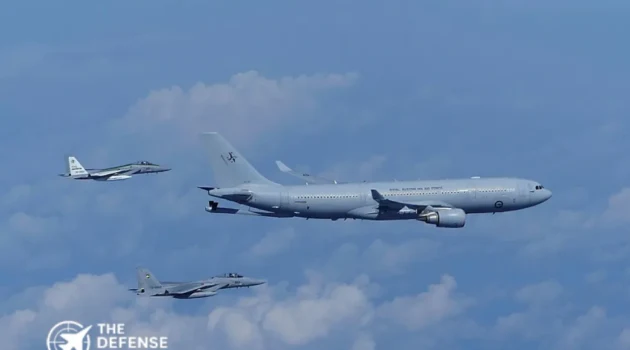
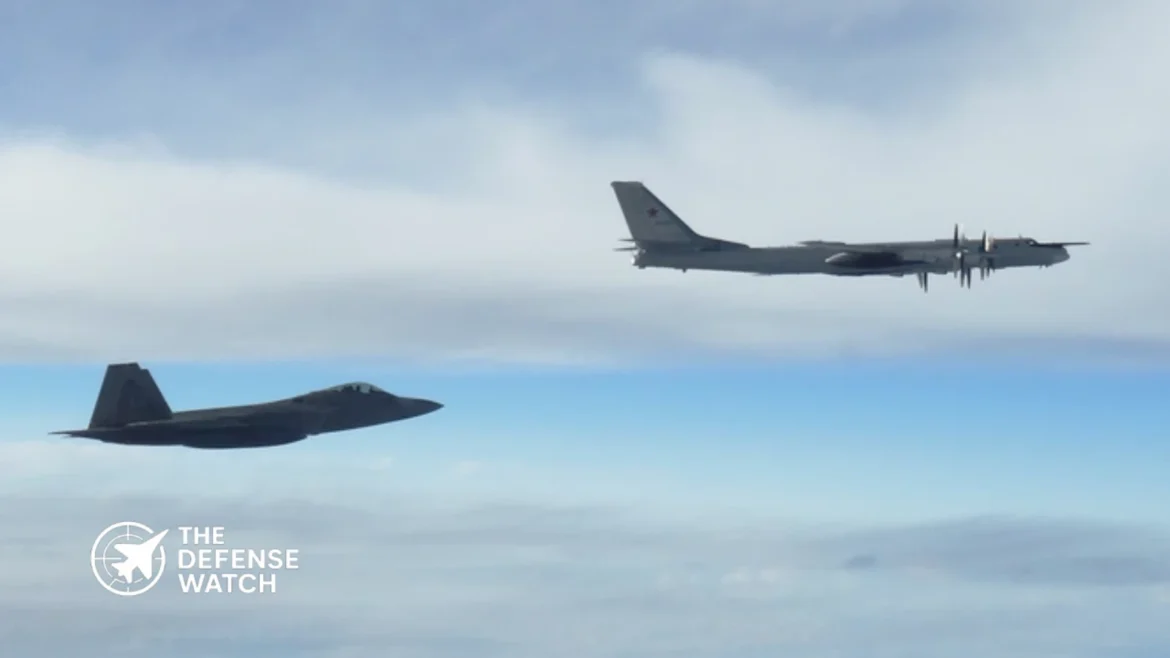
NATO jets intercepted Russian bombers over the Baltic Sea after military aircraft approached areas monitored by the alliance’s Baltic Air Policing mission, underscoring the continued pace of Russian long range aviation activity near NATO territory.
According to reports, allied fighters launched under Quick Reaction Alert (QRA) procedures to identify and monitor Russian aircraft operating in international airspace close to NATO member states.
Russian Aircraft Prompt NATO Response
The reported Russian formation included long range strategic bombers escorted by fighter aircraft. NATO aircraft visually identified the formation before shadowing it as it continued its flight over international waters.
Officials emphasized that the Russian aircraft did not enter NATO airspace. The interception was conducted under established NATO Air Policing procedures, which are designed to identify unknown or non compliant aircraft approaching alliance airspace rather than engage them.
These missions are routine but remain strategically significant because they demonstrate NATO’s ability to respond rapidly across its eastern flank.
What NATO Air Policing Means
The Baltic Air Policing mission has protected the airspace of Estonia, Latvia, and Lithuania since 2004 because the three Baltic states do not maintain their own fighter interceptor fleets.
Under the mission, NATO members rotate fighter detachments through forward operating bases in Lithuania and Estonia, maintaining aircraft on continuous alert. When unidentified military aircraft approach NATO monitored airspace, fighters are launched within minutes to identify and track them.
The intercepts are generally conducted without entering Russian airspace and follow internationally recognized aviation procedures.
According to NATO, hundreds of air policing scrambles occur annually across Europe, reflecting the alliance’s persistent surveillance mission.
Why The Baltic Remains A Strategic Flashpoint
Although interceptions of Russian military aircraft are not unusual, they have become increasingly important following Finland’s and Sweden’s accession to NATO.
The Baltic Sea is now almost entirely surrounded by NATO member states, making it one of Europe’s most closely monitored military regions. Russian aircraft regularly transit between mainland Russia and the Kaliningrad exclave, requiring NATO forces to maintain continuous readiness.
In many cases, allied officials say Russian military flights operate without filed flight plans or active transponder signals, requiring visual identification to ensure aviation safety and maintain situational awareness.
Operational Significance Beyond A Routine Intercept
While these interceptions are described as routine military operations, they provide valuable operational benefits beyond simply identifying aircraft.
Every scramble allows NATO air forces to validate command and control procedures, test response times, coordinate multinational operations, and maintain pilot proficiency under real world conditions.
For Russia, long range bomber patrols continue to demonstrate strategic aviation reach across northern Europe. For NATO, rapid intercepts reinforce deterrence by showing that allied aircraft can quickly respond to military activity near alliance borders.
The encounter also illustrates how military competition in Europe increasingly revolves around persistent presence rather than direct confrontation. Regular intercepts have become a defining feature of NATO’s deterrence posture, allowing allied forces to monitor Russian activity while minimizing escalation risks through established operational procedures.
Recent changes to NATO’s Baltic posture further strengthen this approach. The alliance has expanded its traditional air policing mission into a broader regional air defense framework, giving commanders greater operational flexibility in responding to evolving security challenges.
Broader Security Context
The latest interception comes as NATO continues to reinforce its eastern flank through enhanced air patrols, multinational exercises, and increased surveillance activities following Russia’s ongoing military operations in Ukraine.
Although the Russian bombers remained in international airspace, repeated missions of this type ensure that Baltic Air Policing remains one of NATO’s most active peacetime operations.
Military analysts generally view these intercepts as an essential element of maintaining credible deterrence, preserving freedom of navigation in international airspace, and reassuring frontline NATO allies without unnecessarily escalating tensions.
(adsbygoogle = window.adsbygoogle || []).push({});Executive Summary:
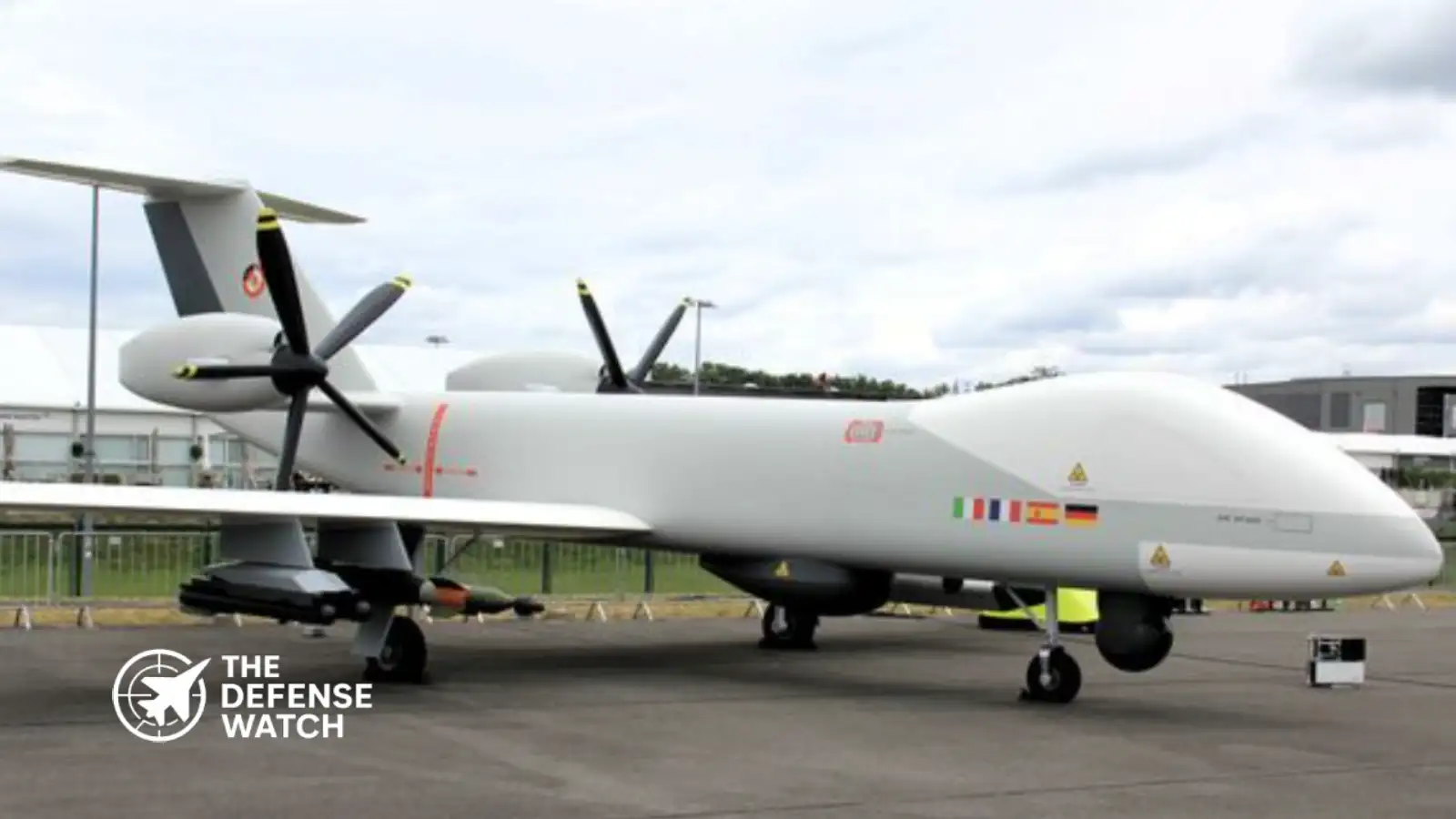
Dassault Aviation CEO Éric Trappier stated on July 1, 2026, that the Eurodrone medium-altitude long-endurance (MALE) unmanned aircraft system may prove “a fairly easy target” in future conflicts where air superiority is not assured. The comments, made to the French Senate, come amid ongoing industrial tensions with program leader Airbus and France’s reduced procurement commitments. The remarks underscore broader questions about the program’s alignment with evolving high-intensity warfare requirements.
Eurodrone Program Faces Scrutiny from Key Partner
Dassault Aviation CEO Éric Trappier has publicly questioned the continued operational relevance of the Eurodrone, Europe’s flagship multinational MALE UAS program.
Speaking to the French Senate on July 1, 2026, Trappier highlighted the platform’s potential vulnerabilities in contested environments. While acknowledging its value for long-endurance surveillance in permissive areas like the Sahel, he warned that in armed conflicts without guaranteed air superiority, the Eurodrone could face significant threats from ground-based systems.
The Eurodrone, also known as the European MALE RPAS, is being developed by Airbus Defence and Space (lead), Dassault Aviation, and Leonardo to provide France, Germany, Italy, and Spain with a sovereign alternative to systems like the U.S. MQ-9 Reaper. A full-scale mockup was displayed at the ILA Berlin Airshow in June 2026.
Industrial and Procurement Challenges Mount
The Dassault CEO’s comments arrive against a backdrop of strained relations between the industrial partners. Recent reports indicate Airbus sought to remove Dassault from the program following France’s decision to reduce its planned orders, prompting compensation discussions under “juste retour” work-share principles.
France’s updated 2024-2030 Military Programming Law (LPM), released in April 2026, significantly scaled back commitments to the Eurodrone, prioritizing lower-cost, more attritable tactical drones suited to high-intensity operations. While not a formal withdrawal, the move has fueled speculation about France’s long-term participation.
Originally, the program envisioned 20 systems (60 aircraft total), with Germany taking seven, Italy five, and France and Spain four each. First flight is now targeted for mid-2027, with deliveries expected around 2028, following multiple delays.
(adsbygoogle = window.adsbygoogle || []).push({});Analysis:
These developments highlight persistent challenges in European defense collaboration. Differing national priorities—Germany’s emphasis on safe operations over its territory versus France’s focus on expeditionary combat—have shaped design choices, resulting in a heavier, twin-engine platform (approximately 11,000 kg) that critics argue lacks the agility and cost-effectiveness needed for modern peer conflicts.
Shifting Battlefield Realities
The Ukraine conflict and other recent operations have accelerated the proliferation of low-cost attritable drones, loitering munitions, and advanced air defenses. Large, expensive MALE platforms optimized for permissive environments face increased risks from man-portable air-defense systems (MANPADS), electronic warfare, and integrated air defense networks.
Trappier’s remarks align with a broader European reevaluation of uncrewed systems. Nations are increasingly investing in swarming technologies, loyal wingmen, and smaller tactical UAS that offer better survivability through numbers and lower unit costs.
For the Eurodrone specifically, its design emphasizes safe integration into non-segregated airspace and long-endurance ISR (intelligence, surveillance, reconnaissance) capabilities. Proponents argue it retains value for strategic persistence in semi-contested scenarios and coalition operations.
Analysis: From a U.S. perspective, the Eurodrone saga mirrors lessons learned with the MQ-9 Reaper fleet. While highly successful in counterinsurgency, Reapers have required adaptations—and sometimes escorts—in higher-threat environments. Europe’s push for sovereignty is understandable, yet the industrial frictions and capability questions risk delaying delivery of needed capabilities to partner forces. A more modular, incrementally upgradable approach with greater emphasis on electronic warfare resilience and attritable elements could better address these gaps.
atOptions = { ‘key’ : ‘3d48d603f906e3fe9f205be3c4433835’, ‘format’ : ‘iframe’, ‘height’ : 250, ‘width’ : 300, ‘params’ : {} };Program Status and Path Forward
Despite the controversies, Airbus maintains that France remains committed to the program. Development continues, with focus on meeting the requirements of the four partner nations. India and Japan participate as observers, indicating potential for broader export interest if the platform proves viable.
The program represents a significant investment—estimated in the billions of euros—and a test case for European defense industrial cooperation post-FCAS tensions.
Key Specifications (Current Estimates):
- Twin-turboprop MALE UAS
- Designed for non-segregated airspace operations
- Focus on ISR with potential armament options
- Emphasis on European sovereignty and interoperability
Implications for Transatlantic Defense Cooperation
For U.S. observers, the Eurodrone’s trajectory offers insights into allied capability development. While Europe seeks to reduce reliance on American systems, internal coordination hurdles can slow progress and increase costs. Successful resolution of the Dassault-Airbus disputes and adaptation to high-intensity requirements will be critical for the program’s long-term viability.
The outcome could influence future collaborative efforts in uncrewed systems, a domain where rapid technological evolution demands agility from both industry and governments.
Executive Summary:
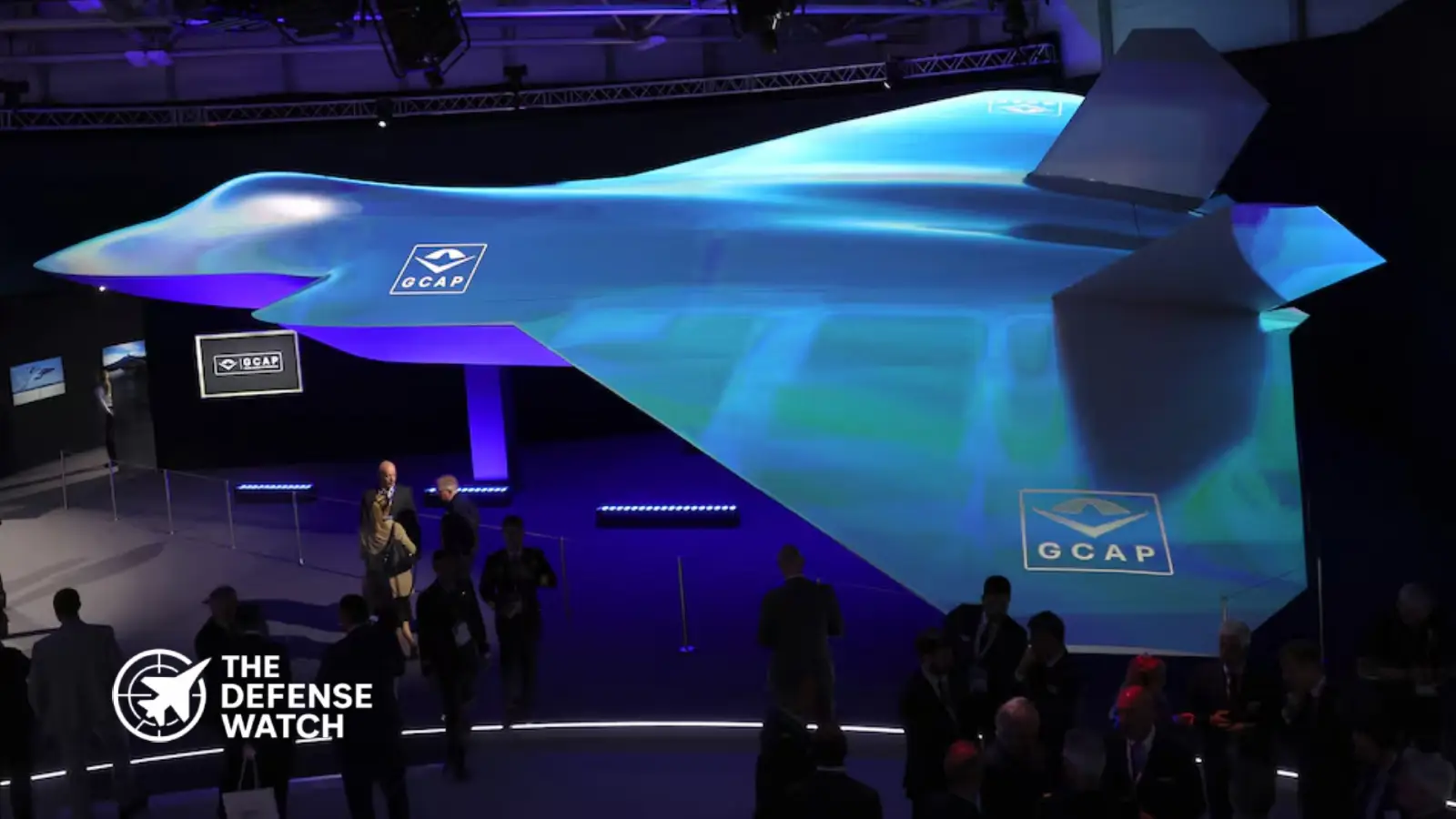
Italy has signaled that additional countries could join the Global Combat Air Programme (GCAP), the multinational effort to develop a next generation fighter aircraft by 2035. Canadian interest appears to be the most advanced, while Germany and Saudi Arabia have also been mentioned as potential future participants. Expansion could spread development costs and strengthen the program’s industrial base.
GCAP Fighter Program Gains New International Interest
The GCAP fighter program could soon attract additional international partners as Italy pushes for broader participation in one of the world’s most ambitious military aviation projects.
Speaking in Rome on June 23, Italian Defense Minister Guido Crosetto said several countries have expressed interest in the Global Combat Air Programme, which is jointly led by the United Kingdom, Italy, and Japan. According to Crosetto, Canada currently appears to be the most interested nation, initially seeking observer status within the program.
Crosetto added that Italy would also welcome participation from Germany, Saudi Arabia, or other interested nations, arguing that a larger partnership would increase industrial cooperation while reducing financial burdens on existing members.
What Is The Global Combat Air Programme?
The Global Combat Air Programme (GCAP) was launched in 2022 through a partnership between the United Kingdom, Italy, and Japan. The initiative aims to deliver a sixth generation fighter aircraft by 2035, integrating advanced sensors, networking technologies, artificial intelligence, and unmanned teaming capabilities.
The industrial team behind the aircraft includes:
- BAE Systems
- Leonardo
- Mitsubishi Heavy Industries through the Japan Aircraft Industrial Enhancement Corporation (JAIEC) consortium.
Program partners intend to field the aircraft by 2035, positioning it as a successor to current fourth and fifth generation combat aircraft.
Germany Emerges As A Potential Partner
Interest in Germany joining GCAP has intensified following the collapse of the rival Future Combat Air System (FCAS) effort involving Germany, France, and Spain.
Earlier this month, Germany and France reportedly agreed to abandon the long troubled FCAS project after failing to resolve industrial disagreements among participating companies.
Leonardo CEO Lorenzo Mariani recently described Germany as a particularly valuable potential partner because of its industrial expertise and manufacturing capabilities. He noted that German participation could strengthen the program’s long term prospects, although integrating a new full partner at this stage could require adjustments to existing agreements.
Analysis: Why Germany Matters
Germany’s potential involvement carries significance beyond additional funding.
The country remains one of Europe’s largest defense markets and possesses a substantial aerospace industrial base. Bringing Germany into GCAP could increase production scale, improve export opportunities, and strengthen European defense cooperation at a time when many NATO members are accelerating military modernization.
However, adding a major new partner could also complicate governance, workshare arrangements, and development timelines. Current members have already spent years negotiating industrial responsibilities and technology sharing frameworks. Any expansion would need to balance new contributions against existing commitments.
Rising Costs Drive Interest In Expansion
Cost sharing remains one of the strongest arguments for expanding the program.
In February 2026, Italy’s parliament approved approximately €8.77 billion for the initial phases of GCAP. Updated estimates indicate early phase costs have risen significantly compared with original projections, reflecting increasing technology development, testing, and design requirements.
For participating governments, attracting additional partners could help distribute these costs across a broader group of nations while expanding the program’s industrial and technological resources.
Canada’s Observer Role Could Be First Step
Among prospective participants, Canada appears to be the closest to formal involvement.
Italian officials identified Canada as the most interested country at present, potentially joining initially as an observer. Such a role would allow Ottawa to evaluate the program while gaining insight into technology development and future procurement options.
Canadian participation would also align with broader efforts by Ottawa to diversify defense partnerships and strengthen cooperation with key allies beyond traditional procurement channels.
Strategic Implications
The growing interest surrounding the GCAP fighter program highlights a wider trend across allied nations: the rising cost and complexity of developing next generation combat aircraft increasingly require multinational collaboration.
Unlike previous fighter programs that were often led by a single nation, sixth generation systems demand investments in artificial intelligence, advanced propulsion, secure networking, electronic warfare, and autonomous capabilities. These requirements make international partnerships more attractive and, in many cases, financially necessary.
If additional countries ultimately join GCAP, the program could emerge as one of the largest multinational aerospace initiatives outside the United States, strengthening its position in the increasingly competitive future combat aircraft market.

Italian M-346 And Turkish KIZILELMA Team Up In K-SWARM Trial, Expanding Future Air Combat Capability
(adsbygoogle = window.adsbygoogle || []).push({});Executive Summary:
Leonardo and Baykar have completed the first live flight demonstrations of their K-SWARM program, integrating Italy’s M-346 aircraft with Türkiye’s KIZILELMA unmanned combat aircraft. The trials mark a significant step toward future crewed-uncrewed teaming concepts that could expand combat effectiveness while reducing risk to pilots in contested airspace.
Italian M-346 And Turkish KIZILELMA Complete K-SWARM Flight Demonstration
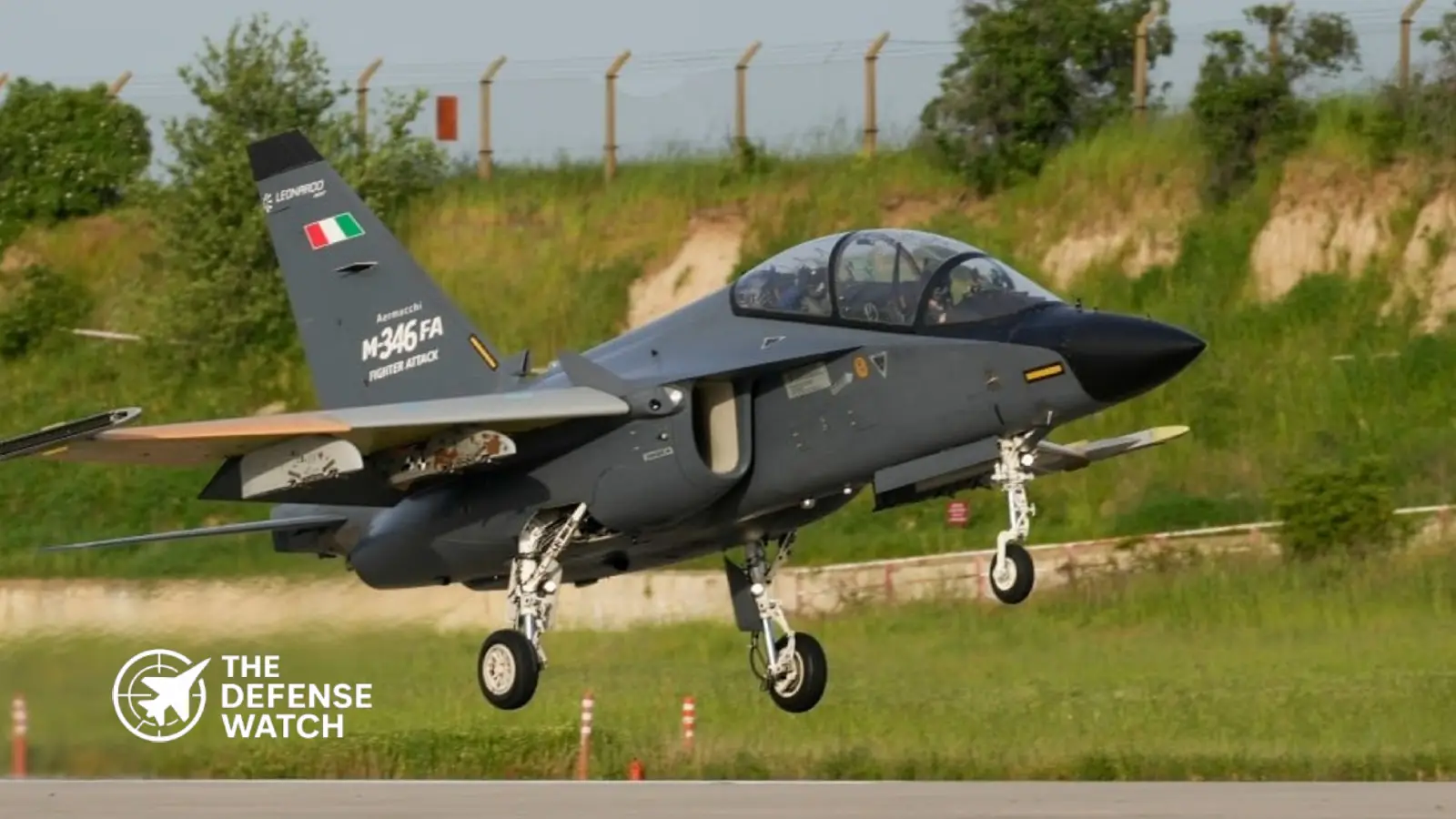
The K-SWARM program reached a major milestone after Italian and Turkish aerospace firms successfully conducted live crewed-uncrewed teaming flights involving the Leonardo M-346 and the Bayraktar KIZILELMA unmanned combat aircraft.
According to Leonardo and Baykar, the flight campaign was conducted in May 2026 at Baykar’s flight test facilities in Çorlu, Türkiye. The demonstrations moved technologies previously validated in simulation environments into real-world flight operations.
The trials involved a Leonardo-owned M-346 Fighter Attack aircraft, an Italian Air Force T-346A used as a chase aircraft, and a KIZILELMA unmanned combat aircraft operating in coordinated flight scenarios.
During the demonstrations, the KIZILELMA performed autonomous taxiing and takeoff before joining the M-346 in formation. The aircraft then executed coordinated missions designed to evaluate advanced software algorithms that enable collaborative operations between crewed and uncrewed platforms.
What The K-SWARM Program Is Designed To Achieve
K-SWARM is intended to develop interoperability between manned and unmanned combat aircraft through advanced autonomy, networking, and mission management technologies.
The program focuses on Crewed-Uncrewed Teaming (CUC-T), a concept increasingly viewed as a foundational element of next-generation air warfare. Under this approach, a pilot in a crewed aircraft can coordinate multiple autonomous aircraft that perform reconnaissance, electronic warfare, strike, or other support missions.
The live trials validated collaborative mission execution through next-generation algorithms designed to coordinate formations and support real-time decision making between aircraft. Leonardo stated that the testing confirmed the transition from digital engineering and simulation environments to operational flight conditions.
Why The Demonstration Matters
The significance of the K-SWARM demonstration extends beyond a single flight test.
Modern air forces face growing pressure from advanced air defense systems, electronic warfare threats, and the increasing use of autonomous systems on the battlefield. As a result, military planners are exploring ways to increase combat mass without proportionally increasing pilot risk or procurement costs.
(adsbygoogle = window.adsbygoogle || []).push({});The M-346 and KIZILELMA demonstration highlights how existing crewed aircraft may evolve into airborne command nodes capable of directing autonomous wingmen during complex missions. Such concepts are increasingly being pursued across NATO and allied nations as future combat air systems move toward distributed operations.
The successful transition from simulation to live testing is particularly important because it validates not only autonomous flight performance but also the communications, software architecture, and command relationships required for operational deployment.
Leonardo-Baykar Partnership Gains Momentum
The K-SWARM milestone comes as cooperation between Leonardo and Baykar continues to expand.
Earlier this month, Italy granted conditional approval for a joint Leonardo-Baykar drone venture intended to strengthen European unmanned aviation capabilities. The partnership seeks to address growing demand for advanced UAV systems across European and NATO-aligned markets.
For Leonardo, the program reinforces its position in future combat air technologies and advanced trainer aircraft development. For Baykar, it demonstrates the increasing maturity of the KIZILELMA platform, which is designed to operate alongside crewed aircraft in high-threat environments.
Broader Implications For Future Air Warfare
The K-SWARM live trials reflect a broader shift occurring across global air forces.
Military aviation is steadily moving toward mixed formations of crewed and autonomous aircraft. Rather than replacing pilots, these concepts are designed to extend the reach, survivability, and effectiveness of manned platforms.
The ability of an M-346 to coordinate with a fighter-class unmanned aircraft such as KIZILELMA demonstrates how future combat formations may operate as integrated networks rather than individual aircraft. This approach could enable air forces to deploy larger numbers of sensors, weapons, and electronic warfare assets while maintaining a smaller human footprint in contested environments.
As air forces prepare for increasingly complex operational environments, successful demonstrations like K-SWARM provide an early glimpse of how future combat air systems may combine human decision-making with autonomous capabilities to generate greater operational flexibility.
Executive Summary:
The U.S. Marine Corps has conducted its first-ever F-35B highway landing and takeoff operations in Finland during NATO’s Ramstein Flag 2026 exercise. The event demonstrates NATO’s increasing emphasis on dispersed air operations, enhancing survivability and combat readiness across the alliance’s northern flank near Russia.
U.S. Marine Corps F-35Bs Conduct Historic Highway Operations In Finland
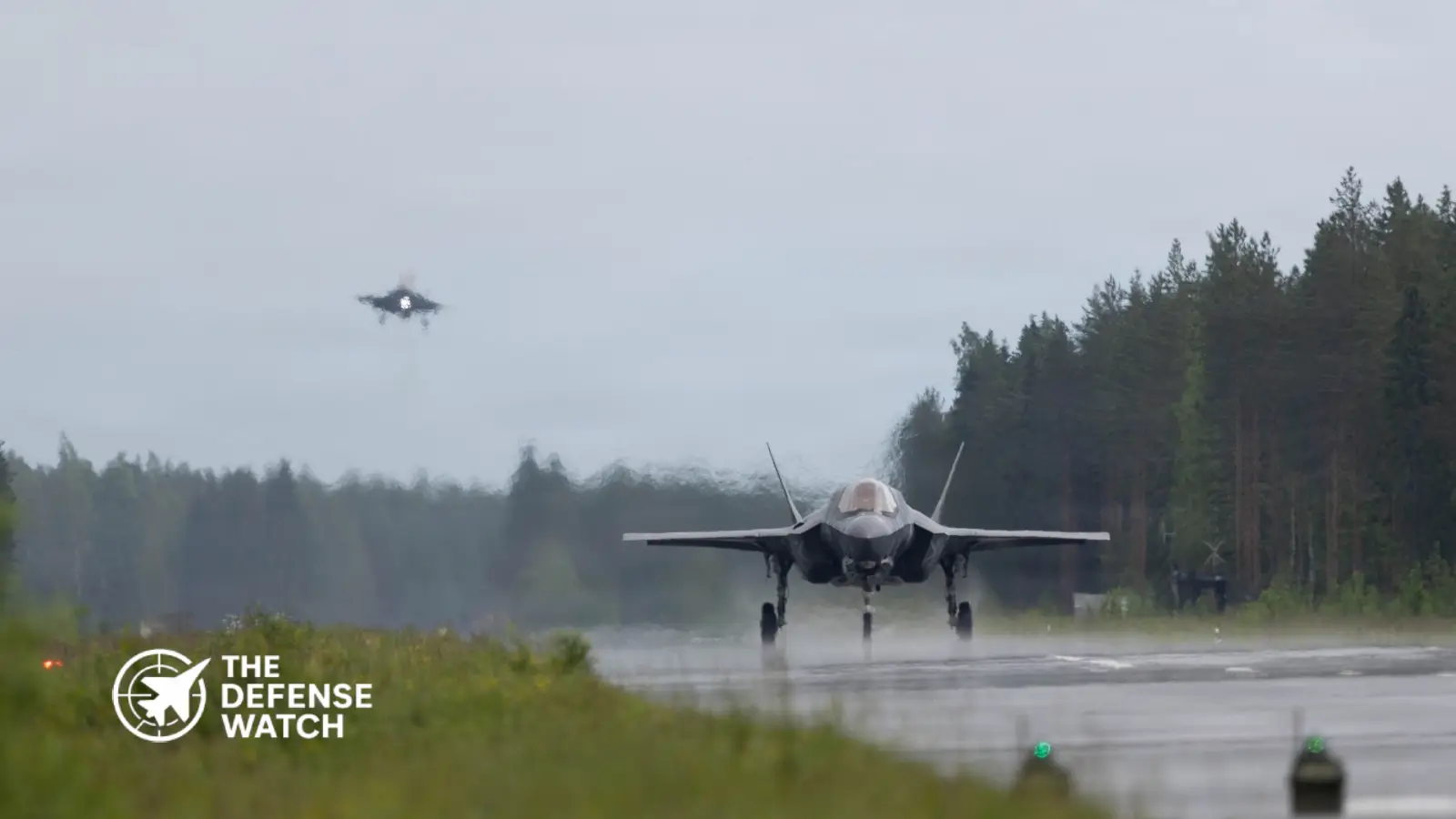
The U.S. Marine Corps F-35B has completed its first highway landing and takeoff operations in Finland, marking a significant milestone in NATO’s evolving approach to dispersed air warfare and operational resilience.
The operations took place from June 8 to 12 near Tervo, Finland, during Exercise Ramstein Flag 2026, NATO’s premier large-scale airpower exercise involving 19 allied nations and more than a dozen operating locations across Europe. According to U.S. Marine Corps Forces Europe and Africa, F-35B Lightning II aircraft assigned to Marine Fighter Attack Squadron 224 (VMFA-224) successfully operated from a Finnish roadway alongside Polish F-16s and Spanish EF-18 Hornets.
The event also marked the first deployment of U.S. Marine Corps F-35Bs to Finland and the first time Marine Corps aircraft conducted highway operations in the Nordic nation.
Ramstein Flag 2026 Highlights NATO’s Distributed Airpower Strategy
The highway operations were designed to test NATO’s ability to sustain combat air operations from dispersed and nontraditional locations rather than relying solely on fixed air bases.
This concept aligns closely with NATO’s adoption of Agile Combat Employment (ACE), a strategy intended to complicate adversary targeting by distributing aircraft across multiple operating sites. By using highways and temporary operating locations, allied air forces can maintain combat effectiveness even if major airfields come under attack.
During the exercise, U.S. Marines from Marine Wing Support Squadron 272 provided forward arming and refueling support, enabling the F-35Bs to conduct realistic expeditionary operations away from traditional infrastructure.
NATO Allied Air Command described Ramstein Flag 2026 as a demonstration of the alliance’s ability to conduct distributed operations across a wide geographic area stretching from northern Norway to southern Europe.
Why Finland’s Highway Network Matters
Finland has long maintained a unique road-base doctrine designed to keep its air force operational during wartime. Sections of highways across the country can be rapidly converted into temporary airstrips, allowing aircraft to disperse and continue operations if conventional air bases become unavailable.
Since joining NATO in 2023, Finland’s dispersed operations model has become increasingly valuable to alliance planning. The country’s extensive experience operating combat aircraft from highways offers a practical framework for NATO’s northern defense posture.
The latest Marine Corps deployment builds on a series of previous allied highway operations in Finland. Norwegian F-35As, U.S. Air Force F-35As, Dutch F-35As, and Italian F-35Bs have all participated in similar exercises over the past several years.
The F-35B’s Unique Role In Dispersed Warfare
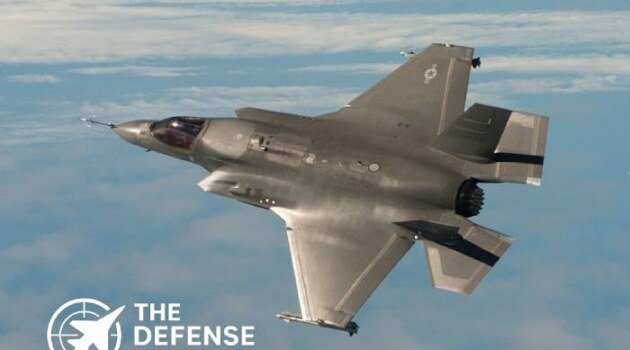
Unlike conventional fighter aircraft, the F-35B incorporates short takeoff and vertical landing (STOVL) capabilities. This allows the aircraft to operate from shorter and less developed surfaces, including highways, expeditionary airfields, and amphibious assault ships.
For the Marine Corps, the ability to deploy fifth-generation stealth fighters from austere locations supports expeditionary warfare concepts that have become central to U.S. military planning. The F-35B combines advanced stealth characteristics, sensor fusion, electronic warfare systems, and networked battlefield awareness while maintaining the flexibility to operate far from major bases.
The Marine Corps plans to operate more than 200 F-35B aircraft by the end of 2026, making the platform the backbone of its future tactical aviation force.
Strategic Implications For NATO’s Northern Flank
The significance of the Finnish highway operations extends beyond a training milestone.
As Russia continues to invest heavily in long-range precision strike capabilities, NATO air forces are increasingly focused on reducing dependence on fixed airfields that could become targets during a conflict. Dispersed operations force adversaries to monitor and potentially strike a much larger network of locations, complicating operational planning and increasing uncertainty.
The participation of U.S. Marine Corps F-35Bs demonstrates how NATO is integrating advanced fifth-generation aircraft into distributed operating concepts across Europe. The exercise also underscores growing interoperability among alliance members and the increasing importance of Finland as a key contributor to NATO’s northern defense architecture.
Analysis
The first U.S. Marine Corps F-35B highway operations in Finland represent more than a symbolic aviation achievement. They reflect a broader shift in NATO air doctrine toward survivability, mobility, and operational flexibility in contested environments.
Finland’s established road-base network provides NATO with a proven model for maintaining airpower under wartime conditions, while the F-35B’s STOVL capability offers unique advantages for dispersed operations. As alliance exercises increasingly emphasize distributed combat operations, highway-based deployments are likely to become a routine element of NATO airpower planning rather than an exception.
For the United States Marine Corps, the successful deployment validates expeditionary aviation concepts that could prove critical in future high-intensity conflicts where traditional airfields may face sustained missile and drone threats.
Executive Summary:
India is acquiring nine retired Jaguar fighter aircraft from the United Kingdom to support its existing Jaguar fleet with spare parts and reusable components. The move comes as the Indian Air Force seeks to maintain operational readiness while managing an aging fleet and a fighter squadron shortfall.
India Acquires Retired UK Jaguars To Support Fleet Sustainment
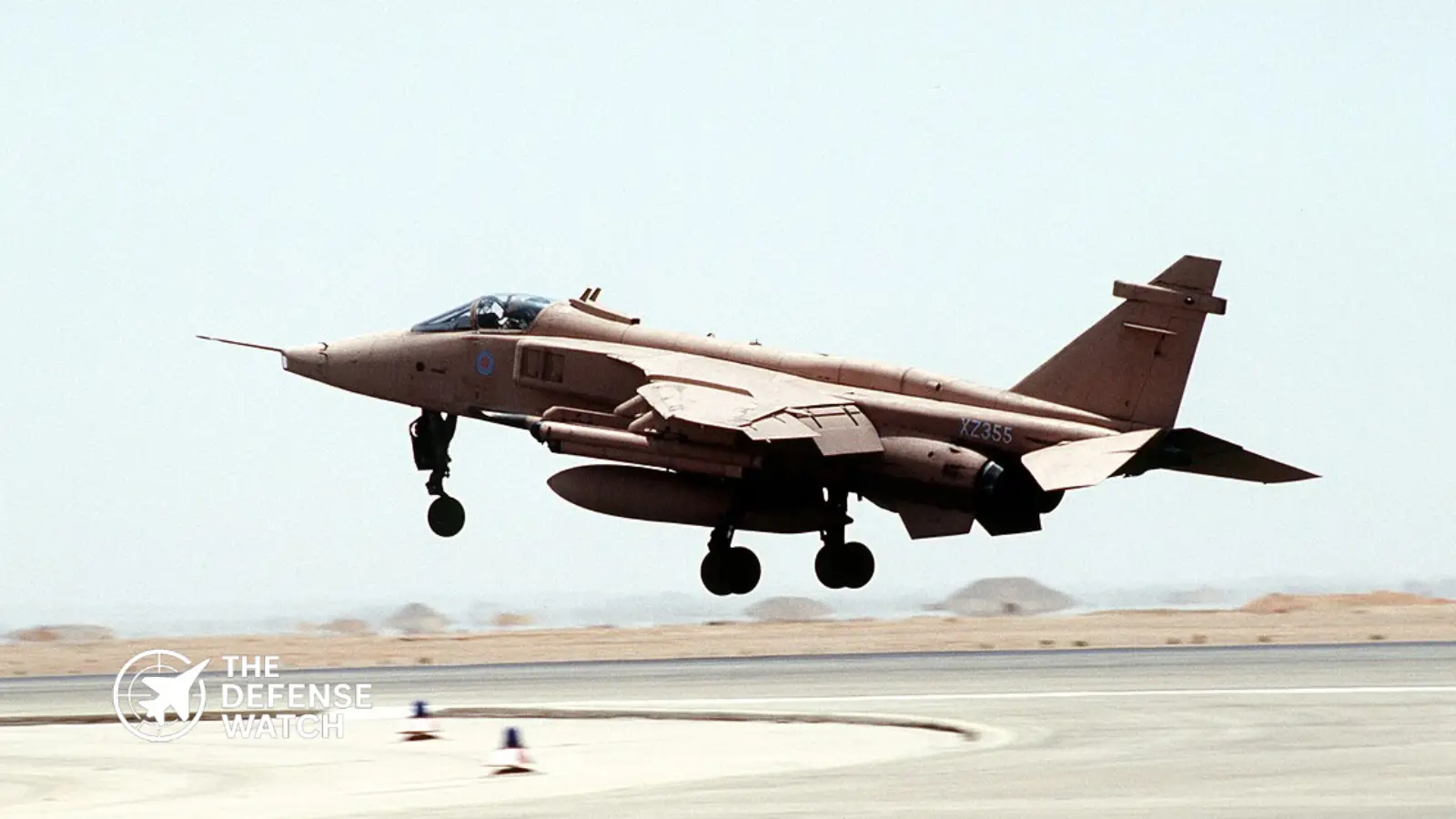
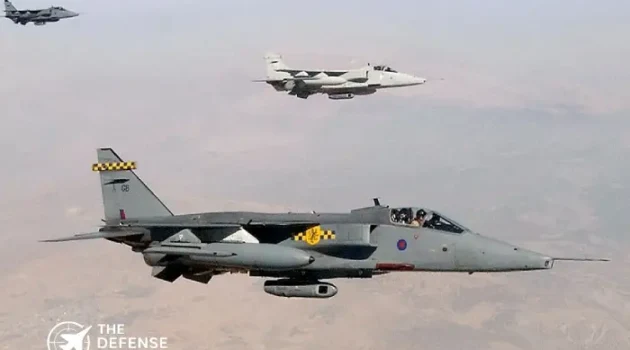
India Jaguar fighter jets are set to receive a critical sustainment boost after the Indian Air Force (IAF) decided to acquire nine retired Jaguar aircraft from the United Kingdom for spare parts and component recovery. The aircraft will not return to service but will instead be dismantled to provide engines, avionics, landing gear, hydraulic systems, and other components needed to support operational aircraft.
The acquisition reflects the growing challenge of maintaining legacy combat aircraft after the Jaguar platform was retired by other operators around the world. Today, India remains the only active military operator of the Anglo-French strike aircraft.
Supporting Six Operational Jaguar Squadrons
The Indian Air Force currently operates six Jaguar squadrons, which continue to perform deep penetration strike and ground attack missions. However, sustaining the fleet has become increasingly difficult as global supplies of spare parts have diminished following the aircraft’s retirement from service in the United Kingdom, France, and Oman.
According to recent reports, the retired British aircraft will be used as a source of reusable assemblies and spare components to help keep the fleet mission capable. The move is intended to preserve operational availability while India continues broader modernization programs across its combat aviation force.
The purchase also follows previous efforts by India to obtain retired Jaguars from other former operators. India sourced retired airframes from France in earlier years and acquired additional retired Jaguars from Oman to support maintenance requirements and extend fleet serviceability.
Squadron Shortfall Driving Sustainment Efforts
The decision comes as the Indian Air Force continues to face a significant fighter aircraft shortage. The service currently operates around 29 fighter squadrons compared with an authorized strength of 42 squadrons, a gap that has become a growing concern for defense planners.
While India is pursuing new fighter acquisitions and domestic aircraft programs, legacy platforms such as the Jaguar continue to play an important role in maintaining force structure and operational capacity.
The retirement of older aircraft, including the MiG-21, has increased pressure on the IAF to maximize the availability of remaining combat fleets until replacement aircraft enter service in larger numbers.
Jaguar Remains A Valuable Strike Platform
The SEPECAT Jaguar entered service in the 1970s as a low-level strike aircraft jointly developed by the United Kingdom and France. India began inducting the aircraft in the late 1970s and early 1980s, eventually becoming the world’s largest operator of the type.
Despite its age, the aircraft remains a capable strike platform following a series of upgrades that improved navigation systems, avionics, mission computers, sensors, and weapons integration. The DARIN modernization programs have helped extend the aircraft’s operational relevance within the Indian Air Force.
However, maintaining the fleet has become increasingly complex. Recent reports have highlighted shortages of critical components, including parts for ejection seat systems, underscoring the challenges associated with operating an aircraft that is no longer supported by active production lines.
Strategic Significance Beyond Spare Parts
While the acquisition involves retired aircraft rather than new combat platforms, it highlights an important aspect of military aviation sustainment. Air forces operating legacy fleets often rely on retired airframes as a source of components once original manufacturers cease production.
For India, the purchase provides a practical and relatively cost-effective method of sustaining an aircraft that continues to contribute to national strike capabilities. The move also allows the IAF to preserve combat capacity while newer aircraft programs advance.
India is simultaneously pursuing modernization initiatives that include additional Rafale fighters and expanded induction of indigenous Tejas aircraft. However, these programs require time to deliver operational aircraft in sufficient numbers, making fleet sustainment measures increasingly important in the interim.
Outlook
The acquisition of nine retired Jaguar aircraft from the United Kingdom demonstrates India’s continued commitment to maintaining operational readiness across its combat aviation fleet. By securing additional spare parts and reusable components, the Indian Air Force aims to sustain its six Jaguar squadrons as it navigates ongoing modernization efforts and persistent fighter squadron shortages.
Although the Jaguar is one of the oldest aircraft in Indian service, it remains a relevant part of the country’s strike capability. The latest acquisition highlights how sustainment and modernization must often proceed in parallel as air forces balance current operational demands with future force development.

(adsbygoogle = window.adsbygoogle || []).push({});Executive Summary:
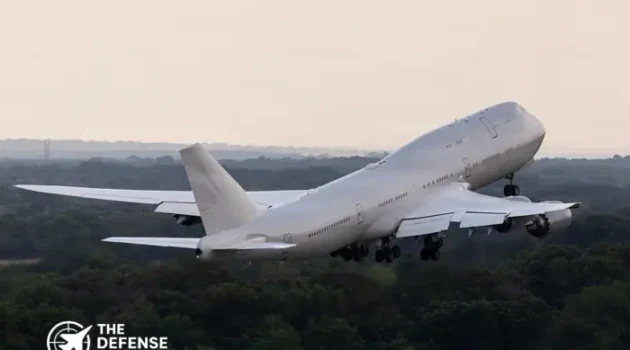
The U.S. Air Force has delivered its first operational VC-25B Bridge aircraft to the Presidential Airlift Group at Joint Base Andrews. The modified Boeing 747-8 provides an interim presidential transport and airborne command platform while the delayed next generation Air Force One fleet continues development, helping sustain continuity of government and executive airlift readiness.
U.S. Air Force Fields VC-25B Bridge Aircraft To Expand Presidential Airlift Capability
The VC-25B Bridge aircraft has officially entered operational service with the U.S. Air Force, marking a significant milestone in efforts to maintain presidential airlift capability while the long delayed Air Force One replacement program remains under development.
According to the U.S. Air Force, the modified Boeing 747-8 aircraft has been delivered to the Presidential Airlift Group at Joint Base Andrews, Maryland, where it has begun commissioning flights ahead of full operational employment. The platform is intended to support presidential transportation missions and continuity of government requirements until Boeing completes delivery of the future VC-25B Air Force One fleet.
(adsbygoogle = window.adsbygoogle || []).push({});Interim Solution For An Aging Presidential Fleet
The arrival of the VC-25B Bridge aircraft addresses a growing capability challenge facing the executive airlift mission.
The current presidential fleet consists of two VC-25A aircraft that entered service in the early 1990s. While those aircraft continue to perform the Air Force One mission, increasing maintenance demands and age-related sustainment requirements have placed pressure on fleet availability. At the same time, Boeing’s next generation VC-25B replacement program has experienced repeated delays, with initial delivery now expected around 2028.
To mitigate that gap, the Air Force accelerated the acquisition and conversion of a Boeing 747-8i into what is now designated the VC-25B Bridge aircraft. The platform was modified and integrated with government communications and mission systems to support executive transport requirements.
The aircraft recently arrived at Joint Base Andrews after completing modification and testing activities, enabling the Air Force to begin operational evaluation and commissioning flights.
(adsbygoogle = window.adsbygoogle || []).push({});Strategic Importance Beyond Transportation
Although often viewed primarily as a presidential transport aircraft, the Air Force One mission extends far beyond passenger movement.
The VC-25B Bridge aircraft is designed to preserve secure communications and command connectivity for the president during domestic and international travel. In crisis scenarios, presidential airlift platforms function as airborne command centers capable of supporting continuity of government operations and strategic decision making.
This mission becomes increasingly important as military planners place greater emphasis on resilience against cyber threats, long range missile attacks, and disruptions to fixed command infrastructure.
From an operational perspective, the Bridge aircraft provides additional flexibility to the Presidential Airlift Group while reducing dependence on the aging VC-25A fleet. It also allows aircrews, maintenance personnel, and support teams to gain experience with the Boeing 747-8 platform ahead of the arrival of the full VC-25B fleet.
atOptions = { ‘key’ : ‘e7d18db8b7513fb2a224cf4c3f18bbf0’, ‘format’ : ‘iframe’, ‘height’ : 90, ‘width’ : 728, ‘params’ : {} };Accelerated Delivery Demonstrates Rapid Acquisition Potential
One notable aspect of the program is the speed at which the aircraft was converted and delivered.
L3Harris, working with the U.S. Air Force, completed transformation of the 747-8 platform into the VC-25B Bridge aircraft within approximately ten months, significantly faster than traditional acquisition timelines associated with specialized government aircraft. The project involved integrating secure communications, executive transport systems, and mission equipment necessary for presidential operations.
The rapid fielding effort highlights a growing Pentagon focus on accelerated procurement and capability delivery, particularly for missions where operational readiness cannot wait for lengthy development cycles.
While the Bridge aircraft does not replace the full scope of capabilities planned for Boeing’s purpose-built VC-25B fleet, it provides an important stopgap that preserves mission continuity and reduces operational risk.
(adsbygoogle = window.adsbygoogle || []).push({});What Comes Next
The aircraft will continue commissioning flights and operational validation activities before assuming a larger role within presidential transport operations. According to Air Force officials, the platform enters service at a critical period as the military prepares for the eventual transition from the legacy VC-25A fleet to the Boeing 747-8 based presidential aircraft architecture.
The fielding of the VC-25B Bridge aircraft underscores a broader reality facing U.S. defense aviation programs: maintaining readiness often requires interim solutions when major modernization efforts encounter delays.
For the Air Force, the aircraft represents more than a temporary presidential jet. It serves as a bridge between generations of executive airlift capability while ensuring the United States retains a secure and resilient airborne command platform for its commander in chief.
Executive Summary:
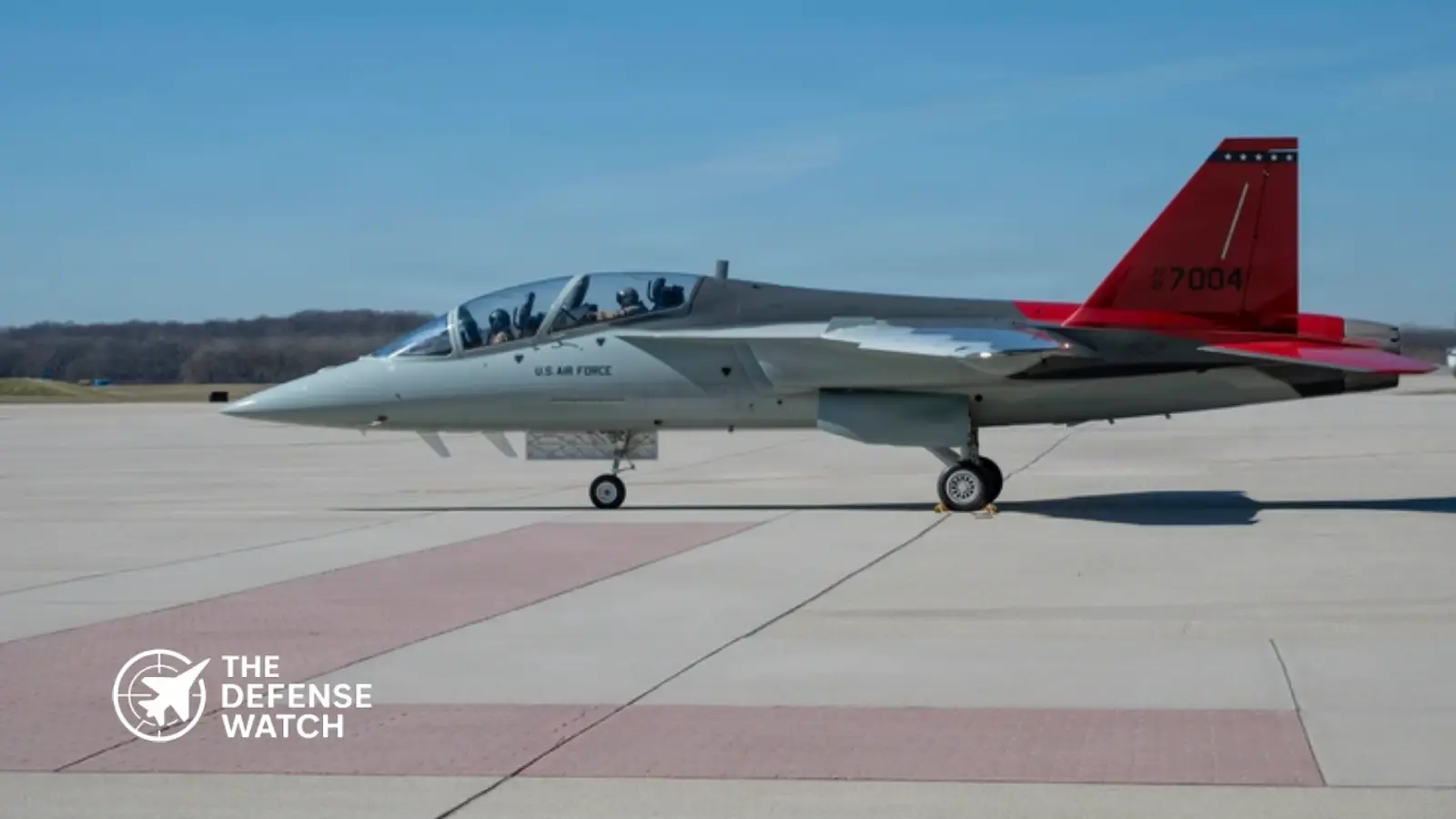
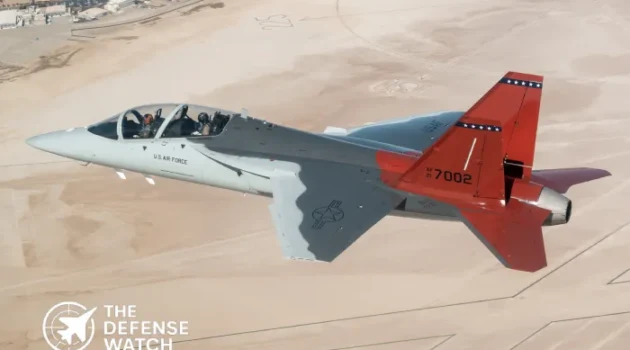
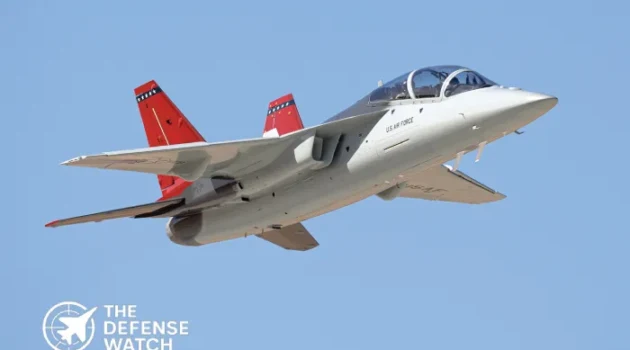
BAE Systems says the T-7 Red Hawk offers a fundamentally different approach to Royal Air Force pilot training by combining advanced aircraft capabilities with extensive synthetic training environments. The proposal comes as the RAF prepares to replace its aging Hawk trainer fleet and adapt pilot training for future fourth, fifth, and sixth-generation combat aircraft.
T-7 Red Hawk Positioned For RAF Training Modernization
The T-7 Red Hawk is being presented as a new approach to Royal Air Force pilot training as the UK considers options to replace its aging Hawk trainer fleet. BAE Systems, working alongside Boeing and Saab, argues that future pilot preparation must move beyond traditional training aircraft and incorporate advanced digital technologies that mirror modern combat environments.
The proposal follows the UK’s Strategic Defence Review, which identified the need for a successor to the Hawk advanced jet trainer. The T-7 would serve as the centerpiece of a broader training ecosystem that combines live flying with virtual and synthetic training environments.
According to the industry team, the goal is to prepare pilots for increasingly complex operational environments and future combat aircraft, including fourth, fifth, and eventually sixth generation platforms.
Why The T-7 Red Hawk Matters
Developed by Boeing and Saab, the T-7A Red Hawk was originally selected by the U.S. Air Force to replace the decades old T-38 Talon trainer. The aircraft features a digital cockpit, large area displays, hands on throttle and stick controls, and an open architecture designed to support future upgrades.
The aircraft is powered by a General Electric F414 engine, the same engine family used on several modern fighter aircraft. Its design philosophy focuses on providing student pilots with an experience that more closely resembles frontline combat aircraft than legacy trainers.
An important aspect of the T-7 program is its use of digital engineering techniques during development. This approach has been promoted as a way to accelerate design changes, improve manufacturing efficiency, and simplify future modernization efforts.
BAE Systems Highlights Integrated Training Approach
Rather than marketing the T-7 solely as a replacement aircraft, BAE Systems is emphasizing a complete training system built around live, virtual, and constructive training methods. The concept combines flight hours in the aircraft with high fidelity simulators and networked mission environments.
This reflects a broader trend across NATO air forces, where rising operating costs and increasingly sophisticated threats are driving greater use of simulation and synthetic training. Such systems allow pilots to train against complex scenarios that would be difficult or expensive to replicate in live flying exercises.
From an operational perspective, this shift is particularly relevant as air forces prepare crews for aircraft such as the F-35 and future platforms associated with the Global Combat Air Programme (GCAP). Training systems must now support multi domain operations, data intensive missions, and interactions with autonomous systems.
UK Industrial Benefits Part Of The Proposal
BAE Systems would lead the UK effort under the proposed arrangement. The companies have indicated that final assembly could take place in the United Kingdom, while additional opportunities would be explored for British suppliers across the aircraft’s production and support network.
This industrial element is likely to be an important factor in any future RAF competition. The UK government has increasingly sought defense programs that deliver domestic manufacturing, technology development, and skilled employment alongside military capability.
Analysis: More Than A Hawk Replacement
The significance of the T-7 proposal extends beyond replacing an aging trainer aircraft. The RAF’s future challenge is ensuring pilots can transition efficiently into highly advanced combat systems while managing budget pressures and training demands
.
The T-7’s strongest selling point may not be the aircraft itself, but the integrated training architecture surrounding it. Modern fighter pilots require exposure to electronic warfare scenarios, networked operations, and complex threat environments long before reaching operational squadrons. Traditional training methods alone are increasingly insufficient.
For the UK, the decision will likely involve balancing operational requirements, industrial benefits, affordability, and alignment with future programs such as GCAP. The T-7 enters that discussion as a mature platform already selected by the U.S. Air Force and designed specifically for next generation pilot training.
Whether the RAF ultimately selects the T-7 or another solution, the competition highlights a broader shift in military aviation: future pilot training is becoming as much about digital ecosystems and synthetic environments as it is about the aircraft itself.
(adsbygoogle = window.adsbygoogle || []).push({});Executive Summary:
U.S. Air Force fighters, bombers, and support aircraft recently conducted large-scale operations in British airspace alongside Royal Air Force assets. The training highlights growing NATO emphasis on combat readiness, long-range strike integration, and allied interoperability amid increasing security challenges across Europe.
American Jets And Bombers Conduct Training Over Britain
American jets and bombers operating over Britain have demonstrated the growing integration between U.S. and UK air forces as NATO continues to emphasize readiness across the Euro-Atlantic region.
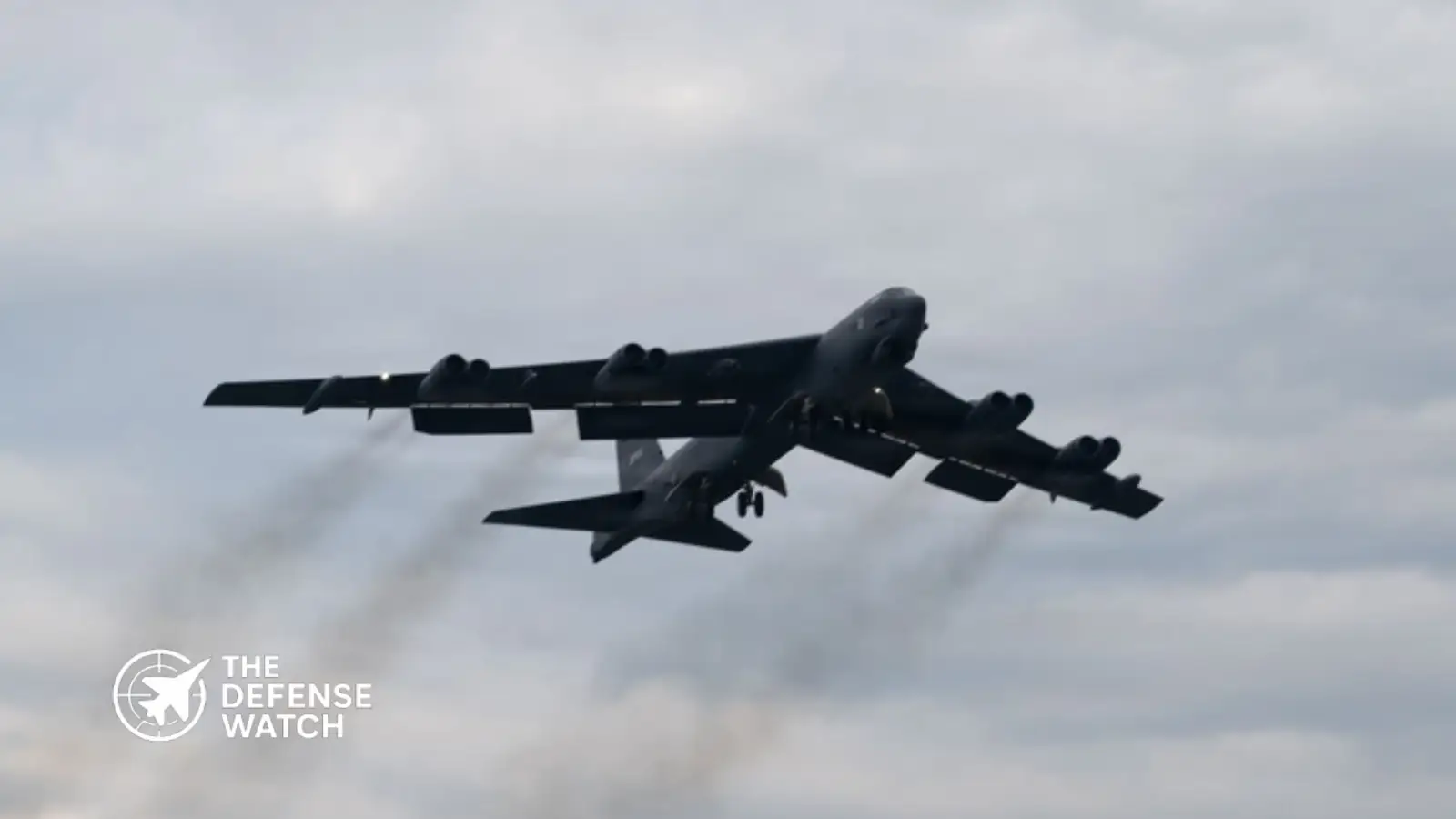
Multiple U.S. military aircraft, including strategic bombers, fighters, and aerial refueling platforms, participated in coordinated operations in British airspace. The activity involved complex air combat scenarios designed to sharpen operational coordination between allied forces.
The exercises took place against a backdrop of heightened NATO focus on deterrence, rapid response capabilities, and large-scale air operations. While such missions are routine elements of alliance training, their scale and visibility underscore the importance both nations place on maintaining a credible airpower posture.
Strategic Bomber Presence Remains Key
A notable aspect of the training was the participation of U.S. strategic bomber aircraft.
Long-range bombers remain among the most flexible tools available to U.S. military planners. They can rapidly deploy across continents, carry a wide range of conventional weapons, and integrate with allied air forces during multinational operations.
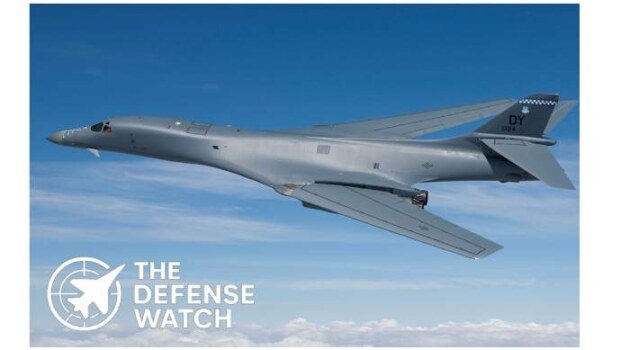
RAF Fairford continues to serve as an important hub for visiting U.S. bomber deployments in Europe. The base has supported multiple rotations involving American bomber aircraft in recent years and remains a critical location for transatlantic airpower operations. Earlier this year, U.S. B-1B Lancer bombers were deployed to Britain as part of broader regional security operations.
(adsbygoogle = window.adsbygoogle || []).push({});The ability to operate strategic bombers from British bases provides operational flexibility while reinforcing NATO’s collective defense posture.
Strengthening U.S.-UK Air Force Integration
The latest activity also highlights the increasingly integrated relationship between the U.S. Air Force and the Royal Air Force.
Modern air operations require seamless coordination among fighters, bombers, surveillance aircraft, electronic warfare platforms, and aerial refueling assets. Joint training allows crews to practice command-and-control procedures, communications, targeting processes, and mission planning under realistic conditions.
For NATO, interoperability is not simply a training objective. It is a core requirement for coalition combat operations. Aircraft from multiple nations must be able to operate together effectively during crises or conflicts.
The United Kingdom remains one of Washington’s closest military partners, and the two nations regularly conduct combined air operations across Europe, the Middle East, and other strategic regions.
Why The Training Matters
The appearance of American jets and bombers over Britain comes as European security planners continue to monitor evolving threats across the continent.
Recent statements from senior British military officials indicate a rise in Russian long-range military aviation activity near NATO’s northern approaches. The Royal Air Force routinely conducts interception and monitoring missions when foreign military aircraft approach areas of interest near UK airspace.
In parallel, NATO members have increased the frequency and complexity of joint exercises aimed at improving readiness and deterrence.
Training missions involving bombers are particularly valuable because they simulate the coordination required for long-range strike operations, air superiority missions, and integrated coalition warfare. These exercises also provide opportunities to validate logistics networks, refueling procedures, and command structures that would be critical during a major contingency.
Airpower As A Deterrence Tool
The strategic value of American jets and bombers extends beyond training alone.
Visible airpower deployments serve as a signal of allied capability and commitment. Strategic bombers can deploy rapidly, operate across vast distances, and integrate with regional forces without requiring permanent forward basing.
For NATO, this flexibility provides an important deterrent advantage. It allows the alliance to demonstrate readiness while maintaining the ability to scale military presence according to evolving security requirements.
The United Kingdom’s geographic position and established military infrastructure continue to make it a central platform for allied air operations across Europe and the North Atlantic.
Analysis: A Broader Trend In NATO Air Operations
Beyond the immediate exercise, the mission reflects a broader shift toward more integrated and distributed air operations among NATO members.
Modern conflicts increasingly require coordination across multiple domains, including air, space, cyber, and electronic warfare. Large-scale training events help allied forces test these capabilities before they are needed in real-world operations.
The presence of American jets and bombers over Britain also demonstrates how NATO is leveraging existing infrastructure and long-standing partnerships to improve readiness without establishing large new permanent force structures.
As European security challenges continue to evolve, such exercises are likely to remain a regular feature of alliance operations, providing both practical training value and strategic reassurance to NATO members.
Conclusion
The latest operations involving American jets and bombers over Britain highlight the enduring strength of U.S.-UK defense cooperation and NATO airpower integration.
While primarily a training event, the mission showcased capabilities that are central to alliance deterrence, including strategic bomber operations, multinational coordination, and rapid-response airpower. As NATO continues adapting to a changing security environment, exercises of this type remain essential for maintaining combat readiness and collective defense effectiveness.