Executive Summary:
Hypersonix Launch Systems is accelerating development of future hypersonic aircraft after its DART AE demonstrator completed a successful flight test at speeds exceeding Mach 5. The mission validated key propulsion, materials, guidance, and control technologies, providing valuable flight data for future operational systems and supporting broader U.S. and allied hypersonic development efforts.
Hypersonix DART AE Demonstrates Key Hypersonic Technologies
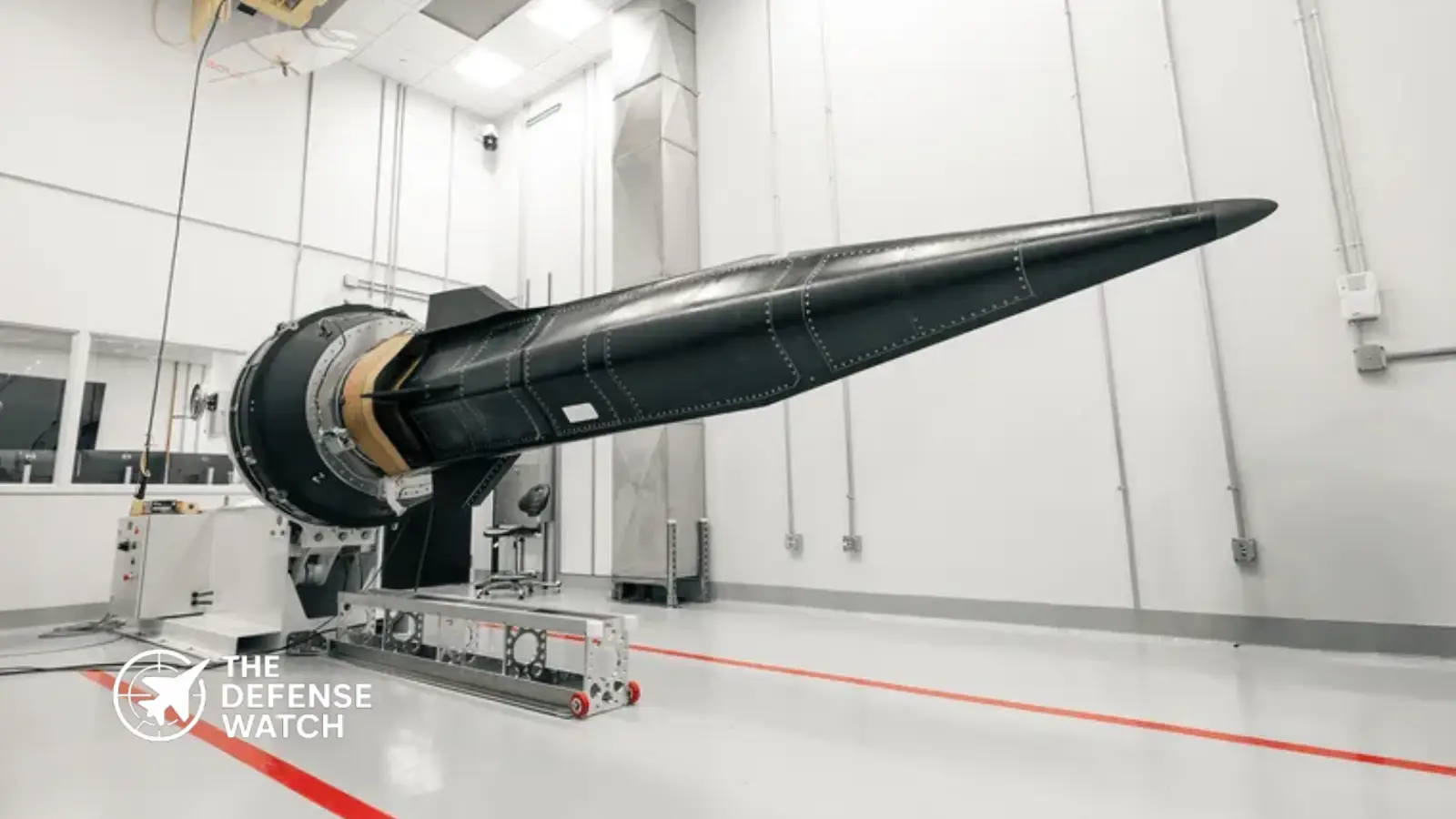
The Hypersonix DART AE program has entered a new phase following a successful flight test that validated several core technologies required for future hypersonic aircraft and test platforms.
Australian company Hypersonix Launch Systems confirmed that its DART AE hypersonic demonstrator successfully completed its first flight during the mission known as “That’s Not A Knife,” launched from Wallops Island, Virginia, aboard a Rocket Lab HASTE vehicle. The test was conducted under the U.S. Defense Innovation Unit’s Hypersonic and High-Cadence Airborne Testing (HyCAT) initiative.
According to the company, the mission achieved hypersonic flight conditions exceeding Mach 5 and generated critical data on propulsion, aerothermal performance, structural behavior, materials performance, and vehicle control systems.
The DART AE demonstrator was specifically designed to validate technologies in real-world flight conditions rather than laboratory simulations, an important distinction in hypersonic development where extreme temperatures, aerodynamic loads, and control challenges are difficult to replicate on the ground.
Why The Flight Matters
The successful DART AE mission highlights a growing shift in hypersonic development toward lower-cost, higher-frequency testing programs.
One of the major bottlenecks in hypersonic weapons and aircraft development has been limited access to flight-testing infrastructure. The Defense Innovation Unit’s HyCAT initiative aims to increase testing cadence by leveraging commercial industry partners capable of rapidly fielding experimental platforms.
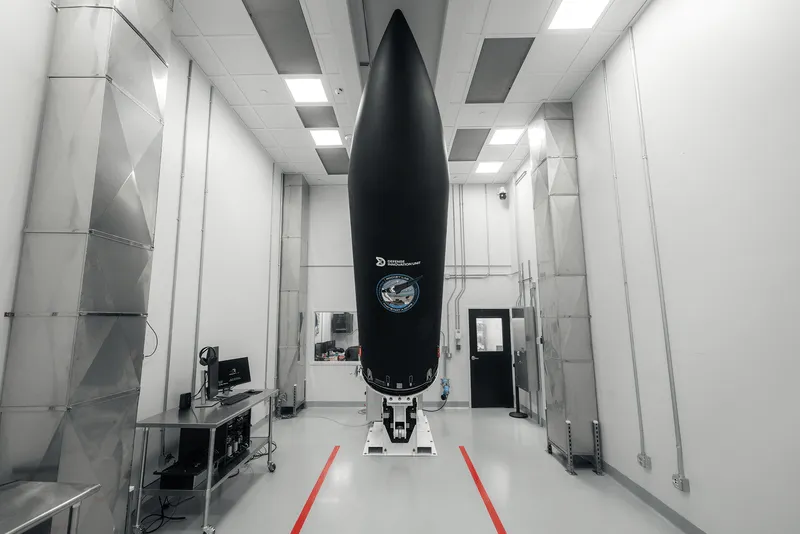
The DART AE flight represents a practical example of this approach. Rather than developing a complete operational weapon system, the aircraft serves as a reusable technology pathway for validating propulsion concepts, sensors, communications, and guidance systems that could later support military or dual-use applications.
From a strategic perspective, hypersonic programs increasingly depend on frequent testing to mature technologies and reduce development risk. Flight data remains the most valuable source of information for engineers attempting to understand how vehicles behave in sustained hypersonic environments.
Hypersonix co-founder Dr. Michael Smart stated that the mission allowed the company to test propulsion, materials, and control systems in actual hypersonic conditions, emphasizing that real flight data cannot be fully replaced by simulations or ground testing.
DART AE’s Unique Design
Several aspects of the DART AE platform distinguish it from traditional aerospace test vehicles.
The aircraft incorporates Hypersonix’s SPARTAN scramjet technology and relies heavily on additive manufacturing techniques. The company has described DART AE as the world’s first hypersonic aircraft platform produced entirely through 3D printing using high-temperature metallic alloys.
The demonstrator is approximately three to three and a half meters long and was designed to support testing of advanced propulsion and thermal management technologies under extreme flight conditions.
Prior to launch, the aircraft completed extensive structural and vibration testing to verify its ability to withstand launch loads and hypersonic flight stresses. Those evaluations cleared the vehicle for shipment to the United States and eventual integration with Rocket Lab’s HASTE launch system.
What Comes Next For Hypersonix
The successful DART AE flight provides a foundation for Hypersonix’s broader roadmap, which includes development of more advanced hypersonic aircraft capable of sustained operations at speeds approaching Mach 12.
The company is also advancing its next-generation platform known as VISR (Velos Intelligence, Surveillance and Reconnaissance), which is intended to expand the operational utility of hypersonic technologies beyond experimental demonstrations.
Recent investment activity has strengthened the company’s position. In late 2025, Hypersonix secured approximately $46 million in Series A funding from a consortium of defense and aerospace investors, including support from Swedish defense firm Saab, Australia’s National Reconstruction Fund Corporation, Queensland Investment Corporation, and other strategic backers. The funding is being used to accelerate flight testing and expand advanced manufacturing capacity.
Growing Importance Of Commercial Hypersonic Testing
The DART AE mission reflects a broader trend across the United States and allied nations toward leveraging commercial aerospace companies to accelerate hypersonic research.
As governments seek faster development cycles for next-generation aerospace systems, commercial test vehicles offer a potentially more cost-effective method for validating technologies before transitioning them into operational programs.
For defense planners, the significance of the DART AE mission extends beyond a single flight. The test demonstrated that commercial industry can provide credible hypersonic test capabilities while generating the real-world data necessary to mature future systems. In an environment where testing capacity remains a strategic constraint, platforms like DART AE could play an i