














@2026 – All Right Reserved. TheDefenseWatch.com
- Home
- Catalog
- Bombers & Strategic Aircraft
- Boeing C-40C Clipper Airlift
Boeing C-40C Clipper Airlift

Full Specifications
1. General Information
| Name | Boeing C-40C Clipper |
| Manufacturer | Boeing |
| Country of Origin | United States |
| Introduction / In Service Since | 2002 |
| Status | In operational service |
| Category | High-priority personnel transport |
| Crew | 10, mission dependent |
| Unit Cost | Approximately $70 million, historical figure |
2. Dimensions & Structure
| Length | 110 ft 4 in (33.6 m) |
| Wingspan | 117 ft 5 in (35.8 m) |
| Height | 41 ft 2 in (12.5 m) |
| Wing Area | Not publicly specified in the cited Air Force fact sheet |
| Empty Weight | Not publicly specified |
| Maximum Takeoff Weight (MTOW) | 171,000 lb (77,565 kg) |
3. Performance
| Maximum Speed | 530 mph (Mach 0.8) |
| Range | 4,500 to 5,000 nmi, payload dependent |
| Combat Radius | Not applicable |
| Service Ceiling | 41,000 ft (12,727 m) |
| Rate of Climb | 3,000 ft/min |
4. Powerplant
| Engine Type | 2 × GE CFM56-7B27 turbofans |
| Thrust (per engine) | 27,000 lb |
| Total Thrust | 54,000 lb |
5. Payload & Armament
| Internal Payload Capacity | 42 to 111 passengers |
| Weapons Bay | None |
| Compatible Weapons | None |
| Hardpoints | None |
6. Avionics & Systems
| Radar System | Enhanced weather radar |
| Navigation | Integrated GPS and flight management system |
| Electronic Warfare (EW) | No dedicated combat EW suite publicly identified |
| Stealth Features | None |
7. Operational History
| Primary Operator | U.S. Air Force, including Air National Guard and Air Force Reserve |
| Conflict Usage | Executive and operational support rather than direct combat |
| Notable Missions | Congressional delegations, Cabinet travel, senior leader transport, special envoys and diplomatic support |
8. Additional Information
| Variants | C-40B, C-40C |
| Successor / Future Replacement | No single direct replacement publicly designated |
| Notable Features | Reconfigurable cabin, winglets, military avionics and long-range capability |
| Estimated Operational Life | Dependent on airframe condition, modernization and sustainment |
PROS
- Flexible 42 to 111 passenger configuration
- Long-range executive airlift capability
- Proven Boeing 737-derived airframe
- Modern navigation and flight safety systems
- Suitable for worldwide government and military missions
CONS
- Not designed for combat operations
- No weapons or dedicated weapons systems
- Limited tactical airlift capability
- Commercial-derived airframe lacks battlefield protection
- Specialized military configuration adds maintenance requirements
Boeing C-40C Clipper: U.S. Executive Airlift
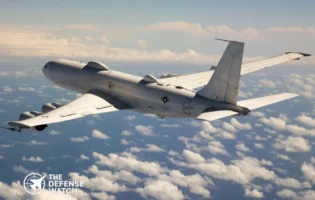
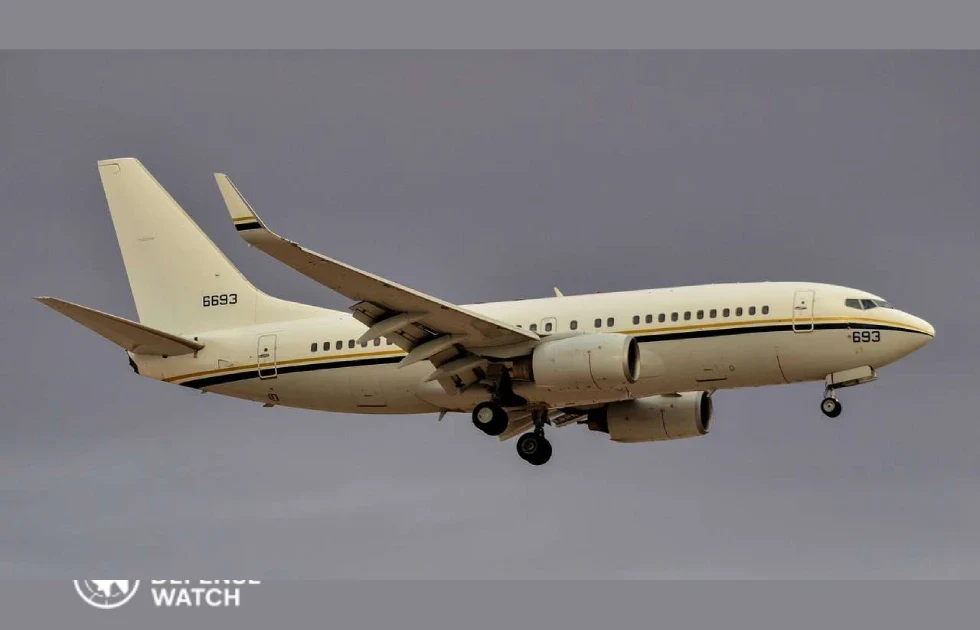
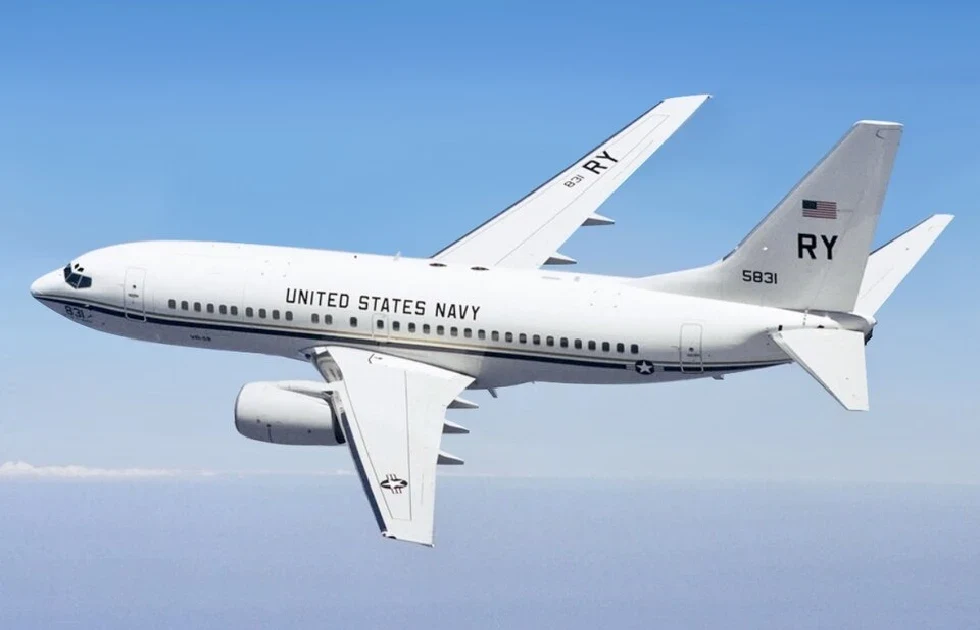
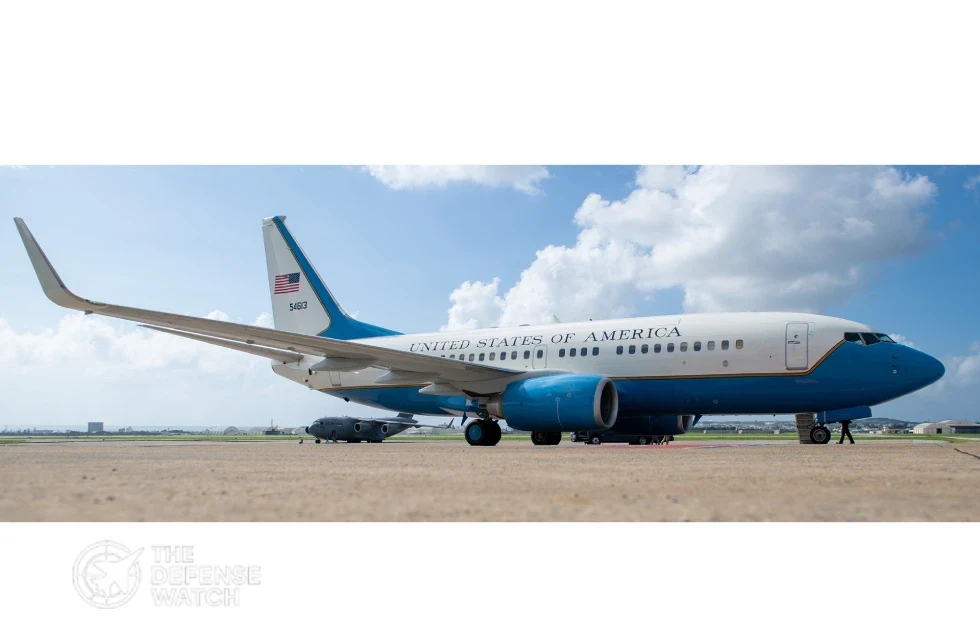
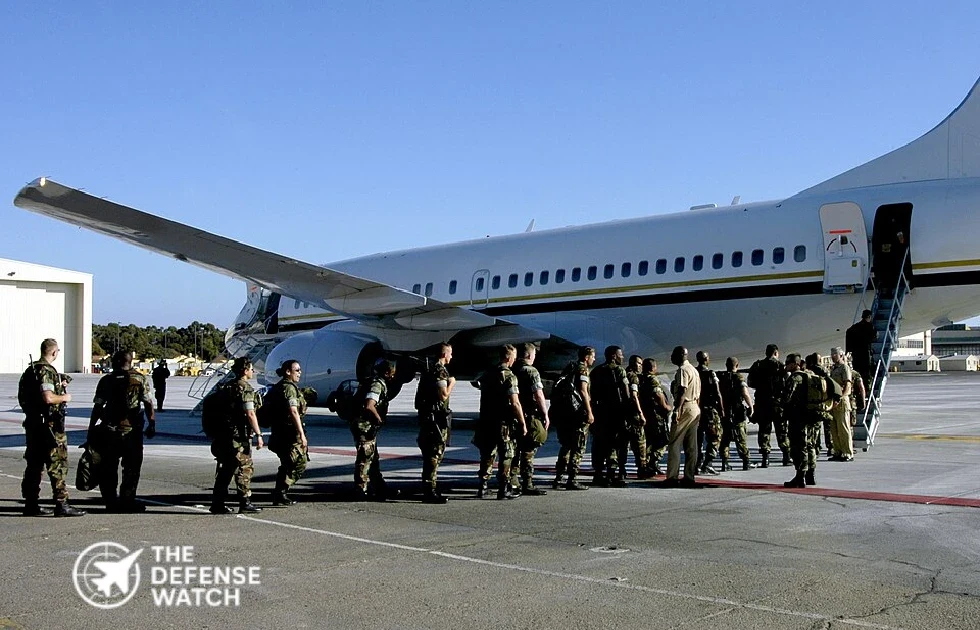
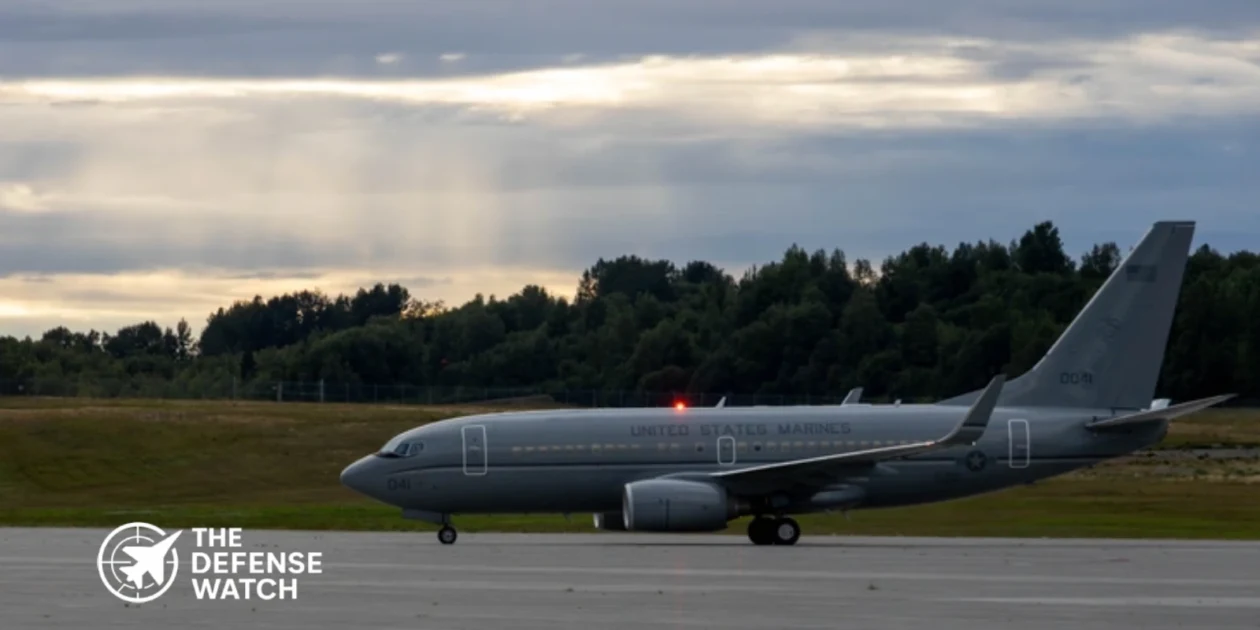
The Boeing C-40C Clipper is a military executive transport aircraft operated by the U.S. Air Force for high-priority personnel movement, including congressional delegations, Cabinet officials, senior military leaders, special envoys, and other government passengers. Based on the Boeing 737-700 business jet, the C-40C combines a commercial airliner-derived airframe with military avionics, auxiliary fuel capacity, and a flexible passenger cabin. The aircraft entered U.S. military service in the early 2000s and was selected to replace older C-22 aircraft in its executive airlift role.
A major feature of the C-40C is its reconfigurable interior. Unlike the C-40B, which is optimized for combatant commanders and advanced airborne communications, the C-40C can be configured to carry approximately 42 to 111 passengers. This flexibility allows the aircraft to support distinguished visitor missions as well as larger personnel movements.
Manufacturer
Boeing is the prime airframe contractor, while the aircraft uses two GE CFM56-7B27 turbofan engines. The C-40C incorporates the Boeing 737-700 fuselage with winglets and military-specific equipment, including integrated GPS, flight management systems, electronic flight instrumentation, a heads-up display, traffic collision avoidance technology, and enhanced weather radar.
Speed and Range
The C-40C has a maximum speed of about 530 mph, or approximately Mach 0.8, and can operate at altitudes up to 41,000 feet. Its published unrefueled range is approximately 4,500 to 5,000 nautical miles, depending on payload. Each CFM56-7B27 engine produces about 27,000 pounds of static thrust.
Cost/Price
The U.S. Air Force lists a historical unit cost of approximately $70 million for the C-40 family. This figure should be treated as a historical reference rather than a current procurement price, because configuration, support, modernization, inflation, and acquisition arrangements can significantly affect actual costs.
Reviews
Disclaimer Note
The information provided on TheDefenseWatch.com is for general informational purposes only. While we strive to ensure the accuracy, completeness, and timeliness of our content regarding defense and aerospace products, technologies, and specifications, we cannot guarantee that all information is 100% accurate or up-to-date due to the evolving nature of military technology and classified data.TheDefenseWatch.com does not warrant the reliability, suitability, or availability of the information for any specific purpose. Users are advised to consult official sources, such as manufacturers, government publications, or defense agencies, for precise and verified data before making decisions based on our content.We are not affiliated with any defense manufacturers, governments, or military organizations mentioned. Opinions, reviews, and ratings reflect expert analysis but are subjective and should not be considered endorsements. TheDefenseWatch.com is not responsible for any errors, omissions, or consequences arising from the use of this website’s content.External links are provided for convenience and do not imply endorsement. TheDefenseWatch.com reserves the right to update or modify content without prior notice. By using this website, you agree to our Privacy & Cookies Policy.

New Arrivals
Popular Comparisons
-
 Su-57 Fighter Jet vs J-20 Fighter Jet: Stealth and Air Combat Compared
View Comparison →
Su-57 Fighter Jet vs J-20 Fighter Jet: Stealth and Air Combat Compared
View Comparison → -
Mirage 2000 vs Tejas Mk1A: Legacy Combat Power vs Indigenous Modernization
View Comparison →
-
Rafale Fighter Jet vs F-22 Raptor: Which Air Dominance Fighter Has the Edge?
View Comparison →
-
Tejas Fighter Jet vs. Rafale Fighter Jet: India’s Indigenous Fighter Meets France’s Proven Multirole Combat Aircraft
View Comparison →
-
F-22 Raptor vs. F-35 Joint Strike Fighter: Which Fifth Generation Fighter Has the Edge?
View Comparison →
-
F-35A vs. F-22 Raptor: Which U.S. Stealth Fighter Dominates Modern Air Combat?
View Comparison →
-
AGM-114 Hellfire vs. AGM-179 JAGM: Which U.S. Precision Missile Is Better?
View Comparison →
-
Patriot (PAC-3) vs. THAAD: Complete Missile Defense System Comparison, Capabilities, Range, and Strategic Roles
View Comparison →
-
AIM-120 AMRAAM vs. AIM-9X Sidewinder: Complete Air-to-Air Missile Comparison, Range, Speed, and Combat Roles
View Comparison →
-
BGM-109 Tomahawk vs. AGM-158 JASSM: Which Long Range Precision Strike Missile Offers Greater Strategic Advantage?
View Comparison →
- Ukraine Unveils Alexa Spatium Jet-Powered Interceptor To Counter Russian Geran And Shahed Drones

- USS George Washington Marks 200,000th Fixed Wing Aircraft Recovery With F-35C Landing
- Tiberius Aerospace Moves Invictus Missile Into Formal Testing With Mach 3, 200-Kilometer Strike Range
- U.S. Navy Retires C-2A Greyhound After Six Decades Of Carrier Logistics
- Qatar Seeks Four Boeing KC-46A Tankers In $4.5 Billion U.S. Deal
- Britain Moves To Rejoin NATO Nuclear Mission With F-35A Fighters
- U.S. Navy Reveals ARAV-6 Launch During Pacific Dragon 2026
- UK Moves Toward Up to 12 SSN AUKUS Attack Submarines Under AUKUS
- U.S. Navy SPY-6 Radar Expands Allied Missile Defense In Pacific Dragon 2026
- China J-35 Stealth Fighter Emerges With Mirror-Like Coating