- Chinese firm claims detection of B-2 Spirit signal emissions over Iran.
- System uses AI to analyze radio frequency patterns and operational behavior.
- Highlights growing importance of passive detection and electronic intelligence.
- Detection reportedly linked to US military activity during a regional operation.
- Raises questions but does not confirm compromise of stealth aircraft survivability.
Chinese AI B-2 Spirit Signal Detection Raises New Questions
The B-2 Spirit signal detection claim by a Chinese defense firm has drawn attention to evolving electronic warfare capabilities, particularly the use of artificial intelligence to analyze radio frequency emissions from stealth aircraft.
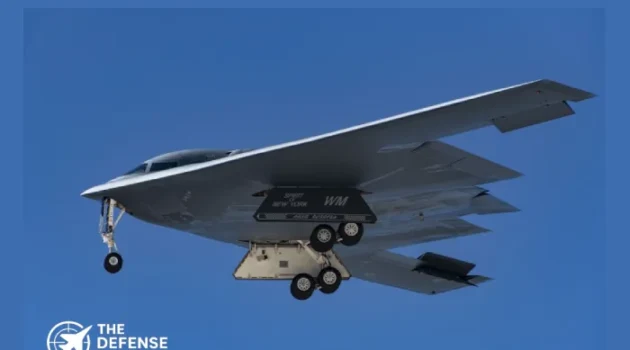
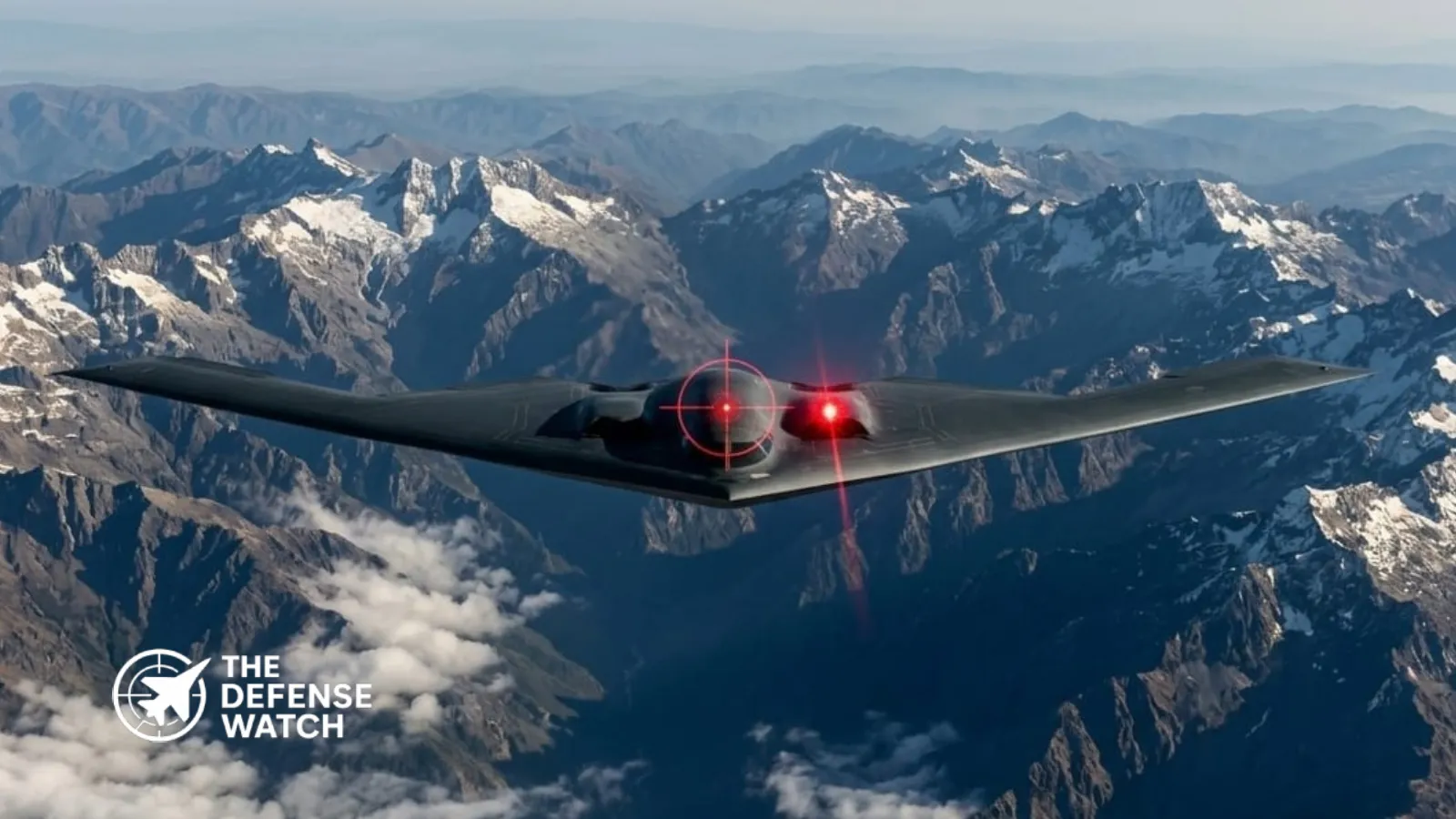
Chinese company Jingan Technology stated that its system intercepted radio signals associated with a B-2 Spirit operated by Northrop Grumman during a mission linked to activity over Iran. The firm said the aircraft used call signs “Petro 41” through “Petro 44” during part of the operation.
The Big Picture
Stealth technology has long underpinned US air superiority, allowing aircraft like the B-2 to evade radar detection and penetrate contested airspace. However, modern military competition is shifting toward multi-domain sensing, where passive detection methods and AI-driven analytics play an increasing role.
The United States has invested heavily in low observable platforms, while competitors such as China focus on counter-stealth systems, including long wavelength radar, infrared tracking, and electronic intelligence.
This claim reflects a broader trend. Military powers are now targeting the electromagnetic spectrum itself rather than relying solely on traditional radar.
What’s Happening
Jingan Technology reported that its system detected radio frequency emissions linked to a B-2 mission. According to the company:
- The system captured signal activity associated with US aircraft operations
- AI algorithms analyzed patterns in communications and movement
- The platform reconstructed operational sequences and identified early indicators of military buildup
The firm described the detected activity as part of a large-scale US military presence in the Middle East, though it did not provide independent verification or technical details.
No official confirmation has been issued by the US Department of Defense.
Why It Matters
The significance of this B-2 Spirit signal detection claim lies in the distinction between stealth and emissions control.
Stealth aircraft reduce radar cross-section, but they can still emit signals through:
- Communications systems
- Data links
- Navigation equipment
If those emissions are detected and analyzed, adversaries may gain insight into operations without directly tracking the aircraft via radar.
AI adds a new dimension. Instead of identifying a single signal, modern systems correlate multiple data points across time, building a broader operational picture.
Strategic Implications
Electronic warfare is becoming central to modern conflict. Even if stealth aircraft remain difficult to track physically, their electronic footprint can create vulnerabilities.
This development suggests three key implications:
First, passive detection networks are gaining importance. Systems that listen rather than emit signals are harder to counter.
Second, AI enables faster processing of complex datasets. This shortens the time between detection and actionable intelligence.
Third, operational security becomes more critical. Managing emissions is now as important as reducing radar visibility.
However, the claim does not indicate that the B-2 was tracked continuously or targeted. Detecting signals is not the same as achieving fire-control quality tracking.
Competitor View
Chinese analysts often emphasize “system-of-systems” warfare, where data integration across sensors creates a comprehensive battlefield picture. This claim aligns with that approach.
Russia has also invested in electronic intelligence and counter-stealth radar systems, particularly for integrated air defense networks.
Iran, which operates layered air defense systems, may view such capabilities as a way to offset US technological advantages, especially in contested airspace scenarios.
Still, none of these perspectives confirm a fundamental erosion of US stealth capabilities.
What To Watch Next
Future developments will likely focus on:
- Integration of AI into electronic warfare platforms
- Expansion of passive sensor networks
- US efforts to enhance emissions control and secure communications
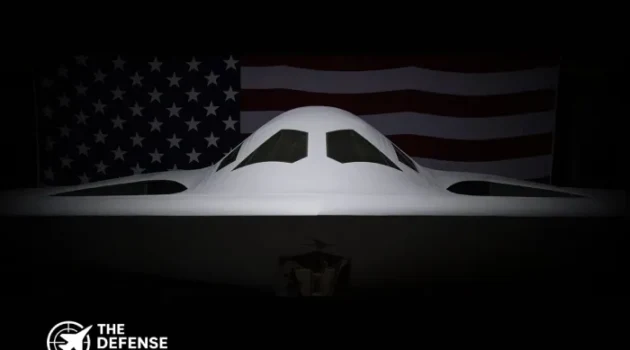
The Pentagon continues to invest in next-generation stealth platforms such as the B-21 Raider, which reportedly includes improved electronic signature management.
Capability Gap
This development highlights a gap between traditional stealth design and modern electromagnetic spectrum threats.
Stealth aircraft were optimized to defeat radar, not necessarily large-scale AI-driven signal analysis.
However, limitations remain:
- Signal detection depends on emissions being present
- Encrypted or low probability of intercept communications reduce exposure
- Detection does not equal targeting capability
These factors suggest that while the threat is evolving, it does not render stealth obsolete.
The Bottom Line
Chinese claims of B-2 Spirit signal detection reflect advances in AI-driven electronic warfare, but they do not signal the end of US air superiority.