Executive Summary:
Russia launched another large scale missile and drone attack across multiple Ukrainian cities, prompting Poland to scramble fighter jets and place its air defense network on heightened alert. The precautionary move underscores NATO’s continued focus on protecting alliance airspace as the conflict continues to generate security risks along the eastern flank.
Poland Scrambles Fighter Jets Following Russian Air Assault
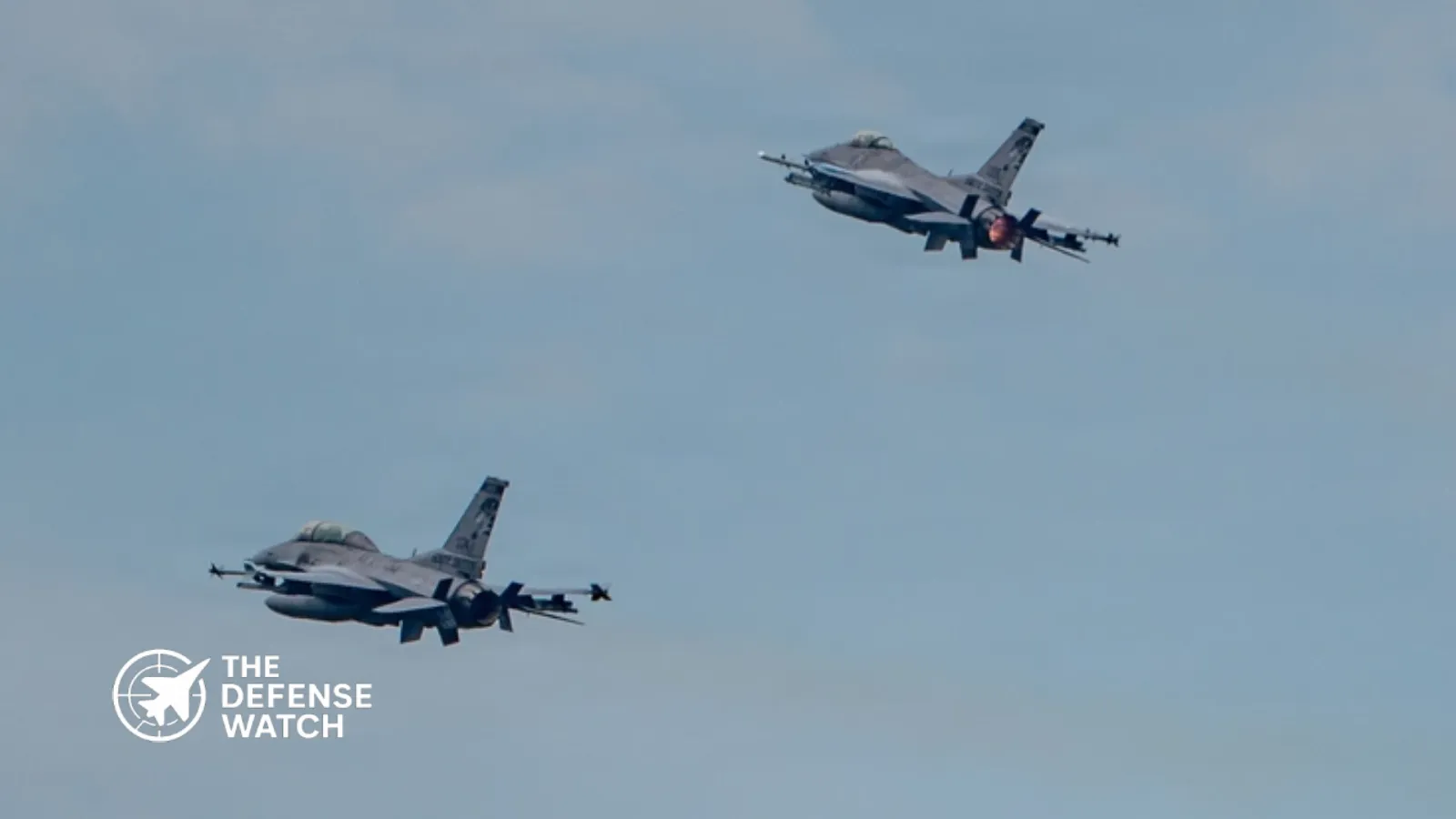
Poland scrambles fighter jets once again after Russia carried out a broad overnight campaign of missile and drone strikes against cities across Ukraine, including Kyiv, Lviv, Kryvyi Rih, Poltava, and other regions.
According to Poland’s Armed Forces Operational Command, military aircraft were activated alongside ground based air defense systems and radar assets as a precaution to secure Polish airspace during the Russian attack. The measures were aimed at ensuring the safety of NATO territory bordering western Ukraine.
Polish authorities later reported that an explosion and debris were discovered near the country’s eastern border, prompting additional security measures while officials investigated the incident.
Russian Missile And Drone Attacks Hit Multiple Ukrainian Cities
The latest Russian strikes extended from central Ukraine to areas near the Polish frontier.
According to Ukrainian officials, the attacks killed at least 13 people and injured dozens more. Residential buildings, civilian infrastructure, and urban neighborhoods were damaged in several regions.
Among the hardest hit locations were:
| Location | Reported Impact |
|---|---|
| Kyiv | Missile strikes, fires, casualties reported |
| Kryvyi Rih | Iskander missile struck residential area, civilian deaths reported |
| Lviv | Apartment buildings damaged, dozens injured |
| Poltava | Infrastructure damaged |
| Dnipropetrovsk Region | Multiple strikes reported |
Ukraine’s Air Force said Russia employed a combination of ballistic missiles, cruise missiles, and long range strike drones during the attack.
Why Poland Activated Its Air Defense Network
Although there was no confirmed deliberate attack on Poland, Warsaw has repeatedly activated combat aircraft whenever large Russian strike packages approach NATO’s eastern border.
The Operational Command routinely raises readiness levels when long range Russian aviation conducts missile launches toward western Ukraine because cruise missiles and drones occasionally operate close to NATO airspace.
The latest response included:
- Fighter aircraft placed on combat patrol
- Ground based air defense systems activated
- Radar surveillance intensified
- Continuous monitoring of border airspace
Such actions are designed to reduce reaction time should any missile or drone inadvertently cross into Polish territory.
Strategic Importance For NATO
Poland has become one of NATO’s most important frontline states since Russia’s full scale invasion of Ukraine in 2022.
The country hosts:
- NATO air policing assets
- U.S. military personnel
- Patriot air defense systems
- Logistics hubs supporting military assistance to Ukraine
Repeated air alerts demonstrate how Russia’s long range strike campaign continues to place operational pressure on NATO members bordering Ukraine, even when alliance territory is not directly targeted.
Operational Analysis: Why These Scrambles Matter
While fighter scrambles have become increasingly common, each activation carries operational significance beyond a routine military response.
First, maintaining aircraft on immediate readiness reinforces NATO’s integrated air defense posture. Pilots, controllers, radar operators, and command centers practice real world procedures under genuine operational conditions rather than simulated exercises.
Second, Russia’s continued use of long range bombers, ballistic missiles, and cruise missiles requires neighboring NATO members to maintain persistent surveillance. Even a navigation failure or intercepted missile fragment can create hazards inside allied territory.
Third, Poland’s rapid response demonstrates the increasing integration of NATO’s eastern air defense architecture. National fighters, ground based radar, missile defense systems, and allied command networks now operate with considerably shorter response timelines than earlier in the conflict.
For the United States and NATO planners, these repeated activations reinforce the importance of investments in integrated air and missile defense, advanced early warning systems, and multinational command and control capabilities.
Broader Defense Implications
The latest Russian strikes also highlight the continuing demand for modern air defense systems inside Ukraine.
President Volodymyr Zelenskyy recently said discussions with U.S. President Donald Trump included expanded access to Patriot missile production licenses, reflecting Ukraine’s ongoing requirement for additional interceptor capacity against ballistic missile attacks.
As Russia continues combining drones, cruise missiles, and ballistic missiles in coordinated strike packages, defending urban centers requires layered air defense capable of engaging multiple threats simultaneously.
Outlook
The latest attacks illustrate that the Russia Ukraine war continues to have direct security implications beyond the battlefield. Although Poland’s fighter scramble was precautionary, it reflects NATO’s determination to protect alliance airspace while avoiding escalation.
As long as large scale Russian missile and drone attacks continue near NATO borders, similar air defense activations are likely to remain a routine component of regional security operations.