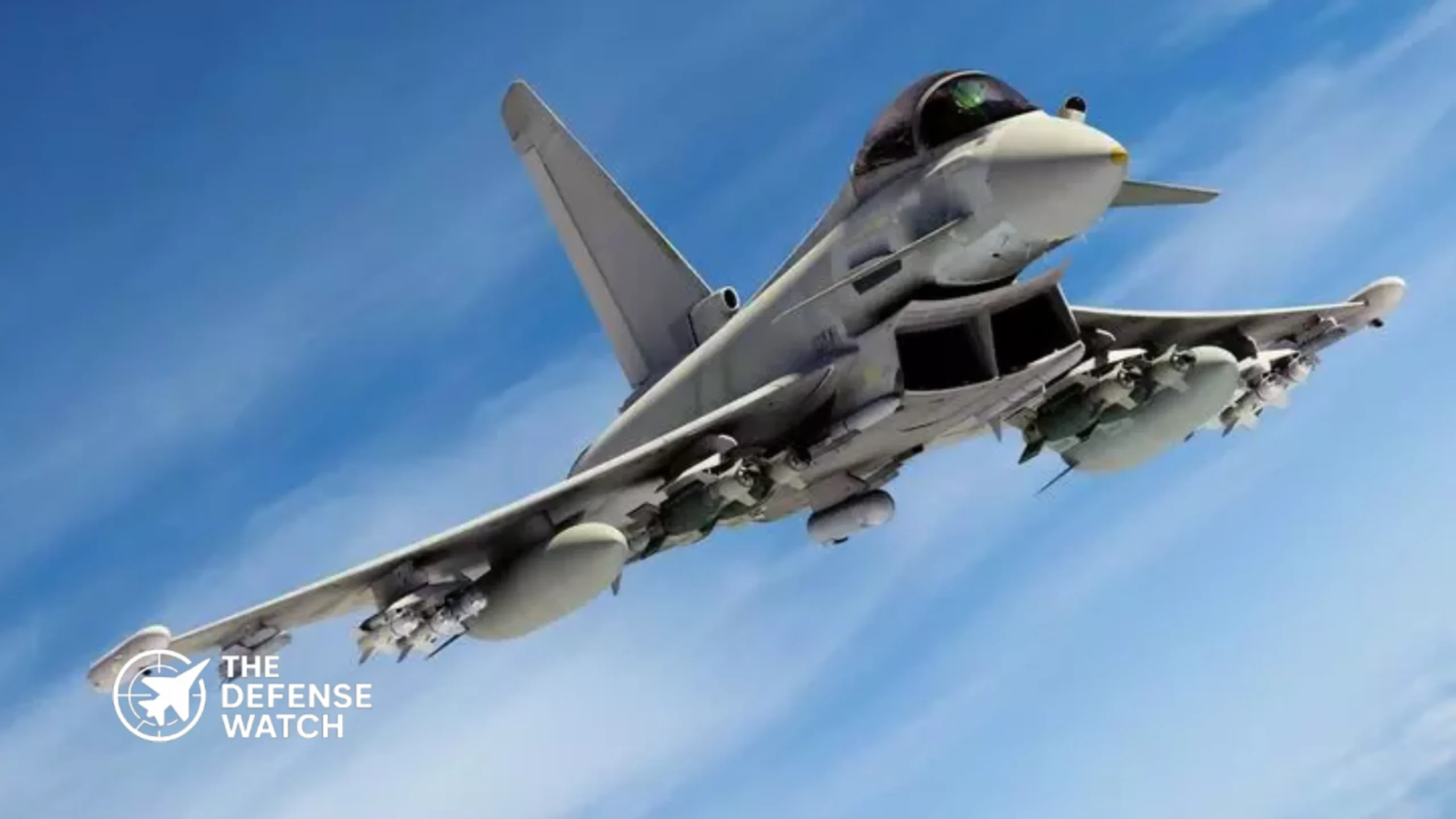
Defining the 5th Generation Fighter Jet
The term 5th generation fighter jet is now central to modern airpower debates, defense budgets, and strategic planning. Aircraft such as the US F 22 Raptor, F 35 Lightning II, China’s J 20, and Russia’s Su 57 are often grouped under this label. Yet the meaning of a 5th generation fighter jet goes far beyond speed or weapons load.
- Defining the 5th Generation Fighter Jet
- The Evolution of Fighter Aircraft Generations
- Stealth as a Foundational Requirement
- Sensor Fusion and Situational Awareness
- Networked Warfare and Data Sharing
- Advanced Avionics and Software Driven Design
- Supercruise and Kinematic Performance
- Internal Weapons and Multirole Flexibility
- Global Examples of 5th Generation Fighter Jets
- Analysis: Why the Definition Still Matters
- FAQs
At its core, a fifth generation fighter jet combines stealth, advanced sensors, data fusion, and networked warfare into a single combat system. These aircraft are designed not just to fight other jets, but to survive and dominate in highly defended airspace filled with radar, surface to air missiles, electronic warfare, and cyber threats.
Understanding what truly makes a 5th generation fighter jet helps explain why these aircraft are so costly, why nations compete to field them, and why air forces see them as central to future conflict.
(adsbygoogle = window.adsbygoogle || []).push({});The Evolution of Fighter Aircraft Generations
From Early Jets to Digital Battlefields
Fighter aircraft generations are not official standards set by any single authority. Instead, they are broad groupings used by analysts and air forces to describe major leaps in capability.
First and second generation jets focused on basic jet propulsion and early missiles. Third generation fighters introduced better radar and beyond visual range weapons. Fourth generation fighters such as the F 16, F 15, Su 27, and Mirage 2000 emphasized maneuverability, pulse Doppler radar, and multirole capability.
The fifth generation fighter jet marks a shift away from pure performance toward survivability and information dominance.
Why a New Generation Was Needed
By the late Cold War and early post Cold War period, air defenses had grown deadly. Advanced radars, integrated air defense systems, and long range missiles made traditional fighter tactics risky. Air forces needed aircraft that could enter hostile airspace without being seen, gather information, strike targets, and coordinate other forces.
(adsbygoogle = window.adsbygoogle || []).push({});This requirement led directly to the defining traits of the 5th generation fighter jet.
Stealth as a Foundational Requirement
Low Observability by Design
Stealth is the most visible feature of a 5th generation fighter jet. Unlike earlier aircraft that added radar absorbing materials later, fifth generation jets are shaped from the start to reduce radar detection. Smooth surfaces, internal weapons bays, and careful alignment of edges all reduce radar cross section.
Stealth does not mean invisibility. It means delaying detection, reducing tracking range, and forcing enemy radars to work harder. This gives pilots more time and more options.
The US Air Force provides public overviews of stealth principles through official fact sheets and program pages, such as those hosted on af.mil.
(adsbygoogle = window.adsbygoogle || []).push({});Infrared and Acoustic Reduction
Stealth also extends beyond radar. Fifth generation fighter jets reduce infrared signatures by managing engine heat and exhaust flow. While not silent, these aircraft are harder to detect across multiple sensor types compared to older fighters.
Sensor Fusion and Situational Awareness
From Raw Data to Clear Pictures
A defining feature of a 5th generation fighter jet is sensor fusion. Earlier fighters required pilots to interpret radar, electronic warning systems, and targeting pods separately. In contrast, fifth generation aircraft merge all sensor inputs into a single, clear picture.
Radar, infrared search and track, electronic support measures, and off board data from other aircraft or satellites are combined automatically. The pilot sees threats, targets, and friendly forces on one display without manual cross checking.
This concept is explained in detail in manufacturer material from Lockheed Martin and defense analysis from institutions like the RAND Corporation, available at rand.org.
Reducing Pilot Workload
By automating data fusion, fifth generation fighter jets reduce pilot workload. This allows pilots to focus on tactics and decision making rather than managing systems. In high threat environments, this advantage can be decisive.
Networked Warfare and Data Sharing
Fighters as Information Nodes
A 5th generation fighter jet is not just a shooter. It is a sensor and command node. These aircraft can collect data deep inside hostile territory and share it securely with other fighters, bombers, ships, and ground forces.
(adsbygoogle = window.adsbygoogle || []).push({});This networked role allows older aircraft and surface forces to engage targets they might never detect on their own. In many scenarios, the fifth generation fighter acts as the forward scout for the entire force.
Secure Communications and Datalinks
Advanced datalinks are essential to this role. Unlike legacy systems, fifth generation fighters use secure, low probability of intercept communications designed to preserve stealth. This enables cooperative engagement without revealing positions.
Advanced Avionics and Software Driven Design
Software as a Combat Capability
Modern 5th generation fighter jets are heavily software driven. Mission systems, sensor fusion, and electronic warfare capabilities depend on millions of lines of code. Updates can add new capabilities without major hardware changes.
This approach mirrors trends seen in civilian aerospace and is a major shift from earlier fighters, where upgrades required physical changes to avionics.
Open Architecture Trends
Some newer programs are moving toward more open mission systems. This allows faster integration of new sensors, weapons, and electronic warfare tools. The goal is to keep fifth generation fighters relevant as threats evolve.
Supercruise and Kinematic Performance
Speed Without Afterburners
Many fifth generation fighter jets are designed to supercruise, meaning they can fly at supersonic speeds without using afterburners. This reduces fuel use and infrared signature while improving response time.
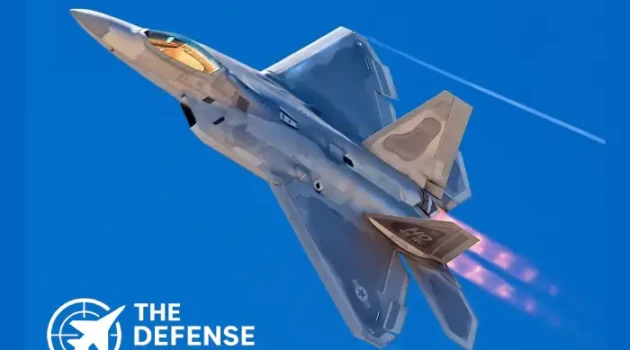
(adsbygoogle = window.adsbygoogle || []).push({});The F 22 is the clearest example of this capability, though not all fifth generation fighters emphasize it equally.
Maneuverability Still Matters
While stealth and sensors dominate, maneuverability has not disappeared. Fifth generation fighters still require high agility for close combat and missile evasion. Thrust vectoring and advanced flight controls support this role.
Internal Weapons and Multirole Flexibility
Preserving Stealth in Combat
To maintain low observability, fifth generation fighter jets carry weapons internally during high threat missions. This limits payload compared to external pylons but preserves stealth during critical phases.
When stealth is less important, some aircraft can carry external stores, trading stealth for payload.
Air to Air and Air to Ground Roles
A key feature of the 5th generation fighter jet is true multirole capability. These aircraft can conduct air superiority, strike, intelligence gathering, and electronic attack within the same mission. This flexibility reduces the need for specialized platforms.
Global Examples of 5th Generation Fighter Jets
United States
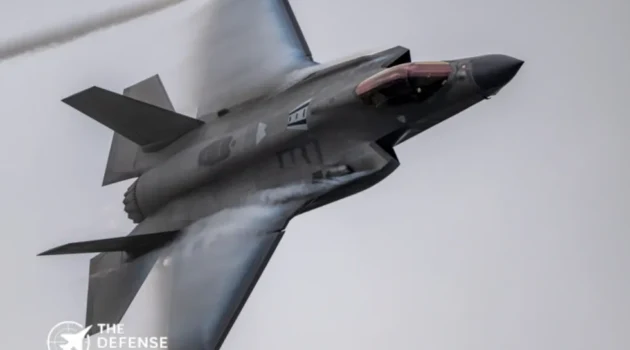
The US operates the F 22 Raptor and F 35 Lightning II. The F 22 focuses on air dominance, while the F 35 emphasizes multirole operations and coalition interoperability. Official program details are available through defense.gov and manufacturer sources.
China and Russia
China’s J 20 emphasizes long range interception and regional airpower. Russia’s Su 57 combines stealth shaping with traditional high maneuverability. Both programs reflect national priorities and industrial approaches.
(adsbygoogle = window.adsbygoogle || []).push({});Analysis: Why the Definition Still Matters
Despite frequent use, the term 5th generation fighter jet remains debated. Some analysts argue that capability matters more than labels. Others note that emerging upgrades blur generational lines.
Still, the concept remains useful. It highlights a shift in air combat from platform centric performance to system level dominance. Stealth, sensors, and networks now matter as much as speed or turn rate.
As sixth generation programs begin to take shape, the lessons of fifth generation fighters will shape the next era of airpower.
(adsbygoogle = window.adsbygoogle || []).push({});FAQs
What is the main feature of a 5th generation fighter jet?Stealth combined with sensor fusion and networked warfare is the defining feature.
Is stealth alone enough to qualify as fifth generation?No. True fifth generation fighters integrate stealth, sensors, data fusion, and secure networking.
Are all stealth fighters fifth generation?Not necessarily. Some aircraft use stealth features but lack full sensor fusion or networking.
Will fourth generation fighters become obsolete?No. Many are being upgraded and will operate alongside fifth generation fighters for decades.