Key Facts at a Glance
| Specification | F-22 Raptor |
|---|---|
| Manufacturer | Lockheed Martin, Boeing |
| Generation | 5th generation |
| Primary Mission | Air dominance, air superiority, multirole combat |
| Maximum Speed | Mach 2 class |
| Supercruise | Above Mach 1.5 without afterburner |
| Combat Radius | Approximately 410 nautical miles, depending on mission configuration |
| Ceiling | Above 50,000 ft |
| Engines | 2 × Pratt & Whitney F119-PW-100 |
| Thrust | Approximately 35,000 lb class per engine |
| Radar | AN/APG-77 AESA |
| Electronic Warfare | AN/ALR-94 integrated electronic support system |
| Primary Air-to-Air Weapons | AIM-120 AMRAAM, AIM-9 Sidewinder |
| Internal Cannon | M61A2 20 mm |
| Production | 195 aircraft delivered |
| Current Inventory | About 184 aircraft in the U.S. Air Force fleet |
Executive Summary
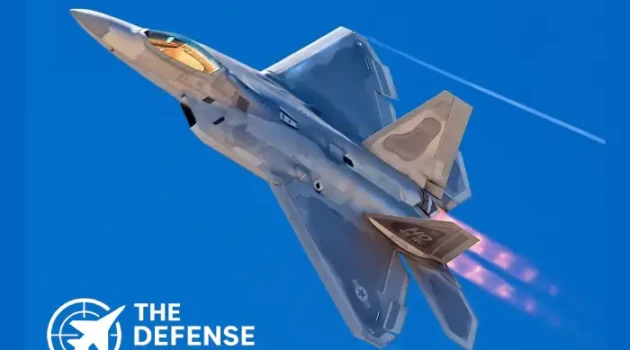
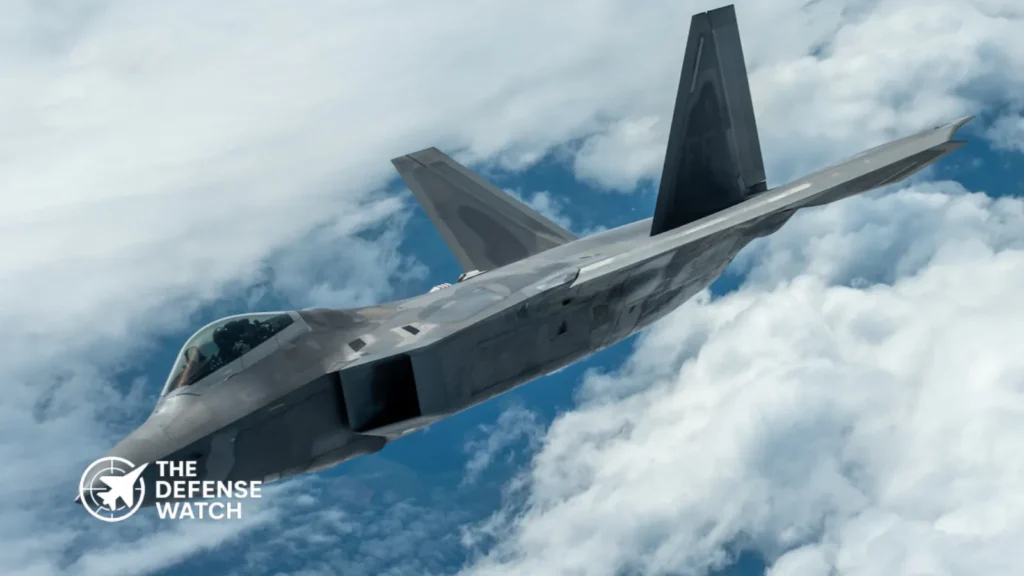
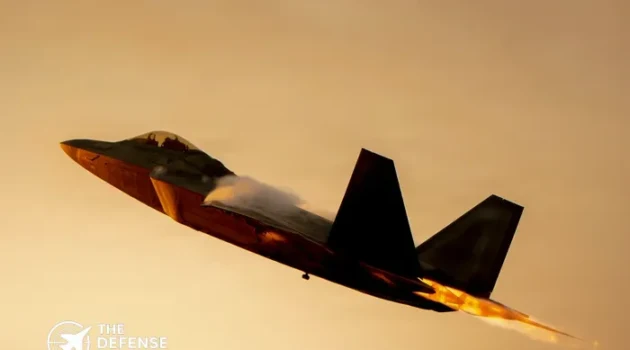
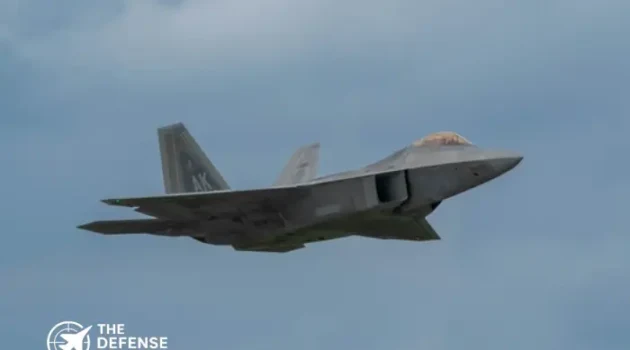
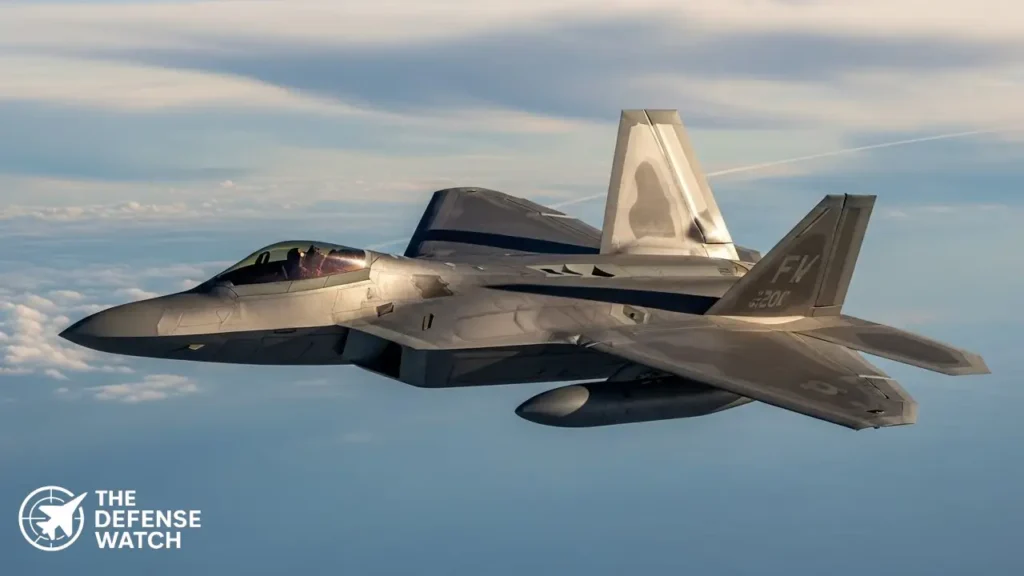
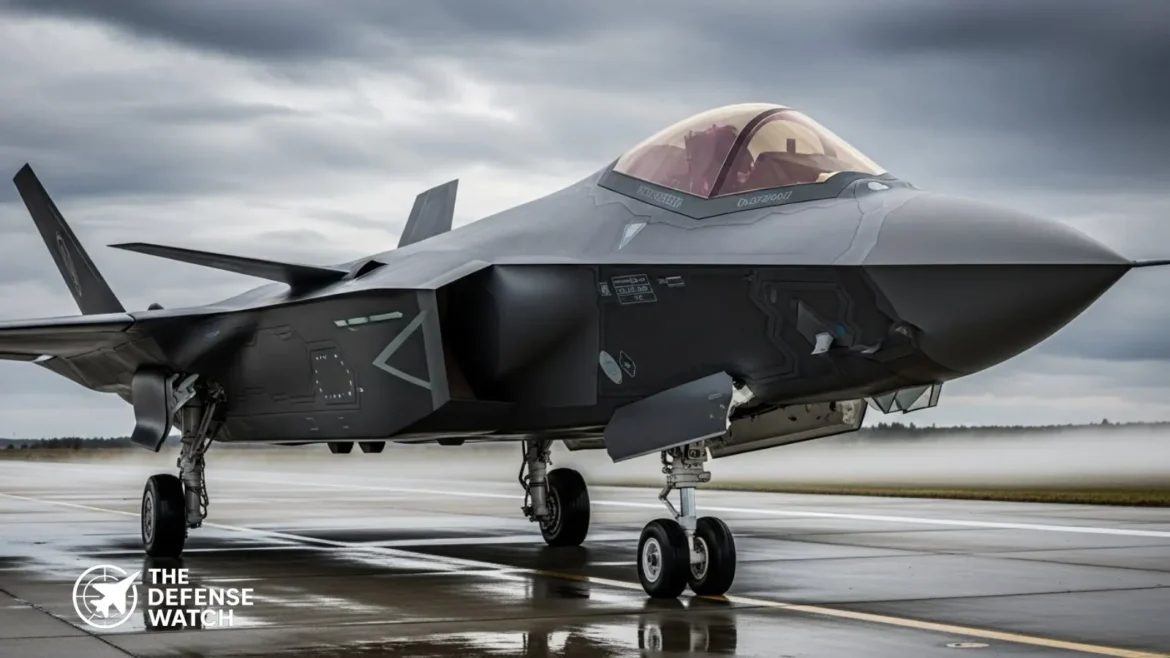
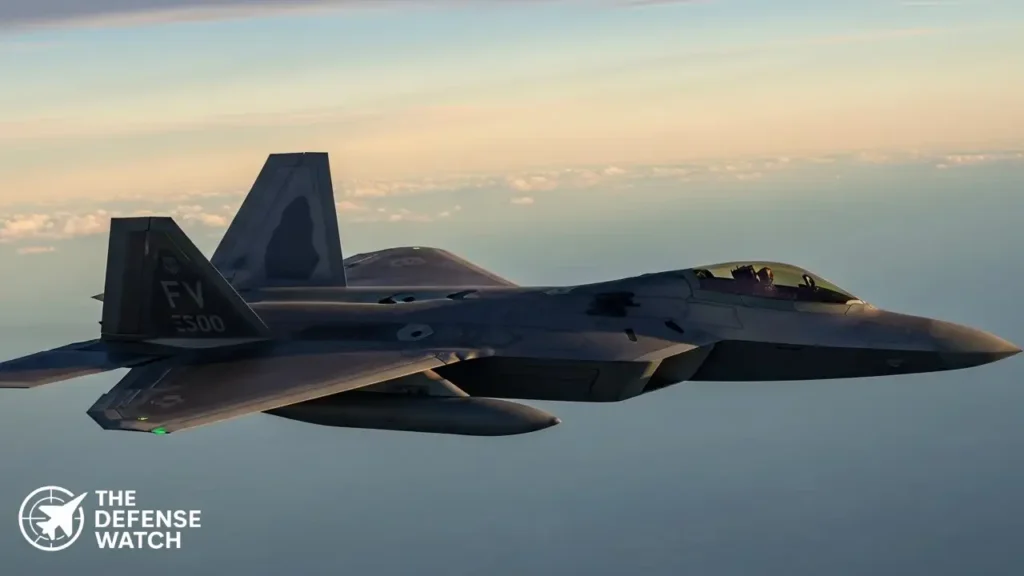
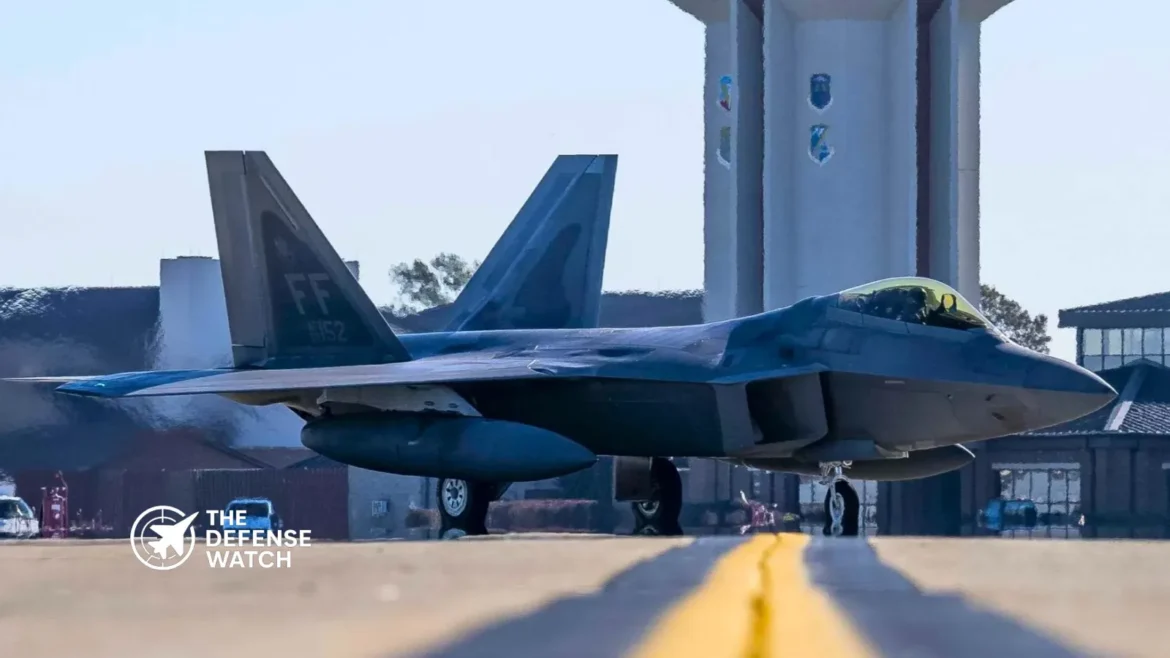
The F-22 Raptor remains one of the most capable air-superiority fighters ever fielded by the United States. Designed around stealth, supercruise, advanced sensors, high maneuverability and internal weapons carriage, the aircraft was built to establish air dominance against sophisticated fighter and air-defense threats.
The central question behind searches such as how many F-22s does the U.S. have has a relatively clear answer, although inventory figures can vary according to accounting year and aircraft status. The U.S. Air Force has about 184 F-22s in its fleet in 2026, while 195 aircraft were produced and delivered during the program. Nine aircraft were used as test aircraft, according to Lockheed Martin’s production history, leaving the operational fleet smaller than the total production figure.
The F-22 has also been used in combat, beginning with strikes against ISIS targets in Syria in 2014. Despite combat deployments, no F-22 has been confirmed shot down in combat.

Image: U.S. Air Force. How Many F-22s Does the U.S. Have?
For the question how many f-22s does the us have, the most useful current figure is approximately 184 aircraft.
Air & Space Forces Magazine’s 2026 weapons-platform data lists the F-22 inventory at 184 aircraft. A June 2026 congressional development was particularly significant because the House Armed Services Committee approved an amendment that would keep all 184 Raptors in service until at least the end of fiscal 2032.
This figure should not be confused with the number originally manufactured.
The F-22 production program ended in 2011, with the final aircraft delivered to the Air Force in May 2012. Lockheed Martin states that 195 F-22s were delivered, including aircraft used for testing.
Therefore:
Question Answer How many F-22s were built? 195 How many F-22s does the U.S. have? About 184 in the 2026 inventory How many F-22s are operationally combat coded? Fewer than the total inventory because some aircraft are assigned to test, training or other roles How many F-22s have been shot down? No confirmed combat losses The difference between production and current inventory reflects aircraft attrition, testing, accidents and fleet accounting rather than exports. The F-22 has never been offered as a conventional foreign military sales fighter.
How Many F-22s Were Built?
The answer to how many f 22s were built is 195 aircraft.
Production began after years of development and testing, with the first F-22 flight taking place in 1997. The Air Force declared the aircraft operational in December 2005. The final Raptor was delivered on May 2, 2012.
Of the 195 aircraft delivered, Lockheed Martin identified 187 as operational fleet aircraft and eight as test aircraft at the time of final delivery.
The relatively small production run is strategically important. Unlike the F-35, which was designed for large-scale international production and operation, the F-22 was developed primarily as a high-end U.S. air-superiority platform.
How Many F-22s Are There?
The question how many f-22s are there can produce different answers depending on whether the question concerns aircraft ever produced, current inventory or combat-capable aircraft.
The most useful distinction is:
195 F-22s were produced and delivered, while about 184 remain in the U.S. Air Force inventory in 2026.
Not every aircraft in the inventory should be treated as immediately available for combat. Maintenance, modernization, training, testing and aircraft availability affect the number that can be generated for operational missions at any particular time.
The fleet also includes different modernization configurations. Earlier Block 20 aircraft have significantly less combat capability than the more heavily upgraded Block 30 and Block 35 Raptors.
F-22s Airframe and Stealth Design
The F-22s design combines stealth with aerodynamic performance rather than treating low observability as a separate feature.
Its airframe uses carefully aligned edges, internal weapon bays, shielded engine faces and extensive radar-absorbent materials to reduce radar returns. The exact radar cross section of the Raptor is classified, so publicly available numerical RCS claims should be treated cautiously.
The internal weapons arrangement is particularly important. Keeping missiles and bombs inside the fuselage reduces external stores that would otherwise increase radar signature and aerodynamic drag.
The aircraft also uses serrated or carefully shaped access panels and doors, while its engine exhaust and inlet design contribute to its low-observable characteristics.
Avionics and Sensor Fusion
The F-22’s core advantage is not simply its radar.
The AN/APG-77 AESA radar provides long-range detection and tracking while supporting low-probability-of-intercept operations. The aircraft also incorporates the AN/ALR-94 electronic support system, which provides passive detection and characterization of electromagnetic emissions.
Together with the aircraft’s mission computers and other sensors, these systems create a highly integrated tactical picture for the pilot.
The original F-22 configuration did not include a conventional internal IRST sensor comparable to systems developed for some newer fighters. However, current modernization efforts are adding new infrared sensing capabilities. In 2026, the Air Force is continuing development and testing of infrared search and track targeting systems, alongside defensive infrared missile-warning improvements.
F-22s Propulsion and Performance
The F-22 is powered by two Pratt & Whitney F119-PW-100 afterburning turbofan engines, each producing approximately 35,000 pounds of thrust in the thrust class identified by the Air Force.
The engines incorporate two-dimensional thrust-vectoring nozzles, allowing the aircraft to control pitch through exhaust-vectoring authority in addition to aerodynamic control surfaces.
The aircraft is rated at Mach 2 class speed and can supercruise at speeds above Mach 1.5 without afterburners. Supercruise allows the Raptor to maintain supersonic flight with lower fuel consumption and a smaller infrared signature than sustained afterburner operation.
How Many F-22s Have Been Shot Down?
The answer to how many f 22s have been shot down is zero confirmed combat losses.
The F-22 has conducted combat operations. Its first combat use came in September 2014, when Raptors participated in U.S.-led strikes against ISIS targets in Syria. F-22s later supported operations in the region, including protection missions during the April 2018 strikes against Syrian chemical-weapons facilities.
In February 2023, an F-22 also gained a highly publicized air-to-air kill when it fired an AIM-9X against a Chinese high-altitude surveillance balloon off the South Carolina coast. That was not a fighter-versus-fighter engagement, but it demonstrated the aircraft’s ability to conduct an unusual high-altitude intercept.
No F-22 has been confirmed destroyed by an enemy aircraft or surface-to-air missile in combat.
Modernization and Strategic Outlook
The F-22 is now entering a different phase of its service life. The aircraft remains strategically important, but the fleet is aging and the Air Force is simultaneously developing the F-47 and next-generation air-dominance architecture.
Current modernization includes Increment 3.2B, sensor enhancements, improved electronic warfare capabilities, infrared defensive systems, Link 16 networking and new range-extension concepts. Low-drag external fuel tanks and pylons are also being tested to increase range while limiting the impact on the aircraft’s aerodynamic and stealth characteristics.
The Air Force previously sought to retire 32 older Block 20 aircraft, but congressional opposition has repeatedly complicated that plan. In June 2026, the House Armed Services Committee moved to prohibit F-22 retirements through fiscal 2032, potentially preserving the entire 184-aircraft fleet for longer than earlier Air Force planning anticipated.
Unlike some modern fighters, the F-22 has no international customer roadmap. U.S. law and policy have prevented its export, making international F-22 operators nonexistent.
Conclusion
The F-22s Raptor remains a uniquely important U.S. air-superiority asset despite its relatively small fleet.
The clearest answers to the major questions are straightforward: 195 F-22s were built, about 184 remain in the U.S. Air Force inventory, and no F-22 has been confirmed shot down in combat. The aircraft has nevertheless seen real combat, including operations over Syria and the 2023 high-altitude balloon intercept.
Its combination of stealth, supercruise, thrust vectoring, AESA radar, electronic warfare and internal weapons carriage continues to give the F-22 a powerful role in contested airspace.
The central challenge is now fleet age. The Air Force is investing in upgrades while preparing for the next generation of air dominance. The result is a fighter that remains highly relevant, but one whose long-term future depends on modernization decisions, fleet availability and the arrival of its successor.
 ¦ KEY FACTS AT A GLANCE
- Finland is preparing to receive its first F-35A fighters as part of a 64-aircraft procurement program.
- The Finnish Air Force is upgrading bases, training personnel, and integrating new logistics systems.
- The program strengthens NATO’s northern flank and enhances regional deterrence against Russia.
- Initial deliveries are expected later this decade, with full operational capability planned in the 2030s.
- The F-35 will replace Finland’s legacy F/A-18 Hornet fleet and redefine its air combat doctrine.
Finland F-35 Fighters Arrival Marks Critical Transition Phase
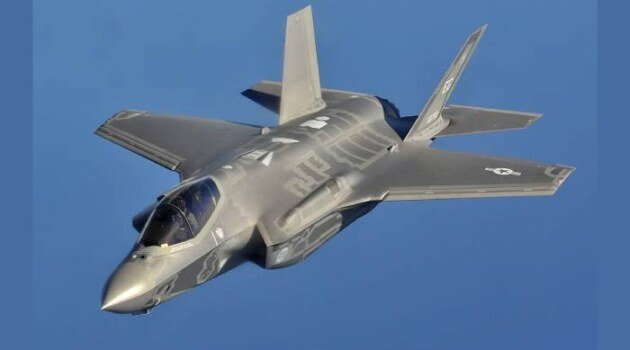
Finland F-35 fighters arrival is entering a decisive phase as the Finnish Air Force accelerates preparations to integrate its first fifth-generation aircraft, marking a major shift in Nordic airpower and NATO interoperability.
The Big Picture
Finland’s transition to the F-35A comes amid a broader transformation of NATO’s northern defenses following Helsinki’s accession to the alliance in 2023.
Northern Europe has become a focal point for deterrence planning. Russia’s military posture along its western borders and in the Arctic continues to drive modernization efforts among Nordic states. Finland’s decision to procure 64 F-35A fighters aligns it with other regional operators, including Norway and Denmark, creating a more integrated fifth-generation ecosystem.
The move also reflects a wider U.S.-led push to standardize allied airpower capabilities around the F-35 platform, enabling shared logistics, data fusion, and joint operations.
What’s Happening
The Finnish Air Force is preparing infrastructure, personnel, and operational concepts ahead of the Finland F-35 fighters arrival, according to official updates from the Finnish Defence Forces.
Finland selected the F-35A in 2021 under its HX Fighter Program to replace its aging F/A-18 Hornet fleet. The country plans to acquire 64 aircraft, with deliveries expected to begin in the coming years and continue into the early 2030s.
Preparations include:
- Upgrading air bases to support F-35 operations, including hardened shelters and secure data systems
- Training pilots and maintenance crews, both domestically and in the United States
- Establishing new logistics and sustainment frameworks tailored to the F-35’s requirements
- Integrating advanced mission planning and data-sharing systems
The Finnish Defence Forces emphasize that the transition involves not only new aircraft but also a complete overhaul of operational concepts.
Why It Matters
The Finland F-35 fighters arrival represents a generational leap in capability for the Finnish Air Force.
The F-35A provides stealth, advanced sensors, and data fusion capabilities that significantly enhance situational awareness and survivability. These features allow Finland to detect, track, and engage threats at longer ranges while operating in contested environments.

Replacing the F/A-18 Hornet with the F-35 also shifts Finland’s air doctrine from traditional air defense toward network-centric warfare. The aircraft acts as both a sensor and a shooter, enabling distributed operations across multiple domains.
From a policy perspective, the acquisition reinforces Finland’s integration into NATO’s command structure and strengthens interoperability with U.S. and allied forces.
Strategic Implications
Finland’s adoption of the F-35 strengthens NATO’s deterrence posture along its northeastern flank.
The aircraft’s ability to operate in highly contested environments improves NATO’s capacity to monitor and respond to activity in the Baltic Sea region and the Arctic. Finland’s geographic position gives it strategic depth, allowing F-35 operations to cover key approaches to Northern Europe.
The growing concentration of F-35 operators in the Nordic region creates a networked force capable of sharing real-time data across borders. This enhances collective situational awareness and reduces response times in crisis scenarios.
The Finland F-35 fighters arrival also signals a shift toward integrated air and missile defense architectures, where fifth-generation fighters play a central role.
Competitor View
Russia is likely to view Finland’s F-35 program as a significant enhancement of NATO’s capabilities near its borders.
Moscow has long expressed concern over NATO expansion and the deployment of advanced Western systems in neighboring countries. The introduction of stealth aircraft capable of penetrating air defenses adds complexity to Russia’s regional military planning.
The presence of multiple F-35 operators in Northern Europe could challenge Russia’s ability to maintain air superiority in the region, particularly in contested scenarios involving the Baltic Sea or Arctic approaches.
At the same time, Russia continues to invest in counter-stealth technologies and integrated air defense systems, which will shape how both sides adapt operationally.
What To Watch Next
The next phase of the Finland F-35 fighters arrival will focus on delivery milestones and operational integration.
Key developments to monitor include:
- First aircraft deliveries and initial operational testing
- Expansion of pilot training pipelines
- Certification of upgraded air bases
- Integration with NATO command and control systems
- Progress toward initial and full operational capability
These milestones will determine how quickly Finland can transition from legacy systems to a fully operational fifth-generation force.
Capability Gap
Finland’s F-35 acquisition addresses several critical gaps in its current airpower structure.
The F/A-18 Hornet, while upgraded over time, lacks the stealth and sensor fusion capabilities required for modern high-threat environments. This limits its effectiveness against advanced air defense systems and next-generation adversary aircraft.
The F-35 fills this gap by enabling:
- Penetration of contested airspace
- Advanced intelligence, surveillance, and reconnaissance missions
- Seamless integration with allied forces
However, the platform also introduces challenges. The F-35 requires complex maintenance, secure data infrastructure, and sustained funding for lifecycle support. These factors will shape long-term operational readiness.
The Bottom Line
Finland F-35 fighters arrival marks a decisive shift toward fifth-generation airpower that strengthens NATO’s northern defenses and reshapes regional deterrence dynamics.
¦ KEY FACTS AT A GLANCE- Chinese firm claims detection of B-2 Spirit signal emissions over Iran.
- System uses AI to analyze radio frequency patterns and operational behavior.
- Highlights growing importance of passive detection and electronic intelligence.
- Detection reportedly linked to US military activity during a regional operation.
- Raises questions but does not confirm compromise of stealth aircraft survivability.
Chinese AI B-2 Spirit Signal Detection Raises New Questions
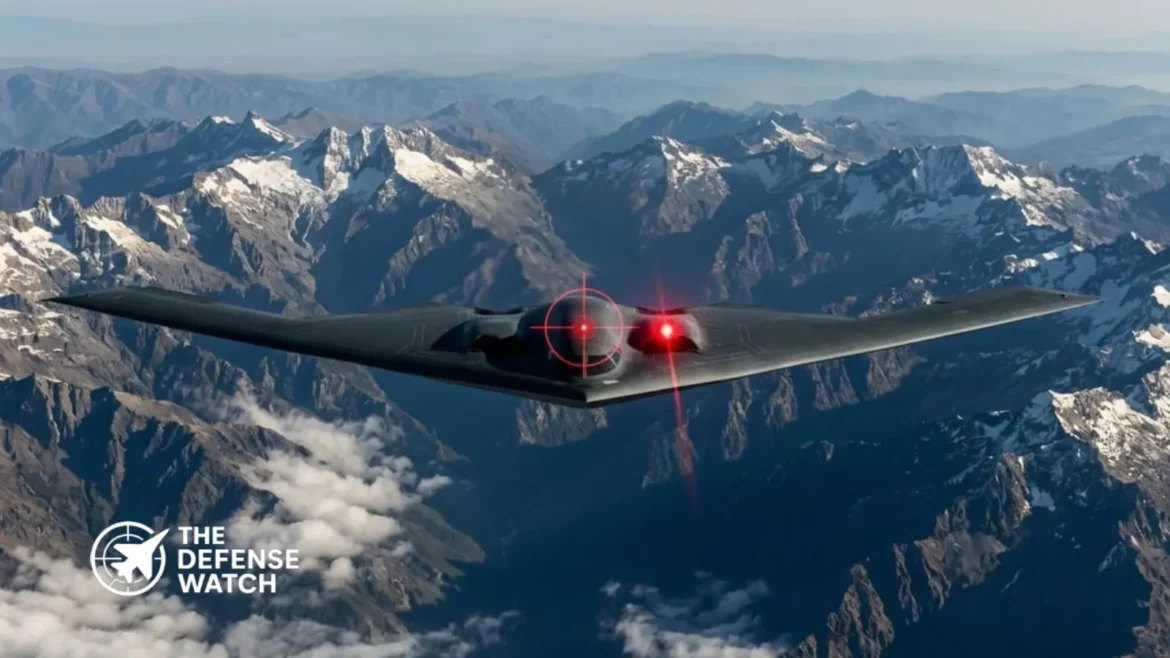
The B-2 Spirit signal detection claim by a Chinese defense firm has drawn attention to evolving electronic warfare capabilities, particularly the use of artificial intelligence to analyze radio frequency emissions from stealth aircraft.
Chinese company Jingan Technology stated that its system intercepted radio signals associated with a B-2 Spirit operated by Northrop Grumman during a mission linked to activity over Iran. The firm said the aircraft used call signs “Petro 41” through “Petro 44” during part of the operation.
The Big Picture
Stealth technology has long underpinned US air superiority, allowing aircraft like the B-2 to evade radar detection and penetrate contested airspace. However, modern military competition is shifting toward multi-domain sensing, where passive detection methods and AI-driven analytics play an increasing role.
The United States has invested heavily in low observable platforms, while competitors such as China focus on counter-stealth systems, including long wavelength radar, infrared tracking, and electronic intelligence.
This claim reflects a broader trend. Military powers are now targeting the electromagnetic spectrum itself rather than relying solely on traditional radar.
What’s Happening
Jingan Technology reported that its system detected radio frequency emissions linked to a B-2 mission. According to the company:
- The system captured signal activity associated with US aircraft operations
- AI algorithms analyzed patterns in communications and movement
- The platform reconstructed operational sequences and identified early indicators of military buildup
The firm described the detected activity as part of a large-scale US military presence in the Middle East, though it did not provide independent verification or technical details.
No official confirmation has been issued by the US Department of Defense.
Why It Matters
The significance of this B-2 Spirit signal detection claim lies in the distinction between stealth and emissions control.
Stealth aircraft reduce radar cross-section, but they can still emit signals through:
- Communications systems
- Data links
- Navigation equipment
If those emissions are detected and analyzed, adversaries may gain insight into operations without directly tracking the aircraft via radar.
AI adds a new dimension. Instead of identifying a single signal, modern systems correlate multiple data points across time, building a broader operational picture.
Strategic Implications
Electronic warfare is becoming central to modern conflict. Even if stealth aircraft remain difficult to track physically, their electronic footprint can create vulnerabilities.
This development suggests three key implications:
First, passive detection networks are gaining importance. Systems that listen rather than emit signals are harder to counter.
Second, AI enables faster processing of complex datasets. This shortens the time between detection and actionable intelligence.
Third, operational security becomes more critical. Managing emissions is now as important as reducing radar visibility.
However, the claim does not indicate that the B-2 was tracked continuously or targeted. Detecting signals is not the same as achieving fire-control quality tracking.
Competitor View
Chinese analysts often emphasize “system-of-systems” warfare, where data integration across sensors creates a comprehensive battlefield picture. This claim aligns with that approach.
Russia has also invested in electronic intelligence and counter-stealth radar systems, particularly for integrated air defense networks.
Iran, which operates layered air defense systems, may view such capabilities as a way to offset US technological advantages, especially in contested airspace scenarios.
Still, none of these perspectives confirm a fundamental erosion of US stealth capabilities.
What To Watch Next
Future developments will likely focus on:
- Integration of AI into electronic warfare platforms
- Expansion of passive sensor networks
- US efforts to enhance emissions control and secure communications
The Pentagon continues to invest in next-generation stealth platforms such as the B-21 Raider, which reportedly includes improved electronic signature management.
Capability Gap
This development highlights a gap between traditional stealth design and modern electromagnetic spectrum threats.
Stealth aircraft were optimized to defeat radar, not necessarily large-scale AI-driven signal analysis.
However, limitations remain:
- Signal detection depends on emissions being present
- Encrypted or low probability of intercept communications reduce exposure
- Detection does not equal targeting capability
These factors suggest that while the threat is evolving, it does not render stealth obsolete.
The Bottom Line
Chinese claims of B-2 Spirit signal detection reflect advances in AI-driven electronic warfare, but they do not signal the end of US air superiority.
US Air Force Extends F-117 Nighthawk Operations to 2034
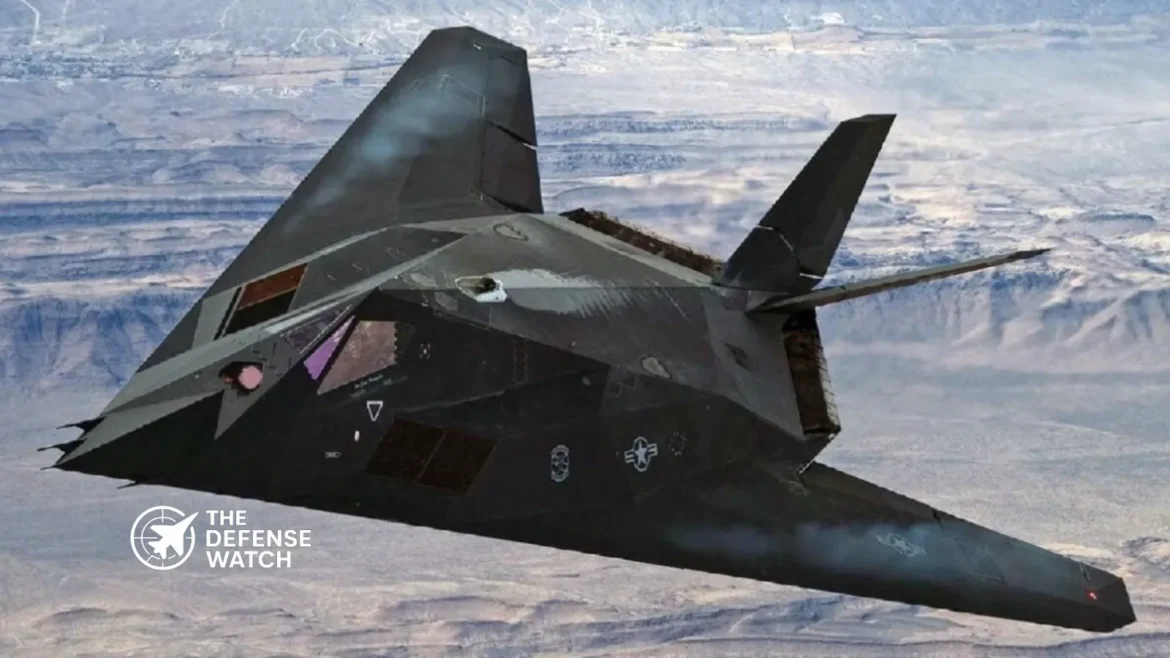
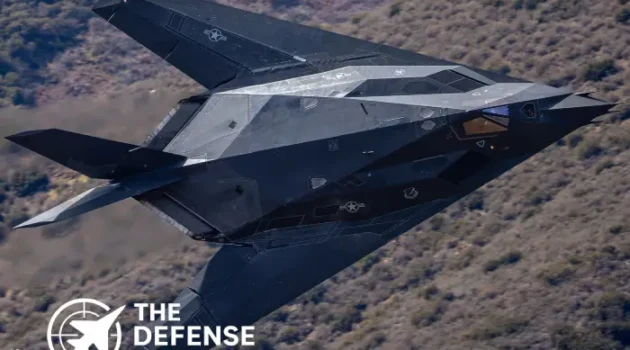
The United States Air Force plans to keep its retired F-117 Nighthawk stealth aircraft flying through at least 2034, extending the operational life of the iconic jet more than 25 years after it was officially withdrawn from frontline service. The decision reflects the aircraft’s continued value in testing, training, and threat replication roles, particularly as the US military prepares for future high end conflicts involving advanced air defenses.
According to budget and planning documents referenced in recent defense reporting, the Air Force intends to fund sustainment and limited operations of a small fleet of F-117 aircraft stored at Tonopah Test Range in Nevada. These aircraft, though no longer considered combat assets, continue to fly regularly under a classified program that supports both US and allied training needs.
The move underscores how legacy stealth platforms remain relevant as the Pentagon works to prepare pilots and systems for encounters with increasingly capable adversary air defense networks.
Background of the F-117 Nighthawk Program
The F-117 Nighthawk holds a unique place in aviation history. Developed in secrecy during the Cold War, it was the world’s first operational stealth combat aircraft. Designed by Lockheed’s Skunk Works, the jet relied on faceted surfaces and radar absorbing materials to minimize its radar signature, allowing it to penetrate heavily defended airspace.
The aircraft entered operational service in the early 1980s and achieved global attention during the 1991 Gulf War, where it flew precision strike missions against heavily defended targets in Iraq. The F-117 later saw combat use in the Balkans and during early operations in Afghanistan.
Despite its success, the aircraft was officially retired in 2008 as newer stealth platforms such as the B-2 Spirit and later the F-22 Raptor became available. Advances in stealth shaping and materials also made the angular F-117 design less efficient compared to newer aircraft.
However, retirement did not mean the end of flight operations.
Why Retired F-117 Jets Are Still Flying
Since its official retirement, the US Air Force has maintained a small number of F-117 Nighthawk aircraft in a condition that allows limited flight operations. These aircraft are not part of combat squadrons and are not deployable in wartime strike roles.
Instead, they are used primarily for training and testing. One of the key missions involves acting as realistic adversary or surrogate stealth targets. Modern US and allied air defense systems, fighter radars, and infrared sensors need real world exposure to low observable aircraft to validate detection and tracking performance.
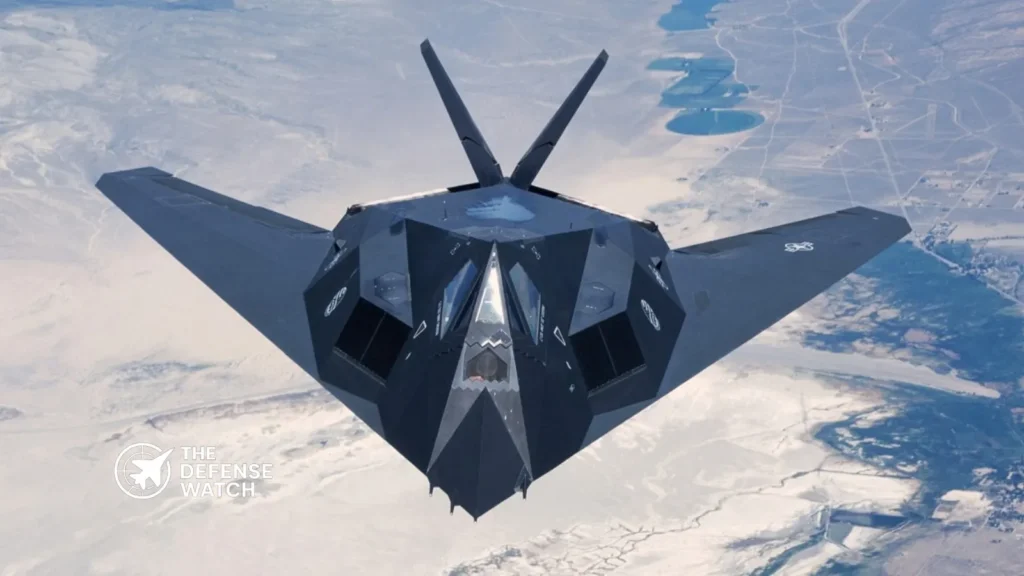
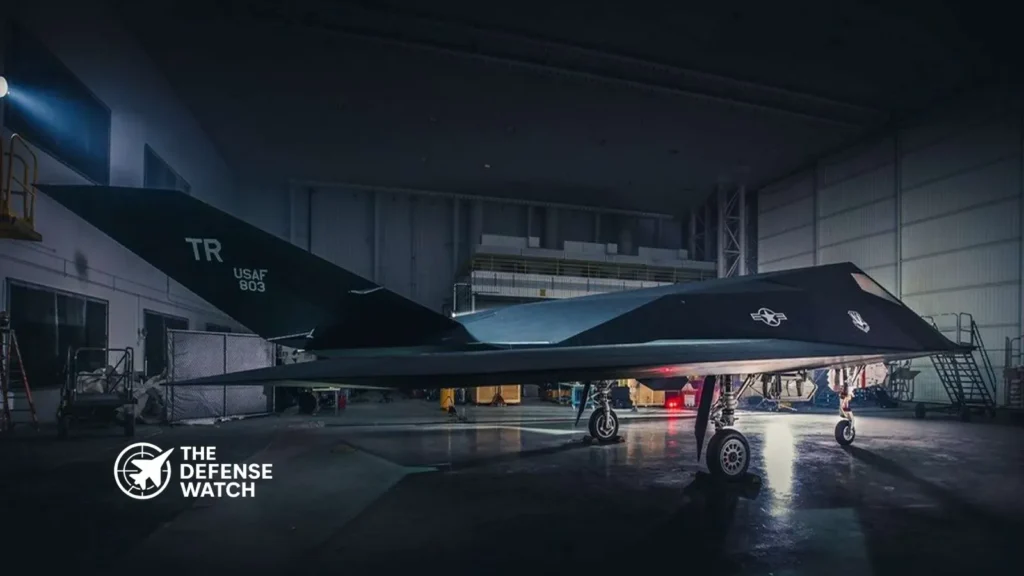
F-117. Image Credit: Creative Commons The F-117 Nighthawk offers a cost effective way to provide that experience without risking newer and more expensive stealth assets such as the F-35 or B-21 Raider. Its unique radar and infrared signature differs from modern stealth designs, giving sensor operators valuable data across a wider range of scenarios.
In addition, the aircraft supports development and evaluation of next generation sensors, radars, and command and control systems. By flying against these systems in controlled environments, engineers can refine detection algorithms and improve integration across air and missile defense networks.
Budget Signals Confirm Long Term Sustainment
The plan to keep the F-117 fleet active until 2034 is supported by funding allocations within Air Force budget documents. These include line items for sustainment, spare parts, and contractor support associated with the aircraft.
While the Air Force has not publicly detailed the size of the active fleet, estimates suggest that around a dozen airframes remain in flyable condition. The aircraft operate from secure locations, primarily Tonopah Test Range Airport, a facility long associated with classified aviation programs.
The continued funding indicates that the Air Force sees enduring value in the platform, particularly during a period of rapid modernization and shifting threat environments. As near peer competitors invest heavily in advanced surface to air missile systems and counter stealth technologies, realistic training becomes increasingly critical.
Role in Preparing for Future Conflicts
The decision to extend F-117 operations aligns with broader US Air Force efforts to prepare for contested airspace in future conflicts. Potential adversaries are deploying layered air defense systems that combine long range radars, infrared sensors, electronic warfare, and networked command systems.
Training against stealth aircraft helps air defense units, fighter pilots, and joint forces understand both the strengths and limitations of low observable technology. It also supports development of tactics designed to counter stealth threats, knowledge that is essential for US forces operating alongside allies.
F-117. Image Credit: Creative Commons From a policy perspective, maintaining the F-117 fleet provides flexibility. It allows the Air Force to preserve newer stealth aircraft for frontline missions while still meeting demanding training and test requirements.
Defense analysts have also noted that the F-117 offers insights into how older stealth designs interact with modern sensors, information that could prove valuable in assessing the survivability of both legacy and emerging platforms.
What Comes Next for the F-117 Fleet
Under current plans, the F-117 Nighthawk will continue flying in limited roles through at least 2034. Beyond that date, the Air Force has not indicated whether operations will end or transition to alternative platforms.
Future systems, including uncrewed stealth aircraft and advanced digital simulators, may eventually reduce the need for manned legacy jets. However, real world flight data remains difficult to replicate fully in virtual environments.
For now, the continued presence of the F-117 in the skies serves as a reminder that even retired aircraft can play a meaningful role in shaping modern military readiness.
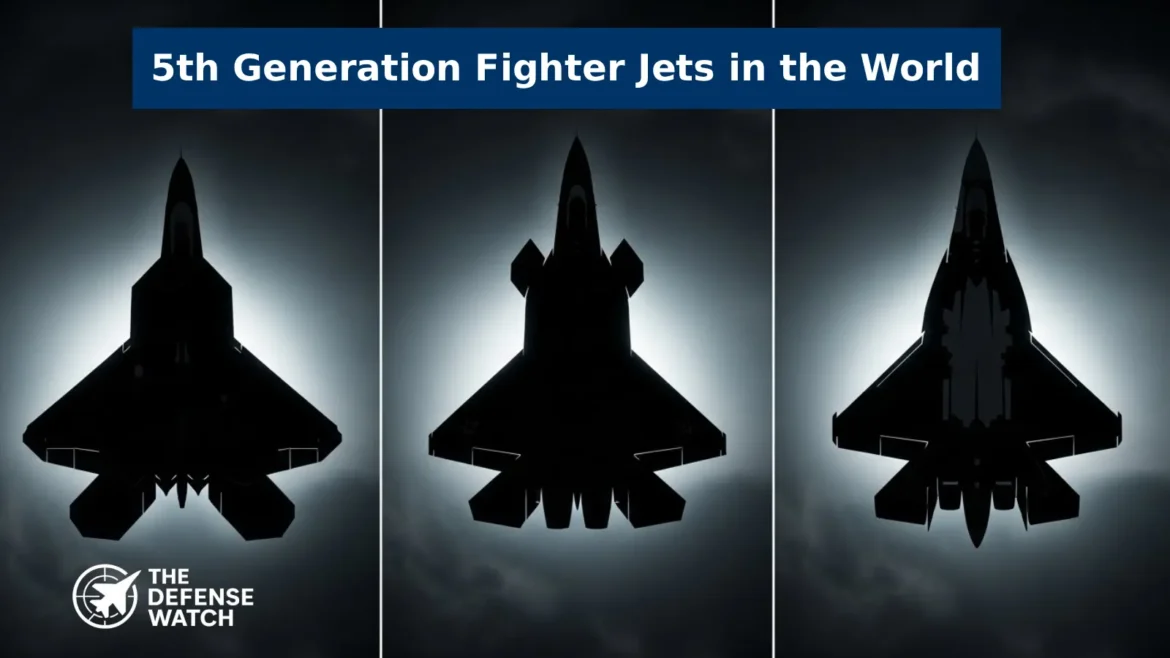
What Defines 5th Generation Fighter Jets
5th generation fighter jets sit at the center of modern airpower competition. These aircraft combine stealth, advanced sensors, data fusion, and networked combat in ways earlier fighters cannot match. For air forces, 5th generation fighters are not just new planes. They are flying combat systems designed to see first, strike first, and survive in heavily defended airspace.
(adsbygoogle = window.adsbygoogle || []).push({});The term 5th generation fighter jets is widely used by defense planners and aerospace analysts, even though there is no single international standard. Still, several core features clearly separate these aircraft from 4th and 4.5 generation fighters. Understanding these traits helps explain why only a handful of countries operate true 5th generation jets today.
Core Characteristics of 5th Generation Fighter Jets
Stealth as a Design Foundation
Low observability is the defining feature of 5th generation fighter jets. Stealth is built into the aircraft shape, materials, and internal weapons bays. Unlike older fighters that rely on external pods or limited radar absorbing coatings, 5th generation jets are designed from the start to reduce radar, infrared, and electronic signatures.
This allows them to operate inside advanced air defense systems where non stealth aircraft would face high risk.
Sensor Fusion and Situational Awareness
Another critical element is sensor fusion. Multiple onboard sensors, including radar, infrared search and track, and electronic support measures, feed data into a single tactical picture. Pilots see a clean, integrated display rather than raw sensor outputs.
This capability shortens decision time and improves survivability, especially in complex combat environments.
Networked Warfare and Data Sharing
5th generation fighter jets act as nodes in a wider combat network. They share targeting data with other aircraft, ships, ground forces, and command centers. In some cases, they guide weapons launched by other platforms while remaining undetected themselves.
This networked approach changes how air battles are fought and how joint forces operate.
Advanced Propulsion and Supercruise
Most 5th generation fighters feature powerful engines designed for supercruise, sustained supersonic flight without afterburners. This improves range, reduces fuel consumption, and lowers infrared signature during high speed operations.
United States, The Most Mature 5th Generation Fleet
F 22 Raptor
The Lockheed Martin F 22 Raptor was the worlds first operational 5th generation fighter jet. Developed for air dominance, it combines extreme stealth, supercruise, and unmatched maneuverability.
The F 22 entered service in the mid 2000s and remains limited to the US Air Force. Export was banned by US law, keeping the fleet exclusive. Production ended in 2012, but the aircraft continues to receive upgrades focused on sensors, weapons, and electronic warfare.
(adsbygoogle = window.adsbygoogle || []).push({});F 35 Lightning II
The F 35 Lightning II is the most widely deployed 5th generation fighter jet in the world. Built in three main variants for conventional takeoff, short takeoff and vertical landing, and carrier operations, the F 35 serves multiple branches of the US military and allied air forces.
Its strength lies in sensor fusion and networked warfare rather than raw speed or agility. The F 35 acts as a battlefield sensor hub, sharing real time data across joint forces.
More than a dozen countries operate or have ordered the F 35, making it the backbone of Western airpower for decades.
China, Rapid Progress in Stealth Fighter Development
J 20 Mighty Dragon
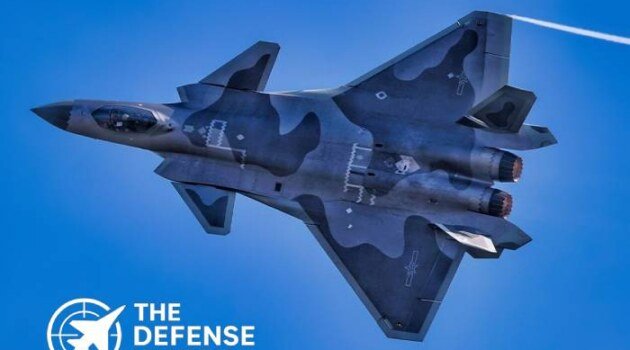
Chinas Chengdu J 20 is the first non Western 5th generation fighter jet to enter operational service. The aircraft emphasizes long range interception and strike missions, reflecting Chinas focus on countering high value targets such as tankers and airborne early warning aircraft.
The J 20 features internal weapons bays, advanced avionics, and evolving engine technology. Early versions relied on Russian engines, but newer variants are believed to use indigenous powerplants.
The J 20 has become a key element of the Peoples Liberation Army Air Force modernization drive.
(adsbygoogle = window.adsbygoogle || []).push({});FC 31 and J 35 Program
China is also developing a second stealth fighter design, often referred to as FC 31 or J 35. This aircraft is expected to support naval aviation and export markets. If fully operational, it would expand Chinas 5th generation footprint across both air force and carrier based roles.
Russia, Advanced Design with Limited Numbers
Su 57 Felon
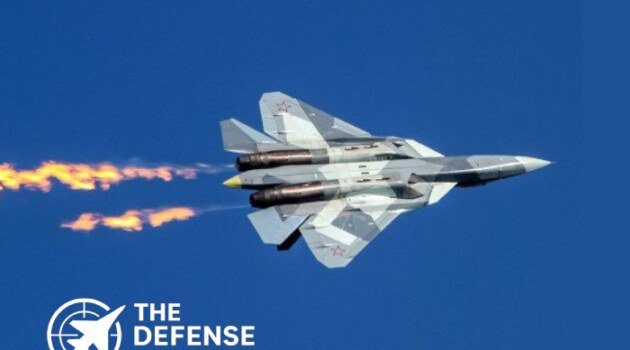
Russias Su 57 is designed as a multirole 5th generation fighter jet with emphasis on agility, long range weapons, and advanced sensors. The aircraft features stealth shaping, internal weapon bays, and thrust vectoring engines.
However, production has progressed slowly due to budget constraints and technical challenges. Operational numbers remain limited compared to US and Chinese fleets.
Russia continues to upgrade the Su 57 with new engines, radar systems, and weapons, aiming to close capability gaps over time.
Emerging and Planned 5th Generation Programs
South Korea KF 21, Near 5th Generation Capabilities
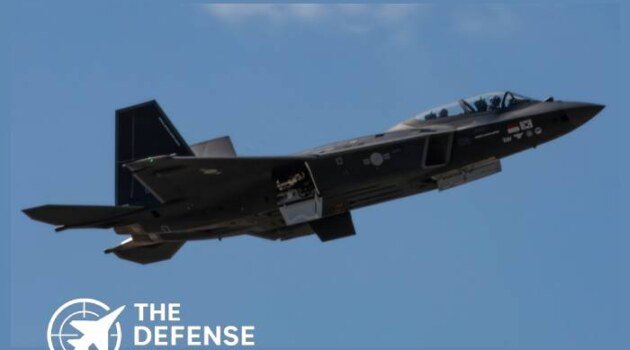
South Koreas KF 21 Boramae is often described as a 4.5 plus generation fighter with partial stealth features. While it lacks some defining 5th generation traits such as full internal weapons carriage, it represents a major step toward advanced air combat capability.
Future variants may incorporate deeper stealth and sensor integration, narrowing the gap with true 5th generation fighters.
(adsbygoogle = window.adsbygoogle || []).push({});Turkiye KAAN Program
Turkiye is developing the KAAN stealth fighter to reduce reliance on foreign aircraft. The program aims to deliver a domestically produced fighter with low observability, advanced avionics, and networked combat features.
KAAN remains in development, with flight testing underway and operational service planned in the next decade.
Japans F X Program
Japan is pursuing its own next generation fighter, often referred to as the F X or GCAP, in partnership with the United Kingdom and Italy. While often classified as a 6th generation effort, early operational versions may enter service with advanced 5th generation characteristics before evolving further.
(adsbygoogle = window.adsbygoogle || []).push({});Global Operators of 5th Generation Fighter Jets
As of today, only a few countries operate true 5th generation fighter jets.
United States operates F 22 and F 35
China operates J 20
Russia operates Su 57
Several allied nations operate F 35, including the United Kingdom, Japan, Australia, Italy, South Korea, and othersThis limited group highlights how complex and costly 5th generation development remains.
Strategic Impact on Global Airpower Balance
The spread of 5th generation fighter jets is reshaping airpower balance, especially in the Indo Pacific and Europe. Stealth aircraft challenge traditional air defense concepts and force rivals to invest heavily in counter stealth radar, electronic warfare, and integrated defense networks.
For allies, shared platforms like the F 35 improve interoperability and collective defense. For competitors, indigenous stealth programs are seen as essential to maintaining deterrence and regional influence.
Analysis, Why 5th Generation Fighters Matter Beyond Combat
Beyond direct combat performance, 5th generation fighter jets influence diplomacy, defense partnerships, and industrial policy. Access to these aircraft often signals deeper political alignment with the United States or, in Chinas case, strategic autonomy.
They also drive domestic aerospace industries, pushing advances in materials, software, and manufacturing that spill over into civilian sectors.
At the same time, their high cost and maintenance demands raise questions about fleet size versus capability, especially for mid sized air forces balancing budgets and operational needs.
(adsbygoogle = window.adsbygoogle || []).push({});FAQs
What makes a fighter jet 5th generation?It combines stealth design, sensor fusion, advanced avionics, networked data sharing, and internal weapons carriage.
Which countries have 5th generation fighter jets?The United States, China, and Russia operate indigenous 5th generation fighters, while several allied nations operate the F 35.
Is the F 35 better than older fighters?In terms of situational awareness, survivability, and networked warfare, the F 35 offers advantages over 4th generation fighters.
Are more countries developing 5th generation fighters?Yes, programs in Turkiye, South Korea, and Japan aim to field advanced stealth fighters in the coming years.
Defining the 5th Generation Fighter Jet
The term 5th generation fighter jet is now central to modern airpower debates, defense budgets, and strategic planning. Aircraft such as the US F 22 Raptor, F 35 Lightning II, China’s J 20, and Russia’s Su 57 are often grouped under this label. Yet the meaning of a 5th generation fighter jet goes far beyond speed or weapons load.
At its core, a fifth generation fighter jet combines stealth, advanced sensors, data fusion, and networked warfare into a single combat system. These aircraft are designed not just to fight other jets, but to survive and dominate in highly defended airspace filled with radar, surface to air missiles, electronic warfare, and cyber threats.
Understanding what truly makes a 5th generation fighter jet helps explain why these aircraft are so costly, why nations compete to field them, and why air forces see them as central to future conflict.
(adsbygoogle = window.adsbygoogle || []).push({});The Evolution of Fighter Aircraft Generations
From Early Jets to Digital Battlefields
Fighter aircraft generations are not official standards set by any single authority. Instead, they are broad groupings used by analysts and air forces to describe major leaps in capability.
First and second generation jets focused on basic jet propulsion and early missiles. Third generation fighters introduced better radar and beyond visual range weapons. Fourth generation fighters such as the F 16, F 15, Su 27, and Mirage 2000 emphasized maneuverability, pulse Doppler radar, and multirole capability.
The fifth generation fighter jet marks a shift away from pure performance toward survivability and information dominance.
Why a New Generation Was Needed
By the late Cold War and early post Cold War period, air defenses had grown deadly. Advanced radars, integrated air defense systems, and long range missiles made traditional fighter tactics risky. Air forces needed aircraft that could enter hostile airspace without being seen, gather information, strike targets, and coordinate other forces.
(adsbygoogle = window.adsbygoogle || []).push({});This requirement led directly to the defining traits of the 5th generation fighter jet.
Stealth as a Foundational Requirement
Low Observability by Design
Stealth is the most visible feature of a 5th generation fighter jet. Unlike earlier aircraft that added radar absorbing materials later, fifth generation jets are shaped from the start to reduce radar detection. Smooth surfaces, internal weapons bays, and careful alignment of edges all reduce radar cross section.
Stealth does not mean invisibility. It means delaying detection, reducing tracking range, and forcing enemy radars to work harder. This gives pilots more time and more options.
The US Air Force provides public overviews of stealth principles through official fact sheets and program pages, such as those hosted on af.mil.
(adsbygoogle = window.adsbygoogle || []).push({});Infrared and Acoustic Reduction
Stealth also extends beyond radar. Fifth generation fighter jets reduce infrared signatures by managing engine heat and exhaust flow. While not silent, these aircraft are harder to detect across multiple sensor types compared to older fighters.
Sensor Fusion and Situational Awareness
From Raw Data to Clear Pictures
A defining feature of a 5th generation fighter jet is sensor fusion. Earlier fighters required pilots to interpret radar, electronic warning systems, and targeting pods separately. In contrast, fifth generation aircraft merge all sensor inputs into a single, clear picture.
Radar, infrared search and track, electronic support measures, and off board data from other aircraft or satellites are combined automatically. The pilot sees threats, targets, and friendly forces on one display without manual cross checking.
This concept is explained in detail in manufacturer material from Lockheed Martin and defense analysis from institutions like the RAND Corporation, available at rand.org.
Reducing Pilot Workload
By automating data fusion, fifth generation fighter jets reduce pilot workload. This allows pilots to focus on tactics and decision making rather than managing systems. In high threat environments, this advantage can be decisive.
Networked Warfare and Data Sharing
Fighters as Information Nodes
A 5th generation fighter jet is not just a shooter. It is a sensor and command node. These aircraft can collect data deep inside hostile territory and share it securely with other fighters, bombers, ships, and ground forces.
(adsbygoogle = window.adsbygoogle || []).push({});This networked role allows older aircraft and surface forces to engage targets they might never detect on their own. In many scenarios, the fifth generation fighter acts as the forward scout for the entire force.
Secure Communications and Datalinks
Advanced datalinks are essential to this role. Unlike legacy systems, fifth generation fighters use secure, low probability of intercept communications designed to preserve stealth. This enables cooperative engagement without revealing positions.
Advanced Avionics and Software Driven Design
Software as a Combat Capability
Modern 5th generation fighter jets are heavily software driven. Mission systems, sensor fusion, and electronic warfare capabilities depend on millions of lines of code. Updates can add new capabilities without major hardware changes.
This approach mirrors trends seen in civilian aerospace and is a major shift from earlier fighters, where upgrades required physical changes to avionics.
Open Architecture Trends
Some newer programs are moving toward more open mission systems. This allows faster integration of new sensors, weapons, and electronic warfare tools. The goal is to keep fifth generation fighters relevant as threats evolve.
Supercruise and Kinematic Performance
Speed Without Afterburners
Many fifth generation fighter jets are designed to supercruise, meaning they can fly at supersonic speeds without using afterburners. This reduces fuel use and infrared signature while improving response time.
(adsbygoogle = window.adsbygoogle || []).push({});The F 22 is the clearest example of this capability, though not all fifth generation fighters emphasize it equally.
Maneuverability Still Matters
While stealth and sensors dominate, maneuverability has not disappeared. Fifth generation fighters still require high agility for close combat and missile evasion. Thrust vectoring and advanced flight controls support this role.
Internal Weapons and Multirole Flexibility
Preserving Stealth in Combat
To maintain low observability, fifth generation fighter jets carry weapons internally during high threat missions. This limits payload compared to external pylons but preserves stealth during critical phases.
When stealth is less important, some aircraft can carry external stores, trading stealth for payload.
Air to Air and Air to Ground Roles
A key feature of the 5th generation fighter jet is true multirole capability. These aircraft can conduct air superiority, strike, intelligence gathering, and electronic attack within the same mission. This flexibility reduces the need for specialized platforms.
Global Examples of 5th Generation Fighter Jets
United States
The US operates the F 22 Raptor and F 35 Lightning II. The F 22 focuses on air dominance, while the F 35 emphasizes multirole operations and coalition interoperability. Official program details are available through defense.gov and manufacturer sources.
China and Russia
China’s J 20 emphasizes long range interception and regional airpower. Russia’s Su 57 combines stealth shaping with traditional high maneuverability. Both programs reflect national priorities and industrial approaches.
(adsbygoogle = window.adsbygoogle || []).push({});Analysis: Why the Definition Still Matters
Despite frequent use, the term 5th generation fighter jet remains debated. Some analysts argue that capability matters more than labels. Others note that emerging upgrades blur generational lines.
Still, the concept remains useful. It highlights a shift in air combat from platform centric performance to system level dominance. Stealth, sensors, and networks now matter as much as speed or turn rate.
As sixth generation programs begin to take shape, the lessons of fifth generation fighters will shape the next era of airpower.
(adsbygoogle = window.adsbygoogle || []).push({});FAQs
What is the main feature of a 5th generation fighter jet?Stealth combined with sensor fusion and networked warfare is the defining feature.
Is stealth alone enough to qualify as fifth generation?No. True fifth generation fighters integrate stealth, sensors, data fusion, and secure networking.
Are all stealth fighters fifth generation?Not necessarily. Some aircraft use stealth features but lack full sensor fusion or networking.
Will fourth generation fighters become obsolete?No. Many are being upgraded and will operate alongside fifth generation fighters for decades.
The F-22 Raptor remains central to U.S. air superiority doctrine — and under the newly elevated “F-22 Super” upgrade plan, the Raptor is being readied with enhanced sensors, stealth refinements and extended-range capabilities that seek to preserve its dominance until the next generation arrives. The “F-22 Super” upgrade — the focus of growing congressional and service support — reflects an emerging consensus that modernization of existing stealth assets is essential to sustain “first look, first shot, first kill” advantage in contested airspaces.
With the Next Generation Air Dominance (NGAD) family of systems still several years from full deployment, upgrading the F-22 is viewed by many as a cost-effective and prudent way to maintain edge amid evolving threats from near-peer competitors.
What Is the “F-22 Super” Upgrade
Upgrade Scope and Key Technologies
Under the proposed FY 2026 budget, the U.S. Air Force has earmarked approximately $90 million to begin what it calls a “viability package” for the F-22.
Key components of the upgrade package include:
- A new Infrared Defensive System (IRDS), to improve missile-launch detection and warning.
- Provision for pod-mounted Infrared Search and Track (IRST), enhancing passive detection of threats — especially valuable in contested electromagnetic (EW) environments.
- Sensor and avionics refresh: updated radar, open-architecture data fusion, cryptographic upgrades and other “future-proofing” to allow better integration with other platforms (e.g., NGAD, F-35 Lightning II).
- Improved electronic warfare capabilities and updated threat-warning receivers, under what the Air Force refers to as “Project Keystone.”
- Extended-range fuel tanks and low-drag pylons (the “Low Drag Tanks and Pylons,” LDTP), enabling longer missions — including potentially supersonic ferry or deployment flights — while minimizing radar signature when tanks are mounted.
- A helmet-mounted display (HMD) for pilots, a long-requested capability that provides off-boresight weapon cueing and improved situational awareness.
Together, these improvements are intended to transform the F-22 into a more resilient, networked, and flexible sensor-shooter — sometimes described as a “fifth generation plus” or “F-22 Super” configuration.
Why the Upgrades Are Gaining Renewed Support
NGAD Delays and Capability Gap Risk
The overarching driver behind the push for the F-22 upgrade is the reality that NGAD — slated to succeed the Raptor — remains years away from full operational deployment. Recent public reporting notes that the older jets of the fleet have begun to show their age, and reactivating non-combat-coded airframes requires substantial investment.
By investing in upgrades now, the U.S. Air Force hedges against a capability gap should NGAD face further delays, or if the initial NGAD fleet is limited in size. Maintaining a credible stealth-air superiority force with F-22 “Super” modifications buys critical time.
Evolving Threat Environment
Advances in adversary air-to-air missiles, infrared search-and-track systems, and radar/infrared hybrid detection platforms — particularly by near-peer competitors — have heightened the risk to legacy stealth aircraft which rely primarily on low observable radar signature and limited passive threat detection tools. The F-22’s planned IRDS/IRST and EW upgrades directly address those vulnerabilities.
In addition, range limitations have long hampered Raptor deployments in theaters such as the vast Indo-Pacific region, where long-range reach is critical. The LDTP initiative addresses those concerns, extending the Raptor’s reach while preserving stealth and speed advantages.
Cost-Effectiveness Compared to New-Build Programs
Restarting production of F-22 airframes or accelerating NGAD procurement comes with high cost and risk. By contrast, upgrading existing airframes draws on established maintenance/logistics chains, and avoids the industrial, training, and supply-chain burdens of fielding a completely new fleet. This makes the “Super” upgrade a more economical bridge strategy until NGAD matures.
The Role of “F-22 Super” in the NGAD Era and U.S. Air Dominance
Bridging to NGAD
With the NGAD program still in development, the F-22 Super acts as a “bridge” — preserving critical stealth-air superiority capability while NGAD’s manned sixth-generation fighters, loyal-wingman drones, and sensor-shooter architectures are finalized.
By integrating NGAD-derived technologies (sensors, data fusion, EW, avionics) into the F-22, the Air Force aims to ensure interoperability across legacy and future platforms — a key consideration for joint operations.
Enhancing Force Flexibility and Deterrence Posture
A modernized F-22 fleet — refreshed, sensor-upgraded, and extended in range — supports rapid response, long-range deployment, and forward-deployed deterrence concepts. Some reports describe a “Rapid Raptor” model: a small group of F-22 Supers capable of deploying globally within 24 hours, carrying advanced missiles or even hypersonics, with integrated links to joint force networks.
This flexibility remains valuable even once NGAD becomes operational: a mixed force of NGAD fighters, loyal-wingman drones, and upgraded F-22s would maximize coverage, offering both quantity and quality across different mission sets.
Challenges & Constraints
While the F-22 Super plan offers clear advantages, it is not without hurdles:
- Fleet size constraints: The legacy fleet is limited — only a fraction of the original ~185 Raptors remain combat-coded, and some older Block-20 jets are slated for retirement or reactivation only with major investment.
- Maintenance and sustainment burden: Stealth coatings, low observable materials, and complex avionics make sustainment resource-intensive — reactivation and upgrade of older airframes will require careful logistics and parts supply.
- Budget and prioritization pressure: With NGAD and other modernization programs consuming significant funding, balancing investment between upgrading legacy platforms and funding next-generation systems remains politically and strategically challenging.
- Technological limits: Even upgraded, the F-22 will remain a 5th-generation airframe. Some envisioned NGAD capabilities — such as optionally crewed operations, integrated loyal-wingman drone control, advanced sensor-to-shooter kill chains — may be beyond retrofit scope.
Analysis: What “F-22 Super” Means for U.S. Air Dominance
The renewed push for “F-22 Super” upgrades reflects a pragmatic recalibration of U.S. air dominance strategy. Rather than banking solely on generations-ahead platforms like NGAD, the Air Force seems increasingly focused on maintaining — and optimizing — existing capabilities to reduce risk and cost.
In the near to mid-term, the upgraded Raptor fleet can provide credible deterrence and warfighting capability in contested zones, especially in regions like the Indo-Pacific or Europe where adversaries field improving stealth, IRST, and long-range missile threats.
In the longer term, pairing a modernized F-22 with NGAD and other new systems offers a layered force architecture — combining proven fighters with next-gen platforms and drone-enabled mass. That architecture could offer both flexibility and formidable redundancy: if NGAD faces delays, cost overruns, or initial limited basing, the F-22 Super ensures the core air-superiority mission remains covered.
Still, this approach is not a substitute for NGAD’s ambition. The F-22 Super should be seen as a bridge — but a strategically vital one.
FAQs
Will the F-22 production ever restart?There is no public indication that full-scale F-22 production will restart. The current “Super” upgrades focus on existing airframes. Restarting production would be costly, and past cost estimates for hundreds of new Raptors ran into tens of billions of dollars.
How long will upgraded F-22s remain in service?With the Super upgrades, F-22s could remain relevant well into the 2030s and even 2040s — effectively bridging the gap until NGAD and other future platforms are fully operational.
Does the upgrade include new weapons or just sensors/avionics?The upgrade package emphasizes sensors, avionics, defense systems and endurance enhancements. However, the new open-architecture avionics could facilitate integration of modern weapons, long-range missiles, and future munitions.
How does the F-22 Super compare to NGAD capabilities?NGAD is expected to deliver a fundamentally new generation of capabilities — optionally crewed aircraft, loyal-wingman drones, advanced networking and sensor-fusion architecture. The F-22 Super is not a replacement, but a bridging upgrade: a 5th-generation “plus” that borrows NGAD-derived sensors and avionics to remain effective until the new generation arrives.
Why not simply rely on the F-35 fleet instead of upgrading the F-22?The F-35 serves a complementary but different role: multi-role strike, close air support, and networked operations. The F-22’s unique combination of stealth, supercruise, maneuverability and range — particularly after Super upgrades — is irreplaceable for dedicated air superiority and first-look, first-shot engagements in contested environments.
Conclusion
The “F-22 Super” upgrade is gaining traction not as a nostalgic effort to preserve Cold War-era airframes, but as a deliberate, strategic investment in sustaining U.S. air superiority through a complex transition period. As NGAD and associated sixth-gen programs press forward — but remain years away from full deployment — the Air Force appears to be hedging its bets: modernizing and extending the life of proven platforms while simultaneously preparing for the future.
In an era of rapidly evolving air and missile threats, contested electromagnetic environments and near-peer adversaries fielding advanced stealth, IRST and long-range missiles, that dual-track strategy may be the most realistic path to preserving U.S. global air dominance.
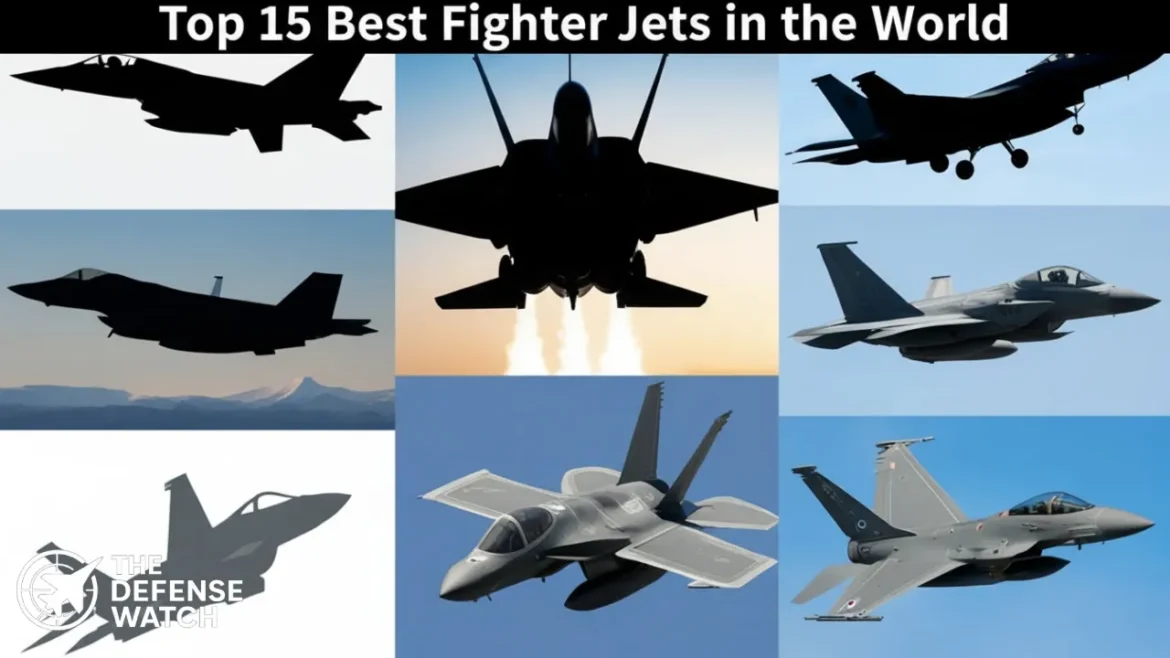
In the high-stakes arena of modern aerial warfare, the best fighter jets in 2025 represent a fusion of cutting-edge stealth, supersonic speeds, and networked intelligence that redefine air dominance. As geopolitical tensions simmer from the Indo-Pacific to Eastern Europe, nations are investing heavily in these flying fortresses to secure strategic edges. This ranking draws on the latest assessments from defense analysts, production updates, and operational deployments as of November 2025, highlighting how these aircraft balance multirole versatility with raw combat prowess. Whether it’s penetrating enemy defenses undetected or engaging in beyond-visual-range dogfights, the top 15 best fighter jets in 2025 underscore a shift toward fifth-generation platforms that integrate AI-driven sensors and hypersonic threats.
The global fighter jet landscape has evolved rapidly this year, with over 5,000 active units across major powers, according to Global Firepower’s 2025 assessments. Production ramps for stealth models like China’s J-20 have surged, while U.S. exports of the F-35 continue to bolster alliances. Yet, challenges persist: escalating costs and supply chain disruptions amid U.S.-China tech rivalries could slow sixth-generation transitions.
The Pinnacle of Stealth and Versatility: Top 5 Best Fighter Jets in 2025
1. Lockheed Martin F-35 Lightning II (United States)
The F-35 Lightning II claims the top spot among the best fighter jets in 2025, thanks to its unmatched sensor fusion and global proliferation. With over 1,000 units delivered by mid-year, this fifth-generation multirole platform excels in air-to-air, air-to-ground, and electronic warfare missions. Its radar cross-section (RCS) of just 0.0015 square meters—smaller than a golf ball—allows it to evade detection while its AN/APG-81 AESA radar locks onto targets at 150 miles. Powered by the Pratt & Whitney F135 engine, it achieves Mach 1.6 speeds and carries up to 18,000 pounds of munitions internally for stealthy strikes.
In 2025, the F-35’s Block 4 upgrades have integrated AI-assisted targeting, enhancing its role in joint operations. Nations like Israel and Japan have leveraged it for real-world intercepts, proving its edge in contested environments. At around $80 million per unit (down from prior years due to economies of scale), it’s a cornerstone of NATO’s airpower balance.
2. Lockheed Martin F-22 Raptor (United States)
No discussion of the best fighter jets in 2025 omits the F-22 Raptor, the stealth benchmark with an RCS akin to a marble (0.0001 square meters). This air superiority specialist boasts a 1.26 thrust-to-weight ratio for supermaneuverability and supercruise at Mach 1.8 without afterburners, outpacing most adversaries. Armed with six AIM-120 AMRAAMs internally, it dominates beyond-visual-range engagements.
Though production ended in 2011, 2025 sustainment programs have extended its lifespan through digital upgrades, including helmet-mounted displays for 360-degree awareness. The U.S. Air Force’s 178 active Raptors remain elite, often paired with F-35s for “loyal wingman” tactics that amplify force multiplication.
3. Chengdu J-20 Mighty Dragon (China)
China’s J-20 has solidified its place among the top best fighter jets in 2025, with production exceeding 300 units amid the People’s Liberation Army Air Force’s expansion. This twin-engine stealth interceptor features a 24,000-pound internal weapons bay and WS-15 engines enabling supercruise at Mach 2. Its electro-optical targeting system and long-range PL-15 missiles make it a formidable counter to U.S. carriers in the South China Sea.
Recent 2025 deployments highlight its evolution from prototype to operational mainstay, with enhanced avionics for network-centric warfare. At an estimated $100 million per aircraft, the J-20 embodies Beijing’s push for regional air denial, though engine reliability issues linger.
4. Sukhoi Su-57 Felon (Russia)
The Su-57 Felon rounds out the top four best fighter jets in 2025, prized for its supermaneuverability via 3D thrust-vectoring nozzles and a thrust-to-weight ratio of 1.20. Russia’s fifth-generation entry carries 22,000 pounds of ordnance, including hypersonic Kinzhal missiles, and reaches Mach 2 with an RCS reduced to 0.1 square meters through composite materials.
By late 2025, over 30 Su-57s are combat-tested in Ukraine, showcasing resilience in electronic warfare-heavy skies. Priced at $50 million, it offers cost-effective stealth, though sanctions have hampered full-scale production.
5. Boeing F-15EX Eagle II (United States)
The F-15EX Eagle II, the heaviest hitter among the best fighter jets in 2025, hauls 29,500 pounds of weapons—enough for 22 air-to-air missiles—while hitting Mach 2.5, the fastest in U.S. service. Lacking full stealth, it compensates with the Eagle Passive/Active Warning Survivability System for threat evasion and digital fly-by-wire controls for precision.
Entering full-rate production this year, the F-15EX bridges fourth- and fifth-generation gaps, with 20 units delivered to the Air Force. Its interoperability with F-35s positions it as a high-volume missile truck in large-scale conflicts.
Proven Workhorses: Ranks 6-10 in the Best Fighter Jets of 2025
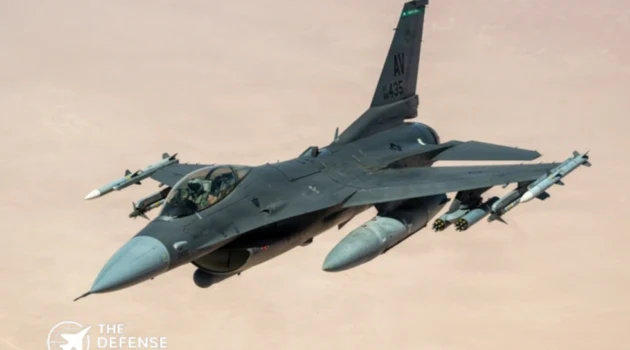
6. General Dynamics F-16 Fighting Falcon (United States)
The ubiquitous F-16 remains a staple among the best fighter jets in 2025, with 2,200+ active worldwide. This lightweight multirole jet, upgraded to Block 70/72 standards, features AESA radars and conformal fuel tanks for extended range up to 2,000 nautical miles. It tops out at Mach 2 and integrates seamlessly with NATO munitions.
Ongoing modernizations, including conformal low-drag wings, ensure its relevance; Taiwan’s 2025 deliveries underscore its export appeal in countering regional threats.
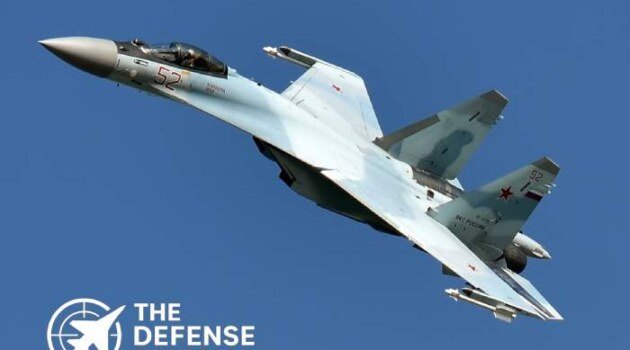
7. Sukhoi Su-35 Flanker-E (Russia)
Russia’s Su-35 excels as one of the best fighter jets in 2025 for close-quarters combat, with 2D thrust vectoring yielding a 1.15 thrust-to-weight ratio and Mach 2.25 speeds. Its Irbis-E radar detects stealth targets at 250 miles, and it lugs 17,600 pounds of payload over 1,900-mile ranges.
Export successes to Algeria and Iran in 2025 highlight its dogfighting prowess, though maintenance demands limit fleet growth.
8. Eurofighter Typhoon (Multinational: UK, Germany, Italy, Spain)
The Typhoon’s agility—1.15 thrust-to-weight and Mach 2 capability—secures its spot in the top best fighter jets in 2025. With 20,000 pounds of weapons and supercruise at Mach 1.5, Tranche 4 upgrades add Captor-E radars for beyond-visual-range kills.
European operators logged 500+ sorties in 2025 exercises, affirming its role in collective defense.
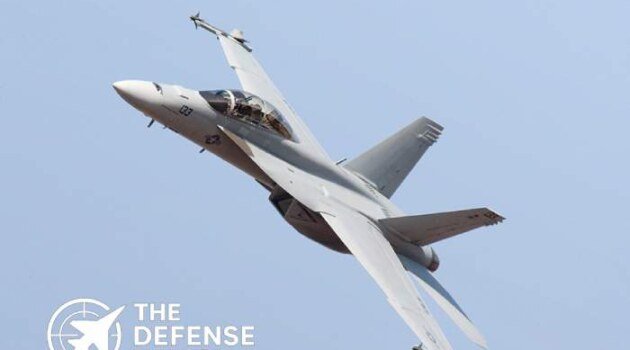
9. Boeing F/A-18E/F Super Hornet (United States)
Carrier-capable and rugged, the Super Hornet ranks high among best fighter jets in 2025 with 17,750 pounds of ordnance and Mach 1.8 performance. EA-18G variants enhance electronic attack, while Block III upgrades include infrared search-and-track systems.
The U.S. Navy’s 800+ fleet supports Pacific pivots, with Australia integrating them into AUKUS frameworks.
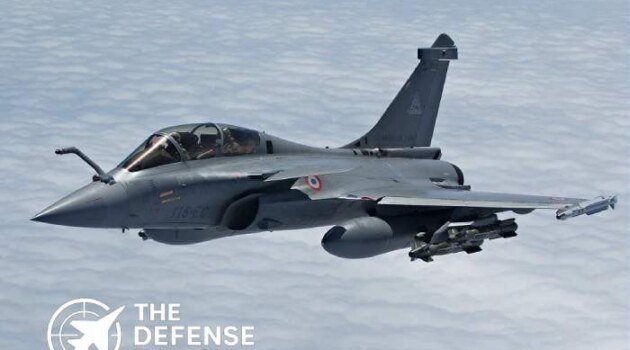
10. Dassault Rafale (France)
France’s Rafale, an omnirole marvel, features in the best fighter jets in 2025 with 20,900-pound payloads and SPECTRA electronic warfare suites that jam stealth radars. Its 1.10 thrust-to-weight ratio and Mach 1.8 speed shine in export markets like India and Egypt.
F4-standard aircraft delivered in 2025 boost sensor fusion, making it a neutral ally’s go-to for balanced capabilities.
Emerging Contenders: Ranks 11-15 Best Fighter Jets in 2025
11. Sukhoi Su-30SM (Russia/India)
The Su-30SM’s multirole flexibility, with 17,600-pound loads and Mach 2 speeds, earns it a nod among best fighter jets in 2025. Thrust vectoring and Bars radar enable superior endurance for maritime patrols.
India’s 2025 upgrades integrate BrahMos missiles, enhancing Indo-Pacific deterrence.
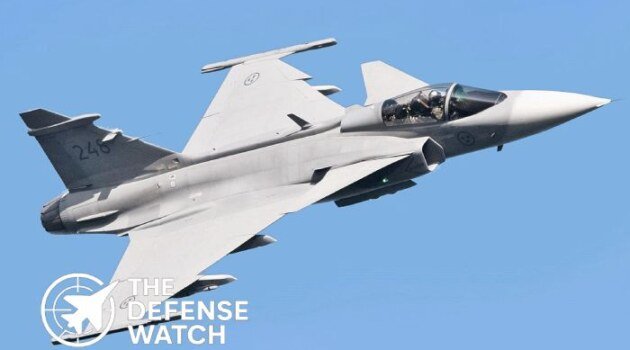
12. Saab JAS 39 Gripen E (Sweden)
Cost-effective at $85 million, the Gripen E offers AESA radar and Mach 2 agility in the best fighter jets in 2025 rankings. Its 15,000-pound payload and quick-turnaround basing suit expeditionary ops.
Brazil’s full squadron activation this year validates its neutral export model.
13. Shenyang J-16 (China)
China’s J-16, a 4.5-generation strike fighter, carries 12,000 pounds over Mach 2 ranges, with advanced ECM for suppression of enemy air defenses.
PLAAF’s 2025 expansions target Taiwan scenarios, rivaling Western multiroles.
14. KAI KF-21 Boramae (South Korea/Indonesia)
The KF-21 debuts in best fighter jets in 2025 with Mach 1.8 speeds and 9,700-pound payloads, bridging to sixth-gen with modular avionics.
Initial operational capability achieved in Q3 2025, bolstering Seoul’s autonomous defenses.
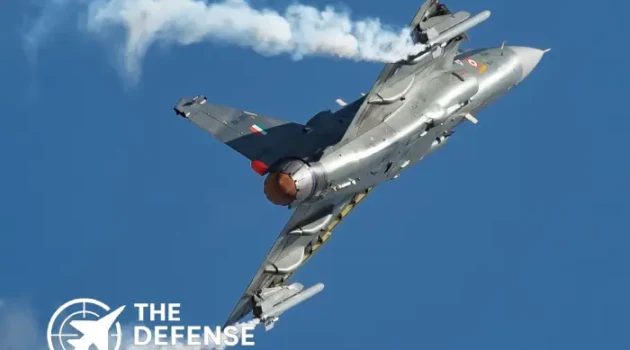
15. HAL Tejas Mk1A (India)
India’s indigenous Tejas Mk1A rounds out the list with AESA radar and Mach 1.6 performance for 11,000-pound loads.
2025 deliveries to the IAF emphasize lightweight agility in contested Himalayan skies.
Strategic Implications: How These Best Fighter Jets Shape 2025 Geopolitics
The dominance of U.S. platforms like the F-35 in the top best fighter jets in 2025 reflects Washington’s alliance-building strategy, with exports to 20 nations fostering interoperability. Conversely, Sino-Russian models signal a multipolar challenge, where quantity meets quality in hybrid threats. Analysts predict that by 2030, AI integration could widen gaps, urging mid-tier powers to adopt collaborative programs like GCAP.
Export dynamics further complicate the field: While the F-35’s software locks limit tech transfer, affordable options like the Gripen democratize access, potentially shifting airpower balances in Africa and Southeast Asia.
Ranking Methodology and Why This Order in 2025
The 2025 ranking of the world’s best fighter jets is based on a weighted composite score that reflects current operational realities rather than theoretical potential alone. Five core criteria were evaluated on a 100-point scale: (1) Stealth & Survivability (30%), (2) Sensor Fusion & Situational Awareness (25%), (3) Kinematic Performance & Maneuverability (20%), (4) Weapons Load, Range & Versatility (15%), (5) Proven Combat Record, Production Maturity & Sustainability (10%).
Data was cross-referenced from open-source intelligence, 2025 Global Firepower indices, U.S. Congressional Research Service reports, Janes Defense, and official ministry disclosures up to November 2025. For example, the F-35 scored 94/100 due to its near-undetectable RCS, Block 4 sensor suite, and 1,000+ airframes in active service across 20 air forces. The F-22 followed at 91 despite superior kinematics because its fleet is capped at 178 and lacks the F-35’s multirole flexibility and software-upgrade tempo. The J-20 (87) and Su-57 (84) trail primarily on proven stealth validation and global combat experience, while the F-15EX (82) surges ahead of pure fourth-generation jets because its 2025 digital architecture and massive payload make it the most lethal non-stealth platform in high-intensity scenarios. This methodology explains why raw top speed or thrust-vectoring alone no longer guarantees a top-five slot—survivability and information dominance now decide who rules contested skies.
Why These Jets Matter in 2025
- They influence global airpower balance, shaping deterrence and alliance strategies.
- Their capabilities (stealth, payload, range) reflect evolving doctrines — from high-intensity conflict to regional power projection.
- The proliferation and export potential of jets like the F-35 and KF-21 carry long-term political and economic implications.
FAQs
What makes the F-35 the best fighter jet in 2025?Its stealth, sensor fusion, and multirole adaptability allow seamless integration in joint operations, outpacing rivals in networked warfare.
How do fifth-generation best fighter jets in 2025 differ from fourth-generation?They prioritize internal weapons for low observability, supercruise, and advanced avionics over raw speed, enabling survival in high-threat zones.
Which country leads in best fighter jets in 2025 production?The United States, with the F-35 program delivering 150+ units annually, though China is closing the gap via J-20 ramps.
Are there any new entrants to the top 15 best fighter jets in 2025?Yes, the KF-21 Boramae enters operational service, offering affordable 4.5-gen capabilities for emerging powers.
What role do best fighter jets in 2025 play in unmanned teaming?They serve as “quarterbacks,” directing drone swarms for extended strikes, as seen in U.S. Air Force trials.
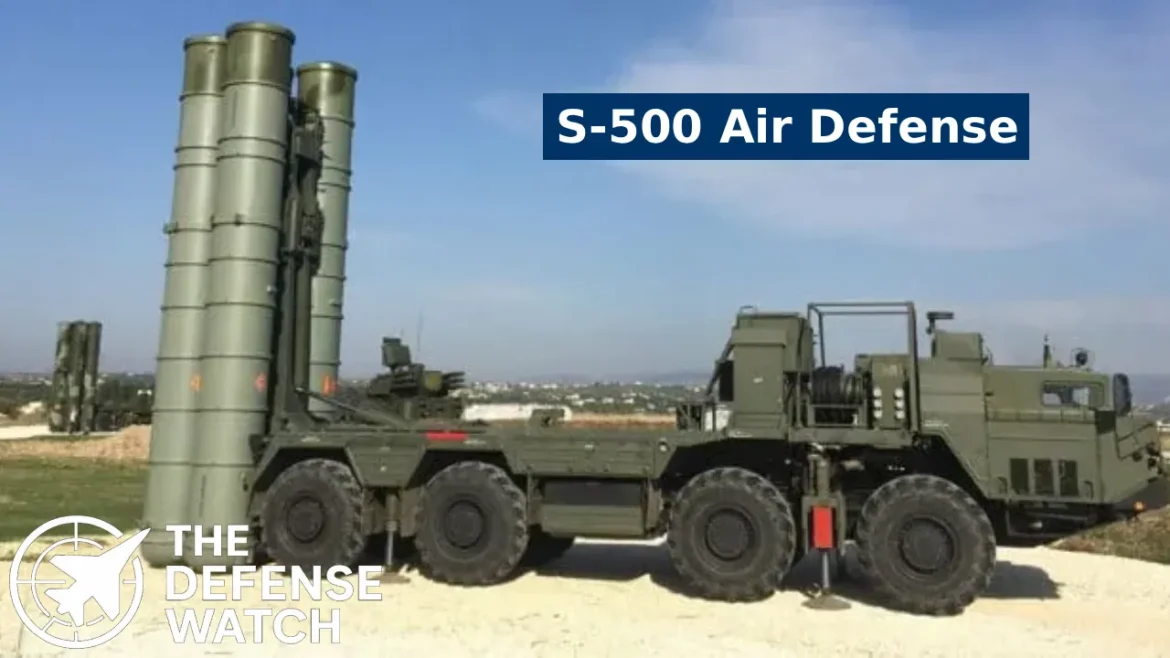
What Is Happening: Russia’s S-500 Threat to U.S. Stealth Jets
Russia is promoting its S-500 “Prometheus” air-defense system as capable of targeting U.S. fifth-generation stealth aircraft like the F-22 Raptor and F-35 Lightning II, according to multiple Russian defense sources and open-source defense reporting.
Authorities claim the S-500 can engage targets at ranges up to 600 km and altitudes up to 200 km, putting it in a new class of “hybrid” air-and-space defense.
Background: Why the S-500 Matters
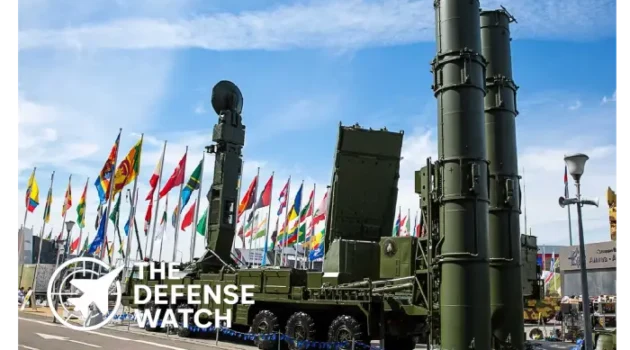
The S-500, developed by Almaz-Antey, is viewed by Russian officials as a key pillar in their next-generation layered air defense architecture — sitting above systems like the S-400 and alongside emerging systems such as the A-235 ABM.
Moscow contends that the S-500 bridges tactical air defense and strategic missile defense: it’s designed to counter not just aircraft, but hypersonic missiles, ballistic warheads, and even low Earth orbit satellites.
Its radar suite is a multi-band architecture, which Moscow argues gives S-500 the ability to detect and track very low-observable stealth targets.
Key Features & Claimed Capabilities
Radar and Tracking Systems
- The S-500 reportedly uses a combination of 91N6A(M) S-band, 96L6-TsP C-band, 76T6 multimode, and 77T6 ABM engagement radars.
- These radars operate in multiple frequency bands (L-, S-, and X-band), which proponents say helps in detecting stealth aircraft optimized to evade narrower-band radars.
- According to some reports, these radars can detect ballistic targets up to 2,000 km away, and aerodynamic (aircraft) threats up to 800 km.
Interceptors and Engagement
- For air defense roles, the S-500 is said to employ 40N6M long-range interceptor missiles.
- For ballistic or hypersonic threats, it reportedly uses kinetic 77N6-N and 77N6-N1 missiles, capable of “hit-to-kill” interception.
- Russia claims it can engage up to 10 targets simultaneously, with a very fast reaction time (~3–4 seconds).
- The engagement ceiling is claimed to be around 200 km, which would allow the system to intercept threats in near-space.
Mobility & Deployment
- The S-500 is mobile — its radar and launch units are mounted on wheeled chassis, allowing redeployment.
- It is reportedly being integrated into Russia’s existing air defense mix, working alongside S-400, S-350, and Pantsir systems.
- According to some Russian analysts, S-500 units have been deployed to strategically critical locations, including Crimea.
Expert Analysis & Policy Implications
Technical Credibility & Challenges
- While Moscow’s claims are ambitious, independent verification of the S-500’s full performance (especially against stealth aircraft) remains limited.
- Analysts note that detecting stealth is one challenge; achieving a fire-control solution and intercepting such targets is a separate, technically difficult step.
- Hypersonic and ballistic intercept capabilities are central to the system’s appeal. The 77N6 series missiles, if they perform as claimed, would represent a significant leap in Russia’s ability to engage high-speed warheads.
- Some analysts are cautious: while the system may be theoretically capable, operational readiness, production scale, and real-world performance remain open questions.
Strategic Impact & Geopolitical Considerations
- If the S-500 genuinely threatens F-22 and F-35 aircraft, it could complicate NATO planning, particularly for operations near or within range of deployed S-500 units.
- The claimed anti-satellite (ASAT) capability adds a space dimension to Russia’s air defense posture, raising concerns about the securitization of low Earth orbit, especially for ISR and comms satellites.
- For countries that consider buying advanced Russian air defenses (e.g., India), the S-500 could be a force multiplier — but its “game-changing” status depends on whether its high-end claims hold in practice.
- From a policy perspective, even if S-500’s full potential is not yet realized, its perception as a “stealth killer” could be leveraged for deterrence and strategic signaling.
What to Watch Next
- Deployment Scale: How many S-500 regiments Russia will operationalize, and where.
- Export Prospects: Which countries may acquire S-500 and what conditions would apply.
- Operational Tests: Any publicized live-fire tests targeting stealth or hypersonic targets.
- Countermeasures: How NATO and U.S. defense planners adapt to the S-500 threat, possibly via tactics, electronic warfare, or new platforms.
Conclusion
Russia’s S-500 “Prometheus” system represents a bold claim in modern air defense: long-range engagement, multispectral radar, and the ability to threaten fifth-generation stealth fighters like the F-22 and F-35. While many of these claims come from Moscow or Russian-aligned defense outlets, the system’s development underscores how air defense is evolving — merging anti-aircraft, ABM, and space-defense roles. Whether the S-500 fulfills its promised “stealth killer” reputation will depend on further testing, deployment, and real-world performance.
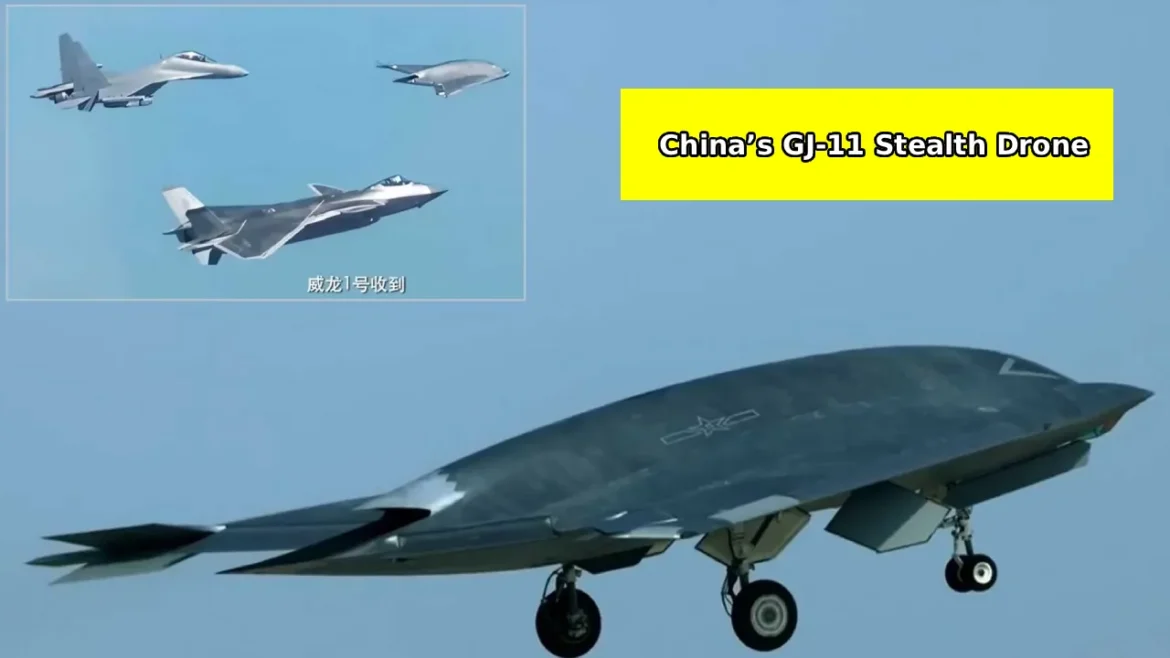
China Showcases GJ-11 Stealth Drone with J-20 Fighter in Public Flight
In a significant development for China’s military aviation sector, the GJ-11 stealth drone conducted its first publicly observed flight in formation with the J-20 fifth-generation fighter. The flight occurred during a demonstration at a Chinese airbase, highlighting Beijing’s ongoing focus on integrating unmanned aerial vehicles (UAVs) with manned combat aircraft.
Background on the GJ-11 and J-20 Integration
The GJ-11, also known as the “Sharp Sword,” is China’s advanced stealth combat drone designed for autonomous strike and reconnaissance missions. Developed under the auspices of the Chengdu Aircraft Industry Group, the GJ-11 features low-observable technology, internal weapon bays, and advanced avionics, enabling it to operate in contested airspace alongside manned aircraft such as the J-20 fighter.
The J-20, China’s flagship fifth-generation fighter, is a long-range stealth platform capable of air superiority and strike missions. Pairing the GJ-11 with the J-20 reflects China’s strategy to develop “loyal wingman” drones, which can accompany piloted aircraft to enhance situational awareness, extend reach, and provide additional strike capabilities without endangering human pilots.
Chinese GJ-11 Stealth Drone – Full Specifications
- Maximum Speed: ~1,000 km/h
- Endurance: ~6–8 hours
- Operational Range: 1,500+ km
- Payload Capacity: ~400–500 kg
Flight Demonstration Details
During the demonstration, the GJ-11 flew in close formation with the J-20, signaling progress in autonomous flight coordination between manned and unmanned systems. Observers noted the drone maintained stable flight alongside the fighter jet, demonstrating its navigation and flight control capabilities.
While specific performance data was not released, analysts suggest the GJ-11’s internal weapons bays and stealth profile indicate its potential for precision strikes while evading radar detection. Reports also highlight the drone’s modular payload capability, which could allow it to carry a variety of munitions, including air-to-ground precision-guided bombs and advanced electronic warfare equipment.
Expert Analysis and Strategic Implications
Military analysts view the public display as a clear signal of China’s growing capabilities in UAV technology and autonomous combat systems. Professor Zhang Wei, an aerospace analyst at the Beijing Institute of Technology, stated, “The GJ-11’s flight with the J-20 demonstrates a maturing of China’s UAV integration concept. It represents a shift towards more sophisticated joint operations between manned and unmanned platforms.”
The deployment of stealth drones such as the GJ-11 may also influence regional air power dynamics, offering China a means to project force while minimizing pilot risk. Autonomous drones capable of operating in high-threat environments could complement the J-20 fleet, extending operational flexibility in complex scenarios, including contested maritime and border regions.
Looking Forward: Next Steps in Drone Development
China’s demonstration of the GJ-11 alongside the J-20 reflects broader trends in modern air combat, where “loyal wingman” drones are increasingly seen as force multipliers. Future developments may include enhanced artificial intelligence for autonomous target recognition, cooperative swarm operations, and integration with other Chinese stealth platforms such as the J-31 fighter.
The demonstration also underscores Beijing’s investment in dual-use UAV technology, which has implications for both military strategy and regional security. Analysts expect the GJ-11 will continue testing and gradual integration into operational air units in the coming years, complementing the existing manned fighter fleet.