Executive Summary:
The U.S. Department of War has awarded Lockheed Martin a seven-year undefinitized contract action modification valued at up to $53.86 billion for PAC-3 Missile Segment Enhancement interceptors. Combined with a prior $4.7 billion award, the total multiyear value reaches $58.62 billion. The agreement supports accelerated production to address inventory pressures and aligns with the department’s Acquisition Transformation Strategy.
Lockheed Martin Receives $58.6 Billion PAC-3 MSE Multiyear Contract Modification
The U.S. Department of War has expanded its multiyear procurement agreement with Lockheed Martin for PAC-3 Missile Segment Enhancement (MSE) interceptors to a total value of $58.62 billion. The latest action, announced July 29, 2026, consists of a seven-year undefinitized contract action modification worth up to $53.86 billion. It builds on a $4.7 billion undefinitized contract action issued in April for the first year of production.
The contract covers fiscal years 2026 through 2032 and is structured to provide industry with long-term demand certainty. Officials described the award as part of the department’s Acquisition Transformation Strategy, intended to stabilize production signals, encourage private investment, and expand the domestic munitions industrial base.
Production Capacity Expansion and Workforce Growth
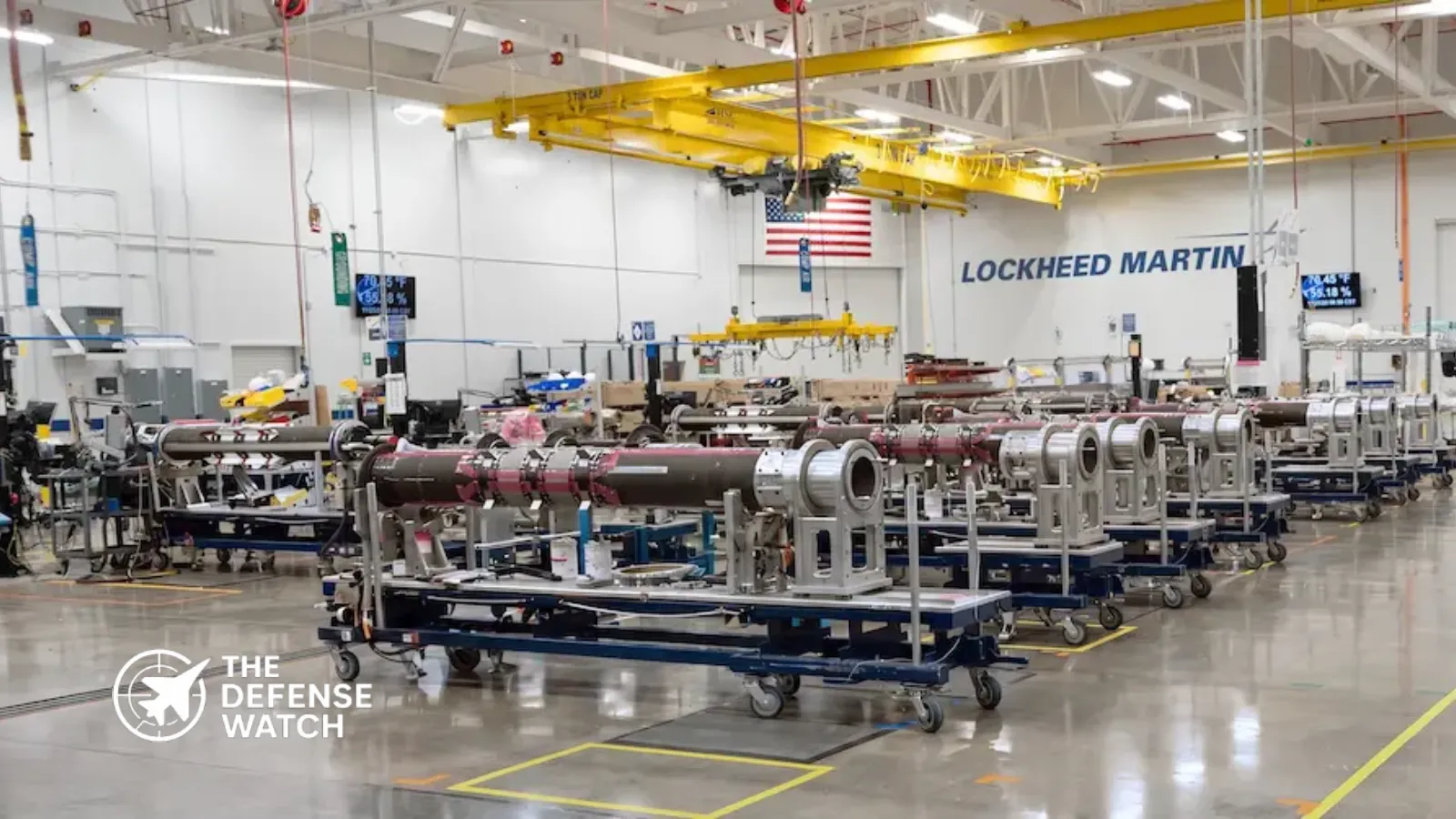
Lockheed Martin stated the funding will enable the company to triple PAC-3 MSE manufacturing capacity by the end of 2030. Current annual output stands near 600 interceptors; the target is approximately 2,000 per year once the expansion is complete.
The primary final assembly site in Camden, Arkansas, will see employment rise by 50 percent, from about 1,200 workers to approximately 1,850. Camden performs all-up-round production of the interceptors. The company has already broken ground on expanded facilities there and at a related site in Troy, Alabama, which will support Terminal High Altitude Area Defense (THAAD) work and future Next-Generation Interceptor efforts.
Lockheed Martin plans to invest $8 billion to $9 billion through 2030 across more than 20 U.S. facilities to modernize production lines and scale munitions output. This marks the company’s second major multiyear award under the new acquisition model, following a $35 billion contract focused on accelerating THAAD interceptor production.
Operational Context and Strategic Rationale
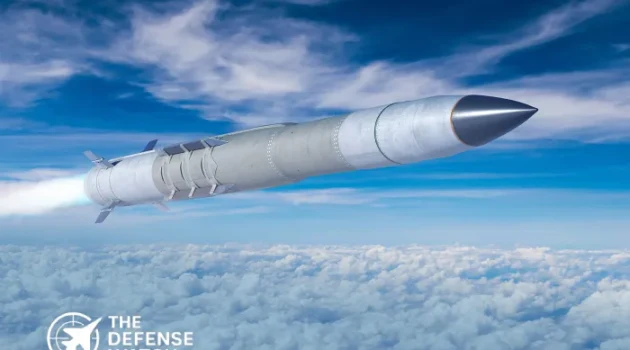
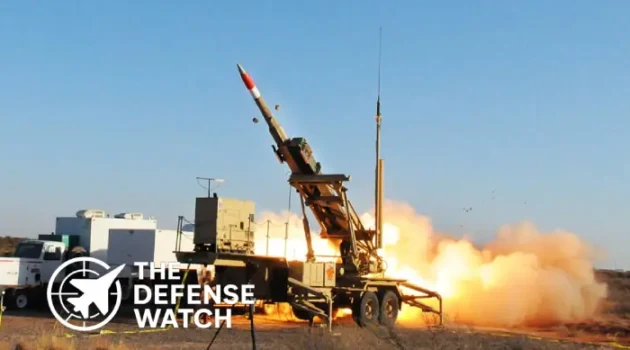
PAC-3 MSE is a hit-to-kill interceptor integrated into the Patriot air and missile defense system. It is designed to defeat tactical ballistic missiles, cruise missiles, aircraft, and certain hypersonic threats. The system has seen operational use in Ukraine and other missions, including those associated with Operation Epic Fury, according to company statements.
Recent conflicts have placed pressure on U.S. and allied interceptor inventories. The Center for Strategic and International Studies estimated U.S. holdings of Patriot interceptors at fewer than 1,000 and THAAD interceptors at fewer than 250. Transfers to partners and expenditures in ongoing operations have contributed to these shortfalls.
Multiyear procurement authority allows the government to commit to longer production runs subject to annual appropriations. Officials argue this approach reduces unit costs over time, improves supply-chain resilience, and gives industry the confidence to expand capacity without relying solely on government-funded facilitization. Under Secretary of War for Acquisition and Sustainment Michael P. Duffey noted that the announcement converts concept into reality by delivering clear demand signals. Lockheed Martin Chairman, President and CEO Jim Taiclet described the moment as requiring “wartime urgency” to deliver what the company and department term the “Arsenal of Freedom.”
Industrial Base Implications
The contract forms part of a broader effort to reverse constraints in the solid-rocket-motor and munitions supply chains. Parallel framework agreements have been signed with propulsion suppliers to increase output of two-pulse motors and related components critical to PAC-3 MSE performance. These steps address bottlenecks that previously limited production rates even when demand was high.
From a programmatic perspective, the shift from shorter-term or annual buys to multiyear structures represents a deliberate change in acquisition practice. Earlier PAC-3 MSE contracts, including a $9.8 billion award covering fiscal years 2024–2026 for nearly 2,000 interceptors, demonstrated the Army’s preference for larger lot buys. The current agreement extends that logic across a longer horizon while tying funding to measurable capacity growth.
Technical and schedule risks remain. Interceptors ordered under 2026 funding are unlikely to reach the force in large numbers before 2028, given qualification timelines for expanded facilities and the inherent lead times of solid-rocket-motor production. Congressional appropriations will determine the pace of definitization and annual obligations. Nevertheless, the combination of multiyear commitment, private capital investment, and workforce expansion provides a clearer path to higher output than previous annual contracting cycles.
The award reinforces PAC-3 MSE as a cornerstone of U.S. and partner theater missile defense. By locking in sustained production and incentivizing industrial investment, the Department of War and Lockheed Martin aim to rebuild stockpiles while supporting allies that rely on the Patriot system for protection against ballistic and cruise-missile threats.