
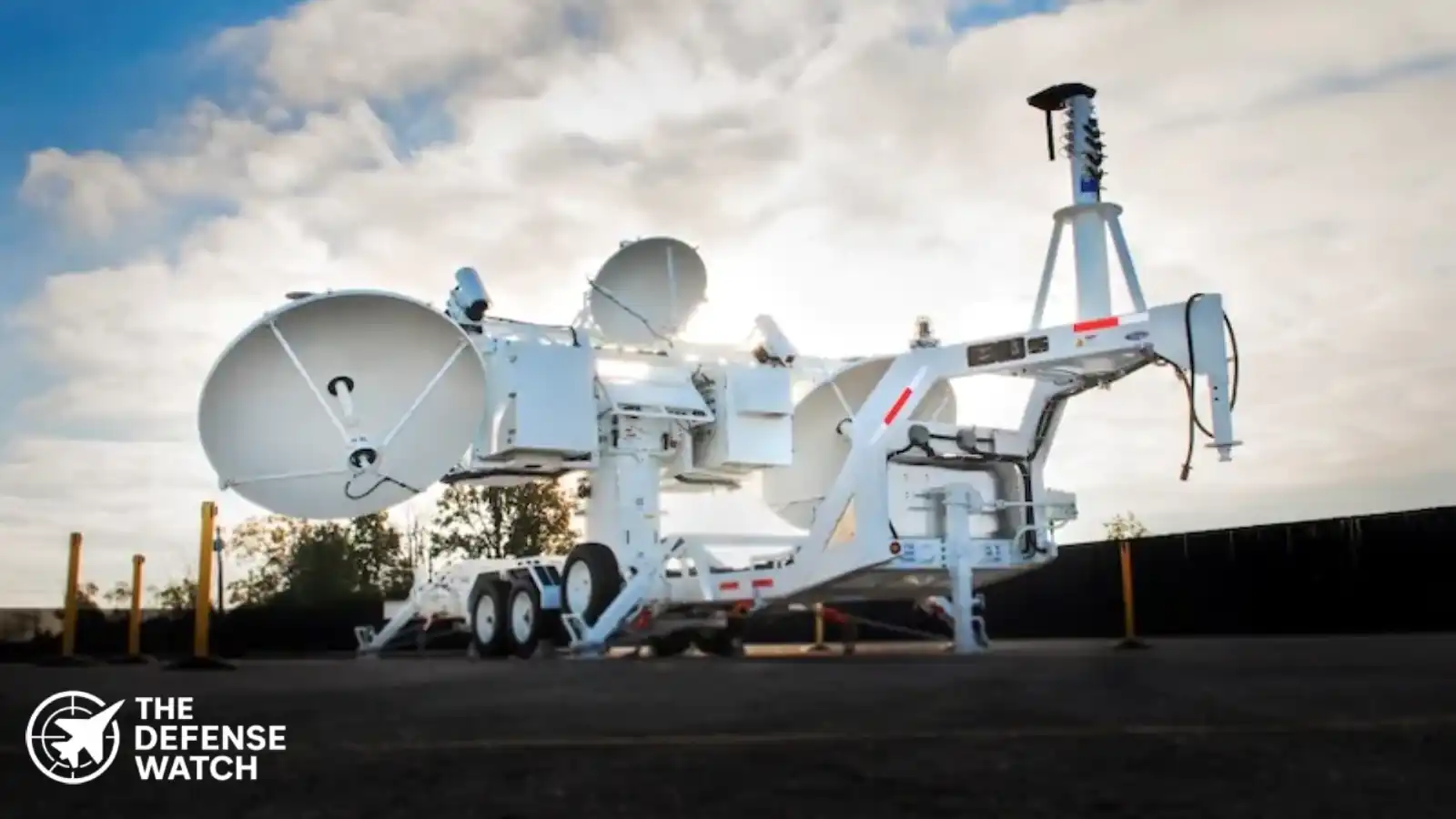
Northrop Grumman Electronic Warfare Cooperation Gains Momentum
Northrop Grumman electronic warfare cooperation with Japan is gaining new attention as Tokyo accelerates military modernization in response to a more contested Indo-Pacific security environment.
Representatives from Northrop Grumman discussed potential cooperation opportunities with Japanese defense stakeholders focused on electronic warfare capabilities. The talks come as Japan seeks stronger deterrence, improved resilience, and better interoperability with U.S. forces.
- Northrop Grumman held discussions with Japanese officials and industry leaders on electronic warfare cooperation.
- Talks focused on strengthening defenses against emerging airborne, maritime, and missile threats.
- Japan is rapidly increasing defense spending and investing in advanced standoff and counterstrike capabilities.
- Electronic warfare systems can disrupt radars, sensors, communications, and guided weapons.
- Cooperation highlights growing U.S.-Japan focus on high-end deterrence in the Indo-Pacific.
Electronic warfare, often shortened to EW, includes technologies used to detect, jam, deceive, or protect against hostile radars, communications, navigation signals, and targeting networks. In modern conflict, control of the electromagnetic spectrum can be as important as air or sea superiority.
Why Japan Is Prioritizing Electronic Warfare
Japan has announced major long-term defense spending increases and has shifted from a primarily homeland defense model toward broader deterrence and strike readiness.
That includes investment in:
- Long-range precision strike systems
- Integrated air and missile defense
- Intelligence, surveillance, and reconnaissance networks
- Space and cyber resilience
- Electronic warfare platforms and sensors
This shift reflects concerns over regional missile inventories, gray-zone coercion, and the rapid pace of military technology development across the Indo-Pacific.
Electronic warfare is especially relevant for Japan because of its geographic position. As an island nation with major sea lanes, forward air bases, and dense civilian communications infrastructure, the ability to defend networks while degrading adversary sensors is increasingly critical.
What Northrop Grumman Brings To The Table
Northrop Grumman is one of the United States’ leading defense technology firms with deep experience in electronic warfare, airborne sensors, mission systems, stealth integration, and command-and-control networks.
Its portfolio includes systems for aircraft survivability, radar warning, signal intelligence, and advanced jamming. The company also plays a central role in major U.S. military programs including strategic bombers, missile defense, and next-generation aircraft.
For Japan, partnering with experienced U.S. firms can reduce development timelines and improve interoperability with allied forces already operating similar systems.
Strategic Meaning Beyond Technology
This cooperation is not only about hardware. It signals a broader U.S.-Japan effort to prepare for conflicts where cyber operations, long-range fires, drones, and network disruption occur simultaneously.
In a future crisis, forces that lose access to sensors, GPS, secure communications, or radar coverage can be severely constrained. That is why electronic warfare is now central to military planning.
Japan’s Self-Defense Forces have historically emphasized high-quality conventional platforms such as destroyers, submarines, and fighter aircraft. The next stage of modernization is increasingly about software, sensors, data links, spectrum control, and survivability.
That makes Northrop Grumman electronic warfare cooperation strategically important, even if no formal procurement announcement has yet been made.
Industrial Benefits For Japan
Cooperation could also support Japan’s defense industrial base through licensed production, subsystem integration, maintenance work, or joint research.
Tokyo has placed growing emphasis on domestic manufacturing capacity and supply chain resilience. Programs that combine U.S. technology with Japanese production capability are often politically and operationally attractive.
If structured effectively, such partnerships can create faster sustainment cycles, local expertise, and stronger readiness during prolonged contingencies.
Outlook
No contract details or program values were publicly disclosed in the reported discussions. However, the timing is notable. Regional militaries are investing heavily in drones, precision weapons, and sensor networks, all of which increase the importance of electronic warfare.
For that reason, Northrop Grumman electronic warfare cooperation with Japan may become one of the quieter but more significant defense developments in the Indo-Pacific over the coming years.
Get real time update about this post category directly on your device, subscribe now.
