On the morning of June 9, 1982, in the narrow farmland corridor of Lebanon’s Bekaa Valley, the Israeli Air Force ran an experiment that Soviet air defense doctrine had never accounted for: what happens when the “eyes” of an integrated air defense system are fed a lie from the very first radar sweep. Within roughly two hours, the majority of Syria’s dug-in SAM network lay in ruins. By the time a U.S.-brokered ceasefire took hold the next day, Syria had lost dozens of fighter aircraft in the air battles that followed, and the IAF had lost none in aerial combat. Operation Mole Cricket 19 — known in Hebrew as Mivtza Artzav Tsha-Esreh — became the first time in history a Western-equipped air force dismantled a Soviet-built SAM belt outright, and it did so using a kill chain built almost entirely on deception, electronic intelligence, and real-time data links rather than raw firepower.

| Strategic Brief | Details |
|---|---|
| Codename / Mission | Operation Mole Cricket 19 (Mivtza Artzav Tsha-Esreh) |
| Date / Theater | June 9, 1982; Bekaa Valley, Lebanon — opening days of the 1982 Lebanon War |
| Executing Force(s) | Israeli Air Force (IAF), under Maj. Gen. David Ivry; RPV units, E-2C Hawkeye squadrons, F-4E/F-15/F-16/Kfir strike and fighter elements |
| Primary Target | Syria’s Bekaa Valley SAM belt — roughly 19 batteries of SA-2 Guideline, SA-3 Goa, and SA-6 Gainful systems |
| Key Platforms & Tech | IAI Scout and Tadiran Mastiff RPVs, E-2C Hawkeye AEW aircraft, Boeing 707 ECM platforms, AGM-45 Shrike and AGM-78 Standard anti-radiation missiles, F-15 Eagle / F-16 Fighting Falcon air cover |
| Mission Outcome | Decisive Israeli victory — most of the Syrian SAM belt destroyed and Syrian Air Force losses in the dozens of aircraft, without IAF air-to-air losses |
Strategic Background & Operational Context
The roots of Mole Cricket 19 go back nearly a decade, to the brutal opening days of the 1973 Yom Kippur War, when Egyptian and Syrian SA-2, SA-3, and SA-6 batteries shot Israeli aircraft out of the sky at an unsustainable rate — the IAF lost dozens of aircraft in the first three days alone. That trauma reshaped Israeli air power doctrine for the next decade: never again fly into a Soviet-designed, radar-guided SAM network without first blinding it.
By the early 1980s, Syria had rebuilt and expanded its integrated air defense system, moving roughly 19 SA-2, SA-3, and SA-6 batteries into Lebanon’s Bekaa Valley as tension over the Palestine Liberation Organization’s presence in southern Lebanon escalated. When Israel launched its ground invasion of Lebanon on June 6, 1982 — Operation Peace for Galilee — Syrian armor and air defense units moved to contest the valley, setting up a direct confrontation between the IDF’s ground advance and a SAM belt that could threaten every sortie flown in support of it. By June 9, with Israeli and Syrian ground forces already engaged, the Israeli high command authorized the IAF to take the SAM network down entirely rather than simply avoid it.
Engineering & Technological Innovation
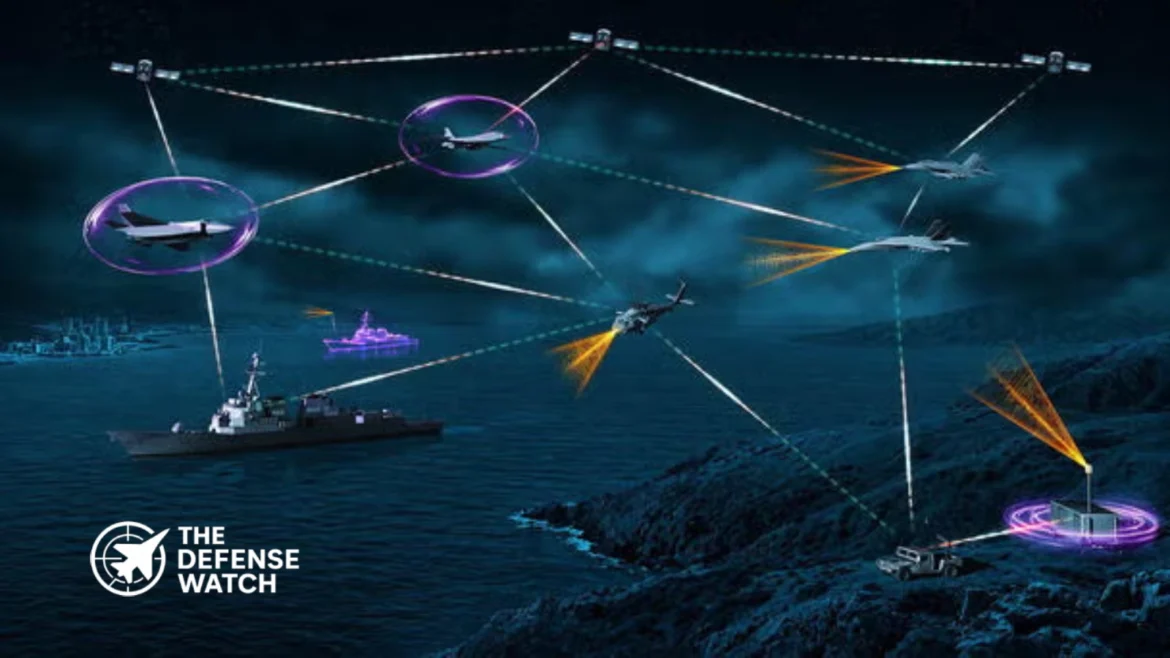
What made Mole Cricket 19 historically significant wasn’t any single weapon — it was the architecture connecting sensors, decoys, and shooters into one loop, executed faster than the Syrian command structure could react.

Unmanned decoys as the opening move. Israel had spent months before the operation flying IAI Scout and Tadiran Mastiff RPVs over the valley to build a detailed picture of every battery’s location and radar signature. On the day of the strike, these same drones — along with additional decoy platforms — were sent in first, flown at altitudes and profiles designed to mimic incoming strike packages on Syrian radar scopes.
Baiting the radars. Syrian SA-6 fire-control crews, believing they faced a genuine air raid, switched on their radars to engage what were, in fact, unmanned and expendable aircraft. The instant those radars illuminated, they became targets themselves.
The sensor relay chain. A second tier of RPVs, orbiting outside SAM engagement range, picked up the emissions and relayed them onward to E-2C Hawkeye airborne early warning aircraft holding station off the coast, safely beyond Syrian reach. Boeing 707 electronic countermeasures aircraft cross-processed the same signals, refining the targeting picture in real time.
Command in real time. IAF chief David Ivry ran the battle from a Tel Aviv command post fed by live data links from the E-2Cs, with a two-way voice channel connecting him directly to pilots overhead — an early and rudimentary version of the networked command-and-control architecture that modern air forces now take for granted.
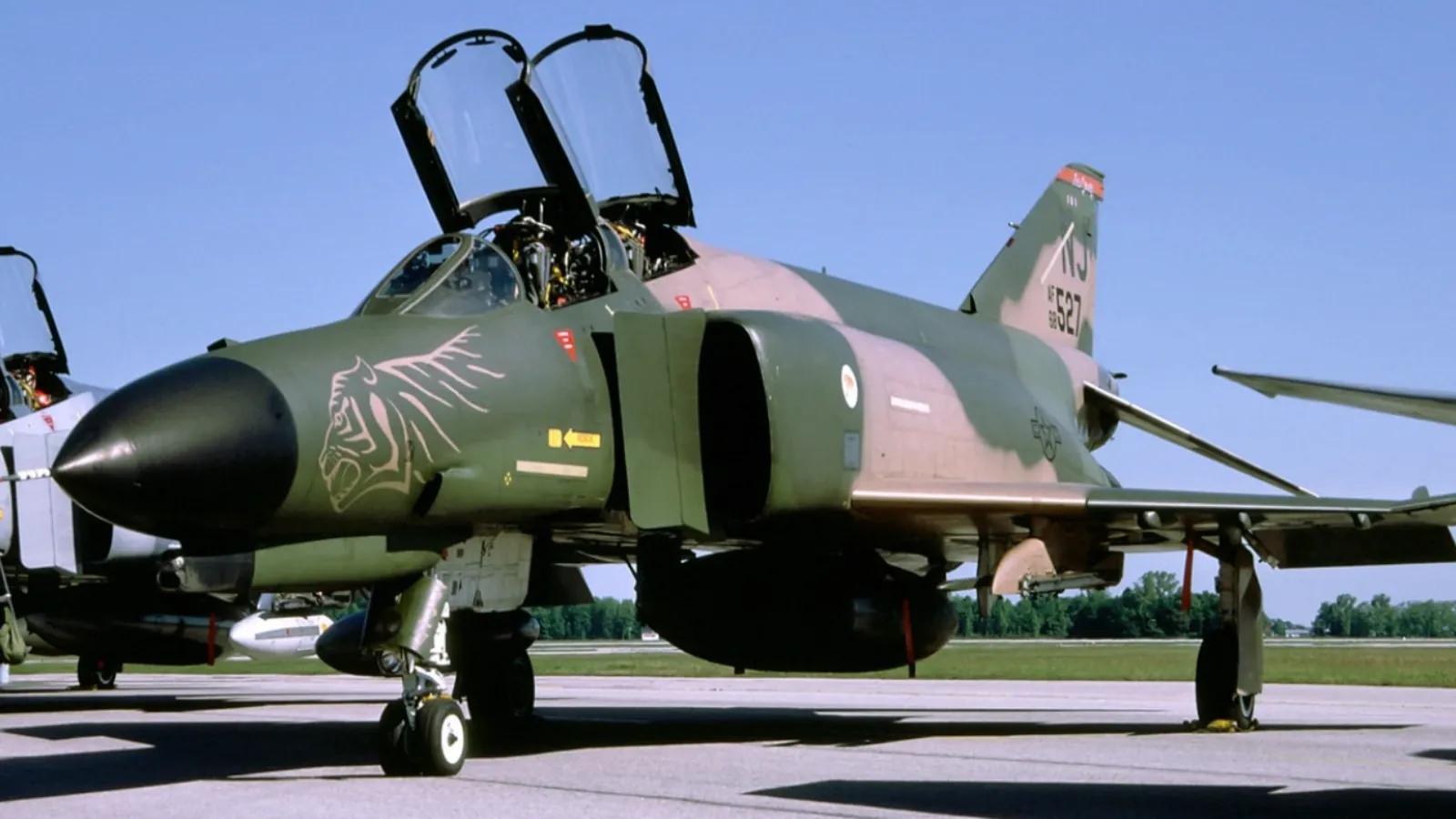
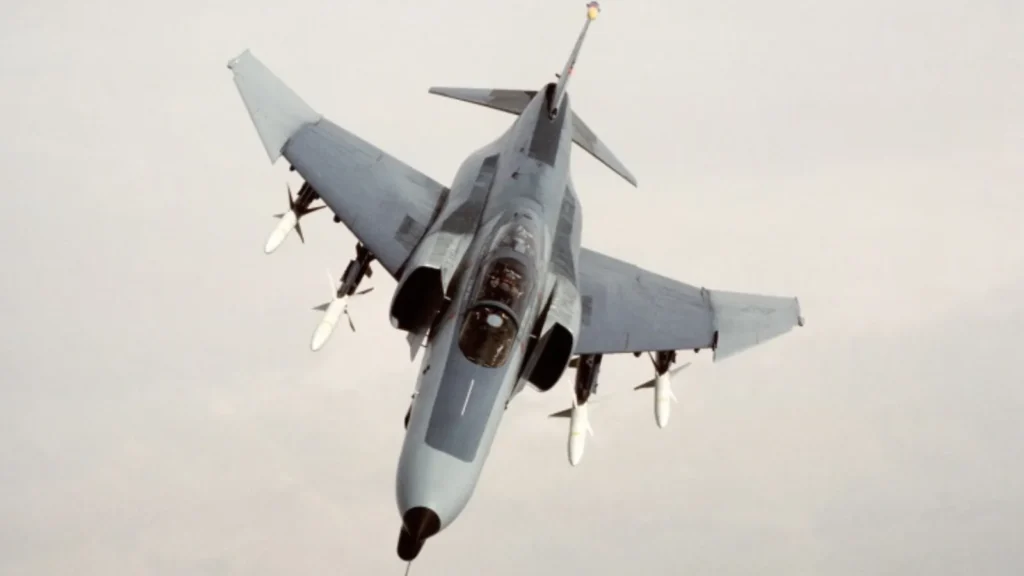
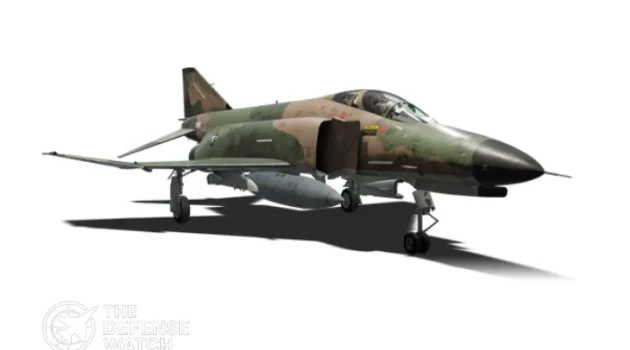
The kill shot. Once a battery’s radar was pinpointed, F-4E Phantoms — flying the Wild Weasel-style SEAD role — fired AGM-45 Shrike and AGM-78 Standard anti-radiation missiles that homed directly on the emitting radars, while other strike aircraft followed up with iron bombs on the launchers themselves. IAF aircraft carried jamming pods throughout to further degrade Syrian radar tracking, and the short flight times of the anti-radiation missiles minimized how long the F-4s were exposed to any SAMs still capable of firing.
Mission Execution & Key Sorties
The suppression phase unfolded with startling speed. As Israeli decoy RPVs entered the valley, Syrian SA-6 batteries activated their Gainful fire-control radars almost immediately, believing they were engaging real aircraft. Within minutes, that same activation had been relayed through the Scout-to-Hawkeye chain and turned into targeting data for the strike package already airborne. F-4 Phantoms began putting anti-radiation missiles onto exposed radar sites, and within roughly two hours, most of Syria’s Bekaa Valley SAM belt — commonly cited as 17 of 19 batteries — had been destroyed or knocked out of action. Syrian crews reportedly fired dozens of SA-6s during the engagement without downing a single Israeli aircraft.
With its SAM umbrella gone, Syria scrambled its fighter force to contest the airspace directly, and the operation tipped into one of the largest jet-era air battles since the Korean War. Waves of Syrian MiG-21 Fishbeds, MiG-23 Floggers, and Su-20 Fitters — at times numbering close to 100 aircraft — rose to meet Israeli F-15 Eagles, F-16 Fighting Falcons, F-4 Phantoms, and Kfirs. Syrian pilots, dependent on ground-controlled interception for tactical direction, found their GCI network degraded by the same electronic warfare effort that had blinded the SAM crews, while E-2C Hawkeyes gave Israeli formations a real-time picture of Syrian aircraft launching from airfields further inland. Armed with AIM-7F Sparrow and AIM-9L Sidewinder missiles and cueing off HUD-assisted intercepts, IAF fighters ran up a lopsided score across the following hours and days of air combat — accounts converge on somewhere between 82 and roughly 90 Syrian aircraft destroyed, against no Israeli losses in air-to-air combat. The scale of the mismatch quickly earned the engagement its lasting nickname: the “Bekaa Valley Turkey Shoot.” By the time U.S. President Ronald Reagan’s ceasefire pressure took effect at noon on June 10, the lopsided kill tally had already been set.
Tactical Outcome & Operational Assessment
Judged purely on its own terms, Mole Cricket 19 was about as close to a clean sweep as SEAD operations get: a defended, overlapping, Soviet-designed SAM network — the same type of system that had bloodied the IAF in 1973 — was rolled up in a single coordinated push, and the air superiority that followed gave Israeli ground forces largely unmolested close air support for the remainder of the Bekaa Valley fighting. The operational lesson that Israeli, American, and NATO planners drew from it was blunt: an integrated air defense system’s greatest vulnerability isn’t its missiles, it’s the moment its radars have to switch on to use them. Feed that moment a lie, and the entire network can be unraveled from the outside in.
That said, the operation is not without its caveats. Precise figures on SAM batteries destroyed and aircraft losses vary between Israeli, Syrian, Soviet, and independent Western accounts, and many operational details — squadron-level tasking, exact missile-count figures, and the full electronic order of battle — remain only partially declassified more than four decades later. Some retrospective analyses also note that Syria’s SAM crews and fighter pilots were operating with GCI-dependent doctrine and less flexible rules of engagement than their Israeli counterparts, which magnified the impact of the deception even before the technological mismatch is considered. The result was decisive, but it was also fought against an adversary whose command structure was uniquely brittle to exactly this kind of disruption.
The Modern Connection: Lineage to 21st-Century Warfare
Mole Cricket 19 is the direct ancestor of modern SEAD/DEAD doctrine. The opening night of Operation Desert Storm in 1991 — decoys and drones drawing out Iraqi radars ahead of a coordinated strike package — followed a blueprint Israeli planners had already proven nine years earlier. The AGM-88 HARM that anchors NATO’s modern anti-radiation missile inventory is a direct technological descendant of the AGM-45 Shrike and AGM-78 Standard that hunted Syrian radars in 1982, just with a far wider seeker bandwidth and longer standoff range.
The decoy-drone concept has aged into something even more consequential: today’s loitering munitions and low-cost expendable UAVs — from Israeli Harpy and Harop systems to the swarms of cheap decoy and strike drones seen over Ukraine and the Red Sea — trace their lineage to the same insight that powered the Mastiff and Scout RPVs over the Bekaa Valley: an unmanned aircraft that draws enemy fire, or absorbs a missile meant for a manned platform, is worth more than its cost many times over. Meanwhile, the real-time data-link architecture that connected E-2C Hawkeyes, Boeing 707 ECM aircraft, and a Tel Aviv command post into a single targeting loop was a primitive but unmistakable forerunner of the Link-16 and networked battle-management systems that now underpin NATO air operations — the difference today being milliseconds of latency instead of the manual relay chains of 1982.
Key Takeaways
- Operation Mole Cricket 19 (June 9, 1982) was the first time a Western-equipped air force destroyed a Soviet-built SAM network in direct engagement, dismantling most of Syria’s 19-battery Bekaa Valley belt in roughly two hours.
- The kill chain relied on unmanned decoy RPVs (IAI Scout, Tadiran Mastiff) baiting SA-6 radars into activating, with E-2C Hawkeye and Boeing 707 ECM aircraft relaying targeting data to F-4E Phantoms firing AGM-45 Shrike and AGM-78 Standard anti-radiation missiles.
- The subsequent air battle became one of the largest jet-era dogfights since the Korean War, with Israeli F-15s and F-16s destroying dozens of Syrian MiG-21s, MiG-23s, and Su-20s without losing an aircraft in air-to-air combat.
- The operation’s decoy-and-jam architecture is the direct doctrinal ancestor of modern SEAD/DEAD tactics, the AGM-88 HARM, and today’s loitering-munition and decoy-drone warfare.
FAQs
What was Operation Mole Cricket 19?It was a June 9, 1982 Israeli Air Force operation to destroy Syria’s SA-2, SA-3, and SA-6 SAM network in Lebanon’s Bekaa Valley at the outset of the 1982 Lebanon War, using decoy drones, electronic warfare, and anti-radiation missiles.
Why is it called the “Bekaa Valley Turkey Shoot”?The nickname refers to the lopsided air battle that followed the SAM suppression, in which Israeli fighters destroyed dozens of Syrian aircraft — commonly cited as 82 to roughly 90 — without losing any in air-to-air combat.
What role did drones play in Mole Cricket 19?IAI Scout and Tadiran Mastiff RPVs served as both reconnaissance platforms in the months before the strike and as decoys on the day itself, drawing Syrian SAM radars into activating so their positions could be pinpointed and struck.
How does Mole Cricket 19 connect to modern warfare?Its decoy-drone-plus-anti-radiation-missile template underpins modern SEAD/DEAD doctrine, informed the opening strikes of Operation Desert Storm, and its expendable-UAV logic is a direct precursor to today’s loitering munitions and drone-decoy tactics.
Esports & Wargaming Crossover: Fighting the Same Battle in Combined-Arms Sims
For strategy gamers, Mole Cricket 19 is a familiar shape wearing a historical uniform. Any player who has run a SEAD package in a modern combined-arms wargame or flight sim — sacrificing a cheap scout unit or decoy drone to bait an enemy’s air defense into revealing itself, then following up with a precision strike before it can reposition — is running the exact same tempo Israeli planners executed in 1982. The lesson translates directly into competitive strategy titles built around fog-of-war and unit signature: cheap, expendable reconnaissance assets that force an opponent to react are frequently worth more than their raw combat value, because the information (and the enemy’s exposure) they generate is the real payoff. It’s a large part of why flight-sim communities built around DCS World continue to recreate Mole Cricket 19 as a scenario decades later — the tactical puzzle it poses hasn’t gotten any less interesting.
Executive Summary:
Israel Aerospace Industries (IAI) has introduced Ellyon, a new airborne electronic warfare system designed to combine stand-off and escort jamming capabilities into a single modular solution. Revealed during the 2026 Farnborough International Airshow, the system is intended to improve aircraft survivability against increasingly sophisticated radar-guided air defense networks while reducing integration complexity for military operators.
IAI Unveils Ellyon Airborne Jamming System To Expand Electronic Warfare Capability
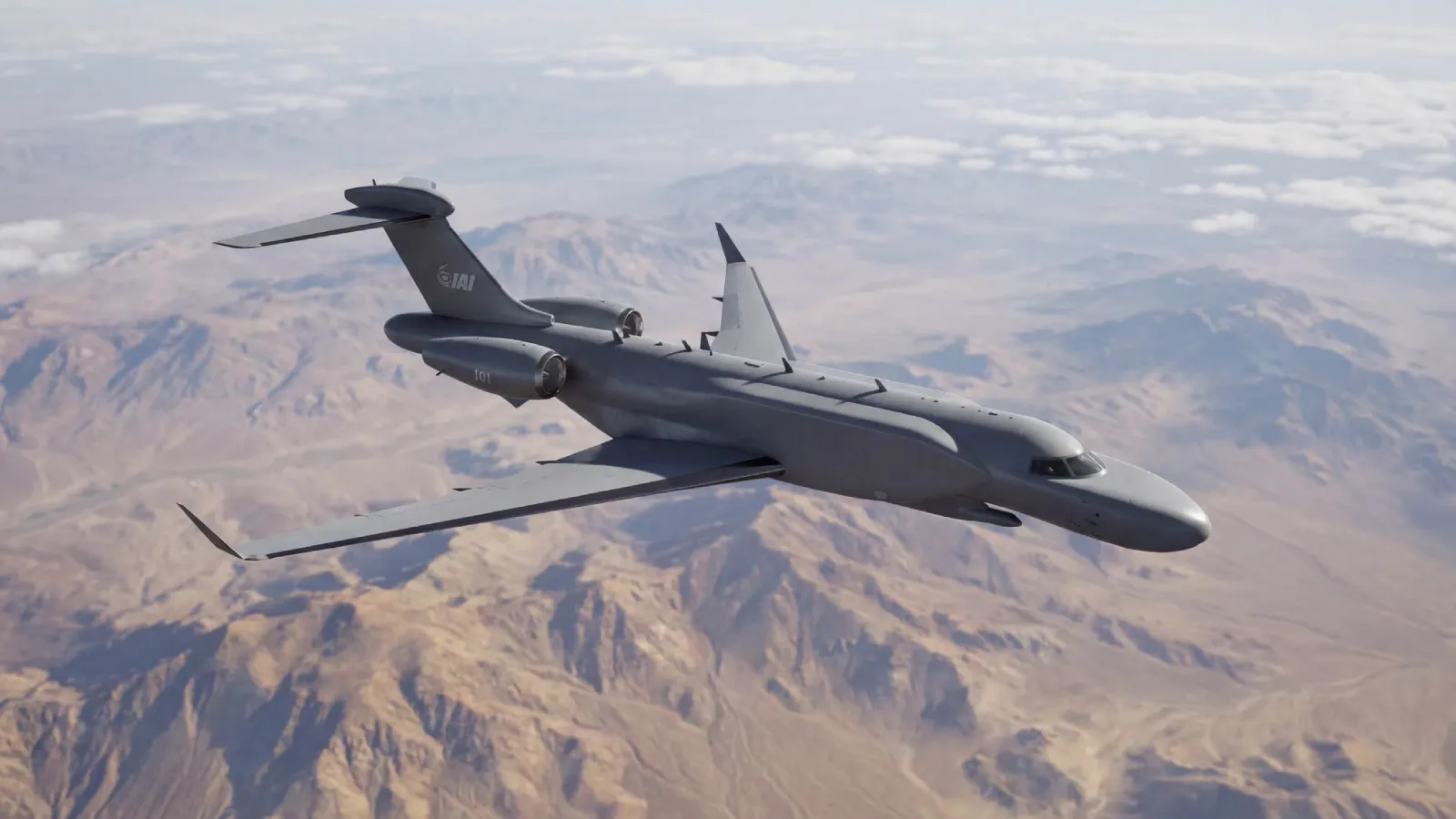
Israel Aerospace Industries (IAI) has officially introduced the Ellyon airborne jamming system, a new electronic warfare solution designed to provide multiple airborne electronic attack missions from a single platform.
The system was unveiled during the 2026 Farnborough International Airshow, where company officials described Ellyon as an integrated electronic warfare architecture capable of supporting both escort jamming and stand-off jamming missions. According to IAI, the new capability is intended to simplify airborne electronic attack operations while improving survivability for strike packages operating against advanced integrated air defense systems (IADS).
A Single Platform For Multiple Electronic Attack Missions
Electronic warfare has become one of the most critical capabilities for modern air forces as radar networks continue to evolve with digital processing, passive sensors, and long-range surface-to-air missile systems.
Rather than relying on separate aircraft configured for different missions, Ellyon combines several electronic attack functions into one modular architecture.
According to IAI, the system can support:
| Capability | Operational Purpose |
|---|---|
| Escort Jamming | Protect strike aircraft flying into contested airspace |
| Stand-Off Jamming | Disrupt enemy radar from outside engagement zones |
| Electronic Attack | Reduce effectiveness of hostile radar systems |
| Modular Integration | Install on multiple aircraft types with limited modifications |
The company says the architecture can be adapted to various aircraft sizes, allowing operators to select the most suitable platform based on mission requirements.
Designed For Modern Integrated Air Defense Systems
Modern integrated air defense systems increasingly rely on layered radar coverage, digital networking, and long-range missile batteries capable of engaging aircraft at significant distances.
Instead of physically destroying every radar site, electronic attack systems seek to degrade or deny an opponent’s ability to detect, track, and engage friendly aircraft.
IAI says Ellyon is designed specifically for these operational environments by generating powerful electronic effects intended to interfere with hostile sensors while supporting friendly air operations.
Although the company has not publicly disclosed technical performance figures such as output power, frequency coverage, or effective jamming range, it emphasized that the system can be configured for multiple mission profiles.
Modular Design Offers Greater Operational Flexibility
One of Ellyon’s primary design features is its modular architecture.
Traditional airborne electronic warfare platforms often require extensive aircraft modifications or dedicated mission aircraft, increasing procurement and sustainment costs.
By comparison, IAI says Ellyon can be integrated onto different aircraft depending on customer requirements, providing flexibility for operators with diverse fleets.
Potential host aircraft could include:
- Business jets
- Maritime patrol aircraft
- Medium transport aircraft
- Special mission aircraft
This approach may reduce lifecycle costs while allowing air forces to expand electronic warfare capacity without acquiring entirely new dedicated fleets.
Growing Demand For Airborne Electronic Warfare
The introduction of Ellyon reflects a broader trend across global defense modernization programs.
Conflicts during the past decade have demonstrated that electronic warfare is no longer a niche capability but a central element of modern air operations.
Air forces increasingly require aircraft capable of:
- Supporting suppression of enemy air defenses (SEAD)
- Protecting strike packages
- Countering advanced radar systems
- Operating in heavily contested electromagnetic environments
Manufacturers across the United States, Europe, and Israel have expanded investments in airborne electronic attack systems as militaries prioritize survivability against increasingly capable air defense networks.
Why Ellyon Matters
The launch of Ellyon illustrates how electronic warfare is shifting toward modular, scalable mission systems rather than highly specialized aircraft.
For many air forces, purchasing dedicated electronic attack aircraft similar to larger strategic platforms is financially unrealistic. A modular system that can be integrated onto existing business jets or surveillance aircraft provides an alternative path to acquiring advanced electronic warfare capabilities.
This trend also aligns with broader military modernization efforts emphasizing distributed operations. Instead of relying on a small number of unique electronic warfare aircraft, operators can potentially deploy multiple Ellyon-equipped platforms across different theaters, increasing resilience and operational flexibility.
For the United States and allied air forces, the continued evolution of electronic warfare remains essential as potential adversaries field increasingly sophisticated integrated air defense systems with longer engagement ranges, digital signal processing, and improved resistance to conventional jamming techniques.
Systems such as Ellyon highlight how future electronic warfare capabilities are expected to emphasize adaptability, software-driven upgrades, and modular integration rather than platform-specific solutions. This allows operators to respond more rapidly as electromagnetic threats evolve.
Technical Overview
| Feature | Details |
|---|---|
| Manufacturer | Israel Aerospace Industries (IAI) |
| System | Ellyon |
| Mission | Airborne Electronic Warfare |
| Primary Roles | Escort Jamming, Stand-Off Jamming |
| Integration | Modular architecture for multiple aircraft types |
| Announcement | Farnborough International Airshow 2026 |
| Intended Users | Military air forces and special mission operators |
Strategic Outlook
Electronic warfare continues to be one of the fastest-growing segments of defense modernization. As integrated air defense systems become more capable, militaries are investing in systems that can disrupt enemy sensors rather than relying solely on kinetic weapons.
IAI’s Ellyon enters an increasingly competitive market that includes electronic attack solutions from U.S., European, and Israeli manufacturers. Its emphasis on modular integration and multi-mission capability reflects broader procurement trends favoring adaptable systems that can be rapidly deployed across existing aircraft fleets.
If successfully adopted by international customers, Ellyon could offer air forces a lower-cost path toward expanding electronic attack capacity while improving the survivability of combat aircraft operating in contested environments.
Japan Advances EC-2 Stand Off Jammer Flight Testing To Expand Airborne Electronic Warfare Capability
Executive Summary:
Japan has moved its EC-2 Stand Off Jammer electronic warfare aircraft into flight testing, marking a significant milestone in the country’s effort to modernize airborne electromagnetic warfare capabilities. Based on the Kawasaki C-2 transport aircraft, the EC-2 is designed to disrupt hostile radar and communications networks while supporting future air operations across the Indo Pacific.
Japan Advances EC-2 Electronic Warfare Aircraft Toward Operational Service
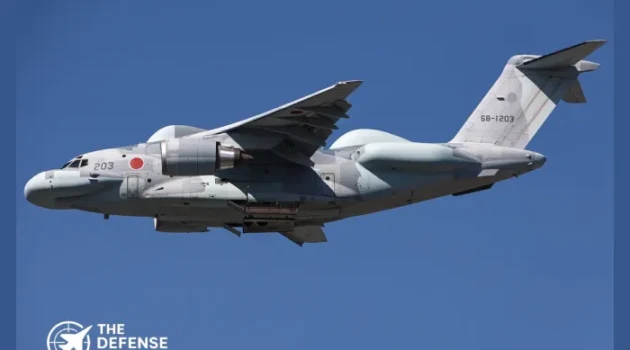
Japan’s EC-2 electronic warfare aircraft has entered flight testing, representing an important step in the Japan Air Self Defense Force’s effort to expand its ability to conduct stand off electronic attack missions. Recent imagery released by the Air Development and Test Command confirms the aircraft is progressing through its development program after extensive structural modifications to the Kawasaki C-2 transport platform.
The EC-2 is intended to replace Japan’s lone EC-1 electronic warfare aircraft, which has served since 1986. Rather than maintaining a single specialized platform, Tokyo plans to field four EC-2 aircraft, providing a significantly larger operational electronic warfare fleet capable of supporting multiple missions simultaneously.
A Purpose Built Stand Off Jammer
Unlike conventional intelligence aircraft, the EC-2 is designed to remain outside the engagement range of hostile air defense systems while disrupting enemy radar, communications, and command networks.
Major mission areas include:
- Long range radar jamming
- Communications disruption
- Electronic intelligence collection
- Electromagnetic spectrum support for fighter operations
- Suppression of integrated air defense systems (IADS)
Large mission radomes mounted on the aircraft’s nose, upper fuselage, and rear fuselage house antennas and electronic warfare equipment required for detecting, analyzing, and transmitting high power electronic attack signals.
Development Timeline
Japan’s Ministry of Defense structured the EC-2 program into two major phases.
Program Phase Timeline Primary Objective Phase One FY2020 to FY2026 Develop stand off jamming capability and integrate electronic warfare systems Phase Two FY2023 to FY2032 Improve system maturity, reliability, and prepare for operational deployment The aircraft incorporates domestically developed electronic warfare technologies derived from previous Japanese programs, including upgraded electronic countermeasure systems and advanced radio frequency measurement equipment. This approach reduces dependence on foreign suppliers while protecting sensitive mission technologies.
Built Upon The Kawasaki C-2 Airlifter
The EC-2 uses the Kawasaki C-2 military transport aircraft as its baseline platform.
Key characteristics include:
Specification Details Platform Kawasaki C-2 Engines Two GE CF6-80C2 turbofan engines Maximum Payload Approximately 36 tons Typical Cargo Range About 7,600 km Maximum Speed Mach 0.82 Primary Mission Stand off electronic warfare The C-2’s large internal volume, electrical generation capacity, and long endurance make it well suited for carrying sophisticated electronic warfare equipment while maintaining extended mission durations.
Why The EC-2 Matters
The EC-2 represents more than a replacement aircraft. It reflects Japan’s broader shift toward operating within contested electromagnetic environments, where controlling the spectrum has become as important as traditional air superiority.
Modern military operations increasingly rely on interconnected sensors, secure communications, and networked command systems. Electronic warfare aircraft such as the EC-2 can degrade or deny these systems without launching kinetic weapons, allowing friendly aircraft to operate with reduced exposure to advanced air defense networks.
For Japan, this capability is particularly relevant given the growing density of long range surveillance radars, integrated air defense systems, and anti access capabilities throughout the Indo Pacific. A stand off jammer can help open corridors for fighter aircraft, support maritime operations, and complicate an adversary’s ability to detect or coordinate against Japanese and allied forces.
The expansion from one EC-1 aircraft to a planned fleet of four EC-2s also improves operational resilience. Multiple aircraft can sustain longer deployments, support simultaneous regional operations, and provide redundancy during maintenance or upgrades.
Part Of Japan’s Broader C-2 Mission Expansion
The EC-2 is one of several specialized variants built on the Kawasaki C-2 platform.
Japan has already introduced the RC-2 electronic intelligence aircraft for signals collection, while defense planners have also examined adapting the C-2 for long range strike support and other specialized missions. Together, these variants transform the aircraft from a strategic transport into a flexible multi mission platform supporting intelligence, electronic warfare, logistics, and future long range operations.
Strategic Outlook
The EC-2’s flight testing marks a significant milestone in Japan’s defense modernization strategy. Although the aircraft has not yet entered operational service, successful testing demonstrates continued progress toward fielding an indigenous airborne electronic attack capability.
As militaries place increasing emphasis on electromagnetic spectrum operations, stand off jamming platforms such as the EC-2 are becoming essential force multipliers alongside fighters, airborne early warning aircraft, and intelligence assets. For Japan and its regional partners, expanding electronic warfare capacity strengthens the ability to operate effectively in increasingly contested environments while enhancing deterrence across the Indo Pacific.
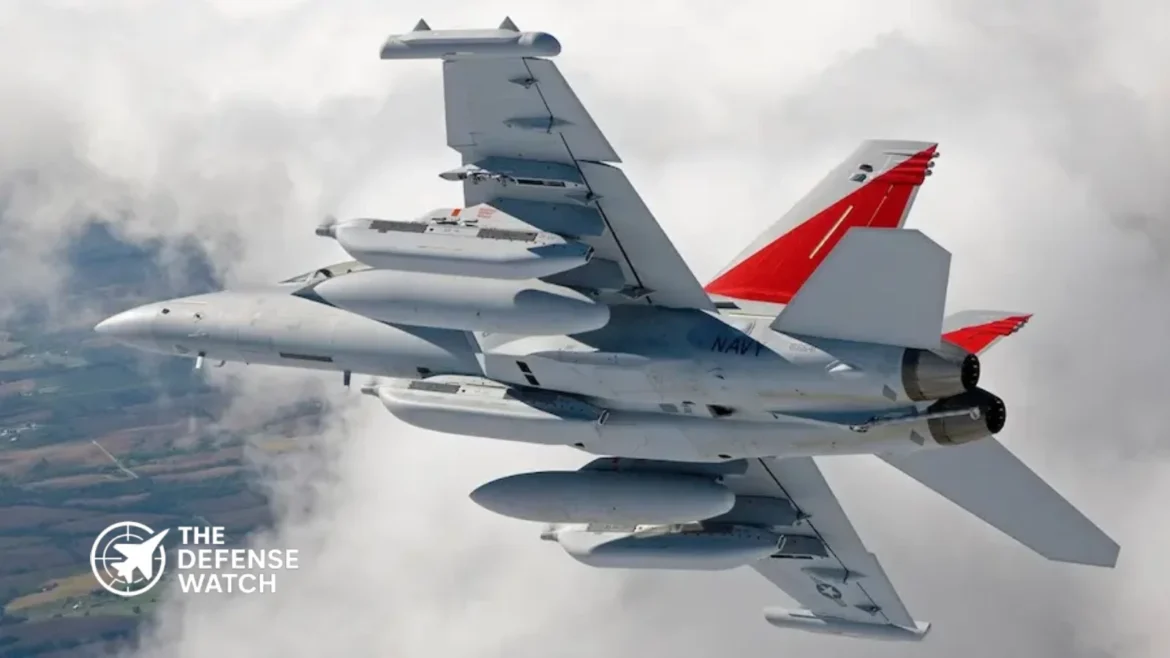
The U.S. Navy has awarded The Boeing Company a $25.06 million contract modification to expand development of advanced electronic warfare hardware for the Block III F/A-18E/F Super Hornet, further strengthening the aircraft’s survivability against increasingly sophisticated radar and missile threats.
According to the Naval Air Systems Command (NAVAIR), headquartered in Patuxent River, Maryland, the modification adds work covering engineering, final design, fabrication, and delivery of Advanced Electronic Warfare (AEW) A-kits that will support developmental testing and eventual fleet-wide integration. The award modifies a previously issued Basic Ordering Agreement and was issued on a cost-plus-fixed-fee basis without competition
- Boeing received a $25.06 million U.S. Navy contract modification to develop Advanced Electronic Warfare A-kits for the Block III F/A-18E/F Super Hornet.
- The hardware will support aircraft equipped with both standard and Wide Band Radar configurations.
- Four flight test A-kits will be delivered to support developmental testing before broader fleet integration.
- The modernization effort enhances the Super Hornet’s ability to operate in highly contested electromagnetic environments.
- Work will continue through December 2028 across four U.S. defense and aerospace facilities.
Deep Technical & Strategic Context Analysis
The Block III F/A-18E/F Super Hornet represents the latest evolution of the U.S. Navy’s primary carrier based multirole fighter. Beyond improvements such as conformal fuel tanks, enhanced networking, reduced radar signature refinements, and the Distributed Targeting Processor Networked (DTP-N), the Navy is increasingly investing in the aircraft’s electronic warfare architecture. As modern integrated air defense systems continue to evolve, aircraft survivability depends as much on their ability to sense, deceive, and disrupt enemy sensors as on traditional kinetic weapons.
The newly funded Advanced Electronic Warfare A-kits provide the structural wiring, mounting provisions, power interfaces, cooling, and other installation hardware needed to integrate future electronic warfare equipment into the aircraft. In defense acquisition terminology, an A-kit consists of permanent aircraft modifications that enable rapid installation of mission equipment, while the B-kit generally refers to the removable operational electronics themselves. By delivering standardized A-kits, the Navy can accelerate fleet upgrades while reducing installation complexity during depot maintenance.
The contract’s cost-plus-fixed-fee structure is commonly used for engineering and developmental efforts where technical uncertainty remains. Under this arrangement, the government reimburses allowable development costs while paying Boeing a fixed management fee. This approach reduces contractor risk during complex design activities while allowing NAVAIR to oversee evolving technical requirements before production hardware is fielded.
The modernization also supports the Navy’s broader strategy of maintaining the Block III Super Hornet as a highly capable strike fighter alongside the carrier based F-35C Lightning II. While the F-35 contributes low observable capabilities and advanced sensor fusion, upgraded Super Hornets equipped with improved electronic warfare systems significantly expand the carrier air wing’s ability to conduct suppression of enemy air defenses, maritime strike, fleet defense, and distributed operations in contested electromagnetic environments.
Contract Breakdown & Details
Scope of Work
The contract modification expands Boeing’s responsibilities to include:
- Non recurring engineering for Advanced Electronic Warfare integration.
- Final design and fabrication of Advanced Electronic Warfare A-kits.
- Delivery of A-kits supporting multiple Block III aircraft configurations.
- Installation verification and checkout activities.
- Preparation of modification instructions for fleet implementation.
- Delivery of four flight test A-kits supporting developmental testing before operational fielding.
Aircraft Configurations Supported
The hardware will support:
- Block III F/A-18E/F aircraft equipped with the Wide Band Radar system.
- Block III aircraft without the Wide Band Radar configuration.
This ensures compatibility across different production and modernization standards within the Navy’s growing Block III fleet.
Geographic Workshare
The work will be distributed across multiple U.S. defense locations:
- St. Louis, Missouri: 55%
- Patuxent River, Maryland: 20%
- China Lake, California: 15%
- El Segundo, California: 10%
Funding
- Contract Value: $25,058,195
- Contract Type: Cost Plus Fixed Fee modification
- Award Modification: P00005
- Basic Ordering Agreement: N0001921G0006
- Managing Agency: Naval Air Systems Command
- Funding Source: Fiscal Year 2026 Navy Research, Development, Test and Evaluation (RDT&E)
- Funds Obligated at Award: $10,066,704
- Expected Completion: December 2028
Why This Upgrade Matters
Electronic warfare has become one of the defining capabilities of modern combat aviation. Potential adversaries continue deploying longer range surface to air missile systems, digital radar networks, passive detection sensors, and electronic attack capabilities designed to challenge legacy aircraft.
By expanding the Block III Super Hornet’s electronic warfare infrastructure today, the U.S. Navy is creating a modular architecture capable of integrating future jamming, electronic support, and electronic protection technologies throughout the aircraft’s remaining service life. This incremental modernization strategy helps ensure the Super Hornet remains a relevant and survivable carrier based fighter well into the 2030s while complementing the Navy’s fifth generation aviation assets.
Executive Summary:
The U.S. Naval Research Laboratory has awarded Assurance Technology Corp. a contract valued at more than $10.2 million, with options that could raise the total value to nearly $54.6 million. The effort focuses on the development, support, integration, and advancement of software-definable and reconfigurable military systems, a capability increasingly viewed as critical for modern electronic warfare, sensing, and network-centric operations.
The U.S. Department of Defense announced that Assurance Technology Corp. of Carlisle, Massachusetts, has received a $10.2 million cost-plus-fixed-fee contract from the U.S. Naval Research Laboratory (NRL) for systems development, support, and integration activities related to software-definable and reconfigurable systems.
According to the contract announcement, the award contains multiple option periods that could increase its cumulative value to approximately $54.6 million if fully exercised. The Naval Research Laboratory in Washington, D.C. serves as the contracting activity for the program under contract number N0017326C2433.
Deep Technical & Strategic Context Analysis
Software-definable and reconfigurable systems have become a cornerstone of modern military modernization efforts. Unlike traditional hardware-centric architectures, these systems allow military platforms to modify functionality through software updates rather than physical redesigns. This approach significantly shortens development cycles and enables rapid adaptation to evolving threats across electronic warfare, communications, radar, intelligence collection, autonomous systems, and command-and-control networks.
For the U.S. Navy and broader Joint Force, reconfigurable architectures are increasingly important as potential adversaries deploy more sophisticated electronic attack systems, cyber capabilities, and adaptive battlefield networks. Defense planners are placing greater emphasis on open-system architectures and software-defined capabilities that can be upgraded in operational environments without requiring costly hardware replacement programs. Such technologies are also central to the Pentagon’s broader push toward Joint All-Domain Command and Control (JADC2), distributed maritime operations, and next-generation electromagnetic spectrum superiority initiatives.
The contract structure itself provides insight into the program’s developmental nature. A cost-plus-fixed-fee arrangement is commonly used for advanced research and engineering efforts where technical requirements may evolve during execution. Under this model, the government reimburses allowable project costs while paying a predetermined fee to the contractor. This approach shifts much of the developmental risk away from industry and is frequently employed for cutting-edge research programs involving emerging technologies, prototype development, and experimental systems integration.
Assurance Technology has historically supported U.S. defense and intelligence community programs involving signal processing, electronic warfare, communications, and advanced sensor technologies. The latest award suggests continued Navy investment in adaptable software-driven architectures capable of supporting future operational requirements across multiple mission areas.
Contract Breakdown & Details
Contract Overview
- Awardee: Assurance Technology Corp.
- Headquarters: Carlisle, Massachusetts
- Contract Value at Award: $10,206,969
- Potential Maximum Value: $54,577,827
- Contract Type: Cost-Plus-Fixed-Fee (CPFF)
- Contract Number: N0017326C2433
- Contracting Activity: U.S. Naval Research Laboratory (NRL), Washington, D.C.
Scope Of Work
The contract covers:
- Systems development
- Systems integration
- Engineering support
- Software-definable system technologies
- Reconfigurable military system architectures
- Research and technology maturation activities
Geographic Workshare
Work will be conducted at two primary locations:
- Carlisle, Massachusetts: 70%
- U.S. Naval Research Laboratory, Washington, D.C.: 30%
Program Timeline
- Contract Award: Fiscal Year 2026
- Expected Completion: June 2031
Initial Funding
The Navy obligated:
- $1,025,000 in Fiscal Year 2026 Research, Development, Test and Evaluation (RDT&E) funding at the time of award.
The funding will remain available beyond the current fiscal year and will not expire at fiscal year-end.
Competition Details
- Procurement Method: Full and open competitive acquisition
- Solicitation Platform: SAM.gov Contract Opportunities
- Offers Received: Two
Strategic Implications
The award reflects a broader Pentagon trend toward software-centric military capability development. As warfare increasingly depends on adaptability across the electromagnetic spectrum, software-defined architectures provide a mechanism for rapidly deploying new capabilities without lengthy hardware redesign cycles.
For the Naval Research Laboratory, continued investment in reconfigurable systems supports long-term objectives in electronic warfare resilience, sensor modernization, autonomous systems integration, and future naval networking concepts. Programs of this type often serve as foundational technology efforts that later transition into operational Navy, Marine Corps, and joint-service acquisition programs.
Executive Summary: The U.S. Navy has awarded Northrop Grumman a $61.3 million contract to produce upgraded AN/ALQ-218 tactical jamming receiver components for the EA-18G Growler fleet. The modernization effort strengthens the aircraft’s ability to detect, identify, and counter increasingly sophisticated enemy radar and air defense systems through 2030.
Deep Technical & Strategic Context Analysis
The contract, awarded by Naval Air Systems Command (NAVAIR) at Patuxent River, Maryland, funds the production of critical electronic warfare subsystems supporting the EA-18G Growler, the U.S. Navy’s premier airborne electronic attack platform. The Growler serves as the backbone of carrier-based electromagnetic warfare operations, providing suppression of enemy air defenses (SEAD), electronic surveillance, and offensive jamming capabilities across the Indo-Pacific, Europe, and Middle East.
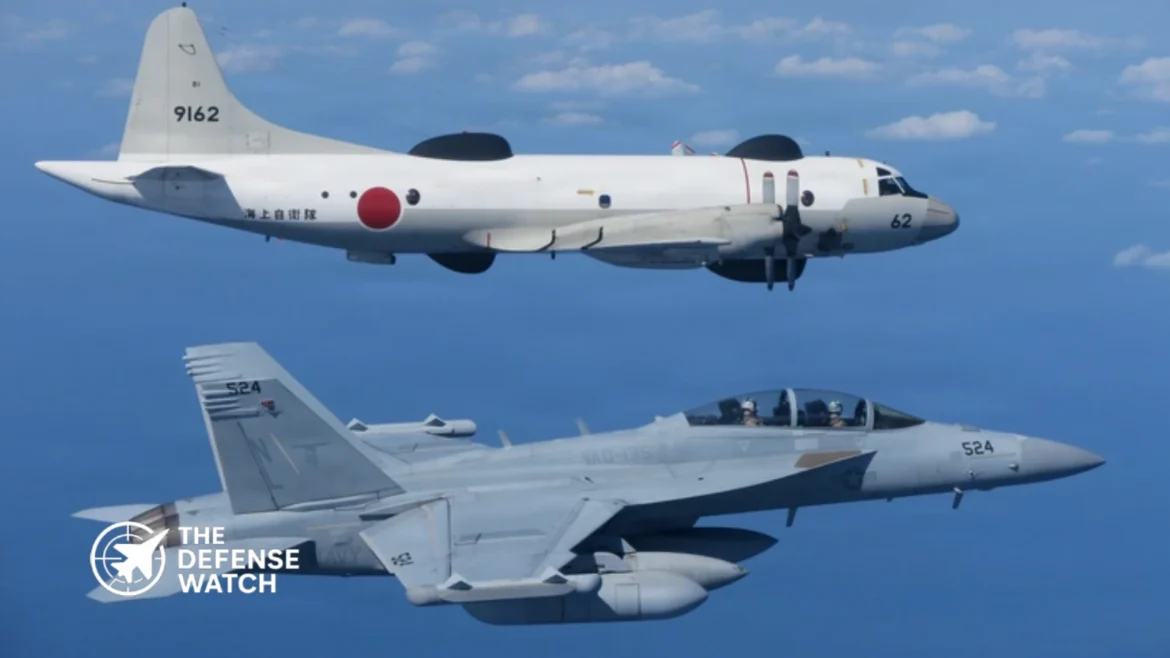
At the heart of the award is the AN/ALQ-218 receiver suite, one of the most important sensor systems aboard the Growler. Unlike traditional radar warning receivers that merely alert aircrews to threats, the AN/ALQ-218 performs advanced signal detection, geolocation, identification, and emitter tracking across a wide spectrum of radio frequency bands. The system works closely with the AN/ALQ-99 Tactical Jamming System and the emerging Next Generation Jammer (NGJ) family, enabling Growler crews to locate, classify, and disrupt hostile radar networks.
The latest procurement reflects the Navy’s broader effort to maintain electromagnetic superiority against increasingly capable integrated air defense systems fielded by near-peer competitors. Modern Russian and Chinese radar architectures employ agile frequencies, digital signal processing, and networked sensor fusion techniques that place growing demands on legacy electronic support measures. Upgrading processor units and digital measurement receivers enhances the Growler’s ability to process larger volumes of signals, improve threat identification accuracy, and support future software-defined electronic warfare capabilities.
From a procurement perspective, the award is structured as a firm-fixed-price contract. Under this arrangement, Northrop Grumman assumes responsibility for delivering the specified hardware at an agreed price, limiting cost growth risk to the government while incentivizing manufacturing efficiency and schedule discipline.
Contract Breakdown & Details
Program Overview
Northrop Grumman Mission Systems, based in Linthicum, Maryland, received a contract valued at $61,333,595 for the production and delivery of upgraded electronic warfare assemblies supporting the EA-18G Growler fleet.
Equipment Being Procured
The contract includes:
- 28 B-Kit Shop Replaceable Assemblies (SRAs) supporting the AN/ALQ-218 Weapons Replaceable Assembly (WRA)-7 processor unit.
- 30 B-Kit SRAs supporting the AN/ALQ-218 WRA-8 Digital Measurement Receiver (DMR).
- 77 Low Band Dedicated Receiver SRAs supporting the WRA-8 DMR architecture.
- Associated technical data packages required for fleet integration, sustainment, and future upgrades.
Operational Significance
Key modernization benefits include:
- Enhanced signal detection and threat classification
- Improved electronic surveillance performance
- Greater processing capacity for complex electromagnetic environments
- Support for integration with future electronic attack systems
- Improved survivability against advanced integrated air defense networks
Workshare Distribution
Work will be performed at the following locations:
- Linthicum, Maryland: 80%
- Bethpage, New York: 20%
Funding Information
- Contract Value: $61,333,595
- Funding Source: Fiscal Year 2026 Aircraft Procurement, U.S. Navy
- Funds Obligated at Award: $61,333,595
- Expiration of Funds: None expire at the end of the current fiscal year
Contract Administration
- Contract Type: Firm-Fixed-Price
- Competition Status: Not Competed
- Contracting Agency: Naval Air Systems Command (NAVAIR), Patuxent River, Maryland
- Contract Number: N0001926C0111
- Expected Completion: February 2030
Strategic Outlook
As the U.S. military increasingly emphasizes operations in contested electromagnetic environments, upgrades to the EA-18G Growler’s sensing and electronic support architecture remain a high-priority modernization area. While considerable attention has focused on the fielding of the Next Generation Jammer, the effectiveness of any airborne jamming platform ultimately depends on its ability to rapidly detect and characterize hostile emitters.
The AN/ALQ-218 modernization effort ensures that the Growler fleet retains a credible electronic attack capability against evolving air defense networks through the next decade. By enhancing receiver sensitivity, processing performance, and threat analysis capabilities, the Navy is reinforcing one of its most critical tools for penetrating and degrading advanced enemy anti-access and area-denial environments.
Executive Summary:
BAE Systems and Vantor have introduced a new drone targeting capability designed for contested electronic warfare environments where GPS spoofing and jamming are increasingly common.
The system integrates Vantor’s Raptor Sync software into the BAE Systems GXP ecosystem, enabling drones to maintain targeting accuracy with reported precision of less than three meters even when onboard telemetry is degraded.
BAE Systems Expands Drone Targeting Capability For Contested Warfare
BAE Systems and Vantor have unveiled a new high accuracy drone targeting capability aimed at improving operational effectiveness in contested warfare environments where electronic attack systems routinely disrupt GPS signals and onboard navigation data.
The companies announced the integration of Vantor’s Raptor Sync software into the BAE Systems Geospatial eXploitation Products, or GXP, ecosystem. The combined capability is intended to help unmanned aerial systems maintain accurate targeting and intelligence collection even when operating in GPS denied or degraded conditions.
According to the companies, the system georegisters drone video feeds against three dimensional terrain data in real time. This allows operators to correct inaccurate metadata and extract precise ground coordinates despite degraded sensor performance or spoofed navigation signals.
BAE Systems said the technology demonstrated absolute targeting accuracy of less than three meters during testing.
Addressing A Growing Electronic Warfare Challenge
The new drone targeting capability arrives as militaries increasingly confront electronic warfare threats across modern battlefields, particularly in conflicts where GPS spoofing and jamming have become routine.
Operations in Ukraine, the Middle East, and other contested regions have highlighted how inexpensive drones equipped with low quality sensors can struggle to deliver reliable targeting information once adversaries interfere with satellite navigation signals. In many cases, high quality imagery is still available, but inaccurate metadata prevents operators from generating precise target coordinates.
This issue, described by the companies as targeting paralysis, has emerged as a major operational challenge for tactical drone fleets.
The BAE Systems and Vantor integration seeks to address that problem by inserting corrected Key Length Value metadata directly into drone video streams at the edge before the data enters intelligence exploitation workflows. This process enables analysts using GXP software to generate what the companies describe as weapon quality coordinates in real time.
Kurt de Venecia, senior director of product development at BAE Systems GXP, said accurate data has become as important as the imagery itself in contested operations.
According to de Venecia, the integration is intended to maintain targeting confidence even when drone platforms operate with degraded inertial sensors or disrupted GPS signals.
Why The Capability Matters
The announcement reflects a broader shift in military drone operations toward resilient navigation and targeting systems capable of functioning independently of satellite based positioning.
Western militaries have increasingly prioritized alternatives to traditional GPS dependent workflows as adversaries expand their electronic warfare capabilities. Modern conflicts have shown that even advanced unmanned systems can become operationally limited once navigation signals are disrupted.
The BAE Systems and Vantor partnership demonstrates how software driven targeting correction may offer a lower cost method of improving existing drone fleets without requiring entirely new airframes or sensor packages.
That approach could appeal to armed forces attempting to scale unmanned operations rapidly while avoiding the cost and production timelines associated with next generation drone programs.
The capability also aligns with a wider industry trend toward integrating artificial intelligence, terrain matching, and spatial intelligence tools into autonomous military systems. Vantor stated that its broader platform combines satellite imagery and multi domain sensor feeds to create AI ready digital terrain models for defense and intelligence applications.
BAE Systems Expands Focus On Autonomous And Counter EW Technologies
The latest announcement adds to a growing portfolio of BAE Systems programs focused on autonomous systems, electronic warfare resilience, and counter drone operations.
The company has recently expanded development efforts tied to unmanned systems operating in contested environments, including anti jamming technologies, autonomous combat platforms, and low cost drone defense capabilities.
Analysts across the defense sector increasingly view resilient positioning and targeting technologies as essential for future multi domain operations, especially as peer adversaries invest heavily in electronic attack systems designed to disrupt command, navigation, and precision strike networks.
The BAE Systems and Vantor capability will be showcased during the GXP360 Professional Exchange and Workshop scheduled to take place in San Diego from May 18 to May 20, 2026.
Executive Summary:
Poland intercepted a Russian IL-20M electronic intelligence aircraft operating near NATO-controlled Baltic airspace, prompting a rapid response from the Polish Air Force.
The incident highlights growing surveillance activity around NATO’s eastern flank and increasing pressure on regional air defense operations.
Poland Intercepts Russian IL-20M Spy Aircraft Near NATO Airspace
Poland intercepted a Russian IL-20M electronic intelligence aircraft near NATO Baltic airspace in the latest sign of mounting military friction along the alliance’s eastern frontier. Polish fighter aircraft were scrambled after the Russian surveillance platform approached sensitive airspace zones over the Baltic region.
The interception reflects continued NATO concerns over Russian aerial reconnaissance missions near allied territory, particularly around the Baltic Sea, where military activity has intensified since the start of the war in Ukraine.
The Russian aircraft involved was identified as the Ilyushin Il-20M, a specialized electronic intelligence and signals collection platform derived from the Soviet-era Il-18 airliner. The aircraft is designed to gather communications intelligence, radar emissions, and electronic signatures during reconnaissance operations.
Polish Air Force Responds To Baltic Surveillance Activity
Polish defense authorities reportedly ordered fighter aircraft to visually identify and monitor the Russian platform as it operated near NATO-controlled airspace corridors. While the aircraft did not reportedly violate sovereign Polish airspace, the proximity of the mission triggered standard NATO interception procedures.
The interception underscores how NATO member states continue to maintain elevated quick reaction alert operations across Eastern Europe. Poland has become one of the alliance’s most active frontline states due to its geographic position bordering both Belarus and the Russian exclave of Kaliningrad.
The Polish Air Force regularly conducts air policing missions alongside NATO partners, including the United States and other allied air forces operating in the Baltic theater.
What The Russian IL-20M Is Designed To Do
The Ilyushin Il-20M plays a central role in Russia’s airborne intelligence gathering network. Equipped with side-looking airborne radar, electronic surveillance sensors, and signals interception systems, the aircraft is primarily used for monitoring military communications and radar activity.
Unlike conventional bomber or fighter aircraft, the IL-20M operates as a strategic intelligence collection platform. Its missions often focus on mapping air defense networks, collecting electromagnetic signatures, and monitoring military exercises.
Western defense analysts have repeatedly noted increased Russian ISR, intelligence, surveillance, and reconnaissance, flights near NATO borders over the past several years. These flights allow Moscow to monitor alliance deployments, naval movements, and regional air defense readiness.
The Baltic Sea region remains particularly sensitive because it connects several NATO member states while also bordering heavily militarized Russian territory.
NATO Airspace Pressure Continues To Increase
The latest Poland intercepts Russian aircraft incident comes amid broader concerns about military escalation and persistent aerial probing near NATO borders. Russian military aviation activity has remained elevated across the Baltic and Black Sea regions despite ongoing international sanctions and diplomatic pressure.
NATO has responded by expanding rotational deployments, increasing radar coverage, and strengthening integrated air and missile defense networks across Eastern Europe.
Poland, in particular, has accelerated major defense modernization programs involving advanced fighter aircraft, missile defense systems, and airborne surveillance capabilities. Warsaw has emerged as one of NATO’s fastest-growing military powers, driven largely by security concerns linked to Russia’s regional posture.
The repeated appearance of Russian reconnaissance aircraft near allied territory also places sustained operational demands on NATO quick reaction alert forces. Interception missions require continuous readiness, coordination between allied command structures, and rapid deployment capability.
Electronic Warfare And Intelligence Competition Intensify
The interception also highlights the growing importance of electronic warfare and intelligence operations in modern military competition. Aircraft such as the Ilyushin Il-20M are increasingly used to collect battlefield-relevant data without directly entering hostile airspace.
This type of intelligence gathering allows military planners to assess radar coverage, communication networks, and air defense response times. NATO air policing missions are therefore not only about territorial defense but also about protecting sensitive operational signatures from foreign surveillance.
Military analysts increasingly view the Baltic region as one of Europe’s most electronically contested environments, where both NATO and Russian forces conduct persistent monitoring activities.
Strategic Implications For NATO’s Eastern Flank
Poland’s interception operation demonstrates the alliance’s continued emphasis on deterrence and rapid response along NATO’s eastern flank. The Baltic region remains strategically critical because it links Northern and Central European defense corridors while sitting adjacent to Russian military infrastructure.
Although such intercepts are not uncommon, their frequency illustrates the sustained level of military tension between NATO and Russia. Surveillance missions, air policing operations, and intelligence flights have become routine components of the broader security competition unfolding across Europe.
For NATO members, maintaining constant readiness against reconnaissance and electronic intelligence missions remains a key operational priority.
Executive Summary:
Vietnam’s Viettel has unveiled a broad range of domestically developed military technologies, including UAVs, radar systems, electronic warfare platforms, and command networks. The showcase highlights Vietnam’s effort to strengthen defense self reliance, modernize its armed forces, and expand its role in the regional defense market.
Viettel Defense Industry Expands With Advanced Military Technologies
Vietnam’s Viettel defense industry is accelerating its push into advanced military technologies as the state owned telecommunications and defense group showcased a growing portfolio of indigenous systems designed for modern warfare requirements.
Viettel introduced a wide range of products spanning unmanned aerial systems, electronic warfare, radar technologies, communications infrastructure, and battlefield command systems.
The event underscored Vietnam’s broader defense modernization strategy, which increasingly emphasizes domestic production capabilities and reduced dependence on foreign military suppliers. Vietnam has spent the past decade expanding investments in indigenous defense research as regional security competition intensifies across the Indo Pacific.
Focus On Indigenous Defense Production
The Viettel defense industry has become one of the central pillars of Vietnam’s military industrial base. Originally known for telecommunications, Viettel Group has steadily expanded into defense electronics, cyber capabilities, surveillance systems, and autonomous platforms.
Among the systems displayed were tactical and operational UAVs designed for reconnaissance, surveillance, and target acquisition missions. Several platforms appeared optimized for intelligence gathering and battlefield awareness, areas that have become increasingly important following lessons observed in recent conflicts in Eastern Europe and the Middle East.
Vietnam’s investment in drone technologies reflects a wider regional trend as Asian militaries prioritize unmanned systems capable of operating in contested environments at lower operational costs than traditional aircraft.
The company also presented advanced radar systems intended for air surveillance, coastal monitoring, and counter drone operations. These systems are expected to support Vietnam’s layered defense architecture, particularly in maritime areas where Hanoi continues to strengthen monitoring capabilities.
Electronic Warfare And Networked Battlefield Systems
Another major focus of the showcase involved electronic warfare and secure communications technologies. Viettel displayed systems designed to detect, jam, and disrupt hostile signals while protecting friendly communications networks.
Electronic warfare has emerged as a critical domain in modern military operations, especially as armed forces become more reliant on drones, precision guided weapons, and digital command systems. Vietnam’s effort to build domestic expertise in this field indicates a long term strategy aimed at improving operational resilience during high intensity conflict scenarios.
The company also highlighted integrated command and control platforms capable of linking battlefield sensors, reconnaissance assets, and operational headquarters into a unified network. Such systems are increasingly viewed as essential for multi domain operations and rapid decision making.
Vietnamese defense planners appear focused on creating a more network centric military force capable of responding quickly to regional contingencies.
Regional Security Environment Drives Modernization
Vietnam’s defense modernization efforts are unfolding amid growing strategic competition in the South China Sea and broader Indo Pacific region. Hanoi has consistently sought to balance military modernization with a policy of strategic autonomy.
While Vietnam continues defense cooperation with countries including the United States, India, South Korea, and Russia, the expansion of the Viettel defense industry demonstrates a parallel effort to build long term domestic production capacity.
The development of indigenous systems could also help Vietnam avoid supply chain disruptions and export restrictions that often affect internationally sourced military equipment.
In recent years, Vietnam has expanded procurement and development programs involving coastal defense systems, surveillance networks, missile capabilities, and naval modernization initiatives. Indigenous electronics and sensor technologies are expected to play a larger role in supporting those programs.
Potential Export Opportunities
The growing sophistication of Viettel military products may also support Vietnam’s ambitions in the global defense export market. Southeast Asian defense manufacturers are increasingly attempting to compete in lower cost segments of the international arms market, particularly in unmanned systems and military electronics.
Countries seeking affordable surveillance drones, tactical communications systems, and radar technologies could become potential customers for Vietnamese products in the coming years.
However, Vietnam’s defense export sector still faces significant competition from established suppliers in China, Turkey, Israel, South Korea, and Europe. Sustained investment in research, manufacturing quality, and operational testing will likely determine whether Vietnamese systems can achieve broader international adoption.
Strategic Implications For Southeast Asia
The continued expansion of the Viettel defense industry reflects a broader trend across Southeast Asia, where governments are investing heavily in local defense manufacturing capabilities.
For Vietnam, indigenous production provides strategic flexibility while supporting military readiness in an increasingly contested security environment. The emphasis on drones, radar networks, and electronic warfare systems aligns closely with lessons emerging from current global conflicts, where low cost autonomous systems and electronic dominance are reshaping battlefield operations.
Vietnam’s approach also mirrors wider efforts among middle powers to reduce reliance on foreign suppliers while developing technology sectors that can support both civilian and military applications.
As regional security pressures continue to evolve, Vietnam’s defense industry modernization efforts are expected to remain a key component of Hanoi’s long term national security strategy.
HAVELSAN Expands AI-Driven Naval Warfare Capabilities
HAVELSAN has unveiled its new ADVENT AI naval combat management system, a next-generation warfare platform developed to help naval forces counter increasingly complex threats including unmanned swarm attacks and electronic warfare operations.
The system builds on the company’s existing ADVENT combat management architecture already deployed across multiple Turkish naval platforms. The latest AI-enabled variant introduces advanced automation, decision-support tools, and enhanced data processing intended to reduce operator workload during high-intensity combat scenarios.
The announcement comes as navies worldwide accelerate investments in artificial intelligence, autonomous systems, and electronic warfare resilience amid evolving maritime threats in regions such as the Black Sea, Eastern Mediterranean, Red Sea, and Indo-Pacific.
AI Integration Targets Swarm And EW Threats
The ADVENT AI naval combat system is designed to process large volumes of battlefield data from multiple sensors and platforms simultaneously. HAVELSAN says the system can assist commanders by rapidly identifying threats, prioritizing targets, and recommending tactical responses in contested maritime environments.
One of the key operational focuses is defense against coordinated drone swarm attacks. Naval planners increasingly view low-cost unmanned aerial and surface systems as a major threat to high-value warships, especially after recent conflicts demonstrated the effectiveness of mass autonomous attacks against conventional defenses.
The platform reportedly incorporates AI-assisted threat analysis and real-time sensor fusion to improve detection and engagement timelines. By automating parts of the decision cycle, the system aims to help naval crews respond faster to saturation attacks where human operators may struggle to manage multiple simultaneous threats.
Electronic warfare resilience is another major component of the upgrade. Modern naval combat increasingly depends on secure communications, data links, and networked sensor systems, all of which are vulnerable to jamming, spoofing, and cyber intrusion attempts.
HAVELSAN stated that the ADVENT AI architecture is designed to maintain operational effectiveness in electronically contested environments by improving data integrity, network coordination, and system adaptability under degraded conditions.
Network-Centric Warfare Remains Central
The new system continues HAVELSAN’s broader push toward network-centric naval warfare, enabling ships, unmanned platforms, aircraft, and command centers to operate through a shared tactical picture.
The original ADVENT combat management system was jointly developed for the Turkish Naval Forces Command and has already been integrated into frigates, corvettes, patrol vessels, and amphibious ships. Turkey has also marketed the platform internationally as part of its expanding defense export strategy.
The AI-enhanced version reflects a broader defense industry trend toward incorporating machine learning and automated battle management tools into command-and-control systems.
Western and Asian defense companies are similarly developing AI-enabled combat management platforms capable of supporting distributed maritime operations, autonomous teaming, and multi-domain warfare.
Growing Demand For Autonomous Maritime Defense
The unveiling of ADVENT AI comes amid rising global interest in autonomous naval defense technologies. Recent maritime conflicts have highlighted the growing role of unmanned systems, particularly one-way attack drones, autonomous surface vessels, and electronic warfare platforms.
For many navies, defending against large numbers of low-cost drones has become a major operational concern. Traditional missile-based air defense systems can be expensive and inefficient when used against small autonomous targets deployed in large quantities.
As a result, defense firms are increasingly investing in AI-assisted command systems capable of shortening sensor-to-shooter timelines and coordinating layered defensive responses across multiple platforms.
Turkey has emerged as an increasingly active player in this sector, leveraging its domestic defense industry to expand indigenous capabilities in naval systems, drones, electronic warfare, and command-and-control technologies.
Strategic Implications For Regional Naval Competition
The development of the ADVENT AI naval combat system also reflects broader geopolitical competition in maritime technology and naval modernization.
Countries operating in contested maritime zones are seeking systems that can maintain operational effectiveness under electronic attack while managing rapidly evolving drone threats. AI-supported combat systems are expected to play an increasingly important role in future naval doctrines, particularly in distributed and autonomous operations.
Turkey’s continued investment in indigenous naval combat systems supports Ankara’s long-term strategy of reducing reliance on foreign defense suppliers while strengthening export competitiveness in international defense markets.
The ADVENT AI platform could also enhance interoperability across mixed fleets of crewed and uncrewed naval assets, an area many NATO and regional navies are prioritizing as part of future force structure planning.
Conclusion
HAVELSAN’s unveiling of the ADVENT AI naval combat management system highlights the accelerating integration of artificial intelligence into modern naval warfare. Designed to counter swarm attacks and electronic warfare threats, the system reflects growing demand for faster, more adaptive maritime battle management tools.
As autonomous threats continue to evolve, AI-enabled command systems are likely to become a central component of future naval modernization programs worldwide.