South Korea Reviews P-8A Poseidon Mission For Strait Of Hormuz
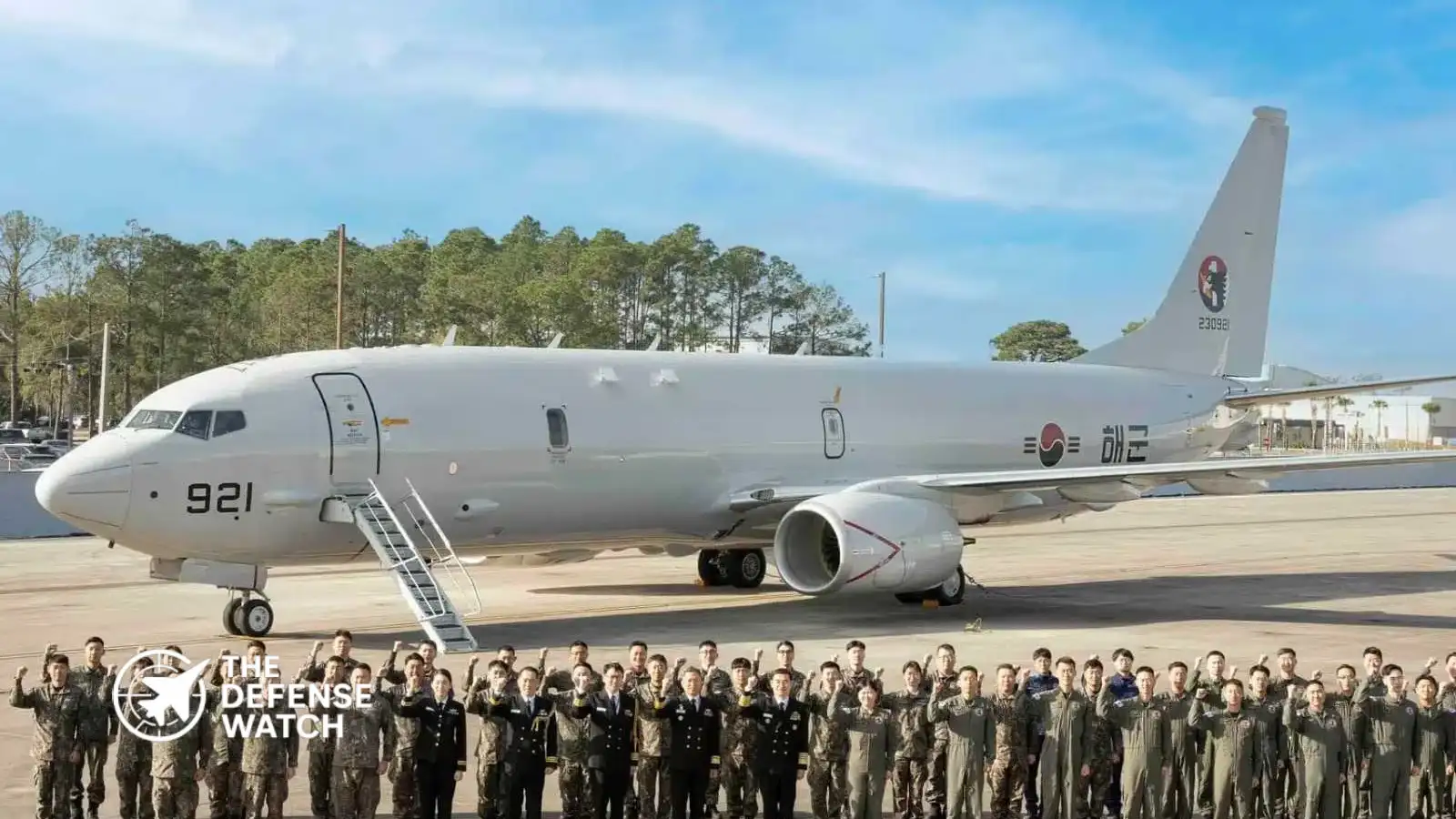
South Korea is reviewing a possible contribution of military assets to efforts to protect freedom of navigation in the Strait of Hormuz, with the P-8A Poseidon maritime patrol aircraft among the reported options. Seoul’s presidential office said Sept. 4 that no final decision has been made and that any contribution would have to preserve military readiness on the Korean Peninsula and comply with domestic legal procedures.
Takeaways
South Korea is reviewing whether to contribute military assets to efforts to restore freedom of navigation through the Strait of Hormuz, with the P-8A Poseidon among the reported options.
The clarification is important because reports have differed on the status of the proposed deployment. South Korean broadcaster SBS reported that preparations were underway for a package involving P-8 aircraft, an explosive ordnance disposal team and a logistics support ship, while the presidential office has emphasized that the broader deployment question remains under review.
The distinction between planning and an approved deployment is significant. South Korea would face both operational and political decisions before sending forces into a region where U.S. and Iranian forces remain in active confrontation.
What The P-8A Would Bring To Hormuz
The P-8A Poseidon is a long-range maritime patrol and reconnaissance aircraft derived from the Boeing 737-800 airframe. The U.S. Navy identifies anti-submarine warfare, anti-surface warfare and intelligence, surveillance and reconnaissance as its primary missions.
Boeing lists a range of more than 1,200 nautical miles with more than four hours of time on station under specified operating conditions. The aircraft can employ sonobuoys, radar, electronic support measures and other sensors to detect, classify and track maritime contacts. Its weapons compatibility includes Harpoon anti-ship missiles and Mk 54 lightweight torpedoes.
| P-8A Poseidon capability | Relevance to Hormuz |
|---|---|
| Maritime ISR | Track surface traffic and monitor maritime activity |
| Anti-submarine warfare | Search for and track submarines |
| Anti-surface warfare | Identify and potentially engage hostile surface vessels if authorized |
| Radar and ISAR | Detect and classify maritime contacts |
| Sonobuoys | Support underwater surveillance |
| Long endurance | Maintain surveillance over defined patrol areas |
| Secure communications | Share information with coalition forces |
The aircraft would therefore add a surveillance capability rather than simply another strike platform. In a congested waterway containing commercial tankers, naval vessels, smaller Iranian craft and potential underwater threats, persistent identification and tracking can be as important as the ability to attack.
Why The Strait Of Hormuz Matters To Seoul
South Korea’s interest in Hormuz is directly connected to energy security.
A South Korean presidential office briefing earlier this year said about 70 percent of the country’s crude oil imports passed through the Strait of Hormuz. The government has also pursued alternative crude supplies through the United Arab Emirates as disruptions in the waterway threatened energy flows.
That dependence changes the strategic calculation for Seoul. A Hormuz mission would not simply be an overseas contribution to a U.S.-led security effort. It could also protect a maritime route directly connected to South Korea’s industrial economy.
The waterway is particularly difficult to secure because of its geography. Heavy tanker traffic moves through confined shipping routes while military forces operate nearby. Mines, small boats, submarines, missiles, drones and coastal surveillance systems can create risks without requiring a conventional naval battle.
Mine Clearance Could Be A Major Mission
The reported inclusion of South Korean explosive ordnance disposal personnel is significant because mine warfare presents a different problem from conventional maritime surveillance.
A P-8A can detect and track maritime activity, but it is not a dedicated mine-clearance platform. Mine countermeasures require specialized equipment, procedures and personnel capable of identifying and neutralizing underwater explosive hazards.
SBS reported that South Korea is considering an EOD element drawn from the Navy’s Underwater Demolition Team, potentially operating with foreign naval forces. The same reporting identified a naval logistics support ship as another component of the possible force package.
This combination would make operational sense if Seoul’s objective were to contribute to maritime security without deploying a large combat formation. The P-8A could provide surveillance, specialized personnel could address explosive hazards, and the support vessel could sustain the detachment.
Six Aircraft Create A Significant Readiness Question
South Korea’s P-8A fleet is small.
The Republic of Korea Navy operates six P-8As, according to reporting cited by Army Recognition. The aircraft were acquired primarily to strengthen South Korea’s maritime patrol and anti-submarine capabilities.
That creates a clear tradeoff.
Sending two aircraft, for example, would commit roughly one-third of the entire fleet to a distant theater. A larger detachment would consume an even greater share of available aircraft while the Republic of Korea Navy continues to monitor North Korean submarine and surface activity.
The issue is not simply how many aircraft Seoul could physically fly to the Middle East. A sustainable deployment also requires aircraft for training, maintenance, crew rotation and contingency operations.
South Korea’s presidential office has specifically identified readiness on the Korean Peninsula as a factor in determining whether any contribution is possible.
P-8A Commonality Could Help U.S. And Allied Operations
If Seoul approves a deployment, the P-8A’s commonality with U.S. Navy maritime patrol forces could provide an important interoperability advantage.
The U.S. Navy has operated the P-8A as its principal long-range maritime patrol aircraft, while South Korean crews have trained to operate the same platform. The common aircraft architecture, communications systems and mission concepts can reduce some of the integration challenges associated with introducing a different national aircraft into an established maritime surveillance network.
The P-8A is also designed around networked operations. Boeing describes the aircraft as supporting maritime ISR, anti-surface warfare and anti-submarine warfare through an integrated sensor and communications suite.
For U.S. forces, the practical benefit would be additional surveillance capacity.
A South Korean aircraft could monitor assigned maritime sectors, contribute to the recognized maritime picture and search for underwater contacts. That could allow U.S. aircraft and ships to concentrate more heavily on escort, force protection and other missions.
The Political Dimension Is As Important As The Military One
Washington has pressed Seoul to contribute to efforts involving the Strait of Hormuz. Reuters reported Sept. 4 that South Korea was considering military and non-military options while consulting with the United States, Britain and France.
South Korean President Lee Jae Myung’s administration has nevertheless stressed that any overseas deployment must take account of domestic legal requirements and the country’s defense posture.
The presidential office said Sept. 4 that the review includes both combat and noncombat possibilities and has not reached the stage of seeking National Assembly approval.
That means a potential P-8A mission should not currently be described as an approved South Korean deployment.
It is more accurately understood as one of several military options under consideration.
What A South Korean Deployment Would Mean For U.S. Strategy
From a U.S. perspective, the value of a South Korean contribution would extend beyond the number of aircraft involved.
The P-8A is particularly useful for maritime domain awareness, an area where persistent coverage is essential when commercial shipping and military operations overlap. Additional aircraft can increase the number of patrol hours available to the broader force without requiring the United States to provide every surveillance sortie itself.
A South Korean contribution could also demonstrate that Seoul’s security interests extend beyond the Korean Peninsula when those interests involve major global shipping routes and energy supplies.
There is a strategic balance, however. South Korea cannot indefinitely shift scarce maritime surveillance assets away from Northeast Asia without accepting a readiness cost.
That is the central military question behind the debate.
What Happens Next
The immediate question is whether Seoul moves from reviewing possible contributions to seeking formal approval for a specific mission.
Current reporting indicates that P-8A aircraft, an EOD element and a logistics support ship are among the assets being considered or prepared for a possible mission, but South Korean officials continue to state that no final deployment decision has been made.
If approved, the mission would likely place a premium on surveillance, maritime awareness, mine-related security and support for freedom of navigation rather than automatically committing South Korean forces to offensive operations against Iran.
For South Korea, the decision would represent a significant test of its ability to balance three competing requirements: protecting a critical energy route, managing its alliance relationship with Washington and maintaining sufficient maritime forces to address threats closer to home.
The P-8A Poseidon is well suited to the surveillance side of that equation. The harder question is whether Seoul is prepared to commit a substantial portion of its small fleet to a distant and potentially dangerous theater.
A new exchange of strikes between Washington and Tehran has raised tensions around the Strait of Hormuz after the United States carried out its first publicly acknowledged attack on Iranian territory in weeks.
Takeaways
The latest U.S.-Iran exchange centers on Larak Island, the Strait of Hormuz and Iranian missile strikes against U.S. military positions in Jordan.
Iran strikes U.S. military targets in Jordan after the United States attacked Iranian rocket launchers on Larak Island, opening a new phase of direct military escalation around the strategically important Strait of Hormuz.
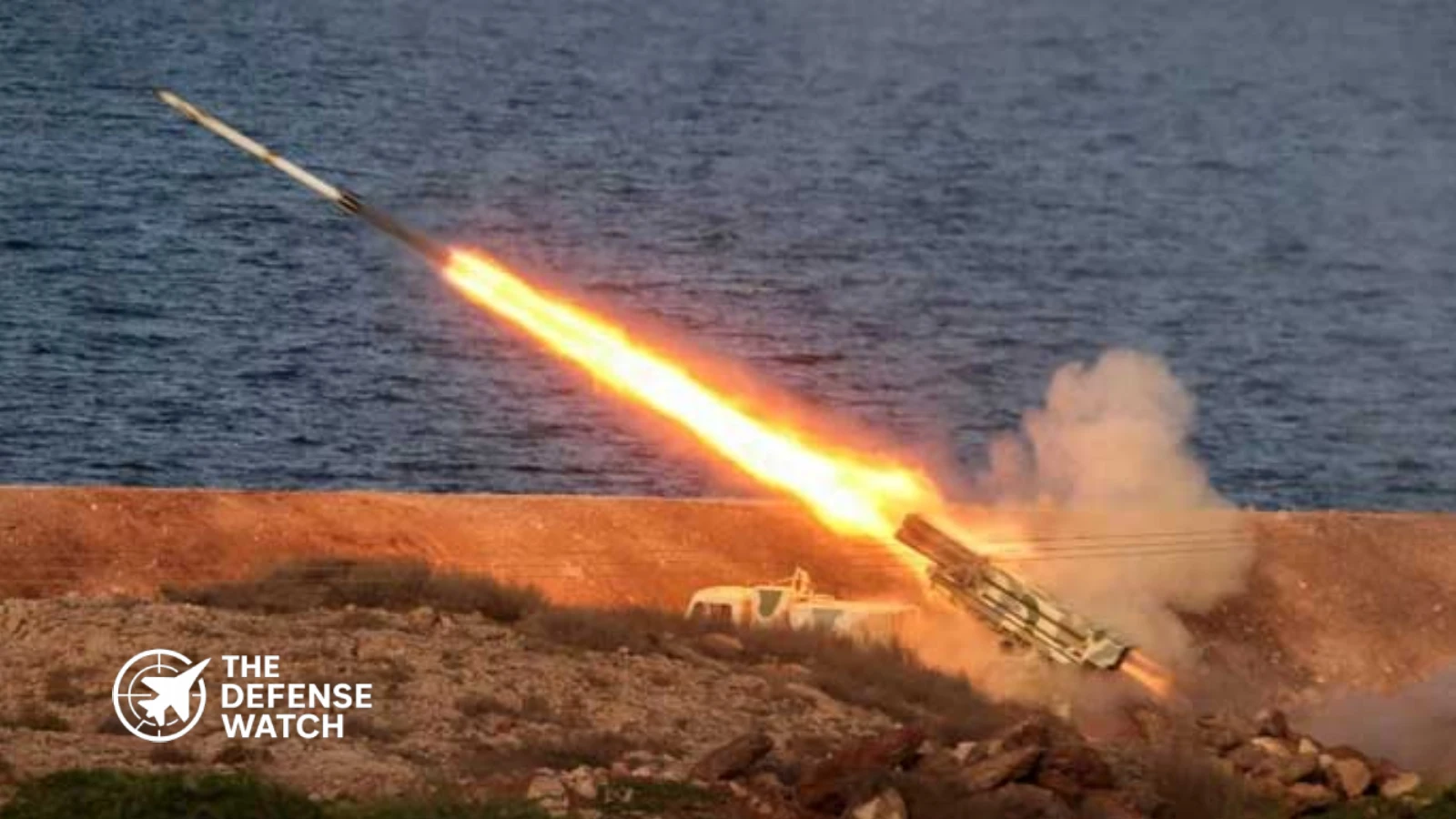
Iran’s Islamic Revolutionary Guard Corps said it launched ballistic missiles against two U.S. military air bases in Jordan on Monday. Iranian state media identified the targets as King Hussein and Al Azraq air bases and claimed the strikes caused heavy damage.
Jordan’s military, however, said it intercepted eight missiles that entered its airspace. The statement did not identify the origin of the missiles or provide details on damage at the bases.
The exchange followed a U.S. operation against two Iranian rocket launchers on Larak Island, located near the Strait of Hormuz. A U.S. official told Reuters that Iranian Islamic Revolutionary Guard Corps forces had been observed preparing to launch rockets carrying sea mines into the strategic waterway.
U.S. Strike Targeted Iranian Mine-Laying Threat
The U.S. military described the operation as a limited action intended to address an imminent threat to shipping.
U.S. Central Command said its forces conducted limited and precise action against IRGC forces involved in mine-laying activities in the Strait of Hormuz. CENTCOM said the operation was intended to protect civilian mariners, commercial shipping and the free flow of international commerce.
The strike was significant because it represented the first publicly acknowledged U.S. military attack on Iranian territory since late July.
According to Reuters, the U.S. operation specifically targeted two launchers on Larak Island after American forces detected preparations to fire rockets carrying sea mines into the Strait of Hormuz.
The location is strategically important. Larak Island sits near one of the world’s most important energy shipping routes, making any effort to deploy mines in the area a potential threat to commercial vessels and naval forces operating in the waterway.
Iran Responds With Ballistic Missile Strikes
Iranian officials described the U.S. action as an attack that required retaliation.
The IRGC said its Aerospace Force targeted the King Hussein and Al Azraq facilities in Jordan using ballistic missiles as part of a combined missile and drone operation. Iranian officials claimed the attacks struck technical infrastructure, maintenance facilities and areas associated with fighter aircraft. Those damage claims have not been independently verified.
Jordan provided a different measure of the attack, reporting that its air defenses intercepted eight missiles. There were no immediate independently confirmed reports establishing the extent of damage to U.S. facilities in Jordan.
The incident demonstrates the importance of regional air and missile defense for U.S. forces stationed across the Middle East. Jordan’s geographic position makes the country an important location for U.S. military operations and regional air activity.
Iran Also Claims Attack On UAE Base
Iranian state television separately reported that Iranian forces attacked the Al Minhad Air Base in the United Arab Emirates with drones.
The Iranian military said the operation targeted locations where U.S. forces and helicopters were stationed. As of the latest reports, the UAE had not publicly confirmed the Iranian claim.
That distinction is important. The reported attack on the UAE should therefore be treated as an Iranian claim rather than an independently confirmed strike.
The wider pattern shows how military activity connected to the Strait of Hormuz can quickly extend beyond Iran’s immediate coastline. U.S. forces operate from multiple locations across the Gulf region, while Iran has previously targeted American facilities and regional partners during periods of heightened confrontation.
Why The Strait Of Hormuz Matters
The latest escalation is closely tied to the security of the Strait of Hormuz, a narrow maritime passage connecting the Persian Gulf with the Gulf of Oman and the Arabian Sea.
The waterway is a critical route for global energy shipments. Any sustained disruption could affect oil transportation, shipping insurance, regional trade and energy prices.
U.S. Central Command said it had completed clearing sea mines from international shipping routes in the strait during the previous week. CENTCOM also said American forces remained prepared to protect the free flow of commerce through the waterway.
That makes the reported Larak Island launchers particularly significant from a military perspective. Rocket-launched mines could create a maritime hazard without requiring Iran to directly attack commercial vessels. Mine warfare can also force ships to alter routes and compel naval forces to conduct lengthy clearance operations.
For the United States, preventing the placement of mines is therefore both a force-protection mission and a broader maritime security objective.
A New Test For U.S. Regional Defenses
The latest Iran strikes U.S. military targets episode also highlights the challenge of defending widely distributed American forces.
U.S. bases across the Middle East operate within range of Iranian ballistic missiles, cruise missiles and unmanned aircraft. Jordan, Iraq, the Gulf states and other regional partners have all become strategically important to U.S. force posture.
The reported interception of eight missiles by Jordan demonstrates the role of layered air defense in reducing the potential impact of ballistic missile attacks. At the same time, the incident reinforces the need for early warning, integrated radar coverage, interceptor systems and coordination between U.S. and partner forces.
For Iran, launching ballistic missiles against U.S. facilities provides a means of responding directly to American attacks while attempting to impose costs beyond Iran’s borders. The effectiveness of such attacks depends not only on the number of weapons launched but also on whether they penetrate regional air defenses and cause meaningful damage.
Escalation Around Hormuz
The latest exchange comes after months of military confrontation between the United States and Iran and follows a period in which Washington had placed greater emphasis on economic pressure.
The April ceasefire reduced the intensity of the broader fighting, while diplomatic efforts involving regional mediators, including Pakistan and Qatar, continued. However, continued clashes around the Strait of Hormuz have prevented the situation from returning to a stable ceasefire environment.
The Larak Island strike is therefore important beyond the immediate military action. It shows that Washington remains willing to use force when it assesses that Iranian activity poses a direct threat to shipping or U.S. forces.
Iran’s response shows that Tehran remains prepared to strike American military positions in the region following attacks on Iranian forces.
The immediate question is whether the exchange remains limited or triggers another cycle of strikes. Neither side has indicated that it intends to abandon its stated objectives around the Strait of Hormuz.
For commercial shipping and regional military forces, the central concern remains the same: whether the waterway can remain open without renewed attacks, mine threats or retaliatory strikes.
What Happens Next
The reported strikes leave the Strait of Hormuz at the center of the latest U.S.-Iran confrontation.
The United States has made clear that it intends to protect maritime traffic and prevent Iranian forces from laying mines in critical shipping lanes. Iran, meanwhile, has demonstrated that attacks against its forces can trigger missile and drone operations against U.S. positions in neighboring countries.
The reported Iranian strikes on U.S. military targets in Jordan should therefore be viewed as part of a broader contest over access, deterrence and control around one of the world’s most strategically important waterways.
For now, the extent of damage from the Iranian attacks remains unclear, while Iran’s separate claim of a drone strike against the Al Minhad Air Base has not been independently confirmed.
Further U.S. or Iranian military action could determine whether the latest exchange remains an isolated confrontation or develops into a broader escalation across the region.
(adsbygoogle = window.adsbygoogle || []).push({});Executive Summary:
The United States and Iran electronically signed a 14-point memorandum of understanding on June 14-15, 2026, ending more than 100 days of direct warfare and setting conditions to reopen the Strait of Hormuz. President Trump, Vice President Vance, and Iranian Parliament Speaker Mohammad Bagher Ghalibaf signed the document ahead of a formal ceremony scheduled for Friday in Switzerland, but the text defers the war’s hardest questions — the fate of Iran’s enriched uranium stockpile and the size of the U.S. military footprint in the region — to a 60-day negotiating window that both sides acknowledge could collapse.
A Wartime Ceasefire Becomes A Negotiating Framework
The US Iran memorandum of understanding, formally titled the “Islamabad Memorandum of Understanding between the United States of America and the Islamic Republic of Iran,” surfaced in full text Wednesday after Defense News obtained a copy of the document, which had circulated only in summary form since its signing days earlier. The agreement includes a 60-day ceasefire and the reopening of the Strait of Hormuz, and it paves the way for sanctions relief and a $300 billion reconstruction incentive for Iran contingent on a final deal being agreed.
Trump and Vance electronically signed the accord Sunday, ahead of a formal ceremony scheduled for Friday in Switzerland, with Vance expected to lead the American delegation alongside special envoy Steve Witkoff and Jared Kushner. The Swiss government identified the venue as the Bürgenstock resort, with the location proposed jointly by Pakistani and Qatari mediators. On the Iranian side, the document was signed by Parliament Speaker Mohammad Bagher Ghalibaf, the country’s chief negotiator.

The memorandum caps the deadliest phase of confrontation between the two countries since the 1979 revolution. U.S. and Israeli strikes that began February 28, 2026 killed Supreme Leader Ali Khamenei and senior negotiator Ali Larijani, triggering a 109-day war that closed the Strait of Hormuz, stranded more than 1,500 commercial vessels at its peak, and pushed global energy markets through their sharpest disruption in decades.
(adsbygoogle = window.adsbygoogle || []).push({});What The 14 Points Actually Commit Both Sides To Do
The agreement leaves the most difficult points of contention — including the fate of Iran’s nuclear program — to a second phase of negotiations. The table below summarizes the operative content of each paragraph.
.custom-policy-table-container { margin: 24px 0; overflow-x: auto; box-shadow: 0 4px 15px rgba(0, 0, 0, 0.05); border-radius: 8px; border: 1px solid #e2e8f0; }.custom-policy-table { width: 100%; border-collapse: collapse; font-family: -apple-system, BlinkMacSystemFont, “Segoe UI”, Roboto, Helvetica, Arial, sans-serif; font-size: 15px; line-height: 1.6; color: #334155; background-color: #ffffff; text-align: left; }.custom-policy-table thead tr { background-color: #1e293b; color: #ffffff; font-weight: 600; text-transform: uppercase; font-size: 13px; letter-spacing: 0.5px; }.custom-policy-table th, .custom-policy-table td { padding: 14px 20px; border-bottom: 1px solid #f1f5f9; }/* Specific column widths for better balance */ .custom-policy-table th:nth-child(1), .custom-policy-table td:nth-child(1) { width: 12%; text-align: center; font-weight: 700; color: #64748b; background-color: #f8fafc; border-right: 1px solid #e2e8f0; }.custom-policy-table th:nth-child(2) { text-align: left; }/* Zebra striping for readability */ .custom-policy-table tbody tr:nth-of-type(even) { background-color: #f8fafc; }/* Hover effect */ .custom-policy-table tbody tr:hover { background-color: #f1f5f9; transition: background-color 0.2s ease; }/* Link Styling to match the professional vibe */ .custom-policy-table a { color: #0284c7; text-decoration: none; font-weight: 500; border-bottom: 1px dashed #0284c7; }.custom-policy-table a:hover { color: #0369a1; border-bottom-style: solid; }/* Responsive adjustment for small screens */ @media (max-width: 600px) { .custom-policy-table th, .custom-policy-table td { padding: 10px 12px; font-size: 14px; } }| Paragraph | Core Commitment |
|---|---|
| 1 | Permanent end to hostilities on all fronts, including Lebanon; mutual non-aggression pledge |
| 2 | Mutual respect for sovereignty, territorial integrity, and non-interference in internal affairs |
| 3 | Final deal to be negotiated within 60 days, extendable by mutual consent |
| 4 | U.S. naval blockade lifted in phases, fully ended within 30 days; U.S. forces to withdraw from Iran’s proximity within 30 days of a final deal |
| 5 | Iran to restore safe, toll-free commercial passage through Hormuz within 30 days, pending demining; future strait administration to be negotiated with Oman and Gulf littoral states |
| 6 | U.S. to coordinate a minimum $300 billion reconstruction and development plan for Iran, financing mechanism finalized within 60 days |
| 7 | U.S. to terminate UNSC, IAEA Board, and unilateral sanctions on a schedule set in the final deal |
| 8 | Iran reaffirms no nuclear weapons procurement or development; enriched stockpile disposition to be resolved via on-site IAEA-supervised down-blending as the baseline method; enrichment levels to be negotiated |
| 9 | Status quo pending final deal: Iran freezes its nuclear program at current levels; U.S. imposes no new sanctions or additional regional deployments |
| 10 | Immediate Treasury waivers for Iranian crude oil exports and associated banking, insurance, and transport services |
| 11 | Release of frozen Iranian funds and assets, with procedures to be agreed during negotiations |
| 12 | Joint executive mechanism established to monitor MOU implementation and future compliance |
| 13 | Full negotiations on remaining paragraphs begin once paragraphs 1, 4, 5, 10, and 11 are underway |
| 14 | Final deal to be endorsed by a binding UN Security Council resolution |
The structure is sequential by design: financial and maritime measures move first and quickly, while the nuclear and sanctions questions that sank prior rounds of negotiation are pushed into a 60-day window that, dated from the June 14 signing, runs into mid-August.
(adsbygoogle = window.adsbygoogle || []).push({});Why The Pentagon Isn’t Drawing Down Yet
The memorandum’s silence on immediate U.S. force reductions is itself a signal. Defense officials confirmed the Pentagon intends to hold its current regional posture — an estimated 50,000 troops and two carrier strike groups built around USS Abraham Lincoln and USS George H.W. Bush — through the entire 60-day negotiating period, with any drawdown contingent on a final deal and verified Iranian compliance. Defense Secretary Pete Hegseth framed the logic bluntly, telling CBS the posture would be whatever is needed to keep Iran “compelled” to honor the memorandum’s terms.
That decision matters for force-readiness planning beyond the Middle East. At the war’s height, roughly a third of the Navy’s deployed surface combatants and a third of the Arleigh Burke-class destroyer fleet were committed to the CENTCOM theater, alongside extended carrier deployments that pushed maintenance cycles and crew rotations to their limits. Continuing that posture through August — rather than beginning a phased withdrawal now — extends the strain on a fleet already managing a contested Indo-Pacific tempo, and it telegraphs to Tehran, and to Moscow and Beijing, that Washington views the memorandum as reversible rather than settled.
(adsbygoogle = window.adsbygoogle || []).push({});The Nuclear Paragraph Is The Deal’s Real Test
Paragraph 8’s “minimum methodology” — on-site down-blending of Iran’s enriched uranium under IAEA supervision — sounds more conclusive than it is. The IAEA’s last verified count placed Iran’s 60-percent-enriched stockpile at roughly 441 kilograms, a quantity for which the technical work remaining to reach 90-percent weapons-grade material is a small fraction of the effort already invested. Down-blending that material with natural or depleted uranium would reverse the enrichment process and reduce its proliferation value, mirroring a technique Iran itself used to draw down its stockpile under the 2015 nuclear deal before later shipping the bulk of that material to Russia.
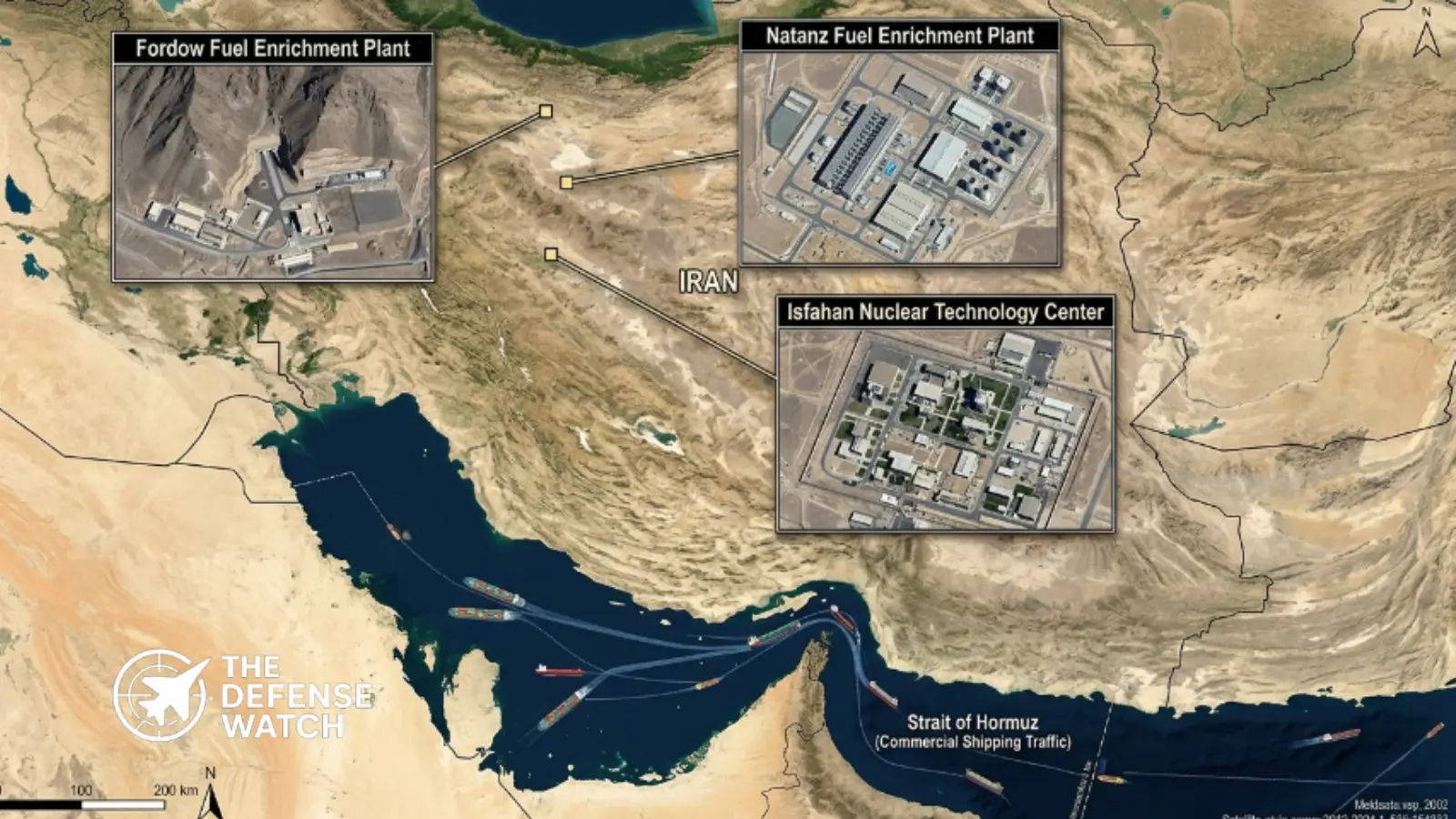
Three complications separate this paragraph from a resolved outcome. First, Iran suspended IAEA inspector access and removed monitoring equipment from its declared facilities earlier this year, and a verified dilution process cannot proceed without restored access — a precondition the memorandum does not itself secure. Second, nonproliferation analysts assess that a large share of the pre-war 60-percent stockpile is likely buried beneath rubble at the Fordow, Natanz, and Esfahan sites struck during the war, meaning its physical condition and recoverability remain unconfirmed; Trump himself told reporters at the G7 summit that he did not consider the buried material urgent, since “nobody’s touching it” for the time being. Third, the memorandum sets no enrichment cap, no centrifuge limits, and no single-site restriction — all features of the 2015 deal it is informally being compared to — leaving Iran’s underlying enrichment infrastructure intact pending the 60-day talks.
(adsbygoogle = window.adsbygoogle || []).push({});Strait Of Hormuz: A Slow Reopening, Not A Switch
The waterway through which roughly one-fifth of the world’s oil and LNG normally moves has not snapped back to normal. Pre-war traffic ran 130 to 140 vessels a day; throughout the spring it fell to a trickle of five to ten. In the days immediately following the MOU’s signing, tracking data showed only marginal movement — a handful of Iranian-flagged tankers exiting the U.S. blockade zone near the eastern approaches, while the bulk of laden tankers anchored off Kharg Island remained in place. Shipowners are reportedly waiting for the formal signing and clarity on mine-clearance and transit rules before committing vessels to the central shipping lanes rather than the safer southern route past Oman.
That caution is rational. The memorandum requires Iran to demine the strait and restore safe passage within 30 days, but mine-clearance is a methodical, multi-week naval engineering task, not a diplomatic formality, and the legal framework for the strait’s longer-term administration — including whether Iran can levy “service fees” on passing vessels — is left to a separate dialogue with Oman and other Gulf states. Energy analysts expect global oil flows to take months, not weeks, to normalize even with a durable ceasefire.
(adsbygoogle = window.adsbygoogle || []).push({});Israel’s Quiet Break With Washington
The memorandum’s silence on Lebanon enforcement has opened a visible rift with Israel. Israeli Defense Minister Israel Katz said Israel expects Trump to uphold the principle of preventing Iran from acquiring nuclear weapons “and additional principles in the realm of missiles and terrorist proxies,” while vowing Israeli forces would not withdraw from Lebanon, Syria, Gaza, or the northern West Bank regardless of the U.S.-Iran agreement. Members of Netanyahu’s cabinet have since called for continued strikes on Hezbollah, arguing Israel is not bound by a document it did not sign. The dynamic underscores a structural feature of the deal: Washington negotiated bilaterally with Tehran, while Israel’s war aims — particularly on Lebanon and on enrichment — were never formally incorporated into the text.
Congress, for its part, has signaled it expects a more active oversight role. The Senate failed Tuesday to advance a war powers resolution that would have required congressional authorization for further U.S. action against Iran, but several senators, including Armed Services Committee members, have said they expect a classified briefing and likely a future vote on any final deal — a process that will test how much latitude the executive branch retains over an agreement negotiated almost entirely inside the White House and Treasury.
(adsbygoogle = window.adsbygoogle || []).push({});The Wider Strategic Read
For U.S. defense planners, the memorandum’s bilateral structure is itself notable. Unlike the 2015 nuclear deal, which bound the United States together with the U.K., France, Germany, Russia, and China, this framework excludes every other power with a stake in Iran’s nuclear trajectory — including Moscow, which fabricates fuel for Iran’s Bushehr reactor and has historically received Iran’s surplus enriched material. Iran’s survival of a war that killed its supreme leader, combined with its ability to extract a $300 billion reconstruction commitment and a phased sanctions rollback without Russian or Chinese diplomatic cover, will likely be read in both Moscow and Beijing as evidence that Tehran no longer needs their backing to negotiate with Washington — a data point worth weighing against Russia’s continued non-intervention on Iran’s behalf throughout the conflict.
(adsbygoogle = window.adsbygoogle || []).push({});The deal’s enforceability ultimately rests on incentives that cut against follow-through in all three capitals. Iran’s new leadership has reasons to accept a narrow, transactional arrangement rather than a comprehensive deal requiring new verification regimes it has resisted for years. Israel has shown it will act unilaterally regardless of Washington’s framework. And the United States has historically struggled to sustain the diplomatic patience that complex nuclear-verification deals require. Absent a credible mechanism to keep all three aligned through August, the memorandum is best understood — as several Middle East analysts have noted — as a codified ceasefire rather than a peace settlement.
(adsbygoogle = window.adsbygoogle || []).push({});Executive Summary:
The United States and Iran have reached a preliminary memorandum designed to end more than three months of conflict and reopen the Strait of Hormuz. The agreement creates a framework for phased implementation, while the most difficult issues, including Iran’s nuclear program and sanctions relief, remain subject to negotiations over the next 60 days.
US Iran War Memorandum Creates Framework For De-Escalation
The US Iran war memorandum marks the most significant diplomatic development since fighting erupted earlier this year. According to statements from U.S., Iranian, and Pakistani officials, the agreement establishes an immediate framework for ending military operations and restoring maritime traffic through one of the world’s most strategically important waterways.
Officials from both countries said the memorandum will be formally signed in Switzerland later this week and subsequently published. Pakistan, which helped mediate negotiations, described the arrangement as a pathway toward a permanent cessation of hostilities.
The agreement follows nearly four months of conflict that disrupted regional stability, affected commercial shipping, and increased volatility in global energy markets.
(adsbygoogle = window.adsbygoogle || []).push({});Strait Of Hormuz Reopening Is The Immediate Priority
A central component of the US Iran war memorandum is the planned reopening of the Strait of Hormuz.
The narrow waterway remains one of the world’s most important energy chokepoints, carrying a substantial share of global oil and liquefied natural gas shipments. Both Washington and Tehran stated that maritime traffic would begin returning once the memorandum enters into force.

Senior U.S. officials indicated that shipping activity is expected to increase gradually rather than immediately returning to pre-war levels. Maritime security concerns, infrastructure requirements, and verification measures are likely to influence the pace of recovery.
The reopening of the strait is strategically significant not only for regional security but also for global energy markets. News of the agreement contributed to a decline in oil prices as traders anticipated the eventual restoration of normal shipping operations.
Nuclear Issues Remain Unresolved
While the memorandum establishes a ceasefire framework, it does not fully resolve the dispute over Iran’s nuclear program.
Both sides acknowledged that negotiations on nuclear activities and sanctions relief will continue during a 60 day follow-on process. These talks are expected to address some of the most contentious issues that have defined U.S.-Iran relations for decades.
The decision to separate immediate de-escalation measures from longer-term nuclear negotiations appears designed to secure quick progress on ending hostilities while creating space for more complex diplomatic discussions.
From a strategic perspective, this reflects a common conflict-resolution approach in which parties first stabilize the security environment before attempting to resolve deeper political and security disputes.
Why The Agreement Matters
The US Iran war memorandum is important because it addresses immediate operational concerns while avoiding the collapse of ongoing diplomacy.
The agreement provides three near-term benefits:
- Reduces the risk of renewed large-scale military operations.
- Creates conditions for commercial shipping to resume.
- Establishes a diplomatic framework for future nuclear negotiations.
At the same time, significant challenges remain.
The memorandum functions more as a roadmap than a final settlement. Major issues involving Iran’s nuclear activities, sanctions policy, regional security arrangements, and long-term verification mechanisms have not yet been finalized.
This means the next 60 days could prove as important as the agreement itself.
Strategic Analysis
From a defense and geopolitical perspective, the memorandum represents a tactical de-escalation rather than a comprehensive peace agreement.
The immediate reopening of maritime routes benefits global trade and reduces pressure on energy markets. However, the durability of the arrangement will depend on whether negotiators can convert the current framework into a broader political settlement.
For Washington, the agreement offers an opportunity to stabilize a critical region without further military escalation.
For Tehran, it provides a pathway toward economic relief and renewed international engagement.
For regional actors and global energy consumers, the most immediate measure of success will be whether commercial traffic through the Strait of Hormuz can safely return to normal operations over the coming weeks.
Conclusion
The US Iran war memorandum represents a major diplomatic breakthrough after months of conflict. While the framework opens the door to the reopening of the Strait of Hormuz and a reduction in military tensions, the agreement leaves core disputes unresolved.
The next phase of negotiations, particularly those involving Iran’s nuclear program and sanctions, will determine whether the current framework evolves into a lasting settlement or remains a temporary pause in a broader strategic confrontation.
(adsbygoogle = window.adsbygoogle || []).push({});Executive Summary:
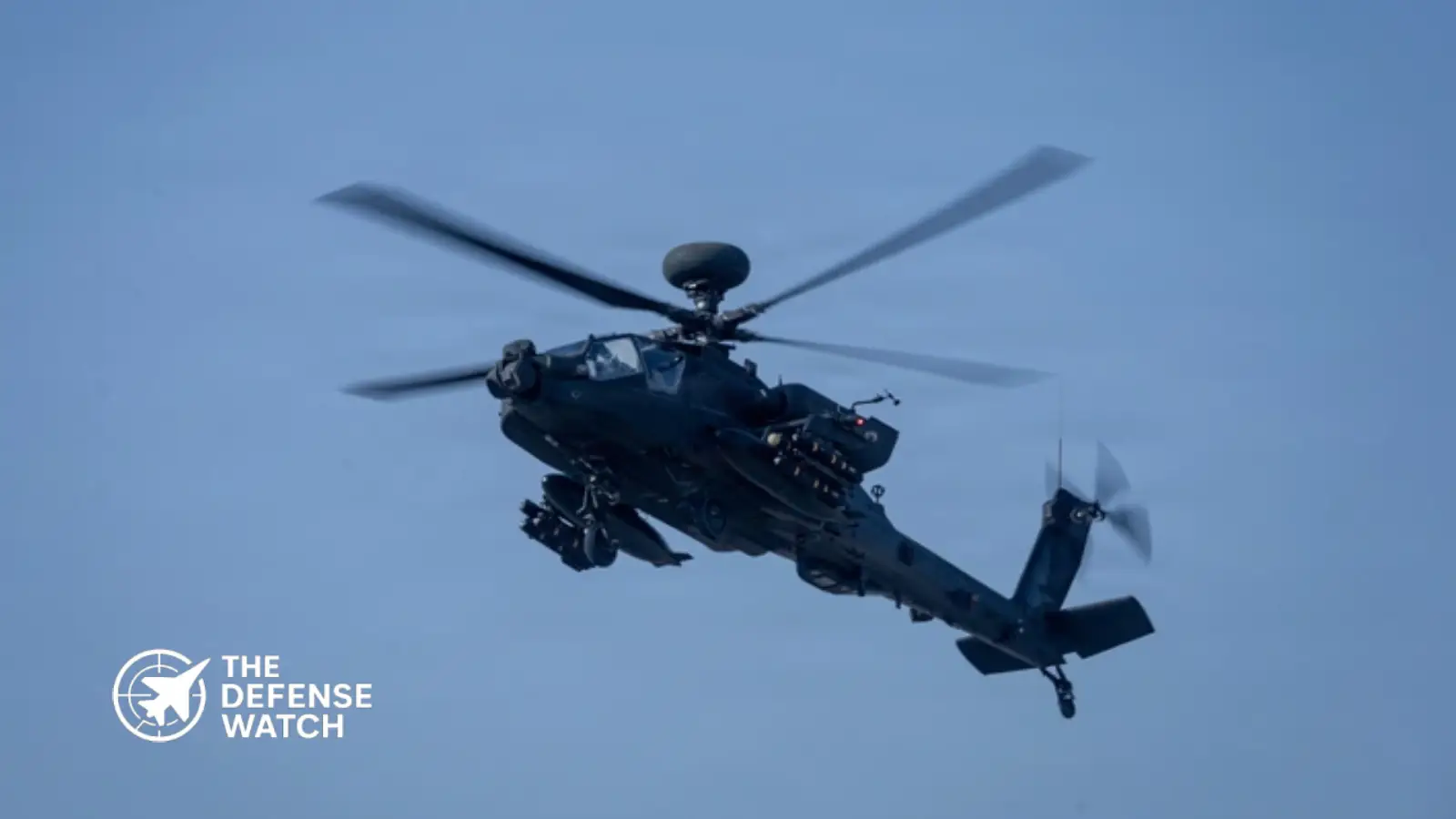
US President Donald Trump said Iran shot down a US Army AH-64 Apache helicopter while it was patrolling the Strait of Hormuz, a critical global energy corridor. The two crew members were rescued safely, but the incident has heightened tensions between Washington and Tehran and raised new questions about ongoing peace efforts in the region.
Trump Says Iran Downed Apache Helicopter In Strait Of Hormuz
A reported Iranian attack on a US Army AH-64 Apache helicopter has added a new layer of uncertainty to an already fragile security environment in the Middle East.
President Donald Trump announced on June 9 that Iran had shot down a US Apache helicopter operating over the Strait of Hormuz, one of the world’s most strategically important maritime chokepoints. Trump stated that both American crew members survived the incident and were later rescued. He also said the United States would be compelled to respond to the attack.
The helicopter reportedly went down near the coast of Oman during a patrol mission in the early hours of Tuesday. US Central Command confirmed the aircraft’s loss and the successful recovery of the crew but initially did not publicly identify the cause of the crash.
- (adsbygoogle = window.adsbygoogle || []).push({});
Rescue Operation Highlights Growing Role Of Uncrewed Systems
One notable aspect of the incident was the rescue effort itself.
According to US military statements, a US Navy unmanned surface vessel played a key role in locating and recovering the two Apache crew members. Reports indicate the rescue was completed within approximately two hours of the aircraft going down.
The operation underscores the growing operational value of autonomous maritime systems in contested environments. While drones have become common in surveillance and strike roles, their use in combat search-and-rescue missions represents an important development in military operations.
For defense planners, the event serves as another example of how uncrewed platforms are increasingly supporting frontline missions beyond traditional intelligence gathering.
(adsbygoogle = window.adsbygoogle || []).push({});Strategic Importance Of The Strait Of Hormuz
The incident occurred over the Strait of Hormuz, a narrow waterway connecting the Persian Gulf to the Gulf of Oman and the Arabian Sea.
The strait remains one of the most critical energy transit routes in the world, historically carrying a significant share of global oil and liquefied natural gas exports. Any military confrontation in the area immediately attracts international attention because of its potential impact on energy markets and maritime security.
Military patrols in the region have intensified in recent months amid tensions involving Iran, Israel, and US forces operating throughout the Gulf.
The loss of an Apache attack helicopter, one of the US Army’s most capable rotary-wing combat platforms, highlights the increasingly complex threat environment facing American forces in the region.
(adsbygoogle = window.adsbygoogle || []).push({});Impact On US-Iran Relations
The reported shootdown comes at a particularly sensitive moment.
Trump has repeatedly stated that Washington and Tehran were approaching a possible agreement aimed at reducing regional tensions and addressing concerns surrounding Iran’s nuclear ambitions. However, the helicopter incident threatens to complicate those diplomatic efforts.
Iranian Foreign Minister Abbas Araqchi did not directly confirm responsibility for the helicopter’s loss. However, he warned that foreign military forces operating in the region risk becoming involved in accidents or crossfire incidents.
The competing narratives reflect the broader challenge facing both sides as they attempt to manage military confrontations while simultaneously pursuing diplomatic engagement.
(adsbygoogle = window.adsbygoogle || []).push({});Defense Analysis: Why The Incident Matters
From a military perspective, the reported downing of an AH-64 Apache is significant regardless of the circumstances surrounding the event.
The Apache remains one of the world’s most advanced attack helicopters, equipped with sophisticated sensors, precision weapons, and survivability systems designed for operations in contested airspace. Any successful engagement against such a platform attracts close scrutiny from defense analysts.
Equally important is the broader strategic message. The incident demonstrates how quickly tactical encounters in the Gulf can generate geopolitical consequences. Even a single aircraft loss can influence diplomatic negotiations, military deployments, and regional deterrence calculations.
For US military planners, the event may reinforce the need for enhanced force protection measures and greater integration of manned and unmanned systems during operations in high-threat maritime environments.
(adsbygoogle = window.adsbygoogle || []).push({});Regional Tensions Remain Elevated
The Apache incident occurred amid continued instability across the broader Middle East theater.
Fighting involving Iran-backed groups, Israeli military operations, and ongoing maritime security concerns have kept regional tensions elevated despite efforts to maintain ceasefires and diplomatic channels.
Whether the United States chooses a military, diplomatic, or economic response remains unclear. However, Trump’s public statement indicates Washington views the incident as a serious escalation requiring action.
As investigations continue and additional details emerge, the downing of the Apache helicopter is likely to remain a key factor shaping US-Iran relations and security dynamics in the Gulf.
The United States is keeping its naval blockade on Iran in place despite ongoing negotiations over a potential 60-day ceasefire extension.
(adsbygoogle = window.adsbygoogle || []).push({});Executive Summary:
U.S. Defense Secretary Pete Hegseth said the Iran naval blockade remains in force while President Donald Trump considers a proposed 60-day ceasefire extension with Tehran. The proposed agreement would reopen the Strait of Hormuz and launch formal nuclear talks, but Washington says pressure on Iran will continue until a final deal is approved.
Hegseth Says Iran Naval Blockade Will Continue Pending Trump Decision
The Iran naval blockade remains in effect despite ongoing diplomatic negotiations between Washington and Tehran, according to U.S. Defense Secretary Pete Hegseth.
Speaking to reporters during the Shangri-La Dialogue security forum in Singapore on Saturday, Hegseth said U.S. forces would continue enforcing restrictions on Iranian maritime trade while President Donald Trump reviews a proposed 60-day ceasefire extension.
The comments come as negotiators from both sides reportedly finalized a preliminary memorandum of understanding earlier this week. The draft agreement would extend the existing ceasefire, reopen the Strait of Hormuz to unrestricted commercial shipping, and establish a framework for formal negotiations on Iran’s nuclear program.
However, the proposal has not yet received final approval from Trump, and Iranian media outlets have indicated that several details remain unresolved.
Blockade Remains a Key Source of Pressure
The Iran naval blockade was imposed on April 13 following the collapse of direct negotiations in Islamabad.
Since then, the restrictions have become one of Washington’s most significant sources of leverage against Tehran. Analysts estimate the measures have substantially reduced Iranian export revenues by disrupting maritime trade routes and energy shipments.
(adsbygoogle = window.adsbygoogle || []).push({});Under the reported draft agreement, the blockade would not be lifted immediately. Instead, restrictions would be eased gradually as commercial shipping resumes and Iran completes maritime security measures, including the clearance of mines and navigational hazards in the Strait of Hormuz.
This phased approach reflects continued U.S. concerns about regional maritime security and freedom of navigation through one of the world’s most strategically important waterways.
Strait of Hormuz Remains Central to Global Energy Security
The proposed reopening of the Strait of Hormuz is one of the most consequential elements of the negotiations.
Approximately one-fifth of globally traded oil passes through the narrow waterway, making any disruption a major concern for energy markets and international shipping companies.
For Washington and its regional partners, restoring normal traffic through the strait would help stabilize commercial shipping patterns while reducing pressure on global energy supply chains.
At the same time, U.S. officials appear determined to preserve negotiating leverage until a final agreement is formally endorsed.
Pentagon Signals Military Option Remains Available
Hegseth’s remarks also underscored that diplomacy is being pursued alongside continued military readiness.
During earlier Pentagon statements, the defense secretary emphasized that U.S. forces remain prepared for a range of contingencies should negotiations fail.
(adsbygoogle = window.adsbygoogle || []).push({});According to Hegseth, Washington is prepared to resume military operations if necessary and maintains the capability to target critical Iranian infrastructure, including elements of the country’s energy and power sectors.
The statement reflects a broader U.S. strategy that combines economic pressure, military deterrence, and diplomatic engagement.
From a strategic perspective, maintaining the blockade while negotiations continue allows Washington to retain leverage without immediately escalating military operations. It also signals to regional partners that the United States intends to preserve freedom of navigation and maritime security until a verified agreement is implemented.
Strategic Implications for the Region
The current situation highlights the growing importance of maritime power in modern geopolitical competition.
The Iran naval blockade has evolved beyond a simple economic measure and now serves as a key instrument of U.S. regional strategy. Control of maritime access, shipping lanes, and energy transit routes remains central to security calculations across the Middle East.
For Iran, securing relief from the blockade is likely a major objective in the negotiations. For the United States, ensuring compliance with any future agreement appears equally important.
Whether the proposed ceasefire extension moves forward will largely depend on Trump’s final decision and the ability of negotiators to resolve remaining disputes.
(adsbygoogle = window.adsbygoogle || []).push({});Until then, U.S. naval forces will continue operating under existing directives, and the blockade will remain one of the most significant pressure mechanisms shaping the next phase of U.S.-Iran relations.
Why It Matters
The continuation of the Iran naval blockade demonstrates that Washington is maintaining maximum leverage while diplomatic efforts remain unfinished. The outcome of Trump’s decision could influence regional stability, global energy markets, maritime security in the Strait of Hormuz, and the future trajectory of U.S.-Iran relations.
Executive Summary:
The United Kingdom has announced a major military contribution to a multinational mission aimed at protecting shipping through the Strait of Hormuz. The deployment includes Royal Navy destroyer HMS Dragon, Typhoon fighter jets, autonomous mine-hunting systems, and counter-drone capabilities as tensions in the Gulf continue to disrupt global trade and energy markets.
UK Expands Strait Of Hormuz Security Mission
The UK Strait of Hormuz mission marks one of Britain’s most significant recent military commitments in the Middle East, combining naval, air, and autonomous systems to protect one of the world’s most strategically important waterways.
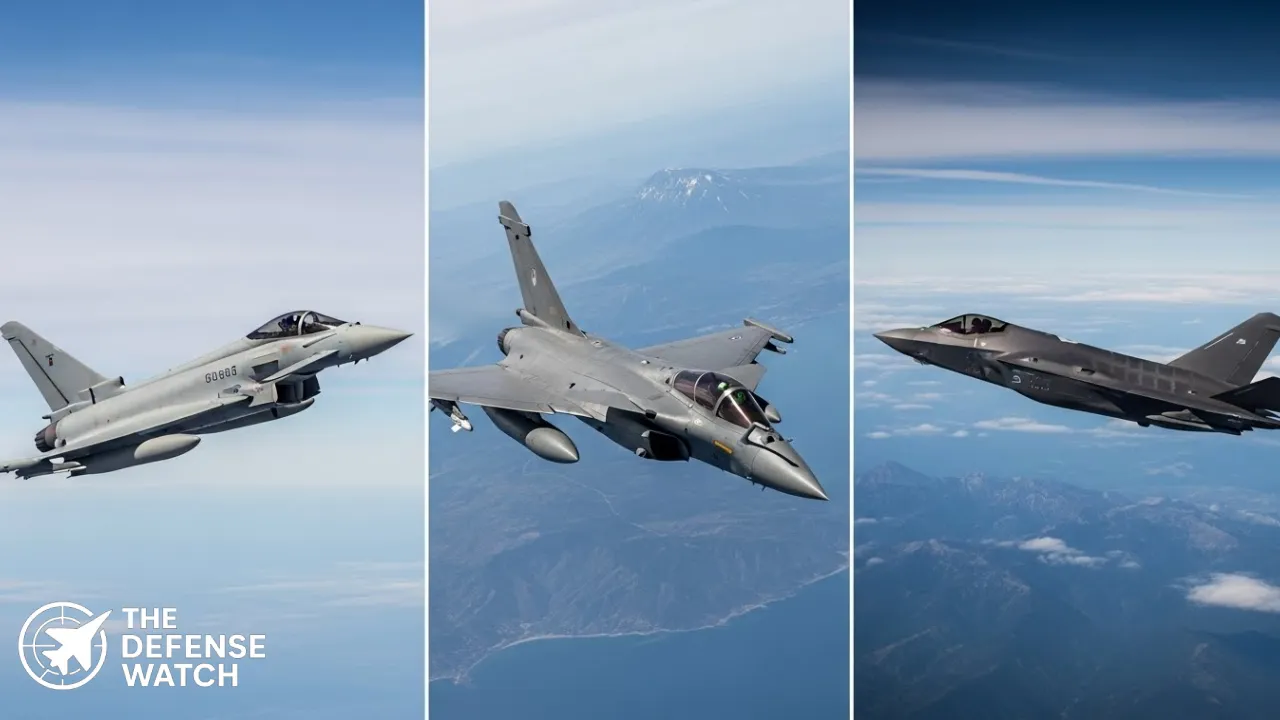
During a virtual summit involving representatives from more than 40 nations, UK Defence Secretary John Healey confirmed Britain would contribute Typhoon fighter aircraft, advanced drone systems, mine-clearance specialists, and the Royal Navy destroyer HMS Dragon to a future multinational maritime security operation.
The Strait of Hormuz remains critical to global energy markets, with roughly one-fifth of the world’s oil shipments passing through the narrow maritime corridor. Continued regional instability and threats to commercial shipping have increased insurance costs, disrupted tanker routes, and intensified pressure on Western governments to guarantee freedom of navigation.
HMS Dragon And Typhoon Jets At The Center Of UK Deployment
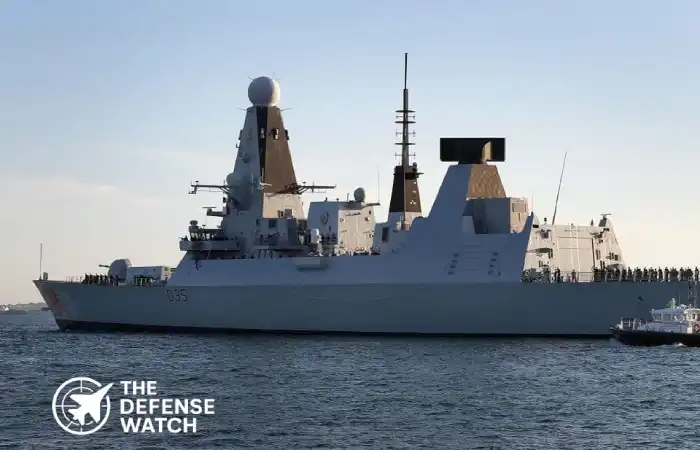
The centerpiece of the British deployment is the Royal Navy Type 45 destroyer HMS Dragon, which is already moving toward the Middle East following additional mission preparation and systems calibration. The destroyer will be prepared for potential operations tied to maritime security in the Strait of Hormuz.
HMS Dragon carries the Sea Viper air defense system, designed to counter aircraft, missiles, and drone threats. Its deployment reflects growing concern over the use of unmanned systems and asymmetric maritime tactics in the Gulf region.
Alongside the destroyer, Britain is deploying Royal Air Force Typhoon fighter jets for air patrol operations over the strait. The aircraft have previously operated in Middle East missions and are expected to provide rapid-response air cover and surveillance support.
The UK government also confirmed new funding worth £115 million for autonomous mine-hunting and counter-drone systems. The package includes the Royal Navy’s Beehive modular system and Kraken autonomous drone boats designed to identify and neutralize maritime threats.
Why The Strait Of Hormuz Matters
The Strait of Hormuz remains one of the most contested maritime choke points in the world. Any prolonged disruption immediately affects global oil prices, shipping rates, and regional security calculations.
British officials described the upcoming multinational operation as defensive and focused solely on protecting commercial shipping. London also stressed the mission would operate independently while coordinating with allies and regional stakeholders.
The deployment also highlights how Western militaries are increasingly integrating autonomous technologies into naval operations. Mine-hunting drones, unmanned surface vessels, and counter-drone systems are becoming central tools for maritime security missions where traditional naval assets face persistent asymmetric threats.
From a strategic perspective, the mission demonstrates Britain’s continued effort to maintain relevance in Gulf security operations despite pressure on Royal Navy fleet numbers and defense resources. The use of unmanned systems allows the UK to expand operational capability without relying solely on larger surface combatants.
Growing Multinational Coordination
The UK and France have emerged as leading European contributors to the proposed maritime mission, while several allied nations are expected to provide surveillance, logistics, and naval support. Reuters reported that more than 1,000 British personnel are already stationed across the region supporting existing defensive operations, including counter-drone units and fast jet squadrons.
The British deployment comes as governments across Europe and the Gulf attempt to stabilize shipping lanes while avoiding further escalation in the wider regional conflict.
Defense analysts note that the operation could become an important test case for future coalition maritime security missions centered around unmanned systems, distributed surveillance, and integrated air defense networks.
Strategic Analysis
The UK Strait of Hormuz mission reflects a broader shift in modern naval strategy. Rather than relying only on large carrier groups or traditional mine countermeasure vessels, Britain is emphasizing hybrid naval operations built around drones, autonomous boats, and networked air defense systems.
That approach offers several operational advantages. Autonomous systems can remain deployed longer, reduce risks to personnel, and provide persistent surveillance in congested maritime environments. For the Royal Navy, the mission also provides an opportunity to validate new technologies under real-world operational conditions.
At the same time, the deployment underscores the continuing importance of the Gulf region to NATO-aligned maritime strategy. Even limited disruptions in the Strait of Hormuz can rapidly affect global energy markets, making freedom of navigation operations a strategic priority for Western governments.
Executive Summary:
Iran has proposed transferring part of its highly enriched uranium stockpile to a third country while refusing U.S. demands to dismantle key nuclear facilities. The counterproposal, delivered through Pakistani mediators, highlights continuing divisions over enrichment limits, inspections, and regional maritime security as negotiations seek to end ten weeks of conflict.
Iran Uranium Transfer Proposal Keeps Core Nuclear Dispute Alive
Iran’s latest response to U.S. proposals aimed at ending ten weeks of regional conflict has opened a limited diplomatic pathway while preserving major disagreements over Tehran’s nuclear infrastructure.
According to reports cited by Middle East Eye and The Wall Street Journal, Iran formally responded Sunday to Washington’s proposed framework by offering to transfer part of its highly enriched uranium stockpile to a third country. However, Tehran rejected a central U.S. demand requiring the dismantlement of its primary nuclear facilities.
The negotiations come amid heightened instability across the Persian Gulf, continued military tensions, and ongoing concerns over maritime security near the Strait of Hormuz.
Iran’s counterproposal was reportedly transmitted through Pakistani mediators and focuses on phased de-escalation measures tied to sanctions relief and maritime access.
Tehran Offers Partial Uranium Transfer
Under the reported Iranian proposal, Tehran would dilute part of its estimated 440 kilograms of uranium enriched to 60% purity. The remaining material would be transferred to a third country under conditions designed to preserve Iranian leverage during negotiations.
Iran reportedly insists the uranium stockpile must be returned if talks collapse or if Washington withdraws from a future agreement.
The proposal also includes a temporary suspension of enrichment activities, though Iranian officials reportedly rejected the U.S. demand for a 20-year freeze on enrichment.
This position reflects Tehran’s long-standing effort to preserve what it describes as sovereign nuclear rights while avoiding a complete rollback of domestic nuclear infrastructure.
The uranium issue remains one of the most sensitive aspects of the negotiations because enrichment levels near 60% significantly reduce the technical gap to weapons-grade material, which is typically enriched above 90%.
U.S. Demands Focus On Nuclear Infrastructure
The U.S. framework reportedly centers on a 14-point memorandum being prepared by envoy teams linked to Steve Witkoff and Jared Kushner.
According to the reported draft, Washington is seeking:
- Dismantlement of the Fordow nuclear facility
- Closure of Natanz enrichment operations
- Restrictions on activity at Isfahan
- A ban on underground nuclear development
- On-demand international inspections
- Full transfer of enriched uranium stockpiles
The reported U.S. position represents a significantly broader rollback demand than previous nuclear agreements, including the 2015 Joint Comprehensive Plan of Action (JCPOA), which allowed limited enrichment under international monitoring.
From Washington’s perspective, dismantling underground facilities such as Fordow would reduce Iran’s ability to rapidly restore enrichment operations during future crises.
Strait Of Hormuz Emerges As Parallel Negotiation Track
Iran’s response also linked nuclear negotiations with maritime security conditions in the Persian Gulf.
Tehran reportedly indicated it could gradually reopen shipping access through the Strait of Hormuz in parallel with the easing of U.S. maritime restrictions.
The waterway remains strategically critical because roughly one-fifth of global oil trade passes through the narrow maritime corridor connecting the Persian Gulf to the Arabian Sea.
Recent incidents involving commercial shipping, military patrols, and regional proxy activity have increased concerns among Gulf states and Western naval forces operating in the region.
Iranian state media reportedly stated that Tehran wants broader negotiations to include ending military activity across multiple fronts, including Lebanon, while establishing guarantees for maritime security.
Nuclear Facilities Remain Central To Iran’s Strategy
The dispute over Fordow, Natanz, and Isfahan reflects the strategic importance of Iran’s nuclear infrastructure.
Fordow, built deep underground near Qom, has long been viewed by Western governments as one of Iran’s most protected enrichment facilities. Natanz serves as the country’s primary enrichment center, while Isfahan supports uranium conversion and fuel-cycle activities.
Iran’s refusal to dismantle these sites suggests Tehran views the facilities as both strategic deterrents and bargaining assets.
From a military and geopolitical perspective, dismantling hardened underground facilities would significantly reduce Iran’s long-term nuclear resilience against potential airstrikes or sabotage operations.
At the same time, Washington and allied governments argue that maintaining such facilities creates ongoing proliferation risks and shortens potential breakout timelines.
Regional Security Risks Continue To Shape Talks
The negotiations are unfolding against a backdrop of wider regional instability involving Gulf maritime security, proxy conflicts, and concerns over escalation between Iran and U.S.-aligned regional actors.
The linkage between nuclear concessions and maritime access indicates Tehran may be attempting to broaden negotiations beyond purely nuclear issues into a larger regional security framework.
That approach could complicate diplomacy because it ties nuclear verification measures to broader geopolitical disputes involving sanctions, military deployments, and regional proxy networks.
Analysts also note that any agreement would likely face implementation challenges given the history of mutual distrust following the U.S. withdrawal from the JCPOA in 2018 and subsequent Iranian expansion of enrichment activities.
While the latest Iranian proposal suggests both sides remain engaged diplomatically, the gap between preserving Iran’s nuclear infrastructure and Washington’s dismantlement demands remains substantial.
Executive Summary:
Iran has issued a warning directed at a British warship amid growing tensions in the Persian Gulf and the Strait of Hormuz. The development comes as the United Kingdom increases its maritime presence in the region following concerns over regional escalation and shipping security.
Iran British Warship Threat Raises Gulf Security Concerns
The Iran British warship threat has intensified concerns over maritime security in the Persian Gulf, particularly around the strategically vital Strait of Hormuz. Iranian officials warned that British naval forces could face consequences if they support hostile military operations in the region.
The remarks reportedly followed the deployment of British military assets to the Middle East as tensions continue to rise between Iran and Western powers. While the United Kingdom has not announced any offensive operations, London has reinforced regional naval patrols and surveillance activities to protect commercial shipping lanes and allied interests.
The warning underscores how quickly maritime security conditions in the Gulf can deteriorate, especially as military posturing increases among regional and international actors.
Strategic Importance Of The Strait Of Hormuz
The Strait of Hormuz remains one of the world’s most critical maritime chokepoints. Roughly one-fifth of global oil supplies transit through the narrow waterway, making any threat to naval or commercial shipping a matter of international concern.
British and American naval forces have maintained a long-standing presence in the region to ensure freedom of navigation and deter attacks on commercial vessels. Iran, meanwhile, has repeatedly stated that foreign military deployments near its coastline are viewed as security threats.
The latest Iran British warship threat reflects a broader pattern of signaling between Tehran and Western governments during periods of geopolitical instability. Analysts note that such warnings are often intended to demonstrate deterrence capability while avoiding direct military confrontation.
UK Naval Presence Signals Broader Regional Strategy
The Royal Navy has increased operational readiness in the Middle East over recent years, particularly following attacks on commercial tankers and regional infrastructure. British warships regularly operate alongside U.S. and allied forces under multinational maritime security frameworks.
Although the current British deployment is officially defensive in nature, Tehran appears concerned that Western naval forces could become involved in future operations linked to regional escalation.
The United Kingdom has also expanded intelligence-sharing and surveillance coordination with NATO partners and Gulf allies. This reflects a wider Western strategy focused on maintaining open sea lanes and deterring attacks against civilian shipping.
From a defense perspective, the situation highlights how naval deployments are increasingly tied not only to combat operations, but also to economic security and energy stability. Any disruption in the Strait of Hormuz could rapidly affect global energy markets and international trade routes.
Iran Continues Maritime Pressure Campaign
Iran’s naval doctrine has increasingly emphasized asymmetric maritime tactics, including fast attack craft, coastal missile systems, drones, and naval mines. The Islamic Revolutionary Guard Corps Navy (IRGCN) has repeatedly demonstrated its ability to harass or intercept vessels operating near contested waters.
Military analysts believe Tehran uses maritime pressure as both a deterrence tool and a geopolitical messaging platform. By issuing warnings against foreign warships, Iran reinforces its position that regional security should remain under local control rather than foreign military oversight.
The Iran British warship threat also comes amid broader instability across the Middle East, including concerns over regional proxy conflicts, missile activity, and attacks involving unmanned systems.
Western Navies Face Increasing Operational Pressure
For the Royal Navy and allied maritime forces, the Gulf remains one of the most operationally demanding theaters in the world. Naval commanders must balance deterrence, de-escalation, intelligence gathering, and commercial escort missions simultaneously.
The presence of advanced drones, anti-ship missiles, and electronic warfare systems has transformed the threat environment in the region. Modern naval operations now require constant surveillance, rapid-response capabilities, and close coordination between allied fleets.
Defense observers note that even limited incidents at sea can rapidly escalate politically, especially when multiple military forces operate in confined waterways.
While no direct confrontation has occurred following the latest Iranian warning, the rhetoric highlights the fragile security environment surrounding one of the world’s most important maritime corridors.
Why The Development Matters
The Iran British warship threat is significant because it illustrates how naval deployments increasingly intersect with energy security, alliance politics, and regional deterrence strategies.
For the United Kingdom, maintaining a visible maritime presence supports both allied commitments and international shipping security. For Iran, signaling resistance to foreign naval activity remains central to its regional defense posture.
As tensions continue across the Middle East, maritime security operations in and around the Strait of Hormuz are likely to remain a critical focus for Western and regional military planners.
Executive Summary:
The United Kingdom has deployed a Royal Navy warship toward the Middle East as regional maritime tensions continue to rise around the Strait of Hormuz. The move signals London’s intent to maintain freedom of navigation and reinforce allied naval presence in one of the world’s most strategically vital waterways.
UK Warship Deployment Signals Renewed Focus On Hormuz Security
The UK warship deployment to the Middle East highlights growing Western concern over maritime security in and around the Strait of Hormuz, a chokepoint critical to global energy flows and international shipping.
Britain is sending a Royal Navy vessel to the region with the possibility of joining future operations linked to Hormuz security missions. The deployment comes as regional instability, shipping risks, and broader geopolitical tensions continue to shape naval planning among NATO-aligned states.
The British government has not formally confirmed whether the vessel will directly participate in multinational escort or deterrence operations inside the Strait of Hormuz. However, the move reflects London’s broader strategy of sustaining a persistent maritime presence east of Suez.
The Strait of Hormuz remains one of the world’s most strategically important waterways. Roughly a fifth of globally traded oil passes through the narrow maritime corridor connecting the Persian Gulf to the Arabian Sea. Any disruption in the area can immediately affect energy markets, insurance costs, and commercial shipping routes.
Royal Navy Expands Regional Maritime Presence
The latest UK warship deployment adds to an already active Royal Navy footprint in the Middle East. Britain maintains naval facilities in Bahrain through the UK Naval Support Facility, which supports mine countermeasure vessels, patrol ships, and coalition maritime operations.
British naval forces have regularly participated in regional maritime security frameworks designed to deter smuggling, piracy, and attacks on commercial shipping. These operations are often conducted alongside the United States Navy and regional partners.
Defense analysts note that the deployment demonstrates how European allies continue to prioritize maritime access and freedom of navigation amid increasingly contested sea lanes.
The Royal Navy has also invested heavily in modernizing its forward-deployed fleet capabilities. New surveillance systems, integrated command networks, and upgraded air defense technologies have expanded the operational flexibility of British naval forces operating far from home waters.
While the current deployment appears precautionary, it also reflects a wider shift in Western naval posture. Maritime security missions in the Gulf are increasingly linked not only to regional tensions but also to broader strategic competition involving Iran, global trade resilience, and energy security.
Hormuz Remains A Strategic Flashpoint
The Strait of Hormuz has repeatedly emerged as a geopolitical flashpoint over the past decade. Incidents involving commercial tankers, naval interceptions, and drone surveillance operations have periodically raised fears of escalation.
For Britain, protecting maritime traffic in the region carries both economic and strategic significance. The UK remains closely aligned with U.S.-led efforts aimed at safeguarding international shipping lanes and preventing disruptions to global trade flows.
The latest UK warship deployment also comes during a period of sustained naval activity across the Gulf region. Several allied navies have increased patrols, intelligence sharing, and rapid response readiness in response to evolving regional threats.
Military observers say the Royal Navy’s ability to deploy quickly to contested maritime zones demonstrates the continuing relevance of expeditionary naval power in modern defense strategy. Even relatively limited deployments can serve as visible deterrence measures and reassure commercial shipping operators.
At the same time, defense planners are balancing operational commitments across Europe, the Indo-Pacific, and the Middle East. Maintaining naval readiness across multiple theaters remains a challenge for many Western militaries facing growing demands on fleet availability and logistics.
Strategic Implications For Allied Naval Operations
The UK warship deployment may also reinforce allied interoperability efforts in the Gulf. Joint maritime patrols and coordinated naval missions have become increasingly important as regional threats evolve beyond conventional naval confrontation.
Modern maritime security operations now include counter-drone defense, cyber resilience, intelligence fusion, and protection of undersea infrastructure. Naval deployments to the Middle East therefore increasingly serve both operational and political objectives.
For London, maintaining a visible maritime presence supports its long-term defense relationships with Gulf partners while reinforcing Britain’s role within coalition security operations.
The deployment further underscores how the Middle East remains central to global naval strategy despite increasing international attention on the Indo-Pacific and Eastern Europe.
Outlook
Although British officials have not announced a permanent expansion of forces in the Gulf, the latest deployment indicates that the Royal Navy is prepared to respond rapidly if maritime tensions intensify around the Strait of Hormuz.
The situation will likely continue to be monitored closely by allied navies, commercial shipping operators, and global energy markets alike.