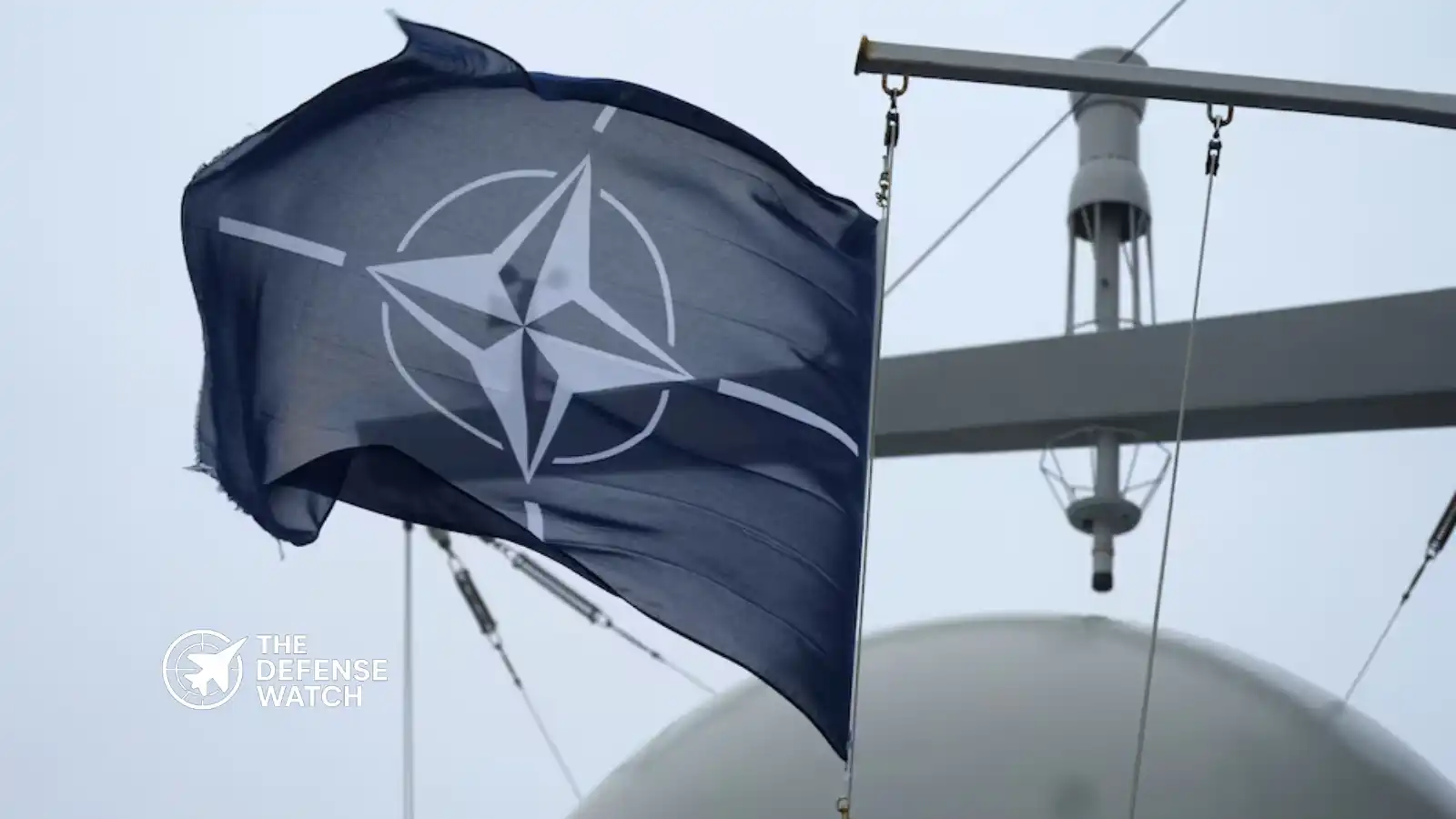
Estonia Says NATO Remains Strong Despite Pressure
Estonia NATO defense policy moved into focus this week after Estonian Defense Minister Hanno Pevkur said the alliance remains intact and that the United States would honor its commitment to defend allies in the event of a Russian attack.
Speaking in Vilnius, Pevkur dismissed fears that NATO could fracture under political pressure, saying disagreements inside the alliance should be seen as part of a long-term partnership rather than evidence of collapse. Reuters reported the remarks on April 17.
- Estonian Defense Minister Hanno Pevkur said NATO will not collapse despite recent alliance tensions.
- Pevkur said he is confident the United States would defend Estonia if Russia attacked.
- Estonia plans to spend 5.1% of GDP on defense, among the highest levels in NATO.
- The minister said Europe still cannot fully defend itself without U.S. support.
- Comments come as NATO members debate spending targets before the next summit.
The comments come at a sensitive moment for transatlantic security. NATO members are balancing continued support for Ukraine, rising military budgets, and debate over burden-sharing between North America and Europe.
Why Estonia’s Message Matters
Estonia is one of NATO’s frontline states, bordering Russia and positioned on the alliance’s northeastern flank. Because of geography alone, statements from Tallinn carry more weight than similar comments from countries farther from the threat environment.
For Baltic governments, deterrence depends on two things:
- Forward-deployed NATO forces
- Clear U.S. political commitment
- Faster European rearmament
- Sustained support for Ukraine
When Estonia publicly states confidence in Washington, it sends a message to both allies and adversaries that alliance cohesion remains intact.
Defense Spending Pressure Builds Across NATO
Pevkur also argued that European states must increase military spending faster. He criticized many allies for failing to meet higher spending ambitions now being discussed inside NATO. Estonia plans to allocate 5.1% of GDP to defense, placing it among the top spenders in the alliance.
That matters because NATO’s future credibility will likely be measured less by speeches and more by ammunition stocks, air defense capacity, industrial output, and deployable brigades.
Several European governments have already launched procurement drives for:
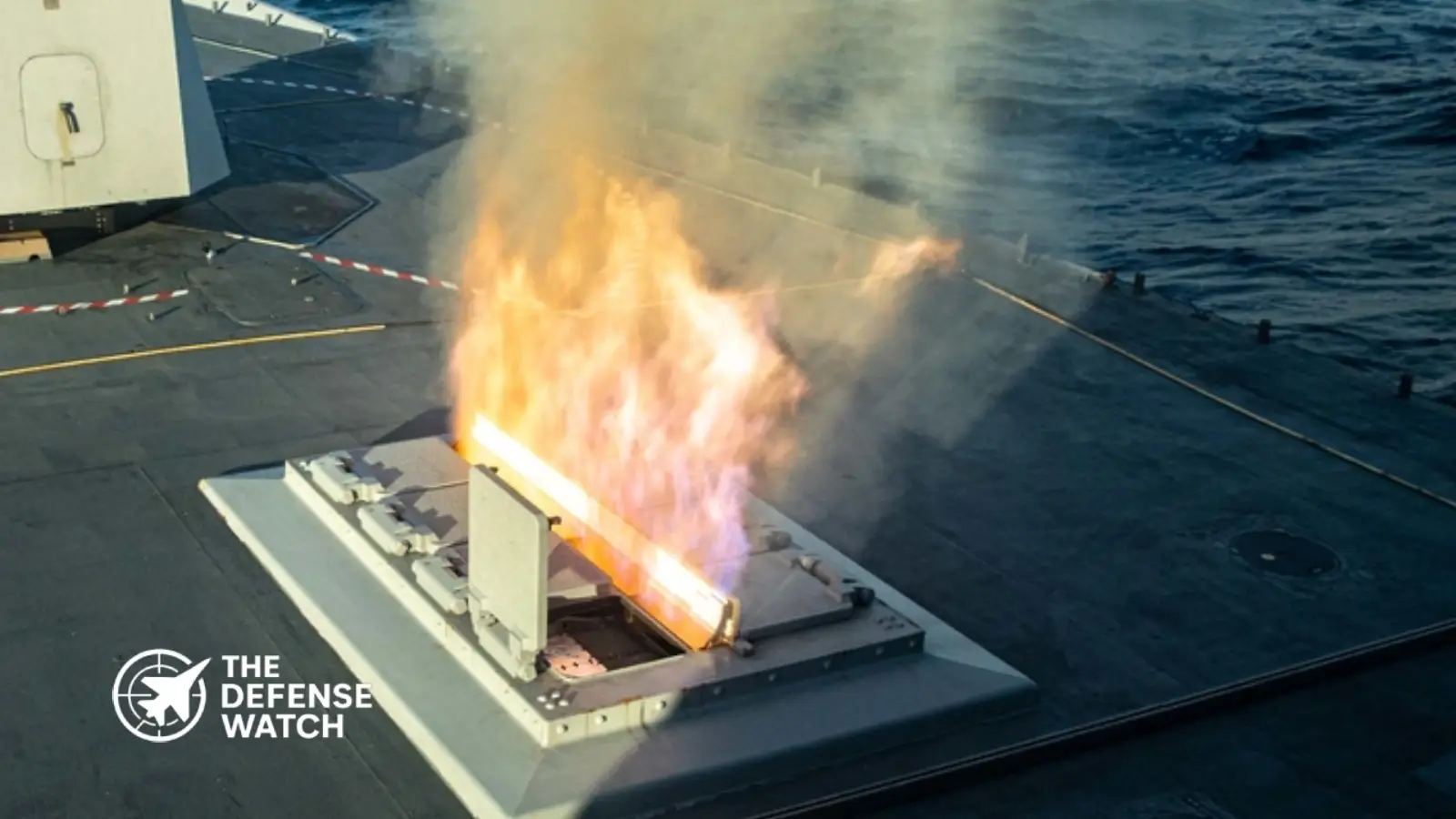
- Air and missile defense systems
- Long-range fires
- Armored vehicles
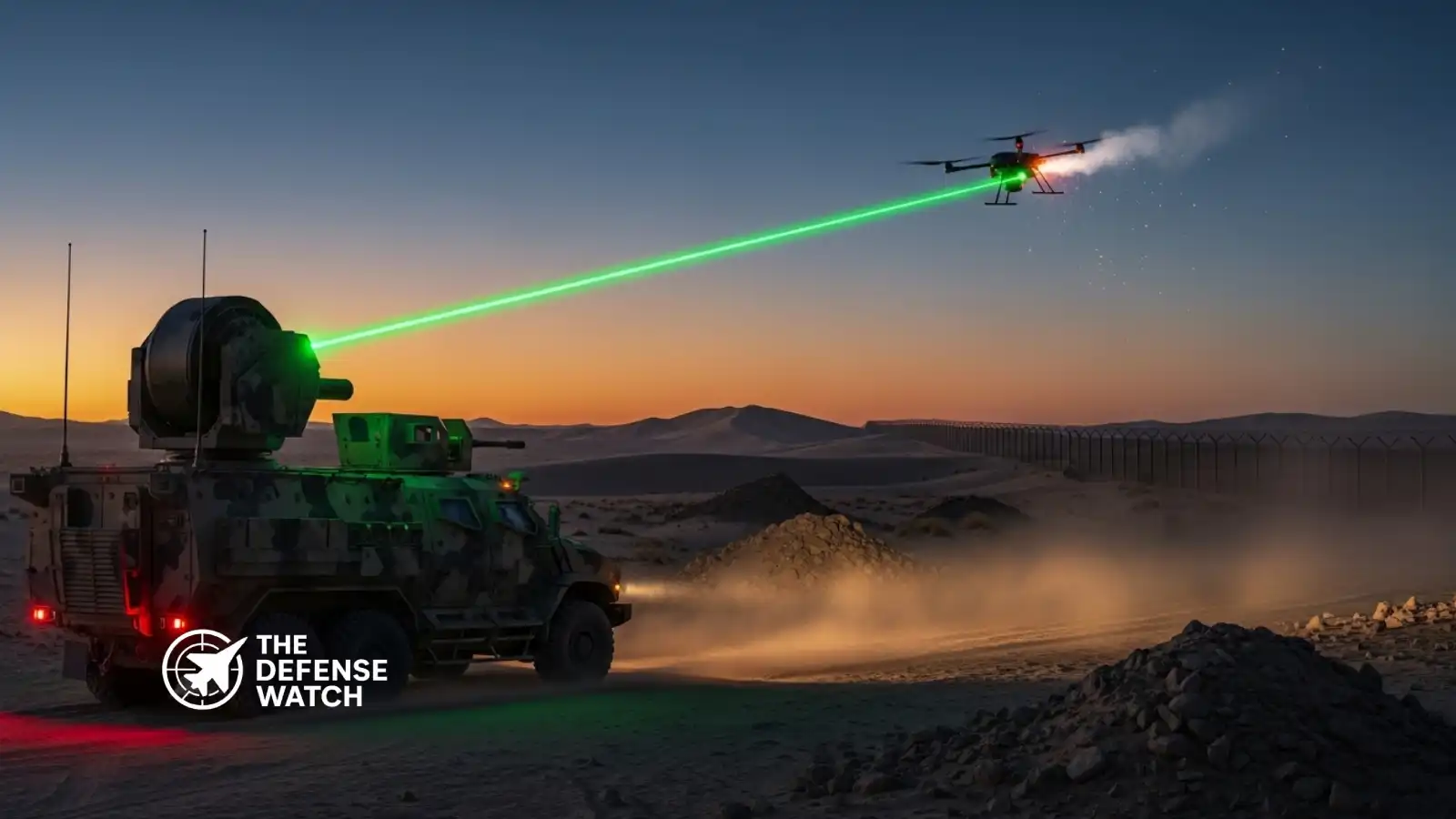
- Drone and counter-drone systems
- Ammunition production lines
Europe Still Depends On U.S. Military Power
One of the most notable parts of Pevkur’s remarks was his acknowledgment that Europe cannot yet defend itself independently.
That assessment reflects a widely recognized capability gap in areas such as:
- Strategic airlift
- Intelligence, surveillance and reconnaissance
- Missile defense
- Precision strike networks
- Nuclear deterrence
- Large-scale logistics
While Europe is spending more, replacing decades of reliance on U.S. capabilities will take years, not months.
Strategic Outlook For NATO In 2026
The real issue facing NATO is not immediate collapse, but adaptation. The alliance must prove it can deter Russia, support Ukraine, and rebalance responsibilities among members without weakening unity.
Estonia’s position suggests smaller frontline states want two outcomes at once: stronger European militaries and continued U.S. leadership.
That dual-track approach is likely to dominate discussions at upcoming NATO meetings.
Bottom Line
Estonia’s latest message is clear: NATO remains credible, the U.S. security guarantee still matters, and Europe must move faster to strengthen its own defenses. For countries closest to Russia, those are not abstract political debates, they are core security requirements.