

Executive Summary:
Iran has stated that no final decision has been made regarding a proposed agreement with the United States, despite President Donald Trump’s assertion that a deal could be signed within days.
The potential agreement would represent a major diplomatic development after months of conflict, but key issues including sanctions relief, nuclear restrictions, and regional security concerns remain unresolved.
Iran Says No Final Decision On Proposed U.S. Agreement
The Iran U.S. peace deal remains uncertain after Tehran publicly rejected suggestions that a final agreement has already been approved.
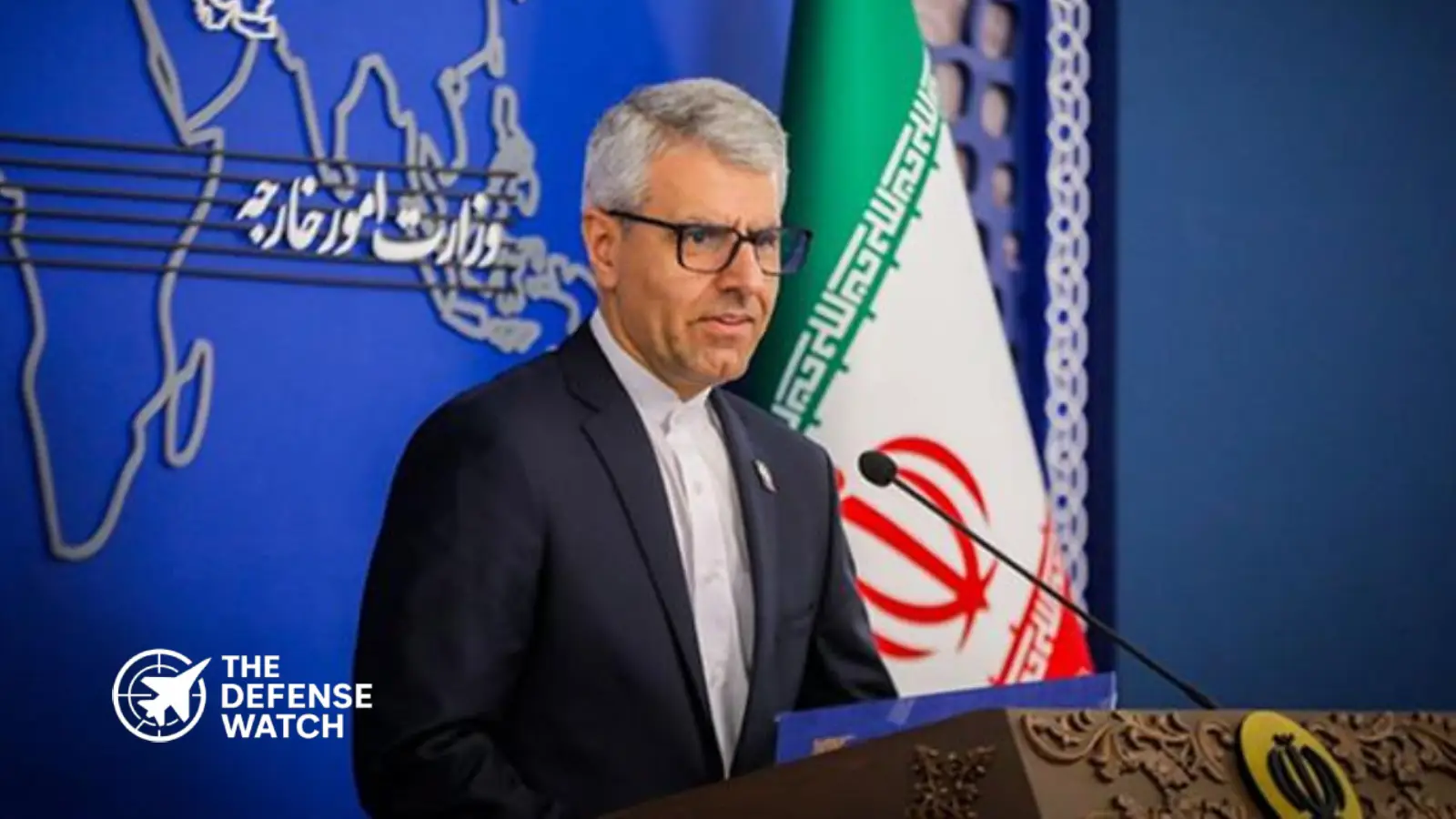
Speaking through Iran’s state media on June 11, Foreign Ministry spokesperson Esmaeil Baghaei said discussions are continuing and that relevant Iranian decision-making bodies are still reviewing the proposed framework. He emphasized that Iran would not compromise on what it considers its core negotiating positions.
The statement came only hours after President Donald Trump told reporters that the United States and Iran could sign an agreement as early as this weekend, potentially reopening the strategically vital Strait of Hormuz. Trump described the proposed arrangement as a major settlement and suggested Vice President JD Vance could sign on behalf of Washington.
Iranian officials, however, pushed back against reports of an imminent signing ceremony, calling such claims speculative and stressing that no final approval has been granted.
Strategic Importance Of The Strait Of Hormuz
The Strait of Hormuz remains one of the world’s most critical maritime chokepoints.
Any agreement that guarantees freedom of navigation through the waterway would have significant implications for global energy markets, commercial shipping, and regional military operations. Trump has repeatedly linked the proposed deal to reopening the strait and reducing instability across the Gulf region.
For defense planners, the issue extends beyond commercial shipping. The strait serves as a key route for naval deployments, energy exports, and military logistics operations throughout the Middle East.
Continued uncertainty surrounding access to the waterway has contributed to elevated security concerns among Gulf states, international shipping companies, and Western military forces operating in the region.
Key Issues Still Dividing Washington And Tehran
Although negotiators reportedly finalized substantial portions of the draft text, several major disagreements remain unresolved. Iranian officials continue to insist on preserving their negotiating red lines while seeking sanctions relief and access to frozen assets.
The United States, meanwhile, has consistently maintained that any long-term agreement must prevent Iran from obtaining a nuclear weapon. Trump reiterated that position while promoting the proposed settlement.
Additional reported areas of discussion include:
- Future nuclear negotiations
- Restrictions on missile development
- Regional security commitments
- Economic sanctions relief
- Maritime security arrangements in the Gulf
These issues have historically proven difficult to resolve and remain central to the broader strategic rivalry between Washington and Tehran.
Military Tensions Continue Despite Diplomatic Progress
The negotiations are taking place against the backdrop of continuing military friction.
Recent exchanges of attacks between U.S. and Iranian forces have raised concerns about the durability of a ceasefire announced earlier this year. Reuters reported that military incidents occurred even as diplomatic discussions advanced, highlighting the fragile nature of the current security environment.
From a defense perspective, this illustrates a recurring challenge in modern conflict resolution. Diplomatic negotiations often proceed simultaneously with military signaling, creating uncertainty for allies, adversaries, and financial markets.
The situation also underscores the importance of maintaining credible deterrence while pursuing diplomatic solutions, a balance that both Washington and Tehran continue to navigate.
Analysis: Why The Deal Matters For Regional Security
If finalized, the Iran U.S. peace deal would represent one of the most consequential diplomatic developments in the Middle East in recent years.
The agreement could reduce immediate risks to maritime trade, lower pressure on global energy markets, and create a framework for broader negotiations on Iran’s nuclear activities and regional influence.
However, Tehran’s latest comments demonstrate that significant political and strategic hurdles remain.
Iranian leaders appear determined to avoid the perception of conceding under pressure, while U.S. officials must ensure any agreement satisfies domestic political concerns and regional security partners. Those competing priorities help explain why negotiations have advanced while final approval remains elusive.
Until both governments formally endorse a completed agreement, military planners, energy markets, and regional allies are likely to remain cautious.
Conclusion
The Iran U.S. peace deal remains under negotiation despite President Trump’s assertion that a signing could occur within days. Iranian officials have made clear that no final decision has been reached and that key issues remain under review.
While substantial progress appears to have been made, the future of the agreement will depend on whether both sides can bridge remaining differences over nuclear restrictions, sanctions relief, and regional security arrangements.
For now, the proposed deal remains a potential breakthrough rather than a completed diplomatic settlement.
