

Executive Summary:
U.S. President Donald Trump said negotiations with Iran are entering the final stages, while warning that military action remains an option if diplomacy fails. Tehran responded with threats of broader retaliation, signaling that tensions between the United States and Iran remain volatile despite a temporary ceasefire following Operation Epic Fury.
Trump Says Iran Negotiations Are Entering Final Stages
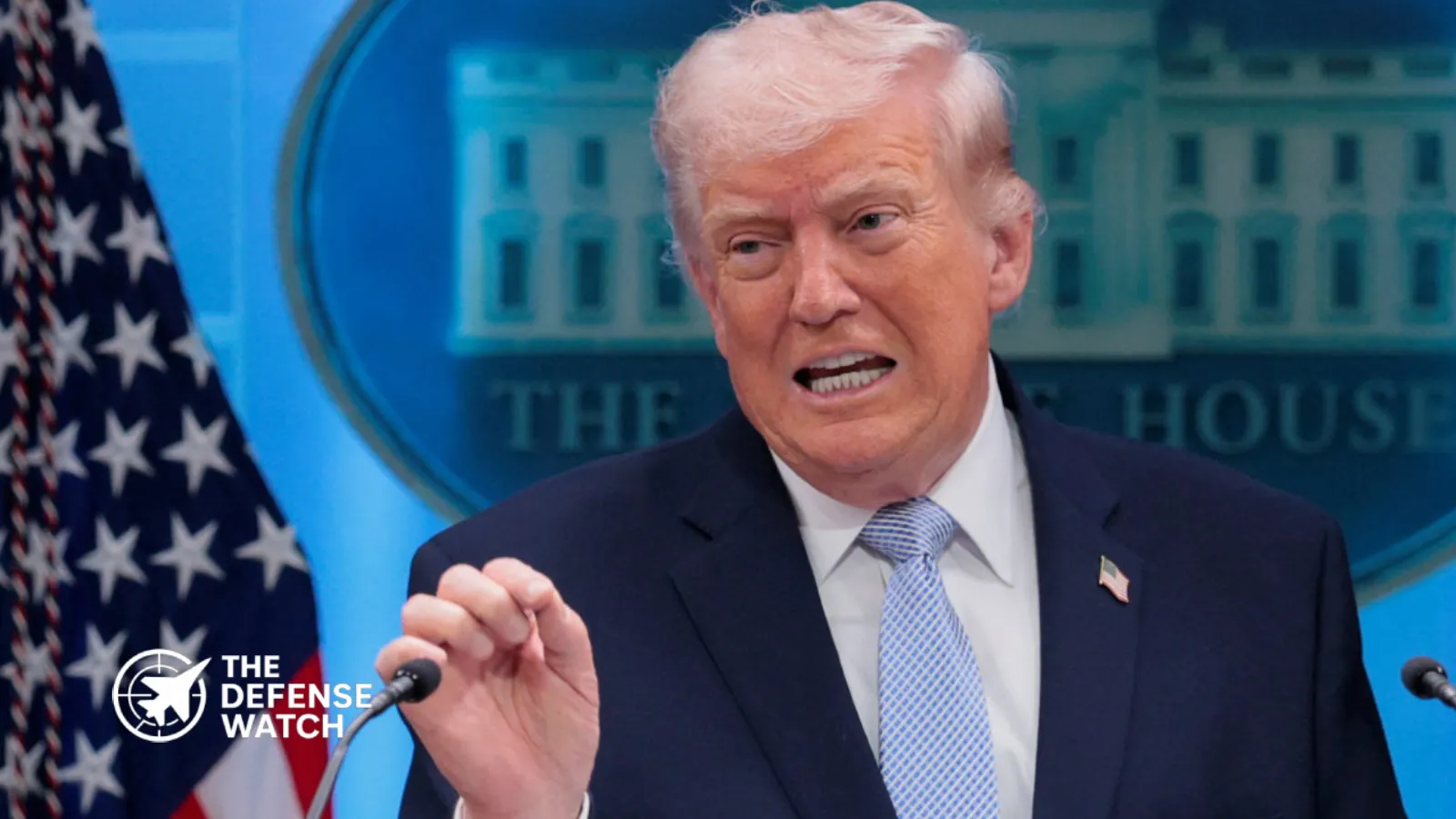
President Donald Trump said Wednesday that negotiations with Iran are approaching a decisive moment, while warning that the United States could resume military strikes if Tehran refuses to accept a deal.
Speaking to reporters six weeks after the suspension of Operation Epic Fury, Trump described the talks as being in the final stages but made clear that Washington is prepared to use force if diplomacy collapses.
“We’re in the final stages of Iran. We’ll see what happens. Either have a deal or we’re going to do some things that are a little bit nasty, but hopefully that won’t happen,” Trump said.
The remarks come amid continued uncertainty surrounding indirect negotiations aimed at preventing a broader regional conflict after the U.S. and Iran-backed forces exchanged strikes earlier this year.
Trump also indicated that the White House had recently considered additional military operations but delayed action to provide more time for diplomacy.
“We’re going to give this one shot. I’m in no hurry,” Trump said. “Ideally I’d like to see few people killed, as opposed to a lot. We can do it either way.”
Tehran Warns Of Wider Regional Conflict
Iran responded sharply to Trump’s comments, accusing Washington of preparing for another round of military escalation.
The Islamic Revolutionary Guard Corps warned that any renewed attack on Iran would trigger retaliation extending beyond the Middle East.
“If aggression against Iran is repeated, the promised regional war will extend beyond the region this time,” the organization said in a statement carried by Iranian state media.
The warning reflects growing concern among regional security analysts that another breakdown in diplomacy could rapidly expand into a broader confrontation involving Iranian proxy networks, Gulf infrastructure, maritime shipping routes, and U.S. military assets stationed across the region.
Operation Epic Fury Remains A Strategic Pressure Tool
Although details surrounding Operation Epic Fury remain limited, the campaign demonstrated Washington’s willingness to employ precision military force alongside diplomatic pressure.
The operation reportedly targeted Iran-linked military infrastructure and proxy capabilities before Trump ordered a pause tied to ceasefire efforts and renewed negotiations.
Defense analysts note that the administration appears to be maintaining a dual-track strategy that combines deterrence with diplomacy. The latest statements suggest the White House is attempting to pressure Tehran into concessions while avoiding immediate escalation.
That approach mirrors previous U.S. strategies used during periods of heightened nuclear negotiations, where military readiness was leveraged to strengthen diplomatic bargaining positions.
At the same time, Iran continues signaling that it possesses both regional strike capabilities and escalation options designed to deter further U.S. military action.
Regional Security Concerns Continue To Grow
The renewed exchange of threats comes as security conditions across the Middle East remain unstable.
U.S. military commanders have continued monitoring threats to shipping lanes, regional air bases, and partner nations amid concerns that Iran-backed groups could resume attacks if negotiations fail.
Energy markets and commercial shipping operators are also closely watching developments surrounding the Strait of Hormuz, a strategically vital maritime chokepoint through which a significant portion of global oil exports transit.
Military planners across the region are expected to remain on elevated alert levels while diplomatic efforts continue.
Diplomatic Window Appears Narrow
Despite Trump’s insistence that negotiations remain active, there has been little public evidence of significant breakthroughs in recent weeks.
The administration has not disclosed specific terms under discussion, though previous rounds of talks reportedly focused on nuclear restrictions, sanctions relief, regional militia activity, and security guarantees.
Iranian officials have repeatedly demanded assurances against future military strikes while maintaining that Tehran will not negotiate under direct threats.
The increasingly confrontational rhetoric from both sides highlights the fragile state of the negotiations and the possibility that the current diplomatic window could close quickly if either side miscalculates.
For now, Washington appears intent on preserving talks while simultaneously reinforcing the credibility of military options.
Strategic Implications For U.S. Defense Posture
The latest developments underscore how tensions with Iran continue shaping U.S. force posture and strategic planning across the Middle East.
American military assets in the region remain heavily focused on missile defense, maritime security, intelligence surveillance, and rapid response operations designed to deter escalation.
The situation also carries implications for allied nations dependent on regional stability, particularly Gulf partners hosting U.S. bases and critical defense infrastructure.
If negotiations fail, defense analysts expect Washington could rapidly increase force deployments, naval patrols, and air defense readiness throughout the theater.
At the same time, officials appear aware that another military confrontation with Iran could risk wider instability extending well beyond the Middle East.
