

Executive Summary:
The United States has paused its Hormuz escort operation, known as Project Freedom, just one day after launch. The move follows signs of progress in negotiations with Iran and requests from regional mediators. The decision reflects a shift from immediate military escalation toward diplomatic de-escalation in a volatile maritime corridor.
U.S. Pauses Hormuz Escort Operation Amid Rising Diplomatic Momentum
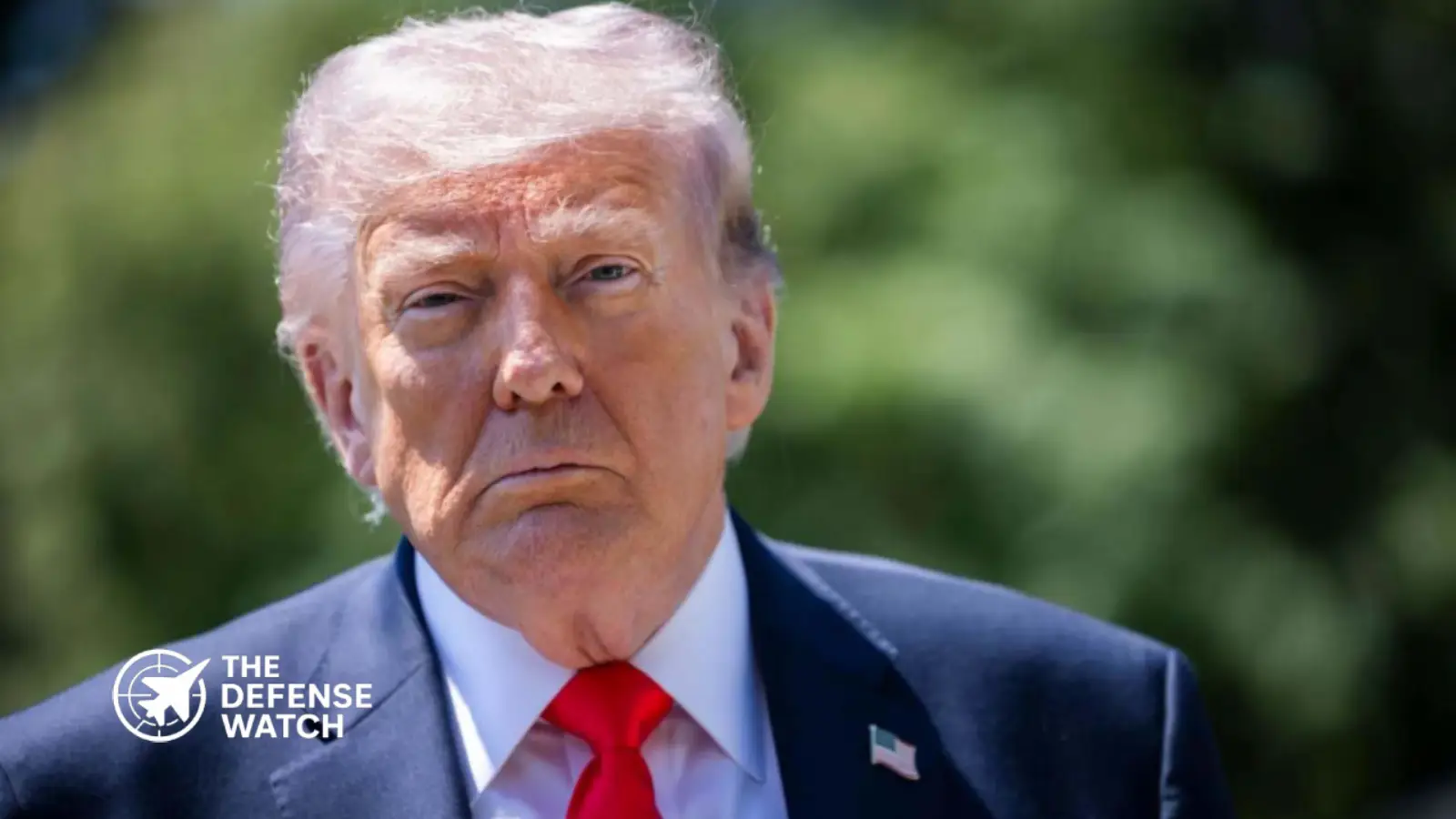
The Hormuz escort operation pause marks a rapid shift in U.S. maritime strategy in the Gulf, coming less than 24 hours after the mission’s launch. President Donald Trump announced the suspension of “Project Freedom,” a naval effort designed to escort commercial shipping through the Strait of Hormuz, citing “significant progress” in ongoing negotiations with Iran.
The decision follows direct appeals from Pakistan and other intermediary states engaged in backchannel diplomacy. While the escort mission has been halted, U.S. officials confirmed that broader pressure measures, including restrictions on Iranian maritime activity, remain in effect.
The Strait of Hormuz remains one of the world’s most critical energy chokepoints, handling roughly 20 percent of global oil shipments, according to data from the U.S. Energy Information Administration (EIA). Any disruption in this corridor carries immediate global economic implications.
Escalation Triggered Within Hours of Launch
The launch of Project Freedom on Monday quickly escalated tensions across the Gulf. Iranian forces reportedly issued warning shots near commercial vessels, while multiple incidents involving attacks on shipping and retaliatory strikes in Gulf states were reported within the same operational window.
According to regional security assessments and reporting from outlets such as Reuters and the Associated Press, the rapid escalation raised concerns that the operation could destabilize the fragile ceasefire that has been in place since April 7.
From an operational standpoint, the speed of escalation highlights the inherent risks of close-quarter naval operations in contested waterways. The presence of multiple actors, including Iranian Revolutionary Guard naval units and U.S.-aligned forces, increases the probability of miscalculation.
Strategic Calculus Behind the Pause
The Hormuz escort operation pause reflects a broader strategic calculation by Washington. While the mission aimed to ensure freedom of navigation, it also risked triggering direct confrontation with Iran at a time when diplomatic channels appear active.
By suspending the operation, the U.S. signals a willingness to prioritize negotiations over immediate force projection. This approach aligns with previous patterns in Gulf security policy, where military deployments often serve as leverage rather than endpoints.
At the same time, maintaining a naval blockade posture preserves pressure on Tehran. Analysts note that this dual-track approach, combining diplomacy with sustained economic and military pressure, is consistent with U.S. coercive diplomacy frameworks.
Role of Regional Mediators
Pakistan’s involvement as a mediator underscores the growing role of regional actors in de-escalating Gulf tensions. Islamabad has historically maintained working relationships with both Washington and Tehran, positioning itself as a viable intermediary.
Other Gulf and international stakeholders have also reportedly urged restraint, reflecting concerns over the economic and security fallout of a prolonged maritime crisis. Energy markets remain particularly sensitive to developments in the Strait of Hormuz, with even short-term disruptions capable of triggering price volatility.
Operational Impact on Maritime Security
The suspension of the escort mission leaves commercial shipping once again reliant on existing security measures, including private maritime security teams and coordination with regional naval forces.
The U.S. Navy’s Fifth Fleet, headquartered in Bahrain, continues to monitor the situation and retains the capability to rapidly reinitiate escort operations if required. However, the pause introduces uncertainty for shipping operators navigating the region.
From a defense perspective, the episode highlights the limitations of traditional naval escort models in asymmetric threat environments. Iran’s use of fast attack craft, drones, and coastal missile systems complicates conventional escort strategies.
Broader Implications for U.S.-Iran Relations
The U.S. Iran deal progress cited by President Trump remains undefined in public statements, but the decision to pause military operations suggests tangible developments behind the scenes.
If sustained, this diplomatic momentum could reduce the risk of direct conflict in the Gulf. However, the situation remains fluid, with both sides maintaining significant military capabilities in the region.
The balance between deterrence and diplomacy will likely define the next phase of U.S. policy. A premature rollback of military posture could weaken leverage, while continued escalation risks undermining negotiations.
Outlook: Temporary Pause or Strategic Reset?
The Hormuz escort operation pause may prove to be either a short-term tactical adjustment or part of a broader strategic reset in Gulf policy.
Key indicators to watch include:
- Progress in formal U.S.-Iran negotiations
- Changes in Iranian maritime behavior
- Reactions from Gulf allies and international shipping stakeholders
For now, the decision reflects a cautious recalibration, balancing the need to secure maritime التجارة routes with the opportunity to pursue diplomatic resolution.
