

Executive Summary:
A Wall Street Journal report alleges the United Arab Emirates conducted covert strikes on Iran’s Lavan Island oil refinery during the recent regional conflict involving the United States and Israel. The report also claims Iran retaliated with large-scale missile and drone attacks targeting Gulf states, escalating regional security concerns and economic disruption across the Gulf.
UAE Secretly Attacked Iran During War, WSJ Report Claims
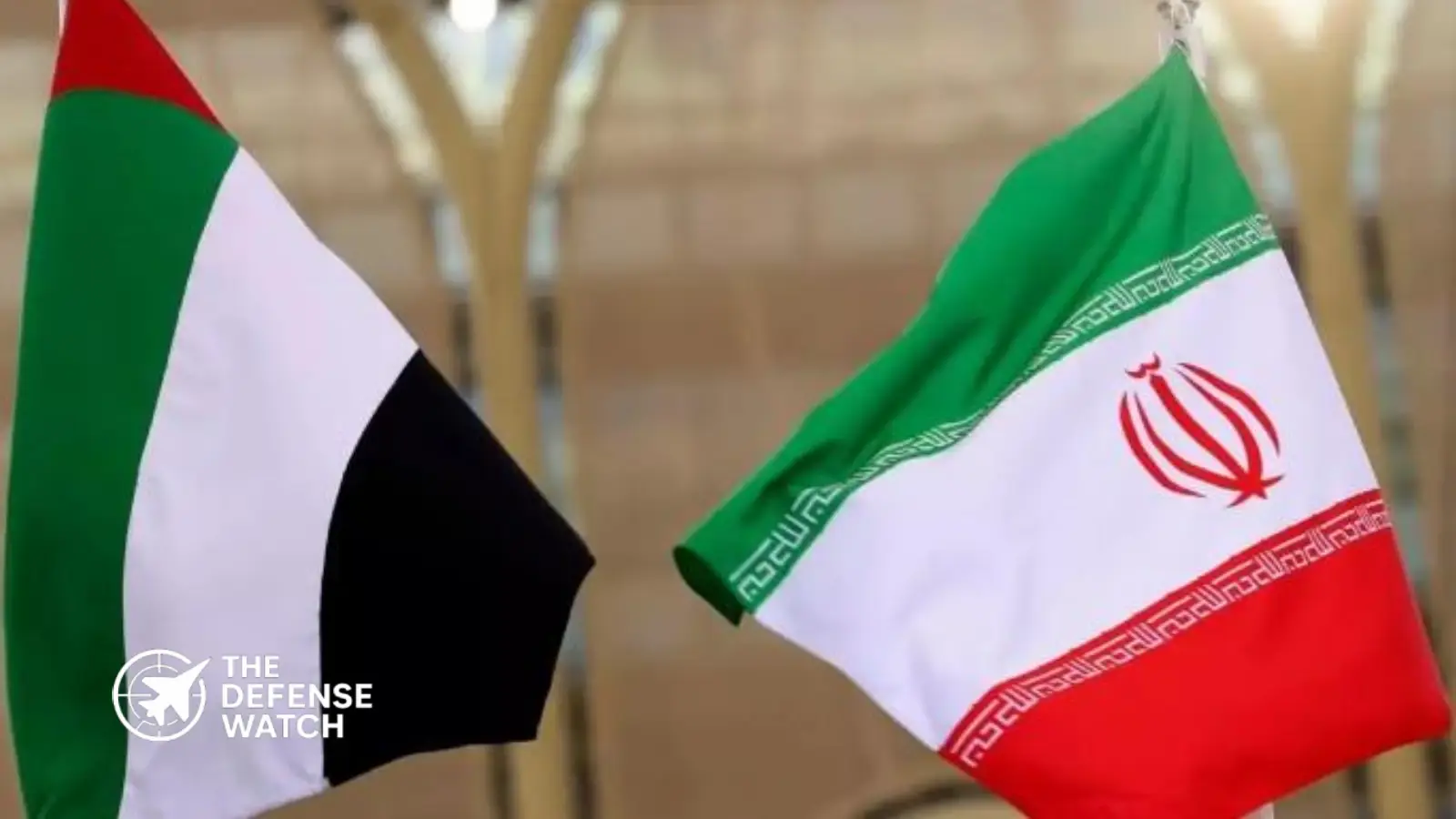
The United Arab Emirates allegedly carried out covert military strikes against Iran during the recent conflict involving the United States and Israel, according to a report published by the The Wall Street Journal.
The report stated that Emirati forces targeted an oil refinery located on Iran’s Lavan Island in early April, causing a major fire and temporarily shutting down operations at the facility. The alleged strike reportedly occurred as US President Donald Trump was preparing to announce a ceasefire initiative linked to the broader regional confrontation.
According to sources cited by the newspaper, the United States privately welcomed the UAE’s participation in operations against Iran, although no official confirmation has been issued by Washington, Abu Dhabi, or Tehran.
Lavan Island Strike Highlights Gulf Security Risks
Lavan Island holds strategic significance for Iran’s energy sector due to its oil export and refining infrastructure in the Persian Gulf. Any attack on facilities in the area carries implications for global energy markets and maritime security.
The Wall Street Journal report claimed the refinery strike led to severe fire damage and temporarily disrupted refining activity. However, independent verification of the scale of the damage remains limited.
If confirmed, the alleged UAE operation would represent a significant escalation in Gulf state involvement in direct military action against Iran. Historically, Gulf Cooperation Council states have largely relied on indirect pressure, coalition support, or defensive measures rather than overt strikes on Iranian territory.
The reported operation also reflects growing concerns among Gulf states over Iran’s missile, drone, and proxy warfare capabilities. Regional defense planners have increasingly focused on air defense integration, early warning systems, and counter-drone technologies following repeated attacks on critical infrastructure in recent years.
Iran Allegedly Retaliated With Missile And Drone Attacks
According to the report, Iran responded to the alleged attacks with ballistic missile and drone strikes targeting the UAE and Kuwait.
Sources cited by the newspaper claimed Iran launched approximately 2,800 attacks against the UAE during the conflict period, reportedly exceeding the number directed at Israel. The scale of those claims has not been independently verified by defense analysts or official military assessments.
The reported attacks allegedly caused economic disruption across the UAE, including workforce departures, layoffs, and pressure on commercial sectors dependent on foreign investment and expatriate labor.
The UAE has spent years positioning itself as a regional business and logistics hub with strong internal stability. Large-scale missile or drone attacks on Emirati territory could significantly affect investor confidence, aviation operations, tourism, shipping, and energy infrastructure.
Regional Defense Strategy Under Pressure
The reported events underscore how modern Middle East conflicts increasingly involve long-range precision strike systems, unmanned aerial vehicles, and attacks on economic infrastructure rather than traditional ground campaigns.
Iran’s expanding arsenal of ballistic missiles and drones has become a central concern for Gulf defense strategies. Countries across the region, including the UAE and Saudi Arabia, have accelerated procurement of integrated air defense systems, electronic warfare tools, and counter-UAV platforms.
At the same time, the conflict demonstrates the growing overlap between regional rivalries and broader geopolitical competition involving the United States and Israel. Analysts have long warned that covert or deniable operations could rapidly escalate into direct state-on-state confrontation in the Gulf.
The alleged UAE strikes, if accurate, would also signal a shift in Abu Dhabi’s security posture from primarily defensive operations toward more direct strategic intervention.
Strategic Impact On Gulf Stability
The broader implications of the report extend beyond the immediate conflict. Gulf energy infrastructure remains one of the world’s most vulnerable strategic targets due to its concentration along narrow maritime corridors and proximity to Iranian missile forces.
The Strait of Hormuz continues to serve as a critical global energy chokepoint, with a significant percentage of the world’s oil shipments passing through the region. Any sustained escalation involving Iran and Gulf states could affect global shipping insurance rates, oil prices, and military deployments by external powers.
The allegations also highlight the increasing role of covert operations and deniable strikes in modern regional warfare. Intelligence-linked operations targeting oil infrastructure, ports, and logistics facilities have become more common across the Middle East over the past decade.
Neither the UAE government nor Iranian authorities have publicly confirmed the claims detailed in the Wall Street Journal report.
Analysis
The reported UAE involvement reflects a wider transformation in Middle East security dynamics. Gulf states are no longer relying solely on external protection from the United States but are increasingly willing to conduct independent or semi-independent security operations when they perceive direct threats.
The conflict also reinforces the strategic importance of missile defense and counter-drone systems in modern warfare. Precision strikes against energy infrastructure can produce outsized economic and political effects without requiring large-scale conventional invasions.
Another key factor is the information environment surrounding regional conflicts. Competing narratives, anonymous sourcing, and limited transparency make independent verification difficult. As a result, policymakers and defense analysts often rely on fragmented intelligence and open-source reporting to assess escalation risks.
Whether fully accurate or partially exaggerated, the claims published by the Wall Street Journal are likely to intensify scrutiny of Gulf military coordination, Iranian retaliation capabilities, and the future role of regional allies in any future confrontation involving Tehran.
