

Executive Summary:
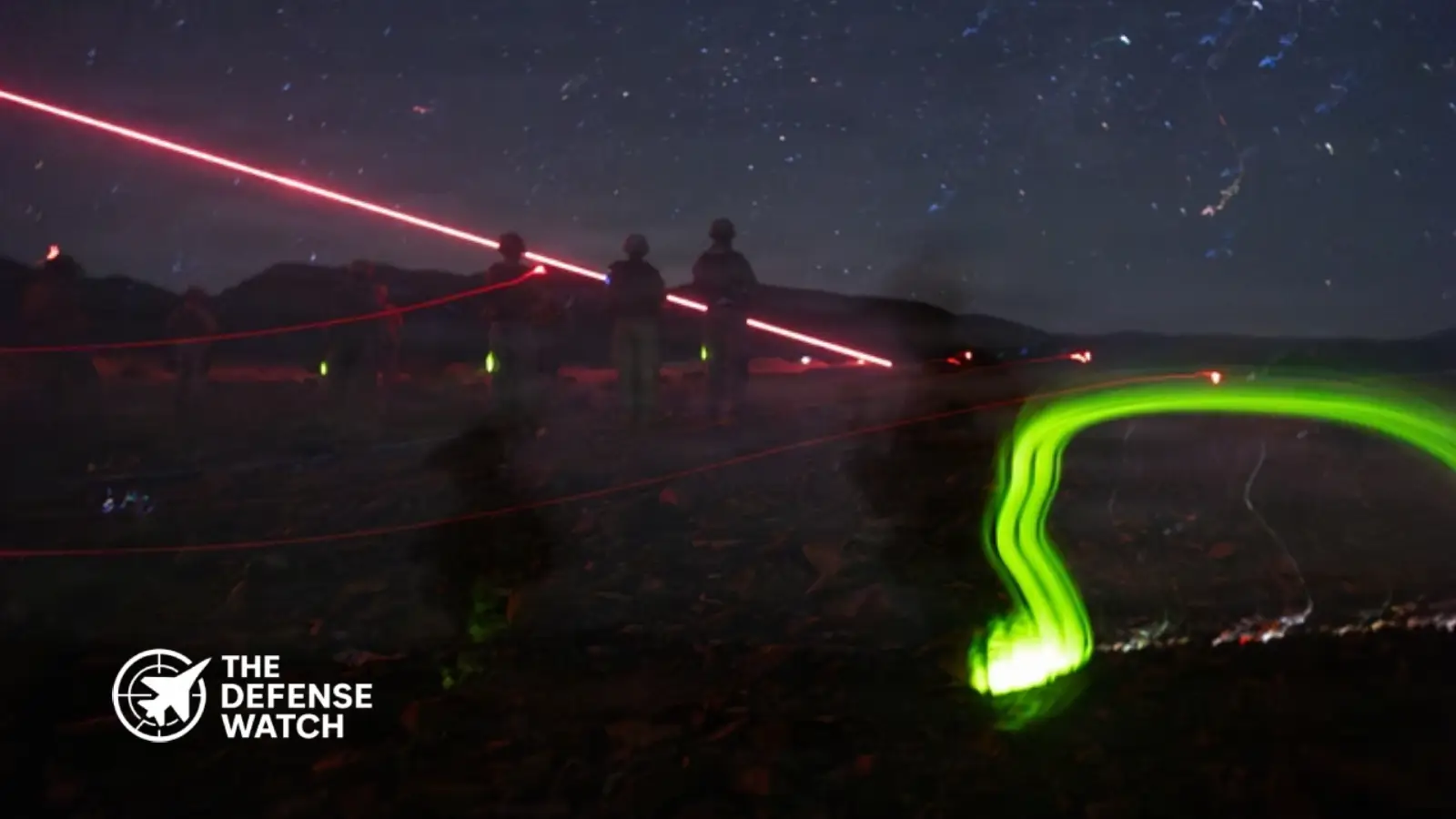
U.S. Marines have conducted live-fire training operations in the South China Sea as part of ongoing Indo-Pacific deployments. The drills demonstrate expeditionary readiness and reinforce the U.S. military’s ability to operate in one of the world’s most strategically significant maritime regions.
U.S. Marines South China Sea Operations Highlight Combat Readiness
The U.S. Marines South China Sea presence was highlighted this month through a series of live-fire activities conducted during ongoing naval operations in the Indo-Pacific. The exercises form part of routine training designed to maintain combat readiness, strengthen interoperability, and demonstrate the ability of forward-deployed forces to respond rapidly to emerging contingencies.
According to imagery and information released by the U.S. military, Marine aviation and amphibious forces operating from the amphibious assault ship USS Boxer conducted flight and operational activities while deployed in the South China Sea. The deployment includes elements of the Boxer Amphibious Ready Group and the embarked 11th Marine Expeditionary Unit.
The exercises underscore the continuing role of Marine Corps expeditionary forces in maintaining a visible U.S. military presence across the Indo-Pacific, particularly in maritime areas where strategic competition remains a key concern.
Amphibious Forces Provide Flexible Response Options
At the center of the deployment is a combination of amphibious ships, aviation assets, and embarked Marine units capable of conducting a wide range of missions.
Marine aviation elements operating from USS Boxer include AH-1Z attack helicopters, MV-22B Osprey tiltrotor aircraft, and supporting aviation platforms. These systems provide capabilities ranging from close air support and reconnaissance to rapid troop movement and humanitarian assistance operations.
The Marine Expeditionary Unit structure remains one of the United States’ most flexible forward-deployed military formations. By operating from the sea, Marine forces can quickly reposition across large distances without requiring permanent basing infrastructure ashore.
This mobility continues to be a central component of U.S. force posture planning throughout the Indo-Pacific theater, where geography and maritime access are critical operational considerations.
Why The South China Sea Matters
The South China Sea remains one of the world’s most strategically important waterways. Trillions of dollars in global trade pass through the region annually, making freedom of navigation and maritime security major concerns for regional and global powers.
The area is also characterized by overlapping territorial claims involving several Southeast Asian nations and China. These competing claims have contributed to recurring maritime confrontations, coast guard encounters, and military deployments over the past decade.
As a result, military exercises conducted by the United States and its allies are often viewed as demonstrations of readiness, alliance commitments, and support for a rules-based international maritime order.
Recent multinational drills involving the United States, Japan, Australia, and the Philippines have similarly featured live-fire events and maritime training designed to improve interoperability among partner nations.
Analysis: Operational Signaling Without Escalation
While live-fire exercises are routine military activities, they also serve an important strategic purpose.
From an operational perspective, regular training ensures that Marine units maintain proficiency in weapons employment, amphibious operations, aviation integration, and command-and-control procedures. These skills are difficult to replicate without realistic training scenarios.
From a strategic standpoint, visible deployments and training activities communicate that U.S. forces remain capable of operating across contested maritime environments. The ability to rapidly deploy combat-capable forces from amphibious ships provides policymakers with flexible response options during crises.
Importantly, such exercises are not unusual. U.S. Navy carrier strike groups, amphibious ready groups, and Marine expeditionary units routinely conduct live-fire training throughout the Indo-Pacific as part of standard readiness cycles.
The significance lies less in the individual exercise itself and more in the broader pattern of sustained military presence. As regional competition continues, maintaining operational readiness and demonstrating the ability to operate alongside allies remain central objectives of U.S. defense strategy in the Indo-Pacific.
Continuing U.S. Presence Across The Indo-Pacific
The latest Marine Corps activities reinforce a longstanding U.S. commitment to maintaining forward-deployed forces across the region.
Amphibious ready groups and Marine expeditionary units provide a combination of mobility, flexibility, and combat power that allows the United States to respond to a wide range of missions, from deterrence and crisis response to disaster relief and partner nation support.
As strategic competition in the Indo-Pacific continues to shape defense planning, deployments such as the Boxer Amphibious Ready Group are expected to remain a regular feature of U.S. military operations.
