• Home
  • About
  • Defense Systems
  • Manufacturer
  • Comparisons
  • Compare 
  • Tools
TheDefenseWatch.com
  • Aerospace & Aviation
  • Military & Ordnance
  • Naval & Maritime
  • Cyber & Space Defense
  • Policy & Strategy
  • Global News
  • Tools Library
    • Smart Calculator
    • Drone Flight Time Calculator
    • Drone Range Calculator
    • Counter-Drone Jammer Effective Range Calculator
    • Counter-Battery Radar Detection Calculator
    • Artillery Fire Correction Calculator
    • Thermal Camera Detection Range Calculator
    • Missile Range & Time-of-Flight Calculator
    • Radar Detection Range Calculator
    • FPV Strike Drone Payload vs Range Calculator
    • Loitering Munition Endurance Calculator
    • Sniper Ballistic Drop & Windage Calculator
    • Bullet Drop Calculator
    • U.S. Army Combat Fitness Test (ACFT) Calculator
    • Military Pension Calculator
    • Military Retirement Calculator
    • Military Pension Calculator
    • Large Number Calculator
Font ResizerAa

TheDefenseWatch.com

The Defense Watch | U.S. & Global Defense News, Analysis & Military Updates

Search
  • Home
  • About
  • Defense Systems
  • Manufacturer
  • Comparisons
  • Compare 
  • Tools

Stay Updated

Get the latest update

Subscribe

Explore

  • Drone
  • Fighter Jets & Military Aircraft
  • Hypersonic Weapons
  • Aircraft Carriers
  • Strategic History & Missions
  • Tools Library
Home » Dutch F-35s Deploy To United States For High-Tempo Combat Training Mission
Aerospace & AviationFighter Jets & Military Aircraft

Dutch F-35s Deploy To United States For High-Tempo Combat Training Mission

Daniel Mercer / Defense & Aerospace Analyst
Last updated: September 7, 2026 4:40 pm
Daniel Mercer / Defense & Aerospace Analyst
Share
2 Min Read
Dutch F-35 deployment USA
SHARE
■ KEY FACTS AT A GLANCE
  • ► Dutch F-35s deployed to the United States for high-tempo combat training operations.
  • ► Training focuses on complex, large-scale air combat scenarios and interoperability.
  • ► Deployment enhances NATO readiness amid evolving global security challenges.
  • ► U.S.-based training provides access to advanced ranges and joint-force integration.
  • ► Move underscores the Netherlands’ commitment to high-end airpower modernization.

Dutch F-35 Deployment To United States Strengthens Combat Readiness

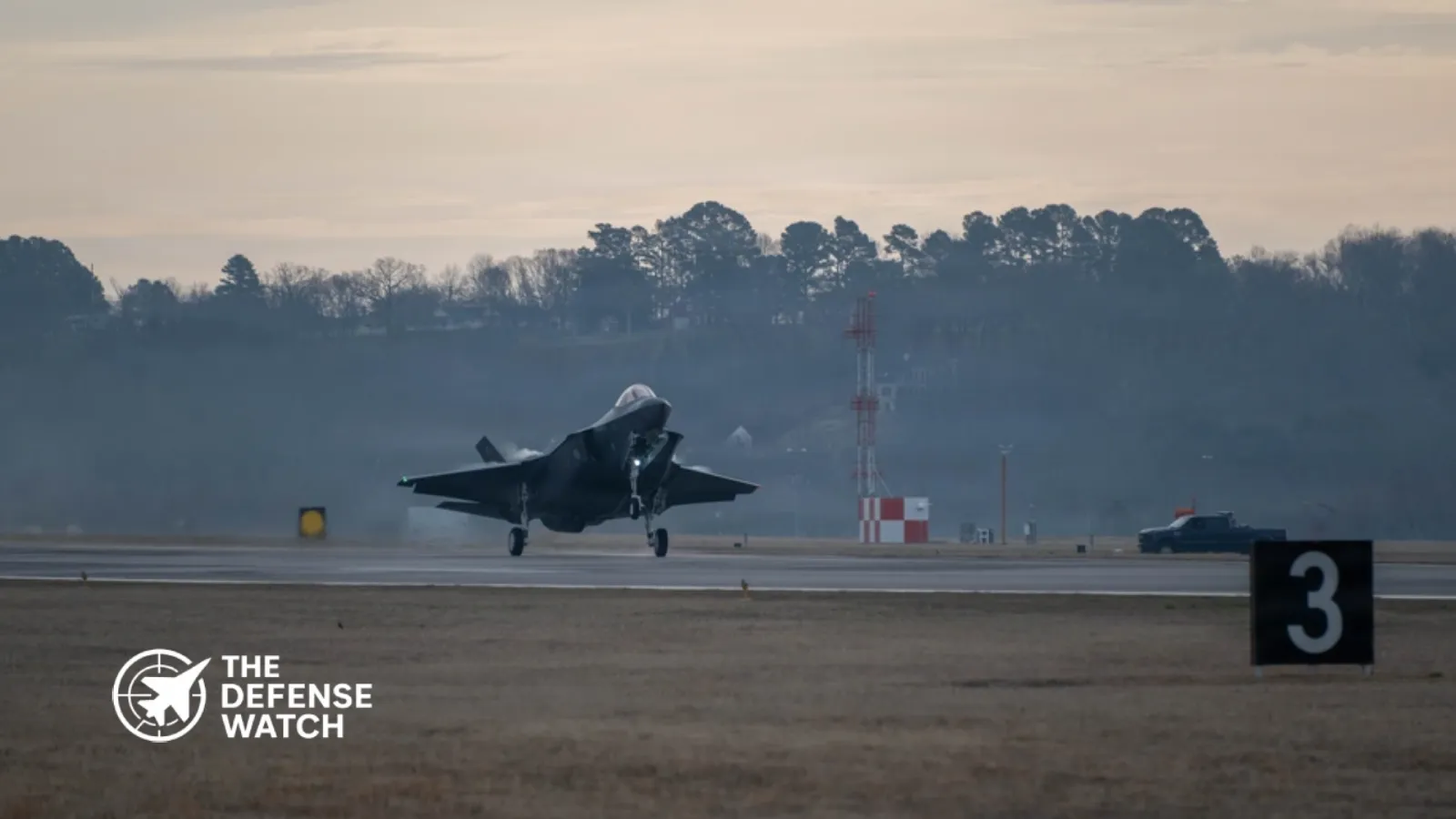
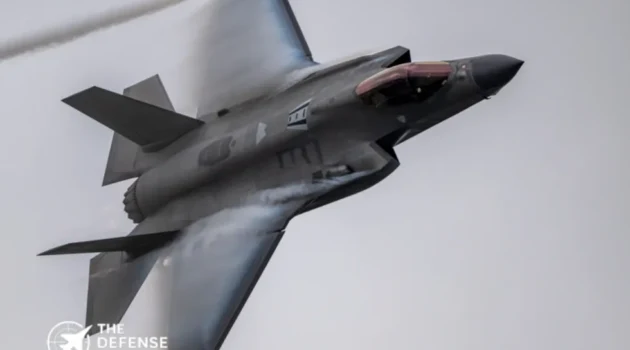
The Dutch F-35 deployment to the United States marks a significant step in advancing high-tempo combat training and operational readiness for the Royal Netherlands Air Force.

Contents
Dutch F-35 Deployment To United States Strengthens Combat ReadinessHigh-Tempo Training Focuses On Complex Combat ScenariosStrategic Value Of U.S.-Based Training InfrastructureEnhancing NATO Interoperability And DeterrenceOperational Readiness And Force GenerationBroader Implications For European AirpowerConclusion

The deployment places Dutch fifth-generation fighters in one of the most demanding training environments available to NATO air forces.

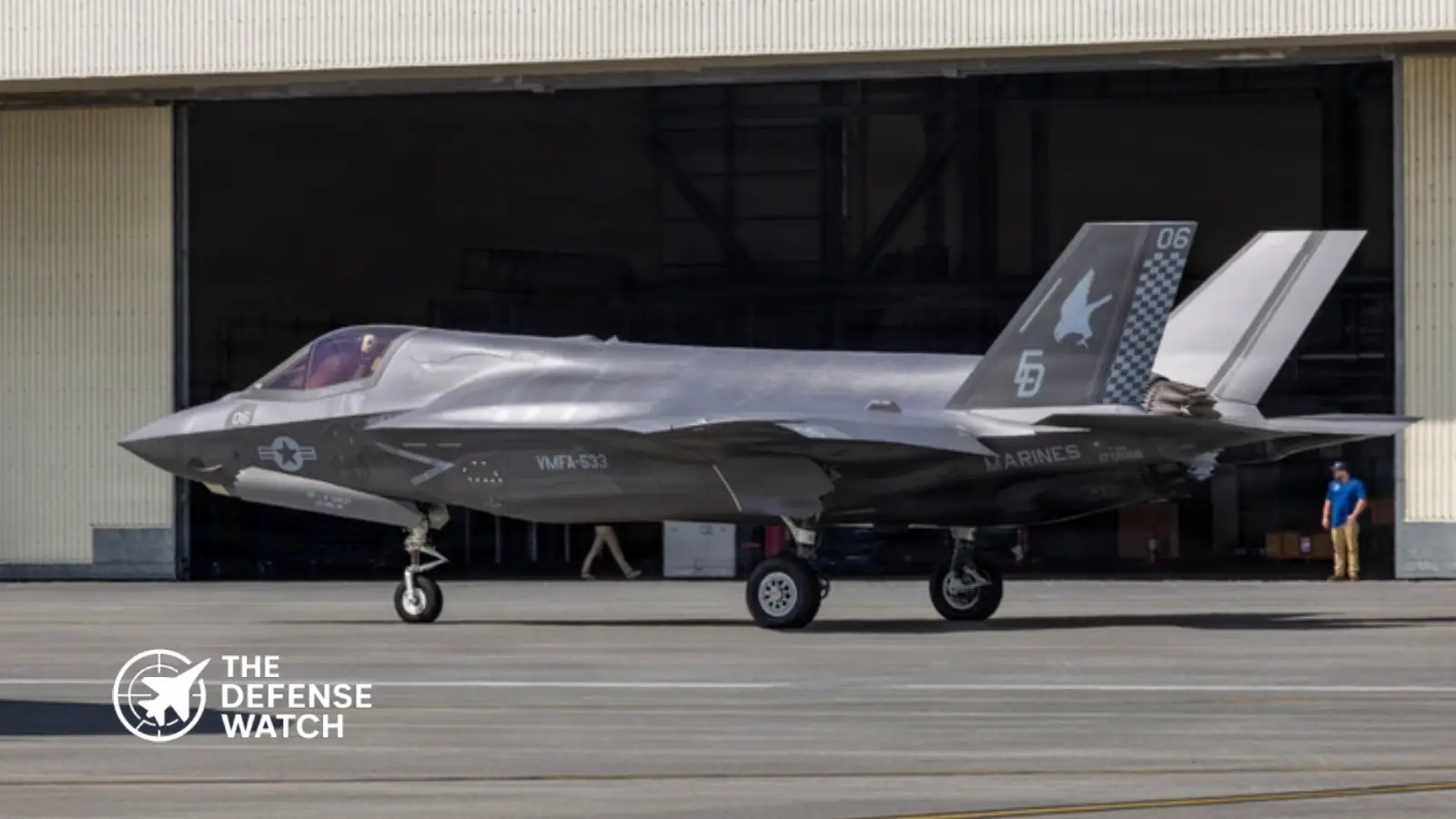
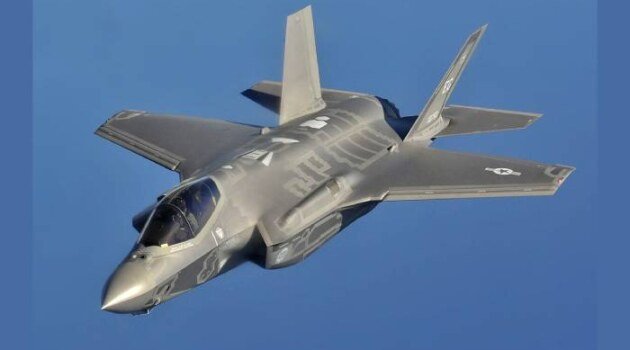
The aircraft involved are the F-35 Lightning II, a platform designed for stealth, sensor fusion, and network-centric warfare. By relocating to the United States, Dutch crews gain access to expansive training ranges and advanced simulation environments not available in Europe.

  • F-35 Lightning II Fighter Jet

    F-35 Lightning II Fighter Jet

    • Generation: 5th
    • Maximum Speed: Mach 1.6 (1,200 mph / 1,930 km/h)
    • No. of Engines: 1
    • Radar Range: ~150+ km (AN/APG-81 AESA)
    • View Details →
    8.8

    This move reflects a broader NATO trend of leveraging U.S.-based infrastructure to prepare allied air forces for high-intensity conflict scenarios.

    High-Tempo Training Focuses On Complex Combat Scenarios

    The primary goal of the deployment is to conduct high-tempo combat training that replicates real-world operational stress. This includes large-force employment exercises, multi-domain integration, and sustained sortie generation under pressure.

    Training in the U.S. allows Dutch pilots to operate in complex airspace alongside American and allied aircraft. These environments simulate contested battlespaces, including electronic warfare, integrated air defense systems, and coordinated strike missions.

    Such scenarios are critical for modern air warfare. Fifth-generation platforms like the F-35 are designed to operate as part of a network, not as standalone fighters. Training alongside U.S. forces enhances interoperability at both tactical and operational levels.

    • F-35S Fighter Jet

      F-35S Fighter Jet

      • Generation: 5th
      • Maximum Speed: Mach 1.6
      • No. of Engines: 1
      • Radar Range: 150+ miles
      • View Details →
      8.0

      From an analytical standpoint, this type of training directly supports NATO’s shift toward deterrence by denial. Instead of relying solely on numerical strength, alliance airpower is increasingly focused on technological superiority and coordinated execution.

      Strategic Value Of U.S.-Based Training Infrastructure

      One of the key advantages of the Dutch F-35 deployment to the United States is access to large-scale training ranges. U.S. facilities offer expansive airspace, advanced threat replication systems, and integrated joint-force participation.

      These elements are difficult to replicate in European airspace due to geographic and regulatory constraints.

      The U.S. training ecosystem also supports live, virtual, and constructive training environments. This allows pilots to engage simulated threats that mirror near-peer adversary capabilities, including advanced surface-to-air missile systems and electronic attack platforms.

      For the Netherlands, this represents a cost-effective way to maintain high readiness without duplicating infrastructure at home.

      Enhancing NATO Interoperability And Deterrence

      The deployment underscores the Netherlands’ commitment to NATO interoperability. Operating the F-35 within a multinational framework ensures that Dutch forces can seamlessly integrate into allied operations.

      This is particularly relevant as more NATO members adopt the F-35 platform. Shared systems, data links, and operational concepts enable coordinated missions across national boundaries.

      • F-35S Fighter Jet

        F-35S Fighter Jet

        • Generation: 5th
        • Maximum Speed: Mach 1.6
        • No. of Engines: 1
        • Radar Range: 150+ miles
        • View Details →
        8.0

        Interoperability is not just technical. It also involves doctrine, communication, and decision-making processes. Training in the United States accelerates alignment in these areas.

        From a geopolitical perspective, such deployments send a clear signal of allied cohesion. They demonstrate that NATO air forces are actively preparing for high-end conflict scenarios, reinforcing deterrence against potential adversaries.

        Operational Readiness And Force Generation

        High-tempo training also tests the ability of units to sustain operations over time. This includes logistics, maintenance, and personnel endurance.

        For the Royal Netherlands Air Force, deploying F-35s overseas provides valuable experience in expeditionary operations. It validates the ability to project airpower beyond national borders and sustain it in demanding conditions.

        This is increasingly important as NATO emphasizes rapid response and forward presence.

        The deployment also contributes to force generation cycles. Units returning from such training are typically better prepared for operational deployments, having already experienced realistic combat conditions.

        Broader Implications For European Airpower

        The Dutch F-35 deployment to the United States highlights a broader shift in European defense posture. Air forces are investing in advanced platforms and training methods to address evolving threats.

        Fifth-generation aircraft are central to this transformation. However, their effectiveness depends on how they are employed. Training, therefore, becomes as important as procurement.

        By integrating into U.S.-based exercises, European allies can accelerate their learning curve and maximize the capabilities of their F-35 fleets.

        • F-35 Lightning II Fighter Jet

          F-35 Lightning II Fighter Jet

          • Generation: 5th
          • Maximum Speed: Mach 1.6 (1,200 mph / 1,930 km/h)
          • No. of Engines: 1
          • Radar Range: ~150+ km (AN/APG-81 AESA)
          • View Details →
          8.8

          This approach also strengthens transatlantic defense ties. It reinforces the role of the United States as a central hub for advanced military training and operational integration.

          Conclusion

          The Dutch F-35 deployment to the United States represents more than a routine training rotation. It is a deliberate effort to enhance combat readiness, interoperability, and strategic deterrence.

          As NATO adapts to a more complex security environment, such initiatives will play a critical role in maintaining a credible and capable airpower posture.
TAGGED:Combat ReadinessF-35NATO trainingNetherlands Air ForceU.S. Air Force
Share This Article
Facebook Copy Link Print
ByDaniel Mercer / Defense & Aerospace Analyst
Follow:
Daniel Mercer is a defense and aerospace analyst at TheDefenseWatch.com covering military aviation, aerospace technology, unmanned systems, air warfare, and defense procurement. His reporting uses official documents, government and military statements, company announcements, and other public sources.
Leave a Comment

Leave a Reply Cancel reply

Your email address will not be published. Required fields are marked *

Search Defense Systems

Latest Defense Systems

  • F-47A Fighter Jet F-47A Fighter Jet
  • China DF-61 Missile China DF-61 Missile
  • B61 Nuclear Bomb B61 Nuclear Bomb
  • Japan E-767 Airborne Japan E-767 Airborne
  • Remington 870 Shotgun Remington 870 Shotgun
  • RUTA B1 Cruise Missile RUTA B1 Cruise Missile
  • XQ-67A Drone XQ-67A Drone
  • B-25 Mitchell Bomber B-25 Mitchell Bomber
  • F-100 Super Sabre F-100 Super Sabre

Recent Compares

  • J-10C vs JF-17 Thunder: Which Fighter Is More Capable? J-10C vs JF-17 Thunder: Which Fighter Is More Capable? View Comparison →
  • Tejas vs Gripen: Key Differences and Capabilities Tejas vs Gripen: Key Differences and Capabilities View Comparison →
  • Tejas vs MiG-21 Bison: How India Replaced Its Iconic Supersonic Fighter Tejas vs MiG-21 Bison: How India Replaced Its Iconic Supersonic Fighter View Comparison →
  • F-35 vs F-16: Stealth, Sensors and Combat Roles F-35 vs F-16: Stealth, Sensors and Combat Roles View Comparison →
  • Tejas Fighter Jet vs F-16 Fighting Falcon: Capability Compared Tejas Fighter Jet vs F-16 Fighting Falcon: Capability Compared View Comparison →
  • Rafale Fighter Jet vs F-16 Fighting Falcon : Which Fighter Has the Edge? Rafale Fighter Jet vs F-16 Fighting Falcon : Which Fighter Has the Edge? View Comparison →
  • Su-57 Fighter Jet vs J-20 Fighter Jet: Stealth and Air Combat Compared Su-57 Fighter Jet vs J-20 Fighter Jet: Stealth and Air Combat Compared View Comparison →
  • Mirage 2000 vs Tejas Mk1A: Legacy Combat Power vs Indigenous Modernization Mirage 2000 vs Tejas Mk1A: Legacy Combat Power vs Indigenous Modernization View Comparison →
  • Rafale Fighter Jet vs F-22 Raptor: Which Air Dominance Fighter Has the Edge? Rafale Fighter Jet vs F-22 Raptor: Which Air Dominance Fighter Has the Edge? View Comparison →
  • Tejas Fighter Jet vs. Rafale Fighter Jet: India’s Indigenous Fighter Meets France’s Proven Multirole Combat Aircraft Tejas Fighter Jet vs. Rafale Fighter Jet: India’s Indigenous Fighter Meets France’s Proven Multirole Combat Aircraft View Comparison →

Recent Posts

  • Marine One Explained: The Presidential Helicopter, Its Fleet and the VH-92A Transition
  • Sikorsky Wins South Korea Contract for Four S-92A+ Presidential Helicopters
  • Saudi Arabia Intercepts Missiles Targeting Riyadh as Aramco Building Is Damaged
  • US Approves Potential $1.08 Billion Black Hawk Helicopter Sale to Mexico
  • NASA Completes Final ISS Solar Array Installation, Raising Station Power Capacity by 30%

You Might Also Like

Finland F‑35A arrival
Aerospace & AviationFighter Jets & Military Aircraft

Finland F-35A JF‑502 Touches Down In Arkansas As Next Step In Pilot Training Program

February 19, 2026
Saudi Arabia F-35 sale
Aerospace & AviationFighter Jets & Military Aircraft

U.S. Clears Potential $24.3 Billion F-35 Sale to Saudi Arabia

September 19, 2026
Parker Hannifin F/A-18 contract
Defense ContractsFighter Jets & Military Aircraft

Parker Hannifin Secures $11.5M Deal For F/A-18 Valve Overhaul Program

May 11, 2026
X-BAT drone Poland
Aerospace & AviationDrones & UAVs

Shield AI Moves To Expand X-BAT Drone Support In Poland As NATO Accelerates Unmanned Warfare Investments

September 14, 2026

Logo

Copyright © 2026 TheDefenseWatch.com

Helpful Links

  • Home
  • About Us
  • Privacy Policy
  • Terms of Use / Disclaimer
  • U.S. Privacy Notice – CCPA Compliance

Defense Systems

  • Defense Systems
  • Comparisons 
  • Manufacturer
  • Tactical Calculators

Popuplar

Which 5 Air Forces Possess the Costliest Fighter Jet Fleets in the World
Evolving Strategic Value: Carrier Strike Groups in the Indo-Pacific’s Future Security Architecture
Autonomous Weapon Systems Spark U.S. Ethics Debate Amid Rapid Military AI Integration

We report on developments involving military forces, governments, defense companies, research organizations, and security institutions around the world. 

Welcome Back!

Sign in to your account

Username or Email Address
Password

Lost your password?