(adsbygoogle = window.adsbygoogle || []).push({});Executive Summary:
Finland announced on June 18 that it will procure U.S.-made GBU-53 Small Diameter Bomb II (SDB II) glide bombs for its future fleet of F-35A fighter aircraft. The acquisition expands Finland’s precision strike capabilities, strengthens NATO’s northern flank, and deepens defense cooperation between Helsinki and Washington as the Nordic nation continues to modernize its armed forces following its accession to NATO.
Finland Adds GBU-53 Glide Bombs To F-35 Arsenal
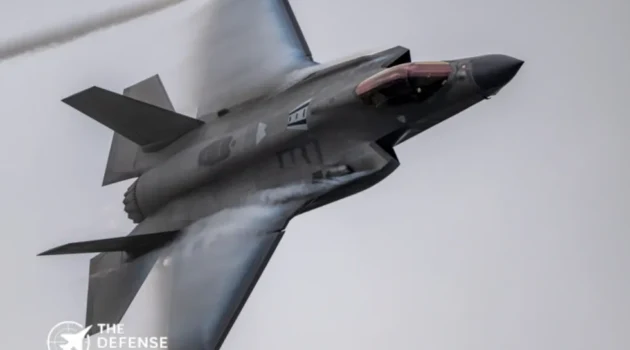
Finland is moving to expand its F-35 strike capability through the purchase of U.S.-made GBU-53 Small Diameter Bomb II glide bombs, according to a statement from the Finnish Ministry of Defence released on June 18. The procurement will provide Finland’s future fleet of Lockheed Martin F-35A fighters with a highly advanced precision-guided air-to-ground weapon designed to engage moving and stationary targets in contested environments.
The decision marks another step in Finland’s ongoing military modernization effort following its entry into NATO in 2023. The Nordic nation previously committed approximately $9.4 billion to acquire 64 F-35A fighters, replacing its aging fleet of F/A-18 Hornets.
According to the ministry, the GBU-53 acquisition will provide an additional air-to-ground capability for Finland’s future F-35 force and complement other weapons already being integrated into the country’s next-generation fighter program.
- (adsbygoogle = window.adsbygoogle || []).push({});
What Is The GBU-53 Small Diameter Bomb II?
The GBU-53/B StormBreaker, formerly known as Small Diameter Bomb II (SDB II), is one of the most advanced precision-guided glide bombs currently fielded by the United States and its allies.
Unlike earlier precision-guided bombs that rely primarily on GPS guidance, the weapon combines multiple targeting systems, allowing it to engage targets under adverse weather conditions and against moving objectives.
Key Characteristics
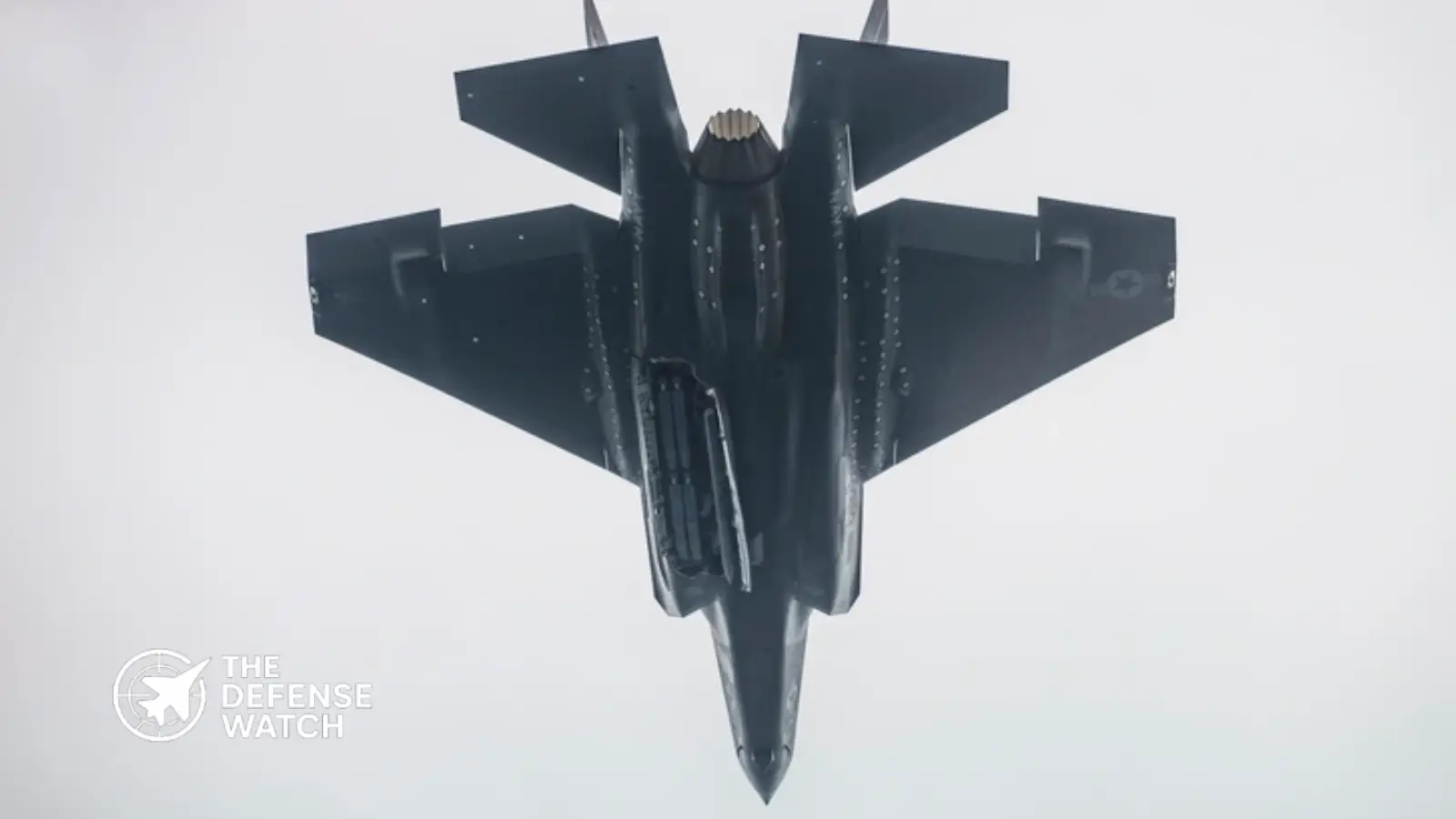
Capability GBU-53 SDB II Weapon Type Precision-guided glide bomb Target Types Moving and stationary targets Guidance Multi-mode seeker Platform Compatibility F-35, F-15E, F/A-18E/F and others Operational Role Precision strike, close air support, interdiction Stand-off Capability Allows aircraft to engage targets from significant distance Its compact size allows aircraft to carry larger quantities of weapons internally while preserving the F-35’s low-observable characteristics.
(adsbygoogle = window.adsbygoogle || []).push({});Part Of A Broader Finnish F-35 Weapons Package
The latest procurement follows several other weapons acquisitions linked to Finland’s F-35 program.
In 2024, Helsinki approved procurement of Joint Direct Attack Munition (JDAM) kits and Small Diameter Bomb I weapons for integration with the future F-35 fleet. The package included training systems, support equipment, spare parts, and logistics services extending through 2030.
Finland has also moved to acquire advanced AIM-120D AMRAAM air-to-air missiles for the aircraft. Government officials previously stated that the missile purchases would support the operational deployment of the incoming F-35 force.
Additional reported acquisitions for Finland’s F-35 inventory include AGM-158 JASSM-ER long-range cruise missiles and AGM-88G AARGM-ER anti-radiation missiles, creating a broad portfolio of strike and suppression capabilities.
Why The Purchase Matters
The GBU-53 acquisition carries significance beyond the addition of another guided weapon.
Finland shares a border of more than 1,300 kilometers with Russia, making long-range precision strike capability a critical component of its defense strategy. Since joining NATO, Helsinki has accelerated efforts to strengthen deterrence and improve interoperability with allied forces.
For the F-35, advanced weapons integration is central to the aircraft’s operational value. The platform’s stealth characteristics, sensor fusion, and networking capabilities are designed to work alongside precision-guided munitions capable of striking targets while minimizing exposure to enemy air defenses.
The GBU-53 is particularly relevant in modern combat environments because it allows pilots to engage mobile targets while operating at stand-off ranges. This capability has become increasingly important as advanced surface-to-air missile systems proliferate across Europe and other regions.
Implications For NATO’s Northern Flank
Finland’s procurement reflects a broader trend among NATO members investing heavily in fifth-generation airpower and precision-guided weapons.
The alliance’s northern region has gained strategic importance following Finland’s and Sweden’s accession to NATO. Together, the two nations significantly expand NATO’s operational reach across the Baltic Sea region and the High North.
From an alliance perspective, Finland’s growing F-35 fleet will eventually contribute to a wider network of F-35 operators across Europe that includes Norway, Denmark, the Netherlands, Belgium, Poland, Germany, Italy, and the United Kingdom.
The addition of advanced stand-off weapons such as the GBU-53 enhances the collective ability of NATO air forces to conduct precision strikes, suppress enemy air defenses, and support joint operations in contested environments.
Operational Challenges And Considerations
While the acquisition strengthens Finland’s future capabilities, integrating advanced weapons into a new fighter fleet requires extensive training, logistics support, and sustainment planning.
Finland has already emphasized a comprehensive procurement approach that includes training systems, spare parts inventories, maintenance infrastructure, and long-term support agreements. Previous Finnish F-35 weapons procurements have followed this model, indicating a focus on ensuring operational readiness rather than simply acquiring hardware.
The move also comes as several European nations continue to monitor defense supply chain pressures affecting some U.S. weapons deliveries. Finnish officials have previously acknowledged that certain defense deliveries to Europe have experienced delays due to broader global demand and operational requirements.
Strategic Outlook
Finland’s decision to acquire GBU-53 glide bombs represents another incremental but important enhancement of its future F-35 force.
Rather than focusing solely on aircraft procurement, Helsinki continues to build a comprehensive weapons ecosystem around its next-generation fighters. The combination of stealth aircraft, advanced air-to-air missiles, stand-off cruise missiles, anti-radiation weapons, and precision-guided glide bombs will provide the Finnish Air Force with a significantly broader set of operational options than its current fleet possesses.
As F-35 deliveries begin and weapons integration progresses through the coming years, Finland is positioning itself as one of NATO’s most capable airpower contributors along the alliance’s northeastern frontier.