Executive Summary:
The Royal Navy has confirmed the retirement of HMS Richmond, HMS Iron Duke, and HMS Chiddingfold as part of its long term fleet modernization strategy announced on July 13, 2026. The move redirects resources toward the introduction of Type 26 and Type 31 frigates while expanding the Royal Navy’s growing use of autonomous mine warfare systems.
Royal Navy Confirms Withdrawal Of Three Warships
The Royal Navy warship retirement program entered another significant phase after the service officially confirmed that HMS Richmond, HMS Iron Duke, and HMS Chiddingfold will leave active service. The announcement was made by the Royal Navy on July 13 as part of its broader transition toward what it describes as a “Hybrid Navy” combining conventional warships with autonomous maritime systems.
According to the Royal Navy, the decision reflects the increasing cost and technical risk associated with maintaining aging vessels that have served for more than three decades. Rather than continuing expensive life extension programs, the Ministry of Defence intends to shift investment toward newer platforms already under construction.
Which Ships Are Leaving Service?
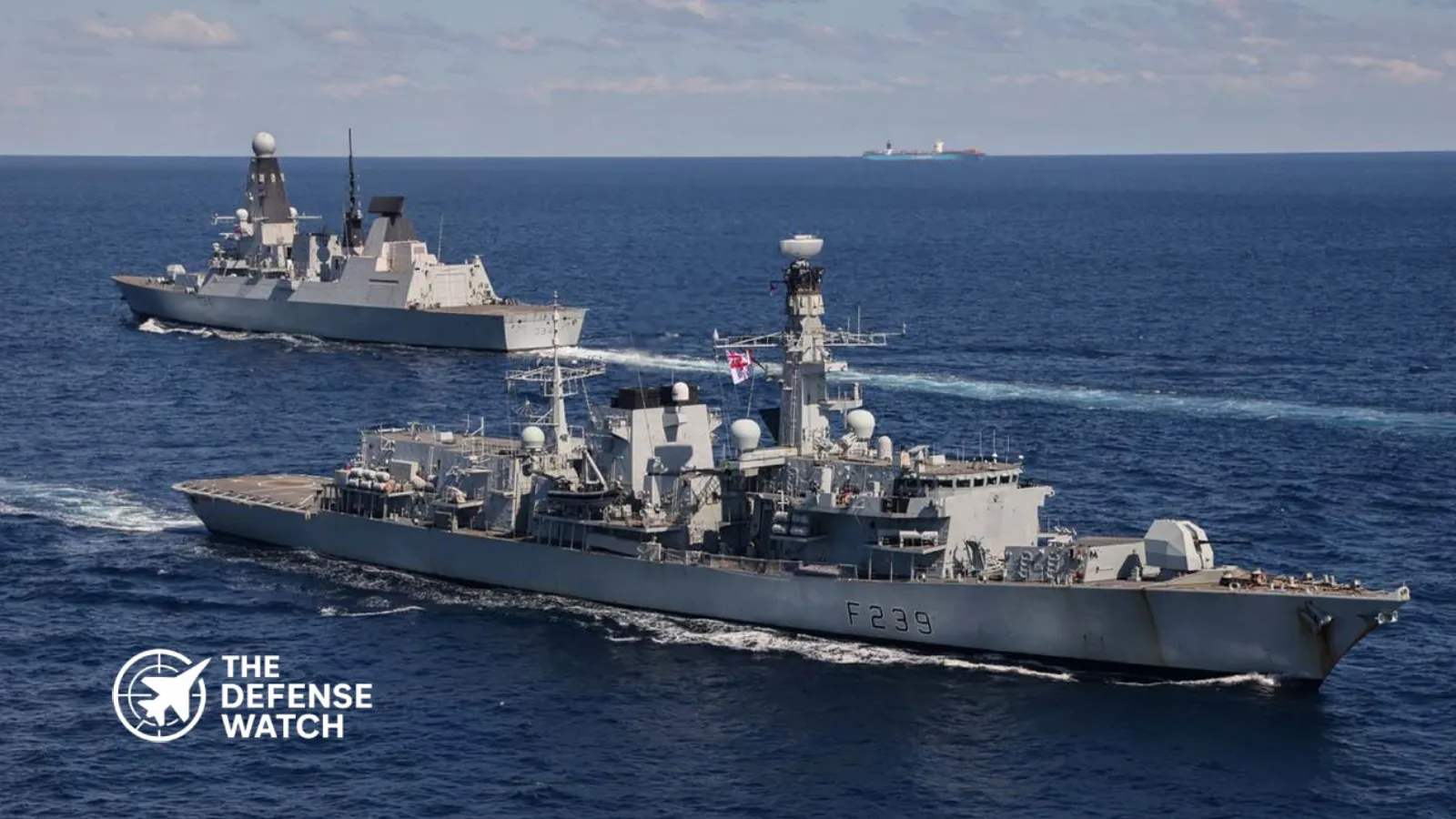
The retirement includes two well known Type 23 Duke-class frigates and one Hunt-class mine countermeasures vessel.
| Ship | Class | Primary Role | Replacement |
|---|---|---|---|
| HMS Richmond | Type 23 Frigate | Anti-submarine warfare | Type 26 City-class |
| HMS Iron Duke | Type 23 Frigate | General-purpose frigate | Type 31 Inspiration-class |
| HMS Chiddingfold | Hunt-class Minehunter | Mine countermeasures | Autonomous mine hunting systems |
Each vessel accumulated decades of operational service supporting NATO missions, maritime security operations, anti-submarine patrols, humanitarian assistance, and freedom of navigation deployments worldwide.
Why The Royal Navy Is Retiring These Ships
The retirement reflects a broader modernization effort rather than an isolated force reduction.
The Royal Navy stated that sustaining older Type 23 frigates has become increasingly expensive due to aging hulls, machinery, and maintenance requirements. Several vessels have already undergone extensive refits that consumed considerable time and funding while delivering diminishing operational returns.
For example, HMS Iron Duke previously completed a major refit valued at approximately £103 million, yet continued availability challenges highlighted the growing difficulty of extending the service life of aging frigates.
Instead, defense planners are prioritizing investment in modern platforms designed to remain operational well into the second half of the century.
Type 26 And Type 31 Will Replace The Type 23 Fleet
Britain’s future surface fleet centers on two complementary frigate classes.
The Type 26 City-class will become the Royal Navy’s premier anti-submarine warfare platform. Designed to protect carrier strike groups and monitor increasingly active submarine operations, the ships incorporate advanced sonar systems, quieter propulsion, and improved mission flexibility.
Meanwhile, the Type 31 Inspiration-class provides a more affordable general-purpose frigate optimized for maritime security, forward presence, escort duties, and international deployments.
The Royal Navy confirmed that HMS Richmond’s mission set will transition to the Type 26 fleet led by HMS Glasgow, while HMS Iron Duke’s responsibilities will eventually pass to the Type 31 class currently under construction.
Autonomous Mine Warfare Replaces Traditional Minehunters
Perhaps the most significant technological shift involves HMS Chiddingfold.
Rather than replacing the Hunt-class minehunter with another crewed vessel, the Royal Navy plans to rely increasingly on remotely operated and autonomous mine countermeasure systems.
These systems deploy unmanned surface vessels, underwater vehicles, and advanced sensors capable of detecting and neutralizing naval mines while keeping sailors farther from danger.
According to the Royal Navy, these technologies are already undergoing operational deployment and testing, representing a fundamental change in how mine warfare will be conducted during future naval operations.
Strategic Analysis: What This Means For The Royal Navy
The retirement of three additional vessels illustrates the difficult balance facing many Western navies between maintaining legacy fleets and funding modernization.
For the United Kingdom, the challenge is particularly acute because the retirement schedule is advancing while replacement ships are still entering service. This creates a temporary reduction in available hulls, especially among escort vessels, before the Type 26 and Type 31 fleets reach full operational strength.
From a strategic perspective, however, the Royal Navy is prioritizing long term capability over maintaining larger numbers of aging ships.
The transition also aligns with broader NATO trends emphasizing networked operations, autonomous systems, improved anti-submarine warfare, and distributed maritime capabilities. Similar modernization efforts are underway across several allied navies, including the United States, Australia, and Canada, as they prepare for increasingly contested maritime environments.
The UK’s Defence Investment Plan supports this approach through approximately £1.3 billion for the Hybrid Navy initiative and £1.1 billion for future mine hunting capabilities, complementing ongoing investment in Type 26 and Type 31 construction.
Although fleet numbers will remain under pressure during the transition period, British defense officials argue that the resulting force will be more capable, more survivable, and better suited to future maritime operations.
Looking Ahead
The retirement of HMS Richmond, HMS Iron Duke, and HMS Chiddingfold marks another milestone in the Royal Navy’s long planned transformation.
As the remaining Type 23 frigates gradually leave service over the coming years, the Royal Navy expects Type 26 and Type 31 frigates, supported by autonomous maritime systems, to become the foundation of Britain’s future surface fleet.
The transition underscores a broader shift among NATO navies toward technologically advanced, digitally connected, and increasingly unmanned maritime forces capable of operating across high threat environments.