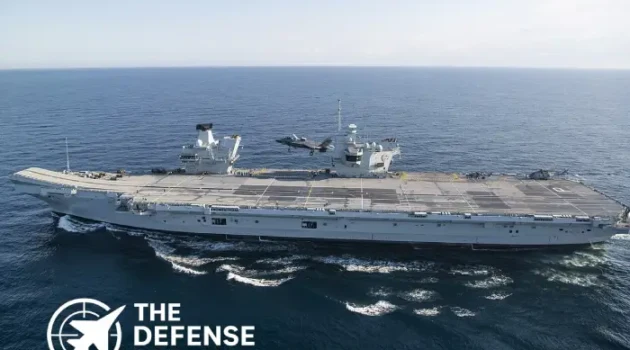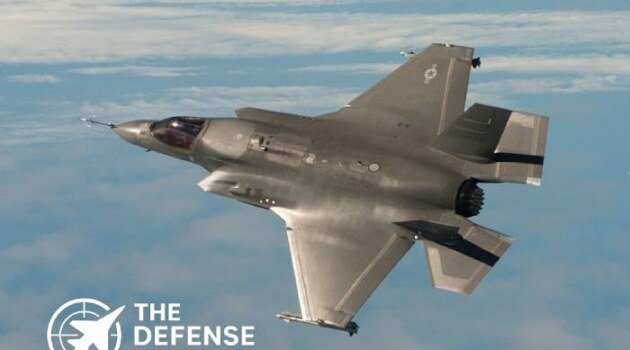
The Royal Navy’s flagship carrier has completed a three month NATO deployment that combined Arctic air policing, multinational exercises, and extended range F-35B operations across the High North.
Executive Summary:
The UK Carrier Strike Group has completed the first phase of Operation Firecrest after three months of NATO operations in the Arctic and North Atlantic. The deployment featured carrier launched F-35B air policing missions, multinational exercises, and enhanced allied interoperability aimed at strengthening NATO’s Northern Flank.
UK Carrier Strike Group Completes First Phase Of NATO Arctic Deployment
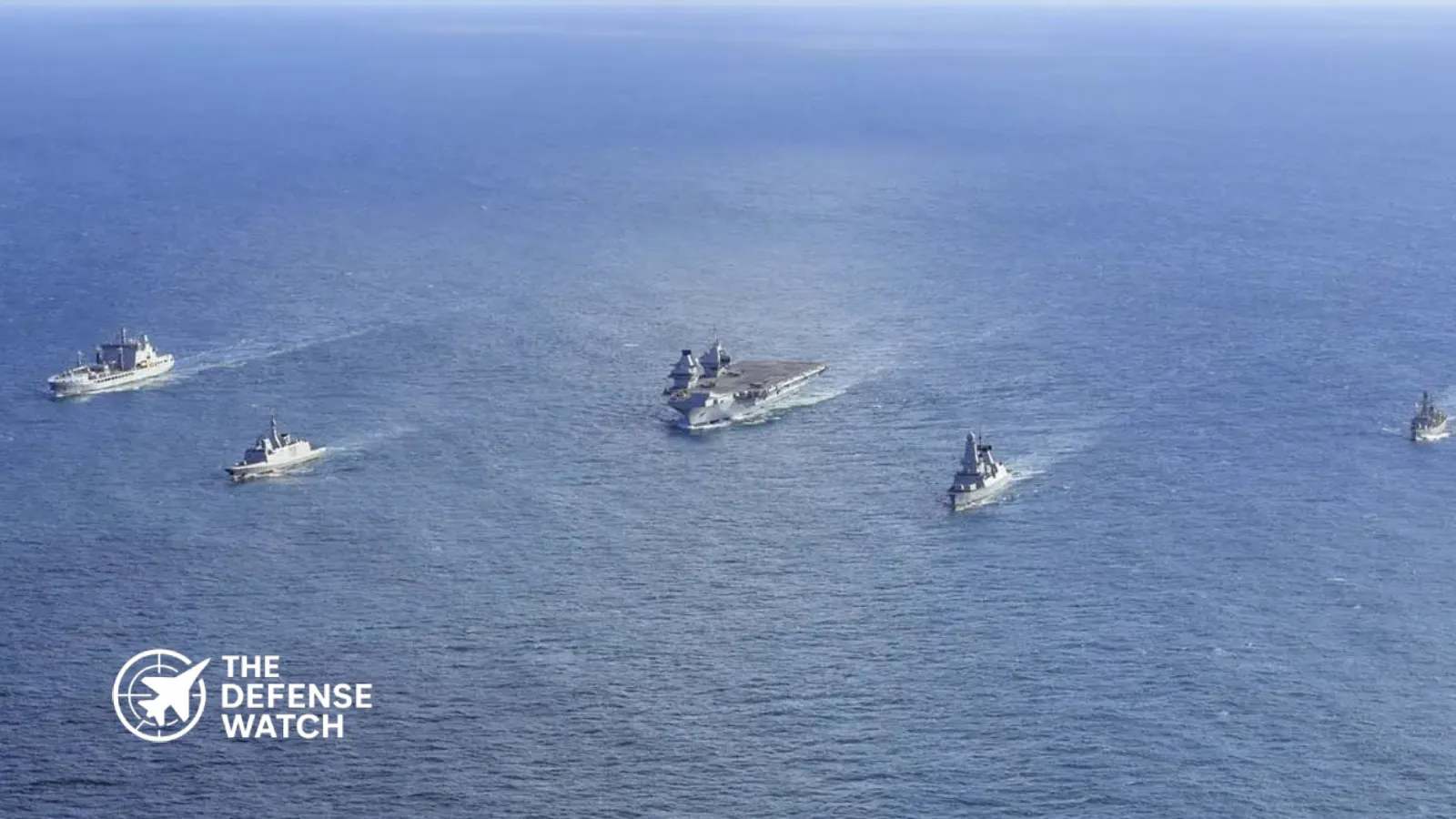
The UK Carrier Strike Group has concluded the opening phase of its 2026 deployment to the Arctic and North Atlantic, marking the end of a three month mission focused on NATO deterrence, regional security, and multinational interoperability. Led by the aircraft carrier HMS Prince of Wales, the task group will return briefly to Portsmouth before resuming Operation Firecrest later this year in northern European waters.
The strike group included HMS Prince of Wales, destroyer HMS Duncan, support tanker RFA Tidespring, embarked F-35B Lightning II fighters, Merlin and Wildcat helicopters, and uncrewed autonomous systems. According to the Royal Navy, the deployment demonstrated the UK’s ability to operate a carrier centered force in demanding Arctic conditions alongside NATO allies.
Exercise Neptune Strike Concludes Initial Deployment
The deployment ended with Exercise Neptune Strike, a large NATO exercise involving forces from ten allied nations across the air, maritime, and land domains.
The exercise emphasized long range strike operations, integrated command and control, and joint planning across multiple operational environments. British F-35B fighters conducted extended range sorties with support from RAF Voyager and Italian KC,767 aerial refueling aircraft, allowing missions to reach areas including Poland while operating from HMS Prince of Wales.
Royal Navy escorts and embarked helicopters simultaneously participated in anti surface and anti submarine warfare activities, highlighting the carrier group’s ability to conduct multi domain operations.
Arctic Air Policing Marks Operational Milestone
One of the most significant achievements during the deployment was the UK’s contribution to NATO’s Arctic Sentry Enhanced Vigilance Activity.
Carrier launched F-35B fighters carried out NATO Air Policing missions over Iceland and the Arctic, intercepting and monitoring Russian military aircraft operating near allied airspace. According to the Royal Navy and UK Ministry of Defence, this marked the first time NATO air policing missions have been conducted by fighter aircraft launched from a European aircraft carrier.
Earlier in July, Royal Navy F-35Bs were scrambled after a Russian Tu,142 maritime patrol aircraft approached the carrier group in the Norwegian Sea during ongoing NATO operations. The aircraft was escorted while the task group continued its mission.
Broader NATO Cooperation
Beyond Arctic air policing, the UK Carrier Strike Group participated in several multinational activities, including Exercise Ramstein Flag, Dynamic Mongoose, and Joint Expeditionary Force Exercise Tamber Shield.
Throughout the deployment, the carrier group operated with 19 NATO and Joint Expeditionary Force partners, strengthening interoperability across allied naval, air, and maritime forces. The mission also supported NATO Joint Force Command Norfolk’s efforts to improve coordinated operations across the strategically important North Atlantic and High North.
Why The Deployment Matters
The completion of the first phase of Operation Firecrest reflects several broader trends in NATO’s evolving defense posture.
First, it demonstrates the growing integration of carrier aviation into alliance air defense missions. Carrier based F-35Bs traditionally support expeditionary strike operations, but their use in standing NATO air policing expands the operational flexibility of allied naval aviation.
Second, the deployment highlights the increasing strategic importance of the Arctic and North Atlantic. These regions remain vital for transatlantic reinforcement, undersea infrastructure protection, and monitoring military activity as Russia maintains a significant military presence across the High North. NATO has responded by increasing exercises, surveillance, and multinational deployments across the region.
Finally, the mission reinforces the UK’s role as one of NATO’s primary carrier operating nations. Regular multinational deployments provide opportunities to validate command structures, logistics, aerial refueling, and interoperability before potential crisis situations arise.
Rather than representing a standalone operation, Operation Firecrest forms part of NATO’s broader effort to maintain readiness and credible deterrence across Europe’s northern approaches through routine, integrated military activity.
What’s Next
HMS Prince of Wales and HMS Duncan are expected to undergo maintenance and provide leave for their crews before the second phase of Operation Firecrest begins later this year.
The next deployment phase will continue operations in northern European waters, building on lessons learned during the Arctic mission while supporting ongoing NATO maritime security and collective defense objectives.