Executive Summary:
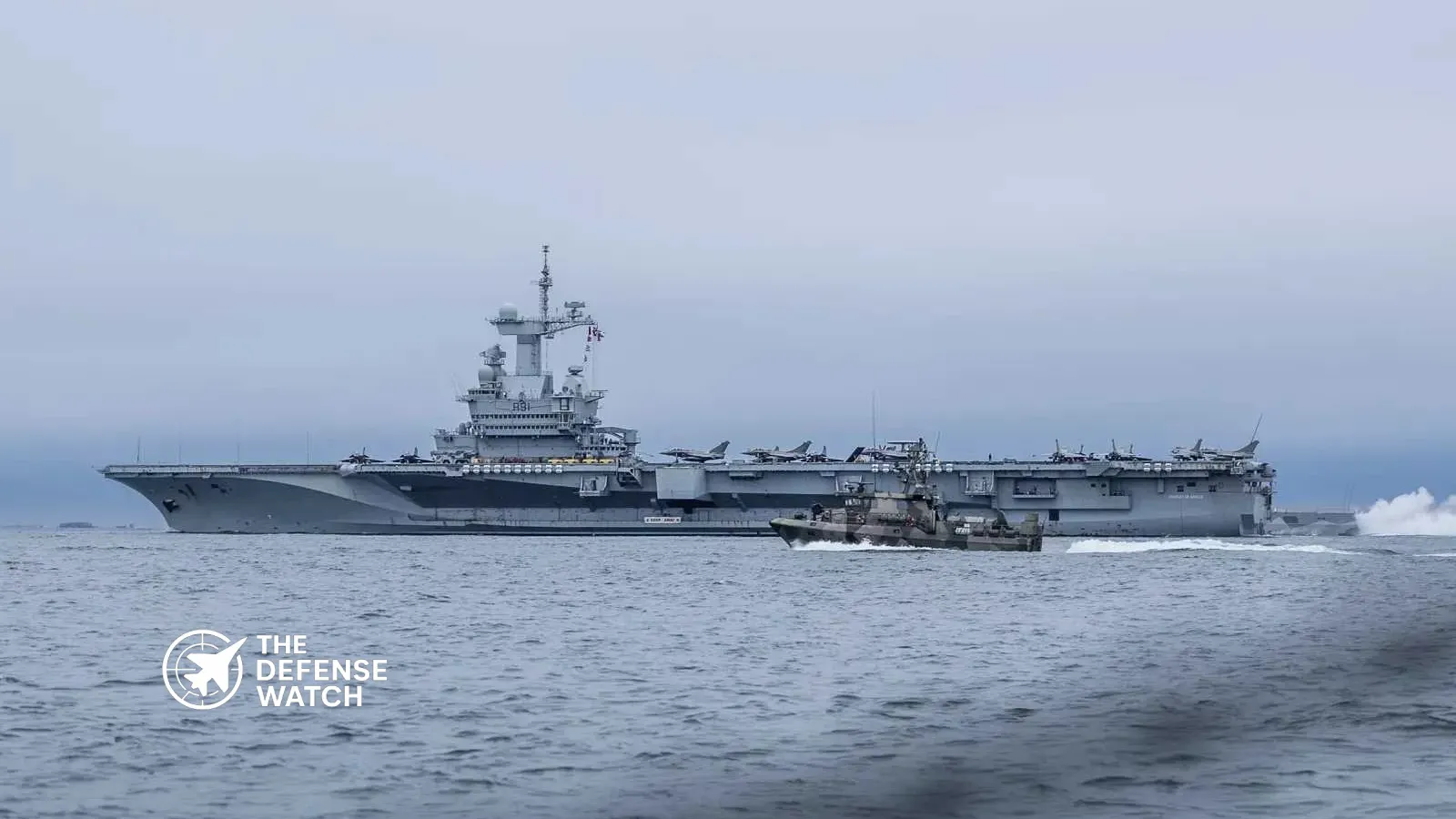
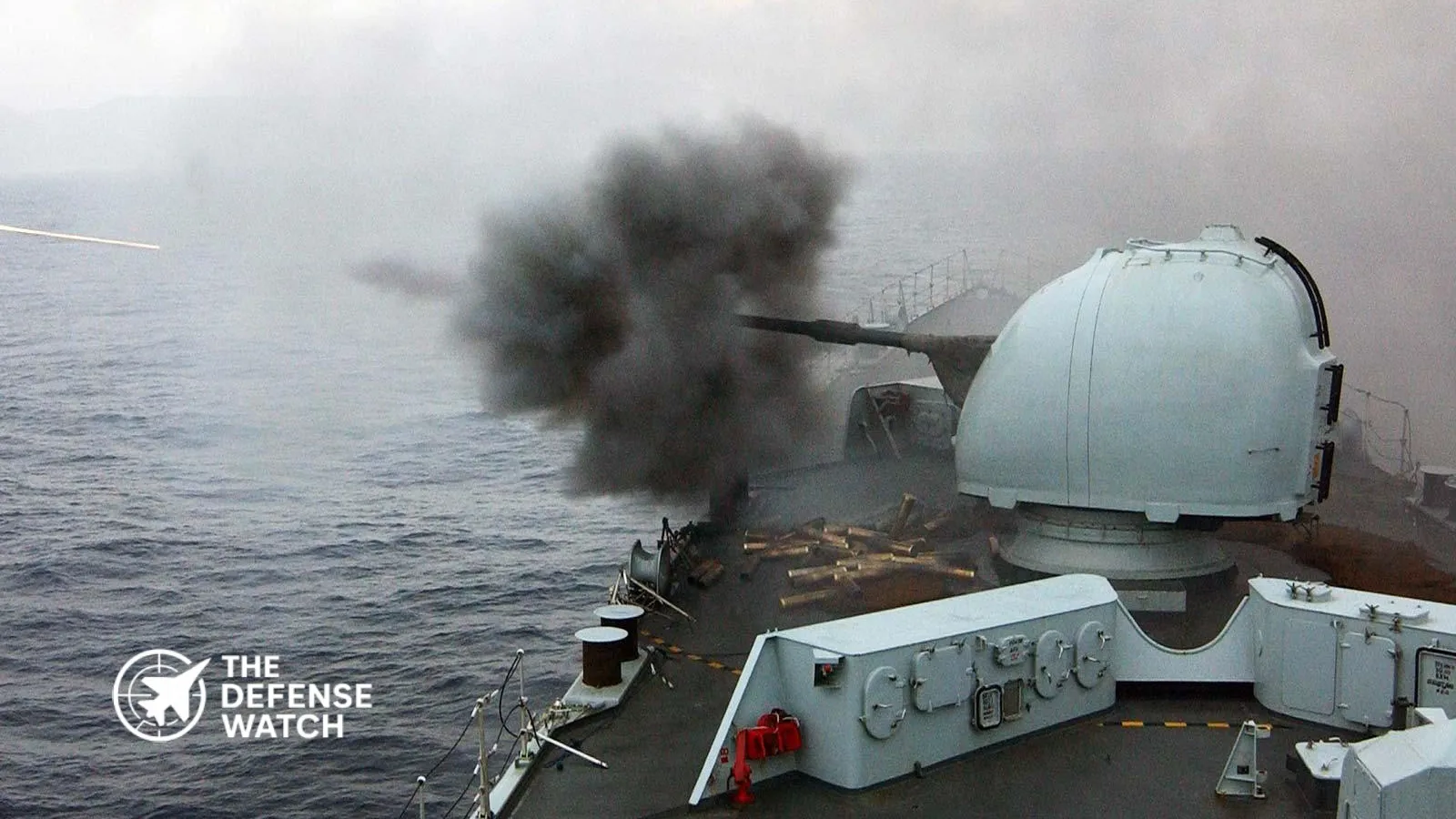
HMS Portland conducted live firing with its 4.5 inch main gun off the south coast of England during a Royal Navy training serial.
The exercise was described as part of a week at sea and reflects routine operational readiness training for the Type 23 frigate fleet.
While not linked to an active operation, the firing highlights the continued importance of naval gunnery proficiency as the Royal Navy maintains maritime security and deployable surface combatant capability.
HMS Portland Conducts Live Naval Gunnery Off Southern England
HMS Portland conducted live firing with its 4.5 inch main gun off the UK coast as part of a Royal Navy training deployment, according to reporting by UK Defence Journal .
- HMS Portland Conducts Live Naval Gunnery Off Southern England
- What The Exercise Involved
- Type 23 Frigate Gunnery Capability
- HMS Portland At A Glance
- Why Live Gunnery Training Matters
- Training Objectives Typically Include
- Operational Context For The Royal Navy
- Analysis: What This Signals About Readiness
- No Indication Of Active Engagement
- The Bottom Line
The Type 23 frigate carried out the gunnery serial during operations in waters off the south coast of England. The ship later referenced the firing on social media, describing it as part of a successful week at sea.
The activity was presented as routine naval training rather than a response to a specific security incident. Live firing exercises are a standard element of Royal Navy readiness programs, allowing crews to maintain qualification on primary weapons systems.
What The Exercise Involved
The reported firing involved HMS Portland’s 4.5 inch Mk 8 naval gun, the principal medium caliber gun fitted to Royal Navy Type 23 frigates.
The weapon is used for naval surface fire support, engagement of surface targets, warning shots when required, and maritime security operations. During training serials, crews practice targeting, firing procedures, safety protocols, and command coordination.
The Royal Navy did not indicate that the firing was connected to combat operations or an active threat. The serial appears to have been conducted as part of normal sea training.
Type 23 Frigate Gunnery Capability
HMS Portland is one of the Royal Navy’s Type 23 frigates, a class originally designed for anti submarine warfare but upgraded over time for broader maritime operations.
The frigate’s 4.5 inch Mk 8 gun remains a core weapon for surface engagements and naval gunfire support.
HMS Portland At A Glance
| Capability | Details |
|---|---|
| Ship | HMS Portland |
| Class | Type 23 frigate |
| Navy | Royal Navy |
| Main gun | 4.5 inch Mk 8 naval gun |
| Primary role | Frigate operations and maritime security |
| Exercise area | South coast of England |
| Activity | Live naval gunnery training |
Why Live Gunnery Training Matters
Naval gunnery is one of the foundational combat skills for a surface warship. Even as modern frigates rely heavily on missiles, sensors, and networked targeting systems, crews must still be proficient in operating the ship’s gun under realistic conditions.
Training Objectives Typically Include
- Weapon handling and firing drills.
- Target acquisition and tracking.
- Fire control coordination.
- Bridge and combat information center communication.
- Safety procedures during live ammunition use.
- Assessment of weapon system performance at sea.
Conducting these serials at sea allows crews to train under real maritime conditions, including ship movement, weather, and operational command procedures.
Operational Context For The Royal Navy
The exercise comes as the Royal Navy continues to maintain a global operational presence, including commitments to NATO maritime security, North Atlantic patrols, and deployments beyond European waters.
Although this particular firing was routine, it reflects the broader requirement for Royal Navy surface combatants to remain deployable and combat ready.
Type 23 frigates continue to perform a wide range of missions, including:
- Maritime security patrols.
- Escort duties.
- Anti submarine warfare operations.
- NATO task group participation.
- Protection of critical sea lines of communication.
- Presence operations in contested maritime regions.
Analysis: What This Signals About Readiness
Routine live firing exercises rarely attract major attention on their own, but they are an important indicator of fleet readiness. For surface combatants, weapons proficiency cannot be maintained through simulation alone.
The Royal Navy has faced pressure in recent years from fleet availability challenges, personnel demands, and the transition toward newer platforms such as the Type 26 frigate.
Against that backdrop, visible live gunnery training by an active Type 23 frigate demonstrates that operational crews are continuing to maintain core combat skills.
For U.S. and NATO observers, the significance is less about the firing itself and more about alliance readiness. Allied navies rely on interoperable surface combatants that can conduct maritime security operations, escort missions, and higher end naval warfare if required.
The 4.5 inch gun remains relevant because it provides a flexible, lower cost engagement option for many maritime scenarios where missiles may not be necessary or appropriate.
No Indication Of Active Engagement
There is no indication that HMS Portland fired in response to a threat or operational incident.
The reported activity was a training serial conducted during routine operations off the south coast of England. Such exercises are regularly carried out by naval vessels to maintain qualification and readiness standards.
The Bottom Line
HMS Portland’s live firing exercise off the UK coast was a routine but meaningful demonstration of Royal Navy operational readiness.
By conducting live gunnery training with its 4.5 inch main gun, the frigate maintained a core combat capability that remains relevant for maritime security, escort operations, and potential naval engagements.
For defense observers, the event is a reminder that day to day readiness training remains a critical part of sustaining an effective surface fleet.