
Executive Summary:
The United States is scheduled to begin enforcing a maritime blockade on Iran on Tuesday as part of a broader effort to increase economic and military pressure on Tehran. The operation is expected to focus on preventing the movement of restricted cargo and military-related supplies while maintaining security across critical regional shipping lanes.
U.S. Begins Maritime Blockade On Iran
The U.S. maritime blockade on Iran is set to begin Tuesday, representing one of Washington’s most significant maritime enforcement measures in recent years. According to Defense News, the operation follows U.S. government directives aimed at tightening restrictions on Iran’s maritime trade while increasing military presence across the region.
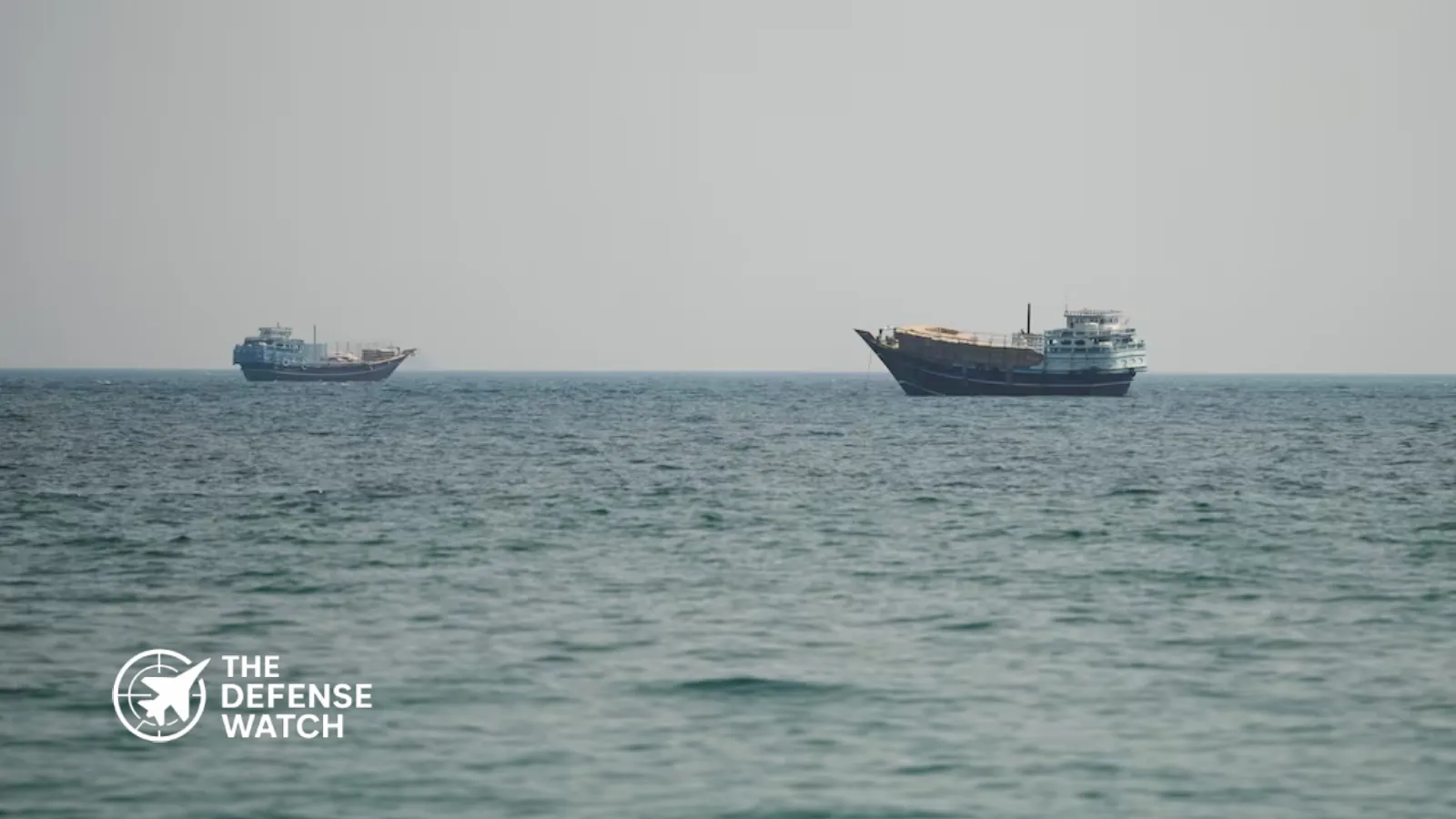
The enforcement effort will involve U.S. naval assets operating in and around key waterways, including the Persian Gulf, Gulf of Oman, and approaches to the Strait of Hormuz. These areas remain among the world’s most strategically important maritime corridors due to the volume of global energy shipments that transit through them each day.
Officials have stated that the mission is intended to intercept prohibited cargo, enforce existing sanctions, and prevent the transfer of military equipment or other restricted materials.
Why The Strait Of Hormuz Matters
The Strait of Hormuz remains one of the world’s most important maritime chokepoints.
Approximately one-fifth of globally traded crude oil passes through the narrow waterway, making uninterrupted navigation essential for international energy markets. Any increase in military activity within the region attracts close attention from governments, commercial shipping companies, and global energy traders.
Key characteristics include:
| Strategic Factor | Significance |
|---|---|
| Global oil shipments | Roughly 20% of global crude exports transit the Strait |
| Commercial traffic | Hundreds of merchant vessels operate through the area each month |
| Military presence | U.S., allied, and regional naval forces regularly conduct patrols |
| Regional importance | Connects the Persian Gulf with international shipping lanes |
U.S. Navy Expected To Lead Enforcement Operations
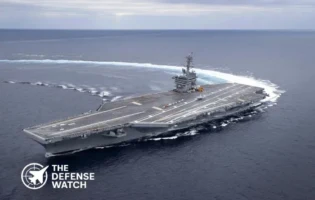
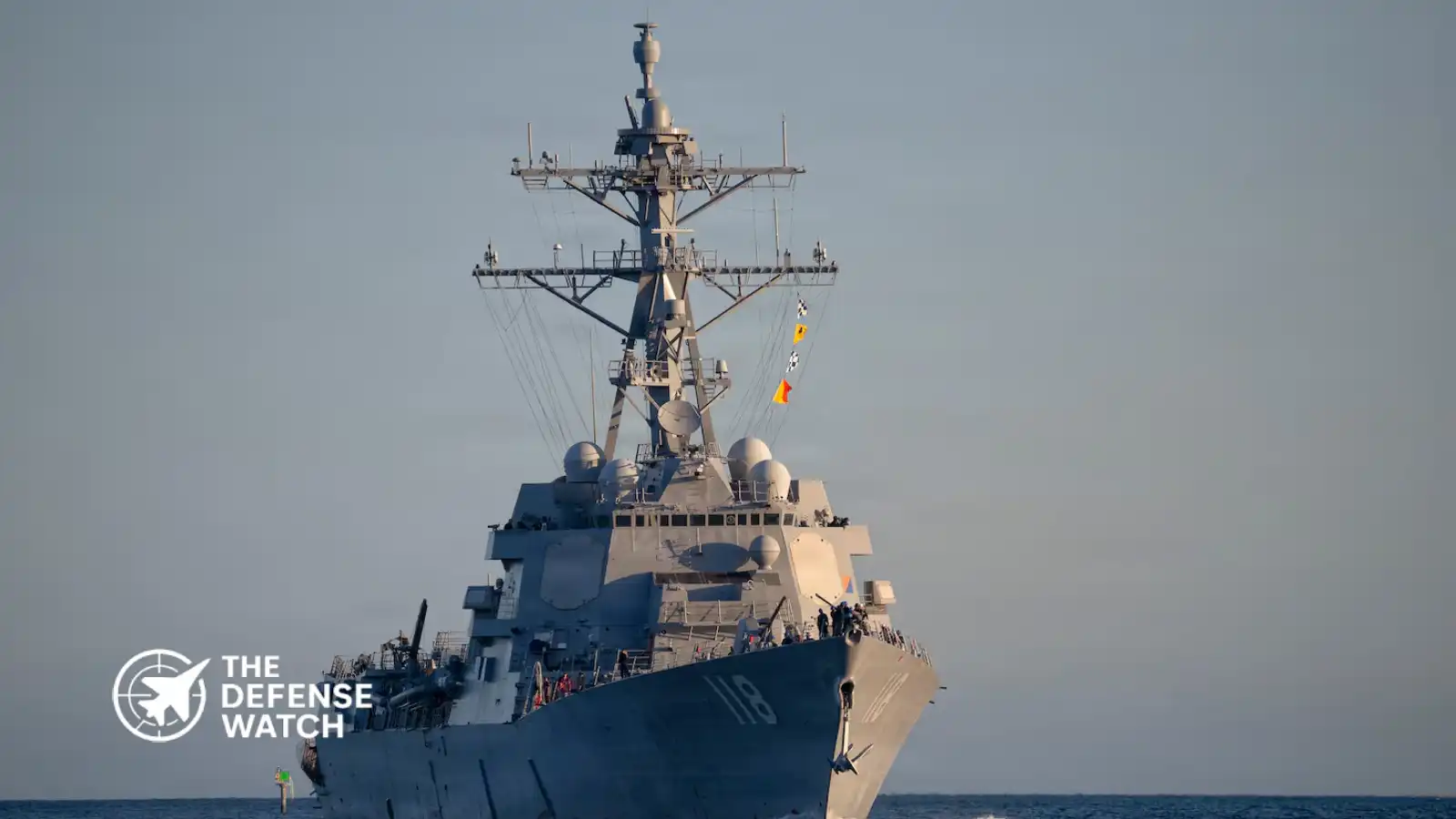
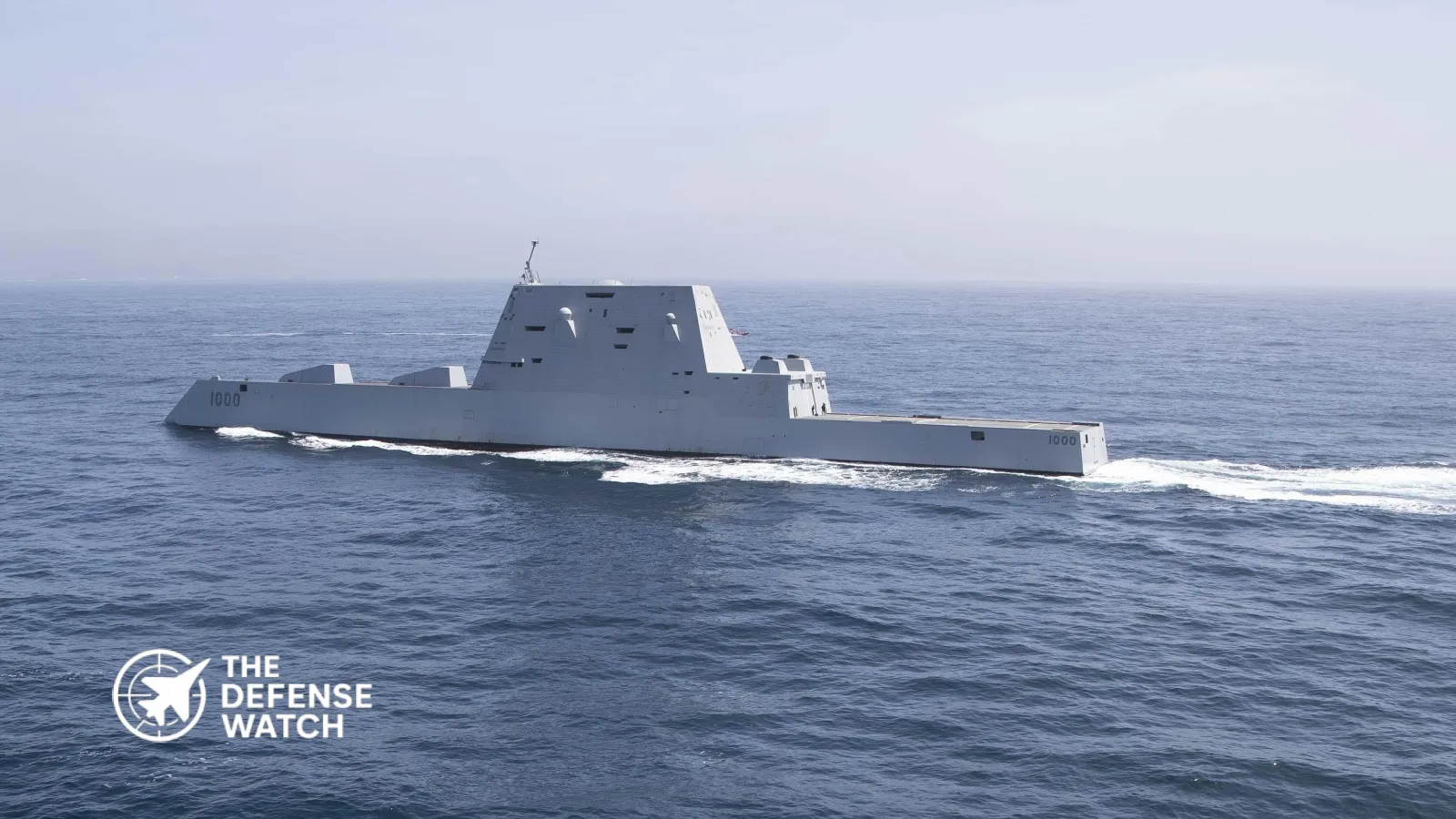
Although operational details remain limited, the enforcement mission is expected to rely primarily on U.S. Navy surface combatants supported by maritime patrol aircraft, intelligence assets, and logistics vessels already deployed within U.S. Central Command’s area of responsibility.
Carrier strike groups, guided missile destroyers, cruisers, and surveillance aircraft routinely operate throughout the region, providing the United States with substantial maritime domain awareness.
These assets allow commanders to:
- Monitor commercial shipping traffic.
- Conduct vessel identification and tracking.
- Perform compliant maritime interdiction operations.
- Coordinate with coalition naval partners.
- Maintain freedom of navigation across international waters.
Officials have not publicly disclosed the full rules governing inspections or interdictions, but maritime enforcement operations typically follow established international legal frameworks and sanctions authorities.
Strategic Implications For Regional Security
The blockade represents more than a naval deployment. It reflects a broader shift toward using maritime power to increase economic and strategic pressure on Iran without immediately expanding conventional military operations.
From a defense planning perspective, maritime enforcement offers several advantages:
- Naval forces can maintain a persistent presence without establishing additional land bases.
- Maritime interdiction enables targeted enforcement against prohibited cargo rather than broad restrictions on commercial shipping.
- Coalition naval operations improve intelligence sharing and surveillance across a large operating area.
For U.S. military planners, maintaining credible maritime control in the Persian Gulf also supports broader objectives such as protecting allied shipping, reassuring regional partners, and preserving freedom of navigation.
Operational Challenges
Despite significant naval capabilities, enforcing a maritime blockade presents considerable operational complexity.
The Persian Gulf is among the busiest commercial waterways in the world. Distinguishing legitimate commercial cargo from prohibited shipments requires extensive intelligence collection, legal review, and coordination among military and civilian agencies.
Additional operational challenges include:
- High commercial shipping density.
- Limited maneuvering space within the Strait of Hormuz.
- Potential use of smaller vessels for covert logistics.
- Continuous surveillance requirements across a large maritime area.
- Close coordination with allied navies and regional governments.
These factors require sustained intelligence, reconnaissance, and command-and-control capabilities rather than relying solely on naval firepower.
Broader Defense And Geopolitical Context
The enforcement action comes amid continued instability across the Middle East, where maritime security has become an increasingly important component of regional defense strategy.
In recent years, the United States has expanded multinational maritime security initiatives to protect commercial shipping from attacks, deter weapons smuggling, and ensure access to critical sea lanes. These missions have included cooperation with allied naval forces operating under combined maritime task forces.
For Washington, maintaining secure maritime routes remains a strategic priority because disruptions in the Gulf can affect global energy markets, international trade, and military logistics across multiple theaters.
The latest blockade also underscores the growing role of naval power as a tool of economic and strategic competition, complementing sanctions, diplomatic measures, and regional security partnerships.
Outlook
The coming days will likely determine how the maritime blockade is implemented in practice and whether enforcement operations remain limited to inspections and sanctions compliance or evolve into a longer-term naval security mission.
Defense analysts will closely monitor the operational tempo of U.S. naval forces, commercial shipping activity through the Strait of Hormuz, and any changes in regional maritime security conditions.
While the long-term effectiveness of the blockade will depend on sustained enforcement and international cooperation, the operation represents a significant development in U.S. naval strategy in the Middle East and reinforces the central role of maritime power in contemporary geopolitical competition.