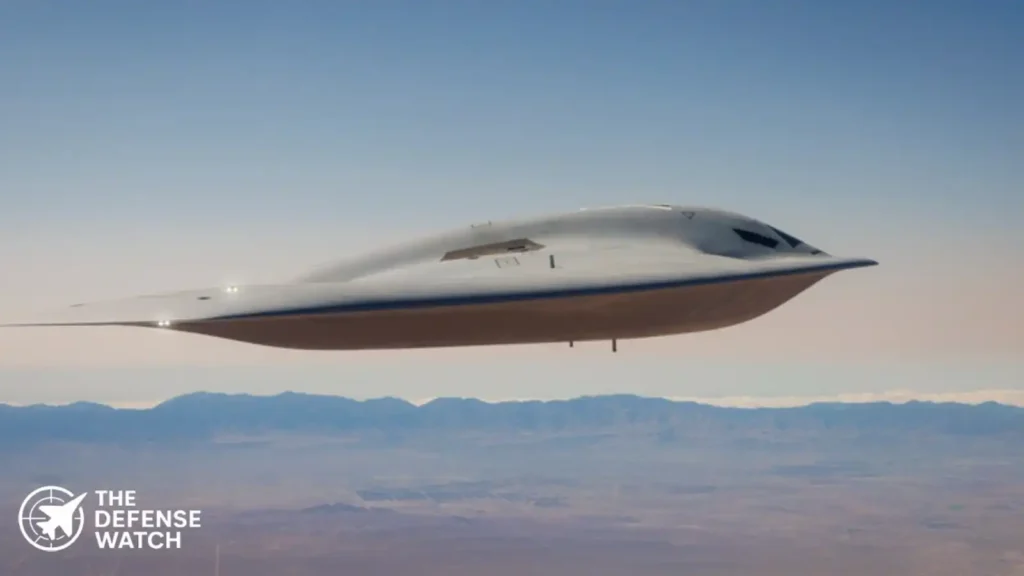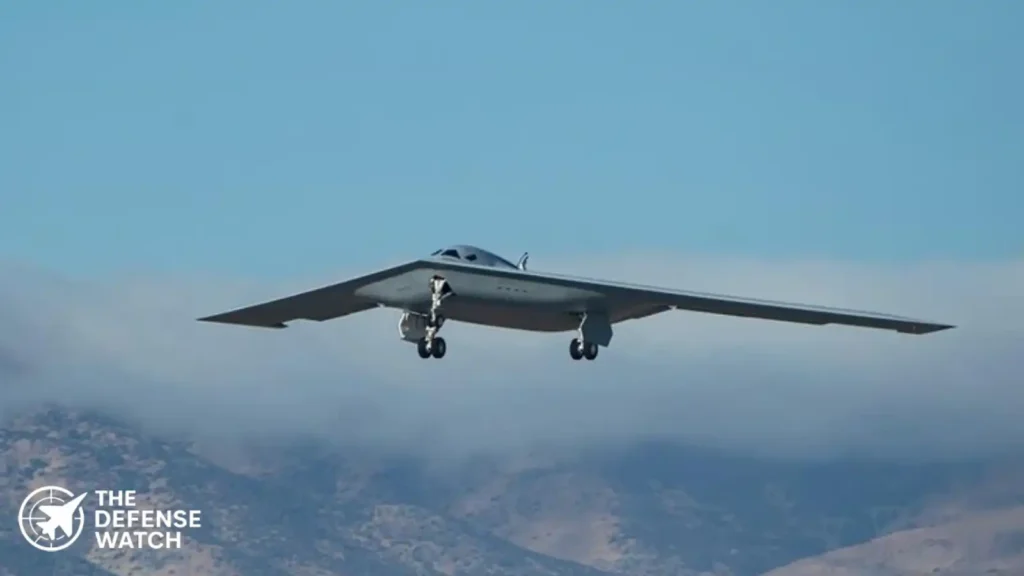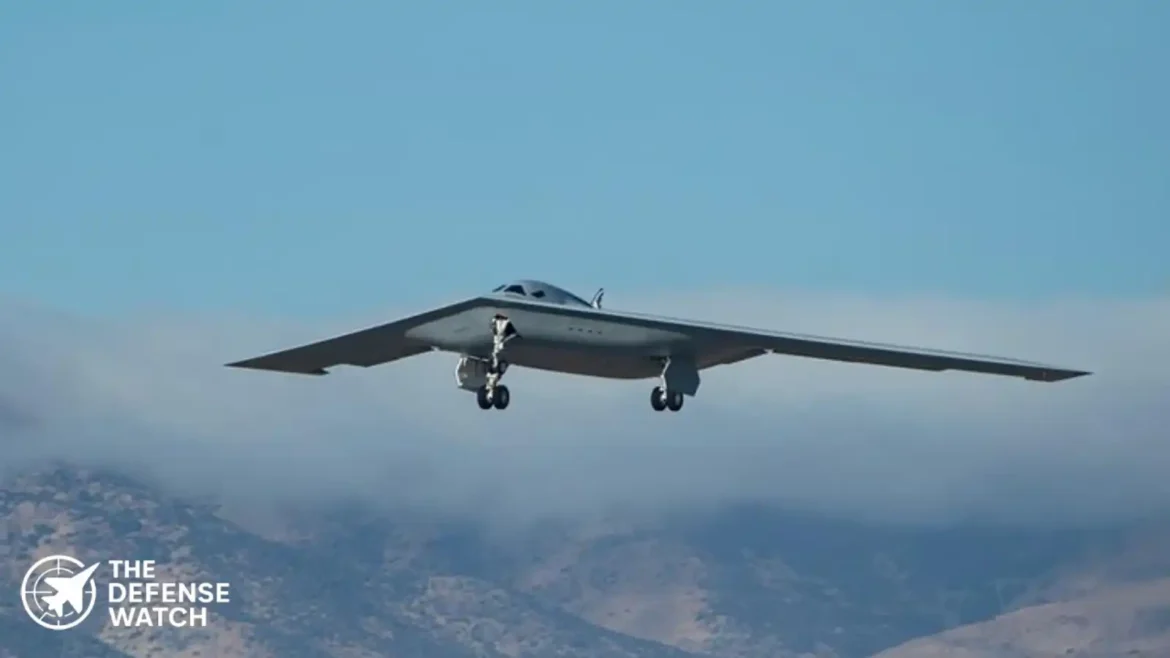
Executive Summary: A U.S. Air Force B-2 Spirit completed a more than 16-hour direct flight from Missouri to RAAF Base Amberley, Australia, during a June 2026 Bomber Task Force deployment. The mission demonstrated the bomber’s ability to project long-range stealth strike power into the Indo-Pacific while integrating with Australian tankers, aircraft and ground personnel.
B-2 Spirit Demonstrates Long-Range Strike Capability In Australia
The B-2 Spirit’s more than 16-hour flight from the continental United States to Australia highlights a central feature of U.S. global strike doctrine: strategic bombers can operate across the Indo-Pacific without requiring the aircraft to begin their missions from a forward combat base. The June 2026 deployment to RAAF Base Amberley was conducted as part of Bomber Task Force operations and Exercise Diamond Storm.
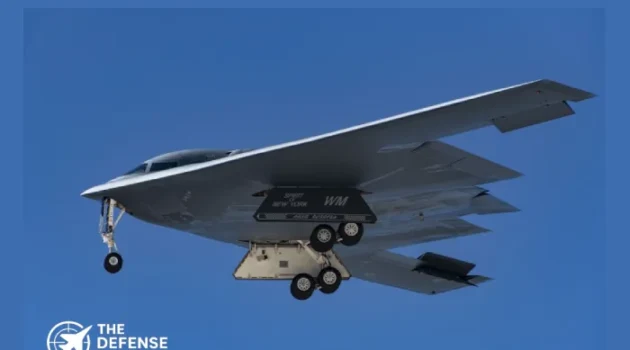
The aircraft, identified as Spirit of Texas and assigned to the 393rd Expeditionary Bomb Squadron of the 509th Bomb Wing at Whiteman Air Force Base, Missouri, reached Australia after an extended flight supported by aerial refueling. The deployment also involved Royal Australian Air Force KC-30A tanker aircraft and U.S. Air Force KC-135 Stratotankers.
The operation provides a useful example of how the United States and Australia are developing the ability to combine strategic strike aircraft, tanker support, fifth-generation fighters and expeditionary infrastructure across a very large operating area.
Why The 16-Hour Flight Matters
The significance of the mission goes beyond the distance covered.
The B-2 is designed to conduct penetrating strike missions against heavily defended targets. Its low-observable design reduces radar, infrared, acoustic, electromagnetic and visual signatures, allowing the aircraft to operate with a lower probability of detection than conventional aircraft. The U.S. Air Force lists an unrefueled range of approximately 6,000 nautical miles, or 9,600 kilometers.
The flight to Australia demonstrates how aerial refueling extends that basic range.
Instead of depending entirely on a forward airfield, the bomber can depart from Whiteman Air Force Base and receive fuel while in transit. This creates additional operational options for U.S. Strategic Command and theater commanders, particularly in regions where airfields, ports and other fixed military infrastructure could face long-range missile threats.
The distinction is important in the Indo-Pacific, where distances between major military bases can be measured in thousands of miles.
Australian KC-30A Adds A Key Allied Capability
One of the most significant elements of the deployment was the participation of Australia’s KC-30A Multi Role Tanker Transport aircraft.
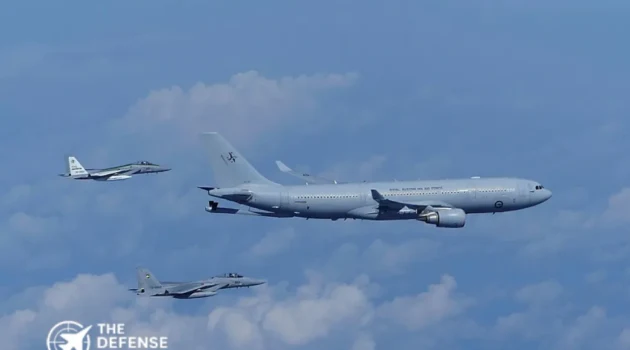
U.S. Air Force imagery from June 11 shows a B-2 receiving fuel from a Royal Australian Air Force KC-30A over the South Pacific. The operation formed part of the Bomber Task Force deployment and demonstrated the ability of Australian and U.S. aircrews to support the same long-range mission.
Australian ground crews also supported the B-2 at RAAF Base Amberley, including hot-pit refueling operations. Hot-pit refueling allows an aircraft to receive fuel while remaining on the ground with its engines running, reducing some turnaround time between missions.
For the alliance, the practical value is significant. Tanker interoperability can extend the operating radius of combat aircraft while reducing the amount of dependence on a limited number of forward bases.
B-2 Integration With Australian Airpower
The 2026 deployment was not simply a long-distance bomber flight.
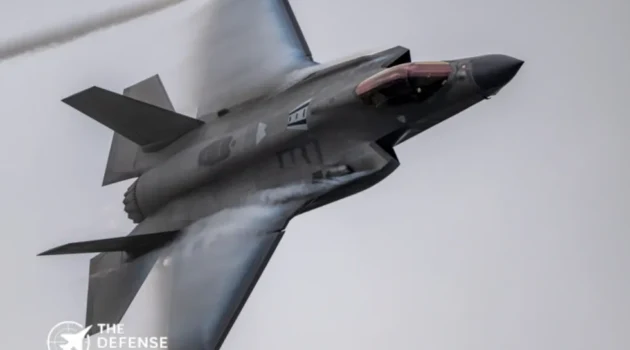
The B-2 operated with Australian aircraft as part of Exercise Diamond Storm, including integration with Royal Australian Air Force F-35A Lightning II fighters. Australian Defence said the activity included fifth-generation integration, air-to-air support, ground-based refueling and security and logistics support at Amberley.
That combination is important because modern air operations increasingly depend on networks rather than individual aircraft.
The B-2 supplies long-range penetrating strike capability. F-35A aircraft can contribute sensing, targeting and air combat capabilities. Tankers extend the endurance of the force, while ground personnel provide the maintenance, security and logistics infrastructure needed to sustain operations.
The result is a more complex force package than a bomber operating independently.
Key B-2 Spirit Capabilities
Capability B-2 Spirit Primary mission Multi-role strategic bomber Crew Two pilots Engines Four General Electric F118-GE-100 Unrefueled range Approximately 6,000 nautical miles Maximum payload 60,000 pounds Maximum takeoff weight 336,500 pounds Maximum altitude Approximately 50,000 feet Speed High subsonic Weapons Conventional and nuclear Operational base Whiteman Air Force Base, Missouri The U.S. Air Force lists 20 B-2 aircraft in the active inventory as of May 2026, including one test aircraft. The fleet remains a highly specialized component of the U.S. long-range strike force.
The B-2 Remains Relevant As The B-21 Enters The Force
The Australian mission also illustrates why the B-2 continues to receive significant attention while the Air Force transitions toward the B-21 Raider.
The B-2 is an aging aircraft, but its combination of stealth, range and payload remains valuable for penetrating strike missions. In July 2026, the Air Force reported that the B-2 Spirit of Ohio had returned to operational service after programmed depot maintenance, reinforcing the importance of keeping individual aircraft available for global missions.
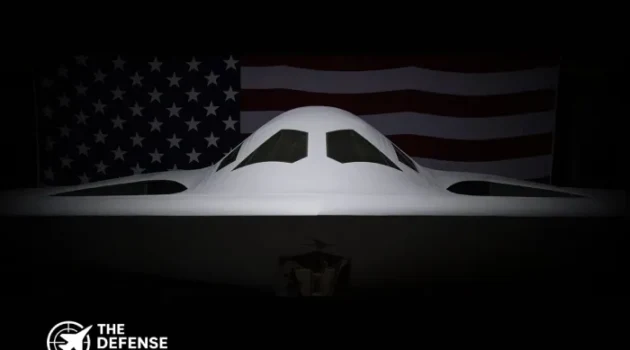
At the same time, the B-21 is being developed as the future backbone of the Air Force’s bomber fleet alongside the B-52. The Department of the Air Force announced in July 2026 that the B-21 will operate with a two-pilot crew and is intended to conduct extended-duration, long-range missions in contested environments.
The B-2 therefore occupies an important transitional position. It provides an operationally proven penetrating stealth bomber capability while the United States develops a larger and more sustainable next-generation bomber force.
Indo-Pacific Operations Depend On More Than Range
The June mission also demonstrates a broader operational reality.
Long-range aircraft do not operate independently of logistics. Even an aircraft with intercontinental range depends on tanker aircraft, maintenance crews, weapons support, secure communications, airfield infrastructure and trained personnel.
The Australian deployment brought several of those elements together.
The U.S. Air Force described the Bomber Task Force deployment as an opportunity to demonstrate Agile Combat Employment and generate combat power in the Indo-Pacific. The Australian Defence Force similarly emphasized that the B-2’s participation in Diamond Storm strengthened interoperability and demonstrated Australia’s ability to provide security, logistics and operational support in a demanding environment.
This matters because the Indo-Pacific presents an unusually challenging geography for air operations. Forces may need to operate over enormous distances while maintaining enough flexibility to shift between bases and mission areas.
The ability to move a B-2 from Missouri to Australia, refuel it in flight, integrate it with allied aircraft and support it at an Australian airbase provides a practical demonstration of that flexibility.
B-2 Expands The U.S. Strategic Options In The Pacific
The B-2 deployment should not be viewed simply as a demonstration flight.
It tested several capabilities that would be relevant to a real contingency: long-distance movement from the continental United States, tanker integration, allied refueling, expeditionary support, stealth bomber operations and coordination with fifth-generation aircraft.
The United States has repeatedly used Bomber Task Force deployments to maintain bomber proficiency and strengthen interoperability with allies. Previous B-2 operations in Australia included a 2024 deployment involving three aircraft and extensive integration with Australian F-35s, F/A-18F Super Hornets, EA-18G Growlers and KC-30A tankers.
The 2026 deployment builds on that pattern.
It also comes as U.S. and allied forces expand the range of capabilities used for Indo-Pacific deterrence. In June 2026, Pacific Air Forces conducted a B-2 live-fire exercise involving the AGM-158C Long Range Anti-Ship Missile north of the Mariana Islands, demonstrating that the bomber can contribute to counter-maritime strike missions as well as traditional long-range strike roles.
Taken together, these activities show how the B-2 is being used as part of a broader network of U.S. and allied capabilities.
What The Mission Demonstrates
The most important lesson from the Australia deployment is not simply that the B-2 can fly for more than 16 hours.
It is that U.S. global strike capability depends on the ability to connect long-range aircraft with tankers, allied bases, combat aircraft and support personnel across vast distances.
For Australia, the deployment provides experience in supporting one of the U.S. military’s most specialized aircraft. For the United States, it provides an additional operating environment and strengthens the practical integration needed for high-end air operations in the Indo-Pacific.
As the B-21 gradually becomes part of the U.S. bomber force, the B-2 will remain an important operational bridge between the current bomber fleet and the next generation of penetrating strike aircraft.
The June 2026 flight to Australia therefore represents more than a long-distance transit. It demonstrates the continued ability of the United States to move a stealth strategic bomber from the continental homeland into the Indo-Pacific and integrate it with an ally’s airpower and support infrastructure.

Executive Summary:
U.S. Marines have conducted live-fire training operations in the South China Sea as part of ongoing Indo-Pacific deployments. The drills demonstrate expeditionary readiness and reinforce the U.S. military’s ability to operate in one of the world’s most strategically significant maritime regions.
U.S. Marines South China Sea Operations Highlight Combat Readiness
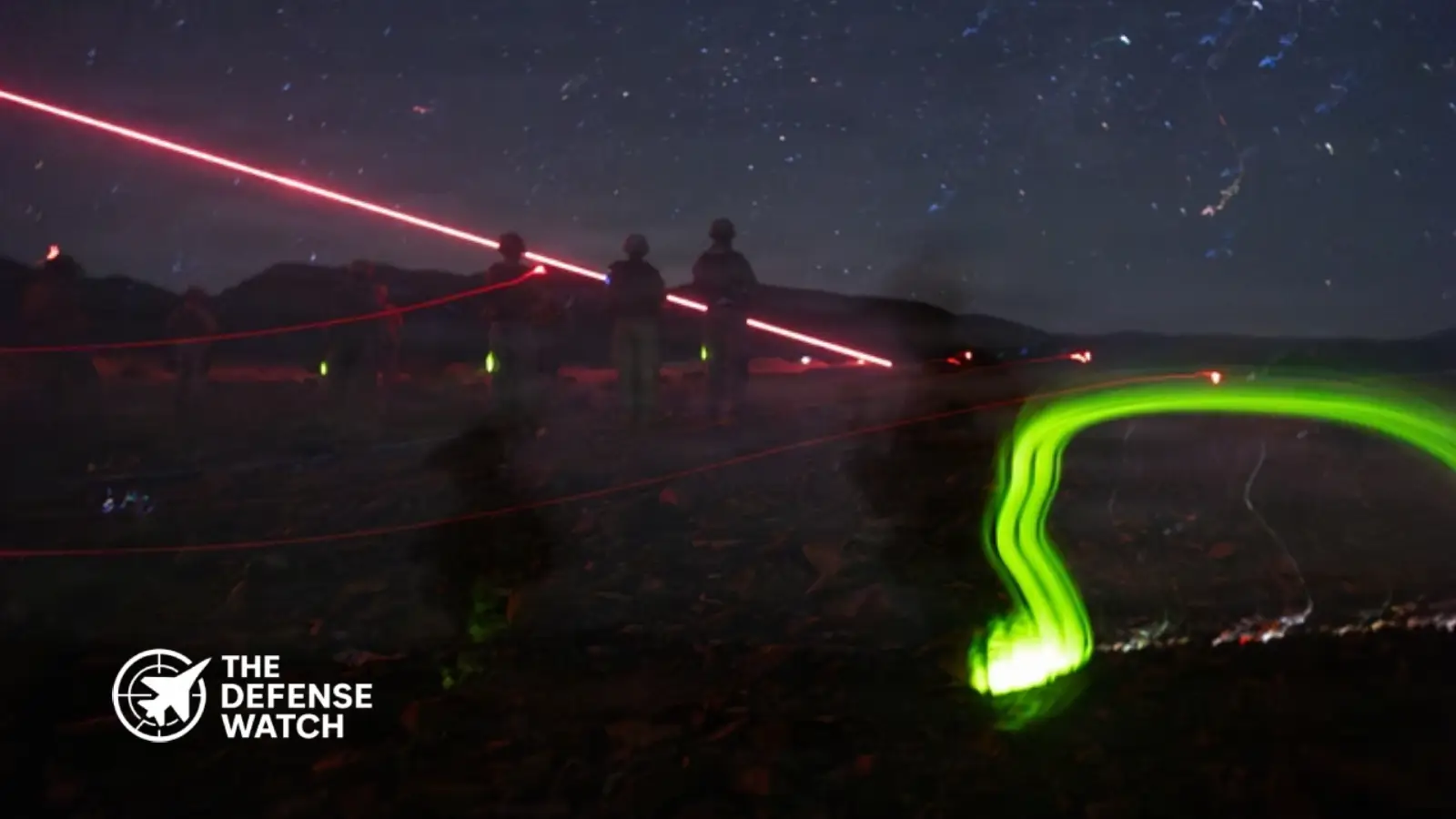
The U.S. Marines South China Sea presence was highlighted this month through a series of live-fire activities conducted during ongoing naval operations in the Indo-Pacific. The exercises form part of routine training designed to maintain combat readiness, strengthen interoperability, and demonstrate the ability of forward-deployed forces to respond rapidly to emerging contingencies.
According to imagery and information released by the U.S. military, Marine aviation and amphibious forces operating from the amphibious assault ship USS Boxer conducted flight and operational activities while deployed in the South China Sea. The deployment includes elements of the Boxer Amphibious Ready Group and the embarked 11th Marine Expeditionary Unit.
The exercises underscore the continuing role of Marine Corps expeditionary forces in maintaining a visible U.S. military presence across the Indo-Pacific, particularly in maritime areas where strategic competition remains a key concern.
Amphibious Forces Provide Flexible Response Options
At the center of the deployment is a combination of amphibious ships, aviation assets, and embarked Marine units capable of conducting a wide range of missions.
Marine aviation elements operating from USS Boxer include AH-1Z attack helicopters, MV-22B Osprey tiltrotor aircraft, and supporting aviation platforms. These systems provide capabilities ranging from close air support and reconnaissance to rapid troop movement and humanitarian assistance operations.
The Marine Expeditionary Unit structure remains one of the United States’ most flexible forward-deployed military formations. By operating from the sea, Marine forces can quickly reposition across large distances without requiring permanent basing infrastructure ashore.
This mobility continues to be a central component of U.S. force posture planning throughout the Indo-Pacific theater, where geography and maritime access are critical operational considerations.
Why The South China Sea Matters
The South China Sea remains one of the world’s most strategically important waterways. Trillions of dollars in global trade pass through the region annually, making freedom of navigation and maritime security major concerns for regional and global powers.
The area is also characterized by overlapping territorial claims involving several Southeast Asian nations and China. These competing claims have contributed to recurring maritime confrontations, coast guard encounters, and military deployments over the past decade.
As a result, military exercises conducted by the United States and its allies are often viewed as demonstrations of readiness, alliance commitments, and support for a rules-based international maritime order.
Recent multinational drills involving the United States, Japan, Australia, and the Philippines have similarly featured live-fire events and maritime training designed to improve interoperability among partner nations.
Analysis: Operational Signaling Without Escalation
While live-fire exercises are routine military activities, they also serve an important strategic purpose.
From an operational perspective, regular training ensures that Marine units maintain proficiency in weapons employment, amphibious operations, aviation integration, and command-and-control procedures. These skills are difficult to replicate without realistic training scenarios.
From a strategic standpoint, visible deployments and training activities communicate that U.S. forces remain capable of operating across contested maritime environments. The ability to rapidly deploy combat-capable forces from amphibious ships provides policymakers with flexible response options during crises.
Importantly, such exercises are not unusual. U.S. Navy carrier strike groups, amphibious ready groups, and Marine expeditionary units routinely conduct live-fire training throughout the Indo-Pacific as part of standard readiness cycles.
The significance lies less in the individual exercise itself and more in the broader pattern of sustained military presence. As regional competition continues, maintaining operational readiness and demonstrating the ability to operate alongside allies remain central objectives of U.S. defense strategy in the Indo-Pacific.
Continuing U.S. Presence Across The Indo-Pacific
The latest Marine Corps activities reinforce a longstanding U.S. commitment to maintaining forward-deployed forces across the region.
Amphibious ready groups and Marine expeditionary units provide a combination of mobility, flexibility, and combat power that allows the United States to respond to a wide range of missions, from deterrence and crisis response to disaster relief and partner nation support.
As strategic competition in the Indo-Pacific continues to shape defense planning, deployments such as the Boxer Amphibious Ready Group are expected to remain a regular feature of U.S. military operations.
(adsbygoogle = window.adsbygoogle || []).push({});Executive Summary
The U.S. Army is seeking funding for 857 Terminal High Altitude Area Defense (THAAD) interceptors as part of a major expansion of America’s missile defense inventory. The move reflects growing concerns over ballistic and hypersonic missile threats in the Indo-Pacific and signals a broader Pentagon effort to strengthen both operational readiness and defense industrial capacity.
U.S. Army Requests 857 THAAD Interceptors As Missile Defense Demand Surges
The U.S. Army’s reported request for 857 THAAD interceptors represents one of the largest missile defense procurement efforts in the history of the program, highlighting Washington’s growing focus on layered air and missile defense across the Indo-Pacific theater.
According to defense reporting and budget-related disclosures, the planned procurement increase is tied to broader Pentagon efforts to expand strategic missile defense inventories while addressing concerns over stockpile depth, industrial capacity, and sustained readiness in a high-intensity conflict environment.
The request comes as U.S. military planners increasingly emphasize the need for larger inventories of advanced interceptors capable of defending forward-deployed forces, strategic bases, and allied territories against expanding ballistic missile arsenals.
THAAD Remains A Critical Layer In U.S. Missile Defense Architecture
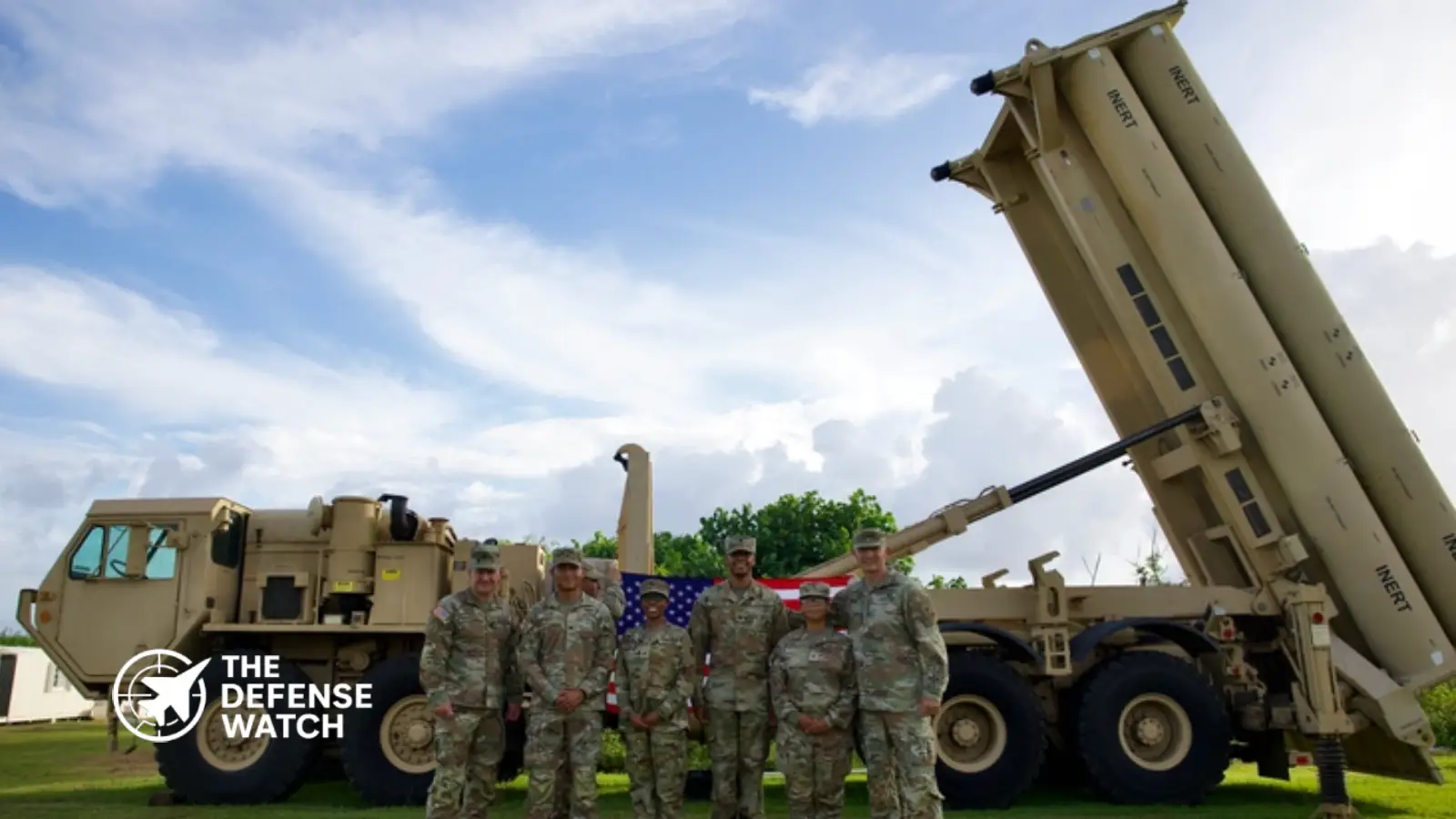
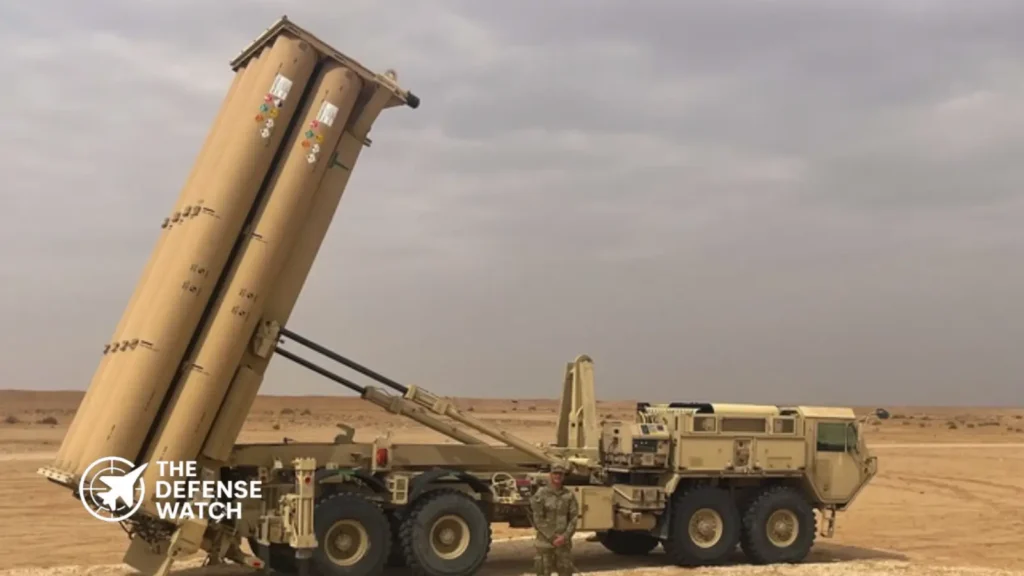
Developed by Lockheed Martin, the Terminal High Altitude Area Defense system is designed to intercept short, medium, and intermediate-range ballistic missiles during their terminal phase of flight.

Image U.S. Army Unlike traditional missile systems that rely on explosive warheads, THAAD uses a hit-to-kill approach, destroying incoming targets through direct kinetic impact. The system is capable of engaging threats both inside and outside Earth’s atmosphere, providing commanders with a higher-altitude defensive layer than systems such as Patriot PAC-3 MSE.
A typical THAAD battery includes:
Component Function THAAD Launchers Fire interceptor missiles THAAD Interceptors Engage incoming ballistic threats AN/TPY-2 Radar Long-range detection and tracking Fire Control System Battle management and engagement coordination Communications Network Integration with broader missile defense architecture The system currently serves as a key component of the U.S. Army’s integrated air and missile defense network and is deployed in several strategically important regions.
Indo-Pacific Requirements Are Driving Procurement Growth
The scale of the reported 857-interceptor request reflects growing concern among defense planners regarding missile threats in the Western Pacific.
China continues to expand its inventory of ballistic missiles, anti-ship ballistic missiles, and emerging hypersonic systems designed to challenge U.S. power projection capabilities. At the same time, North Korea continues testing increasingly capable missile systems capable of threatening U.S. regional bases and allied territory.
(adsbygoogle = window.adsbygoogle || []).push({});For U.S. commanders, missile defense is no longer viewed as a niche capability. It has become a foundational requirement for maintaining freedom of maneuver across the Indo-Pacific.
The Army has already taken steps to strengthen regional missile defense by expanding Patriot formations, investing in Integrated Battle Command System (IBCS) networks, deploying Indirect Fire Protection Capability (IFPC) systems, and increasing procurement of PAC-3 MSE interceptors.
The THAAD expansion appears to fit within this broader modernization effort.
Production Capacity Has Become A Strategic Priority
The procurement request also highlights a growing Pentagon focus on defense industrial resilience.
In January 2026, Lockheed Martin announced a framework agreement to increase THAAD interceptor production from approximately 96 missiles annually to as many as 400 per year over a multi-year period. The expansion includes major investments in manufacturing facilities, workforce growth, and advanced production technologies.
A separate initiative launched in March 2026 seeks to quadruple production of THAAD infrared seekers, one of the most technically complex components of the interceptor. Defense officials described the effort as necessary to remove supply chain bottlenecks and support future production targets.
Key Production Expansion Measures
- THAAD interceptor output planned to increase from 96 to 400 annually
- Expanded seeker manufacturing capacity
- Multi-year industrial investment programs
- New missile production facilities and automation upgrades
- Increased workforce recruitment across missile manufacturing sites
These measures indicate that Washington is increasingly treating missile production capacity as a strategic asset rather than simply a procurement issue.
Lessons From Recent Missile Defense Operations
Another factor influencing procurement decisions is the growing operational demand placed on U.S. missile defense inventories.
Recent reporting and defense assessments have highlighted concerns regarding interceptor consumption rates during large-scale regional contingencies. Analysts have warned that modern conflicts involving extensive missile exchanges can rapidly deplete inventories of advanced interceptors.
This has elevated concerns regarding what military planners often describe as “magazine depth,” the ability to sustain defensive operations over extended periods without exhausting available stocks.
For the Pentagon, the challenge is not simply developing sophisticated missile defenses. It is ensuring sufficient inventory exists to support prolonged operations across multiple theaters simultaneously.
Strategic Implications For The Indo-Pacific
The reported request for 857 THAAD interceptors suggests the United States is preparing for a future security environment characterized by larger missile salvos, longer-duration conflicts, and more contested operating environments.
(adsbygoogle = window.adsbygoogle || []).push({});From a strategic perspective, THAAD plays a unique role because it bridges the gap between lower-tier systems such as Patriot and higher-tier missile defense architectures operated by the U.S. Navy.
The system provides an additional engagement opportunity against incoming ballistic threats while helping preserve lower-cost interceptors for other targets. This layered approach has become increasingly important as adversaries field larger and more diverse missile arsenals.
For allies and partners across the Indo-Pacific, expanded THAAD inventories could also strengthen confidence in U.S. extended deterrence commitments by ensuring sufficient missile defense capacity remains available during a crisis.
A Shift Toward Sustained Missile Defense Readiness
The scale of the Army’s reported THAAD procurement request underscores a broader shift occurring across the U.S. defense establishment.
Rather than focusing solely on next-generation weapons development, Pentagon planners are increasingly prioritizing stockpile depth, production scalability, and long-term sustainment. The combination of expanded interceptor procurement, industrial base investment, and missile defense modernization suggests Washington is preparing for a strategic environment where missile defense readiness will be measured not only by technological superiority but also by production capacity and inventory resilience.
If approved by Congress, the acquisition of 857 THAAD interceptors would represent a significant expansion of U.S. missile defense capabilities and further reinforce the Indo-Pacific’s position as the central focus of American defense planning.
Executive Summary:
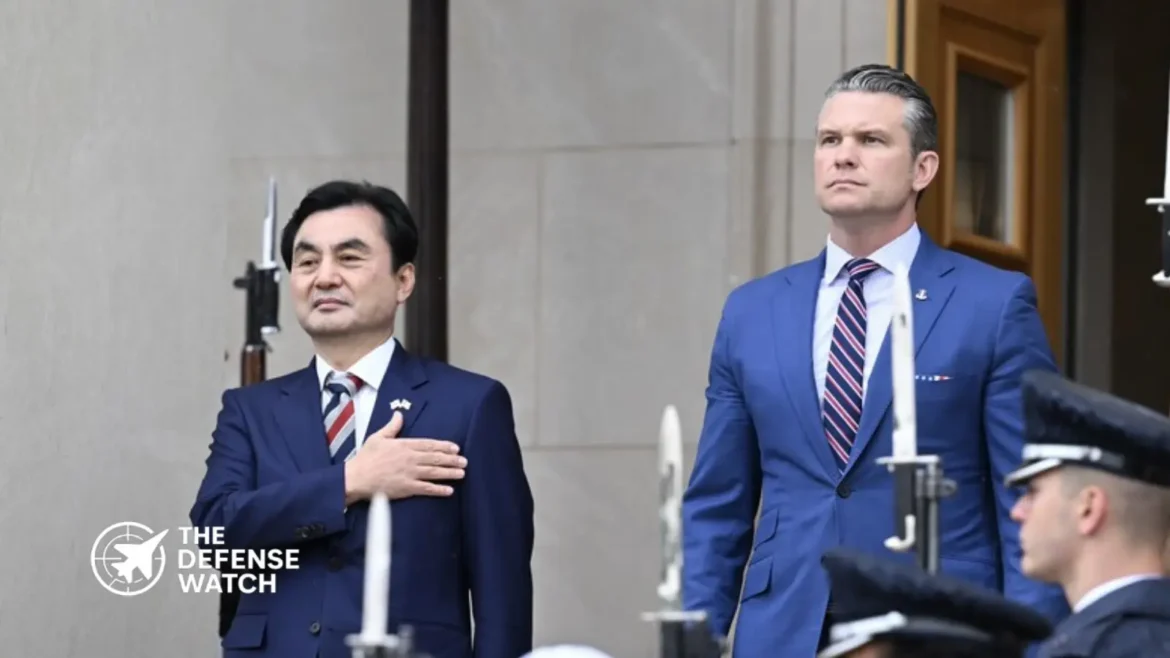
U.S. Defense Secretary Pete Hegseth hosted South Korean Defense Minister Ahn Gyu-back at the Pentagon to reinforce bilateral military coordination and regional deterrence efforts. The meeting underscored Washington’s continued focus on the Indo-Pacific amid rising security tensions involving North Korea and broader regional competition.US-South Korea Defense Talks Highlight Indo-Pacific Priorities
U.S.-South Korea defense cooperation moved back into focus this week as Defense Secretary Pete Hegseth welcomed South Korean Defense Minister Ahn Gyu-back to the Pentagon for high-level security discussions centered on military readiness, deterrence, and regional stability.
According to Pentagon statements and regional reporting, the talks emphasized maintaining strong combined military preparedness while reinforcing the long-standing alliance between Washington and Seoul.
Hegseth described the current geopolitical environment as a pivotal period for the alliance, pointing to growing security challenges across the Indo-Pacific region. He said both nations were taking coordinated steps to strengthen operational readiness and defend shared national security interests.
The Pentagon meeting comes at a time of heightened regional tension involving North Korea’s advancing missile and nuclear programs, alongside broader concerns tied to China’s expanding military posture in East Asia.
Military Readiness Remains Central To The Alliance
A major theme of the discussions was combined military readiness between U.S. and South Korean forces. Washington continues to maintain roughly 28,500 troops on the Korean Peninsula as part of its long-standing deterrence posture.
Recent alliance discussions have increasingly focused on modernizing joint operations, improving interoperability, and expanding regional defense coordination. During earlier bilateral meetings in Seoul, both governments discussed missile defense cooperation, maintenance support for U.S. naval assets, and future operational flexibility for American forces stationed in South Korea.
The Pentagon’s latest engagement with Seoul signals continuity in that broader strategy.
From a strategic perspective, the meeting also reflects how the Indo-Pacific has become the central organizing theater for U.S. defense planning. Washington has steadily strengthened security cooperation with regional allies including South Korea, Japan, Australia, and the Philippines as competition with China intensifies.
While the latest Pentagon talks primarily focused on deterrence against North Korea, the broader regional backdrop was impossible to ignore.
Expanding Defense Industrial Cooperation
Another increasingly important area of cooperation involves defense industrial integration.
South Korea’s shipbuilding sector has emerged as a strategic asset for the alliance, particularly as the U.S. Navy seeks additional maintenance and sustainment capacity in the Pacific theater. Previous meetings between Hegseth and South Korean officials highlighted plans for Korean facilities to support maintenance and repair work for U.S. warships operating in the region.
That effort aligns with wider U.S. goals to improve logistical resilience and forward sustainment capabilities across the Indo-Pacific.
South Korea has also continued investing heavily in advanced military modernization programs, including missile defense systems, naval expansion, and indigenous submarine development.
Analysts view these developments as part of a broader shift toward stronger allied burden-sharing in the region, a theme increasingly emphasized by Pentagon leadership.
Strategic Significance Beyond The Korean Peninsula
The Pentagon meeting carries importance beyond bilateral defense coordination alone.
The U.S.-South Korea alliance has evolved significantly from its Cold War foundations into a broader regional security partnership. While North Korea remains the alliance’s primary military concern, discussions now regularly include maritime security, supply chain resilience, defense production, and Indo-Pacific contingency planning.
Hegseth has repeatedly stressed the need for allied nations to increase defense capabilities and contribute more actively to regional security frameworks. Recent Pentagon messaging has praised South Korea as a reliable security partner and highlighted Seoul’s growing investments in defense modernization.
That shift reflects a wider strategic recalibration underway inside the U.S. defense establishment, where allied interoperability and regional partnerships are increasingly viewed as critical to long-term deterrence.
Indo-Pacific Competition Continues To Shape Pentagon Strategy
The Pentagon’s engagement with South Korea is part of a wider U.S. push to reinforce alliance networks across Asia.
Recent defense initiatives involving Japan, the Philippines, Australia, and other regional partners demonstrate Washington’s effort to build more integrated security structures throughout the Indo-Pacific.
For Seoul, maintaining close military coordination with Washington remains essential as North Korea continues missile testing and military modernization efforts.
At the same time, South Korea faces the challenge of balancing regional security cooperation while managing economic and diplomatic relations with China, its largest trading partner.
The Pentagon talks therefore represent both immediate defense coordination and a longer-term strategic alignment effort as the Indo-Pacific security environment becomes increasingly contested.
Conclusion
The meeting between Hegseth and Ahn reaffirmed the importance of the U.S.-South Korea alliance during a period of rising geopolitical uncertainty in East Asia.
While military readiness against North Korea remains central, the discussions also highlighted broader efforts to modernize alliance structures, expand defense industrial cooperation, and strengthen deterrence capabilities across the Indo-Pacific.
As regional competition intensifies, Washington and Seoul appear increasingly focused on building a more integrated and operationally flexible security partnership capable of addressing both immediate threats and long-term strategic challenges.
Executive Summary:
The U.S. Air Force is aiming to field cargo-launched cruise missiles by 2027 under its Rapid Dragon program. The initiative seeks to transform transport aircraft into stand-off missile carriers, expanding operational flexibility and long-range strike capacity in contested environments, particularly in the Indo-Pacific.U.S. Air Force Accelerates Cargo-Launched Cruise Missile Program
The U.S. Air Force is moving aggressively to deploy cargo-launched cruise missiles by 2027 as part of its broader effort to strengthen long-range strike capabilities against increasingly sophisticated threats.
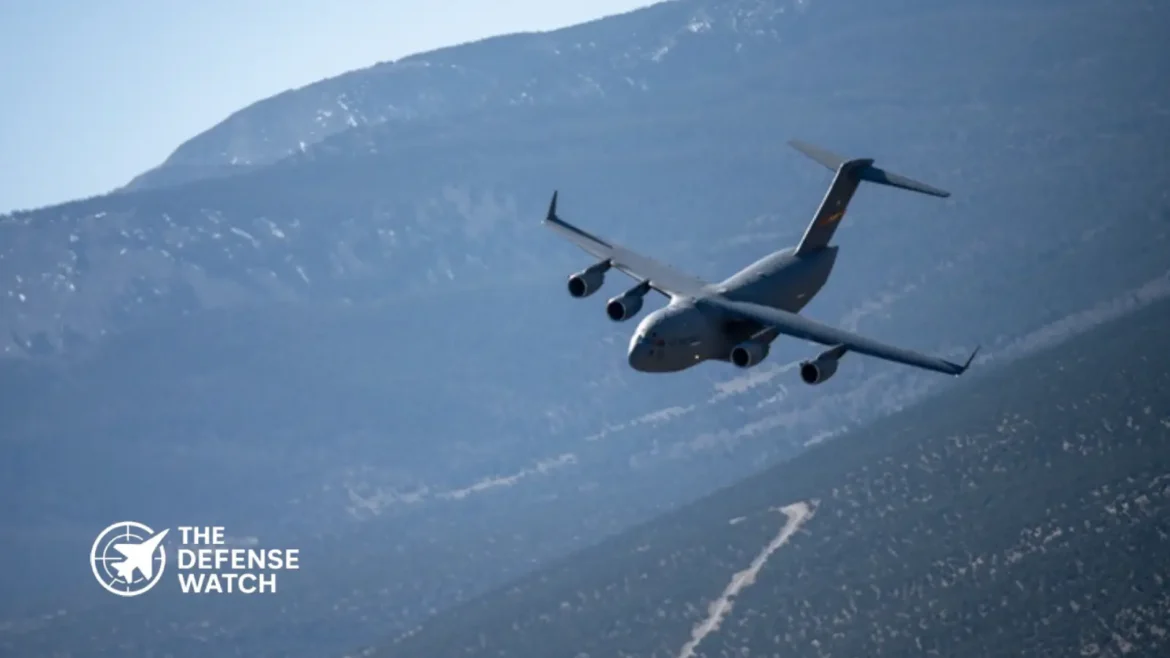
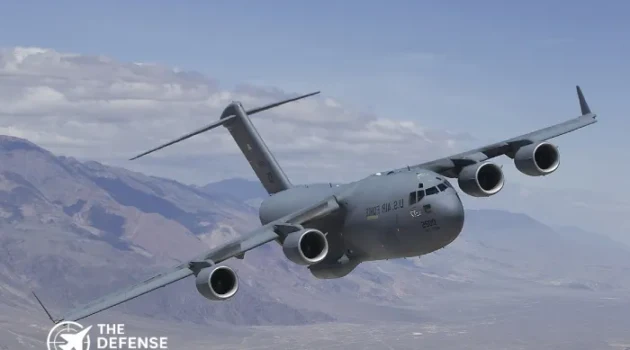
The initiative centers on the Rapid Dragon program, which enables transport aircraft such as the Lockheed Martin C-130J Super Hercules and Boeing C-17 Globemaster III to launch palletized cruise missiles from cargo bays without requiring permanent aircraft modifications.
The concept represents a significant shift in how the U.S. military could conduct stand-off strikes in future conflicts. Instead of relying solely on traditional bombers or fighter aircraft, the system allows mobility aircraft to serve as missile carriers capable of launching large salvos from outside heavily defended airspace.
The Air Force Research Laboratory, working alongside the Pentagon and industry partners, has already demonstrated successful live-fire tests involving palletized missile deployments.
Rapid Dragon Expands Operational Flexibility
The Rapid Dragon system was initially designed to provide a low-cost and rapidly scalable strike capability using existing cargo aircraft fleets.
Under the concept, cruise missiles are loaded onto pallets and dropped from the rear cargo ramp of an aircraft. Once released, parachutes stabilize the pallet before individual missiles separate, ignite, and proceed toward assigned targets.
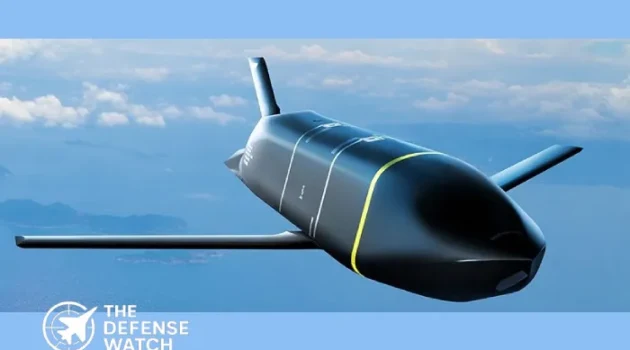
Previous demonstrations have included launches of the AGM-158B Joint Air-to-Surface Standoff Missile Extended Range, commonly known as JASSM-ER. The missile offers long-range precision strike capability against high-value targets while allowing launch aircraft to remain outside hostile air defense coverage.
The operational advantage is substantial. The U.S. Air Force maintains a far larger fleet of transport aircraft than dedicated bombers. Converting cargo aircraft into temporary missile launch platforms could dramatically increase available strike capacity during a major conflict.
Military planners increasingly view this flexibility as essential for operations across the Indo-Pacific, where long distances and growing anti-access and area-denial networks present major challenges for conventional air operations.
Indo-Pacific Strategy Driving Development
The cargo-launched cruise missile effort aligns closely with evolving U.S. defense strategy focused on the Indo-Pacific region.
Chinese investments in advanced integrated air defenses, anti-ship ballistic missiles, and long-range sensors have forced the Pentagon to rethink traditional airpower deployment concepts. Distributed operations and survivable strike platforms are now central to American military planning.
By dispersing launch capability across multiple cargo aircraft, the Rapid Dragon system complicates enemy targeting calculations. Transport aircraft can also operate from a wider network of airfields than large bomber fleets, increasing operational resilience.
This approach supports the Pentagon’s broader Agile Combat Employment strategy, which emphasizes mobility, dispersion, and unpredictability in contested theaters.
The system could also offer strategic benefits beyond the Pacific. In Europe or the Middle East, palletized cruise missile launch capability would provide commanders with additional options during high-intensity operations without requiring forward deployment of specialized strike aircraft.
Air Force Seeks Faster Fielding Timeline
The U.S. Air Force’s reported goal of achieving operational deployment by 2027 reflects growing urgency within the Pentagon to accelerate modernization programs.
Defense officials have repeatedly warned that future conflicts could involve massed missile exchanges and rapidly contested airspace. Expanding launch capacity using existing aircraft inventories offers a comparatively affordable way to increase combat power without waiting for entirely new aircraft programs.
Unlike traditional weapons integration efforts, the Rapid Dragon concept minimizes structural aircraft modifications, reducing certification timelines and logistical complexity.
The system may also strengthen allied interoperability. Several partner nations already operate C-130 aircraft, potentially allowing compatible missile deployment concepts across coalition forces in future joint operations.
While the program remains in development, its progress underscores how the Pentagon is prioritizing adaptable and scalable strike solutions as geopolitical competition intensifies.
Strategic Analysis
The cargo-launched cruise missile program reflects a broader transformation in modern air warfare, where survivability and distributed lethality increasingly outweigh traditional force structure models.
For decades, strategic strike missions depended heavily on expensive bomber fleets and forward-based tactical aircraft. Rapid Dragon challenges that framework by converting support aircraft into operational strike assets with minimal preparation.
The concept also addresses a growing concern within the U.S. defense community: missile inventory depth. In a prolonged conflict against a near-peer adversary, sustaining large-scale precision strike operations may require far more launch platforms than current bomber numbers can provide.
Another key advantage lies in operational ambiguity. Cargo aircraft conducting routine transport missions are less predictable than dedicated strike aircraft, potentially complicating adversary intelligence and targeting efforts.
However, vulnerabilities remain. Transport aircraft are slower and less survivable than stealth bombers in highly contested environments. Their effectiveness would still depend heavily on stand-off launch distances, escort support, electronic warfare protection, and access to secure operating locations.
Even so, the Rapid Dragon initiative demonstrates how the Pentagon is seeking practical methods to expand combat capacity rapidly while controlling procurement costs.
Executive Summary:
The United States has expressed concern over delays in Taiwan’s defense modernization efforts and warned against policy decisions that could be viewed as concessions to China. Washington is pushing Taipei to accelerate military reforms and weapons procurement as Beijing continues increasing military pressure in the Indo-Pacific.US Taiwan Defense Delays Raise Concern In Washington
US concern over Taiwan defense delays is growing as officials in Washington increase pressure on Taipei to move faster on military modernization and readiness initiatives.
According to a reports, US officials are closely monitoring delays affecting Taiwan’s defense procurement and broader security planning. The concerns come at a time when China continues to expand military activity around Taiwan, including large-scale air and naval operations near the island.
American officials reportedly fear that any slowdown in defense reforms or political concessions could weaken Taiwan’s deterrence posture at a critical moment in regional security dynamics.
The issue reflects a broader US Indo-Pacific strategy focused on strengthening allied military readiness against growing Chinese military capabilities.
Washington Pushes Taiwan To Accelerate Military Modernization
Taiwan has spent the past several years attempting to overhaul its military structure, increase asymmetric warfare capabilities, and improve reserve force readiness. However, delays tied to procurement timelines, budget debates, and political disagreements have reportedly frustrated US policymakers.
The United States has repeatedly emphasized the importance of mobile missile systems, air defense networks, sea mines, drones, and coastal defense weapons for Taiwan’s security strategy. Washington views these systems as essential for complicating any potential Chinese military operation against the island.
US military planners increasingly favor a so-called “porcupine strategy,” which prioritizes survivable and distributed defensive systems over large conventional platforms vulnerable to precision strikes.
Several major US arms packages approved in recent years remain in various stages of production and delivery. Supply chain constraints and industrial production limits have also slowed deliveries of some systems globally, affecting multiple US defense partners.
The Pentagon and US lawmakers have repeatedly stressed that Taiwan must focus on readiness, training, ammunition stockpiles, and rapid mobilization rather than symbolic defense spending increases alone.
China Continues Expanding Military Pressure Around Taiwan
The latest US concerns emerge amid sustained Chinese military activity near Taiwan. Beijing continues to send fighter aircraft, bombers, naval vessels, and surveillance assets into areas surrounding the island on a near-daily basis.
Chinese officials view Taiwan as part of China and have not ruled out the use of force to achieve unification. Taiwan’s government rejects Beijing’s sovereignty claims and maintains that the island’s future should be determined by its people.
In recent years, the People’s Liberation Army has significantly expanded joint operational exercises involving amphibious assault training, missile operations, and blockade-style maneuvers.
Regional military analysts believe China’s growing capabilities are reshaping the security balance across the Taiwan Strait. This has intensified US efforts to strengthen deterrence across the Indo-Pacific region through closer defense coordination with allies and partners.
Why The Taiwan Defense Debate Matters To US Strategy
Taiwan remains central to broader US strategic planning in Asia. The island occupies a critical geographic position within the first island chain, an area viewed by US defense planners as strategically important for regional military access and maritime control.
A conflict involving Taiwan would likely have major consequences for global trade, semiconductor production, regional alliances, and freedom of navigation across the Western Pacific.
Washington officially maintains a policy of strategic ambiguity regarding direct military intervention, while simultaneously continuing arms sales and defense cooperation with Taipei under the Taiwan Relations Act.
The Biden administration and members of Congress have consistently argued that stronger Taiwanese self-defense capabilities are necessary to maintain regional stability and deter escalation.
At the same time, US officials continue balancing support for Taiwan with efforts to avoid direct military confrontation with China.
Taiwan Faces Pressure To Reform Faster
Taiwan’s military reforms have accelerated since Russia’s invasion of Ukraine in 2022, which prompted renewed debate over deterrence, reserve mobilization, and civil defense preparedness.
Taipei has extended mandatory military service, increased defense spending, and expanded domestic missile and drone production programs. Still, some analysts argue implementation remains uneven and slower than required by the current threat environment.
The debate inside Taiwan also reflects differing political views over how aggressively the island should prepare for conflict while maintaining economic and diplomatic stability.
US officials appear increasingly concerned that prolonged delays could undermine deterrence credibility at a time when China is rapidly modernizing its armed forces.
Strategic Implications Across The Indo-Pacific
The growing focus on US Taiwan defense delays highlights a wider shift in Indo-Pacific security planning.
The United States, Japan, Australia, and other regional partners are increasing coordination on missile defense, intelligence sharing, logistics, and military interoperability. Taiwan’s preparedness is now viewed as a major factor in broader regional deterrence calculations.
China’s expanding naval reach and military modernization efforts continue driving defense policy changes across Asia, particularly in maritime security and distributed warfare concepts.
For Washington, Taiwan’s ability to rapidly strengthen defensive capabilities may become one of the defining strategic tests of the current Indo-Pacific security environment.
Executive Summary:
The United States is repositioning F-22 stealth fighters closer to China to improve response times in a potential Taiwan crisis. The move underscores growing tensions and a renewed focus on air superiority in the Indo-Pacific.US Moves F-22 Stealth Fighters Closer To China
The F-22 stealth fighters deployment marks a significant step in U.S. efforts to strengthen rapid-response capabilities near Taiwan, as tensions with China continue to shape regional military planning.
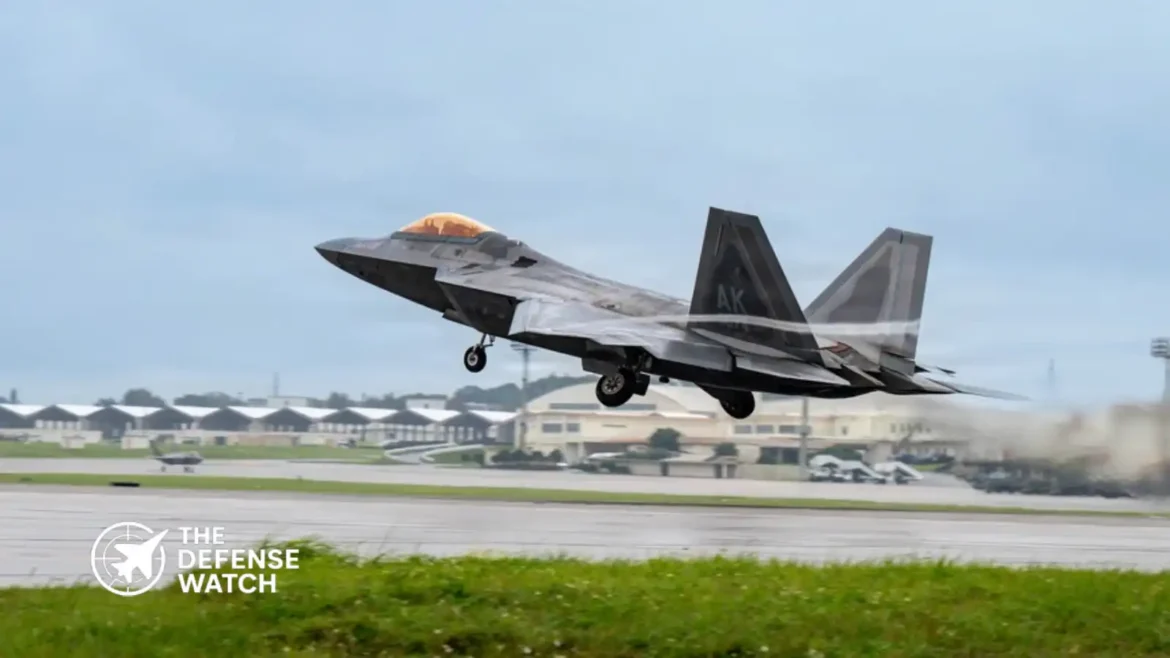
The U.S. Air Force has moved F-22 Raptors closer to the western Pacific theater, reducing operational distance to potential hotspots around the Taiwan Strait. This forward positioning is designed to enable faster sortie generation and immediate air dominance in the early stages of a conflict.
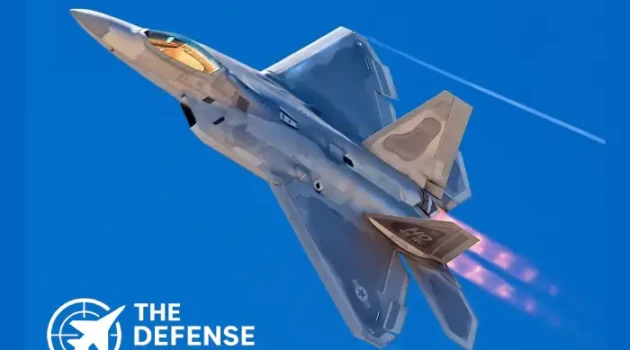
The F-22 Raptor, developed by Lockheed Martin, remains the U.S. military’s premier air superiority fighter. Its low observable design, advanced avionics, and supercruise capability allow it to penetrate contested airspace and engage high-end threats, including advanced Chinese fighters and integrated air defense systems.
Strategic Context: Taiwan And The Indo-Pacific Balance
The F-22 stealth fighters deployment comes amid increasing military activity by China around Taiwan, including large-scale air and naval exercises. Beijing continues to assert sovereignty over the island, while Washington maintains a policy of strategic ambiguity backed by growing military presence in the region.
Forward deployment of fifth-generation fighters reflects a broader U.S. shift toward distributed and resilient force posture across the Indo-Pacific. By positioning assets closer to potential flashpoints, the Pentagon aims to complicate adversary planning and ensure rapid escalation control.
From an operational perspective, reducing transit time for high-value assets like the F-22 can significantly impact early-phase combat effectiveness. In a Taiwan contingency, the first 24 to 72 hours are widely assessed by defense analysts as critical for establishing air superiority.
Operational Advantages Of Forward-Deployed F-22s
The F-22 stealth fighters deployment enhances several key operational capabilities:
- Reduced Response Time: Aircraft can reach contested zones faster, improving reaction speed to emerging threats.
- Increased Sortie Rates: Shorter distances allow for more frequent missions per aircraft.
- Enhanced Deterrence: Visible presence of advanced stealth fighters signals readiness and capability.
- Survivability In Contested airspace: The F-22’s stealth and electronic warfare suite provide a decisive edge against modern air defenses.
In addition, forward basing supports integration with allied forces, including Japan and other regional partners, enabling joint operations and interoperability in complex scenarios.
U.S. Airpower Strategy Against China
The F-22 stealth fighters deployment aligns with the Pentagon’s broader modernization and deterrence strategy focused on peer competition with China. While newer platforms like the F-35 are more widely distributed, the F-22 remains unmatched in pure air-to-air combat performance.
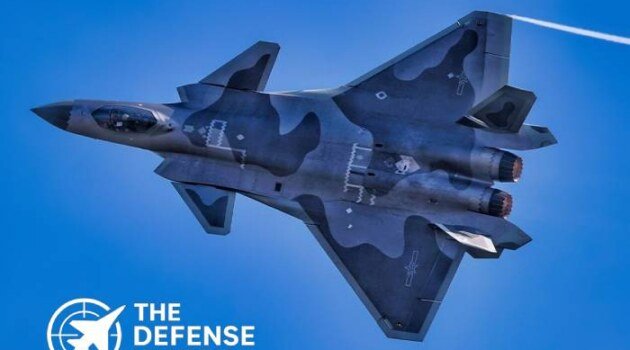
China, for its part, continues to field advanced systems such as the J-20 stealth fighter and long-range surface-to-air missile networks. This evolving threat environment has driven the U.S. to prioritize survivable, high-end capabilities in forward positions.
Defense analysts note that positioning F-22s closer to China also supports the concept of agile combat employment (ACE), which emphasizes dispersal, mobility, and rapid redeployment across multiple bases to reduce vulnerability.
Analysis: Speed, Deterrence, And Escalation Risks
The F-22 stealth fighters deployment reflects a calculated balance between deterrence and escalation management. On one hand, forward positioning strengthens U.S. credibility and reassures regional allies. On the other, it increases the proximity of high-end military assets between competing powers.
From a strategic standpoint, this move signals that the U.S. is prioritizing readiness for high-intensity conflict scenarios, particularly in the Taiwan Strait. It also highlights the importance of air superiority as a foundational element of any potential operation.
However, closer deployments may also heighten risks of miscalculation, especially during periods of increased military activity. Encounters between U.S. and Chinese aircraft have become more frequent, raising concerns among policymakers and military leaders.
Conclusion
The F-22 stealth fighters deployment closer to China underscores a clear shift toward faster, more responsive U.S. airpower in the Indo-Pacific. As tensions over Taiwan persist, the ability to rapidly project advanced combat capability will remain central to deterrence and crisis response.
Executive Summary: The Commander of US Indo-Pacific Command (INDOPACOM) has formally supported increasing the US Air Force’s acquisition objective for the B-21 Raider from 100 to 200 aircraft. This recommendation is driven by the need for high-volume, long-range conventional and nuclear precision strikes to deter peer-state aggression in the Pacific theater.
Strategic Requirement for Expanded Stealth Capacity
The push for a 200-aircraft fleet represents a significant shift from the current Department of Defense (DoD) “Program of Record.” Military leadership argues that the initial requirement of 100 units was formulated under different geopolitical conditions. As regional anti-access/area-denial (A2/AD) bubbles expand, the B-21 is increasingly viewed as the primary tool for penetrating sophisticated Integrated Air Defense Systems (IADS).
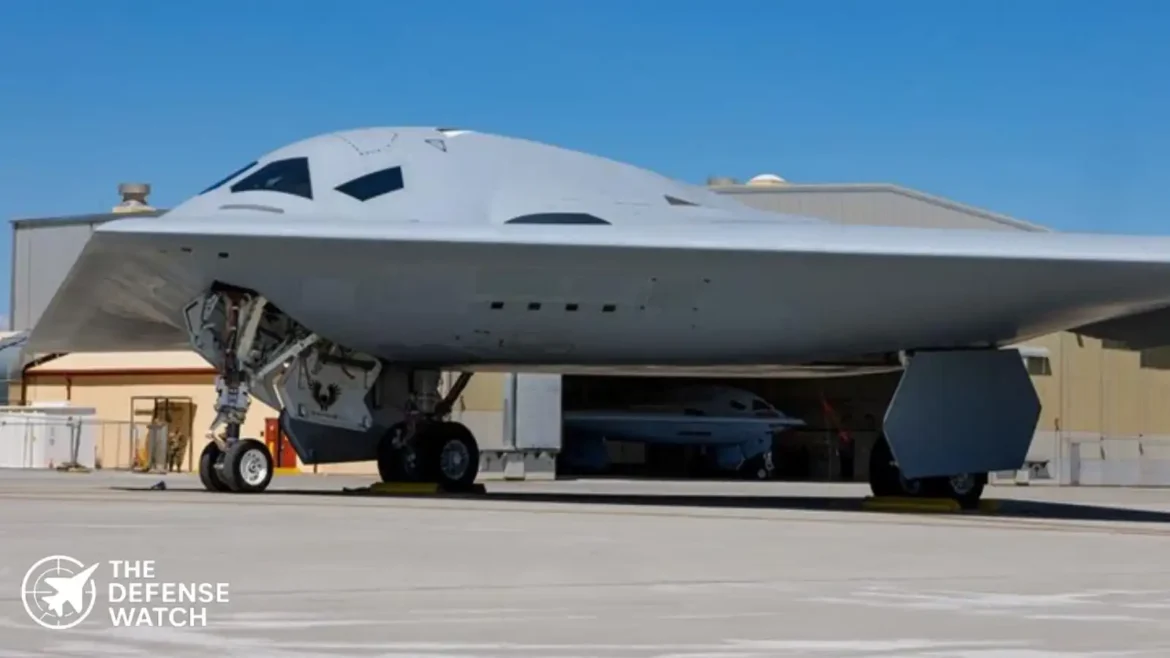
The B-21 Raider, developed by Northrop Grumman, utilizes sixth-generation stealth technology designed to remain survivable against modern S-400 and nascent S-500 surface-to-air missile systems. By doubling the fleet, INDOPACOM aims to ensure high-sortie availability despite the vast geographical distances of the Pacific.
Comparative Analysis: B-21 Raider vs. B-2 Spirit
The B-21 is intended to replace the aging B-2 Spirit and B-1B Lancer fleets, providing a more maintainable and digitally integrated platform.
Feature B-21 Raider B-2 Spirit (Legacy) Range Estimated 6,000+ nm (Unrefueled) Approx. 6,000 nm Payload Classified (Mixed Munitions) 40,000 lbs Status In Production / Flight Testing Operational (Low Fleet Count) Key Technology Open Systems Architecture (OSA) Analog/Proprietary Digital Mix Export to Sheets
Technical Advantages and Mission Profile
The B-21’s value proposition extends beyond its radar cross-section (RCS) reduction. Its “Open Systems Architecture” allows for rapid software insertion, ensuring the platform can adapt to electronic warfare (EW) threats in real-time.
- Digital Engineering: The platform was developed using digital twin technology, reducing the sustainment tail and increasing the “Mission Capable” rate compared to the maintenance-intensive B-2.
- Multi-Role Capability: While primarily a bomber, the B-21 serves as a high-altitude sensor node, capable of gathering and distributing intelligence, surveillance, and reconnaissance (ISR) data across the Joint All-Domain Command and Control (JADC2) network.
- Dual-Capable Strike: The aircraft is designed to carry both the B61-12 guided nuclear bomb and the Long Range Stand-Off (LRSO) cruise missile, alongside a vast array of conventional precision-guided munitions (PGMs).
Geopolitical Implications and Deterrence
The INDOPACOM recommendation arrives amid increasing concerns regarding the People’s Liberation Army (PLA) modernization. The vastness of the Pacific theater requires a platform that can operate without reliance on vulnerable forward-operating bases.
“The B-21 is the most significant deterrent in our inventory,” noted officials during the 2026 posture hearings. The ability to hold targets at risk from the continental United States (CONUS) or second-island-chain bases like Guam provides a strategic depth that tactical fighters cannot match.
However, expanding the order to 200 aircraft will face budgetary scrutiny. With an estimated unit cost of $750 million (in 2026 dollars), a 100-unit increase would require an additional $75 billion in procurement funding, not including long-term operations and sustainment (O&S) costs. Proponents argue that the cost of conflict far outweighs the investment in a dominant stealth deterrent.
U.S. Navy Boxer Amphibious Group Strengthens Indo-Pacific Presence
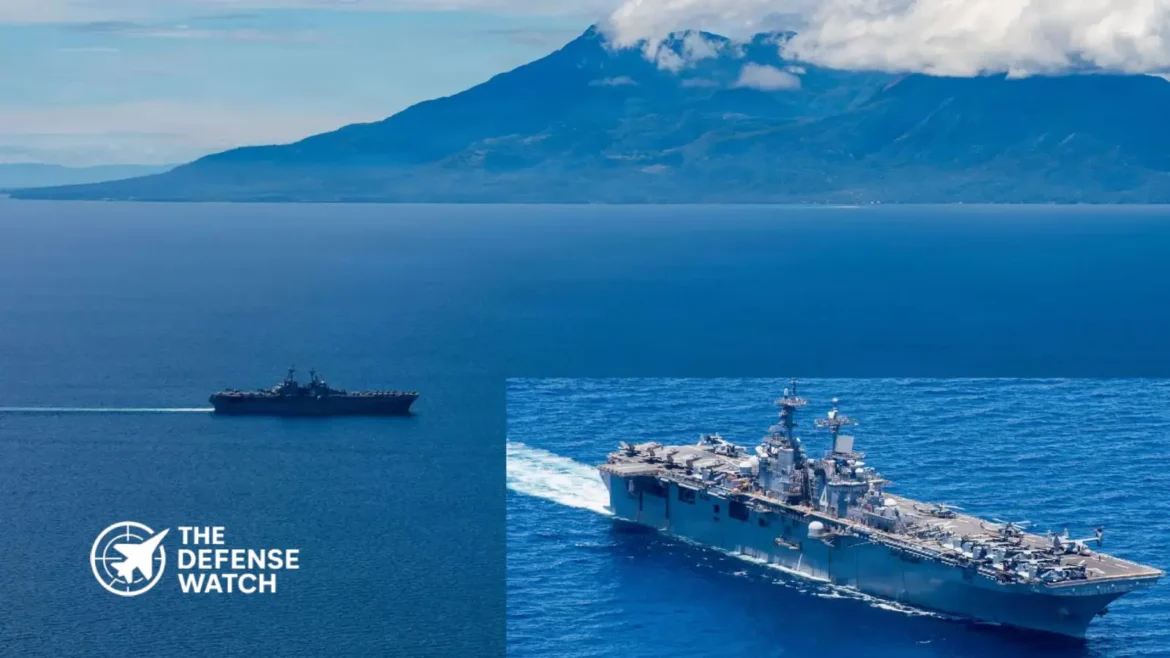
The U.S. Navy Boxer Amphibious Group has entered the Surigao Strait, placing a Marine-led expeditionary force inside one of the Philippines’ most strategically important maritime passages. Newly released U.S. Navy imagery shows USS Boxer (LHD-4) transiting the strait on April 26 while underway with the 11th Marine Expeditionary Unit in the U.S. 7th Fleet area of operations.
KEY FACTS AT A GLANCE- USS Boxer transited the Surigao Strait on April 26, 2026, according to U.S. Navy imagery.
- Boxer is flagship of the Boxer Amphibious Ready Group carrying the 11th Marine Expeditionary Unit.
- The formation is operating in the U.S. 7th Fleet area of responsibility.
- Surigao Strait is a strategic route linking the Philippine Sea and broader western Pacific approaches.
- Transit signals sustained U.S. expeditionary presence in contested Indo-Pacific waters.
The movement is operationally significant because Surigao Strait connects the Bohol Sea to the Leyte Gulf and wider Pacific approaches. For naval planners, access through these narrow waterways supports rapid maneuver, distributed force positioning, and response options across Southeast Asia.
Unlike a routine port call, a strait transit by an amphibious ready group demonstrates mobility, sea control access, and the ability to reposition Marines where needed without reliance on fixed bases.
Why Surigao Strait Matters Now
The Surigao Strait sits inside the Philippine archipelago, near sea lanes linking the South China Sea, Philippine Sea, and western Pacific. As regional tensions persist over maritime claims and military activity, chokepoints like this gain added value.
For the United States, operating through these waters supports several goals:
- Reinforcing alliance networks with the Philippines and regional partners
- Maintaining freedom of navigation access routes
- Preserving rapid crisis-response options
- Showing persistent presence without permanent escalation
This is increasingly relevant as Washington and Manila expand defense cooperation under the Enhanced Defense Cooperation Agreement framework and conduct larger bilateral exercises.
Boxer Amphibious Ready Group Combat Power
USS Boxer (LHD-4) is a large-deck amphibious assault ship capable of operating helicopters, MV-22 Osprey tiltrotors, and F-35B short takeoff fighters. It also supports Marine landing forces, command operations, and logistics support.
Embarked forces include the 11th Marine Expeditionary Unit, one of the Marine Corps’ forward-deployed crisis response formations. A MEU typically combines infantry, aviation, logistics, and command elements able to conduct:
- Amphibious raids
- Noncombatant evacuation operations
- Humanitarian assistance
- Maritime security missions
- Limited combat operations
That mix gives the U.S. Navy Boxer Amphibious Group flexibility across peacetime competition and conflict scenarios.
Strategic Analysis
About 30 percent of this story is best understood through context rather than the photo itself. Naval transits often communicate intent without formal statements. In this case, moving Boxer through Surigao Strait sends three quiet messages.
First, U.S. forces can shift quickly through allied geography.
Second, amphibious forces remain central to Indo-Pacific deterrence because they are mobile and hard to predict.
Third, Washington is signaling that regional waterways remain open to partner operations despite growing military competition.
Unlike carrier strike groups built around air power, amphibious groups combine aviation with landing forces. That makes them useful for gray-zone crises, disaster relief, island reinforcement, or rapid response short of major war.
What Comes Next
The Boxer group will likely continue presence operations, training events, and interoperability activity across the U.S. 7th Fleet theater. Such deployments are now a regular part of U.S. force posture, especially as the Pentagon emphasizes distributed maritime operations and expeditionary basing concepts.
For allies and competitors alike, the message is straightforward: the U.S. Navy Boxer Amphibious Group remains active, mobile, and ready in the Indo-Pacific.
U.S. F-22 Raptors Deepen Indo-Pacific Interoperability With Philippine FA-50PHs
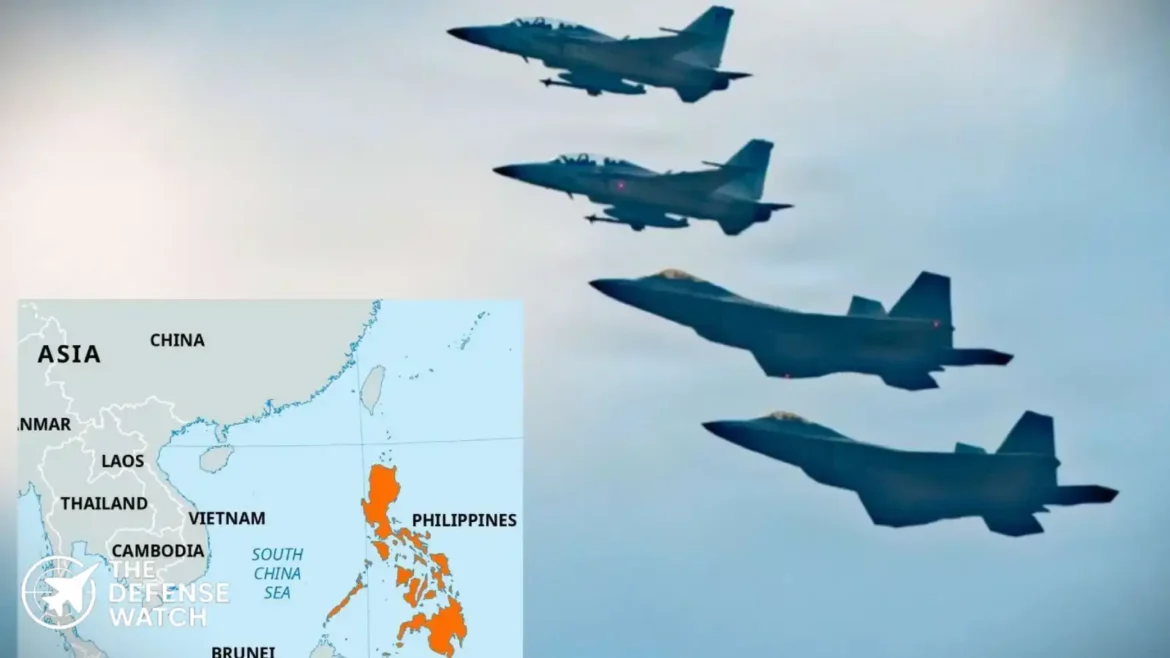
U.S. F-22 Raptors have conducted joint air combat interoperability training with Philippine Air Force FA-50PH fighter aircraft, marking another step in expanding allied airpower cooperation across the Indo-Pacific. The exercise underscores Washington and Manila’s growing focus on readiness, deterrence, and combined operations.
¦ KEY FACTS AT A GLANCE- U.S. F-22 Raptors trained alongside Philippine Air Force FA-50PH fighters in new bilateral air combat exercises.
- The drills focused on interoperability, tactical coordination, and joint mission execution.
- F-22 Raptors bring stealth, sensor fusion, and air dominance capabilities to allied operations.
- Philippine FA-50PH aircraft provide multirole combat capability and rapid-response flexibility.
- The exercise highlights growing U.S.-Philippine defense cooperation in the Indo-Pacific.
The training comes as regional security concerns continue to shape military planning across the South China Sea and wider Pacific theater. For both countries, practical integration between air forces is increasingly valuable.
Why The Drill Matters Now
Joint training between fifth-generation U.S. fighters and regional partner aircraft offers more than symbolic value. It creates real-world familiarity between pilots, mission planners, maintainers, and command structures.
The U.S. F-22 Raptors remain one of the world’s premier air superiority platforms. Combining stealth shaping, high-end sensors, supercruise speed, and advanced data awareness, the aircraft is designed to dominate contested airspace.
For the Philippines, operating alongside the F-22 helps expose crews to advanced tactical procedures that can improve national air defense operations. Even limited interactions with such aircraft can raise standards in mission planning, communications discipline, and air battle management.
FA-50PH Role In Philippine Defense Strategy
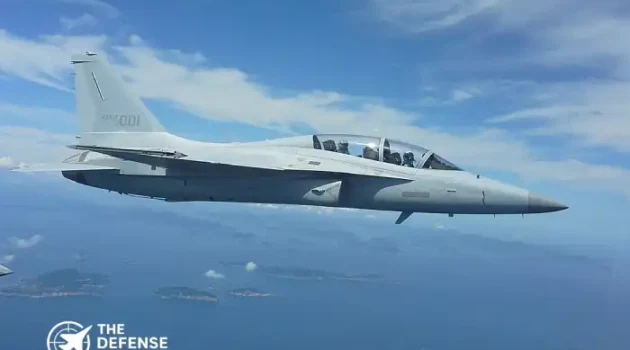
The Philippine Air Force’s FA-50PH fleet has become a central part of Manila’s modern combat aviation capability. Derived from the South Korean FA-50 platform, the aircraft can perform air defense, strike, training, and patrol missions.
While it is not in the same class as stealth fighters, the FA-50PH gives the Philippines a flexible and cost-effective fast jet fleet that can respond quickly to security events.
Its participation in exercises with U.S. F-22 Raptors also reflects a broader strategy, pairing national assets with allied high-end systems to improve layered deterrence.
Strategic Message Across The Indo-Pacific
The timing of such exercises matters. U.S.-Philippine military ties have accelerated in recent years through expanded base access, rotational deployments, maritime patrols, and combined exercises.
Airpower cooperation sends a visible signal that alliance commitments are backed by operational activity, not only policy statements.
For regional observers, the presence of F-22 aircraft in exercises suggests the U.S. is willing to deploy premier combat assets forward when required. That can shape deterrence calculations among competitors and reassure partners.
What Interoperability Really Means
Interoperability is often used as a broad term, but in military aviation it has direct operational meaning:
- Shared radio procedures
- Common tactical language
- Coordinated target identification
- Deconflicted airspace management
- Faster mission handoff between aircraft types
- Better response during crises or natural disasters
These foundations become critical during real contingencies, when reaction time is limited.
Outlook For Future U.S.-Philippine Air Cooperation
As the Philippines continues military modernization, future exercises could expand into maritime strike coordination, integrated air defense drills, and larger multinational events.
The U.S. F-22 Raptors training with Philippine FA-50PHs indicates a maturing defense relationship centered on practical readiness. In a region where distance, speed, and air control matter, that cooperation carries growing strategic weight.
Newer Posts