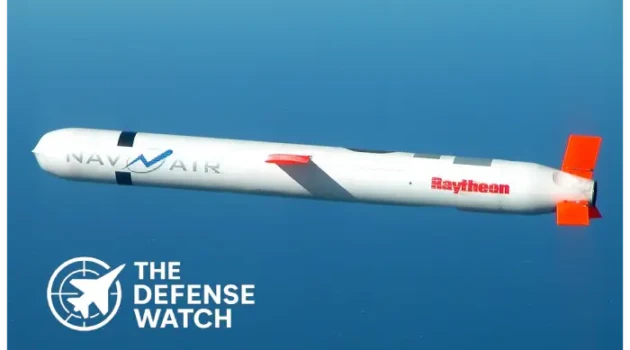
(adsbygoogle = window.adsbygoogle || []).push({});Executive Summary: The Tomahawk cruise missile costs roughly $2 million to $2.5 million per missile and offers long-range strike capability exceeding 1,000 miles, making it a strategic weapon for attacking high-value targets deep inside enemy territory. The Naval Strike Missile (NSM) typically costs $1 million to $1.5 million, prioritizing stealth, anti-ship warfare, and flexible deployment from ships and coastal launchers. Rather than competing directly, the two missiles fulfill complementary roles in modern naval strategy.
The Tomahawk cruise missile cost is typically estimated at $2 million to $2.5 million per round, while the Naval Strike Missile (NSM) generally falls between $1 million and $1.5 million. That price gap raises an obvious question: why would navies pay nearly twice as much for a Tomahawk?
The answer lies in mission design. The Tomahawk is a strategic strike weapon capable of reaching targets more than 1,000 miles away, while the NSM is a stealth-focused anti-ship missile built to dominate naval engagements closer to the battlespace. Comparing them is less about price and more about understanding two very different approaches to maritime warfare.
Modern fleet planners increasingly view the missiles as complementary systems rather than direct competitors. One delivers deep-strike capability across an entire theater of operations. The other helps secure sea control against hostile surface fleets.
Technical Analysis: Cost, Range, and Mission Profiles
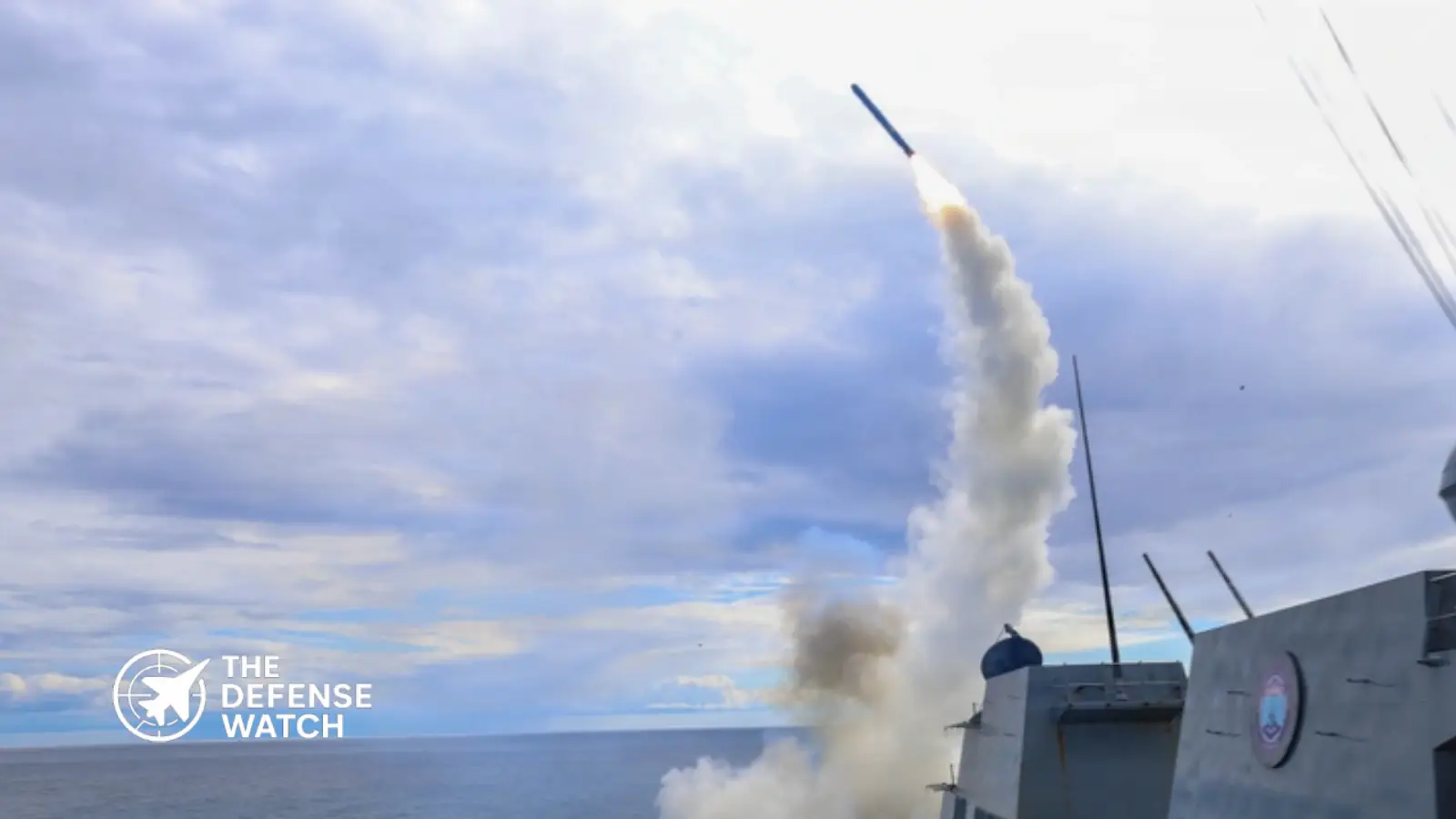
The Tomahawk remains one of the most combat-proven cruise missiles ever developed. First introduced during the Cold War, the weapon has evolved through multiple upgrades and remains a cornerstone of U.S. naval strike capability. The latest Block V variants can engage both land targets and certain maritime threats while maintaining exceptional stand-off range.
- (adsbygoogle = window.adsbygoogle || []).push({});
The Naval Strike Missile represents a different generation of thinking. Developed by Norway’s Kongsberg and now fielded by the U.S. Navy and Marine Corps, the NSM prioritizes survivability, stealth, and advanced terminal attack profiles designed to penetrate modern air defenses.
Tomahawk vs NSM Comparison
Metric Tomahawk Block V Naval Strike Missile (NSM) Approximate Unit Cost $2.0M to $2.5M+ $1.0M to $1.5M Primary Role Land attack and maritime strike Anti-ship warfare Range 1,000+ miles (1,600+ km) 100 to 150+ miles (185 to 250+ km) Launch Platforms Destroyers, cruisers, submarines Surface ships, coastal batteries, mobile launchers Guidance GPS, INS, terrain matching, seeker GPS, INS, imaging infrared seeker Warhead Approximately 1,000 lbs Approximately 275 lbs Flight Profile Subsonic cruise Sea-skimming, low observable The most significant difference is range. A Tomahawk can strike strategic infrastructure, command centers, logistics hubs, and air defense sites deep inside enemy territory. Few conventional naval weapons offer comparable reach.
The NSM is optimized for a different mission set. Rather than attacking inland targets hundreds of miles away, it focuses on destroying enemy surface combatants. Its sea-skimming flight profile and sophisticated target recognition capabilities make interception significantly more difficult.
For naval commanders, the question is not which missile is better. The real question is which missile best supports the mission at hand.
(adsbygoogle = window.adsbygoogle || []).push({});Surface Ship vs Submarine Launch: The Logistics Battle
Launch platform considerations often shape procurement decisions as much as missile performance.
Tomahawk missiles are typically carried aboard major surface combatants equipped with the Mk 41 Vertical Launch System. These ships function as mobile strike platforms capable of influencing operations far beyond the horizon.
Submarine-launched Tomahawks add another layer of strategic value. Attack submarines can approach contested areas undetected, launch precision strikes, and withdraw before adversaries can respond. This combination of stealth and range has repeatedly proven effective during combat operations in the Middle East and elsewhere.
The NSM follows a more distributed model. It can be mounted on smaller warships, truck-based coastal defense systems, and expeditionary launchers. This flexibility aligns closely with emerging U.S. and allied concepts of distributed maritime operations.
Rather than concentrating firepower aboard a handful of expensive platforms, commanders can disperse missile batteries across multiple locations. This creates a targeting challenge for adversaries and improves force survivability.
From a logistics perspective, the NSM offers affordability and flexibility. The Tomahawk offers reach and strategic impact. Modern navies increasingly seek both capabilities.
(adsbygoogle = window.adsbygoogle || []).push({});Why Cost Alone Doesn’t Determine Value
Defense procurement rarely revolves around unit price alone.
A missile costing $2.5 million may appear expensive until planners consider what it replaces. A Tomahawk can strike a target more than a thousand miles away without risking a pilot, tanker aircraft, escort fighters, or support assets.
The cost equation changes further when considering strategic effects. Destroying a high-value command center or disabling a critical air defense network can influence an entire campaign.
Meanwhile, NSM delivers value through quantity and operational flexibility. A force equipped with larger numbers of anti-ship missiles can create significant challenges for hostile fleets operating in contested waters.
This is why many Western navies continue investing in both long-range strike missiles and dedicated anti-ship weapons rather than choosing one category over the other.
The Gaming Parallel: What Tomahawk And NSM Teach Us About Competitive Strategy
The distinction between Tomahawk and NSM mirrors the difference between strategic and tactical play in competitive gaming.
In Call of Duty esports, legendary players such as Clayster built their reputation not simply through mechanical skill, but through map control, timing, and understanding when to commit valuable resources. The Tomahawk fills a similar role. It is the high-value strategic asset that can reshape the battlefield from extreme distance, much like a perfectly timed game-changing play during a championship match.
The NSM operates differently. It resembles a dominant meta weapon that excels in repeated engagements. Rather than delivering one dramatic strategic strike, it focuses on controlling the immediate fight through survivability, precision targeting, and flexible deployment options.
Military planners face the same challenge that elite esports teams face. Should resources be concentrated into a few powerful capabilities, or distributed across larger numbers of specialized tools?
(adsbygoogle = window.adsbygoogle || []).push({});The Tomahawk wins through reach and strategic impact. The Naval Strike Missile wins through flexibility, survivability, and sea control. Modern naval doctrine increasingly relies on both.
Conclusion & Takeaway
Comparing the Tomahawk cruise missile cost to the Naval Strike Missile reveals two fundamentally different philosophies of naval warfare.
Tomahawk delivers strategic depth, long-range precision, and multi-domain strike capability. NSM provides a cost-effective, highly survivable anti-ship weapon designed for distributed maritime operations and contested naval environments.
The future of naval warfare is unlikely to be defined by a single missile. Instead, success will depend on combining long-range strike systems with agile anti-ship capabilities that can survive in increasingly dangerous battlespaces.
In the end, the million-dollar question is not whether Tomahawk or NSM is superior. It is whether a navy can effectively integrate both into a coherent strategy. The fleets that master that balance will hold a decisive advantage in the maritime conflicts of the coming decades.