(adsbygoogle = window.adsbygoogle || []).push({});Executive Summary: The question of which fighter jet rules the sky in 2026 is no longer purely about raw speed or payload — it is about stealth depth, sensor fusion, and the ability to command unmanned wingmen. The F-22 Raptor holds the technical crown with a radar cross-section the size of a marble and supercruise above Mach 1.8, but its 178-aircraft fleet and $85,325-per-flight-hour operating cost expose a strategic liability that its replacement — Boeing’s F-47 — is being built to correct. Meanwhile, China is producing J-20s at roughly 120 per year, a production velocity that forces a rethinking of what “best” actually means in a large-scale peer conflict.
The $334 Million Question Nobody Answers Straight
The F-22 Raptor costs $334 million per aircraft — once you account for the $67.3 billion total program spend spread across just 195 airframes. Its hourly flight cost sits at $85,325. The Air Force currently requires up to 30 maintenance hours for every single hour it flies. And yet, across every serious defense ranking published in 2025 and 2026, the F-22 still holds the number one slot.
- The $334 Million Question Nobody Answers Straight
- Technical Analysis: The Five Contenders That Matter
- 1. Lockheed Martin F-22 Raptor — The Untouchable Benchmark
- 2. Lockheed Martin F-35 Lightning II — The Network Warfare Machine
- 3. Chengdu J-20 Mighty Dragon — The Production Threat
- 4. Dassault Rafale — Europe’s Most Lethal Export
- 5. Sukhoi Su-57 Felon — The Sanctioned Wild Card
- Fighter Jet Comparison: Key Metrics at a Glance
- The Strategic Crossover: What Gaming Theory Gets Right About Air Dominance
- The Sixth-Generation Horizon: Why the Answer Is About to Change
- Final Assessment
That tension — between singular technical dominance and catastrophic operational economics — defines the modern air superiority debate. The best fighter jet in the world is not the one with the highest speed or the longest missile range. It is the one that can enter denied airspace, kill without being seen, and survive to fly again. By that standard, the answer changes depending on whether you are asking about today, 2030, or the decade after that.
Here is the 2026 definitive breakdown.
Technical Analysis: The Five Contenders That Matter
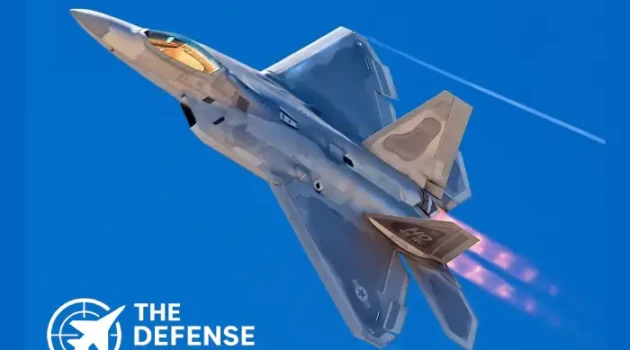
1. Lockheed Martin F-22 Raptor — The Untouchable Benchmark
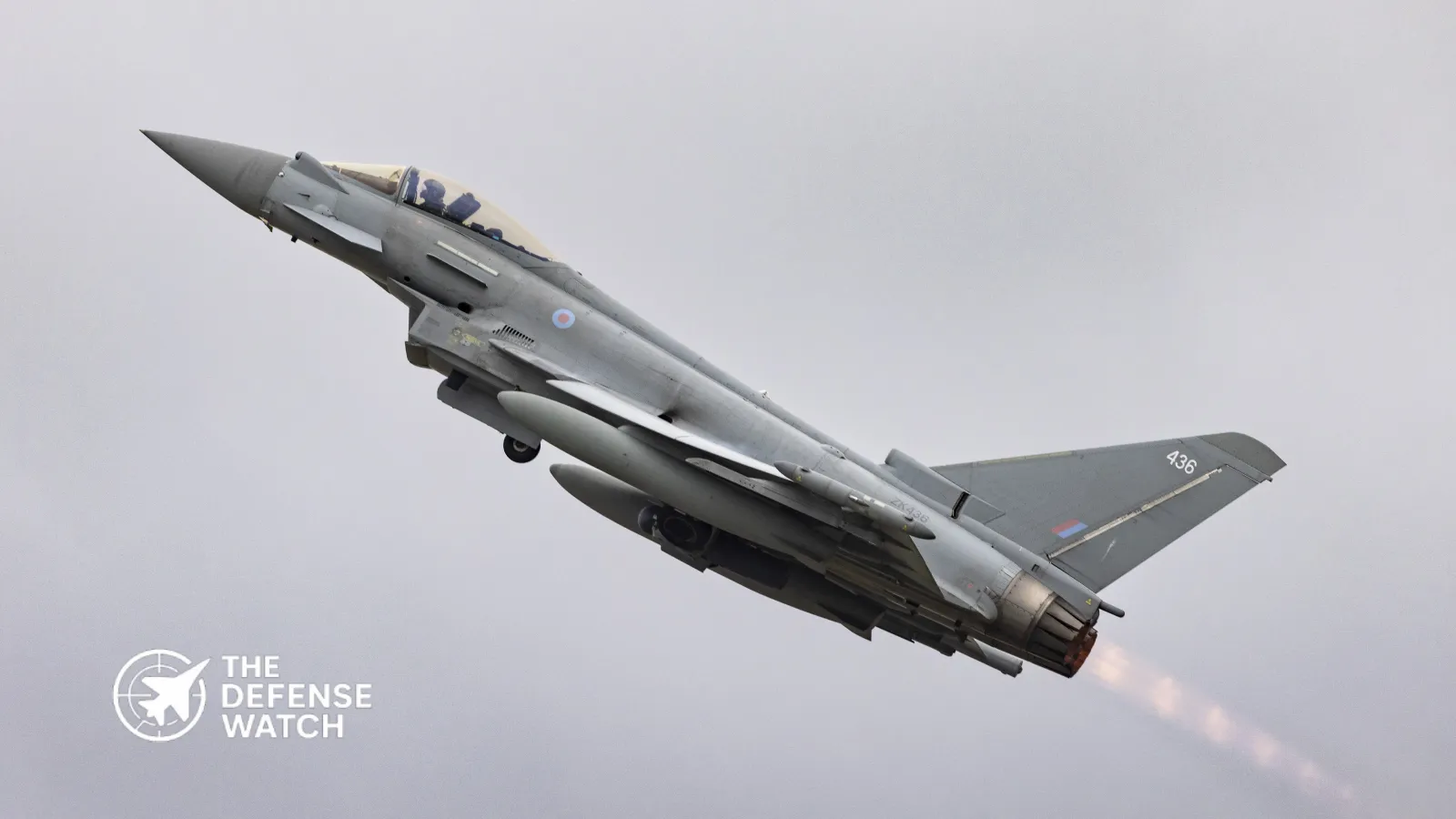
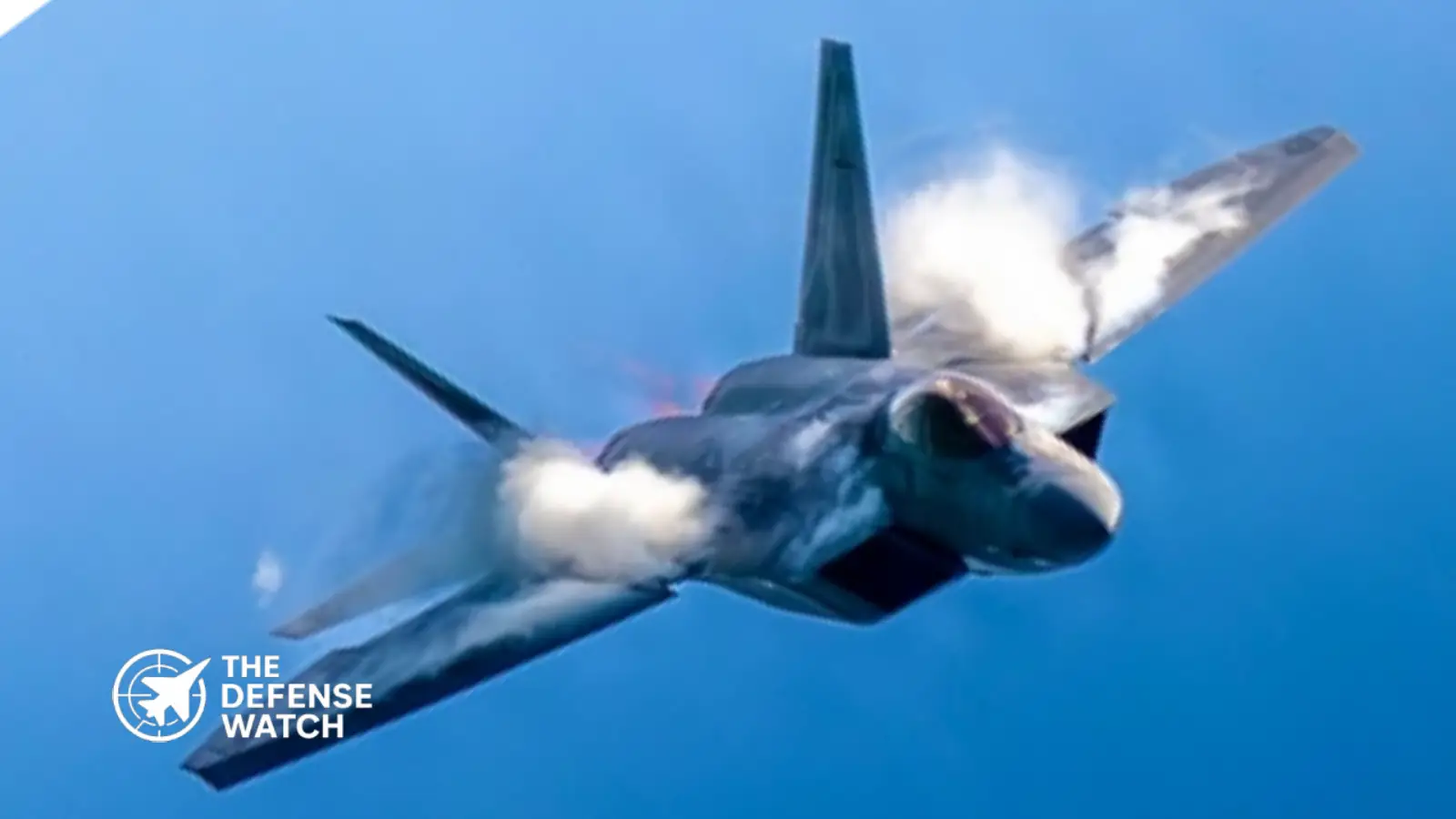
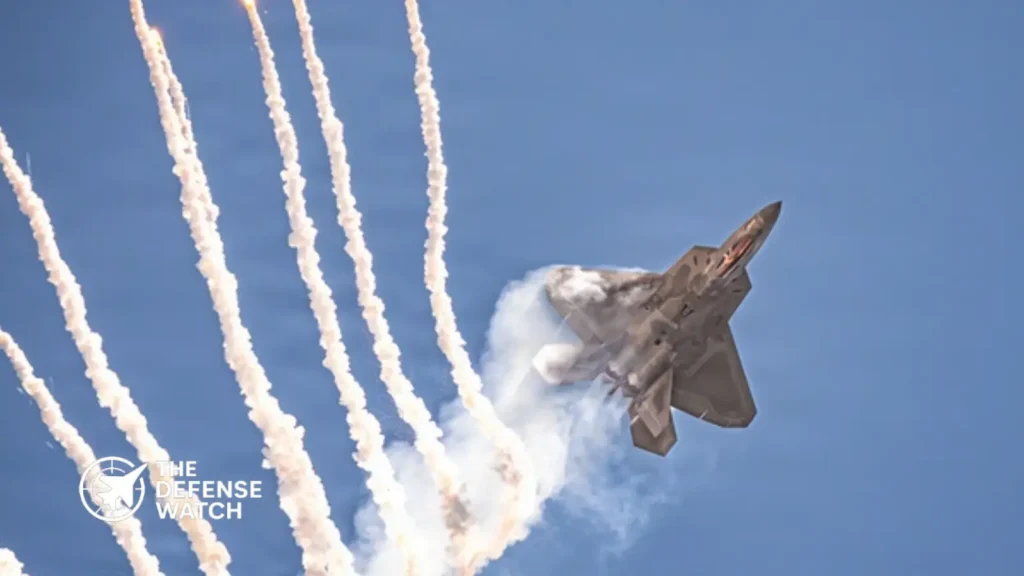
The F-22 is the only operational fighter with a radar cross-section estimated at 0.0001 square meters — comparable to a metal marble. It supercruises at Mach 1.8 without afterburners, outrunning adversary missile envelopes before a targeting solution is even possible. Its AN/APG-77 AESA radar can track 28 air targets and engage six simultaneously.
Production ended in 2012 at 195 aircraft. Today, approximately 178 remain in inventory, with only 150 combat-coded. An ongoing “Raptor 2.0” upgrade program worth $11 billion addresses the platform’s two biggest weaknesses: range and sensor modernization. New stealth-compatible conformal fuel tanks add 850 nautical miles of range without degrading the aircraft’s low-observable signature — critical for Pacific scenarios involving distances that previously made the Raptor tactically marginal.
(adsbygoogle = window.adsbygoogle || []).push({});The F-22 is also conducting live testing of Collaborative Combat Aircraft (CCA) integration. An F-22 pilot has already commanded a General Atomics MQ-20 Avenger drone from the cockpit in flight testing, making it the first manned fighter to achieve this. Boeing’s F-47 NGAD — selected in March 2025 — will replace it, with first flight targeted for 2028 and initial operational capability in the early 2030s.
Verdict: Technically unmatched, strategically constrained by fleet size and cost.
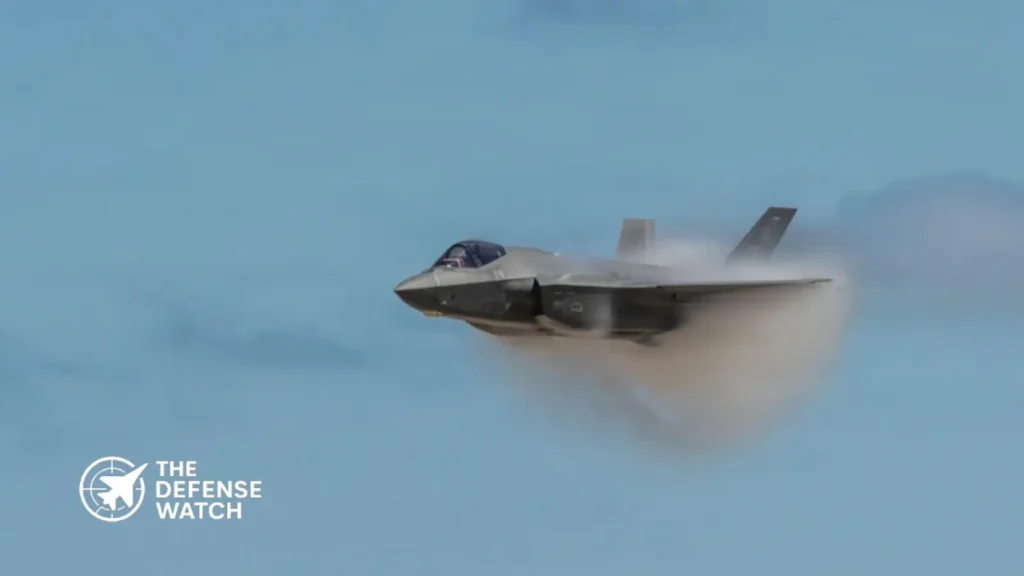
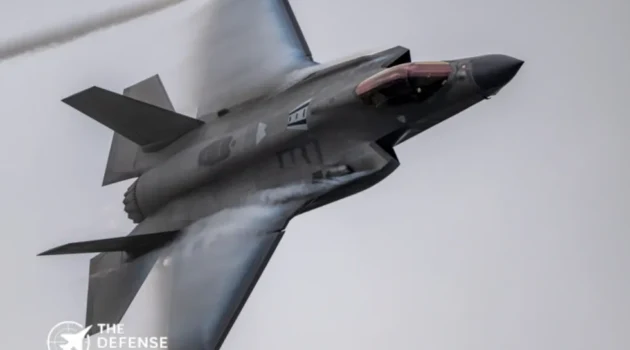
2. Lockheed Martin F-35 Lightning II — The Network Warfare Machine
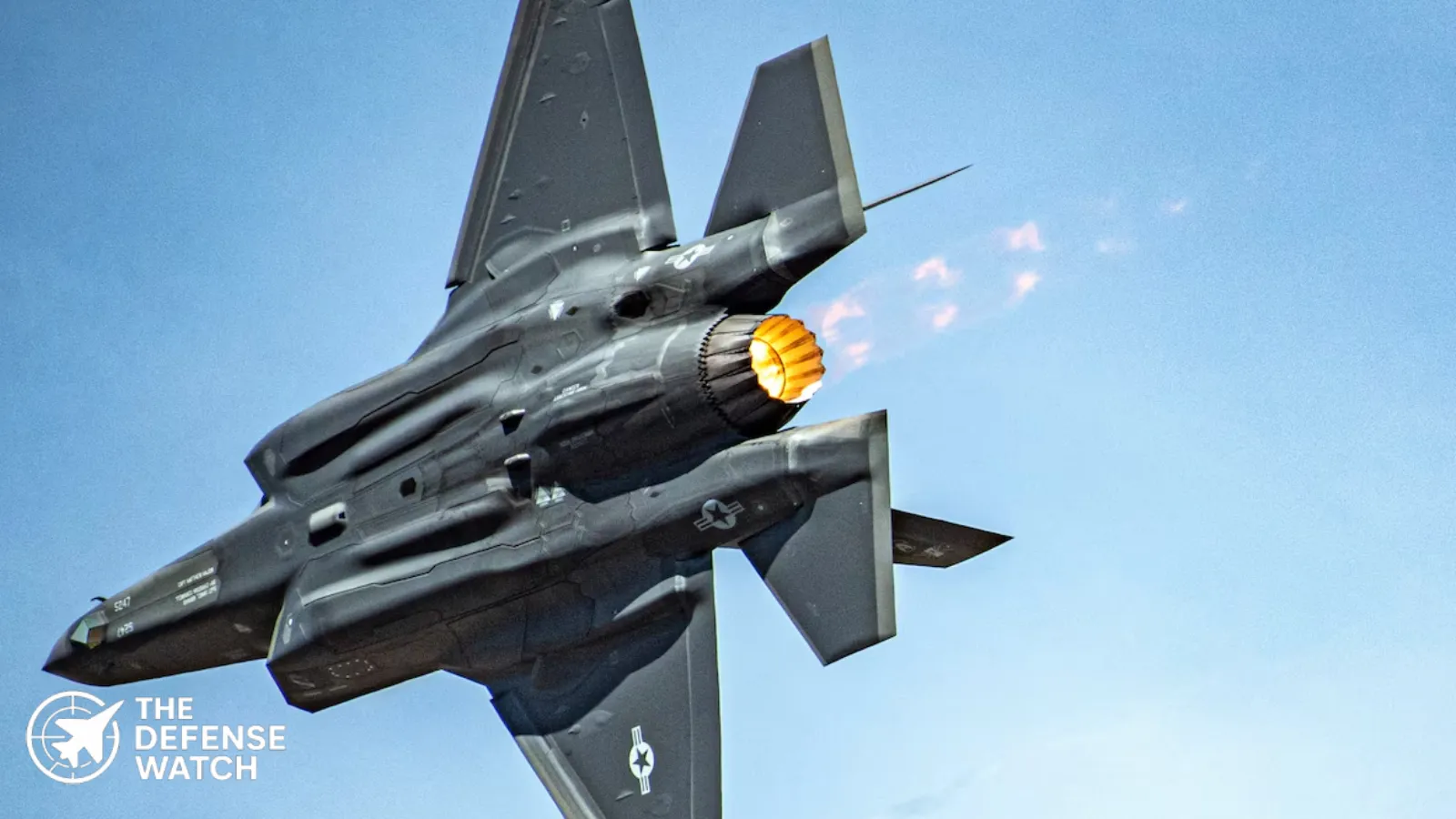
The F-35 is not the F-22’s equal in pure air-to-air combat. It is something different and arguably more consequential at the coalition level. Its AN/APG-81 AESA radar and the Distributed Aperture System give pilots 360-degree spherical situational awareness. Block 4 upgrades, fully rolling out by 2026, integrate AI-assisted targeting and enhanced electronic warfare.

Laughlin inspires youth and showcases heritage at Fiesta of Flight 2026 Where the F-22 is a sovereign weapon, the F-35 is a force multiplier. Over 1,000 airframes are now in active service across more than 20 air forces. Israel has conducted real-world intercepts with it. Japan has used it to respond to Chinese incursions. Australia is integrating it as the backbone of its air denial posture. At approximately $80 million per unit — down from early program highs due to economies of scale — it delivers genuine fifth-generation capability at a price allied nations can actually sustain.
(adsbygoogle = window.adsbygoogle || []).push({});Each F-22 and F-35 is also being configured to quarterback up to five autonomous drones, fundamentally changing the force-ratio math in any peer conflict.
Verdict: The world’s most operationally relevant fighter. The best for allied air forces. A flying intelligence platform that reshapes entire battle networks.
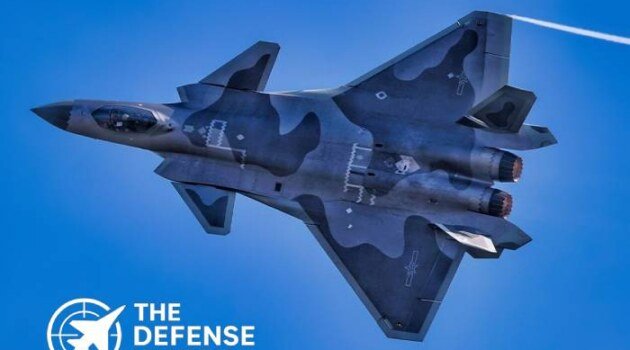
3. Chengdu J-20 Mighty Dragon — The Production Threat
The J-20 entered service in 2017 and China is building roughly 120 per year. By 2030, the People’s Liberation Army Air Force could field as many as 1,000 of them. No Western or Russian platform comes close to that production velocity.
Estimated at $100 million per aircraft, the J-20 carries a massive 24,000-pound weapons payload — much of it internal — preserving its low-observable signature. Its WS-15 turbofan, now entering wider service, resolves earlier engine reliability concerns that undermined its performance claims. The PLAAF has also developed the J-35A as a carrier-capable variant and is flight-testing the J-36, a flying-wing design whose planform suggests sixth-generation intent.
The J-20’s stealth is generally assessed as inferior to the F-22 in front-aspect RCS, but its sheer volume of production means that any attrition-based conflict calculus shifts dramatically in China’s favor. Quality vs. quantity is not a new debate in air warfare. In a Taiwan Strait scenario spanning 30 days, fleet depth matters as much as individual aircraft performance.
(adsbygoogle = window.adsbygoogle || []).push({});Verdict: A genuine peer-level stealth fighter with a production scale that forces Western planners to rethink force structure entirely.
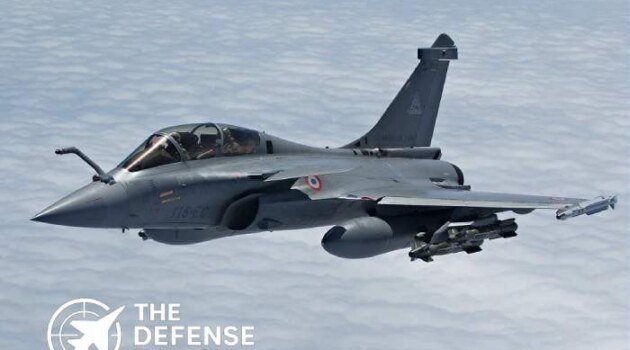
4. Dassault Rafale — Europe’s Most Lethal Export
The Rafale does not make every top-five list, but defense professionals who have worked with it rarely argue against its inclusion. It is the only Western fighter besides the F-35 with a validated carrier-capable and land-based variant in simultaneous service. France has deployed it in combat over Libya, Mali, Syria, and Iraq.
At approximately $100–120 million per unit (F3-R variant), it is not cheap. But its SPECTRA electronic warfare suite is genuinely world-class, capable of jamming, decoying, and direction-finding simultaneously. The RBE2-AA AESA radar and MBDA METEOR beyond-visual-range missile combination gives it a kill chain that analysts consistently rate as dangerous against any fourth-generation opponent and competitive against fifth-generation ones in contested electromagnetic environments.
India, Egypt, Greece, the UAE, Indonesia, and Croatia have all signed Rafale contracts in recent years. The aircraft’s export track record — and its combat operational record — distinguish it from the Su-57, which claims similar tier status but has deployed in far more limited numbers.
Verdict: The most combat-proven and diplomatically versatile high-end fighter outside the U.S.-Chinese duopoly.
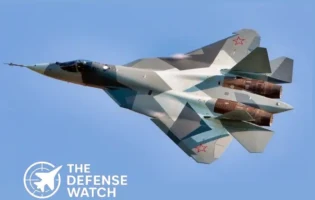
5. Sukhoi Su-57 Felon — The Sanctioned Wild Card
Russia’s only operational fifth-generation fighter is genuinely fast — approximately Mach 2 — and its 3D thrust-vectoring nozzles produce supermaneuverability that the F-35 cannot match in a turning fight. Its Sh121 radar complex is architecturally interesting, combining a main AESA array with side-facing and L-band wing-leading-edge arrays for multi-band situational awareness.
The problem is production. As of early 2026, Russia has reportedly produced roughly 30 Su-57s. Sanctions resulting from the Ukraine war and industrial strain have constrained the program severely. Stealth quality assessments — based on platform geometry and coating analysis — consistently rate the Su-57 as the least capable low-observable design among the current fifth-generation cohort. Some analysts decline to classify it as a true stealth aircraft at all.
(adsbygoogle = window.adsbygoogle || []).push({});At an estimated $35–50 million per unit, it offers significant cost efficiency. But a 30-aircraft fleet has no strategic mass.
Verdict: Technically interesting, operationally marginal. The gap between design ambition and production reality is the Su-57’s defining characteristic in 2026.
Fighter Jet Comparison: Key Metrics at a Glance
Aircraft Country Unit Cost (est.) Max Speed Combat Radius Fleet Size (2026) Generation F-22 Raptor USA $143M (flyaway) / $334M (program) Mach 2.25 ~590 nm ~178 5th F-35A Lightning II USA/Allies ~$80M Mach 1.6 ~590 nm 1,000+ 5th J-20 Mighty Dragon China ~$100M Mach 2.0 ~680 nm 200–300+ (rising) 5th Dassault Rafale F3-R France/Export ~$110M Mach 1.8 ~1,000 nm 220+ (multi-nation) 4.5th Su-57 Felon Russia ~$35–50M Mach 2.0 ~930 nm ~30 5th (contested) Boeing F-47 (NGAD) USA ~$300M Classified Classified IOC ~2032 6th The Strategic Crossover: What Gaming Theory Gets Right About Air Dominance
The best fighter jet debate mirrors a dynamic competitive gamers understand intuitively: the difference between a “carry” character and a “meta” pick. In competitive strategy titles, the carry is the highest individual-skill ceiling unit — devastating in the right hands, but fragile if misused or under-supported. The meta pick is slightly less peak-capable but wins consistently across more map states and team compositions.
(adsbygoogle = window.adsbygoogle || []).push({});The F-22 is the carry. Its individual performance ceiling is unmatched. But with only 150 combat-coded airframes and $85,000 burned every hour it flies, the USAF cannot field it at scale, cannot export it, and cannot absorb attrition. A single squadron of F-22s is a first-strike or air-supremacy asset, not a sustained campaign workhorse.
The F-35 is the meta pick. It is slightly less dominant in a one-versus-one engagement, but it operates across every mission type — strike, ISR, electronic warfare, coalition networking — and its operator base of 20 nations creates an information-sharing architecture no adversary can replicate. In a real conflict, the side with 1,000 networked F-35s coordinating targeting data in real time holds a decisive advantage over the side with 178 technically superior jets that cannot communicate at scale.
This is the logic China is also applying, in reverse. The J-20 is not the world’s best individual fighter. But 1,000 J-20s operating under a unified command, data-linked, and supported by long-range anti-access missiles changes the strategic equation entirely.
The F-47’s design concept addresses exactly this gap. Boeing’s sixth-generation platform is being engineered from the ground up for CCA integration, meaning a single F-47 pilot may direct four to five autonomous wingmen simultaneously. That shifts the force multiplication math in ways that raw aircraft count alone cannot capture.
“Air superiority is no longer about which jet wins the knife fight. It’s about which network denies the adversary the option of getting to knife-fight range at all.” — Composite analytical assessment, USAF Air Force Research Laboratory doctrinal publications
The Sixth-Generation Horizon: Why the Answer Is About to Change
Boeing won the F-47 Engineering and Manufacturing Development (EMD) contract in March 2025, beating Lockheed Martin for the NGAD program after over a decade of concept refinement. The selection was unexpected — Lockheed has dominated U.S. fighter procurement since the F-16 era. Boeing’s win reflects both the F-47’s technical maturity and a deliberate Pentagon diversification strategy.
(adsbygoogle = window.adsbygoogle || []).push({});The F-47 will cost approximately $300 million per aircraft at full production. The Air Force plans roughly 185 units — mirroring the F-22 production run, a number critics argue is already too low given China’s J-20 ramp rate. First flight is targeted for 2028. Initial operational capability sits in the early 2030s.
Until the F-47 flies in anger, the F-22 retains its title. But the $11 billion Raptor upgrade program currently underway — adding conformal fuel tanks, infrared search-and-track, and CCA command capability — is not a platform extension. It is a bridge program. The Air Force is keeping its best fighter alive long enough to hand the baton to something it believes will be generationally superior to anything currently flying.
Final Assessment
The best fighter jet in the world in 2026 is the F-22 Raptor — in raw technical terms, at the individual platform level, in any scenario that rewards stealth depth, kinematic performance, and sensor dominance over everything else.
But the most strategically significant fighter in the world is the F-35. It is reshaping alliance air power on five continents, generating shared targeting data at a scale no adversary can match, and doing so at a unit cost that allows mass deployment.
The most dangerous trend in global air power is the J-20 production curve. Not because any single J-20 outperforms a Raptor — it does not. But because 1,000 peer-level stealth fighters, produced and sustained at industrial scale, represent a force structure challenge that unit-for-unit performance comparisons do not capture.
(adsbygoogle = window.adsbygoogle || []).push({});And the most consequential development over the next decade is the F-47. If Boeing delivers on its timeline and the Air Force funds it adequately, the sixth generation will reset the competitive baseline entirely — pairing a human pilot with five autonomous wingmen, operating at ranges and stealth depths that current Chinese and Russian platforms cannot contest.
The question is not which jet is best. The question is whether the West produces enough of what it needs, fast enough, to matter when it counts.