(adsbygoogle = window.adsbygoogle || []).push({});Executive Summary:
Germany and Norway have expanded their bid for Canada’s future submarine fleet by offering a major economic and industrial package tied to the Type 212CD submarine program. The proposal includes up to $86 billion in projected economic benefits, new defense manufacturing facilities, and long term industrial investments aimed at strengthening Canada’s naval and Arctic capabilities.
Germany Expands Type 212CD Offer For Canada’s Submarine Program
Canada’s submarine program has entered a critical phase as Germany and Norway intensify efforts to secure Ottawa’s future fleet requirement with the Type 212CD submarine.
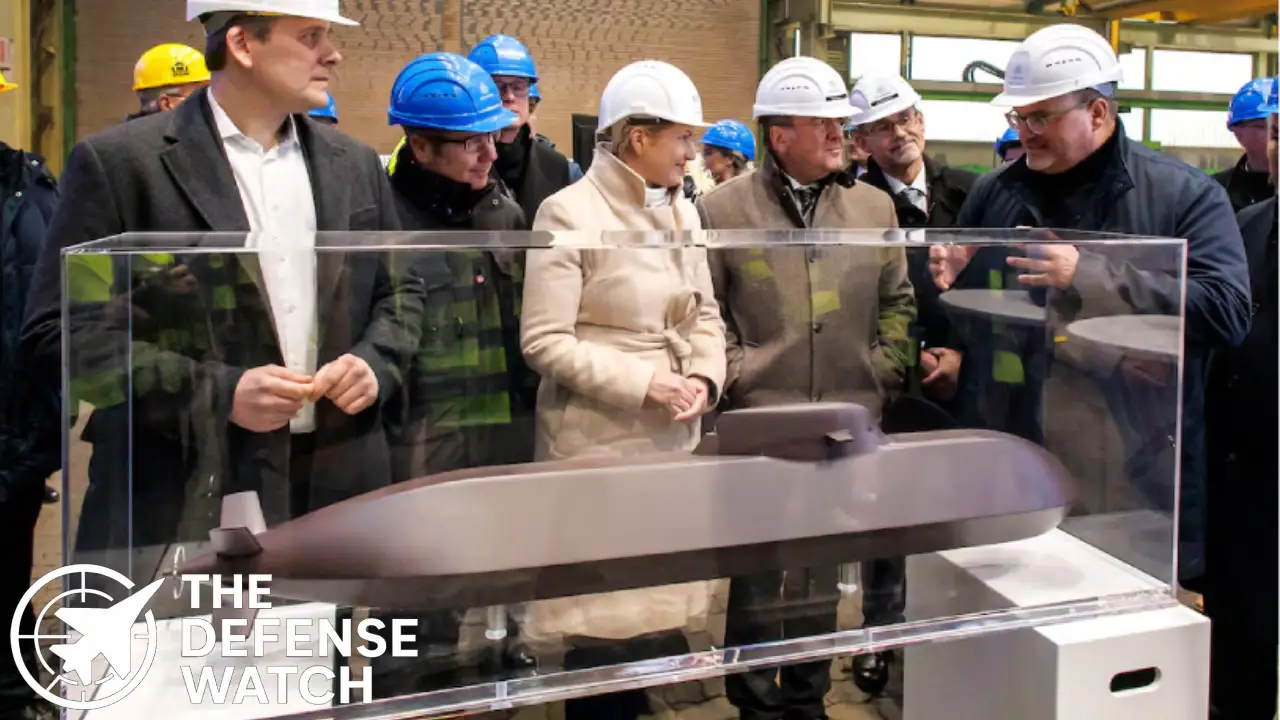
The proposal, led by German shipbuilder TKMS and backed by both European governments, combines military procurement with a large industrial investment package designed to strengthen Canada’s economy, defense sector, and long term maritime capabilities.
According to information reported by CBC News and referenced during the CANSEC defense exhibition in Ottawa, the German-led proposal could contribute as much as C$86 billion to Canada’s gross domestic product while supporting tens of thousands of jobs across multiple sectors.
(adsbygoogle = window.adsbygoogle || []).push({});The offer comes as Canada evaluates competing proposals under the Canadian Patrol Submarine Project (CPSP), a program expected to replace the Royal Canadian Navy’s aging Victoria-class submarines with up to 12 new conventionally powered boats.
Industrial Benefits Become Central To Competition
While submarine performance remains a key factor, industrial participation has become one of the most important elements of the competition.
Canada is expected to build the future fleet overseas, increasing pressure on bidders to provide substantial domestic economic returns. Germany’s proposal addresses this requirement through a broad package of defense and civilian investments.
The plan reportedly includes:
- Two submarine maintenance facilities located on Canada’s Atlantic and Pacific coasts
- Domestic manufacturing capabilities for heavy torpedoes and anti-torpedo systems
- Production facilities for submarine propulsion components and batteries
- Partnerships with Indigenous development organizations
- Potential hypersonic missile testing and manufacturing infrastructure
- Investments in critical minerals and transportation projects
German officials have also proposed investments in Manitoba’s Port of Churchill and carbon capture initiatives in Alberta, extending the economic package beyond traditional defense procurement.
(adsbygoogle = window.adsbygoogle || []).push({});According to figures presented during the bid process, the project could generate roughly 50,000 jobs annually over the first five years and more than 650,000 job-years throughout the program’s lifecycle.
Type 212CD Targets Arctic And NATO Operations
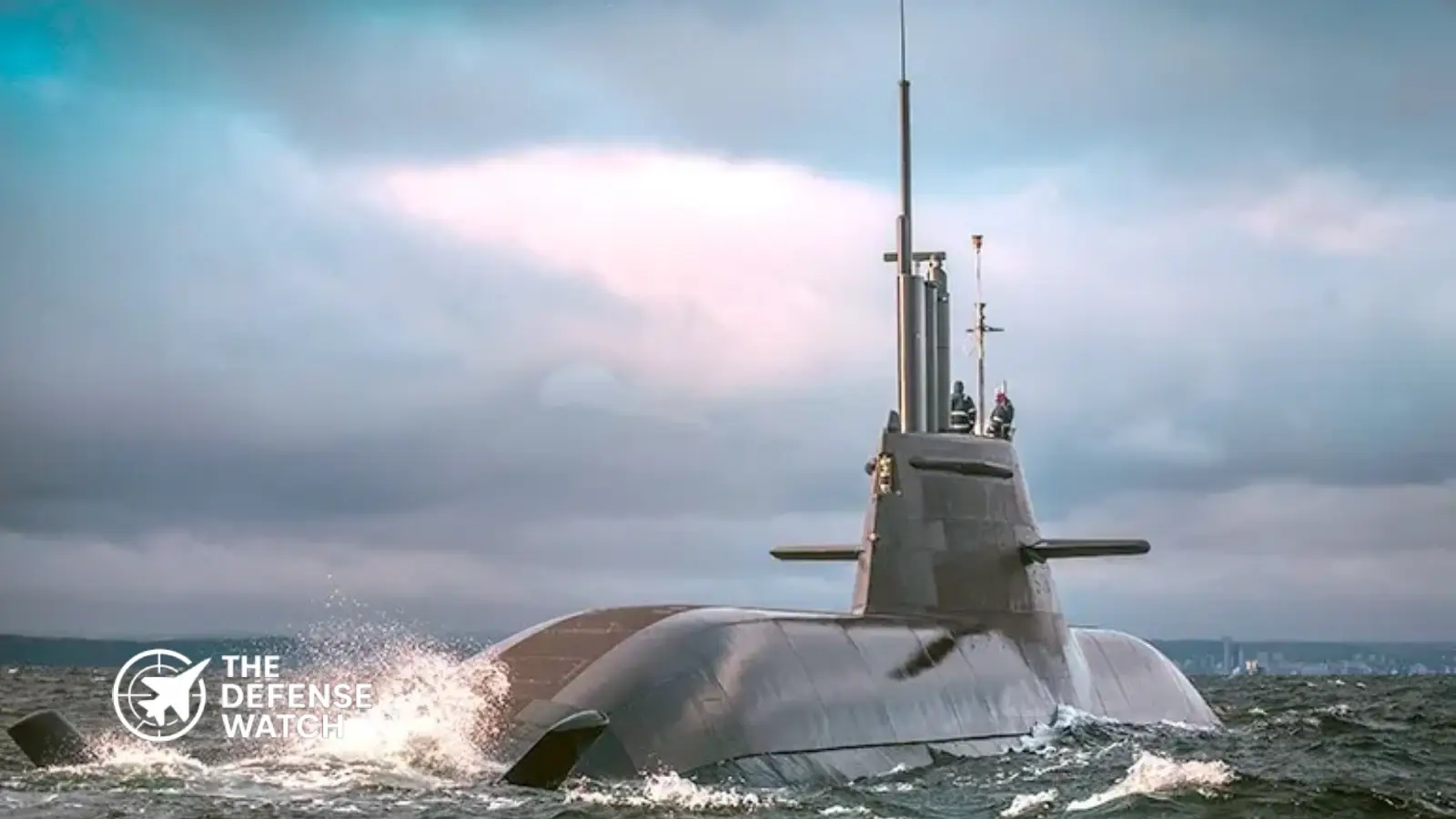
The Type 212CD is being jointly developed by Germany and Norway as a next-generation conventional submarine optimized for operations in northern waters and the North Atlantic. The platform features air independent propulsion, low acoustic signatures, and a design intended for extended underwater endurance.
For Canada, the submarine’s Arctic suitability has become a major selling point.
The Royal Canadian Navy faces growing pressure to maintain undersea presence across the Arctic, Atlantic, and Pacific regions as strategic competition intensifies in the High North. A future fleet capable of operating in harsh northern environments is increasingly viewed as essential for sovereignty patrols, intelligence gathering, and alliance commitments.
Germany and Norway have framed their proposal as more than a procurement deal, presenting it as an opportunity for Canada to join an existing multinational submarine community with shared training, sustainment, and future modernization pathways.
Strategic Implications Reach Beyond Procurement
The submarine decision carries geopolitical significance beyond naval modernization.
Defense analysts have noted that selecting the German-Norwegian proposal would deepen Canada’s defense integration with European NATO partners at a time when Arctic security and transatlantic cooperation are gaining renewed attention.
(adsbygoogle = window.adsbygoogle || []).push({});German Defense Minister Boris Pistorius has personally promoted the bid, describing it as a long term strategic partnership linking Canadian, German, and Norwegian industrial and defense interests. His direct involvement highlights the importance Berlin places on securing one of the largest submarine competitions currently underway among NATO nations.
At the same time, South Korea’s Hanwha Ocean remains a strong competitor with its KSS-III submarine proposal. The Korean design benefits from an active production line and has been marketed as a lower risk delivery option. Recent demonstrations and naval engagements involving the KSS-III have reinforced Seoul’s effort to showcase operational maturity.
Delivery Timeline Remains A Key Decision Factor
One of the most pressing concerns for Ottawa is avoiding a capability gap as the Victoria-class fleet approaches retirement.
To address this issue, Germany and Norway have proposed reallocating submarine production slots from their own national orders, allowing Canada to receive four Type 212CD submarines by 2036. The move directly responds to concerns about schedule risk and seeks to match delivery timelines offered by competing bidders.
The Canadian government has indicated that a final decision on the submarine competition could be made by the end of June, making the coming weeks critical for both bidders.
Analysis
The German offer reflects a broader trend in modern defense procurement, where industrial participation, technology transfer, and strategic partnerships increasingly influence contract decisions as much as military performance.
(adsbygoogle = window.adsbygoogle || []).push({});Rather than marketing the Type 212CD solely as a submarine, Berlin and TKMS are presenting the platform as part of a wider economic and geopolitical framework. This approach aligns with Canada’s growing emphasis on domestic industrial benefits and long term strategic resilience.
Whether Ottawa prioritizes NATO integration through the German-Norwegian partnership or favors South Korea’s established production capabilities may ultimately determine the future direction of Canada’s undersea warfare strategy for decades to come.