Executive Summary:
France has selected a consortium led by Belgium’s FN Herstal to rebuild domestic military ammunition manufacturing after decades without sovereign small-caliber production. The decision supports France’s broader defense industrial strategy, improves supply resilience, and reflects Europe’s accelerating effort to expand munitions capacity following heightened regional security demands.
France Selects FN Herstal Consortium To Restore Domestic Military Ammunition Production
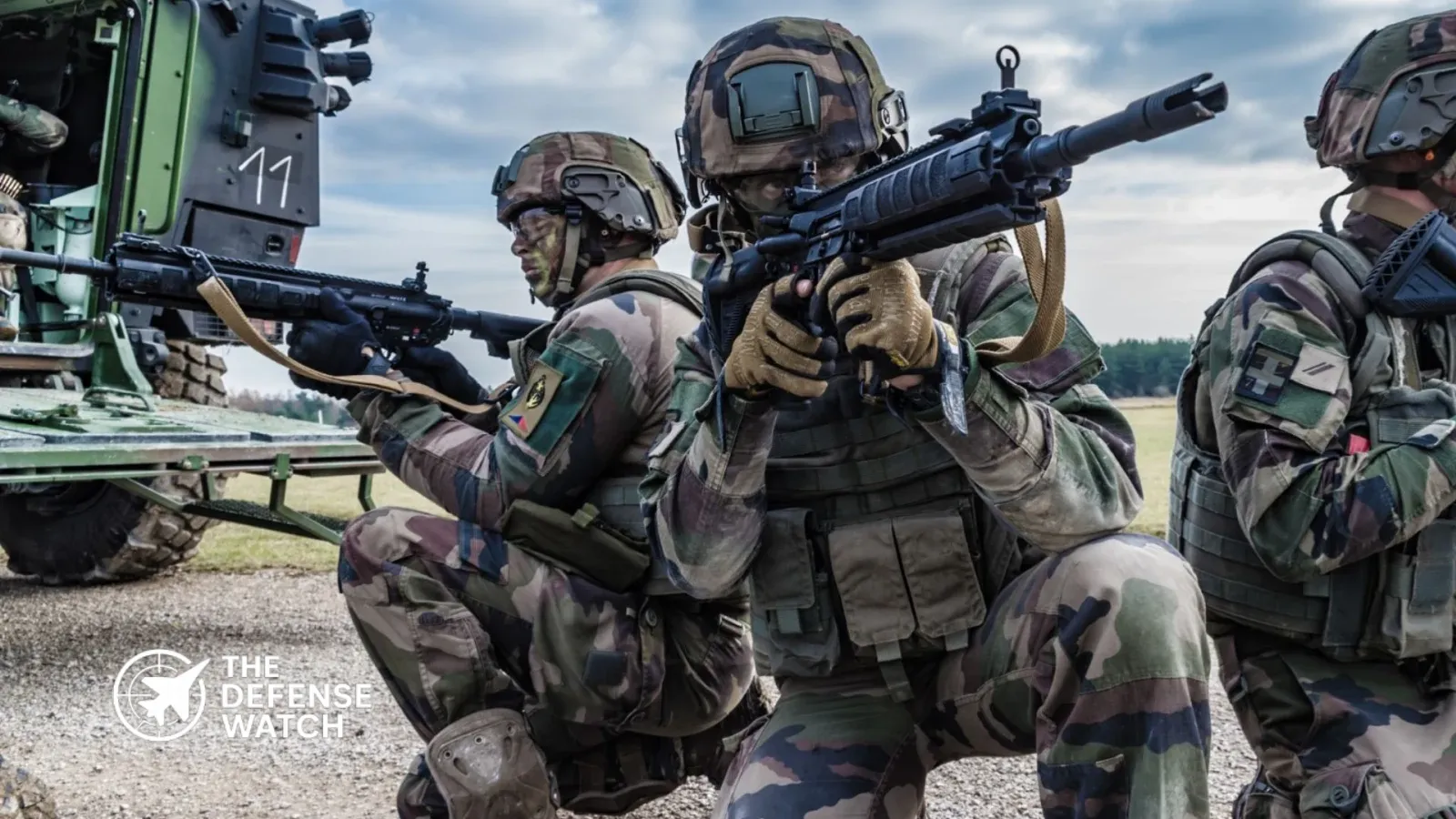
France has awarded a contract to a consortium led by Belgian defense manufacturer FN Herstal to restore domestic production of military small-caliber ammunition, marking a significant step in rebuilding sovereign industrial capabilities for the French Armed Forces.
- France Selects FN Herstal Consortium To Restore Domestic Military Ammunition Production
- France Rebuilds A Capability Lost Decades Ago
- Responding To Europe’s Expanding Ammunition Requirements
- FN Herstal Brings Extensive NATO Manufacturing Experience
- Strategic Importance Beyond Ammunition
- Analysis: Why This Matters For European And U.S. Defense Planning
- Looking Ahead
The decision, announced by the French Ministry of the Armed Forces and reported by Army Recognition, comes as European governments continue investing heavily in defense manufacturing capacity after years of increased ammunition consumption and growing concerns over supply chain resilience.
The new production capability is intended to reduce France’s dependence on foreign suppliers while ensuring a secure and reliable source of NATO-standard ammunition for national defense requirements.
France Rebuilds A Capability Lost Decades Ago
For years, France has relied largely on imported small-arms ammunition after domestic production gradually declined following the closure of state-owned manufacturing facilities.
The newly selected industrial consortium aims to restore an independent production capability within France, allowing the country to manufacture key military ammunition domestically for the first time in decades.
FN Herstal, one of Europe’s best-known small arms and ammunition manufacturers, will lead the project alongside French industrial partners. The initiative combines Belgian manufacturing expertise with French industrial infrastructure to establish a modern production network capable of supporting national defense needs.
French officials view sovereign ammunition manufacturing as an increasingly important component of strategic autonomy, particularly as European defense demand continues to rise.
Responding To Europe’s Expanding Ammunition Requirements
The project reflects broader trends across Europe, where governments are expanding production of ammunition and critical military supplies.
Russia’s war against Ukraine has highlighted the importance of maintaining large industrial capacities capable of sustaining prolonged military operations. Many NATO members have since launched programs to increase output of artillery shells, missiles, explosives, propellants, and small-arms ammunition.
France’s decision fits within this wider effort to strengthen Europe’s defense industrial base while reducing vulnerabilities associated with international supply chains.
Rather than relying primarily on overseas procurement during periods of crisis, governments increasingly seek domestic manufacturing capabilities that can rapidly expand production when operational requirements increase.
FN Herstal Brings Extensive NATO Manufacturing Experience
Founded in Belgium, FN Herstal is one of Europe’s most established defense manufacturers and has supplied military weapons and ammunition to NATO members for decades.
Its portfolio includes:
Capability Details Small Arms Assault rifles, machine guns, pistols Ammunition NATO-standard small-caliber ammunition Military Customers NATO members and allied nations Industrial Expertise Large-scale military production and quality assurance Core Markets Defense, law enforcement, special operations The company’s manufacturing experience provides France with access to mature production processes while allowing the new facilities to meet NATO interoperability requirements.
Strategic Importance Beyond Ammunition
While the immediate objective is restoring domestic ammunition production, the program carries broader strategic significance.
Modern defense planning increasingly emphasizes industrial resilience alongside military capability. Armed forces require not only advanced weapon systems but also secure access to the consumables needed to sustain operations over extended periods.
Small-caliber ammunition represents one of the highest-volume consumables used by military forces. Any disruption to production or supply can directly affect training schedules, readiness levels, and operational endurance.
Reestablishing domestic manufacturing also allows governments greater flexibility in managing inventories, prioritizing military requirements during crises, and supporting allied commitments without depending entirely on international commercial markets.
Analysis: Why This Matters For European And U.S. Defense Planning
France’s decision illustrates a broader transformation underway across NATO’s defense industrial landscape.
For much of the post-Cold War era, many European countries reduced ammunition production capacity as defense budgets declined and operational demand remained relatively low. Manufacturing became increasingly consolidated across fewer facilities, with governments relying on multinational supply chains to meet routine requirements.
Recent conflicts have exposed the limitations of that model. High rates of ammunition expenditure have demonstrated that industrial capacity can become as strategically important as frontline military equipment.
France’s investment therefore represents more than an industrial procurement program. It reflects a wider shift toward rebuilding sovereign defense manufacturing capabilities capable of supporting long-term deterrence and sustained military operations.
From a U.S. perspective, stronger European ammunition production contributes to NATO burden sharing by increasing allied self-sufficiency. Expanded European manufacturing can reduce pressure on U.S. production lines while strengthening alliance resilience during periods of heightened demand.
The project also underscores growing recognition that defense industrial capacity has become a strategic asset in its own right. Future military readiness will depend not only on advanced platforms but also on the ability to replenish critical munitions quickly and reliably.
As European governments continue modernizing their defense sectors, investments in ammunition, explosives, and industrial infrastructure are likely to remain a central feature of long-term procurement strategies.
Looking Ahead
The establishment of new domestic ammunition production facilities is expected to strengthen France’s defense industrial base while supporting broader European efforts to expand munitions manufacturing capacity.
As production comes online, France will join a growing number of NATO members investing in sovereign defense manufacturing to improve readiness, reinforce supply security, and support future modernization programs.
The initiative also demonstrates increasing cross-border industrial cooperation within Europe, combining Belgian manufacturing expertise with French production capabilities to meet evolving alliance requirements.