(adsbygoogle = window.adsbygoogle || []).push({});Executive Summary:
Ukraine and Germany have signed an agreement to jointly advance anti ballistic defense capabilities amid continued Russian missile attacks. The initiative highlights Europe’s growing role in missile defense development while expanding defense industrial cooperation between Kyiv and Berlin.
Ukraine Germany Anti Ballistic Defense Agreement Signals New Phase In European Security
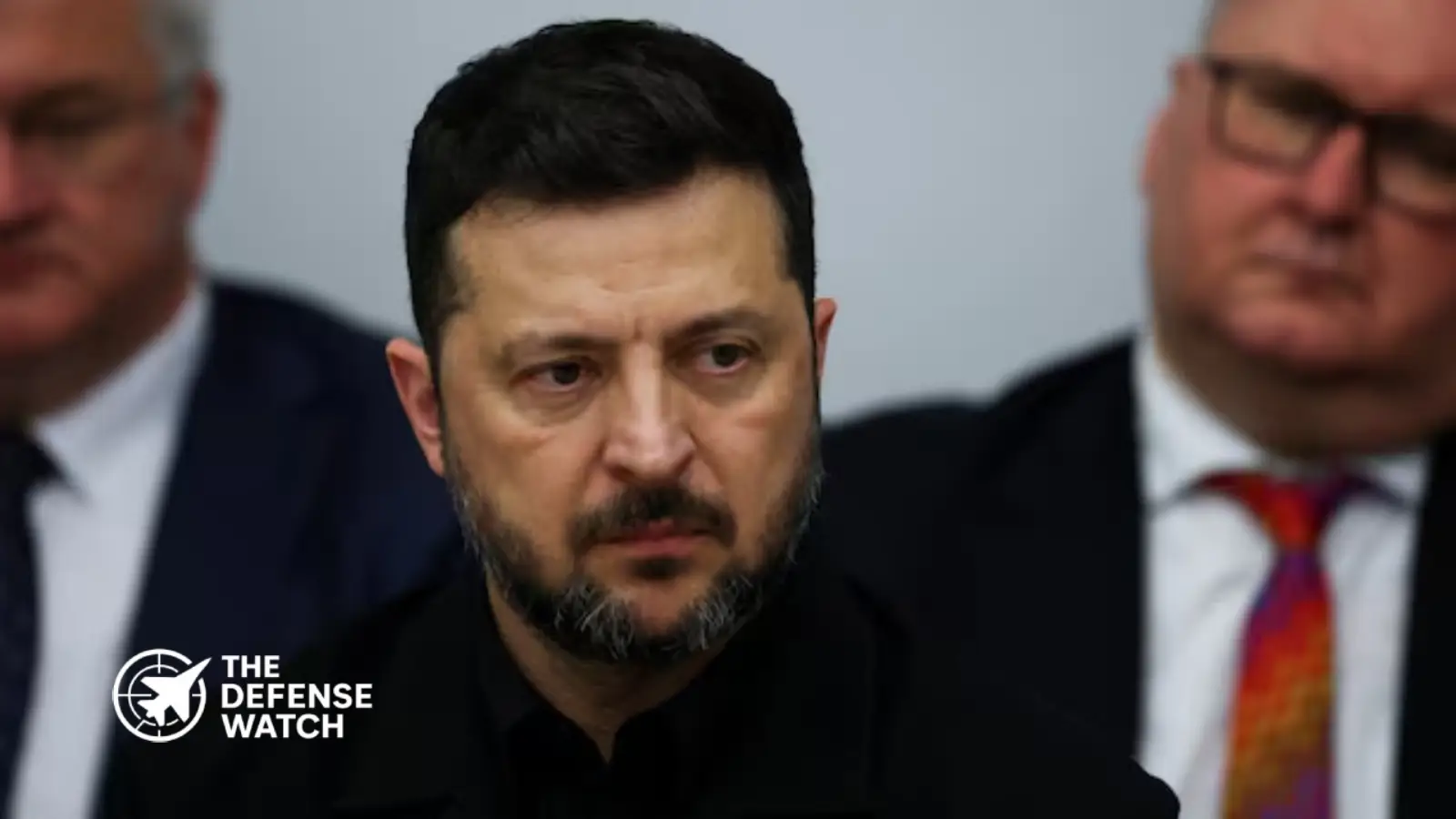
Ukraine Germany anti ballistic defense cooperation took a significant step forward on June 18 as Ukrainian President Volodymyr Zelenskiy announced a new agreement with Germany aimed at strengthening anti ballistic capabilities and expanding defense industrial collaboration. The announcement was made during a meeting of the Ukraine Defense Contact Group, commonly known as the Ramstein Group.
According to Zelenskiy, the agreement focuses on developing capabilities designed to counter ballistic missile threats, an increasingly urgent requirement as Russia continues to employ ballistic and cruise missiles in strikes against Ukrainian infrastructure and population centers.
The deal represents another step in Europe’s effort to reduce dependence on external suppliers for advanced air and missile defense technologies while increasing support for Ukraine’s long term security needs.
Growing Focus On Anti Ballistic Missile Defense
The announcement comes amid a broader European push to improve missile defense capacity.
For months, Zelenskiy has urged allies to support the development and production of anti ballistic systems within Europe. Earlier this year, he stated that progress with the United States on expanding anti ballistic missile production had been limited and emphasized the need for increased European manufacturing capabilities.
The latest agreement with Germany appears to align with that strategy.
While specific technical details were not disclosed, Zelenskiy said Ukraine and Germany are working toward achieving practical results and called on additional Western partners to participate in the effort. He expressed hope that measurable outcomes could be achieved before the coming winter season.
The initiative also reflects wider discussions among European governments regarding licensed production of missile defense systems and long range strike capabilities to address growing demand and limited inventories.
Defense Industrial Cooperation Expands Beyond Missile Defense
The agreement is not limited to anti ballistic systems.
Zelenskiy also announced cooperation involving the TerMIT unmanned ground vehicle program. The robotic platform is designed to transport up to 300 kilograms of supplies to frontline positions and will be produced in Germany. German defense companies have reportedly expressed interest in participating in the project.
Ukraine’s defense industry continues to seek partnerships that combine its battlefield experience with European manufacturing capacity. Such collaborations are increasingly viewed as mutually beneficial, providing allies with operational lessons learned from high intensity warfare while helping Ukraine sustain military production.
The growing emphasis on joint production mirrors other recent agreements Ukraine has signed with European partners involving drones, missiles, software, and defense technologies.
Strategic Importance For Europe
From a strategic perspective, the Ukraine Germany anti ballistic defense initiative highlights a broader shift underway in European defense planning.
Russia’s extensive use of ballistic missiles, cruise missiles, and long range strike systems throughout the conflict has exposed gaps in Europe’s missile defense architecture. Nations across NATO’s eastern flank have accelerated investments in layered air defense networks capable of intercepting increasingly sophisticated threats.
Germany has already emerged as a leading contributor to Ukraine’s air defense effort through support for systems such as IRIS-T and Patriot-related capabilities. Earlier agreements between Berlin and Kyiv included additional air defense missiles and launchers intended to strengthen Ukraine’s defensive posture.
The latest cooperation effort suggests a move beyond equipment transfers toward joint development and industrial integration.
For European defense planners, this approach could create a more sustainable model by increasing production capacity while leveraging Ukrainian combat experience gained during more than four years of war.
(adsbygoogle = window.adsbygoogle || []).push({});Looking Ahead
Although many details remain undisclosed, the agreement underscores the growing role of European defense industries in supporting Ukraine’s long term security requirements.
The success of the initiative will likely depend on funding, industrial capacity, technology sharing arrangements, and participation from additional European partners. However, the announcement signals that missile defense development remains a top priority for both Kyiv and Berlin as they seek to counter evolving aerial threats.
With missile defense inventories under pressure across Europe and continued Russian strikes highlighting the importance of layered air defense, the Ukraine Germany anti ballistic defense agreement could become a key component of future European security architecture.