

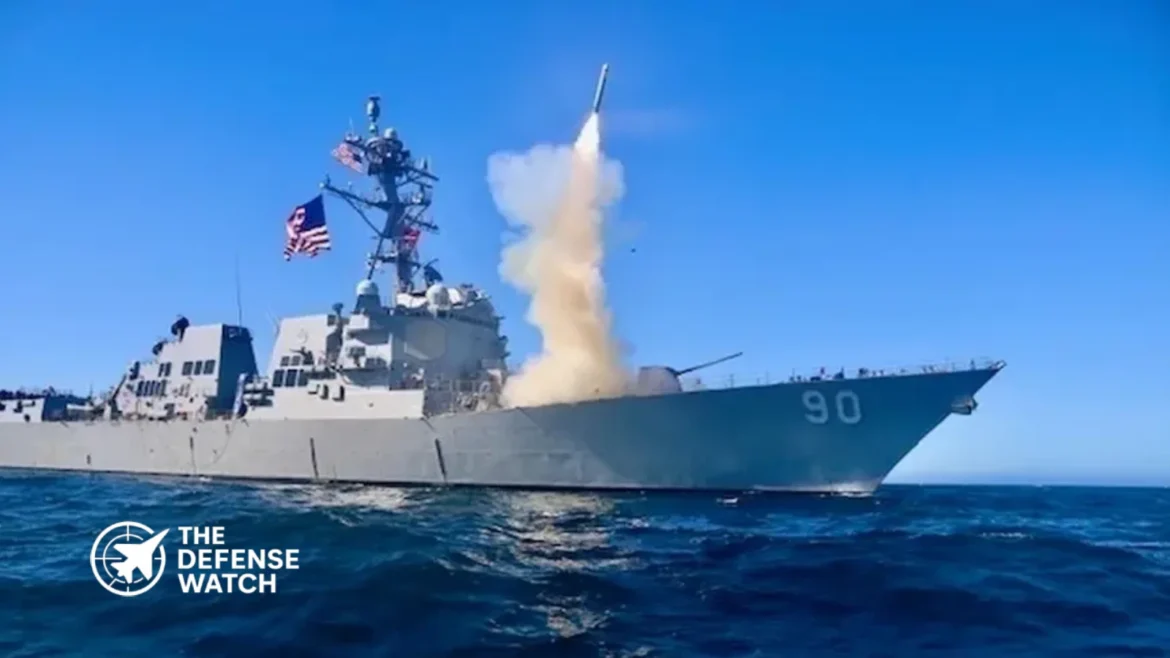
RTX Tomahawk Deal Marks Major U.S. Production Push
RTX has secured a $22.9 billion, seven-year agreement with the U.S. Navy to accelerate production of Tomahawk cruise missiles, according to the Navy and reporting by Reuters. The agreement is intended to increase annual Tomahawk production to more than 1,000 missiles, a major expansion from the current production rate of about 60 missiles per year.
Takeaways
The U.S. is committing major resources to expand Tomahawk production and strengthen its long range strike inventory.
1. $22.9 Billion, Seven-Year Agreement
The U.S. Navy awarded Raytheon, an RTX business, a $22.9 billion contract covering accelerated production of Tomahawk missiles.
2. Production To Exceed 1,000 Missiles Annually
The agreement is designed to increase Tomahawk output from roughly 60 missiles per year to more than 1,000 annually.
3. Long-Range Strike Capacity Is The Focus
Tomahawk provides the Navy with a ship and submarine launched long range precision strike capability and remains a major part of the U.S. conventional strike inventory.
4. Industrial Capacity Is Central To The Deal
The production expansion builds on investments by RTX in manufacturing facilities, workforce capacity and the wider supply chain supporting critical missile programs.
5. Part Of A Wider Munitions Expansion
The Tomahawk agreement follows broader U.S. efforts to accelerate production of critical munitions, including Patriot, THAAD, AMRAAM, SM-3 and SM-6 systems.
The contract formalizes a production expansion framework established between Raytheon and the Department of War in February 2026. That earlier agreement called for annual Tomahawk production to rise above 1,000 missiles as part of a broader effort to increase output of critical U.S. precision weapons.
The scale of the new agreement reflects a shift in U.S. defense acquisition priorities. Rather than focusing only on individual missile purchases, Washington is committing to longer production horizons intended to give industry greater certainty to expand factories, hire workers and strengthen suppliers.
What The $22.9 Billion Contract Covers
The Navy identifies Tomahawk as a critical long-range strike capability. The weapon can be launched from surface ships and submarines and has been used extensively by U.S. forces in operational environments.
RTX said earlier in 2026 that the company was investing in Tomahawk manufacturing capacity in Tucson, Arizona. The expansion is part of a broader $2.6 billion capital investment announced by RTX in 2025 to increase production capacity across several missile programs.
Metric Current or Announced Position Contractor Raytheon, an RTX business Customer U.S. Navy Contract value $22.9 billion Contract duration Seven years Current annual Tomahawk production About 60 missiles Target annual production More than 1,000 missiles Launch platforms U.S. Navy surface ships and submarines Production expansion Tucson, Arizona and supporting industrial base Earlier production framework Announced February 2026 The contract value should not be interpreted simply as the price of a fixed number of missiles. The seven-year arrangement is tied to a broader effort to expand production capacity and accelerate deliveries, making the industrial base itself a central part of the investment.
Why The Navy Wants More Tomahawks
Tomahawk gives the U.S. Navy a long-range strike option that can be carried by surface combatants and submarines. This allows the Navy to generate strike effects without relying exclusively on tactical aircraft operating close to defended airspace.
That distinction matters in a conflict involving sophisticated air defenses. A submarine or surface ship equipped with Tomahawks can launch weapons from considerable standoff distances, allowing the attacking force to distribute strike capacity across multiple platforms.
RTX says the Tomahawk can strike targets more than 1,000 miles away and has been used operationally more than 2,300 times.
The missile therefore occupies a different role from shorter-range weapons carried by aircraft and ships. Its value is tied not only to the performance of an individual missile but also to the number of weapons available when a campaign requires repeated strikes.
Production Capacity Has Become A Strategic Issue
The most important aspect of the agreement may be the change in production scale.
Moving from roughly 60 Tomahawks annually to more than 1,000 represents an increase of more than 16 times the previous production rate. Achieving that level requires considerably more than expanding a final assembly line.
Missile production depends on a network of specialized suppliers producing propulsion components, electronics, guidance equipment, structures, warheads and other controlled components. Bottlenecks in any one of these areas can limit total output.
The U.S. Navy has responded to this wider challenge by establishing a Portfolio Acquisition Executive for Munitions in May 2026. The organization was created to develop enterprise-level acquisition strategies and accelerate the delivery of munitions while expanding production capacity.
That approach is significant because modern missile inventories can be consumed much faster than they can be replaced. A production line designed around peacetime demand may not provide enough capacity during a sustained high-intensity conflict.
Tomahawk Expansion Fits A Broader Missile Surge
The RTX agreement is not an isolated procurement effort.
In February, Raytheon announced five framework agreements covering Tomahawk, AMRAAM, SM-3 Block IB, SM-3 Block IIA and SM-6. The company said those agreements would increase annual production of Tomahawk to more than 1,000 missiles, AMRAAM to at least 1,900 and SM-6 to more than 500.
The Pentagon has also pursued separate efforts to expand production of Patriot and THAAD missile components. Reuters reported in August that a deal involving Lockheed Martin and Northrop Grumman was designed to substantially increase production capacity for those air and missile defense systems.
Taken together, these programs show that U.S. munitions policy is increasingly focused on production depth. The objective is not simply to maintain enough weapons for existing requirements, but to create industrial capacity capable of replenishing inventories while continuing to support ongoing operations.
The Industrial Base Is Now Part Of Combat Power
For the U.S. Navy, the ability to launch Tomahawks is only one part of the equation. The Navy also needs sufficient stocks, trained personnel, mission planning infrastructure, launch systems and maintenance support to sustain the capability.
This creates a direct relationship between industrial capacity and operational endurance.
A ship may have the launch system and the crew required to fire a missile, but those capabilities provide limited value if available missile stocks cannot be replenished at an adequate rate. Increasing production therefore strengthens the Navy’s ability to sustain long-range strike operations over extended periods.
The issue is particularly important for the U.S. because the Navy operates a large global fleet and must preserve credible strike capacity across multiple theaters.
Tomahawk And The Indo-Pacific Requirement
The production expansion also has implications for long-term U.S. planning in the Indo-Pacific.
The geography of the region places a premium on long-range weapons. U.S. forces may have to operate across large distances while facing increasingly capable surveillance, missile and air defense networks.
Tomahawk does not solve every operational problem associated with a highly contested maritime environment. However, a larger inventory gives commanders more options for distributing strike capacity among ships and submarines.
The Navy’s ability to generate long-range fires from dispersed platforms is particularly relevant to concepts that seek to complicate an adversary’s targeting process. More available missiles can support a larger number of firing opportunities without requiring every strike to originate from aircraft operating close to hostile defenses.
The Production Challenge Is Bigger Than The Missile Factory
Reaching more than 1,000 Tomahawks annually will require sustained industrial performance.
The first challenge is supply chain capacity. Specialized components may require long lead times, limited production sources or highly qualified suppliers. Increasing final assembly without expanding those upstream sources could create bottlenecks elsewhere in the production process.
The second challenge is workforce expansion. High-end missile manufacturing depends on skilled engineers, technicians, machinists, quality personnel and other specialized workers. Building that workforce takes time, particularly where security requirements and specialized training are involved.
The third challenge is quality control. Higher production rates cannot come at the expense of reliability. Missile programs require extensive testing and inspection because failures in operational weapons carry significant consequences.
The fourth challenge is sustaining production over several years. A short production surge can be achieved through overtime and existing capacity. Maintaining output above 1,000 missiles annually requires a more durable manufacturing model.
RTX Had Already Increased Missile Output
RTX entered the new agreement after increasing production across its missile portfolio.
The company said in February that its investments included facility expansions and manufacturing improvements intended to support faster deliveries. A $115 million expansion in Alabama had been completed for missile production, while Tomahawk manufacturing investment was focused on facilities in Tucson.
The company also reported increased deliveries across its broader Raytheon portfolio during 2026. That matters because the same industrial base is supporting multiple high-demand weapons programs at the same time.
This creates a balancing problem for the defense industry. Expanding one missile production line may compete for labor, electronics, machine tools and supplier capacity with other programs that are also being accelerated.
A Seven-Year Commitment Changes The Acquisition Model
The seven-year structure gives Raytheon a longer planning horizon than a sequence of short-term production orders.
For industry, longer commitments can support capital investment because factories and suppliers have greater visibility into future demand. That can make it easier to justify equipment purchases, facility expansion and workforce increases.
For the government, the benefit is potentially faster and more predictable replenishment. The tradeoff is that long-term contracts require careful management to ensure production targets, costs and performance remain aligned with military requirements.
The February framework agreements already represented a move in this direction. The August contract turns that policy into a much larger financial commitment centered on Tomahawk production.
What The Deal Means For U.S. Long-Range Strike
The immediate effect of the contract is straightforward: the United States intends to build substantially more Tomahawk missiles and deliver them faster.
The broader significance is industrial.
Recent U.S. weapons procurement has demonstrated that stockpile size alone is not enough. The ability to replace weapons after they are expended is equally important, particularly when several conflicts or security commitments place simultaneous demands on the same production base.
For the Navy, the Tomahawk expansion strengthens one of its established long-range strike capabilities. For the wider U.S. defense establishment, it is another major step toward rebuilding the manufacturing capacity required to sustain precision munitions at wartime consumption rates.
The $22.9 billion agreement therefore represents more than an increase in missile orders. It is a long-term commitment to expand the industrial base behind one of the U.S. military’s most established conventional strike weapons.
Executive Summary:
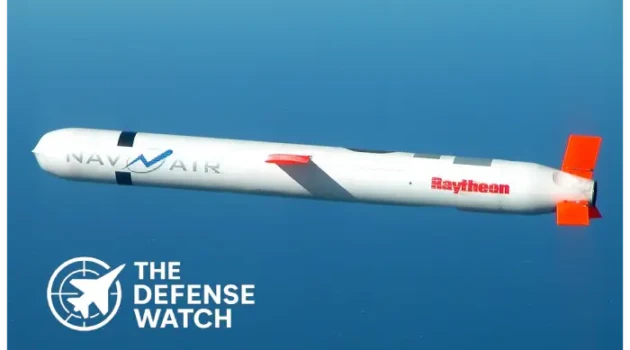
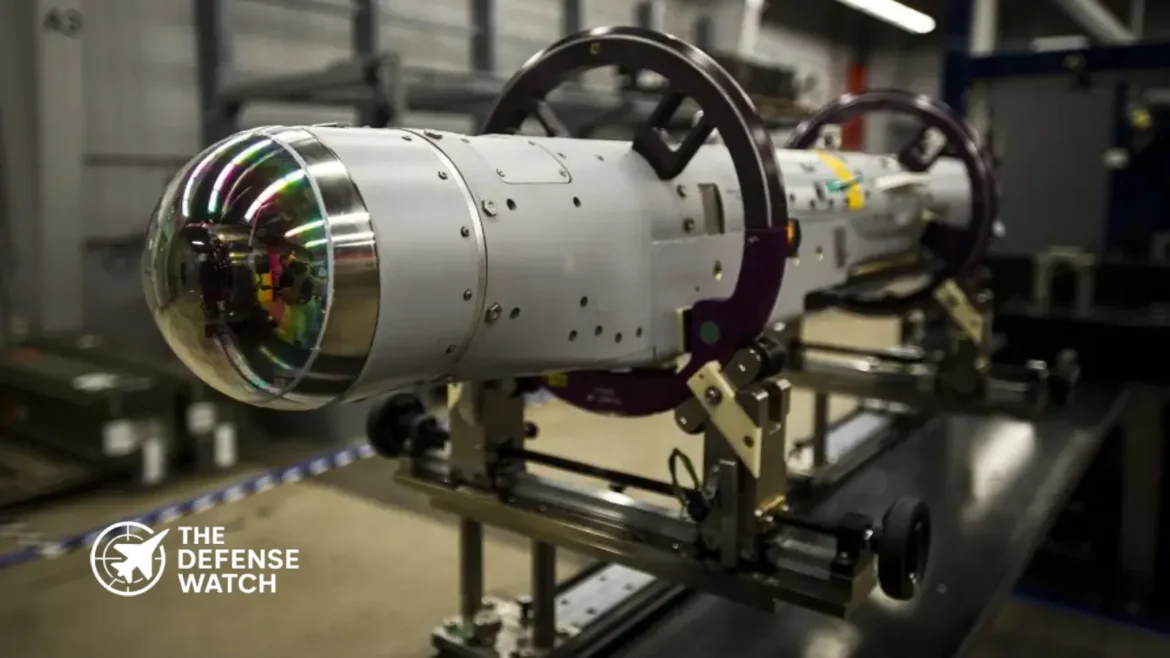
RTX has advanced a longer range version of its StormBreaker precision weapon from concept to flight testing in less than 12 months, marking one of the company’s fastest air launched weapon development efforts. The new design aims to significantly extend standoff strike range while retaining StormBreaker’s existing multi mode guidance and network enabled targeting capabilities for U.S. and allied air forces.
RTX Advances Longer Range StormBreaker Toward Flight Testing
RTX has moved its Longer Range StormBreaker precision strike weapon into flight testing less than a year after beginning development, demonstrating an accelerated approach to delivering new air launched capabilities for the U.S. military and international customers. The company announced the milestone during its recent update on advanced weapons development, highlighting a rapid engineering process driven by evolving operational requirements.
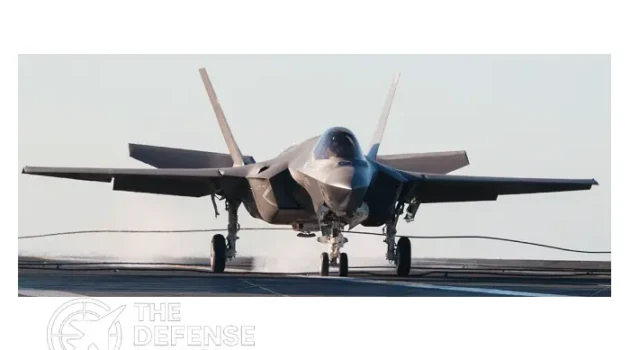
The effort builds on Raytheon’s existing StormBreaker family, officially designated the GBU 53/B, which is already fielded on the U.S. Air Force’s F 15E Strike Eagle and approved for the U.S. Navy’s F/A 18E/F Super Hornet. Integration continues across all three variants of the F 35 Lightning II.
Building On An Existing Combat Proven Weapon
Rather than designing an entirely new missile, RTX leveraged the mature StormBreaker architecture to shorten development timelines.
According to the company, engineers reused key subsystems while incorporating a new propulsion solution designed to dramatically increase engagement range. This modular approach allowed the weapon to progress from concept to flight testing in under 12 months.
The original StormBreaker is designed to defeat both moving and stationary targets under challenging weather conditions. Its tri mode seeker combines:
- Imaging infrared guidance
- Millimeter wave radar
- Semi active laser guidance
A two way datalink also enables operators to update target information after launch, allowing the weapon to engage dynamic battlefield targets.
Longer Range Expands Operational Flexibility
The primary enhancement is increased standoff distance.
Although RTX has not disclosed exact performance figures, the longer range configuration is intended to allow aircraft to engage targets from farther outside hostile air defense envelopes while preserving StormBreaker’s precision engagement capability.
Greater range provides several operational advantages:
| Capability | Operational Benefit |
|---|---|
| Extended launch distance | Aircraft remain farther from enemy air defenses |
| Precision engagement | Reduced collateral damage against tactical targets |
| Network enabled guidance | In flight target updates improve flexibility |
| Multi mode seeker | Effective against moving targets in adverse weather |
| Existing StormBreaker architecture | Faster fielding and lower development risk |
Why The Development Timeline Matters
Modern defense procurement has increasingly emphasized speed.
Traditional precision weapon programs often require many years between concept definition and flight testing. RTX’s decision to reuse proven technologies reflects a broader industry trend toward modular weapon development, enabling manufacturers to respond more rapidly to changing operational requirements.
The company previously demonstrated this philosophy during development of the ground launched StormBreaker prototype, which progressed from concept to testing in roughly 50 days using existing weapon components and commercial rocket technology.
The air launched longer range variant follows the same engineering philosophy, reducing technical risk while accelerating delivery.
Strategic Context
The longer range StormBreaker arrives as U.S. and allied militaries place greater emphasis on long range precision strike against heavily defended targets.
Potential future operating environments in the Indo Pacific and Europe feature increasingly sophisticated integrated air defense systems, electronic warfare capabilities, and contested airspace. Aircraft capable of launching precision weapons from greater distances gain improved survivability while maintaining the ability to strike mobile targets.
StormBreaker’s existing network enabled architecture already supports engagement of moving vehicles, maritime targets, and fixed infrastructure under poor visibility. Extending range could significantly increase mission flexibility without requiring major aircraft modifications.
Unlike developing an entirely new weapon, upgrading an established munition also simplifies logistics, training, sustainment, and platform integration for operators already fielding StormBreaker.
Existing Integration Across Multiple Aircraft
StormBreaker continues expanding across multiple U.S. tactical aircraft.
The weapon has completed extensive testing from:
RTX reported a perfect 14 for 14 planned jettison success rate during U.S. Navy F-35C testing, supporting continued integration across the Joint Strike Fighter fleet.
As the F 35 becomes the primary tactical aircraft for numerous allied nations, a longer range StormBreaker could offer an incremental capability upgrade without requiring entirely new aircraft certification programs.
Industry Implications
Rapid adaptation of existing precision weapons has become a defining trend across the defense industry.
Rather than relying exclusively on lengthy next generation development programs, manufacturers are increasingly extending proven systems with improved propulsion, networking, software, and seekers. This approach reduces acquisition risk while delivering operational capability much faster.
For RTX, advancing the Longer Range StormBreaker from concept to flight testing in under a year demonstrates how modular weapon architectures can accelerate modernization. If flight testing proceeds successfully, the weapon could provide U.S. and allied air forces with a cost effective means of expanding precision strike reach while leveraging an already fielded family of smart munitions.
Executive Summary:
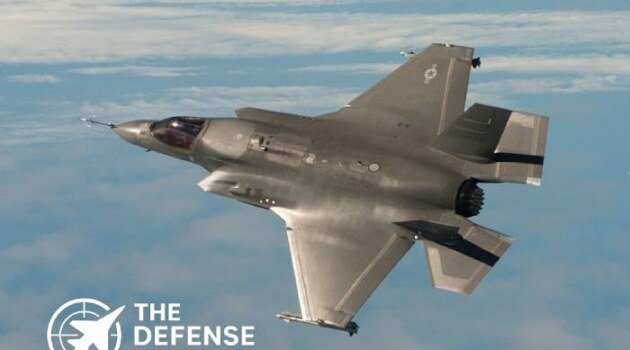
Lockheed Martin and RTX have raised their 2026 financial forecasts as the Pentagon increases pressure on defense manufacturers to replenish U.S. weapons inventories depleted by recent military operations and allied support efforts. Record order backlogs and expanding missile production illustrate a broader shift toward sustained defense industrial expansion across the United States and allied markets.
Pentagon Weapons Restocking Drives Lockheed Martin And RTX To Raise 2026 Outlook
Lockheed Martin and RTX have increased their 2026 revenue and profit guidance as growing Pentagon demand for missiles and air defense systems continues to reshape the U.S. defense industrial base.
The stronger outlook follows second quarter earnings from both companies and reflects sustained procurement driven by U.S. military requirements, allied modernization programs, and efforts to rebuild munitions inventories after years of high operational demand. Reuters first reported the updated forecasts on July 23.
Missile Production Remains The Primary Growth Driver
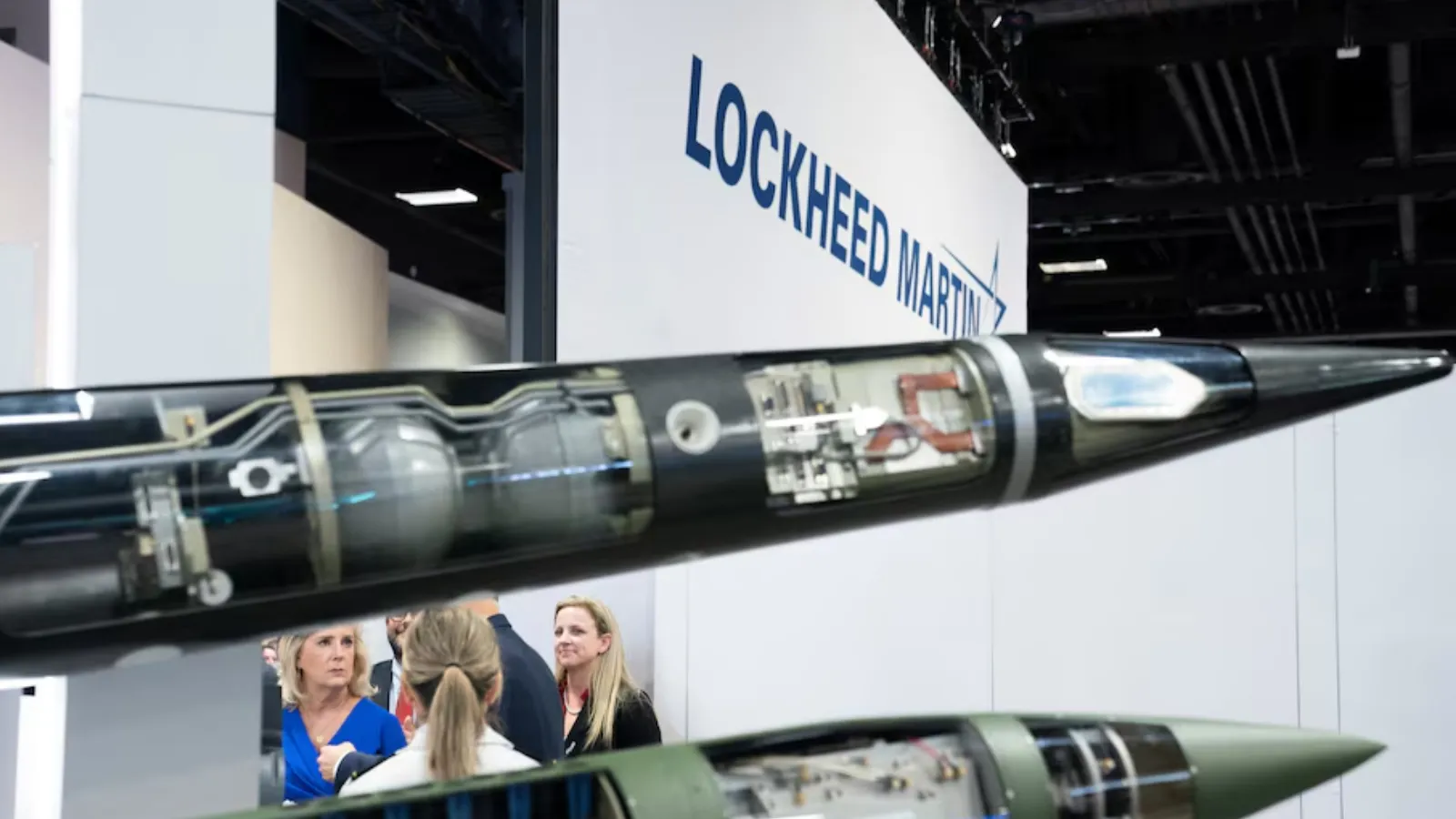
Lockheed Martin reported particularly strong growth in its Missiles and Fire Control business.
Revenue in the segment increased nearly 20 percent to approximately $4.1 billion, supported by higher production of:
- PAC-3 Missile Segment Enhancement interceptors
- Precision Strike Missiles (PrSM)
- THAAD missile interceptors
The company recently secured a major U.S. government agreement valued at approximately $35 billion to significantly expand THAAD interceptor production, providing additional long term manufacturing workload.
Sales also increased in Lockheed Martin’s Aeronautics business, where higher F-35 production contributed to improved quarterly performance.
RTX Benefits From Defense And Commercial Aerospace Demand
RTX also raised its full year expectations following strong performance across both defense and commercial aerospace businesses.
Its defense portfolio continued to benefit from demand for:
- Air defense systems
- Missile production
- Precision weapons
- Military sensors
At the same time, commercial aerospace remained strong because airlines continue operating older aircraft longer while waiting for new deliveries, increasing demand for maintenance and overhaul services.
RTX reported a total backlog of $289 billion, including:
| Segment | Backlog |
|---|---|
| Commercial Aerospace | $170 Billion |
| Defense | $119 Billion |
| Total | $289 Billion |
Lockheed Martin Backlog Reaches Record Levels
One of the clearest indicators of future production is backlog.
Lockheed Martin’s backlog climbed to approximately $230.4 billion, a year over year increase of more than 38 percent, reflecting both domestic procurement and international orders.
Updated Lockheed Martin Guidance
| Metric | Previous Guidance | Updated 2026 Guidance |
|---|---|---|
| Revenue | $77.5B to $80B | $79.75B to $81.75B |
| EPS | $29.35 to $30.25 | $29.95 to $30.65 |
| Backlog | $166.5B (prior year) | $230.4B |
RTX likewise increased its full year sales forecast to $95 billion to $96 billion while raising adjusted earnings guidance, citing continued strength across defense and aerospace operations.
Why Pentagon Restocking Matters
The higher forecasts are closely tied to the Pentagon’s broader effort to replenish precision munitions consumed during recent operations and ongoing security commitments.
Since 2022, the United States has supplied substantial quantities of military equipment to partners while also supporting its own operational requirements. These demands have highlighted the importance of maintaining larger inventories of advanced missiles and interceptors.
Senior Defense Department officials have repeatedly emphasized the need for industry to accelerate production rates, shorten delivery timelines, and invest in manufacturing capacity capable of supporting prolonged high demand.
Analysis: A Structural Shift In The U.S. Defense Industrial Base
The significance of these earnings extends beyond quarterly financial performance.
For decades, many major defense manufacturers optimized production for relatively stable procurement cycles. Today’s security environment increasingly favors sustained manufacturing capacity rather than temporary production surges.
Several long term trends are becoming apparent:
- Precision guided missile production is becoming a strategic national priority.
- Air defense interceptors remain among the Pentagon’s highest demand items.
- Long term procurement contracts are giving manufacturers greater confidence to expand factories and supplier networks.
- European allies continue increasing purchases of U.S. missile systems as NATO members modernize their inventories.
Record order backlogs at Lockheed Martin and RTX suggest demand extends well beyond immediate replenishment requirements. These backlogs provide production visibility for several years while encouraging investment throughout the broader supplier base, including propulsion manufacturers, electronics producers, and precision component suppliers.
Another notable development is the closer alignment between Pentagon procurement policy and industrial planning. Multi year agreements allow companies to expand facilities and workforce with greater confidence than annual procurement cycles traditionally permitted.
Although supply chain constraints have eased compared with previous years, scaling missile production remains technically challenging. Rocket motors, advanced seekers, specialized electronics, and energetic materials all require highly specialized suppliers whose expansion takes time. Consequently, increased funding alone does not immediately translate into higher production volumes.
For defense planners, these results indicate that rebuilding U.S. inventories is evolving into a multi year industrial effort rather than a short term procurement surge.
Outlook
Lockheed Martin and RTX’s updated forecasts reinforce expectations that missile production, air defense systems, and advanced military aircraft will remain central priorities for both the Pentagon and allied governments through the remainder of the decade.
With record order backlogs and continued government support for expanding manufacturing capacity, both companies appear positioned to play a central role in strengthening U.S. and allied defense readiness as global security requirements continue to drive sustained procurement activity.
Executive Summary:
RTX’s Pratt & Whitney Military Engines business has received a $42.1 million contract modification to finalize fiscal 2026 sustainment activities for the F135 propulsion system that powers the F-35 Lightning II. The award supports maintenance, engineering, spare parts, software sustainment, and depot repair for U.S. military services, international F-35 partner nations, and Foreign Military Sales customers through November 2026.
RTX Finalizes F135 Engine Sustainment Contract For The Global F-35 Fleet
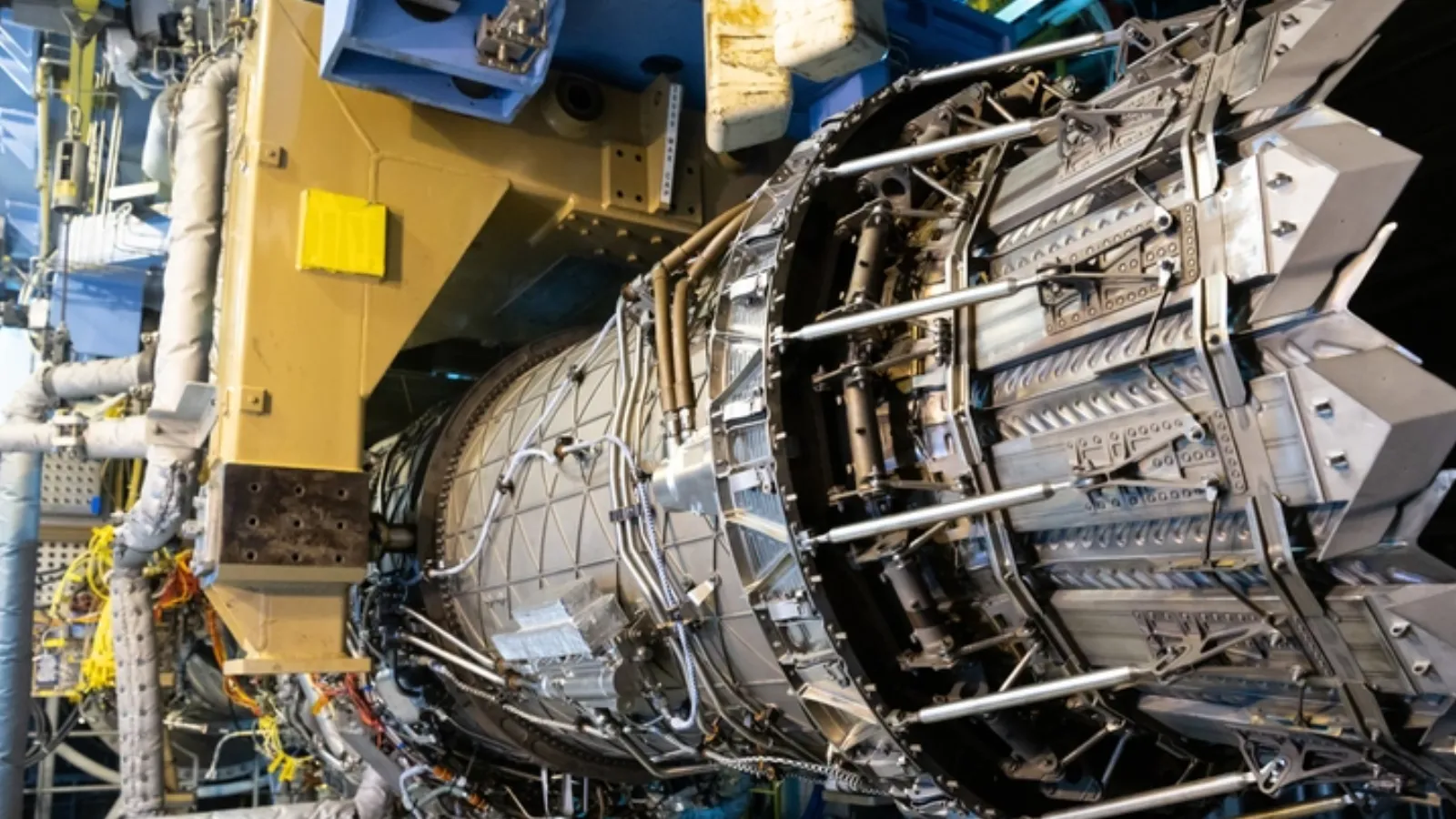
RTX’s Pratt & Whitney Military Engines has secured a $42,096,941 contract modification from the U.S. Naval Air Systems Command (NAVAIR) to support sustainment of the F135 propulsion system powering the F-35 Lightning II fleet.
The award definitizes a previously authorized fiscal year 2026 undefinitized contract action and provides funding for worldwide sustainment activities supporting operational F-35 aircraft across the U.S. Air Force, U.S. Navy, U.S. Marine Corps, international F-35 Cooperative Program partners, and Foreign Military Sales (FMS) customers.
The modification was awarded under existing contract N0001926C0112 and was not competed, reflecting Pratt & Whitney’s role as the original manufacturer and sustainment provider for the F135 engine.
Sustainment Covers The Entire F135 Support Enterprise
Rather than purchasing new engines, this contract focuses on keeping the existing global F135 fleet mission ready.
The work includes:
- Global unit-level maintenance
- Depot-level overhaul and repair
- Replenishment spare parts
- Engineering and technical support
- Software sustainment
- Configuration management
- Depot maintenance planning
- Repair of fielded propulsion systems
These activities ensure operators can maintain high aircraft availability while managing one of the world’s largest fifth-generation fighter fleets.
The F135 remains the sole propulsion system for every conventional takeoff, carrier-based, and short takeoff/vertical landing variant of the F-35 Lightning II.
Funding Breakdown
The $42.1 million modification draws funding from multiple U.S. military services as well as international operators.
Funding Source Amount U.S. Air Force Operations & Maintenance $15.15 million U.S. Marine Corps Operations & Maintenance $9.26 million U.S. Navy Operations & Maintenance $3.37 million F-35 Cooperative Program Partners $8.72 million Foreign Military Sales Customers $5.59 million All funding was obligated at the time of award.
Work Spans Multiple Countries
Sustainment activities will be distributed across an extensive international industrial network supporting the worldwide F-35 enterprise.
Location Share of Work East Hartford, Connecticut 40% Oklahoma City, Oklahoma 21% Indianapolis, Indiana 12% West Palm Beach, Florida 6% Windsor Locks, Connecticut 6% Brekstad, Norway 4% Leeuwarden, Netherlands 3% Iwakuni, Japan 3% Williamtown, Australia 2% Cameri, Italy 1% RAF Marham, United Kingdom 1% Fort Worth, Texas 1% Contract performance is expected to conclude in November 2026.
Why F135 Sustainment Matters
Although fighter procurement often receives the most public attention, sustainment represents one of the largest long-term costs across any military aircraft program.
The F-35 fleet continues to expand as additional aircraft enter service across North America, Europe, the Indo-Pacific, and the Middle East. Every new aircraft increases demand for engine maintenance capacity, spare modules, software updates, logistics support, and engineering services.
Unlike procurement funding, sustainment contracts directly influence operational readiness. Aircraft cannot generate sorties without reliable engines, timely repairs, and readily available replacement components.
Depot maintenance also allows engines to receive inspections, component replacements, and performance upgrades before small issues become major failures that reduce fleet availability.
Global Sustainment Supports Coalition Operations
One notable aspect of this contract is its multinational scope.
Beyond supporting U.S. military services, the award includes work for F-35 Cooperative Program partners and Foreign Military Sales operators. This reflects the increasingly integrated sustainment model used across the international F-35 enterprise.
Regional maintenance facilities in Europe, the Indo-Pacific, and North America allow participating nations to perform maintenance closer to operational units while reducing transportation time and improving supply chain resilience.
Facilities in Norway, the Netherlands, Italy, Australia, Japan, and the United Kingdom have become increasingly important as more allied air forces field operational F-35 squadrons.
Strategic Analysis
This contract illustrates an important shift in the F-35 program’s maturity. Earlier phases emphasized aircraft production, flight testing, and capability development. Today’s priorities increasingly center on readiness, lifecycle support, and reducing sustainment costs.
For the Department of Defense, sustaining a growing global fleet requires balancing operational availability with affordability. Investments in engineering support, software maintenance, and depot infrastructure help improve engine reliability while reducing maintenance turnaround times.
The geographic distribution of work also reflects broader U.S. defense strategy. Establishing regional sustainment capabilities strengthens coalition interoperability and reduces dependence on a single maintenance location during crises. This approach supports NATO operations in Europe while simultaneously improving logistics resilience across the Indo-Pacific.
From an industrial perspective, Pratt & Whitney remains central to the F-35 propulsion ecosystem. As the original equipment manufacturer, the company provides specialized engineering expertise, certified repair processes, and software support that cannot easily be replicated elsewhere. Continued sustainment awards ensure technical knowledge remains available as the F-35 fleet grows over the coming decade.
While the contract value is relatively modest compared with major aircraft procurement awards, sustainment contracts such as this one play a critical role in maintaining combat readiness. Reliable engine support ultimately determines how many F-35s are available for training, deterrence missions, and operational deployments on any given day.
Executive Summary:
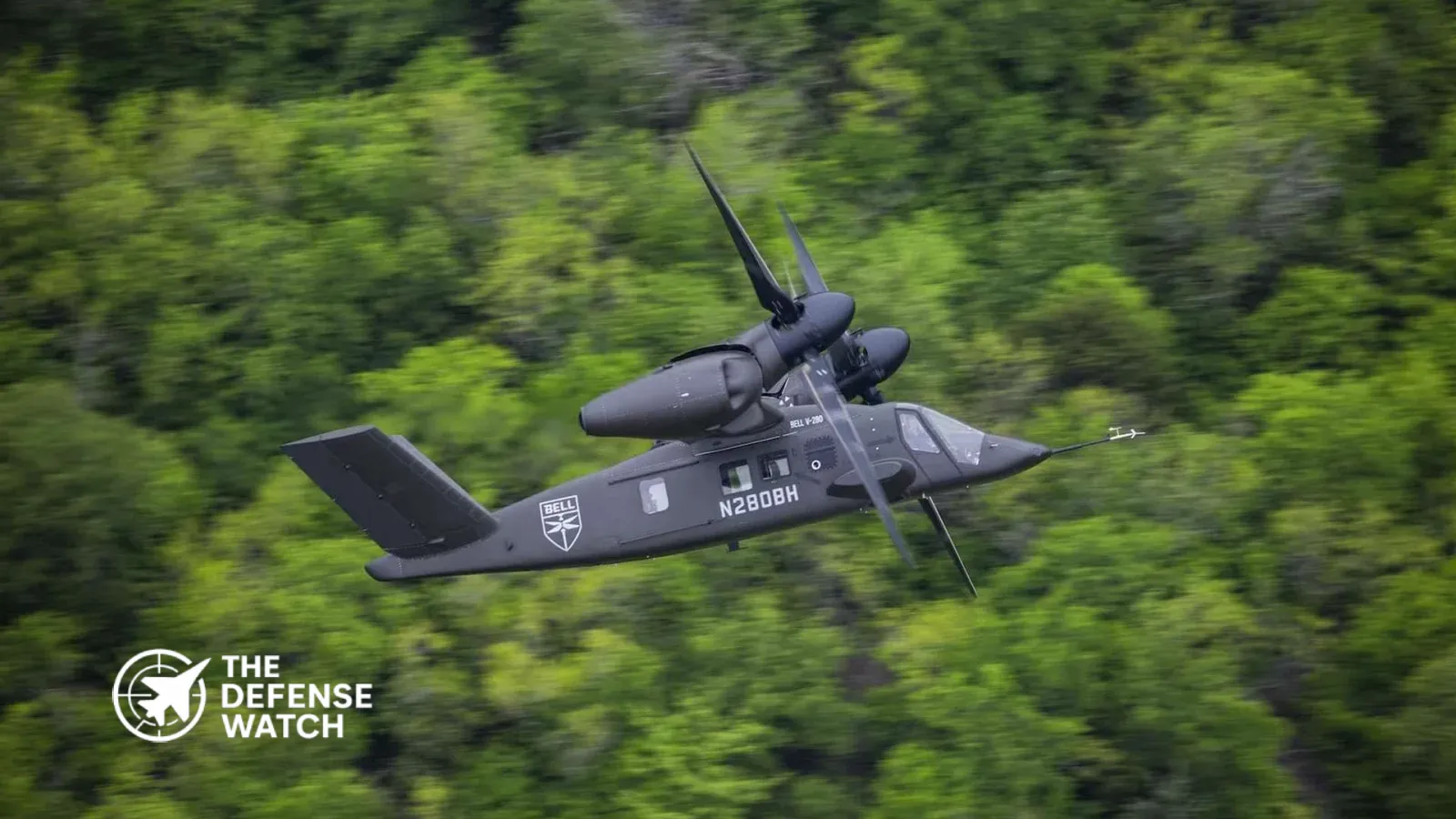
The U.S. Army has selected RTX to provide key mission systems for the new MV-75 Cheyenne Future Long Range Assault Aircraft, strengthening the platform’s ability to conduct long range air assault missions in contested environments. The integration supports the Army’s broader aviation modernization strategy by improving navigation, communications, survivability, and mission effectiveness for future operations.
U.S. Army MV-75 Cheyenne Gains RTX Mission Systems For Longer Range Assault Missions
The MV-75 Cheyenne program has reached another important milestone as the U.S. Army moves forward with integrating advanced mission systems supplied by RTX for its next generation Future Long Range Assault Aircraft (FLRAA). The latest development reflects the Army’s continued investment in replacing the UH-60 Black Hawk with a faster, longer range platform capable of operating across increasingly contested battlefields.
According to information released by Army Recognition, RTX will provide a comprehensive suite of avionics and mission equipment designed to enhance navigation, communications, sensing, and aircraft survivability for the MV-75 Cheyenne. The capability upgrade aligns with the Army’s modernization priorities for multi domain operations.
RTX Will Supply Core Mission Systems
Rather than focusing solely on airframe performance, the Army is emphasizing integrated mission systems that allow aircraft crews to operate effectively in electronic warfare environments while maintaining connectivity with joint forces.
RTX is expected to deliver several critical technologies, including:
| Capability | Operational Benefit |
|---|---|
| Integrated avionics | Improved pilot workload management |
| Secure communications | Reliable connectivity across joint forces |
| Advanced navigation | Precision operations in GPS challenged environments |
| Survivability systems | Increased protection against modern threats |
| Mission computing | Faster sensor processing and battlefield awareness |
These systems are intended to provide pilots with greater situational awareness while enabling the aircraft to remain operational during complex expeditionary missions.
The MV-75 Cheyenne Is Central To Army Aviation Modernization
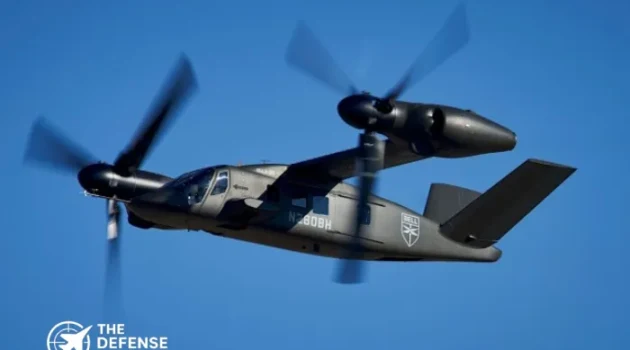
The MV-75 Cheyenne is Bell’s tiltrotor aircraft selected under the Future Long Range Assault Aircraft program, one of the U.S. Army’s highest priority aviation modernization efforts.
The aircraft is designed to replace thousands of UH-60 Black Hawk helicopters over the coming decades.
Compared with legacy helicopters, the MV-75 offers major improvements in:
- Higher cruise speed
- Greater combat radius
- Longer operational range
- Increased payload flexibility
- Improved survivability in contested environments
Its tiltrotor design enables helicopter style vertical takeoff and landing while achieving airplane like cruise performance during long distance missions.
This combination allows commanders to move troops farther, faster, and with fewer forward refueling requirements.
Why Advanced Mission Systems Matter
Modern conflicts increasingly feature sophisticated integrated air defense systems, electronic warfare capabilities, and long range precision weapons.
Aircraft performance alone is no longer sufficient.
Mission systems now determine whether crews can:
- Navigate through GPS denial
- Maintain secure communications
- Detect emerging threats
- Share targeting information
- Coordinate with unmanned systems
- Operate across multiple military services
RTX’s technologies are intended to address these operational challenges by integrating sensors, mission computers, communications, and defensive systems into a unified architecture.
Supporting Multi Domain Operations
The U.S. Army’s modernization strategy centers on Multi Domain Operations (MDO), where land, air, cyber, space, and maritime forces operate as an integrated network.
Within this framework, the MV-75 Cheyenne is expected to perform missions including:
- Long range air assault
- Rapid troop insertion
- Medical evacuation
- Logistics support
- Special operations
- Command and control
- Expeditionary resupply
Advanced mission systems enable these operations by connecting aircraft to wider battlefield networks while improving decision making during high tempo missions.
Technical Overview
Specification MV-75 Cheyenne Manufacturer Bell Textron Program Future Long Range Assault Aircraft (FLRAA) Primary Mission Long range assault transport Configuration Tiltrotor Replacement Aircraft UH-60 Black Hawk Mission Systems Provider RTX Expected Role Army aviation modernization Strategic Importance For The U.S. Army
The MV-75 represents more than a replacement for the Black Hawk.
It reflects a broader shift toward increasing operational reach across the Indo Pacific and other theaters where forces may need to cover much greater distances than in previous conflicts.
The Army has repeatedly identified long range maneuver as a critical requirement for future warfare. Large operational areas reduce reliance on vulnerable forward bases while giving commanders additional options during distributed operations.
The integration of RTX mission systems directly supports this concept by improving mission resilience even when adversaries attempt to disrupt communications or navigation.
As electronic warfare becomes a defining feature of modern combat, resilient avionics and secure communications may prove just as important as aircraft speed or payload capacity.
Industry Collaboration Continues
The FLRAA program also illustrates the growing collaboration between major U.S. defense companies.
Bell provides the aircraft platform while RTX contributes mission systems that leverage decades of experience in avionics, sensors, communications, and airborne survivability technologies.
This approach allows specialized companies to focus on their respective strengths while delivering an integrated capability for the U.S. Army.
As engineering and testing continue, additional subsystem integration and flight evaluations will help validate operational performance before full fielding.
Outlook
The addition of RTX mission systems marks another significant step toward operational deployment of the MV-75 Cheyenne. While the aircraft’s speed and range have attracted considerable attention, its effectiveness in future conflicts will depend equally on its ability to operate within highly contested electromagnetic environments.
For the U.S. Army, combining Bell’s next generation tiltrotor platform with RTX’s advanced mission technologies supports a broader transformation of Army aviation, one aimed at extending operational reach, improving survivability, and enabling faster decision making across increasingly complex battlefields.
(adsbygoogle = window.adsbygoogle || []).push({});Executive Summary:
RTX’s Collins Aerospace has announced that its Engineering Center of Excellence in Wolverhampton, United Kingdom, is fully operational and focused on advancing next generation electric thrust reverser actuation systems (elecTRAS). The facility introduces a modular testing environment designed to speed aircraft system development, certification, and validation while supporting the aviation industry’s transition toward more electric aircraft architectures.
Collins Aerospace Opens UK Engineering Center to Advance Electric Thrust Reverser Technology
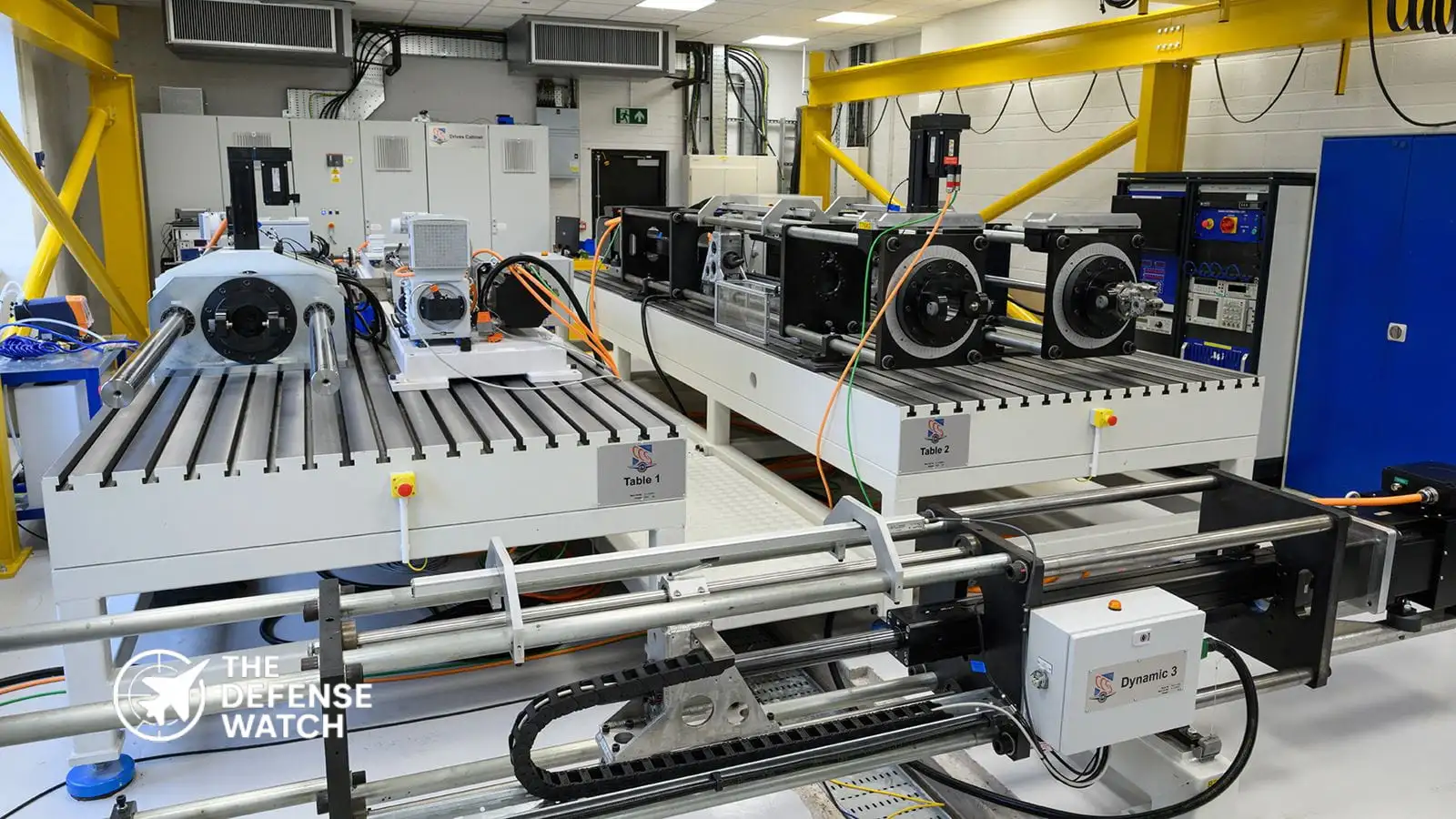
RTX’s Collins Aerospace Engineering Center of Excellence in Wolverhampton has officially entered full operation, marking a significant investment in aircraft electrification technologies. According to the company’s July 2026 announcement, the facility will serve as the primary engineering hub for the continued development, testing, and certification of its electric thrust reverser actuation system, known as elecTRAS.
The new center includes a modular and scalable testing laboratory capable of evaluating individual components, actuators, integrated subsystems, and complete aircraft actuation systems under simulated operational conditions. Collins Aerospace says this approach allows engineers to identify design issues earlier in the development cycle, shortening certification timelines while lowering development costs.
atOptions = { ‘key’ : ‘3d48d603f906e3fe9f205be3c4433835’, ‘format’ : ‘iframe’, ‘height’ : 250, ‘width’ : 300, ‘params’ : {} };What Is elecTRAS?
Traditional thrust reverser systems rely heavily on hydraulic power to deploy the nacelle’s reversing mechanisms after landing. Collins Aerospace’s elecTRAS replaces much of this hydraulic architecture with electrically powered actuation.
According to the company, the technology offers several operational advantages:
| Capability | Benefit |
|---|---|
| Electric actuation | Eliminates hydraulic interfaces and fluids |
| Weight reduction | Approximately 15 to 20 percent lower nacelle actuation weight |
| Modular architecture | Supports multiple aircraft configurations |
| Simplified maintenance | Fewer hydraulic components reduce maintenance complexity |
| Scalable testing | Faster design validation and certification |
The company says reducing nacelle actuation weight contributes to improved fuel efficiency while simplifying installation and long term maintenance.
New Facility Designed for Faster Development
The Wolverhampton Engineering Center combines engineering design teams with advanced test infrastructure in a single location.
Its testing capability ranges from individual actuator modules to complete integrated systems, allowing engineers to validate designs throughout the development process rather than waiting until late stage integration.
Collins Aerospace President of Advanced Structures Ajay Mahajan said the facility supports the aerospace industry’s transition toward more electric aircraft while helping manufacturers improve efficiency, operational performance, and lifecycle maintenance.
(adsbygoogle = window.adsbygoogle || []).push({});The company also noted that engineers at the center are developing:
- Electric actuation technologies
- Smart control algorithms
- Motor control architectures
- Future aircraft system integration concepts
These efforts will support both existing aircraft programs and future commercial aviation platforms.
Technology Already Proven in Service
Unlike many emerging aircraft technologies, elecTRAS is already flying on operational aircraft.
Collins Aerospace reports that the system is installed on the Airbus A350 family, where it accumulated:
- More than 15 million flight hours
- More than 2.2 million flight cycles
- Service across over 700 aircraft by the end of 2025
Those operational data provide valuable reliability information that can be applied to future aircraft programs and next generation electric architectures.
Why Aircraft Electrification Matters
The Wolverhampton investment reflects a broader industry shift toward replacing hydraulic and pneumatic systems with electrical alternatives.
Modern aircraft increasingly use electrical power to operate systems that were traditionally hydraulic because electric architectures can:
- Reduce aircraft weight
- Improve fuel efficiency
- Lower maintenance requirements
- Simplify system integration
- Support future hybrid and more electric aircraft designs
For commercial operators, even modest weight reductions can translate into measurable fuel savings across thousands of flight hours. As airlines face pressure to improve operating efficiency and reduce emissions, electric subsystems have become an important area of investment.
Strategic Importance Beyond Commercial Aviation
Although the Wolverhampton center primarily supports commercial aviation, its engineering expertise has broader relevance.
Electric actuation, digital motor controls, and modular system architectures are increasingly influencing military aircraft development. Future combat aircraft, advanced transports, and unmanned systems are expected to rely on higher electrical power generation and more integrated electronic subsystems to support sensors, mission equipment, and survivability systems.
Engineering capabilities developed for commercial programs often provide manufacturing experience and technology maturation that can benefit future defense platforms, particularly as aerospace manufacturers pursue lighter, more efficient, and easier to maintain aircraft.
The facility also strengthens Collins Aerospace’s engineering footprint in Europe while complementing its aerostructures headquarters in Chula Vista, California, and its electronic controls expertise in Solihull, creating a more integrated development network across the United States and United Kingdom.
Outlook
The opening of Collins Aerospace’s fully operational Engineering Center of Excellence represents another step in the aviation industry’s transition toward electrically powered aircraft systems.
Rather than introducing an entirely new product, the facility expands the company’s ability to mature existing elecTRAS technology, accelerate certification activities, and support future aircraft manufacturers seeking lighter and more efficient propulsion support systems. As commercial and military aircraft continue adopting higher levels of electrification, specialized engineering centers such as Wolverhampton are likely to play an increasingly important role in developing next generation aerospace technologies.
Executive Summary:
RTX Corporation has secured its largest-ever order for SharpSight radar systems through an agreement with Blue Raven Solutions. The deal highlights growing global demand for mobile intelligence, surveillance, and reconnaissance capabilities. It also signals a broader shift toward scalable, high-resolution radar solutions in modern military operations.
RTX SharpSight Radar Deal Strengthens ISR Capabilities
The RTX SharpSight radar deal represents a significant milestone for the company’s ground-based surveillance portfolio, underscoring rising demand for advanced ISR systems across global defense markets.
Through its partnership with Blue Raven, RTX will deliver its SharpSight radar, a system designed for persistent, high-resolution monitoring of land-based activity. The agreement is notable not only for its scale, but also for its timing, as military forces increasingly prioritize situational awareness in complex operational environments.
SharpSight is engineered to detect, track, and classify moving targets across wide areas. It supports border security, base protection, and forward-deployed operations. The system’s modular design allows for rapid deployment, making it suitable for both fixed and mobile missions.
RTX has not publicly disclosed the contract value, but confirmed it as the largest SharpSight order to date. That alone reflects growing confidence in the system’s performance and operational relevance.
What SharpSight Radar Brings To Modern Battlefields
The SharpSight radar sits within a broader category of ground surveillance radars designed to deliver persistent intelligence in real time. Its capabilities include:
- Wide-area ground moving target indication (GMTI)
- High-resolution imaging for classification
- Day and night, all-weather operation
- Integration with command-and-control systems
These features align with current military priorities, especially in contested environments where traditional ISR platforms, such as manned aircraft or satellites, may face limitations.
Unlike legacy systems, SharpSight emphasizes mobility and scalability. Units can be deployed quickly, repositioned as needed, and integrated into layered defense networks. This flexibility is critical in modern conflicts, where frontlines are fluid and threats evolve rapidly.
From an operational standpoint, systems like SharpSight help reduce reliance on higher-cost ISR assets. Ground-based radar offers persistent coverage at a lower operating cost, while still providing actionable intelligence.
Strategic Role Of Blue Raven In The Agreement
Blue Raven Solutions plays a key role as an integration and delivery partner in the RTX SharpSight radar deal. The company specializes in deploying advanced sensing and surveillance technologies for defense and security customers.
Its involvement suggests that the radar systems will likely be integrated into broader ISR architectures, rather than deployed as standalone assets. This reflects a growing trend in defense procurement, where interoperability and system-of-systems integration are critical.
Blue Raven’s role may also include customization, training, and operational support, ensuring that end users can fully exploit the radar’s capabilities in real-world conditions.
Growing Demand For Ground-Based Surveillance Systems
The RTX SharpSight radar deal comes amid a wider increase in demand for ISR technologies. Several factors are driving this trend:
- Rising geopolitical tensions and border security concerns
- Increased use of unmanned systems requiring detection
- Need for persistent surveillance in denied environments
- Shift toward distributed and networked warfare
Ground-based radars are particularly valuable in detecting low-signature threats, such as small drones or dismounted personnel. As these threats become more common, militaries are investing in sensors that can provide continuous coverage without reliance on air assets.
In this context, SharpSight fits into a broader ecosystem of layered sensing capabilities, complementing airborne ISR and space-based assets.
Operational Impact And Market Positioning
For RTX, this deal reinforces its position in the competitive ISR and radar market. The company, which includes legacy capabilities from Raytheon, has long been a leader in radar technologies across air, land, and maritime domains.
The SharpSight system adds to a portfolio that already includes advanced air defense radars and multi-domain sensing solutions. By expanding its ground surveillance offerings, RTX is positioning itself to capture a larger share of the ISR market.
From a customer perspective, the system provides a cost-effective way to enhance situational awareness. Its scalability makes it attractive for both large-scale military operations and smaller security forces.
Analysis: Why This Deal Matters Now
At least part of the significance of the RTX SharpSight radar deal lies in timing. Modern conflicts are increasingly defined by the need for persistent visibility across the battlefield.
Traditional ISR platforms, while powerful, are often limited by cost, availability, and vulnerability. Ground-based systems like SharpSight help fill these gaps by providing continuous, localized surveillance.
There is also a clear shift toward distributed sensing networks. Instead of relying on a few high-value assets, militaries are deploying larger numbers of smaller, interconnected sensors. This approach improves resilience and reduces the risk of single points of failure.
SharpSight aligns well with this concept. Its modular design and integration capability make it suitable for networked operations, where data from multiple sensors is fused into a common operational picture.
In addition, the rise of drone warfare has created new detection challenges. Low-flying, small UAVs are difficult to track using traditional systems. Advanced ground radars are becoming essential tools for countering these threats.
Future Outlook For SharpSight And ISR Systems
Looking ahead, the success of the RTX SharpSight radar deal could lead to further orders, particularly as defense budgets increasingly prioritize ISR capabilities.
Potential areas of growth include:
- Border surveillance and homeland security
- Counter-drone operations
- Expeditionary and rapid deployment forces
- Integration with AI-driven analytics
As sensor technology evolves, systems like SharpSight may also incorporate advanced data processing and machine learning, improving target identification and reducing operator workload.
Executive Summary:
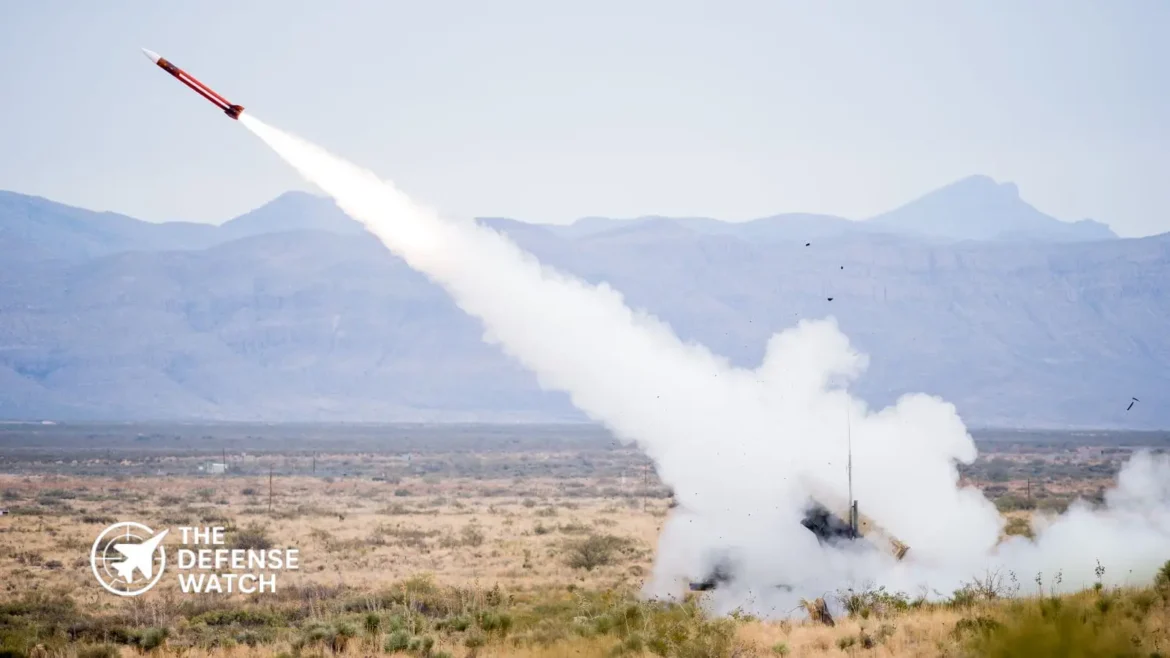
RTX Corporation has been awarded a $441.6 million contract modification to procure PATRIOT GEM-T interceptors for Operation Epic Fury. The program strengthens U.S. Army air and missile defense capacity against evolving aerial threats. The award reflects continued reliance on upgraded legacy systems to meet near-term operational demands.
Contract Details and Program Scope
The U.S. Army has issued a $441,600,000 modification to an existing contract (W31P4Q-23-C-0036) awarded to RTX for the production of PATRIOT Guidance Enhanced Missile-Tactical (GEM-T) interceptors.
Key details include:
- Contract value: $441.6 million
- Award date: April 30, 2026
- Completion date: September 30, 2026
- Production location: Chambersburg, Pennsylvania
- Funding source: Fiscal 2026 special funds
- Contracting authority: Army Contracting Command, Redstone Arsenal
The modification brings the total cumulative contract value to $441.6 million, indicating this action represents the full funded scope under the current agreement.
PATRIOT GEM-T: Role and Capabilities
The GEM-T interceptor is an upgraded variant of the legacy PATRIOT PAC-2 missile, optimized for enhanced performance against aircraft and certain ballistic missile threats.
Key Technical Advantages
- Improved proximity fuze for better lethality against fast-moving targets
- Enhanced guidance system for increased interception accuracy
- Greater effectiveness against cruise missiles and tactical ballistic missiles
- Cost-effective upgrade compared to newer hit-to-kill interceptors
Unlike more modern kinetic interceptors, GEM-T uses a blast-fragmentation warhead, making it particularly effective against aircraft and drone swarms.
Comparison: GEM-T vs PAC-3 Interceptors
| Feature | PATRIOT GEM-T | PAC-3 MSE |
|---|---|---|
| Range | Medium (up to ~160 km vs aircraft) | Shorter but optimized for ballistic threats |
| Payload | Blast-fragmentation warhead | Hit-to-kill kinetic interceptor |
| Status | Operational, upgraded legacy | Advanced, currently deployed |
| Key Technology | Proximity fuze, guidance upgrade | Active radar seeker, direct impact |
Strategic Context: Responding to Modern Threats
The procurement aligns with growing demand for layered air defense systems amid increasingly complex threat environments.
Operation Epic Fury is understood to support contingency planning involving:
- Cruise missile proliferation
- Unmanned aerial system (UAS) saturation attacks
- Tactical ballistic missile threats from near-peer adversaries
Recent conflicts have demonstrated that mixed interceptor inventories, combining legacy and advanced systems, provide flexibility and cost efficiency.
Why GEM-T Still Matters
- Faster production timelines compared to newer interceptors
- Lower unit cost enables bulk procurement
- Proven performance in operational environments
The continued investment suggests the U.S. Army is prioritizing inventory depth and readiness alongside modernization.
Industrial and Operational Implications
Production in Pennsylvania reinforces the domestic defense industrial base, while the rapid funding obligation indicates urgency in delivery timelines.
For RTX, the award underscores its central role in sustaining the PATRIOT ecosystem, which remains one of the most widely deployed air defense systems globally.
Outlook
As air and missile threats evolve, the U.S. Army is expected to maintain a hybrid approach, balancing next-generation systems with upgraded legacy interceptors like GEM-T.
This contract signals that even as advanced systems expand, reliable and scalable solutions remain critical to immediate defense needs.
Raytheon Next Generation Jammer Strengthens Australia’s Growler Fleet
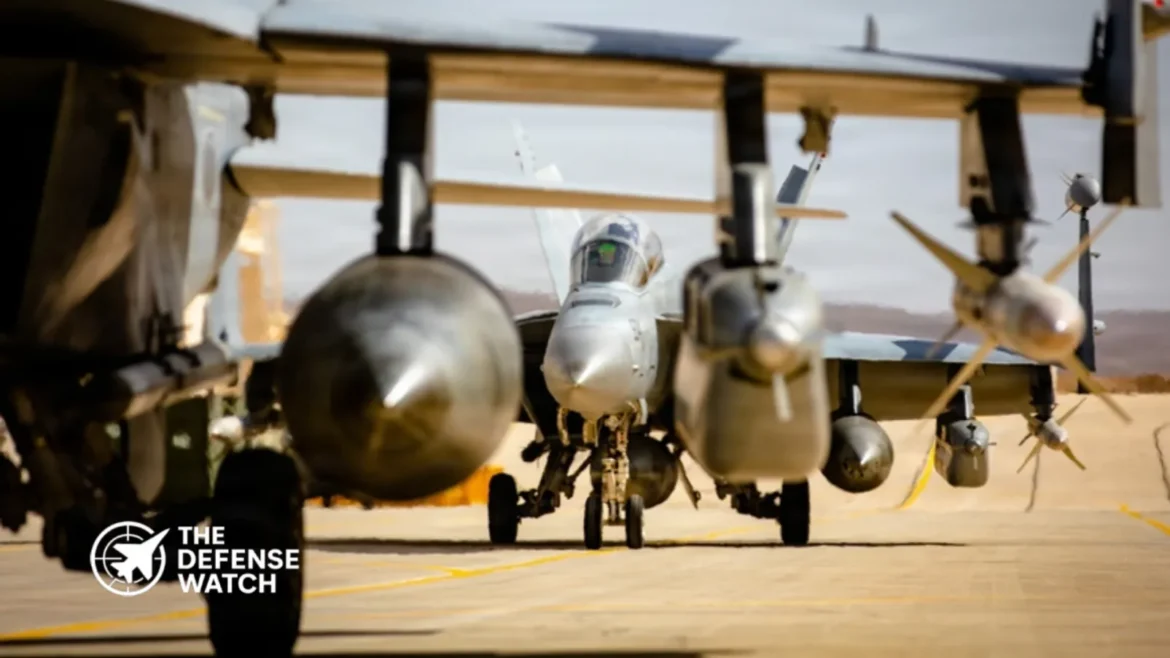
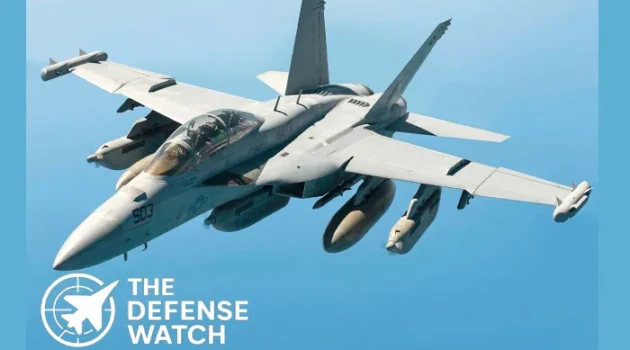
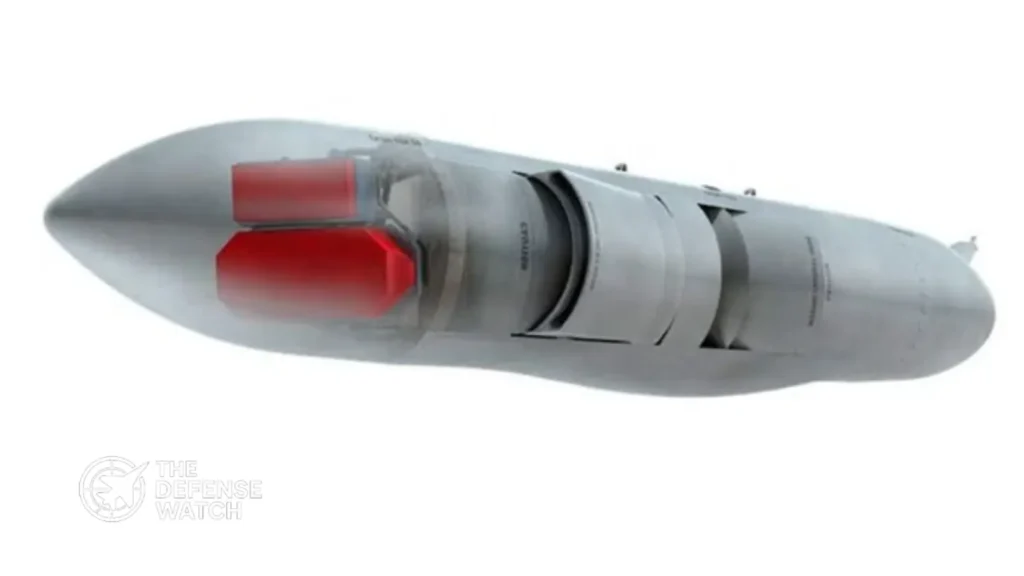
Raytheon Next Generation Jammer pods have officially been delivered to Australia, marking a major upgrade for the Royal Australian Air Force’s electronic warfare fleet. According to RTX and confirmed in separate reporting by Janes, the first AN/ALQ-249 Next Generation Jammer shipsets were transferred for use on Australian EA-18G Growler aircraft.
The delivery is important because Australia operates one of the few Growler fleets outside the United States. That makes Canberra a rare allied operator of one of the West’s most capable airborne electronic attack platforms.
- Raytheon has delivered the first AN/ALQ-249 Next Generation Jammer shipsets to the Royal Australian Air Force.
- First deliveries reportedly occurred ahead of schedule in September 2025, with more due through 2026.
- Australia’s initial buy covers eight shipsets, each consisting of two pods.
- The system equips EA-18G Growler aircraft with stronger airborne electronic attack capability.
- NGJ is designed to replace the legacy AN/ALQ-99 tactical jammer.
The Next Generation Jammer, commonly called NGJ, uses active electronically scanned array technology and software-defined architecture. In simple terms, that means it can adapt faster to changing radar threats than older analog systems.
Why The Upgrade Matters Now
Electronic warfare has become central to modern air combat. Advanced surface-to-air missile networks, digital communications nodes, and sensor-linked battle systems all depend on the electromagnetic spectrum.
The Raytheon Next Generation Jammer gives Growler crews the ability to interfere with enemy radars, degrade command links, and support strike aircraft entering defended airspace. Janes cited U.S. operational test information stating the system supports standoff, escort, penetrating escort, and stand-in jamming profiles.
That broad mission set matters in the Indo-Pacific, where long-range sensors and integrated air defense systems are expanding across the region.
Australia’s Expanding High-End Capability
Australia’s Department of Defence previously indicated its initial acquisition includes eight shipsets, with two pods per set. That suggests a phased fielding approach tied to Growler readiness cycles and training pipelines.
For Australia, this is not just a hardware purchase. It deepens interoperability with the U.S. Navy, which declared the NGJ Mid-Band system operational in early 2025. Shared systems often simplify training, mission planning, software support, and coalition operations.

This is especially relevant as Australia expands long-range strike, maritime deterrence, and alliance integration under broader regional security plans.
Replacing A Cold War Era System
The AN/ALQ-99 tactical jammer entered service in the early 1970s. While upgraded repeatedly, its age and design limits made replacement increasingly necessary.
The Raytheon Next Generation Jammer is intended to solve that gap with more power, improved reliability, and better response to agile radio-frequency threats. It also gives room for future software updates, which are increasingly vital in electronic warfare where threats evolve rapidly.
Strategic View
Australia’s receipt of NGJ pods signals that allies are being trusted with some of Washington’s most advanced non-kinetic combat systems. That reflects growing U.S.-Australia defense alignment and the push to build distributed, coalition-ready capabilities across the Pacific.
In any future high-end conflict, aircraft that can blind sensors and suppress networks may be as valuable as aircraft carrying missiles.
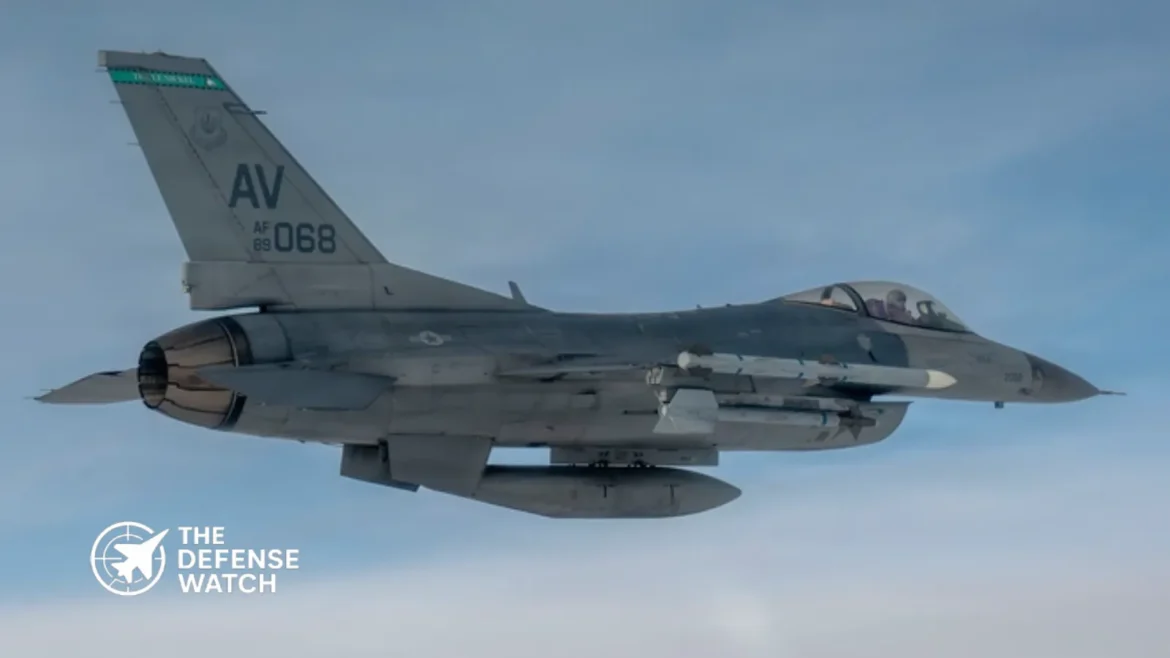
- RTX awarded $3.81 billion contract modification for F135 propulsion systems supporting F-35 Lot 18 and Lot 19 production.
- Contract covers U.S. Air Force, Navy, Marine Corps, international partners, and Foreign Military Sales customers.
- Work spans multiple U.S. locations with completion expected by March 2028.
- Funding includes FY2024 and FY2025 aircraft procurement accounts plus partner and FMS contributions.
- Contract awarded by Naval Air Systems Command on a non-competitive basis.
RTX Secures Major F135 Engine Contract For F-35 Production
RTX has secured a $3.8 billion F135 engine contract to support ongoing F-35 production, reinforcing its central role in powering the Joint Strike Fighter fleet. The award, issued by Naval Air Systems Command, finalizes production terms for Lot 18 and advances procurement for Lot 19 aircraft.
The contract modification converts a previously undefinitized agreement into a finalized structure while adding new production scope. It reflects continued demand for the F-35 program across U.S. services and international partners.
Scope And Structure Of The Contract
The $3,813,591,875 modification covers the production of F135 propulsion systems, the sole engine used across all variants of the F-35 fighter. This includes aircraft operated by the U.S. Air Force, Navy, and Marine Corps, as well as allied nations participating in the program and Foreign Military Sales customers.
The contract combines cost-plus-incentive-fee and fixed-price incentive elements. This hybrid structure is commonly used in large defense programs to balance cost control with performance incentives, particularly when production complexity remains high.
Funding allocations reflect the multinational nature of the F-35 program. Contributions come from U.S. fiscal year 2024 and 2025 aircraft procurement budgets, alongside partner nation funding and a significant share from Foreign Military Sales.
Notably, more than $1.46 billion of the total comes from FMS customers, highlighting continued export demand for the F-35 platform.
Industrial Base And Production Footprint
Work under the F135 engine contract will be distributed across a broad U.S. industrial base. Key locations include Connecticut, Indiana, Washington, Maine, California, and several other states, with additional work conducted both within and outside the continental United States.
East Hartford, Connecticut, accounts for the largest share at 17 percent, reflecting RTX’s primary engine manufacturing hub. Other notable contributions come from Indianapolis, Middletown, and Kent, Washington.
This distributed production model supports supply chain resilience and aligns with Pentagon priorities to maintain a robust domestic defense industrial base.
From an operational standpoint, the wide geographic spread also reduces risk tied to localized disruptions, a factor that has gained importance in recent years due to global supply chain pressures.
Program Significance And Strategic Context
The F135 engine contract is a critical component of the broader F-35 program, which remains the cornerstone of U.S. and allied tactical airpower. As production transitions from early low-rate initial production to more sustained output, engine manufacturing has become a key pacing element.
Delays or inefficiencies in propulsion system delivery can directly impact aircraft rollout schedules. By definitizing Lot 18 and advancing Lot 19 procurement, the Pentagon is signaling confidence in production stability moving forward.
The inclusion of international partner funding also underscores the program’s long-term sustainability. Countries across Europe, Asia, and the Middle East continue to invest in the F-35, ensuring steady demand for engines well into the next decade.
At the same time, the reliance on a single engine type for all F-35 variants continues to draw attention. While it simplifies logistics and maintenance, it also creates a single point of dependency within the supply chain. This makes contracts like this one essential for maintaining production continuity.
Funding Breakdown And Timeline
The contract pulls from multiple funding streams, including:
- FY2024 Navy aircraft procurement
- FY2024 Air Force aircraft procurement
- FY2025 Navy and Air Force procurement funds
- Cooperative program partner contributions
- Foreign Military Sales funding
A portion of the obligated funds, approximately $430.8 million, is set to expire at the end of the current fiscal year. This adds urgency to execution timelines and reinforces the need for efficient contract performance.
The program is scheduled for completion by March 2028, aligning with projected F-35 production timelines for Lot 18 and Lot 19 aircraft.
Acquisition Strategy And Industry Implications
The contract was awarded on a non-competitive basis, consistent with RTX’s position as the sole manufacturer of the F135 engine. While this limits competition, it reflects the technical complexity and certification requirements associated with fifth-generation fighter propulsion systems.
From a policy perspective, the award highlights ongoing challenges in balancing competition with program continuity in high-end defense systems. Developing an alternative engine for the F-35 would require significant investment and time, making near-term competition unlikely.
However, the scale of the contract and the long-term demand profile could renew discussions around future propulsion upgrades or alternative engine programs.
Outlook For The F-35 Program
The latest F135 engine contract reinforces the steady momentum of the F-35 program despite past cost and sustainment concerns. Continued investment from both the United States and international partners suggests strong confidence in the platform’s operational value.
As production ramps up and more aircraft enter service globally, engine reliability, maintenance efficiency, and lifecycle cost will remain key focus areas.
For RTX, the contract secures a significant revenue stream while strengthening its position within the defense propulsion market.