
(adsbygoogle = window.adsbygoogle || []).push({});Executive Summary:
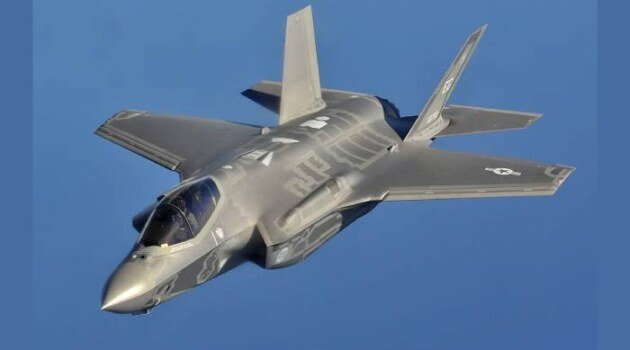
Germany’s first F-35A Lightning II has reached a key production milestone with the installation of its Pratt & Whitney F135 engine at Lockheed Martin’s Fort Worth assembly facility.
The development keeps Berlin’s 35-aircraft F-35 acquisition program on track, supporting Luftwaffe modernization and Germany’s NATO nuclear sharing responsibilities.
Germany’s First F-35A Reaches Major Production Milestone
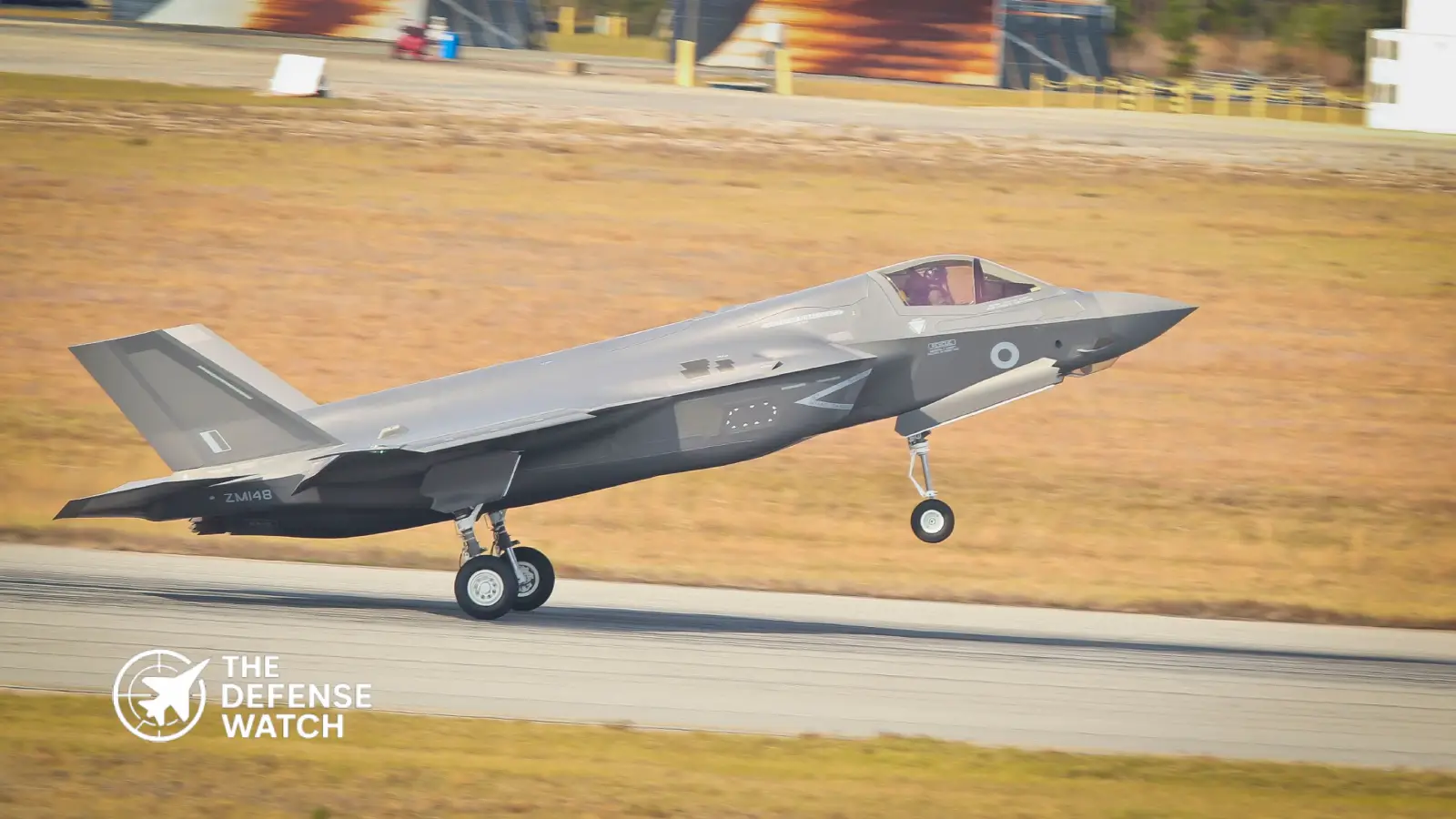
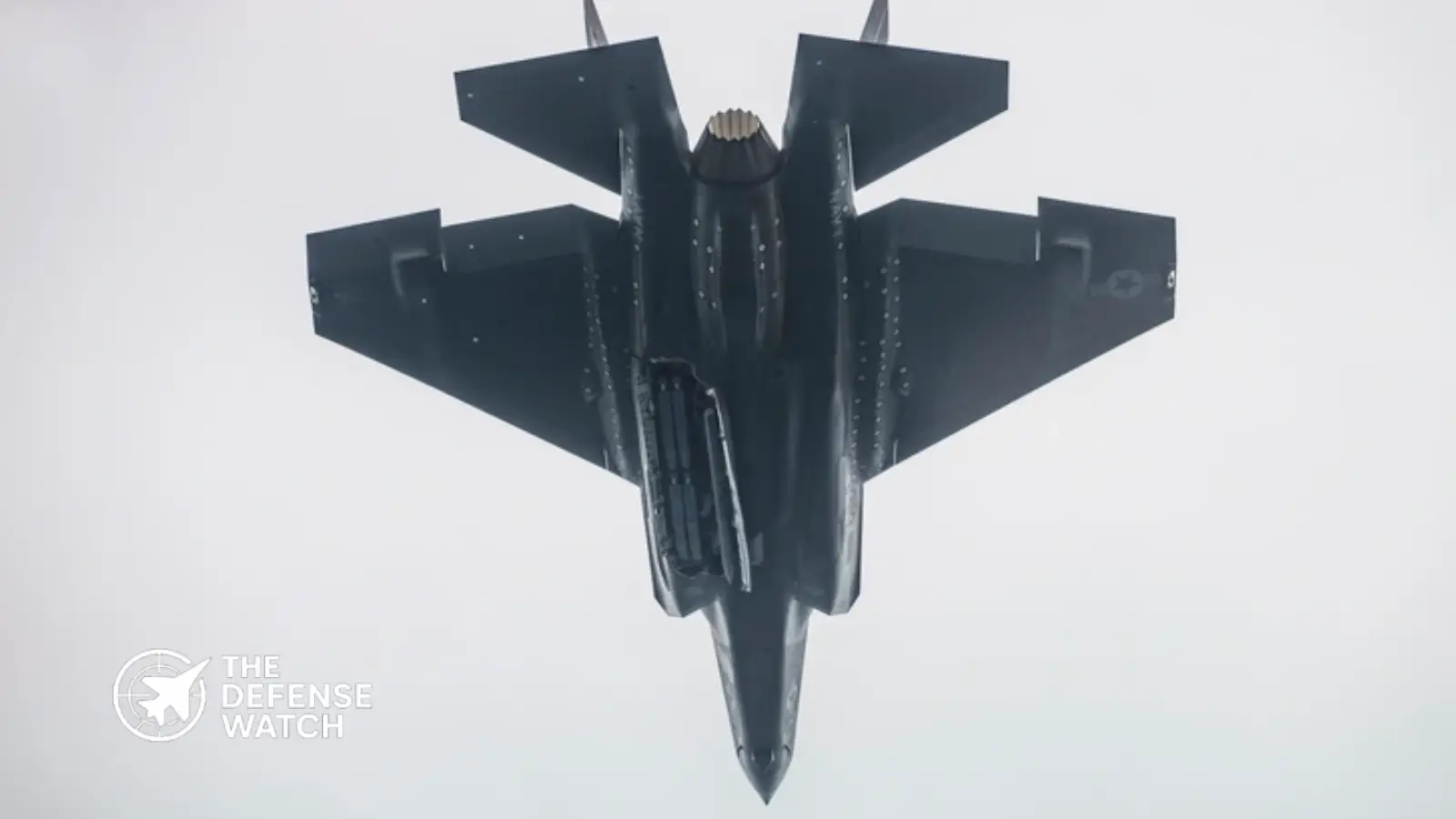
Germany’s first F-35A Lightning II has entered a critical phase of production after receiving its Pratt & Whitney F135-PW-100 engine at Lockheed Martin’s Fort Worth, Texas, manufacturing facility. The milestone marks another significant step toward the aircraft’s planned delivery later in 2026 and eventual entry into Luftwaffe service.
New images released by Lockheed Martin show technicians integrating the engine into the aircraft designated for Germany, signaling that the jet has progressed beyond structural assembly and into the final stages of production.
The aircraft is the first of 35 F-35A fighters ordered by Germany through the U.S. Foreign Military Sales (FMS) program under a government-to-government agreement approved in December 2022.
From Final Assembly To Flight Testing
The engine installation follows Germany’s first F-35A entering final assembly earlier this year. During that phase, Lockheed Martin joined the aircraft’s four major structural sections, including the wing assembly and the forward, center, and aft fuselage sections, using advanced laser-guided alignment systems.
- (adsbygoogle = window.adsbygoogle || []).push({});
With the F135 engine now installed, the aircraft will continue through final systems integration, control surface installation, software validation, and low observable finishing processes before beginning ground and flight testing.
According to Lockheed Martin, the aircraft is expected to undergo rollout and first flight activities later this year before delivery.
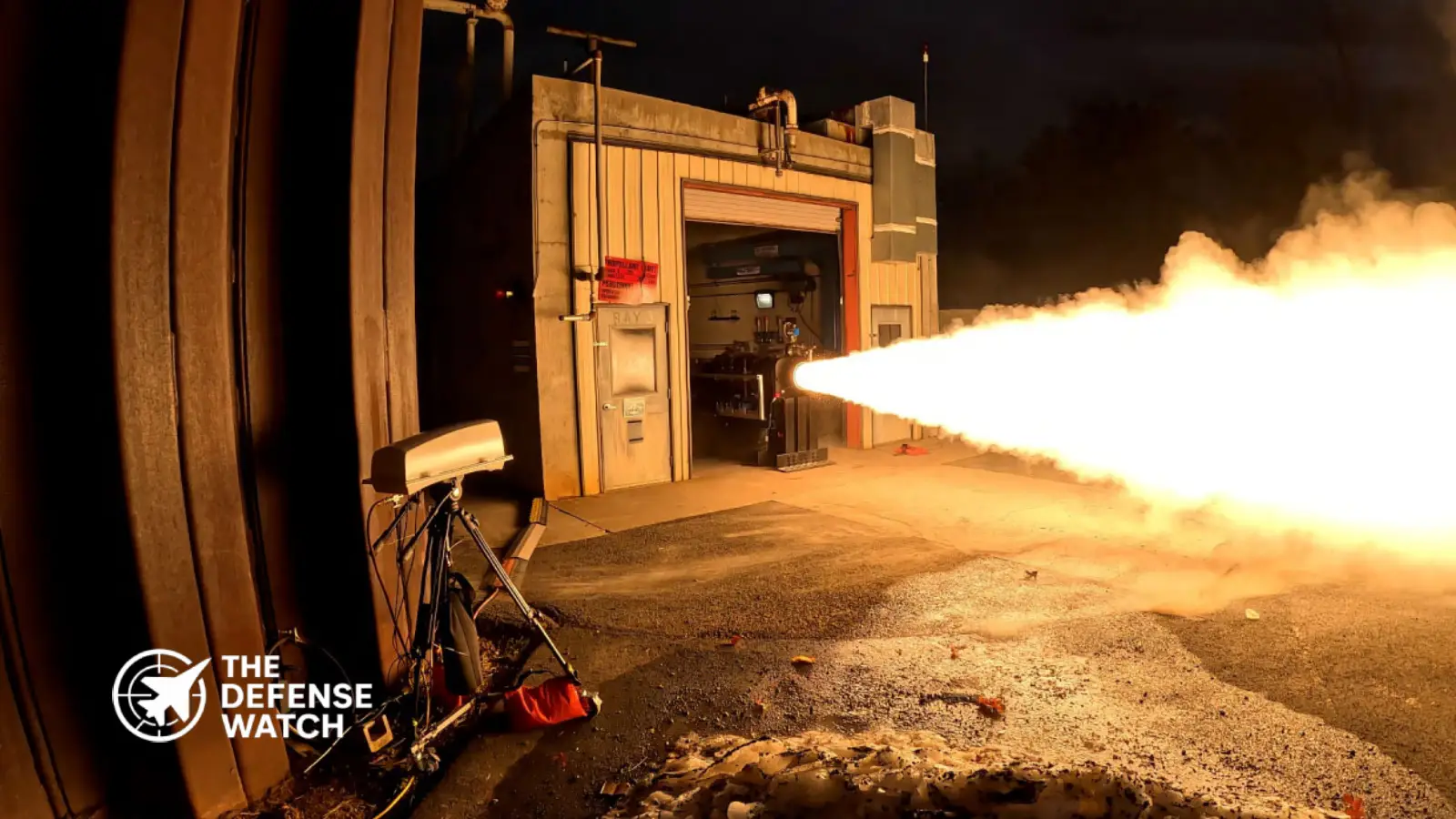
The F135 engine remains the most powerful fighter engine currently in operational service, providing the F-35A with the thrust necessary to support its stealth, sensor fusion, and multi-role combat capabilities.
Why Germany Chose The F-35A
Germany selected the F-35A to replace its aging Panavia Tornado IDS fleet, particularly for the nation’s participation in NATO’s nuclear sharing mission. Under this arrangement, allied aircraft maintain the capability to deliver U.S.-supplied B61 nuclear gravity bombs if required by NATO policy.
The decision represented one of the most significant shifts in German combat aviation planning in decades. Rather than pursuing an additional interim fighter solution, Berlin opted for a fifth-generation platform already integrated across a growing number of NATO air forces.
(adsbygoogle = window.adsbygoogle || []).push({});From a strategic perspective, the F-35A provides Germany with capabilities that extend beyond traditional strike missions. The aircraft combines stealth characteristics, advanced electronic warfare functions, sensor fusion, and networked battlefield awareness, allowing it to operate effectively in heavily contested environments.
The acquisition also strengthens interoperability with key NATO allies, including the United States, Italy, the Netherlands, Belgium, Norway, Finland, Poland, and other European operators that are either flying or preparing to field the F-35.
Training Pipeline Already Taking Shape
Before arriving in Germany, the first Luftwaffe F-35As will be stationed at Ebbing Air National Guard Base in Fort Smith, Arkansas. The facility is becoming a major international F-35 training hub and will also support pilot and maintainer training for other European F-35 operators.
The first eight German aircraft are expected to operate from Ebbing during the initial training phase before transferring to Germany. The aircraft will ultimately be based at Büchel Air Base, the future center of Germany’s F-35 operations.
According to program schedules, the first F-35As are expected to arrive at Büchel in 2027, enabling Germany to begin the transition away from the Tornado fleet.
Strategic Significance For Europe
The progress of Germany’s first F-35A comes amid a broader expansion of F-35 procurement across Europe. Multiple NATO members are accelerating fifth-generation fighter acquisitions as regional security concerns continue to drive modernization efforts.
(adsbygoogle = window.adsbygoogle || []).push({});For Germany, the program represents more than a fleet replacement. It forms part of a wider effort to enhance deterrence, strengthen alliance interoperability, and maintain credible airpower capabilities within NATO’s evolving defense architecture.
The installation of the F135 engine may appear to be a routine manufacturing event, but it marks a visible transition from assembly to aircraft completion. As Germany’s first F-35A moves closer to rollout and flight testing, the Luftwaffe’s long-planned shift into the fifth-generation fighter era is becoming a reality.