Executive Summary:
RTX has advanced a longer range version of its StormBreaker precision weapon from concept to flight testing in less than 12 months, marking one of the company’s fastest air launched weapon development efforts. The new design aims to significantly extend standoff strike range while retaining StormBreaker’s existing multi mode guidance and network enabled targeting capabilities for U.S. and allied air forces.
RTX Advances Longer Range StormBreaker Toward Flight Testing
RTX has moved its Longer Range StormBreaker precision strike weapon into flight testing less than a year after beginning development, demonstrating an accelerated approach to delivering new air launched capabilities for the U.S. military and international customers. The company announced the milestone during its recent update on advanced weapons development, highlighting a rapid engineering process driven by evolving operational requirements.
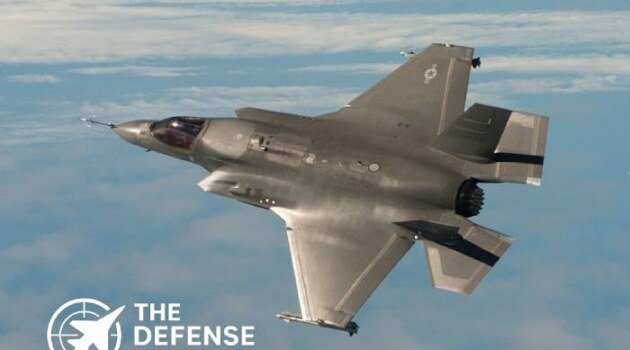
The effort builds on Raytheon’s existing StormBreaker family, officially designated the GBU 53/B, which is already fielded on the U.S. Air Force’s F 15E Strike Eagle and approved for the U.S. Navy’s F/A 18E/F Super Hornet. Integration continues across all three variants of the F 35 Lightning II.
Building On An Existing Combat Proven Weapon
Rather than designing an entirely new missile, RTX leveraged the mature StormBreaker architecture to shorten development timelines.
According to the company, engineers reused key subsystems while incorporating a new propulsion solution designed to dramatically increase engagement range. This modular approach allowed the weapon to progress from concept to flight testing in under 12 months.
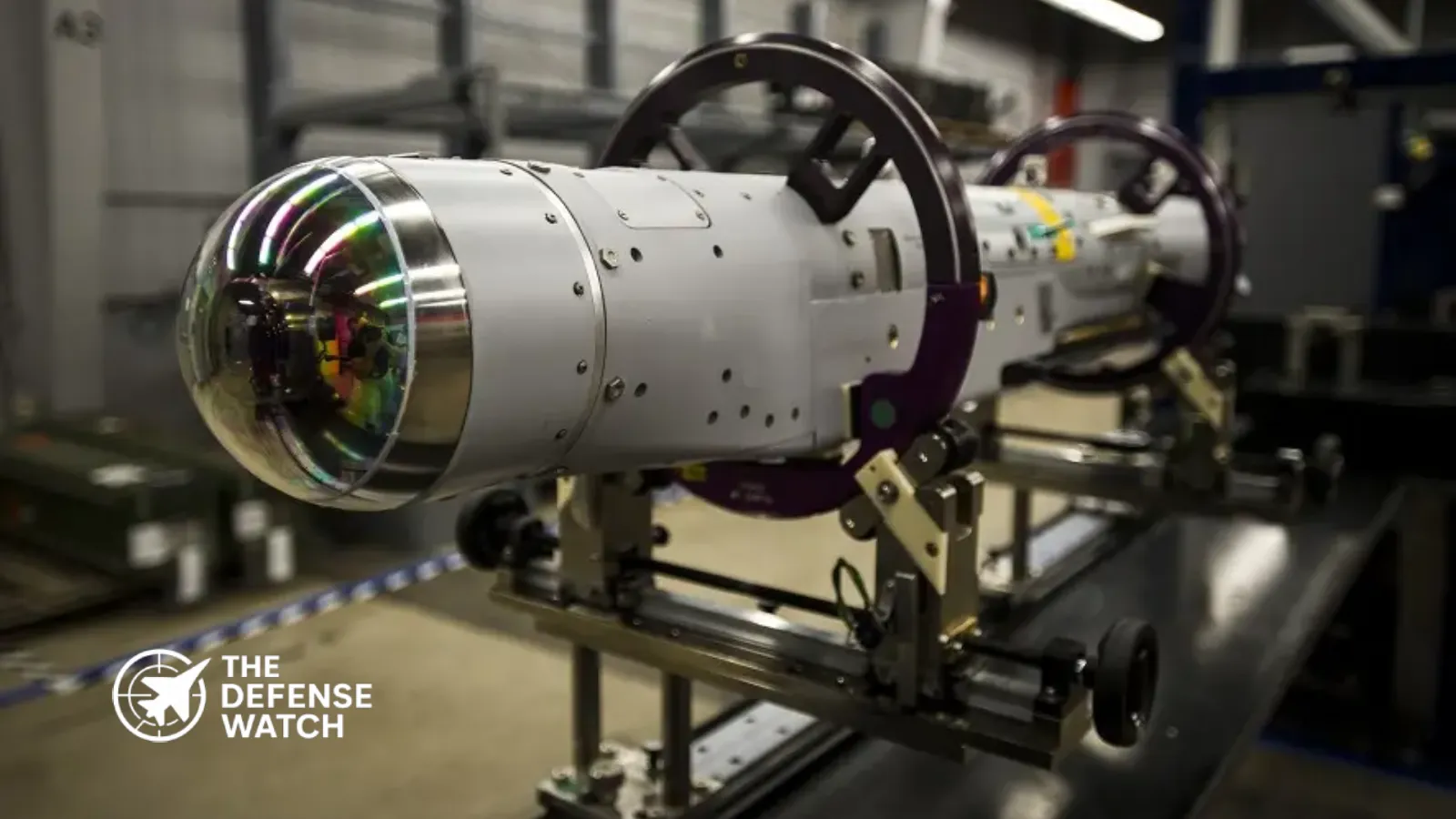
The original StormBreaker is designed to defeat both moving and stationary targets under challenging weather conditions. Its tri mode seeker combines:
- Imaging infrared guidance
- Millimeter wave radar
- Semi active laser guidance
A two way datalink also enables operators to update target information after launch, allowing the weapon to engage dynamic battlefield targets.
Longer Range Expands Operational Flexibility
The primary enhancement is increased standoff distance.
Although RTX has not disclosed exact performance figures, the longer range configuration is intended to allow aircraft to engage targets from farther outside hostile air defense envelopes while preserving StormBreaker’s precision engagement capability.
Greater range provides several operational advantages:
| Capability | Operational Benefit |
|---|---|
| Extended launch distance | Aircraft remain farther from enemy air defenses |
| Precision engagement | Reduced collateral damage against tactical targets |
| Network enabled guidance | In flight target updates improve flexibility |
| Multi mode seeker | Effective against moving targets in adverse weather |
| Existing StormBreaker architecture | Faster fielding and lower development risk |
Why The Development Timeline Matters
Modern defense procurement has increasingly emphasized speed.
Traditional precision weapon programs often require many years between concept definition and flight testing. RTX’s decision to reuse proven technologies reflects a broader industry trend toward modular weapon development, enabling manufacturers to respond more rapidly to changing operational requirements.
The company previously demonstrated this philosophy during development of the ground launched StormBreaker prototype, which progressed from concept to testing in roughly 50 days using existing weapon components and commercial rocket technology.
The air launched longer range variant follows the same engineering philosophy, reducing technical risk while accelerating delivery.
Strategic Context
The longer range StormBreaker arrives as U.S. and allied militaries place greater emphasis on long range precision strike against heavily defended targets.
Potential future operating environments in the Indo Pacific and Europe feature increasingly sophisticated integrated air defense systems, electronic warfare capabilities, and contested airspace. Aircraft capable of launching precision weapons from greater distances gain improved survivability while maintaining the ability to strike mobile targets.
StormBreaker’s existing network enabled architecture already supports engagement of moving vehicles, maritime targets, and fixed infrastructure under poor visibility. Extending range could significantly increase mission flexibility without requiring major aircraft modifications.
Unlike developing an entirely new weapon, upgrading an established munition also simplifies logistics, training, sustainment, and platform integration for operators already fielding StormBreaker.
Existing Integration Across Multiple Aircraft
StormBreaker continues expanding across multiple U.S. tactical aircraft.
The weapon has completed extensive testing from:
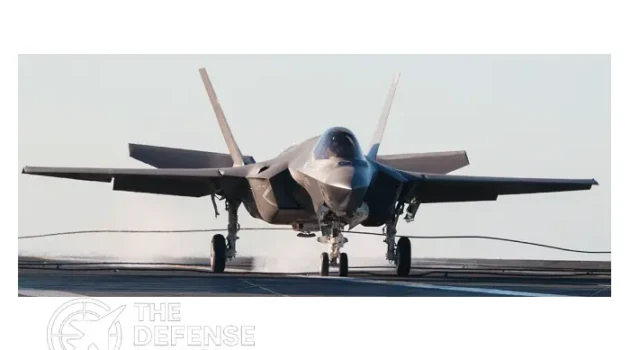
RTX reported a perfect 14 for 14 planned jettison success rate during U.S. Navy F-35C testing, supporting continued integration across the Joint Strike Fighter fleet.
As the F 35 becomes the primary tactical aircraft for numerous allied nations, a longer range StormBreaker could offer an incremental capability upgrade without requiring entirely new aircraft certification programs.
Industry Implications
Rapid adaptation of existing precision weapons has become a defining trend across the defense industry.
Rather than relying exclusively on lengthy next generation development programs, manufacturers are increasingly extending proven systems with improved propulsion, networking, software, and seekers. This approach reduces acquisition risk while delivering operational capability much faster.
For RTX, advancing the Longer Range StormBreaker from concept to flight testing in under a year demonstrates how modular weapon architectures can accelerate modernization. If flight testing proceeds successfully, the weapon could provide U.S. and allied air forces with a cost effective means of expanding precision strike reach while leveraging an already fielded family of smart munitions.