
(adsbygoogle = window.adsbygoogle || []).push({});Executive Summary:
Ukraine is seeking U.S. approval to locally manufacture Patriot PAC-3 MSE interceptor missiles as Russian ballistic missile attacks continue to place heavy pressure on existing air defense inventories. President Volodymyr Zelenskyy confirmed that Kyiv is pursuing production licenses from Washington while simultaneously exploring the development of a domestic anti-ballistic missile capability. The request highlights a broader challenge facing the United States and its allies: demand for advanced missile defense interceptors is growing faster than current production capacity.
Ukraine Pushes For Patriot PAC-3 MSE Production Capability
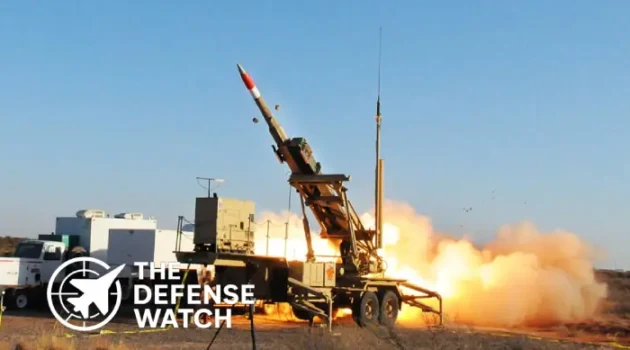
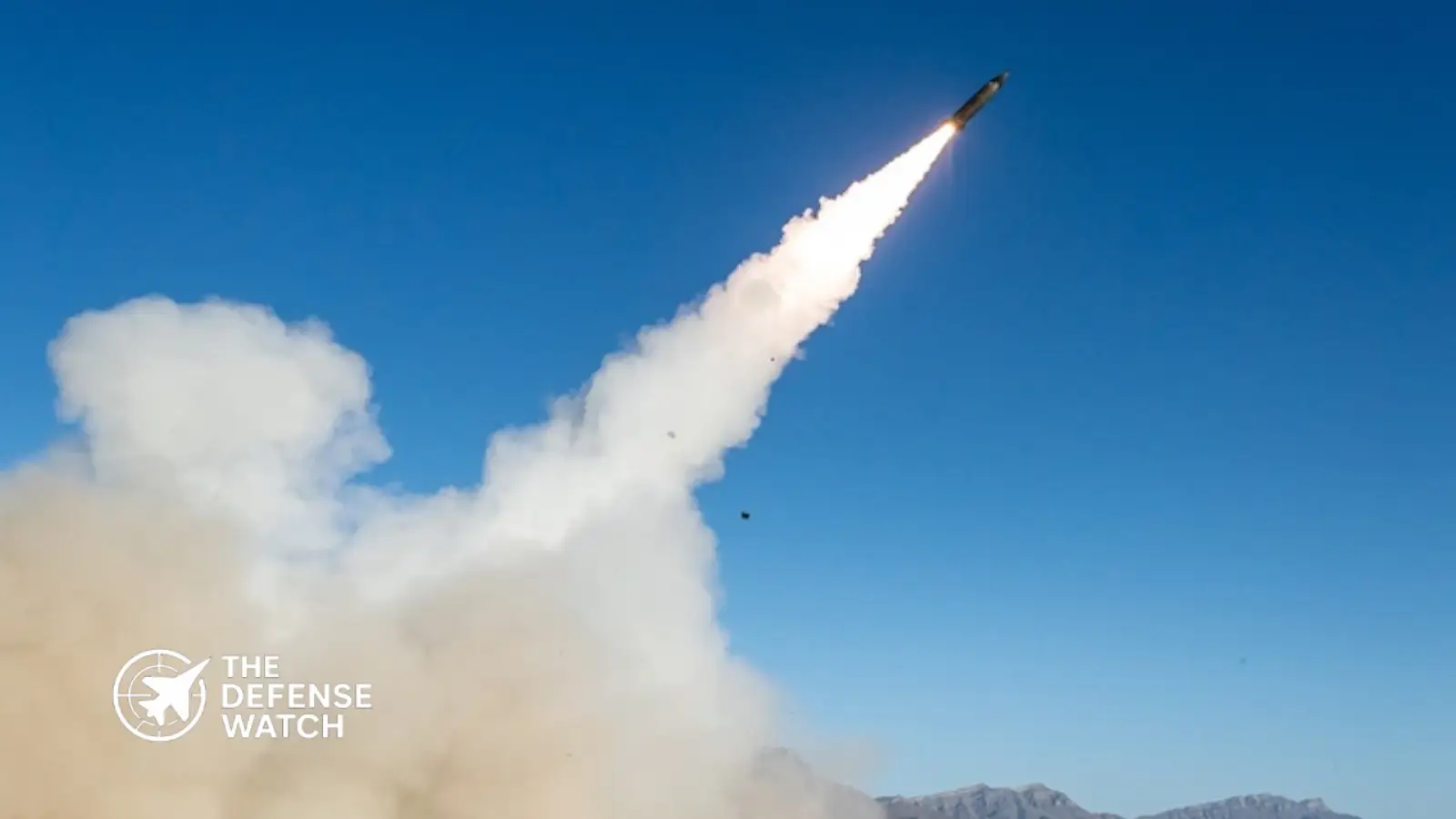
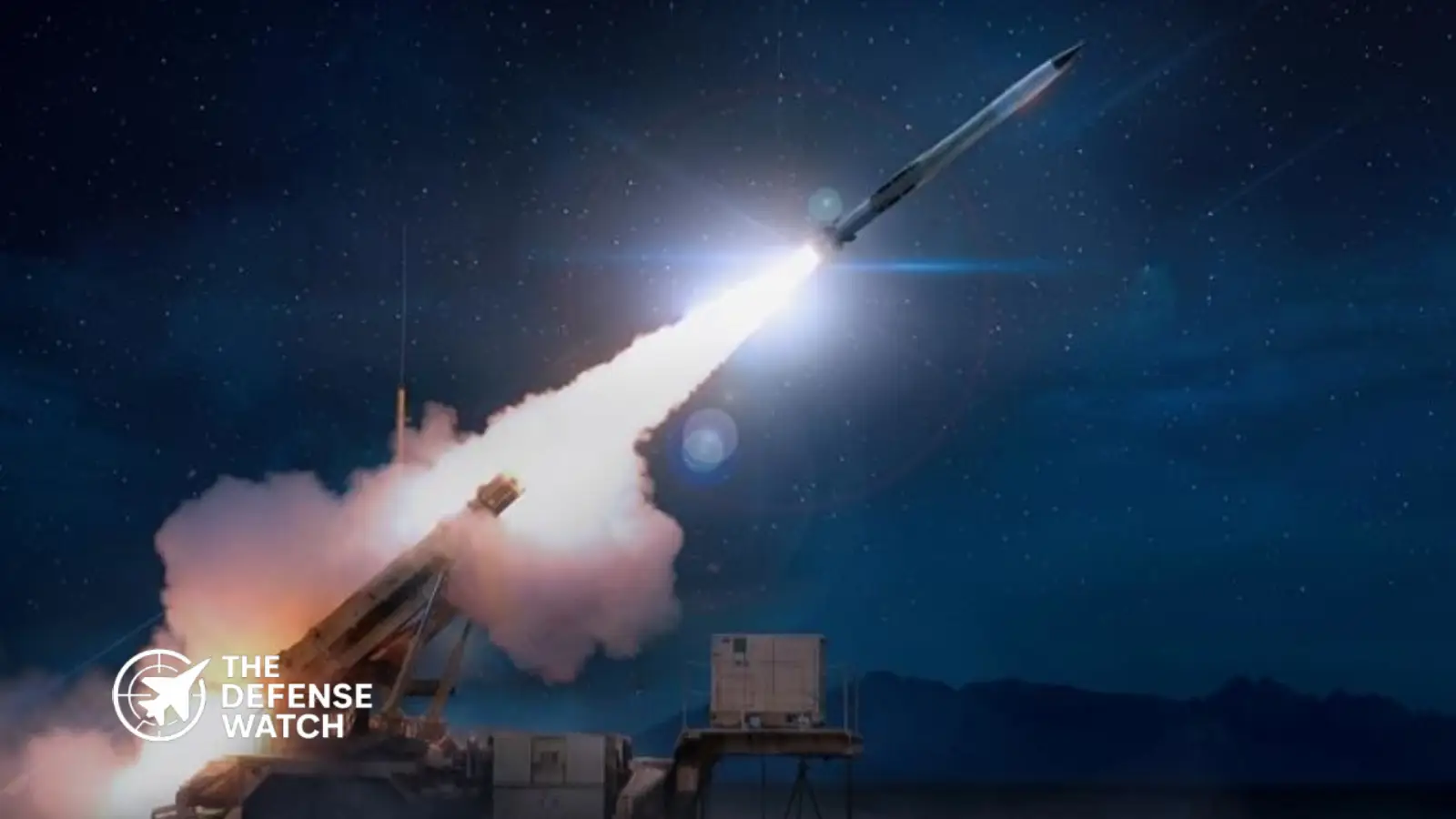
Ukraine has formally intensified efforts to obtain a production license for the Patriot PAC-3 Missile Segment Enhancement (MSE), one of the most advanced operational missile defense interceptors in the Western arsenal.
- Ukraine Pushes For Patriot PAC-3 MSE Production Capability
- Why PAC-3 MSE Matters To Ukraine’s Air Defense Network
- The Industrial Challenge Behind Patriot Missile Demand
- Strategic Implications Of A Ukrainian Production License
- Growing Allied Interest In Local Patriot Production
- What This Means For U.S. And Allied Missile Defense Strategy
Speaking during a joint appearance with Swedish Prime Minister Ulf Kristersson, Ukrainian President Volodymyr Zelenskyy stated that Kyiv wants its defense industry to receive authorization to manufacture PAC-3 missiles domestically. According to Zelenskyy, Patriot remains the only combat-proven Western system currently capable of reliably countering ballistic missile attacks targeting Ukrainian cities and infrastructure.
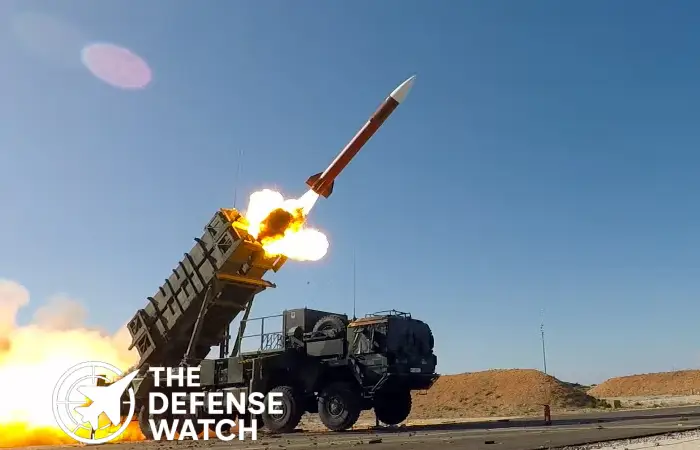
Zelenskyy said discussions on the issue began during the Biden administration and would continue with the Trump administration, emphasizing Ukraine’s long-term goal of securing both missile supplies and sovereign production capability.
The request comes as Russia continues to employ a mix of ballistic missiles, cruise missiles, drones, and high-speed strike systems against Ukrainian targets, creating sustained demand for high-end interceptors.
Why PAC-3 MSE Matters To Ukraine’s Air Defense Network
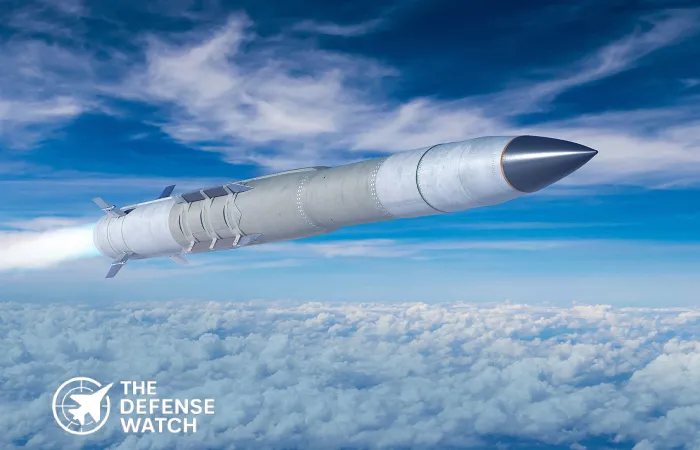
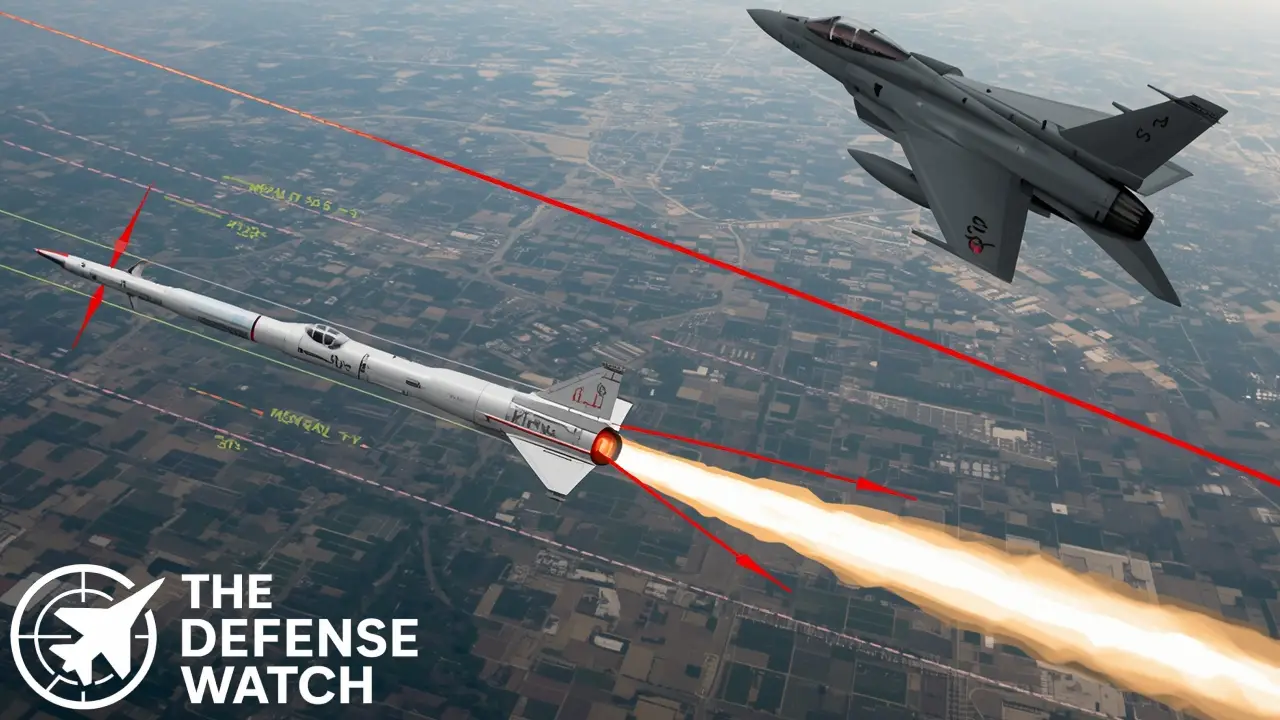
The PAC-3 MSE interceptor is the most advanced missile currently fielded within the Patriot family for ballistic missile defense missions.
Unlike traditional surface-to-air missiles that rely primarily on blast fragmentation warheads, PAC-3 MSE uses a hit-to-kill approach, destroying incoming targets through direct kinetic impact. The missile is specifically designed to engage tactical ballistic missiles, cruise missiles, and advanced aerial threats.
Key PAC-3 MSE Characteristics
Capability Details Primary Mission Ballistic missile defense Intercept Method Hit-to-kill kinetic impact Compatible System MIM-104 Patriot Target Set Ballistic missiles, cruise missiles, aircraft Major Manufacturer Lockheed Martin Current Production Expansion Planned growth from roughly 600 to 2,000 missiles annually Sources: U.S. Army, Lockheed Martin, Pentagon announcements.
(adsbygoogle = window.adsbygoogle || []).push({});Ukraine has repeatedly credited Patriot batteries with intercepting Russian ballistic missile attacks, including engagements against Iskander-class systems and other high-speed threats. Germany has also transferred additional PAC-3 interceptors to support Ukraine’s air defense operations.
The Industrial Challenge Behind Patriot Missile Demand
Ukraine’s request arrives at a time when the United States is already undertaking a major expansion of Patriot interceptor production.
In January 2026, the Pentagon and Lockheed Martin announced a framework agreement intended to increase PAC-3 MSE production from approximately 600 missiles annually to roughly 2,000 per year over a seven-year period. The initiative represents one of the most significant missile production expansions undertaken by the U.S. defense industrial base since the start of the Ukraine war.

The effort gained additional momentum in April when the U.S. Army awarded Lockheed Martin a .76 billion contract action to accelerate production and strengthen supply chain capacity for the interceptor. According to Army officials, expanded output is intended to support both U.S. military requirements and allied demand.
Notably, roughly 94 percent of the initial funding associated with that production effort came through Foreign Military Sales channels, demonstrating that international demand has become a major driver of Patriot manufacturing growth.
Strategic Implications Of A Ukrainian Production License
A licensed production arrangement would represent a major shift in how advanced U.S. missile defense technology is shared with partner nations.
For Ukraine, local manufacturing could provide several advantages:
- Reduced dependence on foreign deliveries.
- Faster replenishment of interceptor stocks.
- Greater resilience during prolonged conflict.
- Expansion of Ukraine’s domestic defense industrial base.
- Potential integration into future European missile defense supply chains.
However, obtaining a PAC-3 production license would involve significant technical, industrial, and political hurdles.
PAC-3 MSE contains sensitive guidance technologies, propulsion systems, seekers, and software components that fall under strict U.S. export controls. Any production arrangement would likely require extensive government oversight, technology security measures, and congressional support.
Even if approved, establishing a complete production ecosystem could take years. Manufacturing advanced missile interceptors requires highly specialized facilities, secure supply chains, precision electronics production, rocket motor manufacturing capacity, and rigorous testing infrastructure.
Growing Allied Interest In Local Patriot Production
Ukraine is not the only country seeking deeper involvement in Patriot missile manufacturing.
Several NATO allies are pursuing expanded industrial participation in Patriot-related production as demand for missile defense systems grows across Europe. Reports in recent weeks indicate Poland has received preliminary approval to explore domestic Patriot missile manufacturing opportunities, while Germany has also expanded its involvement in Patriot-related industrial programs.
(adsbygoogle = window.adsbygoogle || []).push({});This reflects a broader trend within NATO toward regionalizing portions of missile production to reduce bottlenecks and increase resilience during major conflicts.
The shift is particularly significant because interceptor availability has increasingly become the limiting factor in missile defense operations. Modern Patriot batteries can only remain effective if sufficient reload inventories are available to sustain combat operations during prolonged missile attacks.
What This Means For U.S. And Allied Missile Defense Strategy
The significance of Ukraine’s request extends beyond the battlefield.
For Washington, the proposal underscores a growing reality across multiple theaters, including Eastern Europe, the Middle East, and the Indo-Pacific. Missile defense demand is rising faster than traditional production models were designed to support.
The Pentagon’s ongoing expansion of PAC-3 MSE manufacturing capacity reflects this challenge. U.S. planners are attempting to balance domestic requirements, allied procurement programs, and wartime support commitments simultaneously.
(adsbygoogle = window.adsbygoogle || []).push({});Ukraine’s push for licensed production therefore highlights a larger strategic question facing Western defense planners: whether future missile defense architectures will rely primarily on centralized U.S. production or evolve toward a distributed allied manufacturing model.
As missile threats continue to proliferate globally, industrial capacity may become just as important as launcher numbers or radar performance. The ability to rapidly produce and replenish interceptors is increasingly emerging as a central element of modern air and missile defense strategy.