Washington is rapidly scaling missile interceptor production as demand for air and missile defense systems surges across Europe, the Middle East, and the Indo-Pacific.
Executive Summary:
The U.S. government and Lockheed Martin are dramatically increasing production of THAAD and PAC-3 missile interceptors to address rising global missile threats and replenish defense inventories. The effort reflects growing pressure on America’s missile defense industrial base amid expanding operational demand from U.S. forces and allies.
U.S. Expands THAAD And PAC-3 Missile Production Capacity
The United States is accelerating production of THAAD and PAC-3 missile interceptors as Washington moves to strengthen its missile defense industrial base amid growing global security pressures.
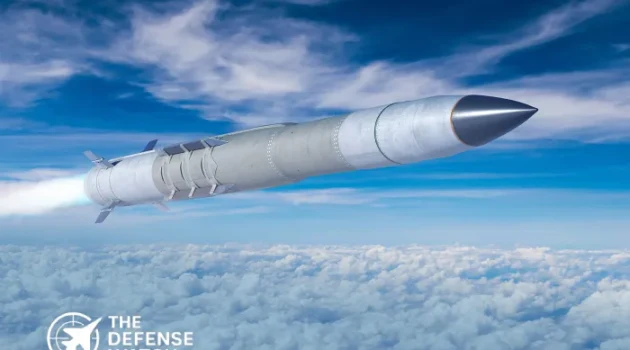
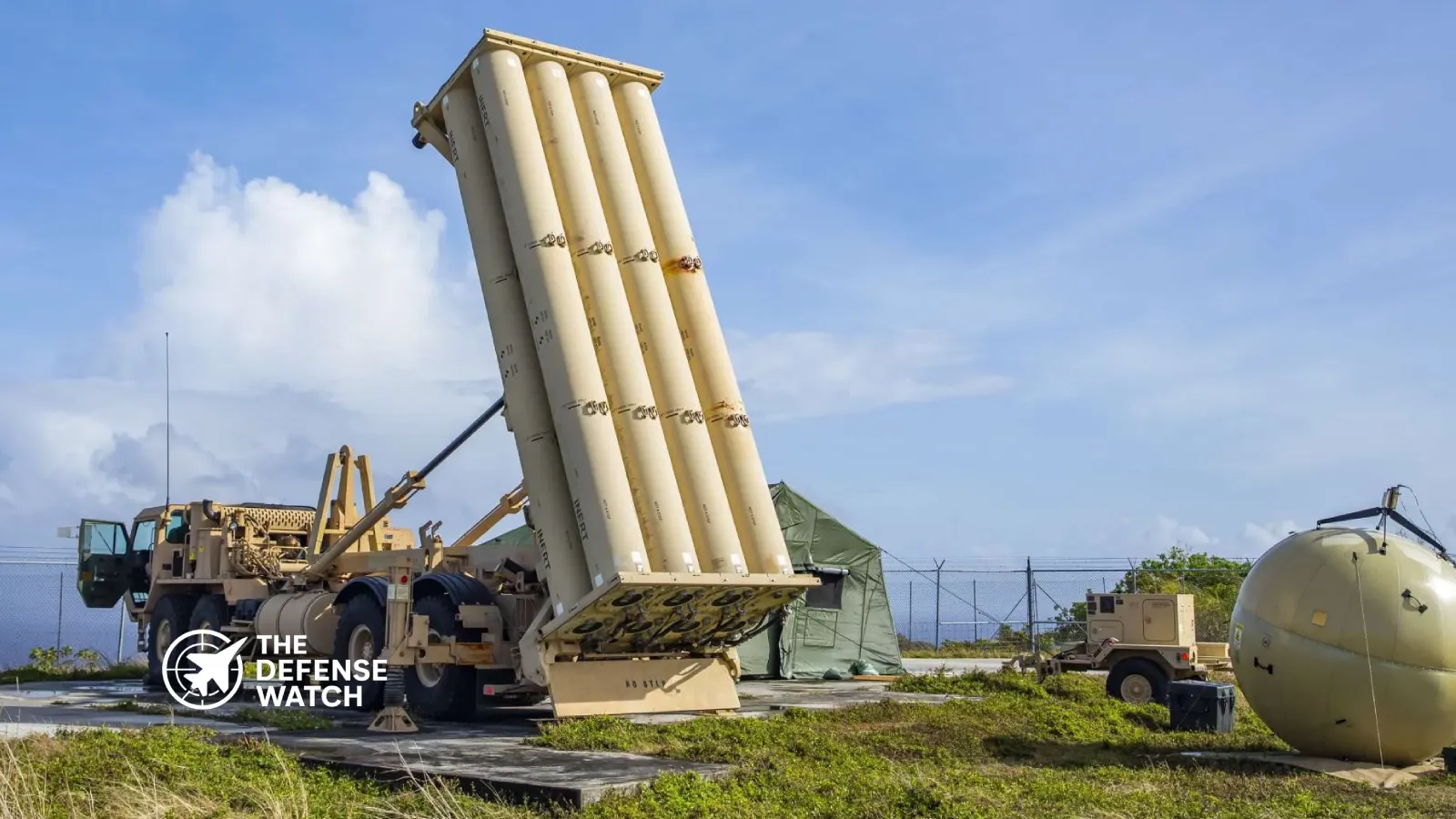
Lockheed Martin announced a series of framework agreements with the U.S. government aimed at sharply increasing annual output of both the Terminal High Altitude Area Defense (THAAD) interceptor and the Patriot Advanced Capability-3 Missile Segment Enhancement (PAC-3 MSE).
Under the agreement, THAAD interceptor production is expected to rise from 96 missiles annually to as many as 400 per year. PAC-3 MSE production is also planned to increase from roughly 600 interceptors annually to approximately 2,000 over a seven year period.
The initiative comes as the Pentagon faces increasing demand for layered missile defense systems following recent conflicts in the Middle East and continued concerns over peer-level missile threats from China, Russia, Iran, and North Korea.
Lockheed Martin Expands U.S. Manufacturing Network
To support the production surge, Lockheed Martin is investing billions of dollars into new manufacturing infrastructure and facility modernization across multiple U.S. states.
The company recently broke ground on new missile production facilities in Arkansas and Alabama designed to support THAAD, PAC-3, Precision Strike Missile, and other advanced munitions programs.
According to Lockheed Martin, the expansion includes modernization of more than 20 facilities across Arkansas, Alabama, Florida, Massachusetts, and Texas. The company also plans to add thousands of manufacturing and engineering jobs over the coming years.
The new facilities are expected to incorporate advanced manufacturing technologies, robotics, digital engineering tools, and automated production systems intended to reduce production timelines and increase output stability.
Why THAAD And PAC-3 Production Matters
The rapid increase in THAAD and PAC-3 missile production reflects a broader shift in U.S. defense planning toward sustained high intensity conflict readiness.
THAAD is designed to intercept short, medium, and intermediate range ballistic missiles both inside and outside the Earth’s atmosphere. The system forms a critical component of the U.S. Army’s layered missile defense architecture and is deployed in several strategic regions worldwide.
PAC-3 MSE interceptors are used within the Patriot air defense system and are designed to counter ballistic missiles, cruise missiles, and hostile aircraft using hit-to-kill technology.
Recent operational deployments have highlighted how quickly advanced missile stockpiles can be consumed during sustained combat operations. Reports linked to U.S. military operations supporting Israel’s missile defense efforts against Iranian attacks have raised concerns over interceptor inventory levels and industrial replenishment rates.
That pressure is driving the Pentagon to prioritize munitions production acceleration as a core national security objective.
Pentagon Pushes New Acquisition Strategy
The production surge is also tied to a broader Pentagon acquisition reform effort aimed at creating long term demand certainty for defense manufacturers.
The framework agreements with Lockheed Martin are part of what officials describe as a new acquisition model that enables industry partners to invest in workforce growth, supplier expansion, and factory modernization with reduced financial risk.
In April 2026, the U.S. Army awarded Lockheed Martin a $4.7 billion contract action supporting accelerated PAC-3 MSE production through 2030.
Defense officials argue that traditional procurement timelines are too slow to sustain current operational requirements and alliance commitments.
The shift toward long term missile procurement agreements signals that Washington increasingly views industrial production capacity as a strategic deterrence capability alongside the weapons themselves.
Growing Global Demand For Missile Defense
Demand for THAAD and PAC-3 systems continues to expand among U.S. allies and partner nations.
Several NATO countries, Middle Eastern states, and Indo-Pacific allies are actively seeking additional air and missile defense capabilities as regional tensions intensify.
Industry analysts note that PAC-3 MSE interceptors remain among the most sought after missile defense systems globally due to their operational record and interoperability with existing Patriot batteries.
The production expansion also aligns with broader U.S. efforts to improve military readiness in anticipation of potential long duration conflicts requiring sustained missile defense operations.
Strategic Analysis
The acceleration of THAAD and PAC-3 missile production highlights a major transformation in how the United States approaches defense industrial preparedness.
For decades, U.S. defense procurement emphasized efficiency and lower peacetime production rates. Current conflicts and rising geopolitical competition are now forcing a shift toward scalable wartime manufacturing capacity.
The emphasis on interceptor production is particularly significant because missile defense systems consume expensive, technologically complex munitions at a rapid pace during modern combat operations.
By expanding domestic missile production capacity now, Washington appears focused on preventing future shortages that could undermine deterrence or reduce operational flexibility during a major regional conflict.
The initiative also demonstrates how missile defense has evolved from a niche capability into a central pillar of U.S. and allied military strategy.