<h2 id=”h-raf-fylingdales-radar-contract-extends-a-critical-u-s-and-uk-warning-mission” class=”wp-block-heading”>RAF Fylingdales Radar Contract Extends A Critical U.S. And UK Warning Mission
- Takeaways
- What The Fylingdales Radar Does
- Space Surveillance Has Become A Major Part Of The Mission
- New Software Will Process More Orbital Data
- Why The Contract Matters To U.S. Missile Defense
- Continuous Availability Is The Real Challenge
- Serco’s Role Extends Beyond Maintenance
- A Strategic Sensor With Two Missions
- Key Contract And Mission Details
- What Comes Next
Serco has secured a five year contract to continue operating and maintaining the RAF Fylingdales radar, preserving a critical sensor for UK and U.S. missile warning, missile defense and space surveillance missions. The UK Ministry of Defence award, made through the National Armaments Director Group, starts in April 2027 and includes an option for a two year extension.
Takeaways
Serco will continue operating and maintaining RAF Fylingdales, a key UK and U.S. radar supporting ballistic missile warning, missile defense and space surveillance.
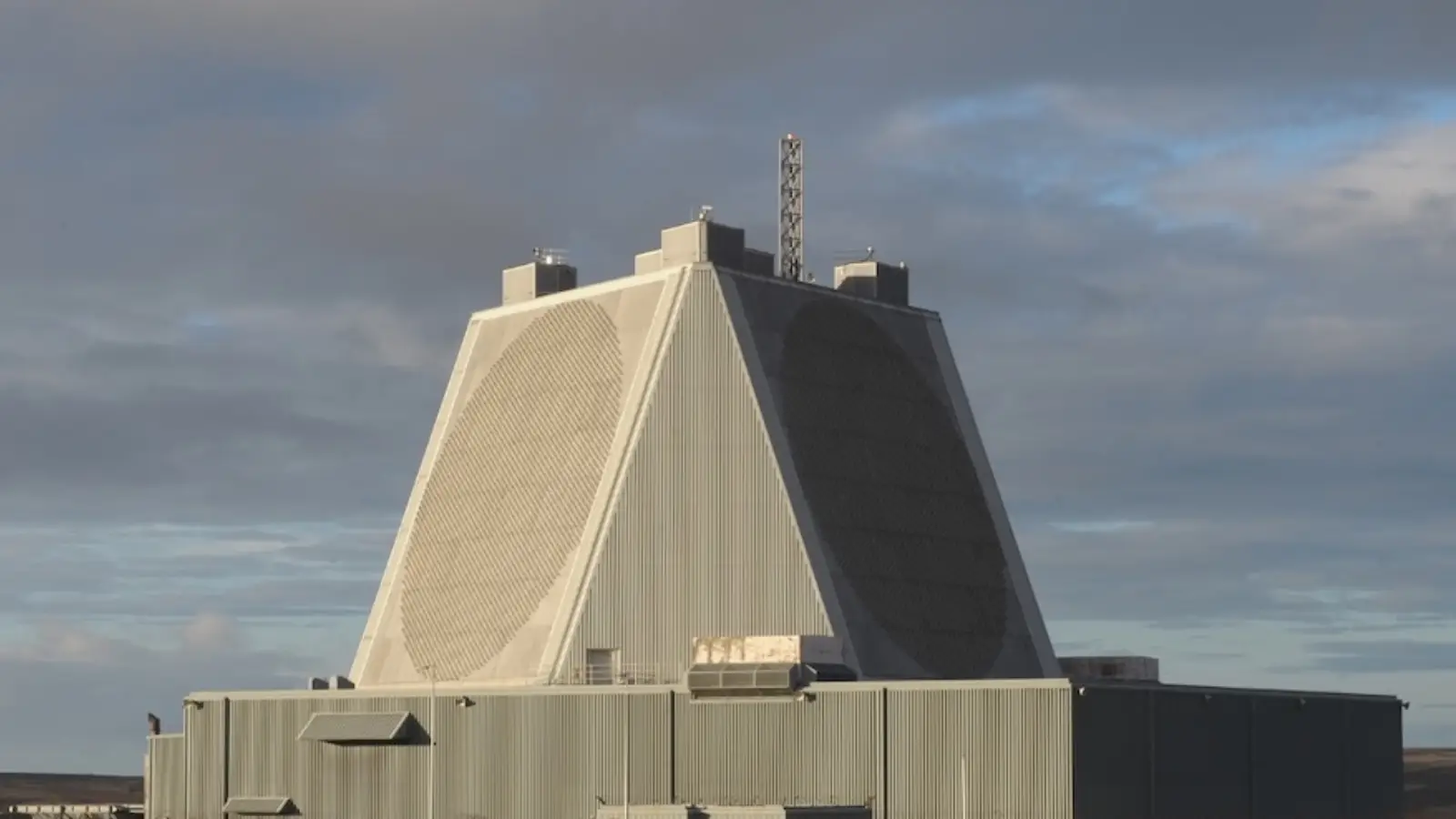
The contract covers the Solid State Phased Array Radar, or SSPAR, at RAF Fylingdales in North Yorkshire. The installation forms part of the UK and U.S. Upgraded Early Warning Radar network and operates as part of the broader U.S. strategic missile warning architecture.
What The Fylingdales Radar Does
RAF Fylingdales has two closely connected missions. Its primary role is to detect and track ballistic missile threats, while its secondary role is to monitor and characterize objects in space. The U.S. Space Force identifies Fylingdales as an operating location for its missile warning organization and maintains a liaison officer at the site.
The radar is therefore more than a conventional air defense sensor. Its data contributes to strategic warning and missile defense functions that depend on persistent detection and accurate tracking of objects over very large distances.
U.S. Space Force doctrine identifies Upgraded Early Warning Radar sensors as important sources of missile tracking data for the Ballistic Missile Defense System and for engagements involving Ground Based Interceptors.
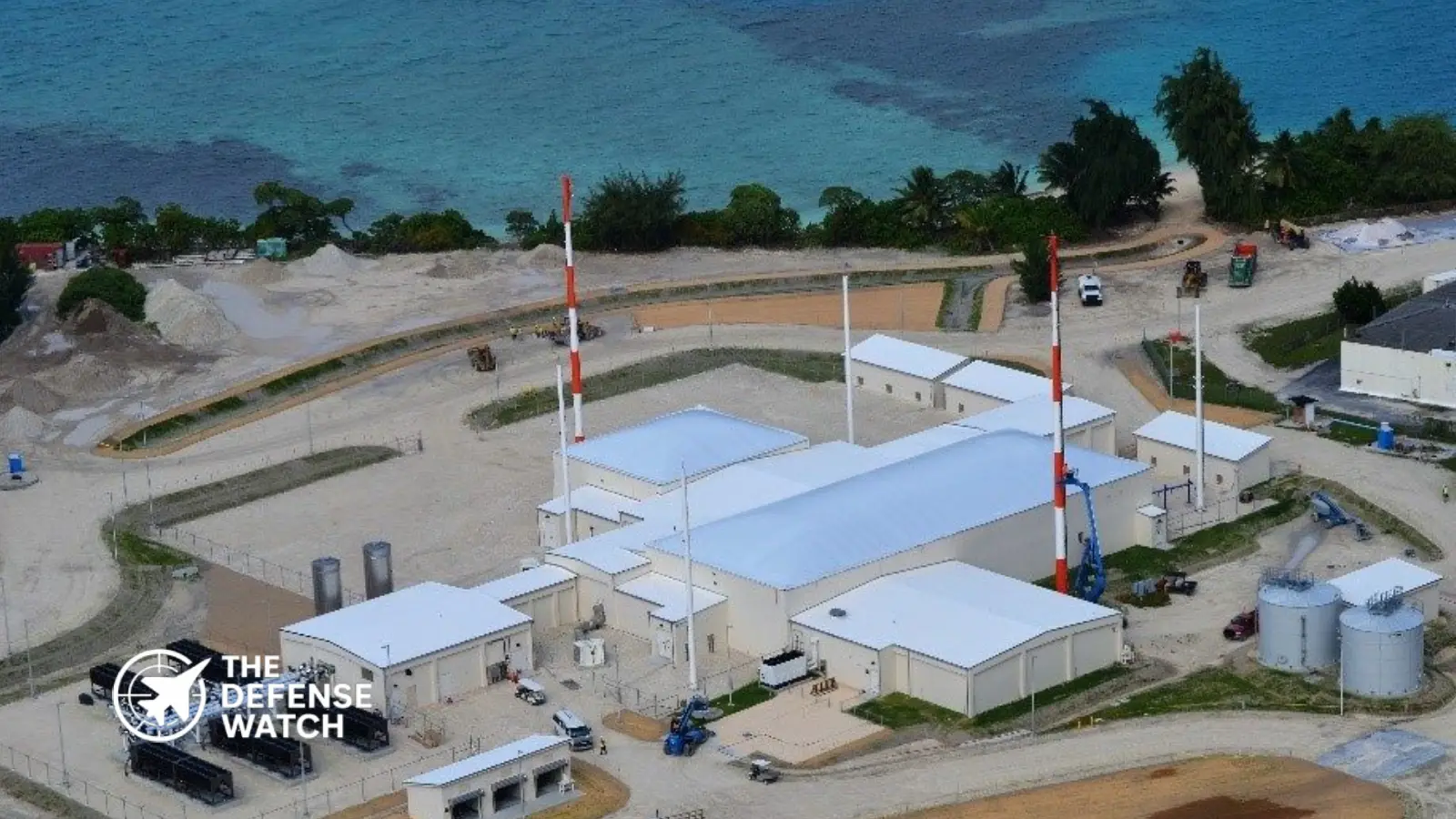
The physical radar is a large solid state phased array system. Earlier U.S. Air Force documentation described the Fylingdales installation as a three sided array providing 360 degree coverage, distinguishing it from two sided configurations at some other early warning locations.
Space Surveillance Has Become A Major Part Of The Mission
The scale of the site’s space surveillance workload illustrates why maintaining the radar matters beyond ballistic missile warning.
Serco said the Fylingdales SSPAR completed more than 5.9 million satellite tracks during 2025. Its personnel provided real time analysis involving satellite breakups, atmospheric re-entries, launches and orbital maneuvers.
That function contributes to the wider task of maintaining awareness of activity in low Earth orbit. As the number of satellites and other objects in orbit continues to grow, ground based radars provide an important source of independent tracking data.
The U.S. Space Force defines space domain awareness as the detection, characterization, attribution and prediction of activity in the space domain. Orbital surveillance is an important part of that mission because military planners need to understand what objects are present, where they are moving and how their behavior changes over time.
New Software Will Process More Orbital Data
One of the main technical changes under the new contract is the introduction of Serco’s Enhanced Spacetrack Processor.
The system was developed by Serco with the Royal Air Force and UK Space Command. It will process large quantities of tracking information to determine the position, orbit and size of objects in low Earth orbit.
The software replaces the United Kingdom Spacetrack Processor, another Serco developed system that has been used at Fylingdales for more than three decades.
The significance is less about replacing the radar itself and more about improving the processing layer around the sensor. Modern space surveillance depends on converting repeated radar observations into reliable tracks and orbital assessments, making processing, correlation and analysis central to the usefulness of the underlying sensor.
For the United States and United Kingdom, this creates an important overlap between traditional missile warning and modern space domain awareness. The same strategic radar infrastructure can support both missions when its data processing and communications architecture are properly maintained.
Why The Contract Matters To U.S. Missile Defense
For Washington, RAF Fylingdales provides a geographically important sensor outside the continental United States.
The U.S. Space Force maintains Upgraded Early Warning Radars at several strategic locations, including Clear Space Force Station in Alaska and Thule in Greenland, while Fylingdales provides the European component of the network. U.S. Space Force documentation states that the organization maintains a liaison officer at Fylingdales to connect the site with U.S. missile warning operations.
The geographic distribution of these radars is important because missile warning is fundamentally a sensor coverage problem. Multiple sites allow the United States and its allies to observe different portions of the strategic environment and provide tracking information to downstream warning and defense systems.
Fylingdales also gives the U.S. and UK a shared strategic warning capability on European territory. The arrangement reflects the longstanding integration of British and American missile warning activities at the site.
Continuous Availability Is The Real Challenge
The contract’s most important operational requirement is not a new radar capability. It is keeping an existing strategic sensor available.
The UK government’s procurement documentation describes the Fylingdales system as a 24 hour strategic missile warning capability and emphasizes the need to minimize radar unavailability during maintenance. The documentation also notes that the mission equipment and software are supported by the United States, while routine first and second line maintenance is carried out by the UK contracted support organization.
That division of responsibility makes sustainment a complex engineering task. The contractor has to maintain aging infrastructure, support communications and information systems, conduct radar maintenance and work with other organizations responsible for the mission equipment.
UK procurement documentation has also highlighted the age of some Fylingdales ancillary systems, noting that portions of the infrastructure are more than 35 years old and that some components have become obsolete or difficult to replace. A continuing technology refresh program is therefore part of the site’s long term sustainment challenge.
For a strategic warning radar, these issues are particularly important. A maintenance problem that reduces availability does not simply affect routine surveillance. It can reduce the resilience of a wider warning architecture that depends on multiple geographically separated sensors.
Serco’s Role Extends Beyond Maintenance
Under the new agreement, Serco will provide hardware and systems maintenance, analytical services and training while continuing uninterrupted operational support. The company has supported RAF Fylingdales for decades, according to both Serco and UK government historical records.
The contract also includes training programs, including Level 3 apprenticeships for school and college graduates and higher level programs for existing employees. Serco is working with Teesside University and Redcar & Cleveland College on training tailored to the site.
That workforce element is relevant because operating a strategic phased array radar requires specialized expertise spanning radar engineering, real time software, communications, cybersecurity and orbital mechanics. UK procurement documents identify these disciplines among the technical skills required to support Fylingdales.
A Strategic Sensor With Two Missions
The renewed Serco contract illustrates how Cold War era warning infrastructure has evolved rather than simply disappeared.
RAF Fylingdales was originally developed around strategic missile warning, but the same radar now contributes to a broader information architecture covering missile warning, missile defense and space surveillance. The UK government has described the station as a joint UK and U.S. enterprise since it became operational in 1963.
For the United States, the importance of the site lies in its integration into a larger network rather than in the radar acting independently. Its observations can contribute to the detection and tracking chain used by strategic warning and missile defense organizations.
For the United Kingdom, the facility provides a sovereign national capability while also supporting a major allied warning architecture. The result is a shared sensor that sits at the intersection of national defense, alliance cooperation and space security.
The five year agreement therefore represents more than routine facilities support. It provides continuity for a strategic radar whose mission now spans two increasingly connected domains: detecting missile threats and maintaining awareness of activity in low Earth orbit.
Key Contract And Mission Details
| Item | Details |
|---|---|
| Contractor | Serco |
| Customer | UK Ministry of Defence |
| Awarding organization | National Armaments Director Group |
| Contract duration | Five years |
| Start date | April 2027 |
| Extension option | Two additional years |
| Radar | Solid State Phased Array Radar |
| Location | RAF Fylingdales, North Yorkshire |
| Strategic role | UK and U.S. missile warning and missile defense |
| Space role | Low Earth orbit surveillance |
| 2025 tracking activity | More than 5.9 million satellite tracks |
| New software | Enhanced Spacetrack Processor |
| Existing processor | United Kingdom Spacetrack Processor |
What Comes Next
The immediate priority will be maintaining continuous radar availability while introducing the Enhanced Spacetrack Processor and sustaining the site’s aging support infrastructure.
The longer term challenge will be ensuring that Fylingdales remains compatible with the wider U.S. and UK warning architecture as missile threats, orbital activity and data requirements evolve.
For U.S. missile defense, the value of the site remains tied to the broader network. A reliable radar at Fylingdales gives American and British operators another persistent source of warning and tracking data, while its space surveillance role gives the same infrastructure continued relevance as activity in low Earth orbit becomes an increasingly important defense concern.