Executive Summary:
The U.S. Army has selected RTX to provide key mission systems for the new MV-75 Cheyenne Future Long Range Assault Aircraft, strengthening the platform’s ability to conduct long range air assault missions in contested environments. The integration supports the Army’s broader aviation modernization strategy by improving navigation, communications, survivability, and mission effectiveness for future operations.
U.S. Army MV-75 Cheyenne Gains RTX Mission Systems For Longer Range Assault Missions
The MV-75 Cheyenne program has reached another important milestone as the U.S. Army moves forward with integrating advanced mission systems supplied by RTX for its next generation Future Long Range Assault Aircraft (FLRAA). The latest development reflects the Army’s continued investment in replacing the UH-60 Black Hawk with a faster, longer range platform capable of operating across increasingly contested battlefields.
- U.S. Army MV-75 Cheyenne Gains RTX Mission Systems For Longer Range Assault Missions
- RTX Will Supply Core Mission Systems
- The MV-75 Cheyenne Is Central To Army Aviation Modernization
- Why Advanced Mission Systems Matter
- Supporting Multi Domain Operations
- Technical Overview
- Strategic Importance For The U.S. Army
- Industry Collaboration Continues
- Outlook
According to information released by Army Recognition, RTX will provide a comprehensive suite of avionics and mission equipment designed to enhance navigation, communications, sensing, and aircraft survivability for the MV-75 Cheyenne. The capability upgrade aligns with the Army’s modernization priorities for multi domain operations.
RTX Will Supply Core Mission Systems
Rather than focusing solely on airframe performance, the Army is emphasizing integrated mission systems that allow aircraft crews to operate effectively in electronic warfare environments while maintaining connectivity with joint forces.
RTX is expected to deliver several critical technologies, including:
| Capability | Operational Benefit |
|---|---|
| Integrated avionics | Improved pilot workload management |
| Secure communications | Reliable connectivity across joint forces |
| Advanced navigation | Precision operations in GPS challenged environments |
| Survivability systems | Increased protection against modern threats |
| Mission computing | Faster sensor processing and battlefield awareness |
These systems are intended to provide pilots with greater situational awareness while enabling the aircraft to remain operational during complex expeditionary missions.
The MV-75 Cheyenne Is Central To Army Aviation Modernization
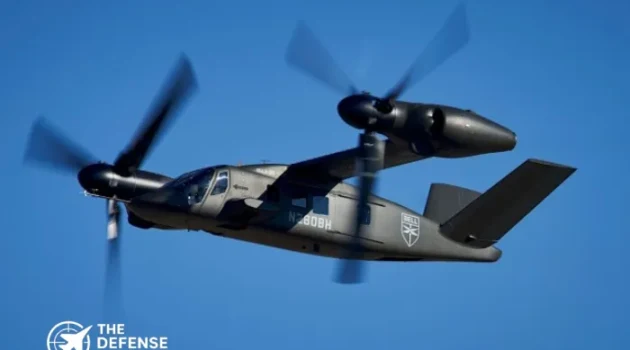
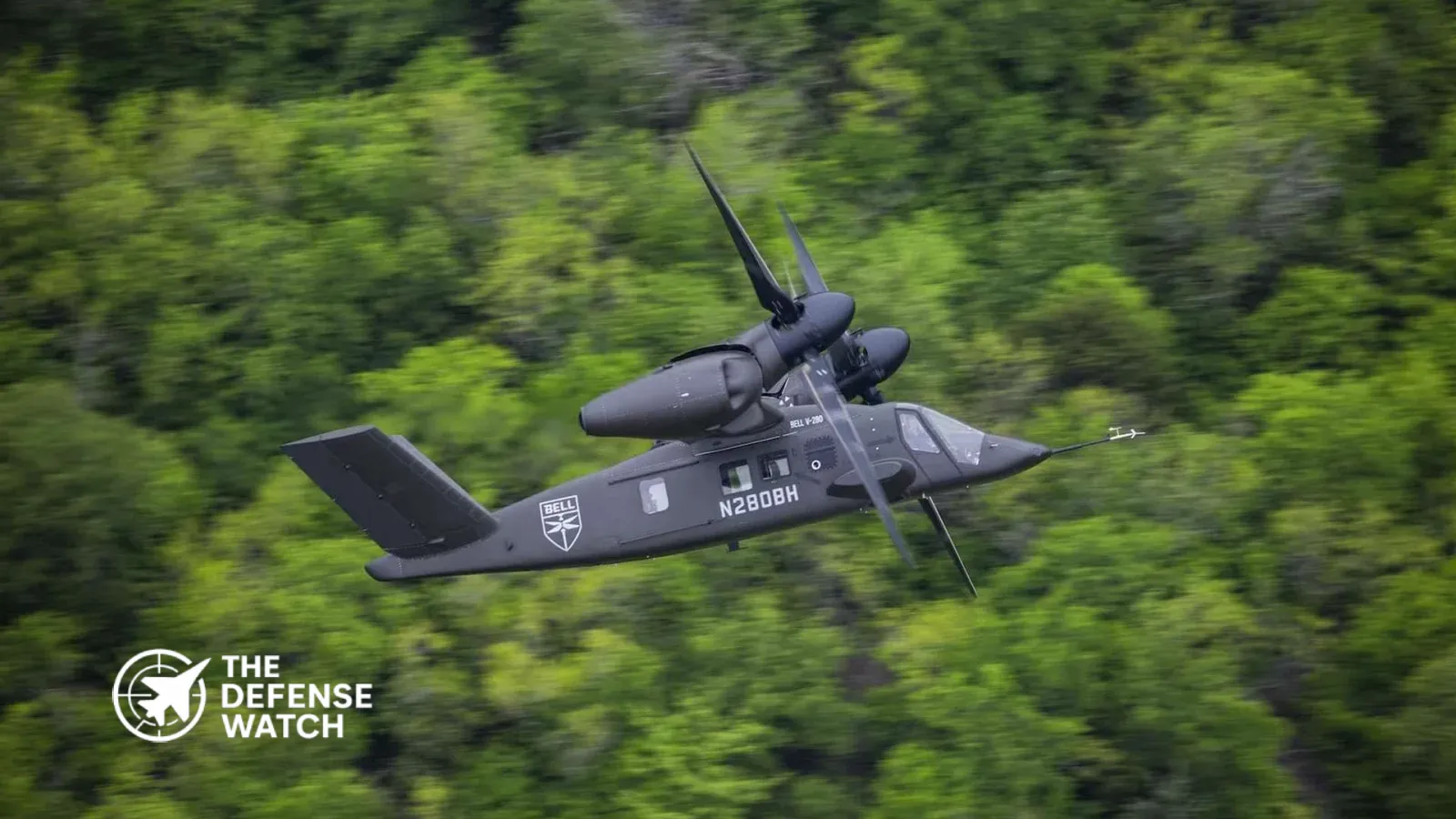
The MV-75 Cheyenne is Bell’s tiltrotor aircraft selected under the Future Long Range Assault Aircraft program, one of the U.S. Army’s highest priority aviation modernization efforts.
The aircraft is designed to replace thousands of UH-60 Black Hawk helicopters over the coming decades.
Compared with legacy helicopters, the MV-75 offers major improvements in:
- Higher cruise speed
- Greater combat radius
- Longer operational range
- Increased payload flexibility
- Improved survivability in contested environments
Its tiltrotor design enables helicopter style vertical takeoff and landing while achieving airplane like cruise performance during long distance missions.
This combination allows commanders to move troops farther, faster, and with fewer forward refueling requirements.
Why Advanced Mission Systems Matter
Modern conflicts increasingly feature sophisticated integrated air defense systems, electronic warfare capabilities, and long range precision weapons.
Aircraft performance alone is no longer sufficient.
Mission systems now determine whether crews can:
- Navigate through GPS denial
- Maintain secure communications
- Detect emerging threats
- Share targeting information
- Coordinate with unmanned systems
- Operate across multiple military services
RTX’s technologies are intended to address these operational challenges by integrating sensors, mission computers, communications, and defensive systems into a unified architecture.
Supporting Multi Domain Operations
The U.S. Army’s modernization strategy centers on Multi Domain Operations (MDO), where land, air, cyber, space, and maritime forces operate as an integrated network.
Within this framework, the MV-75 Cheyenne is expected to perform missions including:
- Long range air assault
- Rapid troop insertion
- Medical evacuation
- Logistics support
- Special operations
- Command and control
- Expeditionary resupply
Advanced mission systems enable these operations by connecting aircraft to wider battlefield networks while improving decision making during high tempo missions.
Technical Overview
Specification MV-75 Cheyenne Manufacturer Bell Textron Program Future Long Range Assault Aircraft (FLRAA) Primary Mission Long range assault transport Configuration Tiltrotor Replacement Aircraft UH-60 Black Hawk Mission Systems Provider RTX Expected Role Army aviation modernization Strategic Importance For The U.S. Army
The MV-75 represents more than a replacement for the Black Hawk.
It reflects a broader shift toward increasing operational reach across the Indo Pacific and other theaters where forces may need to cover much greater distances than in previous conflicts.
The Army has repeatedly identified long range maneuver as a critical requirement for future warfare. Large operational areas reduce reliance on vulnerable forward bases while giving commanders additional options during distributed operations.
The integration of RTX mission systems directly supports this concept by improving mission resilience even when adversaries attempt to disrupt communications or navigation.
As electronic warfare becomes a defining feature of modern combat, resilient avionics and secure communications may prove just as important as aircraft speed or payload capacity.
Industry Collaboration Continues
The FLRAA program also illustrates the growing collaboration between major U.S. defense companies.
Bell provides the aircraft platform while RTX contributes mission systems that leverage decades of experience in avionics, sensors, communications, and airborne survivability technologies.
This approach allows specialized companies to focus on their respective strengths while delivering an integrated capability for the U.S. Army.
As engineering and testing continue, additional subsystem integration and flight evaluations will help validate operational performance before full fielding.
Outlook
The addition of RTX mission systems marks another significant step toward operational deployment of the MV-75 Cheyenne. While the aircraft’s speed and range have attracted considerable attention, its effectiveness in future conflicts will depend equally on its ability to operate within highly contested electromagnetic environments.
For the U.S. Army, combining Bell’s next generation tiltrotor platform with RTX’s advanced mission technologies supports a broader transformation of Army aviation, one aimed at extending operational reach, improving survivability, and enabling faster decision making across increasingly complex battlefields.