U.S. Evaluates Dark Eagle Hypersonic Missile Deployment Against Iranian Targets
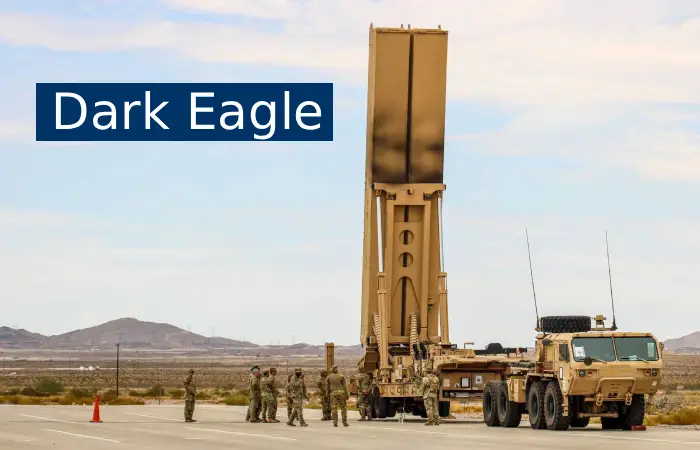
The Dark Eagle hypersonic missile is under consideration by the United States as a potential tool to strike Iranian ballistic missile launchers, signaling a shift in how Washington may address rapidly evolving threats in the Middle East.
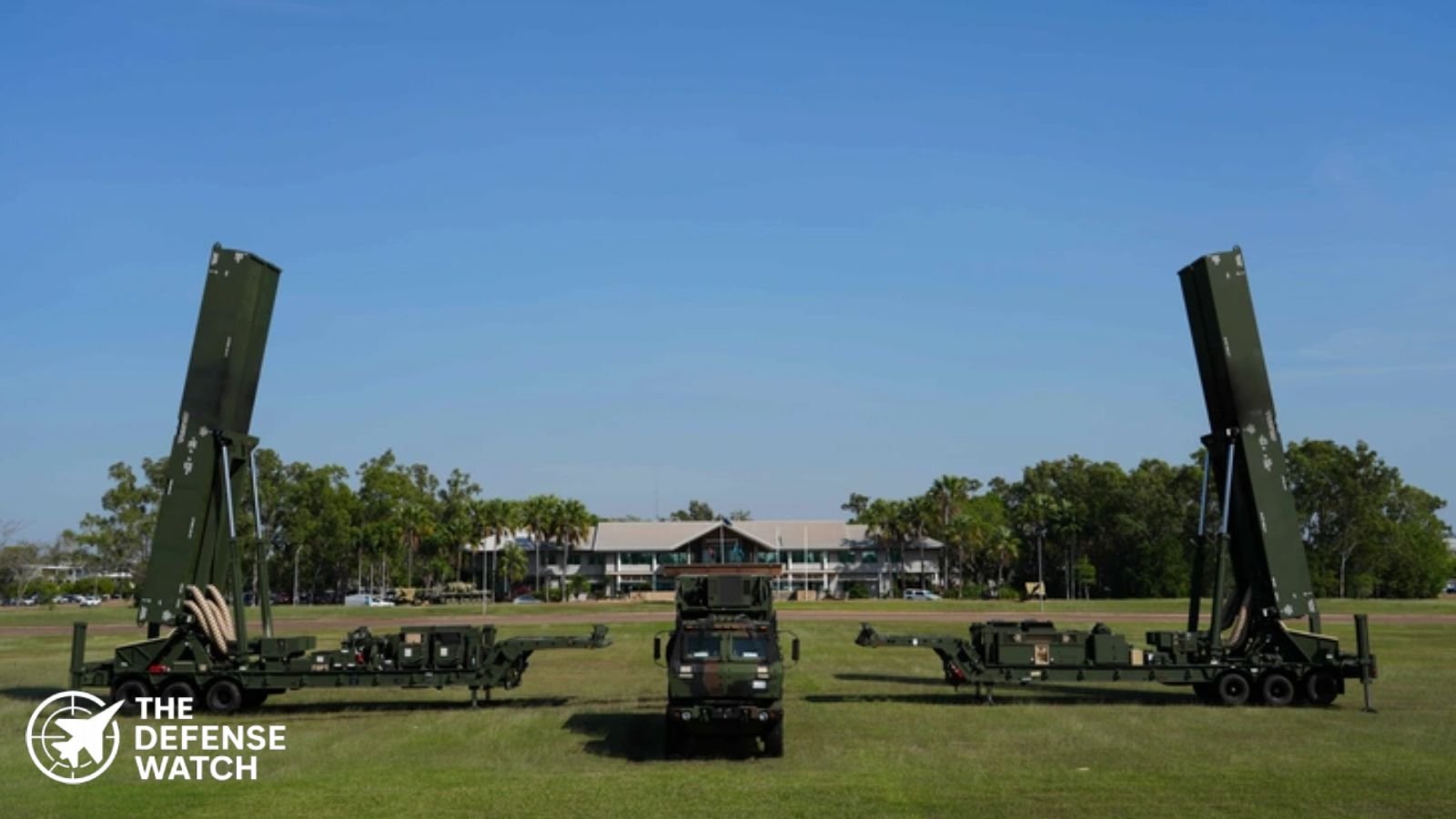
According to reporting by defense sources, U.S. planners are assessing whether the Dark Eagle system, officially known as the Long Range Hypersonic Weapon (LRHW), could provide a fast, survivable strike option against mobile and hardened missile assets operated by Iran.
- Iran and Russia reportedly signed a secret €500 million missile deal in December 2025, according to the Financial Times.
- The pact covers delivery of 500 Verba man portable air defense launch units and 2,500 9M336 missiles through 2027 to 2029.
- The Verba systems are infrared guided MANPADS designed to target low altitude threats including drones and cruise missiles.
- The deal follows damage to Iran’s air defense network during the 2025 conflict with Israel.
- The agreement reflects deepening military cooperation between Tehran and Moscow.
This comes as concerns grow over Iran’s expanding ballistic missile inventory and its ability to disperse launch systems across difficult terrain, complicating traditional targeting methods.
Why Dark Eagle Changes The Strike Equation
The Dark Eagle hypersonic missile offers a combination of speed, maneuverability, and precision that conventional strike systems struggle to match. Traveling at speeds above Mach 5, the system can penetrate advanced air defenses and reduce enemy reaction time.
Unlike ballistic missiles, hypersonic glide vehicles follow unpredictable flight paths, making interception far more difficult. For U.S. forces, this translates into a credible option to neutralize high-value targets such as transporter erector launchers before they can fire.
The operational value is clear. Iranian missile units often rely on mobility and concealment. A weapon like Dark Eagle compresses the decision window, allowing strikes within minutes rather than hours.
This capability is especially relevant in a scenario where early neutralization of missile threats could prevent escalation or limit damage to regional bases and allied infrastructure.
Strategic Context: Rising Tensions And Expanding Threats
The consideration of deploying the Dark Eagle hypersonic missile reflects broader geopolitical pressure. Iran continues to invest heavily in missile development, including solid-fuel systems that are quicker to launch and harder to detect.
Recent intelligence assessments have highlighted improvements in Iran’s dispersal tactics and hardened infrastructure. Combined with reported defense cooperation with Russia, this trend has raised concerns in Washington about the survivability of existing deterrence tools.

From a strategic standpoint, introducing hypersonic weapons into the region would send a clear signal. It demonstrates the ability to hold time-sensitive targets at risk, even in heavily defended environments.
However, such a move also carries escalation risks. Hypersonic systems are often viewed as strategic assets, and their deployment could be interpreted as a shift toward more aggressive posturing.
Operational Challenges And Deployment Considerations
While the Dark Eagle hypersonic missile offers clear advantages, its deployment is not without challenges.
First, the system is still progressing toward full operational capability within the U.S. Army. Fielding timelines, logistics, and integration with existing command structures remain critical factors.
Second, basing options in the Middle East would need careful evaluation. Forward deployment increases responsiveness but also exposes high-value assets to potential counterstrikes.
Third, targeting mobile launchers requires robust intelligence, surveillance, and reconnaissance support. Hypersonic speed alone does not guarantee success without accurate and timely target data.
These factors suggest that any deployment decision would likely be part of a broader integrated strategy rather than a standalone solution.
Analysis: A Shift Toward Rapid Precision Strike
The potential use of the Dark Eagle hypersonic missile highlights a larger shift in U.S. military thinking. The focus is moving toward rapid, precision strikes against fleeting targets in contested environments.
Traditional airpower and cruise missiles remain important, but they may face limitations against advanced air defenses and mobile threats. Hypersonic systems fill this gap by combining speed with survivability.
In the Middle East context, this capability could reshape deterrence dynamics. It introduces uncertainty for adversaries relying on mobility and concealment, potentially reducing their confidence in surviving a first strike.
At the same time, it raises questions about escalation control. Faster weapons compress decision timelines not only for the attacker but also for the defender.