Executive Summary:
Northrop Grumman has begun expanding its Roy Innovation Center in Utah with a new facility dedicated to supporting the U.S. Air Force’s Sentinel intercontinental ballistic missile program. The investment increases engineering and production capacity as the United States continues modernizing the land based leg of its nuclear triad for long term strategic deterrence.
Northrop Grumman Expands Sentinel ICBM Infrastructure In Utah
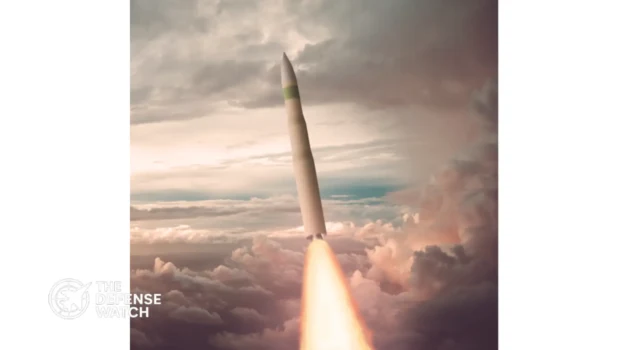
Northrop Grumman’s Sentinel ICBM program reached another milestone after the company broke ground on a major expansion of its Roy Innovation Center in Utah. The announcement marks another step in the U.S. Air Force’s effort to replace the aging LGM 30G Minuteman III with the next generation LGM 35A Sentinel strategic missile system.
According to Northrop Grumman, the new Legacy Building will become the sixth structure on the Roy campus, bringing the site to more than 1.1 million square feet of office and engineering space. Construction is scheduled to begin this summer and conclude in 2028.
The Roy Innovation Center sits near Hill Air Force Base, positioning engineers and program teams close to one of the Air Force’s principal centers for ICBM sustainment and modernization.
New Facility Supports Long Term Sentinel Development
Northrop Grumman said the expansion is designed to support Sentinel and other advanced defense programs while creating hundreds of additional high skilled jobs.
The company currently employs more than 11,000 people in Utah, making it the state’s largest defense contractor. Across the United States, nearly 5,000 employees are working directly on Sentinel development as the Air Force targets initial operational capability in the early 2030s.
Utah Governor Spencer Cox described Northrop Grumman as a cornerstone of the state’s aerospace industry, highlighting its contribution to advanced manufacturing and national security.
Northrop Grumman Defense Systems President Ben Davies said Utah’s engineering workforce, proximity to Hill Air Force Base, and long standing defense ecosystem made the expansion a logical investment for future strategic missions.
Sentinel Replaces The Aging Minuteman III Fleet
The Sentinel weapon system represents the most comprehensive modernization of the land based component of America’s nuclear triad in more than five decades.
The program replaces the Minuteman III, which first entered service during the early 1970s and has undergone multiple life extension efforts to remain operational. According to Northrop Grumman, many core missile components, including propulsion, guidance, communications, and launch infrastructure, have reached the limits of economical modernization.
Unlike a simple missile replacement, Sentinel includes:
Program Element Description New ICBM LGM 35A Sentinel strategic missile Launch Infrastructure Modernized silos and launch facilities Command & Control Updated communications and battle management systems Security Systems Enhanced cyber resilience and physical security Support Infrastructure New engineering, maintenance, and logistics facilities The Air Force describes Sentinel as an integrated weapon system rather than simply a new missile, requiring modernization across hundreds of launch facilities and supporting infrastructure spread across multiple states.
Infrastructure Expansion Reflects Industrial Base Investment
The Utah construction project also highlights a broader trend within the U.S. defense industrial base.
Northrop Grumman stated it has invested approximately $13.5 billion in infrastructure and research and development during the past five years. That investment includes roughly $2 billion dedicated to expanding solid rocket motor manufacturing capacity, a critical capability supporting Sentinel as well as national security space launch programs.
Increasing production capacity has become a priority across the U.S. defense sector as multiple modernization programs compete for highly specialized manufacturing resources, engineering talent, and advanced propulsion systems.
Why The Expansion Matters
Although the new Utah facility does not directly increase missile inventory, it strengthens one of the most important elements behind long term strategic deterrence: industrial capacity.
Modern nuclear modernization programs extend far beyond missile assembly. They require secure software development, digital engineering, systems integration, cybersecurity, advanced manufacturing, testing, and long term sustainment planning. Expanding engineering facilities today helps reduce future production bottlenecks as Sentinel moves toward full scale deployment.
The Roy Innovation Center has become one of the principal engineering hubs supporting this effort. Its continued growth reflects the increasing complexity of strategic weapons programs, where digital design environments, model based systems engineering, and integrated manufacturing play as important a role as missile production itself.
The expansion also demonstrates how large defense modernization programs generate long term investment beyond military installations. New facilities support regional supply chains, specialized manufacturing, workforce development, and research partnerships that can benefit multiple national security programs over several decades.
Program Continues Despite Cost And Schedule Challenges
Sentinel remains one of the Pentagon’s largest modernization efforts. The program has experienced significant cost growth and schedule adjustments as the Air Force restructured portions of the effort after determining that much of the legacy Minuteman infrastructure required more extensive replacement than originally planned.
Despite those challenges, the Department of Defense continues to identify Sentinel as a central component of maintaining a safe, secure, and credible U.S. nuclear deterrent alongside strategic bombers and ballistic missile submarines.