
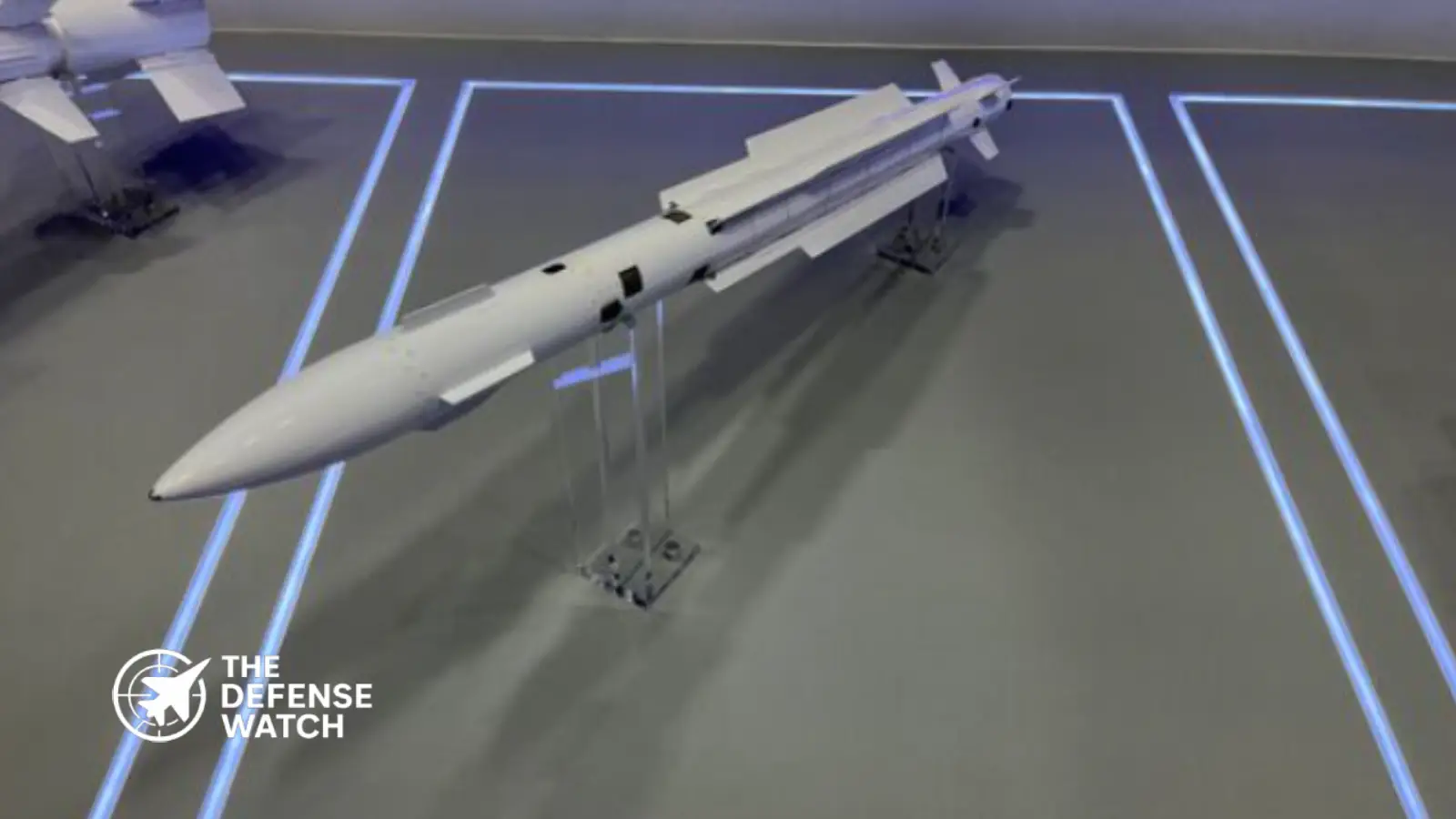
Malaysia K-SAAM Missiles To Strengthen New Corvette Fleet
Malaysia K-SAAM missiles are set to become a key part of the Royal Malaysian Navy’s future fleet after Kuala Lumpur moved to acquire South Korean short-range naval air defense missiles for its Littoral Mission Ship (LMS) Batch 2 program.
According to Malaysian media reports released during Defence Services Asia (DSA) 2026, the government signed procurement agreements covering 48 surface-to-air missiles supplied by South Korea’s LIG Nex1, worth RM372.69 million. The missiles are intended for three LMS Batch 2 vessels now under construction.
- Malaysia signed contracts for 48 South Korean K-SAAM surface-to-air missiles for LMS Batch 2 ships.
- The missile package is reportedly valued at RM372.69 million during DSA 2026.
- The missiles will arm three new Royal Malaysian Navy Littoral Mission Ship Batch 2 corvettes.
- LMS Batch 2 vessels are based on Türkiye’s Ada-class corvette design.
- The move supports Malaysia’s response to rising maritime security pressure in the South China Sea.
The purchase marks a notable step in Malaysia’s long-running naval recapitalization effort, aimed at replacing lightly armed patrol ships with more capable multi-role combatants.
What Is K-SAAM And Why It Matters
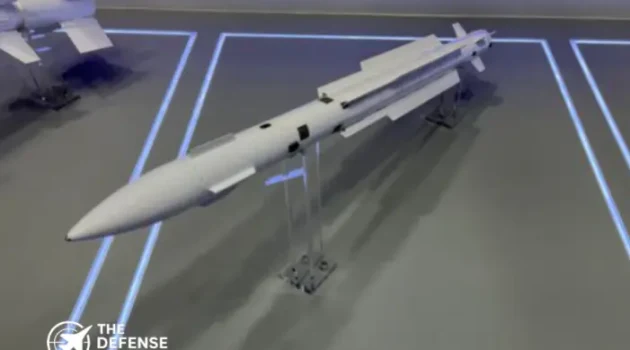
K-SAAM is a vertically launched short-range naval air defense missile developed by South Korea. It is designed to intercept aircraft, helicopters, anti-ship missiles, and some unmanned threats at close to medium ranges.
For Malaysia, integrating K-SAAM into the LMS Batch 2 class adds an area previously lacking in smaller regional patrol ships, credible point air defense.
That matters because many Southeast Asian fleets still operate vessels with limited missile defense capability. By contrast, ships equipped with modern vertical launch systems can remain survivable in contested waters and operate farther from shore.
This gives Malaysia more operational flexibility in areas such as the South China Sea, where naval and coast guard encounters have become more frequent.
LMS Batch 2 Brings A Major Capability Shift
Malaysia selected Türkiye’s STM to build three LMS Batch 2 ships based on the Ada-class corvette design. The first vessel was launched in Istanbul earlier this month, with deliveries expected in 2027.
Open-source defense reporting indicates the ships will carry:
- 16-cell vertical launch system for K-SAAM
- Anti-ship missiles
- 76mm main naval gun
- Modern radar suite
- Helicopter deck and hangar
- Multi-mission combat management system
Compared with Malaysia’s earlier LMS Batch 1 vessels, which were lightly armed, the new class represents a much stronger combat platform.
Strategic Analysis: Why This Procurement Matters Now
The Malaysia K-SAAM missiles deal is more than a routine weapons buy. It reflects three broader trends.
First, Southeast Asian navies are seeking survivable warships rather than simple patrol craft.
Second, Malaysia is diversifying suppliers by sourcing hulls from Türkiye and missiles from South Korea, reducing dependence on any single defense partner.
Third, Kuala Lumpur appears focused on credible deterrence without entering an expensive arms race. Corvette-sized ships armed with modern missiles offer a lower-cost way to improve maritime posture.
For Washington and allied observers, the move also highlights how middle-power states are building indigenous and mixed-source fleets tailored to regional threats.
Outlook
If deliveries remain on schedule, the LMS Batch 2 fleet could become the Royal Malaysian Navy’s most modern surface combatants by the end of 2027. Their combination of anti-ship and air defense weapons would significantly improve Malaysia’s ability to protect sea lanes, patrol disputed waters, and contribute to coalition maritime operations.
The Malaysia K-SAAM missiles package may appear modest in scale, but operationally it could reshape the navy’s frontline readiness.