Executive Summary:
The Royal Navy High North exercises feature HMS Prince of Wales leading a multinational carrier strike group in Arctic conditions. The deployment highlights NATO coordination and the UK’s focus on operating in contested northern waters.
Royal Navy High North Exercises Highlight Arctic Focus
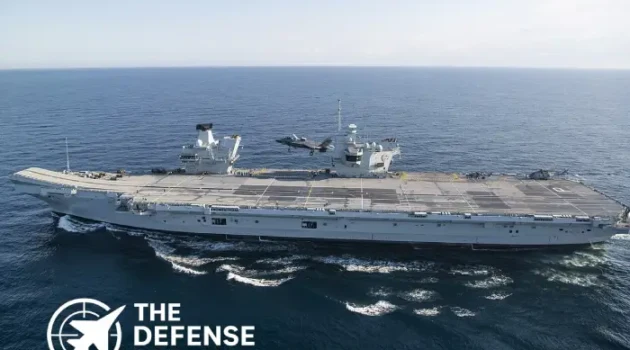
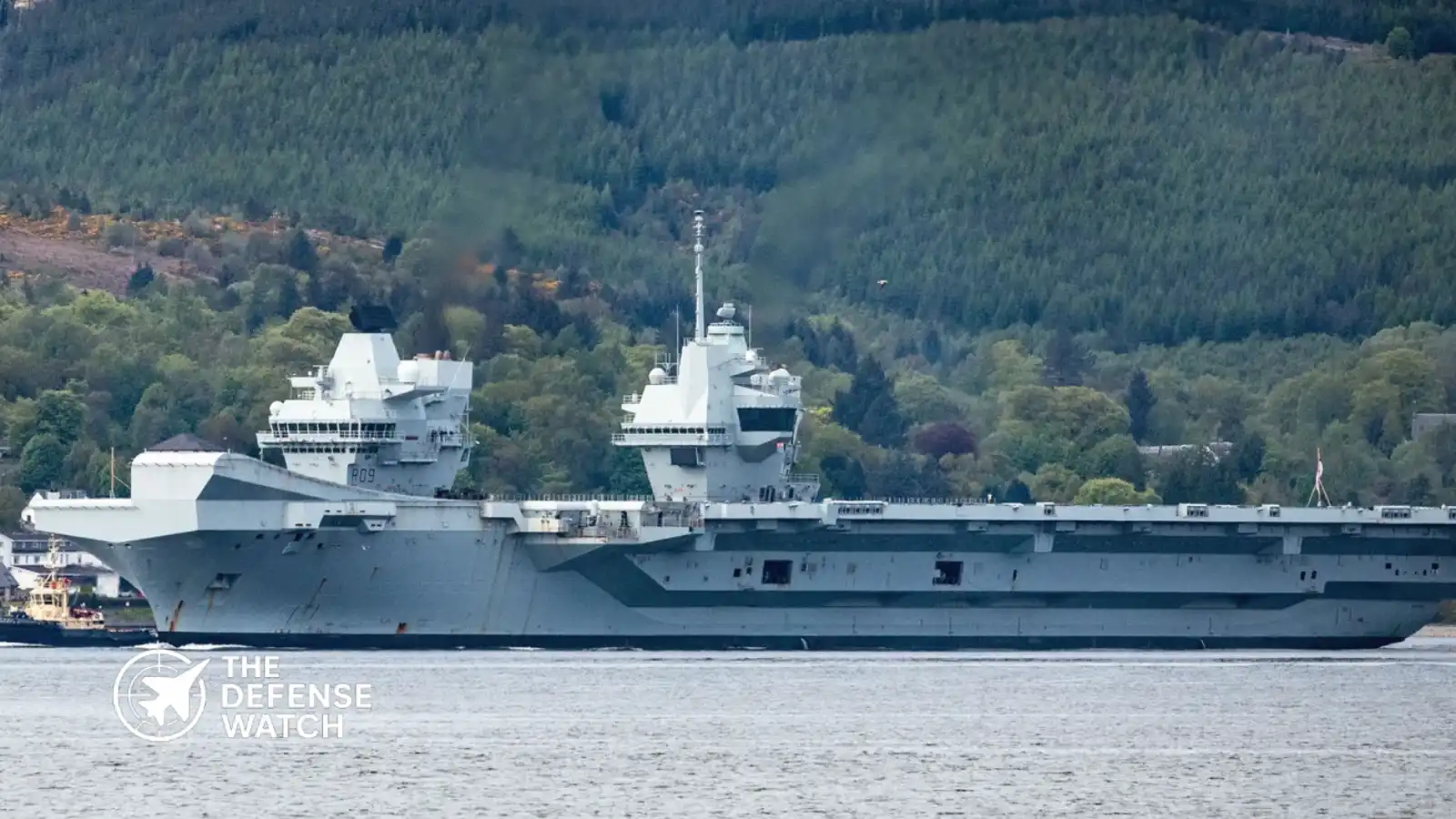
The Royal Navy High North exercises have entered a new phase with HMS Prince of Wales leading a UK-led carrier strike group into northern waters, underscoring a renewed emphasis on Arctic and sub-Arctic operations.
The deployment brings together a mix of British, allied, and partner naval assets operating in challenging cold-weather conditions. According to defense reporting from Navy Lookout, the exercise aims to validate the UK’s ability to sustain carrier strike operations in the High North, a region gaining strategic importance due to increased military activity and climate-driven accessibility.
The presence of Royal Navy assets in the region aligns with broader NATO efforts to strengthen deterrence and interoperability near Russia’s northern maritime approaches.
Carrier Strike Group Operations In Harsh Conditions
At the center of the Royal Navy High North exercises is the UK Carrier Strike Group built around HMS Prince of Wales. The force includes escorts such as destroyers and frigates, support ships, and embarked air wings operating from the carrier deck.
Aircraft operations in cold and unpredictable weather conditions are a key focus. The deployment tests sortie generation rates, deck handling, and maintenance cycles under Arctic stressors, which differ significantly from operations in temperate or tropical environments.
These exercises also evaluate logistics chains, including fuel, munitions, and resupply in remote regions where infrastructure is limited. Sustaining a carrier strike group in such conditions requires coordination across naval, air, and support elements, often involving allied contributions.
NATO Integration And Strategic Messaging
The Royal Navy High North exercises are not conducted in isolation. Allied participation reflects NATO’s ongoing push to reinforce collective defense in northern Europe. Nations including Norway and other regional partners regularly integrate into these operations, providing local expertise and additional capabilities.
From a strategic standpoint, the deployment signals NATO’s ability to operate in proximity to Russian Northern Fleet activity. The High North remains a critical theater due to its proximity to key sea lines of communication and strategic deterrence assets, including submarine-based nuclear forces.
While the exercise is framed as defensive and routine, its timing and scale carry clear signaling value. It demonstrates readiness and reinforces alliance cohesion in a region where competition is intensifying.
Expanding UK Carrier Strike Doctrine
The Royal Navy High North exercises also reflect the evolution of the UK’s carrier strike doctrine. Since the reintroduction of carrier capability with the Queen Elizabeth-class, the UK has focused on global deployments, including the Indo-Pacific.
Operating in the High North adds another layer to this doctrine. Arctic-capable carrier operations require adjustments in training, equipment, and operational planning. Cold weather affects everything from aircraft performance to sensor reliability and crew endurance.
By deploying HMS Prince of Wales in these conditions, the Royal Navy is building a more flexible and resilient carrier force capable of operating across a wider range of environments. This adaptability is increasingly important as geopolitical competition expands into previously less contested regions.
Operational Challenges And Lessons Learned
Conducting Royal Navy High North exercises presents several challenges. Ice conditions, limited daylight during certain periods, and rapidly changing weather patterns complicate navigation and flight operations.
Communication systems and sensors must also function reliably in extreme cold, while crews require specialized training to operate safely. These factors make Arctic exercises a critical testing ground for both equipment and personnel.
The lessons learned from these deployments are likely to inform future procurement and modernization efforts. Enhancements in cold-weather gear, ship systems, and aircraft modifications could emerge as priorities as the UK refines its Arctic posture.
Broader Implications For Maritime Security
The Royal Navy High North exercises highlight a broader shift in maritime security dynamics. As melting ice opens new routes and access points, the Arctic is becoming more accessible to commercial and military activity.
This trend is driving increased interest from major powers, including Russia and NATO members. The UK’s participation in High North operations reflects a recognition that future maritime competition will extend into these.
For the United States and its allies, maintaining a credible presence in the High North is essential for ensuring freedom of navigation and monitoring strategic movements. The integration of UK carrier strike capabilities into this framework adds depth to NATO’s overall posture.