Executive Summary:
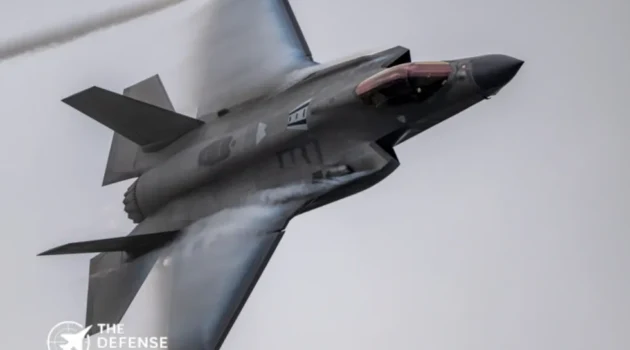
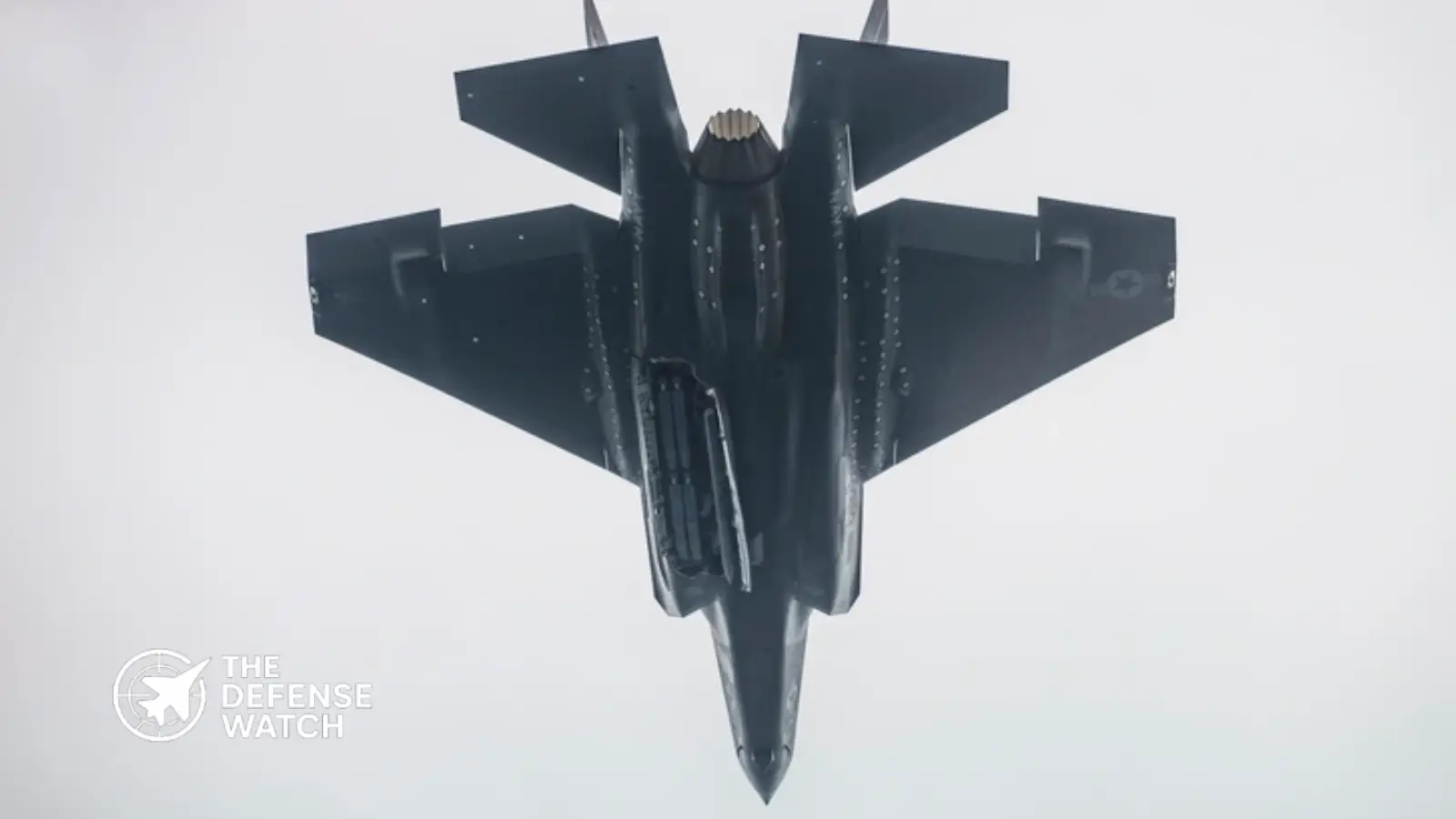
The UK Royal Air Force is conducting analysis to determine the total future fleet size of nuclear-capable F-35A Lightning II aircraft as it prepares to resume an air-launched nuclear role in support of NATO. An initial purchase of 12 F-35As, announced in 2025, will primarily equip an operational conversion unit, separate from the dual-capable mission requirements. This move marks the RAF’s return to NATO’s dual-capable aircraft framework after more than three decades without air-delivered nuclear weapons.
Initial Procurement and Training Focus
The UK Ministry of Defence confirmed the acquisition of 12 F-35A variants alongside 15 additional F-35Bs as part of tranche two procurement plans outlined in the 2025 Strategic Defence Review and subsequent Defence Investment Plan. These conventional take-off and landing (CTOL) aircraft are scheduled to begin arriving in the early 2030s.
Speaking at the Global Air & Space Chiefs’ Conference in London on 15 July 2026, Air Vice-Marshal Jim Beck, RAF Director Capability & Programmes, clarified that the initial dozen F-35As were procured specifically to support the Operational Conversion Unit (OCU) on 207 Squadron, not the nuclear mission. “We did not buy those [F-35As] for dual-capable aircraft [DCA] capability – we bought them for our [operational] conversion unit,” Beck stated.
The F-35A’s greater internal fuel capacity, longer combat radius, and reduced maintenance demands compared to the F-35B make it well-suited for training, enabling longer sorties and higher aircraft availability for pilot instruction.
Path to NATO Dual-Capable Aircraft Integration
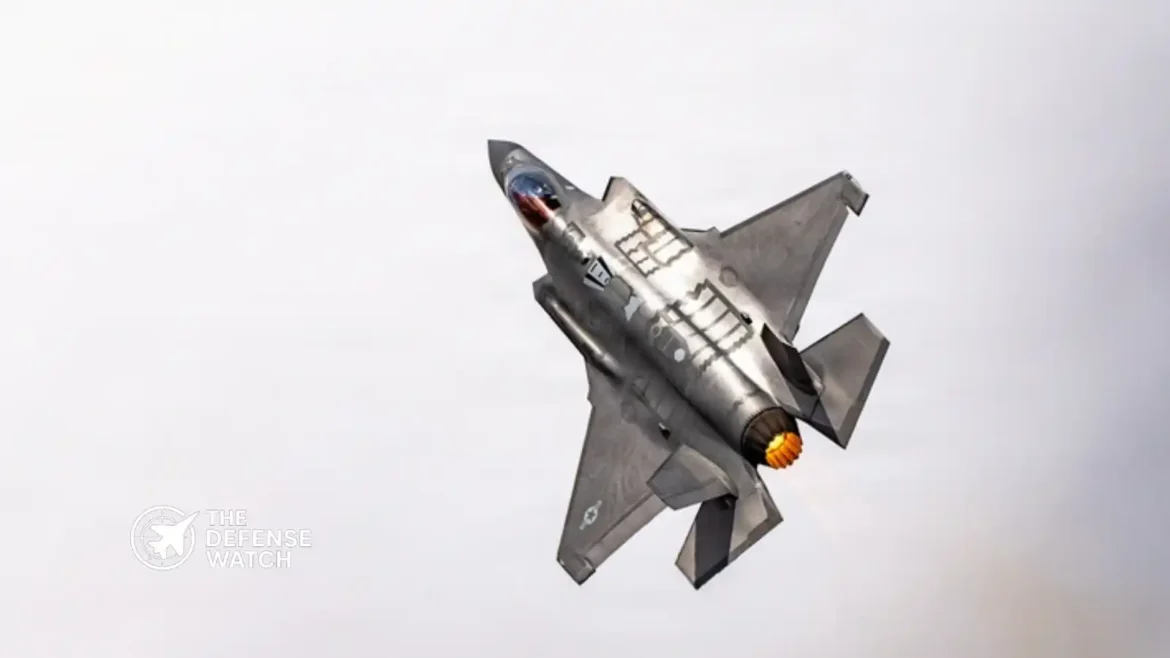
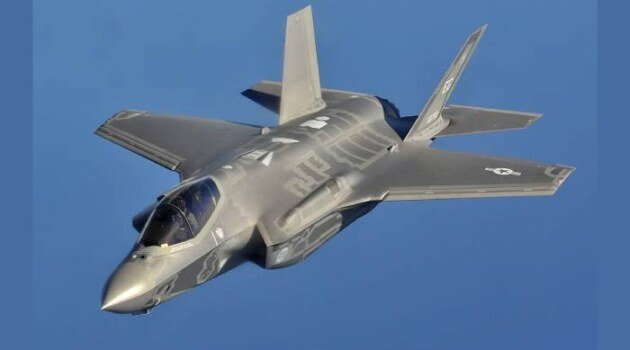
The F-35A is the only variant in the Lightning II family certified to carry the U.S. B61-12 tactical nuclear gravity bomb. UK-operated aircraft would function as dual-capable assets under NATO nuclear burden-sharing arrangements, with warheads remaining under U.S. control until a decision to employ them in a crisis.
This represents a significant policy shift. The RAF last operated air-launched nuclear weapons—the WE177 free-fall bombs on Panavia Tornados—until their retirement in 1998. Reintegration into the DCA mission strengthens NATO’s collective deterrence posture amid heightened threats from Russia and expanding nuclear capabilities in China.
Beck emphasized the analysis underway: “We are doing the analysis to understand the size and posture of the force that we will need to undertake it.” Additional F-35As for the DCA role would require compatible boom-refueling support, currently unavailable in the UK inventory, and standardization with NATO partners.
Technical and Operational Advantages of the F-35A
The F-35A offers notable performance improvements over the STOVL F-35B already in UK service:
Specification F-35A Lightning II F-35B Lightning II Combat Radius (Internal Fuel) >590 n.mi / 1,093 km >450 n.mi / 833 km Range (Internal Fuel) >1,200 n.mi / 2,200 km >900 n.mi / 1,667 km Internal Fuel Capacity 18,250 lb / 8,278 kg 13,100 lb / 5,942 kg Max G-Rating 9.0 7.0 Weapons Payload 18,000 lb / 8,160 kg 15,000 lb / 6,800 kg These attributes provide greater persistence, payload flexibility, and agility for conventional strike and air superiority missions, while enabling nuclear certification. The aircraft will be based at RAF Marham and support a third frontline F-35 squadron.
Strategic Context and Implications for U.S. and NATO Defense
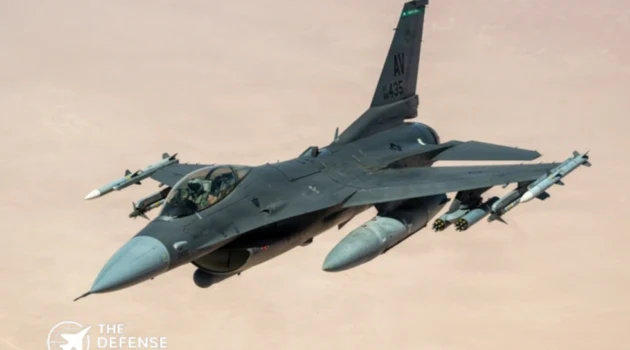
Analysis: This development carries direct relevance for U.S. defense strategy. As the primary provider of nuclear weapons for NATO’s DCA mission, the U.S. benefits from increased allied participation, distributing the burden of nuclear readiness across more platforms and enhancing overall alliance resilience. The UK’s F-35As add redundancy to existing European DCA fleets operated by Belgium, Germany, Italy, and the Netherlands, primarily using F-16s and Tornados (transitioning to newer platforms).
Operationally, integrating F-35A into the nuclear mission introduces complexities. Stealth optimization for nuclear delivery—ensuring external stores or modifications do not compromise low-observable characteristics—remains a noted challenge. Boom aerial refueling infrastructure will require investment or reliance on NATO allies, highlighting interoperability gaps in European air forces.
From a broader geopolitical perspective, the move signals resolve against Russian nuclear saber-rattling and China’s nuclear expansion, projected to reach approximately 1,000 warheads by 2030. It complements the UK’s independent sea-based deterrent while providing flexible, theater-level response options that submarines cannot replicate. For the U.S., this deepens the “special relationship” through shared F-35 logistics and sustainment, potentially influencing future export and upgrade pathways.
The UK’s long-term ambition of up to 138 F-35s total (across variants) suggests potential for fleet growth beyond the initial 12 F-35As, depending on the ongoing analysis. This could influence U.S. production lines and joint sustainment costs across the F-35 enterprise.
Challenges include pilot training pipelines, maintenance infrastructure upgrades for CTOL operations alongside STOVL, and ensuring nuclear certification timelines align with aircraft deliveries in the early 2030s. France’s extensive nuclear exercise regimen, including Operation Poker activities, offers a model for maintaining proficiency that the RAF will likely study.
Broader RAF Combat Air Evolution
The F-35A acquisition fits into a mixed fleet strategy alongside Typhoon, future GCAP (Global Combat Air Programme) sixth-generation fighters, and uncrewed collaborative combat aircraft. This layered approach enhances survivability and mission flexibility in contested environments. The F-35 family already supports UK carrier strike operations, with the A-variant adding land-based depth and range.
(adsbygoogle = window.adsbygoogle || []).push({});Executive Summary:
Finland announced on June 18 that it will procure U.S.-made GBU-53 Small Diameter Bomb II (SDB II) glide bombs for its future fleet of F-35A fighter aircraft. The acquisition expands Finland’s precision strike capabilities, strengthens NATO’s northern flank, and deepens defense cooperation between Helsinki and Washington as the Nordic nation continues to modernize its armed forces following its accession to NATO.
Finland Adds GBU-53 Glide Bombs To F-35 Arsenal
Finland is moving to expand its F-35 strike capability through the purchase of U.S.-made GBU-53 Small Diameter Bomb II glide bombs, according to a statement from the Finnish Ministry of Defence released on June 18. The procurement will provide Finland’s future fleet of Lockheed Martin F-35A fighters with a highly advanced precision-guided air-to-ground weapon designed to engage moving and stationary targets in contested environments.
The decision marks another step in Finland’s ongoing military modernization effort following its entry into NATO in 2023. The Nordic nation previously committed approximately $9.4 billion to acquire 64 F-35A fighters, replacing its aging fleet of F/A-18 Hornets.
According to the ministry, the GBU-53 acquisition will provide an additional air-to-ground capability for Finland’s future F-35 force and complement other weapons already being integrated into the country’s next-generation fighter program.
- (adsbygoogle = window.adsbygoogle || []).push({});
What Is The GBU-53 Small Diameter Bomb II?
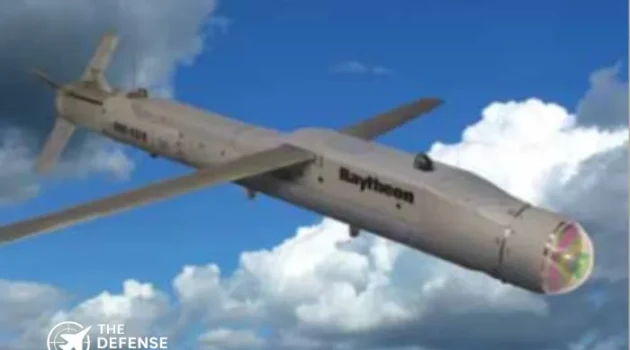
The GBU-53/B StormBreaker, formerly known as Small Diameter Bomb II (SDB II), is one of the most advanced precision-guided glide bombs currently fielded by the United States and its allies.
Unlike earlier precision-guided bombs that rely primarily on GPS guidance, the weapon combines multiple targeting systems, allowing it to engage targets under adverse weather conditions and against moving objectives.
Key Characteristics
Capability GBU-53 SDB II Weapon Type Precision-guided glide bomb Target Types Moving and stationary targets Guidance Multi-mode seeker Platform Compatibility F-35, F-15E, F/A-18E/F and others Operational Role Precision strike, close air support, interdiction Stand-off Capability Allows aircraft to engage targets from significant distance Its compact size allows aircraft to carry larger quantities of weapons internally while preserving the F-35’s low-observable characteristics.
(adsbygoogle = window.adsbygoogle || []).push({});Part Of A Broader Finnish F-35 Weapons Package
The latest procurement follows several other weapons acquisitions linked to Finland’s F-35 program.
In 2024, Helsinki approved procurement of Joint Direct Attack Munition (JDAM) kits and Small Diameter Bomb I weapons for integration with the future F-35 fleet. The package included training systems, support equipment, spare parts, and logistics services extending through 2030.
Finland has also moved to acquire advanced AIM-120D AMRAAM air-to-air missiles for the aircraft. Government officials previously stated that the missile purchases would support the operational deployment of the incoming F-35 force.
Additional reported acquisitions for Finland’s F-35 inventory include AGM-158 JASSM-ER long-range cruise missiles and AGM-88G AARGM-ER anti-radiation missiles, creating a broad portfolio of strike and suppression capabilities.
Why The Purchase Matters
The GBU-53 acquisition carries significance beyond the addition of another guided weapon.
Finland shares a border of more than 1,300 kilometers with Russia, making long-range precision strike capability a critical component of its defense strategy. Since joining NATO, Helsinki has accelerated efforts to strengthen deterrence and improve interoperability with allied forces.
For the F-35, advanced weapons integration is central to the aircraft’s operational value. The platform’s stealth characteristics, sensor fusion, and networking capabilities are designed to work alongside precision-guided munitions capable of striking targets while minimizing exposure to enemy air defenses.
The GBU-53 is particularly relevant in modern combat environments because it allows pilots to engage mobile targets while operating at stand-off ranges. This capability has become increasingly important as advanced surface-to-air missile systems proliferate across Europe and other regions.
Implications For NATO’s Northern Flank
Finland’s procurement reflects a broader trend among NATO members investing heavily in fifth-generation airpower and precision-guided weapons.
The alliance’s northern region has gained strategic importance following Finland’s and Sweden’s accession to NATO. Together, the two nations significantly expand NATO’s operational reach across the Baltic Sea region and the High North.
From an alliance perspective, Finland’s growing F-35 fleet will eventually contribute to a wider network of F-35 operators across Europe that includes Norway, Denmark, the Netherlands, Belgium, Poland, Germany, Italy, and the United Kingdom.
The addition of advanced stand-off weapons such as the GBU-53 enhances the collective ability of NATO air forces to conduct precision strikes, suppress enemy air defenses, and support joint operations in contested environments.
Operational Challenges And Considerations
While the acquisition strengthens Finland’s future capabilities, integrating advanced weapons into a new fighter fleet requires extensive training, logistics support, and sustainment planning.
Finland has already emphasized a comprehensive procurement approach that includes training systems, spare parts inventories, maintenance infrastructure, and long-term support agreements. Previous Finnish F-35 weapons procurements have followed this model, indicating a focus on ensuring operational readiness rather than simply acquiring hardware.
The move also comes as several European nations continue to monitor defense supply chain pressures affecting some U.S. weapons deliveries. Finnish officials have previously acknowledged that certain defense deliveries to Europe have experienced delays due to broader global demand and operational requirements.
Strategic Outlook
Finland’s decision to acquire GBU-53 glide bombs represents another incremental but important enhancement of its future F-35 force.
Rather than focusing solely on aircraft procurement, Helsinki continues to build a comprehensive weapons ecosystem around its next-generation fighters. The combination of stealth aircraft, advanced air-to-air missiles, stand-off cruise missiles, anti-radiation weapons, and precision-guided glide bombs will provide the Finnish Air Force with a significantly broader set of operational options than its current fleet possesses.
As F-35 deliveries begin and weapons integration progresses through the coming years, Finland is positioning itself as one of NATO’s most capable airpower contributors along the alliance’s northeastern frontier.
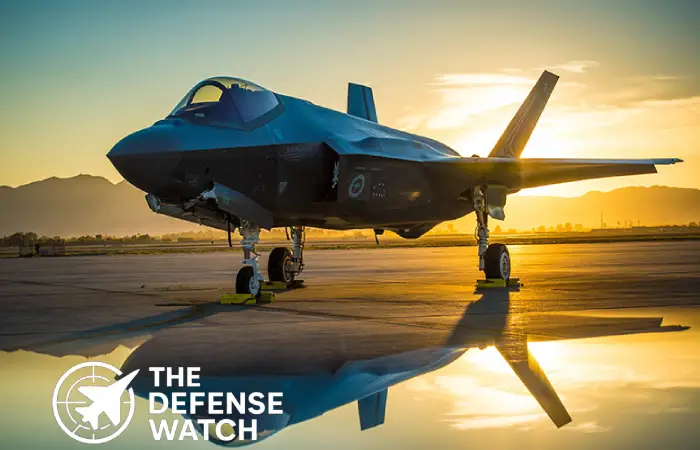
Executive Summary: The U.S. Navy has awarded Lockheed Martin an $879 million contract to produce critical F-35 aircraft armament equipment for U.S. military branches and international operators.
The award supports Lot 18 and Lot 19 production aircraft and covers missile launchers, bomb racks, gun systems, pylons, and adapters required to maintain delivery schedules and combat readiness through 2030.
The U.S. Department of Defense announced that Naval Air Systems Command awarded the firm-fixed-price order to Lockheed Martin Aeronautics under a previously established basic ordering agreement tied to the F-35 Lightning II program.
Valued at approximately $879.1 million, the award funds production and delivery of aircraft armament equipment for F-35 variants operated by the U.S. Air Force, U.S. Navy, U.S. Marine Corps, Foreign Military Sales customers, and non-U.S. program partners.
The contract work will be performed primarily in Fort Worth, Texas, with completion expected by February 2030.
Deep Technical & Strategic Context Analysis
The contract centers on one of the least publicly discussed but operationally essential portions of the F-35 enterprise: the aircraft’s integrated weapons carriage and release architecture. While much attention surrounding the F-35 program focuses on stealth coatings, sensors, and mission systems, the combat effectiveness of the platform ultimately depends on the reliability of its armament equipment suite.
These systems include pneumatic and electro-mechanical bomb racks, internal and external pylons, missile launch rails, gun assemblies, and adapters that allow the aircraft to employ a wide range of precision-guided munitions. The equipment is engineered to preserve low observable characteristics while enabling rapid weapon deployment across multiple mission profiles, including air superiority, suppression of enemy air defenses, maritime strike, and close air support.
The timing of the award is strategically significant. F-35 production rates remain elevated as NATO allies and Indo-Pacific operators continue fleet expansion programs amid heightened global security competition. Several nations, including Poland, Finland, Germany, Switzerland, Singapore, and additional Middle Eastern operators, are either preparing to receive new aircraft or expanding existing procurement plans through the latter half of the decade.
Lot 18 and Lot 19 aircraft are expected to incorporate incremental hardware refinements aligned with the F-35’s Block 4 modernization roadmap. That upgrade effort is intended to expand weapons compatibility, increase onboard processing capacity, and improve operational flexibility for future munitions integration. Reliable production of armament subsystems is therefore critical not only for aircraft deliveries, but also for sustaining the broader modernization trajectory of the global F-35 fleet.
The Pentagon’s use of a firm-fixed-price structure is also notable. Under this contract model, the contractor assumes greater responsibility for controlling production costs and schedule execution. This differs from cost-reimbursement structures often used during early development programs, where governments absorb a larger share of technical and financial risk. In mature production phases such as the F-35’s current stage, fixed-price contracting is intended to stabilize procurement predictability and reduce long-term acquisition volatility.
Contract Breakdown & Details
Scope of Work
The order covers production and delivery of:
- Missile launchers
- Bomb racks
- Gun systems
- Aircraft pylons
- Weapons adapters
- Associated armament integration equipment
These components support F-35 aircraft deliveries across multiple operators and service branches.
Supported Operators
The contract supports:
- U.S. Air Force
- U.S. Navy
- U.S. Marine Corps
- Foreign Military Sales customers
- Non-U.S. F-35 program participants
Contract Structure
- Contract Value: $879,098,832
- Contract Type: Firm-fixed-price order
- Parent Agreement: Basic Ordering Agreement N0001924G0010
- Award Number: N0001926F0233
- Contracting Authority: Naval Air Systems Command
- Performance Location: Fort Worth, Texas
- Completion Date: February 2030
- Competition Status: Not competitively awarded
Funding Breakdown
The Pentagon stated that funding obligated at the time of award includes:
- Fiscal 2026 Air Force aircraft procurement: $83.6 million
- Fiscal 2026 Navy aircraft procurement: $53.1 million
- Fiscal 2025 Navy aircraft procurement: $74.9 million
- Fiscal 2025 Air Force aircraft procurement: $37.3 million
- Fiscal 2024 Navy aircraft procurement: $79.2 million
- Fiscal 2024 Air Force aircraft procurement: $78.2 million
- Foreign Military Sales funding: $333.6 million
- Non-U.S. participant funding: $139.2 million
The Department of Defense added that approximately $157.4 million in obligated funding will expire at the end of the current fiscal year.
F-35 Global Sustainment Pressure Continues to Grow
The award also underscores the increasing logistical burden associated with sustaining the world’s largest fifth-generation fighter fleet. More than 1,100 F-35 aircraft have now been delivered globally, creating growing demand for replacement components, weapons integration hardware, and depot-level sustainment infrastructure.
Armament equipment production has become especially important as operators accelerate live-fire certification programs and integrate newer stand-off weapons. Upcoming Block 4 capabilities are expected to expand compatibility with systems such as the AIM-260 Joint Advanced Tactical Missile, SPEAR 3, and additional long-range precision strike weapons tailored for Indo-Pacific and European operational requirements.
For Lockheed Martin, the contract reinforces the long-term industrial stability of the F-35 production ecosystem at a time when allied demand continues to outpace many earlier Pentagon projections.
US Air Force Races To Deploy Collaborative Combat Aircraft Amid Push For Air Dominance Against China
Executive Summary:
The U.S. Air Force plans to procure at least 150 Collaborative Combat Aircraft (CCA) by 2031 as part of its broader effort to expand manned-unmanned teaming capabilities. The autonomous aircraft are expected to operate alongside the F-35 and future F-47 fighter, improving survivability, combat reach, and operational flexibility in contested environments.
US Air Force Expands Collaborative Combat Aircraft Program
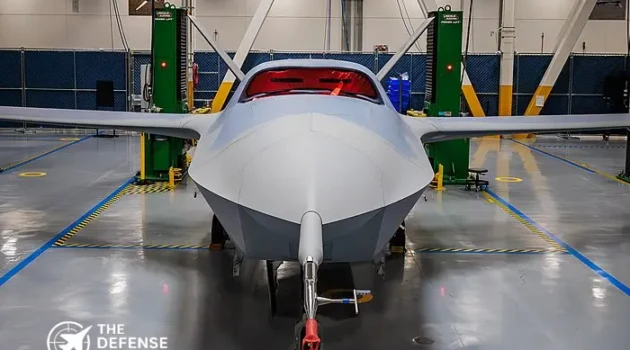
The U.S. Air Force’s Collaborative Combat Aircraft program is moving from concept development toward operational planning, with the service now targeting the acquisition of at least 150 autonomous aircraft by fiscal year 2031. The initiative is intended to support both current fifth-generation fighters such as the F-35 and the future sixth-generation F-47 platform under the Next Generation Air Dominance (NGAD) framework.
The Air Force’s latest procurement projections reflect growing confidence in autonomous combat aviation as a key component of future air warfare.
The Collaborative Combat Aircraft program represents one of the most significant shifts in U.S. tactical aviation strategy in decades. Rather than relying solely on expensive manned fighters, the Air Force intends to pair crewed aircraft with lower-cost autonomous systems capable of carrying sensors, electronic warfare payloads, and weapons.
Autonomous Wingmen Designed For High-Threat Environments
The planned Collaborative Combat Aircraft fleet is expected to operate as force multipliers during high-end conflicts, particularly in contested regions such as the Indo-Pacific. Air Force officials have repeatedly emphasized that future operations against near-peer adversaries will require larger and more distributed air formations capable of surviving advanced air defense systems.
Under the current concept, a single pilot could coordinate multiple unmanned aircraft during combat missions. These autonomous systems could conduct forward sensing, electronic attack, decoy operations, or strike missions while reducing risk to human pilots.
The program aligns with broader Pentagon efforts to integrate artificial intelligence and autonomous technologies into operational planning. Senior defense officials have argued that collaborative drones can increase combat mass at lower cost compared to traditional fighter procurement.
The Air Force previously selected two industry teams for the Increment 1 phase of the program. Anduril Industries is developing its Fury drone design, while General Atomics is advancing the YFQ-42A platform derived from the XQ-67A concept.
Support Role For F-35 And Future F-47 Fighters
The Air Force views the Collaborative Combat Aircraft initiative as critical to enabling future operations centered around the F-35 and the forthcoming F-47 fighter aircraft.
While the F-35 remains a cornerstone of U.S. and allied tactical aviation, the aircraft’s operational effectiveness increasingly depends on networked warfare and sensor integration. Autonomous wingmen could extend sensor coverage, carry additional weapons, and absorb attrition in contested environments where survivability remains a concern.
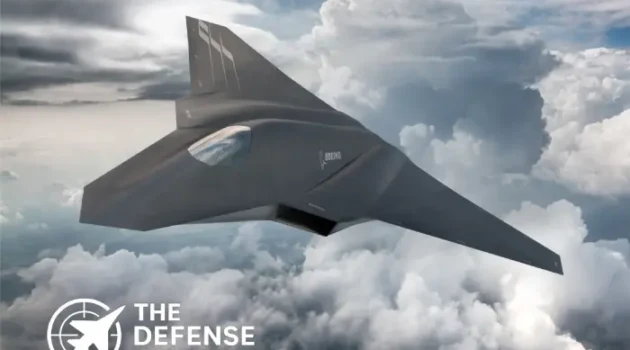
The future F-47, expected to serve as the Air Force’s next-generation air superiority fighter, is also being designed around manned-unmanned teaming concepts. Although many details surrounding the platform remain classified, Air Force leadership has consistently linked NGAD development with autonomous support aircraft.
This shift reflects a broader evolution in air combat doctrine. Rather than viewing unmanned systems as separate assets, the Pentagon increasingly sees them as integrated components of a single combat ecosystem.
Strategic Importance Amid Rising Competition With China
The Air Force’s accelerated interest in Collaborative Combat Aircraft comes amid intensifying strategic competition with China. U.S. defense planners continue to assess that future conflicts could involve highly contested airspace defended by advanced integrated air defense systems, long-range missiles, and electronic warfare capabilities.
Autonomous aircraft are viewed as a potential solution to operational challenges posed by long distances and attrition risks in the Pacific theater. Lower-cost drones operating alongside crewed fighters may allow commanders to generate larger combat formations without dramatically increasing procurement costs.
The initiative also reflects concerns about sustaining aircraft inventories during prolonged conflicts. Modern stealth fighters remain expensive and time-consuming to produce, making attritable autonomous systems increasingly attractive from both operational and budgetary perspectives.
In recent years, the Pentagon has accelerated experimentation with autonomous aviation through programs linked to the Defense Advanced Research Projects Agency (DARPA), the Air Force Research Laboratory, and private industry partners.
Procurement Timeline And Future Expansion
Current Air Force planning reportedly envisions the first operational Collaborative Combat Aircraft entering service before the end of the decade. The initial objective of 150 aircraft by 2031 may represent only the beginning of a larger procurement effort.
Air Force leaders have previously suggested that future combat squadrons could deploy with multiple autonomous aircraft assigned to each manned fighter. If operational testing validates the concept, procurement numbers could expand substantially during the 2030s.
The program’s success will depend on several factors, including autonomous flight reliability, secure communications, artificial intelligence integration, and the ability to operate effectively in electronically contested environments.
Industry competition is also expected to remain intense as defense firms seek to secure positions in what could become one of the Pentagon’s largest future aviation programs.
Analysis: A Fundamental Shift In Air Warfare
The Collaborative Combat Aircraft initiative signals more than just a new drone procurement effort. It reflects a deeper transformation in how the U.S. Air Force intends to fight future wars.
For decades, air superiority relied primarily on increasingly sophisticated manned fighters. However, rising aircraft costs, evolving missile threats, and advances in autonomy are pushing military planners toward distributed force structures built around human-machine collaboration.
The Air Force appears to be pursuing a model that combines the decision-making strengths of human pilots with the scalability and survivability advantages of autonomous systems. If successful, the program could reshape tactical aviation doctrine not only for the United States, but also for allied air forces likely to adopt similar concepts.
At the same time, integrating autonomous combat aircraft into frontline operations introduces technical and doctrinal challenges that remain unresolved. Questions surrounding command authority, AI reliability, electronic warfare resilience, and operational coordination will likely shape the program’s future trajectory.

Executive Summary:
Spain has reportedly opened discussions regarding potential participation in Türkiye’s KAAN fifth generation fighter program as Madrid reviews long term combat aircraft requirements. The move highlights growing European interest in alternative defense partnerships amid debates surrounding U.S.-made F-35 procurement and strategic autonomy.Spain Opens Talks On Turkish KAAN Fighter Program
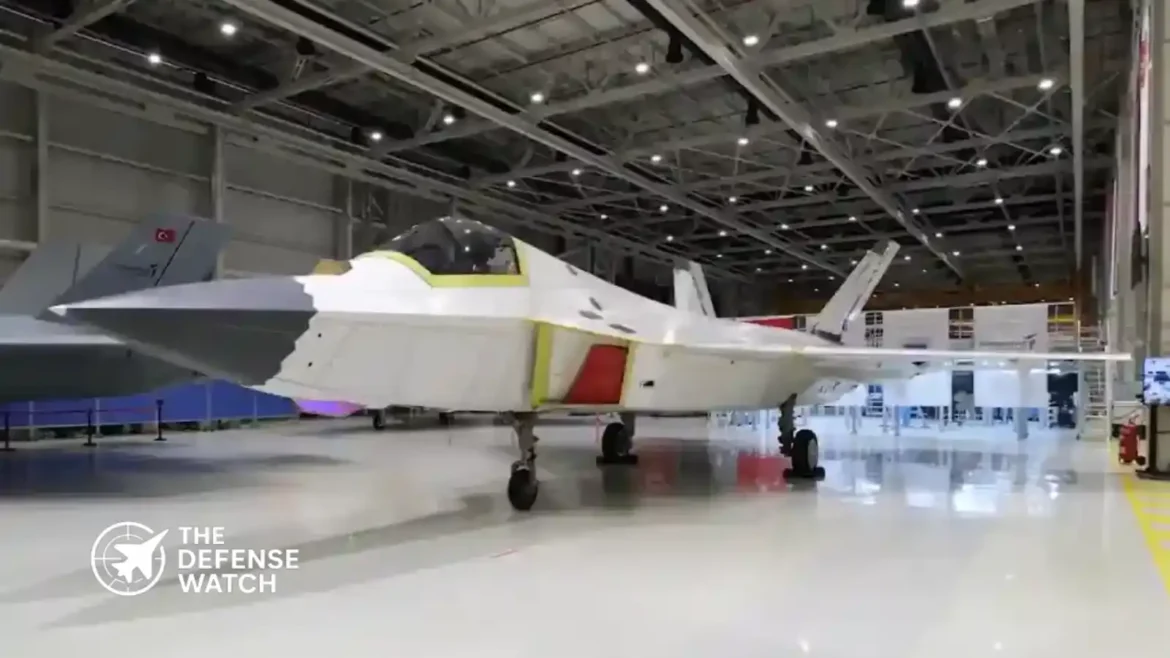
Spain KAAN fighter discussions have emerged as Madrid evaluates future combat aircraft requirements and broader defense industrial cooperation with Türkiye. Spanish officials have initiated talks concerning the Turkish-developed KAAN stealth fighter, a fifth generation aircraft led by Turkish Aerospace Industries.
The development comes at a time when several European nations are reassessing procurement priorities amid rising defense spending, supply chain concerns, and geopolitical uncertainty across NATO’s southern and eastern flanks.
Türkiye officially unveiled the KAAN fighter in 2023 as part of Ankara’s long term effort to establish an indigenous fifth generation combat aircraft capability. The platform completed its maiden flight in February 2024 and remains one of the most ambitious aerospace programs currently underway outside the United States, China, and Russia.
Spain has not formally abandoned interest in the Lockheed Martin F-35 Lightning II, but discussions surrounding the Turkish KAAN fighter suggest Madrid is examining additional strategic options.
Why Spain Is Reviewing Fighter Procurement Options
Spain currently operates a mixed fleet of Eurofighter Typhoon and aging McDonnell Douglas EF-18 Hornet fighters. Several of these aircraft will eventually require replacement during the next decade.
Madrid also remains a major stakeholder in Europe’s Future Combat Air System (FCAS), a multinational sixth generation fighter initiative involving France and Germany. However, FCAS timelines continue to extend into the 2040s, creating a potential capability gap for participating nations.
This timing is important. European governments increasingly face pressure to modernize fleets faster while maintaining industrial independence and managing procurement costs.
The Turkish KAAN fighter program could offer Spain several advantages if talks progress beyond exploratory discussions. These may include industrial participation opportunities, technology cooperation, and diversification away from reliance on a single supplier ecosystem.
At the same time, any move involving the KAAN fighter would likely generate scrutiny within NATO and the broader European defense market, particularly because the F-35 remains the dominant fifth generation fighter platform among alliance members.
KAAN Program Reflects Türkiye’s Expanding Aerospace Ambitions
The Turkish KAAN fighter is being developed by Turkish Aerospace Industries under Türkiye’s broader defense modernization strategy. Ankara has significantly expanded domestic aerospace and defense production over the past decade, including unmanned systems, missiles, naval platforms, and advanced avionics.
KAAN is designed as a twin engine stealth fighter with advanced sensor fusion, internal weapons bays, and network centric warfare capabilities. Turkish officials have stated that the aircraft is intended to replace the country’s aging fleet of General Dynamics F-16 Fighting Falcon fighters over time.
The program also gained additional geopolitical importance after Türkiye was removed from the F-35 program in 2019 following Ankara’s acquisition of the Russian-made S-400 air defense system.
Since then, Türkiye has accelerated indigenous defense programs aimed at reducing dependence on foreign suppliers. KAAN has become a flagship symbol of that strategy.
Spain’s interest therefore carries significance beyond aircraft procurement alone. It reflects how Türkiye’s defense industry is increasingly positioning itself as an exporter and strategic partner within NATO markets.
Strategic Implications For Europe And NATO
Spain KAAN fighter talks also underline a broader shift occurring across Europe’s defense sector. Countries are increasingly balancing alliance interoperability with industrial sovereignty and procurement flexibility.
The F-35 program continues to expand across Europe, with nations including Germany, Finland, Poland, Belgium, Italy, the Netherlands, Denmark, Norway, and the United Kingdom operating or ordering the aircraft. However, concerns over cost, maintenance dependency, and long term operational autonomy remain part of political discussions in several countries.
For Spain, exploring the Turkish KAAN fighter may provide leverage in broader defense negotiations while supporting its own aerospace industrial interests.
There are still substantial hurdles before any potential agreement could materialize. KAAN remains under development and has not yet entered operational service. Questions also remain regarding engine integration, production timelines, export configurations, and interoperability standards within NATO structures.
Nevertheless, Spain’s willingness to open discussions indicates that European defense procurement is becoming increasingly competitive and politically complex.
Growing Competition In The Fifth Generation Fighter Market
The global fighter aircraft market is entering a new phase shaped by strategic competition, industrial partnerships, and regional security concerns.
While the F-35 currently dominates Western fifth generation procurement, newer programs such as KAAN, South Korea’s KF-21, and various European sixth generation initiatives are reshaping future competition.
Spain’s engagement with the Turkish KAAN fighter demonstrates that countries are no longer evaluating combat aircraft solely on technical performance. Industrial access, political alignment, export flexibility, and strategic autonomy now play a larger role in procurement decisions.
For Türkiye, even preliminary talks with a major European NATO member represent an important validation of its aerospace ambitions.
For Spain, the discussions provide another avenue to address future air combat capability requirements while maintaining flexibility in an evolving geopolitical environment.
Executive Summary:
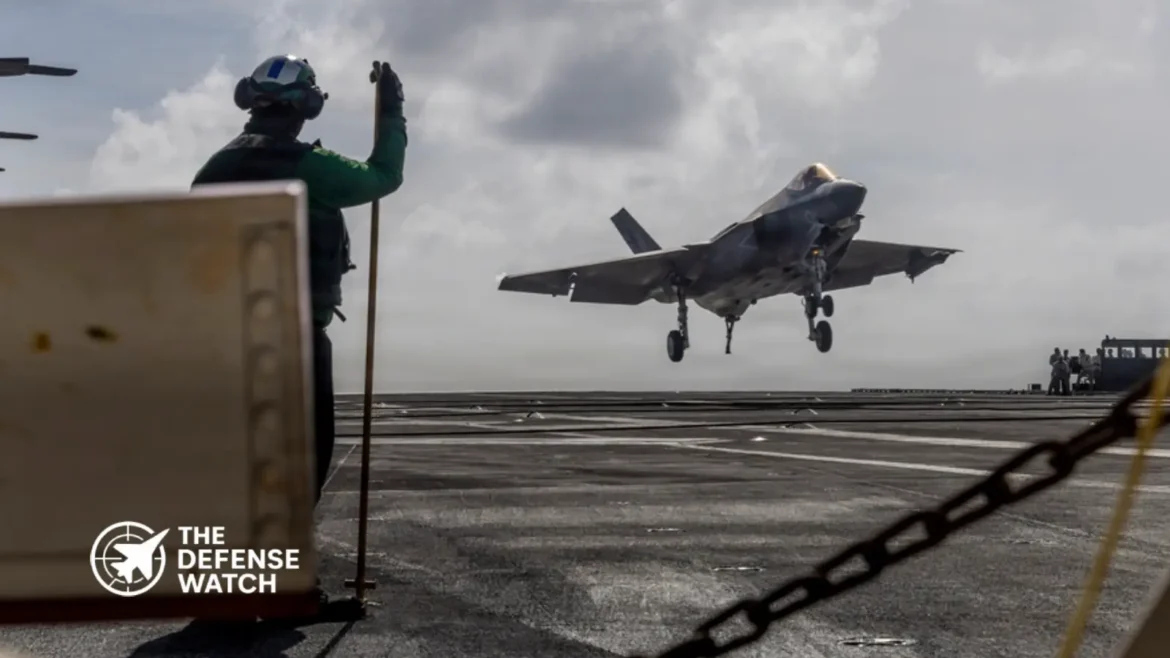
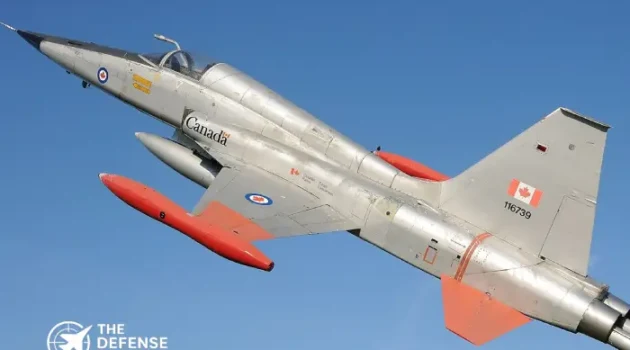
Lockheed Martin has been awarded a $14.5 million U.S. Navy contract to install flight test instrumentation on CF-5 aircraft supporting F-35C testing.
The effort aims to bridge a critical testing gap in carrier suitability trials until dedicated flight sciences aircraft become available.Lockheed Martin F-35 Contract Targets Testing Gap In Carrier Operations
The Lockheed Martin F-35 contract represents a targeted effort by the U.S. Navy to sustain critical flight testing capacity for the carrier-based F-35C variant. Valued at $14.5 million, the contract focuses on integrating advanced flight test instrumentation onto CF-5 aircraft to support ongoing ship suitability testing.
Awarded as a cost-plus-incentive-fee order under an existing agreement, the work addresses a near-term shortfall in specialized flight sciences aircraft used for high-risk and complex testing scenarios. The Naval Air Systems Command (NAVAIR), based in Patuxent River, Maryland, is overseeing the effort.
This move reflects a broader pattern in U.S. defense acquisition, where interim solutions are deployed to maintain program momentum amid platform delays or capability gaps.
Bridging The F-35C Ship Suitability Testing Gap
Carrier suitability testing is one of the most demanding phases in naval aviation development. It evaluates how aircraft perform during catapult launches, arrested landings, and deck operations under real-world conditions.
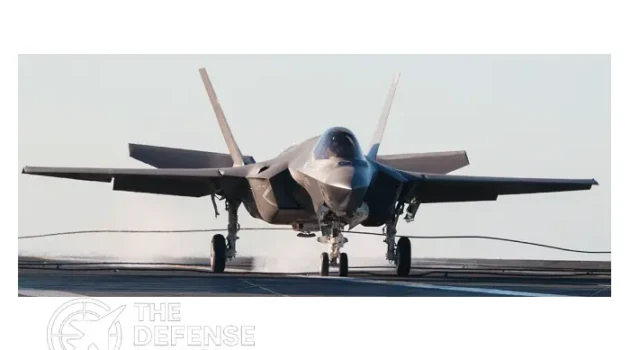
The F-35C, the carrier variant of the Joint Strike Fighter, requires extensive instrumentation to capture aerodynamic data, structural loads, and system performance during these tests. However, delays in delivering dedicated flight sciences aircraft created a bottleneck.
By modifying CF-5 aircraft with flight test instrumentation, the Navy is effectively creating a stopgap platform. This ensures continuity in testing without slowing the broader F-35C operational timeline.
From an operational standpoint, this is a pragmatic decision. Testing delays in carrier aviation can ripple across deployment schedules, pilot training pipelines, and carrier air wing readiness.
Contract Scope And Industrial Footprint
Under the Lockheed Martin F-35 contract, work will be distributed across multiple locations:
- Fort Worth, Texas (primary workshare)
- Orlando, Florida
- Linthicum, Maryland
- Nashua, New Hampshire
- San Diego and El Segundo, California
- Samlesbury, United Kingdom
- Additional CONUS and international locations
The geographic spread highlights the complexity of modern defense programs, which rely on a distributed industrial base spanning avionics, sensors, software, and integration expertise.
Fort Worth remains the center of gravity, consistent with its role as the primary F-35 production hub.
Funding Structure And Timeline
The Navy has obligated $4 million in Fiscal Year 2025 research, development, test, and evaluation (RDT&E) funds at the time of award. Notably, these funds will not expire at the end of the fiscal year, providing flexibility for execution.
The contract runs through May 2028, aligning with expected timelines for the delivery and operational readiness of dedicated flight sciences aircraft.
The use of a cost-plus-incentive-fee structure suggests technical complexity and evolving requirements. It allows the government to incentivize performance while accommodating uncertainties inherent in test instrumentation integration.
Why This Matters For The F-35 Program
The Lockheed Martin F-35 contract underscores a key reality of large-scale defense programs: testing infrastructure can be as critical as the platform itself.
The F-35 program, one of the most complex and expensive in history, depends heavily on continuous testing to validate upgrades, software blocks, and operational capabilities. Any disruption in testing capacity can delay capability delivery across the fleet.
By addressing the testing gap proactively, the Navy is:
- Preserving schedule integrity for F-35C deployment cycles
- Maintaining data continuity for certification and upgrades
- Reducing risk in carrier integration operations
This also reflects lessons learned from earlier phases of the program, where bottlenecks in testing and integration contributed to delays.
Strategic Context: Carrier Air Wing Modernization
The F-35C is central to the future of U.S. Navy carrier air wings. Designed for longer range, enhanced survivability, and advanced sensor fusion, it significantly expands the operational reach of carrier strike groups.
Ensuring uninterrupted testing is essential as the Navy transitions from legacy platforms like the F/A-18C/D to a more networked, fifth-generation force.
In this context, the contract is not just a technical fix. It is part of a broader effort to sustain momentum in carrier aviation modernization amid evolving global threats and operational demands.
Programmatic Insight: Interim Solutions In Defense Acquisition
The reliance on modified CF-5 aircraft highlights a recurring theme in defense programs: the need for interim capability solutions.
Rather than waiting for purpose-built platforms, the Navy is leveraging existing assets to maintain operational tempo. This approach:
- Reduces downtime in critical testing phases
- Maximizes use of available resources
- Mitigates risk associated with single-point failures in acquisition timelines
Such strategies are increasingly common as defense programs grow more complex and timelines extend.
Conclusion
The Lockheed Martin F-35 contract for flight test instrumentation may appear modest in value, but its impact is significant. By bridging a critical testing gap, it ensures continuity in one of the most demanding phases of naval aviation development.
As the F-35C continues to mature into a cornerstone of U.S. carrier operations, maintaining testing capacity remains essential. This contract demonstrates how targeted investments can safeguard broader program objectives and operational readiness.
Executive Summary:
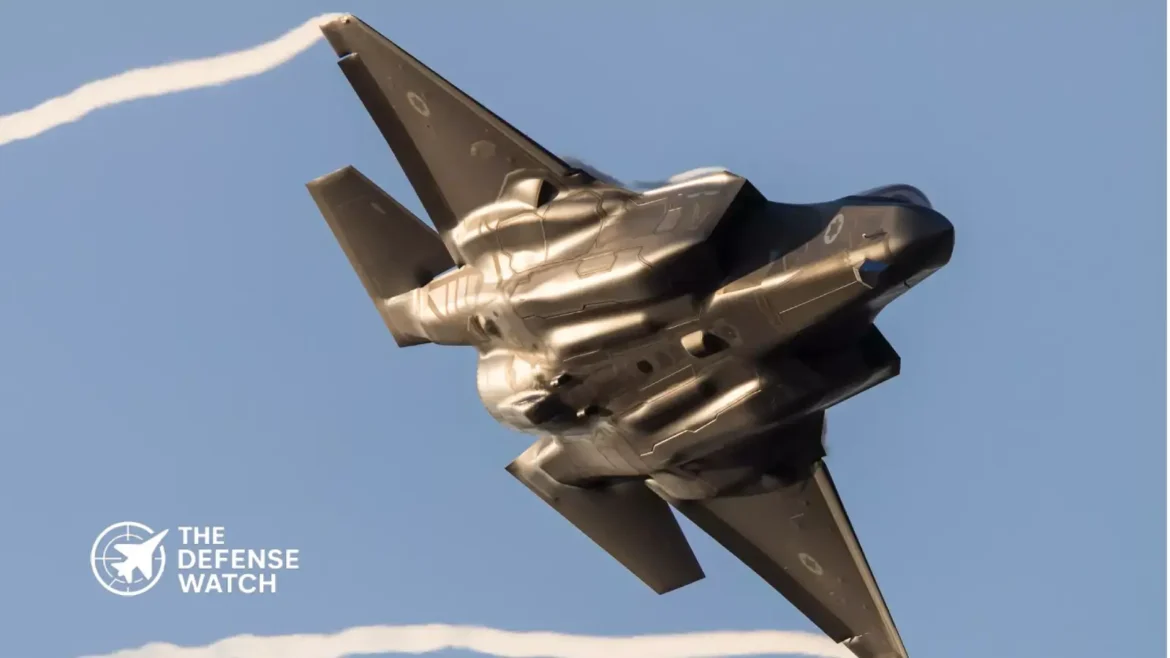
Israel has approved a multibillion-dollar procurement plan to acquire advanced U.S.-built fighter jets, including additional F-35 Lightning II aircraft. The move aims to sustain its qualitative military edge and counter evolving regional threats. The deal reinforces defense ties with the United States while accelerating Israeli Air Force modernization.Israel Expands Fifth-Generation Fighter Fleet
Israel’s Defense Ministry has formally endorsed a major acquisition package centered on expanding its fleet of F-35 Lightning II aircraft, alongside potential procurement of advanced variants of the F-15EX Eagle II.
The deal, estimated in the multi-billion-dollar range, includes:
- Additional F-35I Adir stealth fighters
- Upgraded F-15 platforms optimized for heavy payload missions
- Long-term sustainment and support packages
The aircraft will be supplied by Lockheed Martin and Boeing under existing U.S. foreign military financing frameworks.
Key Capabilities Driving the Procurement
Fifth-Generation Stealth and Network Warfare
The F-35 remains central to Israel’s airpower doctrine due to its:
- Low observable stealth design for contested environments
- Advanced sensor fusion and data-sharing capabilities
- Integration into multi-domain operations
Heavy Strike and Payload Flexibility
The F-15EX complements the F-35 with:
- Higher payload capacity for long-range strike missions
- Ability to carry hypersonic and stand-off weapons
- Extended operational range without refueling
Comparison: New Fighters vs Legacy Platforms
Aircraft Range Payload Status Key Technology F-35I Adir ~2,200 km ~8,160 kg Operational/Expanding Stealth, sensor fusion F-15EX ~3,900 km ~13,300 kg Pending acquisition Advanced avionics, heavy payload Legacy F-16I ~1,700 km ~7,700 kg In service Multirole, non-stealth Older F-15 variants ~3,000 km ~10,400 kg Aging fleet Conventional radar systems Strategic Context: Maintaining Regional Air Superiority
Israel’s decision reflects a broader shift in regional threat dynamics, including:
- Expanding air defense networks across the Middle East
- Growing missile and UAV capabilities among adversaries
- Increased great-power competition in the region
By combining stealth penetration capabilities with high-payload strike platforms, Israel aims to maintain its long-standing qualitative military edge (QME).
U.S.-Israel Defense Alignment Strengthened
The procurement underscores continued strategic alignment with the United States, particularly in:
- Joint technology development
- Defense financing and export approvals
- Interoperability across allied systems
This agreement also reinforces Washington’s role as Israel’s primary defense supplier, while supporting U.S. aerospace industry production lines.
Outlook: Timeline and Operational Impact
Deliveries are expected to occur over the next decade, with phased integration into Israeli Air Force units. Once operational, the expanded fleet will:
- Enhance deep-strike capabilities
- Improve survivability in contested airspace
- Support multi-front operational readiness
The deal positions Israel to respond more effectively to both conventional and asymmetric threats in an increasingly complex security environment.
Executive Summary:
Lockheed Martin has received an $18.6 million contract modification to expand tooling and test equipment for F-35 canopy production. The move supports sustained output across U.S. services and international partners. It reflects continued investment in production infrastructure to meet rising Joint Strike Fighter demand.Contract Modification Details and Scope
The U.S. Department of Defense has awarded Lockheed Martin an $18,638,744 contract modification under a previously issued cost-plus-fixed-fee agreement (N0001924C0011). The update increases the overall contract ceiling to support procurement of specialized tooling and test equipment for F-35 canopy manufacturing.
The work will be carried out in Garden Grove, California, with completion scheduled for January 2027. The contract was issued on a non-competitive basis by Naval Air Systems Command.
Funding Breakdown
- $5.7 million from Fiscal 2024 U.S. Air Force aircraft procurement
- $5.7 million from Fiscal 2024 U.S. Navy aircraft procurement
- $2.5 million from non-U.S. Department of War (DOW) partners
- $11.4 million set to expire at the end of the current fiscal year
Role of Canopy Systems in the F-35 Program
The F-35 Lightning II canopy is a critical component of the aircraft’s stealth and pilot survivability architecture. It incorporates advanced materials and coatings designed to:
- Reduce radar signature and maintain low observability
- Provide high optical clarity for pilot situational awareness
- Integrate durability under extreme flight conditions
The need for precision tooling and validation systems reflects the complexity of canopy production, where even minor defects can impact stealth performance.
Comparison: Advanced F-35 Canopy vs Legacy Fighter Canopies
Feature F-35 Canopy System Legacy Fighter Canopies Range Impact Supports full stealth range Limited stealth consideration Payload Impact Optimized for internal weapons carriage External payload increases signature Status Operational, evolving production Mature, widely deployed Key Technology Radar-absorbing coatings, advanced composites Conventional acrylic/polycarbonate Technical Advantages of Enhanced Tooling
The expanded tooling and test equipment procurement will deliver several production benefits:
- Improved manufacturing precision for stealth-critical surfaces
- Enhanced quality assurance and defect detection
- Increased production throughput to meet global demand
- Reduced lifecycle costs through consistent fabrication standards
Strategic Context: Sustaining F-35 Production Momentum
The modification comes amid sustained global demand for the F-35 Lightning II, with growing orders from NATO allies and Indo-Pacific partners. Ensuring reliable canopy production is essential to maintaining delivery schedules and operational readiness.
The investment also aligns with broader U.S. defense priorities to:
- Strengthen industrial base resilience
- Reduce bottlenecks in high-demand components
- Support allied interoperability through standardized platforms
As fifth-generation fighter competition intensifies globally, continued upgrades to production infrastructure remain a key factor in maintaining technological and operational advantage.
Netherlands CCA Prototypes Backed To Advance F-35 Drone Teaming
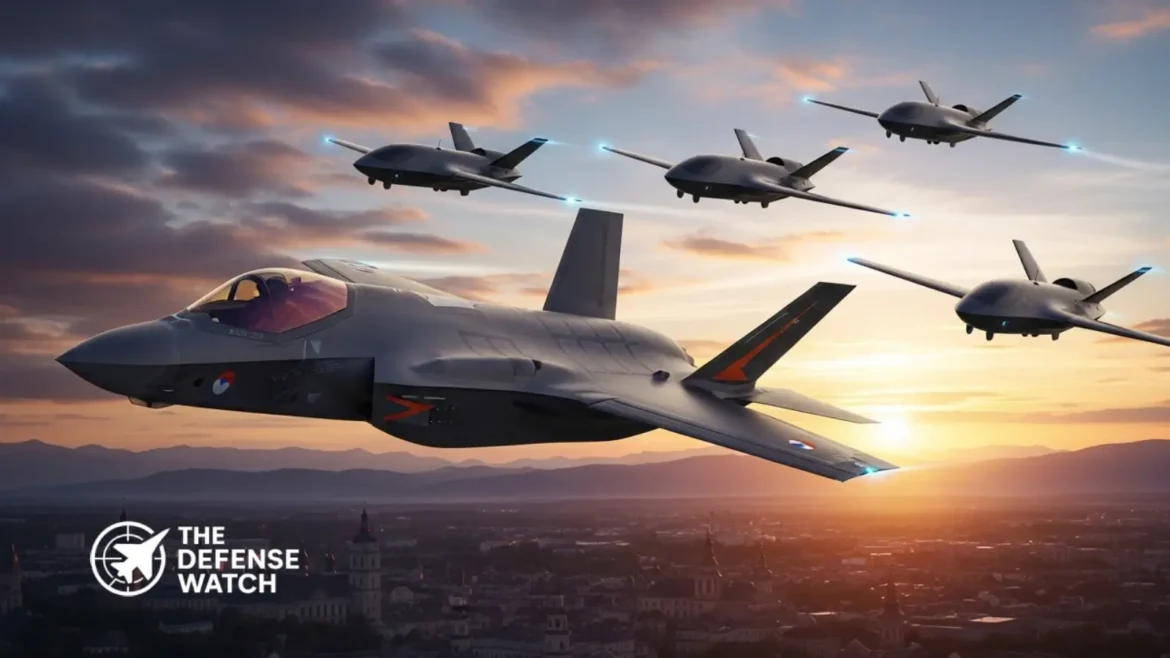
The Netherlands CCA prototypes decision marks a notable step in allied participation in the United States Air Force push to field Collaborative Combat Aircraft, autonomous or semi autonomous drones designed to operate with crewed fighters such as the F-35 Lightning II.
KEY FACTS AT A GLANCE- The Netherlands will finance two US Air Force Collaborative Combat Aircraft prototype efforts.
- The move is intended to build operational knowledge in F-35 drone teaming concepts.
- CCA platforms are designed to fly alongside crewed fighters as force multipliers.
- Dutch participation highlights allied interest in future autonomous combat aviation.
- The project may shape future NATO airpower integration and procurement choices.
Dutch funding will support two US Air Force prototype efforts aimed at helping the Netherlands develop practical experience in future manned unmanned teaming operations. The focus centers on how unmanned aircraft can extend the combat value of the Dutch F-35 fleet.
The Dutch Air Force already operates the F-35A, making it one of the most relevant European operators for early experimentation with drone wingmen. Rather than waiting for a mature export product, the Netherlands appears to be buying access to learning, testing, and concept development now.
Why Collaborative Combat Aircraft Matter
The US Air Force CCA program is one of Washington’s highest priority aviation modernization efforts. These aircraft are expected to perform missions such as:
- Forward sensing and ISR
- Electronic warfare support
- Weapons carriage
- Decoy operations
- Attritable strike missions
- Extending fighter range and survivability
In practical terms, a formation of one piloted fighter and multiple unmanned teammates could cover more airspace, carry more weapons, and accept higher risk than traditional fighter packages.
That matters for NATO air forces facing increasingly dense air defenses, long range missiles, and growing peer competition.
Why The Netherlands Is Moving Early
The Netherlands is a relatively small but technologically advanced NATO air power. It often prioritizes interoperability with the United States and alliance partners. Funding Netherlands CCA prototypes gives Dutch planners several advantages.
First, it creates early insight into doctrine, training, data links, autonomy rules, and sustainment demands.
Second, it helps ensure future CCA systems can integrate with Dutch F-35 operations rather than being retrofitted later.
Third, it positions the Netherlands to influence future NATO standards in manned unmanned teaming.
This is a strategic move, not simply a procurement move.
Implications For Europe And NATO
European air forces are watching the US CCA effort closely. Nations operating the F-35, including United Kingdom, Italy, Norway, Denmark, and Belgium, face the same question: how to increase combat mass without buying large numbers of expensive crewed fighters.
CCA type systems may offer one answer.
If the Dutch effort proves useful, other European operators may seek similar partnerships or domestic programs linked to their F-35 fleets.
Challenges Still Ahead
Despite the momentum, several issues remain unresolved:
- Rules for autonomous engagement decisions
- Secure communications in contested environments
- Cost per aircraft and sustainment burden
- Integration with NATO command networks
- Industrial participation for partner nations
These questions will determine whether CCA becomes a niche capability or a standard part of future air forces.
Strategic Outlook
The Netherlands CCA prototypes initiative is important because it shows allied governments are no longer treating loyal wingman systems as distant concepts. They are beginning to invest now, while doctrine and technology are still forming.
That could give smaller but advanced air forces a way to stay relevant in high end warfare without matching larger powers aircraft for aircraft.
For the United States, Dutch participation also sends a clear signal: allies want in on the next generation of air combat.
$1.5 Trillion Defense Budget Signals Historic U.S. Military Expansion
The $1.5 trillion defense budget proposed by the Trump administration would mark one of the largest annual increases in modern U.S. military spending, with the Pentagon directing major resources toward naval expansion, combat aviation, missile defense, drones and industrial capacity. Pentagon officials released new details on April 21, outlining a plan intended to accelerate force modernization and sustain readiness amid rising global tensions.
¦ KEY FACTS AT A GLANCE- Pentagon detailed a proposed $1.5 trillion U.S. defense budget for FY2027.
- More than $750 billion targets ships, aircraft and Golden Dome missile defense priorities.
- $65 billion would fund 34 vessels, the largest U.S. shipbuilding request since 1962.
- Aircraft spending reaches $102 billion, including increased F-35 buys and next-gen fighter programs.
- Iran war costs were not included and may require a separate supplemental request.
The Big Picture
Washington has spent the last several years confronting simultaneous security pressures in Europe, the Middle East and the Indo Pacific. U.S. officials have repeatedly warned that legacy procurement timelines and constrained industrial capacity no longer match the speed of emerging threats.
This budget appears designed to compress modernization timelines. Rather than making marginal increases, it concentrates large sums into shipbuilding, tactical airpower, autonomous systems and missile defense. That suggests the Pentagon wants faster force regeneration, deeper inventories and stronger deterrence capacity during a period of strategic competition.
What’s Happening
The proposal combines a roughly $1.15 trillion core defense budget with a separate $350 billion supplemental component, reaching a total of $1.5 trillion. Reuters reported that more than $750 billion is tied to ships, jets and Golden Dome related priorities.
The Pentagon also created a new category labeled presidential priorities. That basket reportedly includes:
- Golden Dome missile defense
- Drone dominance initiatives
- Artificial intelligence and data systems
- Defense industrial base expansion
Naval Spending
The plan allocates more than $65 billion for 18 warships and 16 support vessels, or 34 ships total. Officials described it as the largest U.S. shipbuilding request since 1962. Major beneficiaries would likely include General Dynamics and Huntington Ingalls Industries.
Aerospace Spending
Aircraft procurement and aviation research would total $102 billion, a 26 percent increase over the prior year. The proposal reportedly raises annual procurement of the F-35 Lightning II to 85 aircraft while continuing development of Boeing’s F-47 next generation fighter concept and allocating $6.1 billion for the B-21 Raider.
Why It Matters
The U.S. military has faced growing pressure in three specific areas:
- Ship numbers and fleet age
The Navy has struggled to expand fleet size while China continues large scale naval construction. - Munitions and airpower readiness
Recent conflicts exposed the need for larger inventories of interceptors, cruise missiles and survivable aircraft. - Integrated homeland defense
Cruise missiles, drones and potential long range strikes have increased interest in layered missile defense.
This budget attempts to address all three simultaneously.
Strategic Implications
If enacted, the $1.5 trillion defense budget would significantly strengthen U.S. surge capacity. More ships improve maritime presence and logistics reach. Additional fighters and bombers reinforce power projection. Industrial funding can shorten repair cycles and replenish weapons stockpiles faster.
The proposal also signals that Washington views defense manufacturing itself as a strategic asset. In a prolonged crisis, production speed may matter as much as frontline platforms.
Competitor View
China is likely to view the shipbuilding and Pacific airpower portions as directly relevant to Indo Pacific deterrence. Beijing closely tracks U.S. naval tonnage, submarine output and long range strike capacity.
Russia will likely focus on bomber, missile defense and munitions spending, especially as NATO continues rearmament.
Iran may note the emphasis on air defense, interceptors and autonomous systems after recent regional tensions.
What To Watch Next
Congress remains the decisive factor. Lawmakers will likely scrutinize:
- Whether the topline can pass politically
- How much supplemental funding survives negotiations
- Realistic shipyard production capacity
- Fighter procurement affordability
- Golden Dome technology maturity and timelines
Large budget requests often change substantially during appropriations.
Capability Gap
The central gap this plan targets is capacity under strain. The U.S. military retains advanced systems, but sustaining enough ships, aircraft, interceptors and drones for multiple theaters has become harder.
A major limitation remains industrial execution. Funding alone does not instantly create trained labor, drydock space, semiconductor supply or engine production capacity.
The Bottom Line
The proposed $1.5 trillion defense budget is less about symbolism and more about rapidly rebuilding U.S. military scale, production depth and deterrence capacity.
- Ship numbers and fleet age
Newer Posts