

Executive Summary:
SpaceX launched a Falcon 9 rocket carrying 29 Starlink satellites from Cape Canaveral on the same day the company began trading publicly on the Nasdaq stock exchange. The mission highlights the growing importance of Starlink to SpaceX’s business model while underscoring the company’s long-term ambitions centered on Starship and next-generation space infrastructure.
SpaceX Begins New Chapter With Starlink Launch And Nasdaq Debut
SpaceX’s Starlink launch on Friday marked more than another routine satellite deployment. The mission coincided with the company’s first day as a publicly traded firm, creating a significant milestone for one of the world’s most influential aerospace companies.
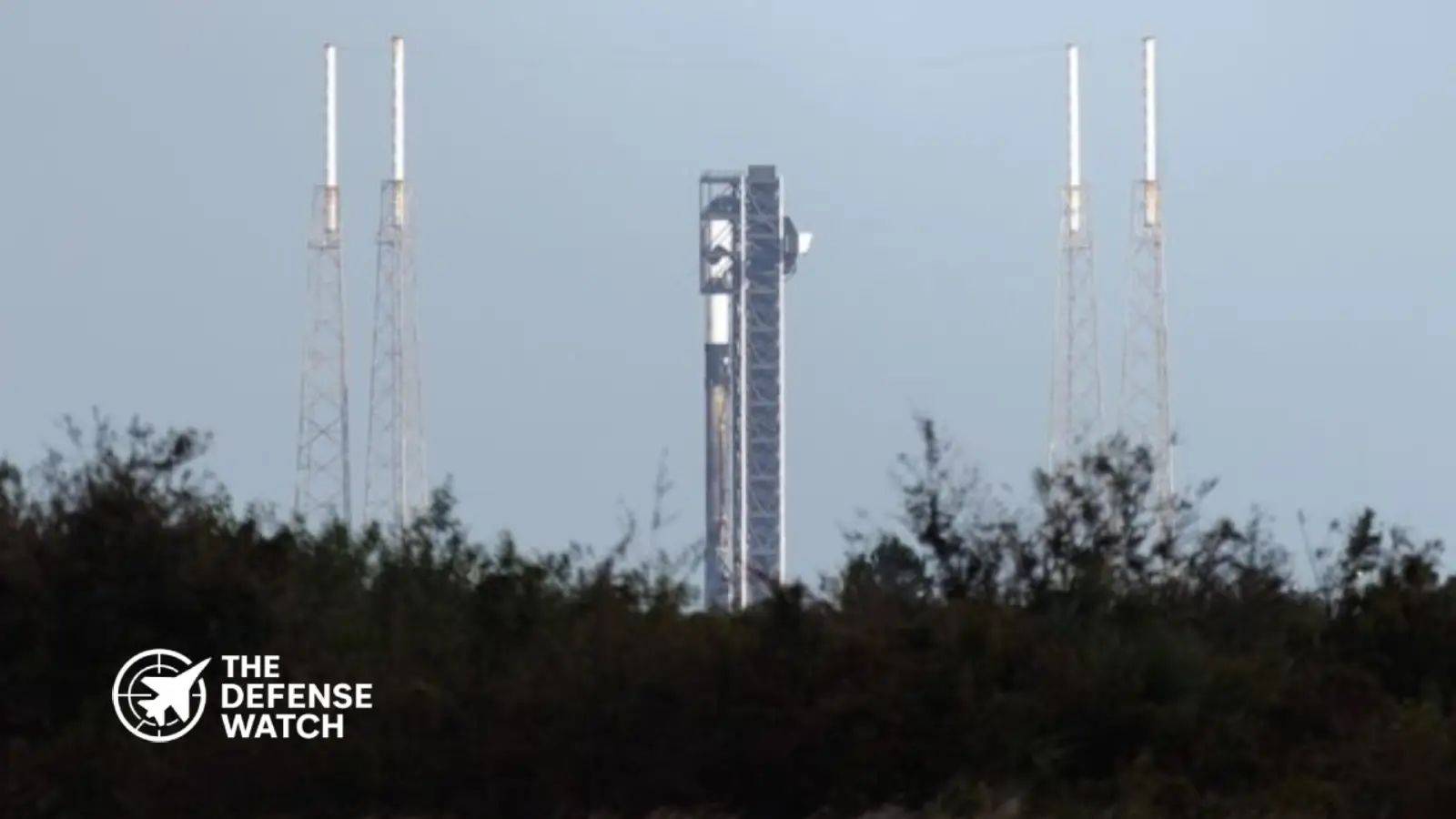
The Falcon 9 rocket lifted off from Space Launch Complex 40 at Cape Canaveral Space Force Station in Florida, carrying 29 Starlink V2 Mini Optimized satellites into low Earth orbit. Liftoff occurred less than an hour before trading opened on the Nasdaq Stock Market, symbolically linking SpaceX’s operational achievements with its entry into public financial markets.
The mission, designated Starlink 10-54, represents the 650th Falcon 9 flight and the company’s 68th Falcon 9 launch of 2026.
Falcon 9 Continues Record-Breaking Launch Cadence
The mission utilized Falcon 9 first-stage booster B1080, a veteran vehicle completing its 27th flight.
The booster previously supported multiple high-profile missions, including crewed flights to the International Space Station for Axiom Space, cargo resupply missions, and the launch of the European Space Agency’s Euclid space observatory.
Following stage separation, B1080 targeted a landing aboard the autonomous drone ship A Shortfall of Gravitas positioned off the coast of South Carolina. A successful recovery would mark the vessel’s 155th booster landing and SpaceX’s 623rd successful first-stage recovery overall.
The launch further demonstrates SpaceX’s unmatched reusability model, which continues to drive down launch costs while sustaining an unprecedented flight tempo. No other launch provider currently approaches the company’s combination of launch frequency, payload delivery capability, and booster reuse rates.
(adsbygoogle = window.adsbygoogle || []).push({});Starlink Remains Central To SpaceX Growth Strategy
The Starlink 10-54 mission was the 55th dedicated Starlink launch of 2026 and the 56th overall mission involving Starlink spacecraft this year.
According to company disclosures, SpaceX now has more than 10,500 Starlink satellites in orbit, making it the largest satellite constellation ever deployed.
Starlink has evolved from an experimental broadband initiative into a major revenue-generating business segment. Financial filings submitted before the company’s stock market debut revealed that connectivity-related revenue reached approximately $2 billion in 2024 before growing to roughly $4.4 billion in 2025.
That growth highlights how satellite communications are becoming an increasingly important pillar of SpaceX’s broader business strategy.
From a defense and national security perspective, Starlink’s expanding network has also demonstrated strategic value by supporting resilient communications in contested and remote environments. The system’s growing global footprint has attracted attention from military organizations and government agencies seeking alternative communications architectures that are less vulnerable than traditional infrastructure.
Public Listing Signals Major Strategic Shift
SpaceX’s public market debut comes more than two decades after the company was founded in 2002.
The company offered approximately 555.6 million Class A shares priced at $135 per share, raising roughly $75 billion and placing its valuation near $1.77 trillion.
The move provides SpaceX with substantial access to capital at a time when the company is investing heavily in next-generation technologies.
While Falcon 9 and Starlink currently generate significant revenue, investors are closely watching development of the Starship-Super Heavy launch system, which SpaceX views as the foundation of its future growth.
The public listing also increases transparency around SpaceX’s finances, offering investors and industry observers greater insight into how revenue from launch services and satellite connectivity supports long-term development programs.
(adsbygoogle = window.adsbygoogle || []).push({});Starship Development Remains The Long-Term Priority
Despite the success of Falcon 9, SpaceX’s future ambitions remain tied to Starship.
The company completed its 12th Starship test flight in May and is preparing for Flight 13. SpaceX intends to use future Starship vehicles to deploy larger and more capable Starlink V3 satellites beginning in the latter half of 2026.
According to company filings, SpaceX invested approximately $3 billion in Starship research and development during 2025 and another $930 million during the first quarter of 2026 alone.
Those figures illustrate the scale of investment required to transform Starship from a developmental program into an operational transportation system.
Beyond satellite deployment, SpaceX envisions Starship supporting future missions involving deep-space exploration, large-scale orbital infrastructure, and eventual Mars settlement initiatives. While many of these concepts remain long-term objectives, Starship is widely viewed as the critical platform needed to achieve them.
Why The Launch Matters
The timing of the Starlink launch and Nasdaq debut reflects a broader transformation underway within SpaceX.
For years, the company focused on proving reusable launch technology and building a viable satellite communications network. With Falcon 9 now firmly established and Starlink generating growing revenues, SpaceX is transitioning into a new phase defined by large-scale capital investment and expansion.
For the aerospace sector, the public listing provides investors direct exposure to a company that has reshaped launch economics and accelerated commercial space development.
For defense planners, the continued growth of Starlink and future Starship capabilities could influence communications resilience, space logistics, and military space operations for years to come.
As SpaceX enters public markets, the company faces heightened scrutiny from investors while simultaneously pursuing some of the most ambitious technological goals in the aerospace industry.
