Executive Summary:
Airbus has launched a new industrial consortium called Team Gen 6 after the collapse of the Franco-German-Spanish FCAS fighter program. The initiative aims to preserve European sixth-generation fighter development capability under a German-led framework. The move reflects widening fractures in Europe’s previous joint combat aircraft effort and a shift toward nationally anchored industrial programs.
Airbus Team Gen 6 Sixth Generation Fighter Emerges After FCAS Collapse
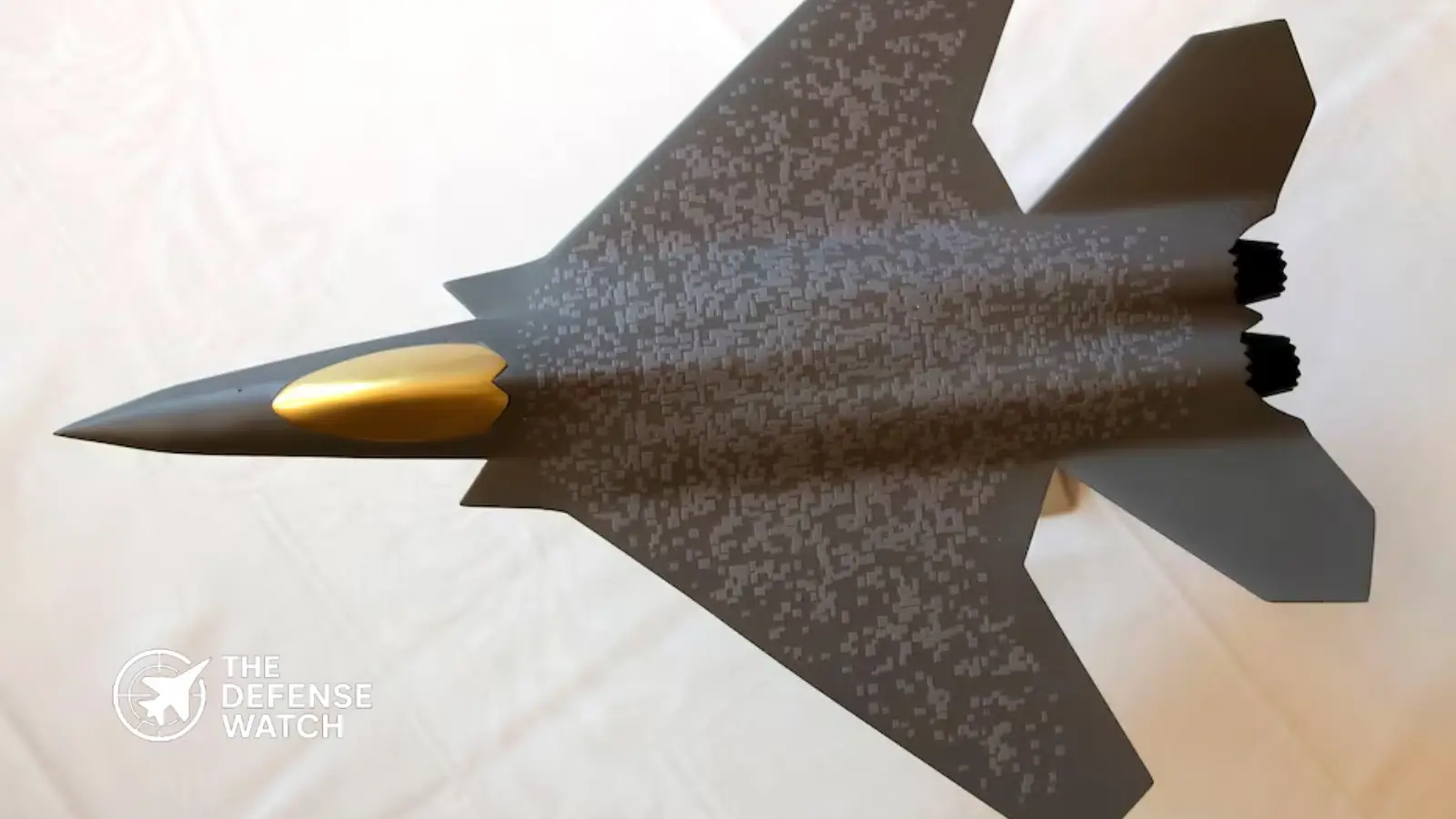
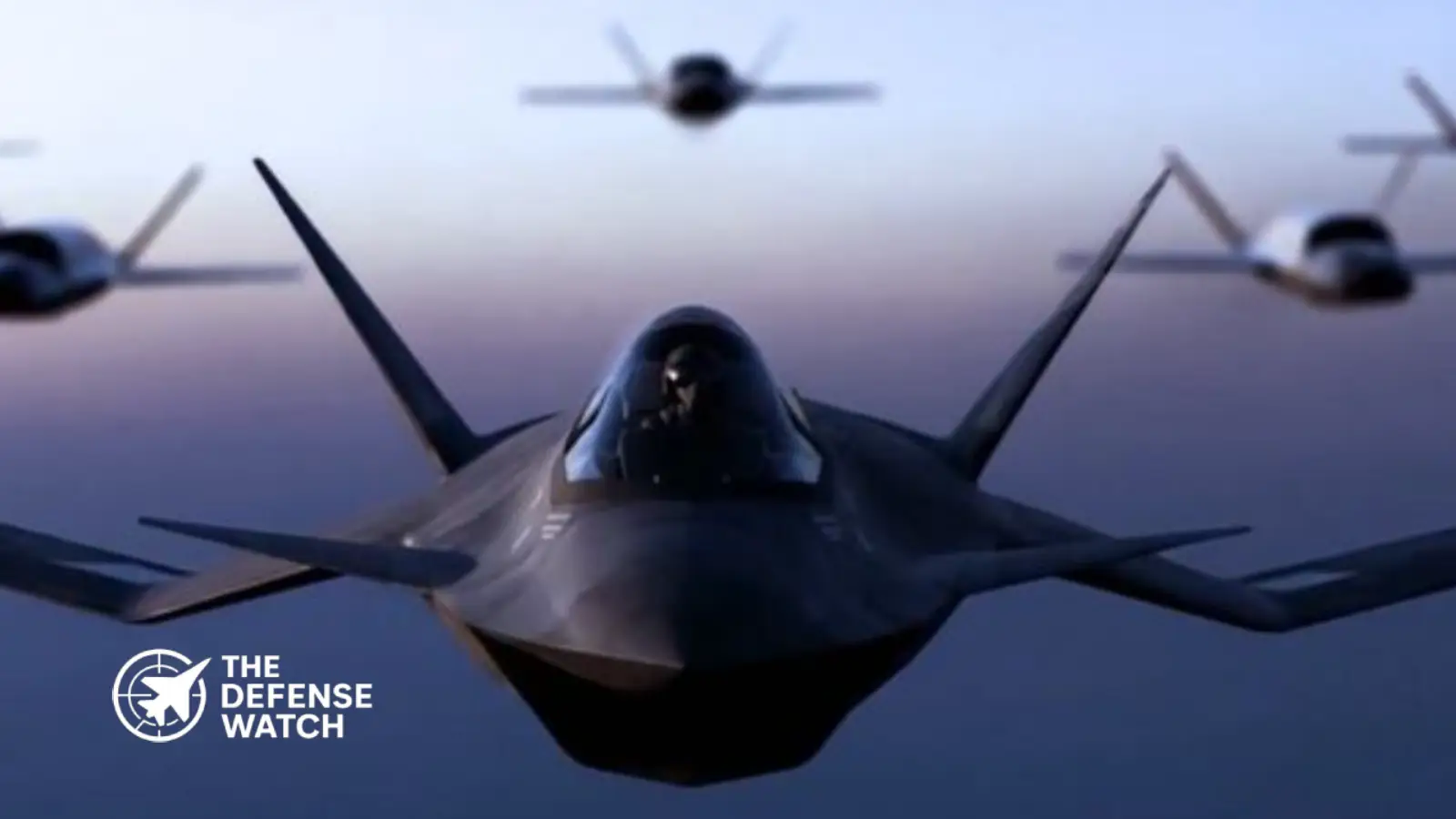
The Airbus Team Gen 6 sixth generation fighter initiative marks a major reset in European combat aircraft development following the breakdown of the FCAS program. The announcement was made during the ILA Berlin 2026 air show, where Airbus and a group of German and European defense firms outlined a new path forward for next-generation air combat capability.
According to reporting from defense media at ILA Berlin and industry statements, the move follows the effective end of the Franco-German-Spanish New Generation Fighter effort after sustained disagreements over leadership, design authority, and industrial workshare.
FCAS Collapse Reshapes European Fighter Development
The Future Combat Air System was originally launched in 2017 as a trilateral effort between France, Germany, and Spain to develop a sixth-generation fighter ecosystem centered on a manned aircraft, unmanned teaming systems, and a digital combat cloud.
However, long-running disputes between industrial partners ultimately stalled progress. The breakdown between Airbus Defence and Space and Dassault Aviation over program leadership and design authority became a key factor in the program’s collapse.
Recent reporting confirms that European governments effectively ended the manned fighter component of FCAS in early June 2026, clearing the way for alternative national and industrial approaches.
This outcome has left a capability gap in Europe’s planned next-generation air combat roadmap, particularly as peer competitors accelerate their own sixth-generation efforts.
Airbus Team Gen 6 Consortium Structure and Goals
In response, Airbus has formed an eight-company industrial alliance under the Team Gen 6 banner. The group includes:
- Airbus Defence and Space
- MBDA
- Hensoldt
- Diehl Defence
- MTU Aero Engines
- Liebherr
- Autoflug
- Rohde & Schwarz
The consortium is positioning itself as a Germany-centered industrial base for a future sixth-generation fighter aircraft program.
Initial statements indicate the group has already submitted a position paper to German defense authorities outlining its vision for a next-generation combat aircraft and urging timely procurement decisions.
The initiative reflects an effort to retain key aerospace engineering and defense technology skills within Europe, particularly in avionics, propulsion, sensors, and systems integration.
Strategic Shift Away From Multinational Dependence
The emergence of Airbus Team Gen 6 signals a broader shift in European defense procurement dynamics.
Instead of a tightly integrated multinational fighter program, Europe now appears to be moving toward parallel national or regional development paths. Germany is emerging as the primary anchor for the new effort, while France is expected to pursue alternative options following the FCAS breakdown.
Defense analysts note that this fragmentation increases short term industrial competition but may also accelerate parallel innovation streams across European aerospace firms.
At the same time, policymakers in Berlin are reportedly evaluating multiple options, including participation in other international programs or additional procurement of fifth generation aircraft to bridge capability gaps.
Industrial and Strategic Implications
The collapse of FCAS and the rise of Team Gen 6 highlight several structural issues in European defense collaboration:
First, differing national operational requirements continue to challenge joint fighter development programs. France, Germany, and Spain had diverging priorities around carrier compatibility, strike range, and aircraft size.
Second, industrial leadership disputes remain a persistent barrier in high value defense programs, particularly when major primes compete for control of design authority.
Third, Europe now faces increased pressure to maintain technological parity with emerging sixth-generation programs being developed in the United States, United Kingdom, Italy, Japan, and China.
While Team Gen 6 aims to preserve industrial continuity, the program is still in an early conceptual stage, with detailed design and funding pathways yet to be fully defined.
Perspective
From a defense industry standpoint, the Team Gen 6 initiative is less a finalized program and more a structured attempt to prevent capability fragmentation after FCAS. It preserves workforce continuity and technical expertise while governments reassess long term procurement strategies.
The key question going forward is whether Germany can convert this industrial consortium into a fully funded state-backed development program, or whether it remains a preparatory framework for future international cooperation.
Executive Summary:
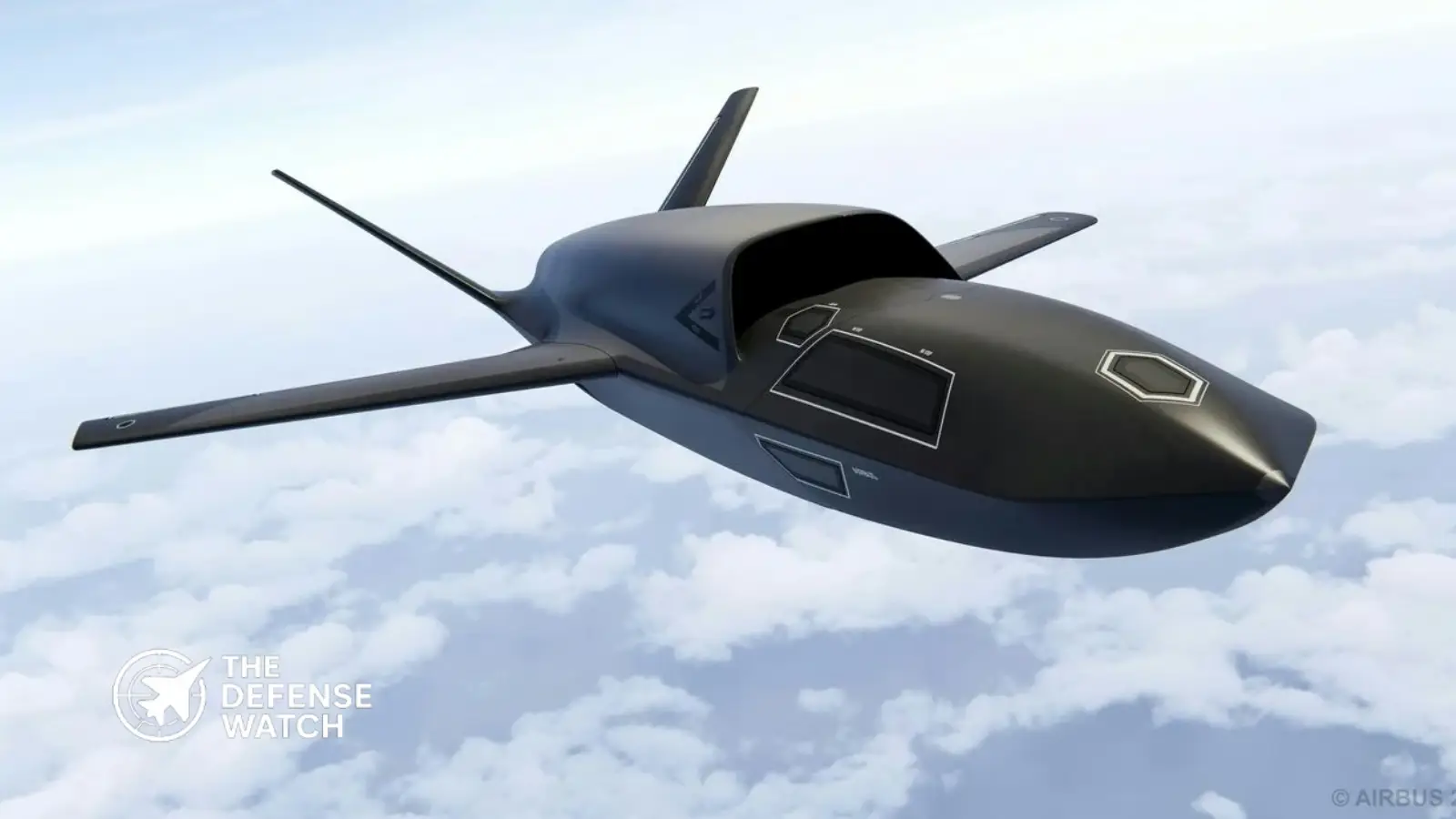
Airbus has unveiled its most comprehensive military drone portfolio to date at ILA Berlin 2026, led by the new U760 Ravenstorm combat drone and autonomous U145 helicopter.
The announcement highlights Europe’s growing focus on sovereign unmanned systems, collaborative combat aircraft, and AI-enabled defense technologies amid rising security demands.
Airbus Drone Portfolio Takes Center Stage At ILA Berlin 2026
Airbus drone portfolio capabilities were on full display at ILA Berlin 2026 as the European aerospace giant showcased a broad range of unmanned systems designed for surveillance, reconnaissance, intelligence gathering, and future multi-domain operations.
The exhibition comes as European governments continue investing in defense modernization programs following years of increased security concerns across the continent. Airbus positioned its unmanned systems lineup as a key component of Europe’s effort to strengthen technological sovereignty while expanding operational flexibility for military forces.
The company presented platforms covering multiple mission categories, ranging from small tactical drones to long-endurance strategic systems capable of supporting joint military operations.
Broad UAV Portfolio Targets Multiple Mission Sets
At the center of Airbus’ display was the company’s growing family of unmanned aerial systems designed to support land, air, and maritime operations.
The portfolio includes tactical reconnaissance drones, larger intelligence and surveillance platforms, and collaborative systems intended to operate alongside manned aircraft. Airbus emphasized interoperability and mission adaptability, reflecting the evolving requirements of modern armed forces.
Military planners increasingly seek UAVs capable of conducting intelligence, surveillance, target acquisition, reconnaissance, communications relay, and battle damage assessment missions within a single operational framework. Airbus’ presentation highlighted how its systems can contribute to these requirements across varying operational environments.
The company’s unmanned systems strategy aligns with broader NATO and European defense priorities focused on improving situational awareness and accelerating decision-making during military operations.
Eurodrone Remains A Key Strategic Program
A major element of the Airbus drone portfolio is the Eurodrone program, one of Europe’s most significant collaborative defense aviation projects.
Developed jointly by Germany, France, Italy, and Spain, Eurodrone is intended to provide a sovereign medium-altitude, long-endurance (MALE) capability for European armed forces. Airbus serves as the program’s industrial lead alongside major European defense partners.
The aircraft is designed to perform long-duration intelligence, surveillance, reconnaissance, and target acquisition missions while operating in controlled airspace. The program aims to provide European nations with an alternative to reliance on imported strategic UAV systems.
Eurodrone continues to be viewed as a cornerstone of Europe’s future airborne intelligence architecture and remains one of the continent’s most closely watched defense aviation programs.
Growing Demand For Autonomous And Unmanned Systems
The Airbus drone portfolio arrives at a time when military organizations worldwide are accelerating investments in autonomous and remotely operated systems.
Recent conflicts have demonstrated the growing importance of drones across tactical and strategic levels of warfare. UAVs are increasingly used for reconnaissance, electronic warfare support, targeting assistance, and operational intelligence.
European governments have responded by increasing procurement budgets and supporting domestic industrial capabilities. Airbus’ emphasis on a fully European drone ecosystem reflects these trends and addresses concerns about supply chain security, operational independence, and long-term sustainment.
From a strategic perspective, the company’s approach extends beyond individual platforms. Airbus is positioning itself as a provider of integrated unmanned solutions capable of supporting networked military operations and future multi-domain battle management systems.
Analysis: Why The Airbus Drone Portfolio Matters
The significance of Airbus’ showcase extends beyond product marketing.
Europe’s defense sector is entering a period of rapid transformation driven by higher military spending, changing security requirements, and increasing demand for indigenous defense technologies. In this environment, unmanned systems have become a central pillar of modernization efforts.
Airbus’ decision to present its entire UAV ecosystem at ILA Berlin demonstrates how drone technology is moving from a niche capability to a core military requirement.
The company’s strategy also reflects a broader industrial competition underway between European manufacturers and established global drone producers. While many nations continue to procure proven foreign systems, European governments increasingly seek locally developed alternatives that provide greater control over technology, maintenance, and operational data.
Another notable aspect is the emphasis on scalability. Modern militaries require drone fleets spanning multiple operational levels, from small tactical units to strategic intelligence platforms. Airbus appears focused on addressing this full spectrum rather than relying on a single flagship program.
As European defense budgets continue to rise, companies capable of offering integrated and sovereign unmanned solutions may gain a significant advantage in upcoming procurement competitions.
Outlook For European UAV Development
The Airbus drone portfolio showcased at ILA Berlin 2026 highlights the company’s ambition to play a leading role in Europe’s expanding unmanned aviation sector.
With programs such as Eurodrone advancing and demand for military UAVs continuing to grow, Airbus is positioning itself to support future European requirements across surveillance, reconnaissance, intelligence gathering, and multi-domain operations.
The exhibition also reinforces a broader trend within European defense policy: strengthening indigenous industrial capabilities while reducing dependence on external suppliers for critical military technologies.
As governments across Europe continue modernizing their armed forces, unmanned systems are expected to remain a major investment priority, creating opportunities for both established aerospace firms and emerging defense technology providers.
Executive Summary:
Airbus is increasingly looking toward Saab as a potential strategic partner after the collapse of the Franco-German Future Combat Air System (FCAS) fighter program. The development could reshape Europe’s sixth-generation combat aircraft landscape and influence future defense industrial cooperation across the continent.
Airbus Saab Partnership Emerges After FCAS Breakdown
The Airbus Saab partnership is gaining attention following the reported collapse of the Franco-German Future Combat Air System (FCAS), one of Europe’s most ambitious defense aviation programs.
According to Reuters, Airbus has been holding exploratory discussions with Swedish defense company Saab for at least six months. The talks have accelerated as France and Germany officially acknowledged that disagreements between industrial partners had become impossible to resolve within the FCAS fighter effort.
The FCAS program was originally designed to deliver a sixth-generation combat aircraft alongside advanced drones, networking systems, and a combat cloud architecture for France, Germany, and Spain. However, disputes over leadership and industrial responsibilities between Airbus and Dassault Aviation repeatedly delayed progress.
Why Saab Has Become An Attractive Option
Saab, best known for producing the Gripen fighter aircraft, is increasingly viewed as a credible partner for Airbus as Europe reassesses its next-generation combat aviation strategy.
Reuters reported that improved defense relations between Germany and Sweden have helped create momentum for deeper industrial cooperation. Airbus and Saab have already collaborated on unmanned technologies, providing a foundation for broader future projects.
Unlike larger multinational programs, Saab brings extensive experience in fighter design, systems integration, and defense innovation while maintaining a relatively flexible industrial structure. Sweden also remains one of the few European nations with an active domestic fighter aircraft development capability.
Saab has publicly stated that any future partnership would ultimately depend on political decisions, while maintaining an open approach toward collaboration with defense industry partners.
Airbus Keeps Other Options Open
While the Airbus Saab partnership appears to be gaining momentum, Airbus has not committed exclusively to a Swedish path.
Reuters reported that Airbus has also maintained high-level contacts related to the separate Global Combat Air Programme (GCAP), the multinational sixth-generation fighter initiative involving the United Kingdom, Italy, and Japan.
Industry executives have indicated that multiple partnership models remain under consideration as Germany seeks to preserve its role in future combat aircraft development. Airbus Defence and Space CEO Michael Schoellhorn recently acknowledged Saab as a potential partner while emphasizing that other options remain available.
Strategic Implications For European Air Power
The collapse of FCAS represents a major setback for European defense cooperation. Analysts note that the program’s failure highlights the challenges of aligning military requirements, industrial interests, and national priorities across multiple countries.
From a strategic perspective, the Airbus Saab partnership could offer Germany and Sweden an opportunity to preserve critical fighter aircraft expertise while avoiding some of the governance challenges that affected FCAS.
However, significant questions remain. Future combat aircraft programs require substantial financial investment, advanced propulsion technologies, sophisticated sensor integration, and long-term political commitment. Any new partnership would also need to address export policies, operational requirements, and production responsibilities.
A key consideration will be whether Europe ultimately converges around a smaller number of sixth-generation fighter programs or continues pursuing multiple competing initiatives, including France’s independent path, GCAP, and any future Airbus-Saab effort.
What Happens Next
The expected formal separation between Airbus and Dassault regarding the fighter component of FCAS could create greater freedom for Airbus to pursue alternative partnerships. Meanwhile, Germany continues to evaluate options for maintaining a domestic industrial role in next-generation combat aviation.
Although the FCAS fighter aircraft effort appears to have reached its end, elements of the broader program, including combat cloud networking systems and collaborative combat drone technologies, may continue under separate cooperative arrangements.
For Airbus, Saab, and European defense planners, the coming months could determine the future structure of Europe’s sixth-generation air combat ecosystem.
Analysis
The emerging Airbus Saab partnership reflects a broader shift in European defense procurement. Recent geopolitical tensions have increased pressure on European nations to field advanced combat aircraft while reducing dependence on external suppliers.
Rather than pursuing highly complex multinational programs with overlapping industrial interests, future partnerships may favor smaller coalitions built around complementary capabilities and clearer leadership structures.
If Airbus and Saab deepen their cooperation, the partnership could combine Germany’s industrial scale with Sweden’s fighter aircraft expertise, potentially creating a new center of gravity within Europe’s combat aviation sector. However, success will depend on whether political leaders can align long-term funding and operational requirements more effectively than previous multinational fighter efforts.
Executive Summary:
Airbus Helicopters has introduced the U145, an autonomous and uncrewed version of its widely used H145 helicopter. Unveiled at ILA Berlin 2026, the platform is designed to support cargo logistics, surveillance, disaster response, and military operations while advancing Airbus’ broader autonomous aviation strategy.
Airbus Unveils U145 Autonomous Helicopter At ILA Berlin 2026
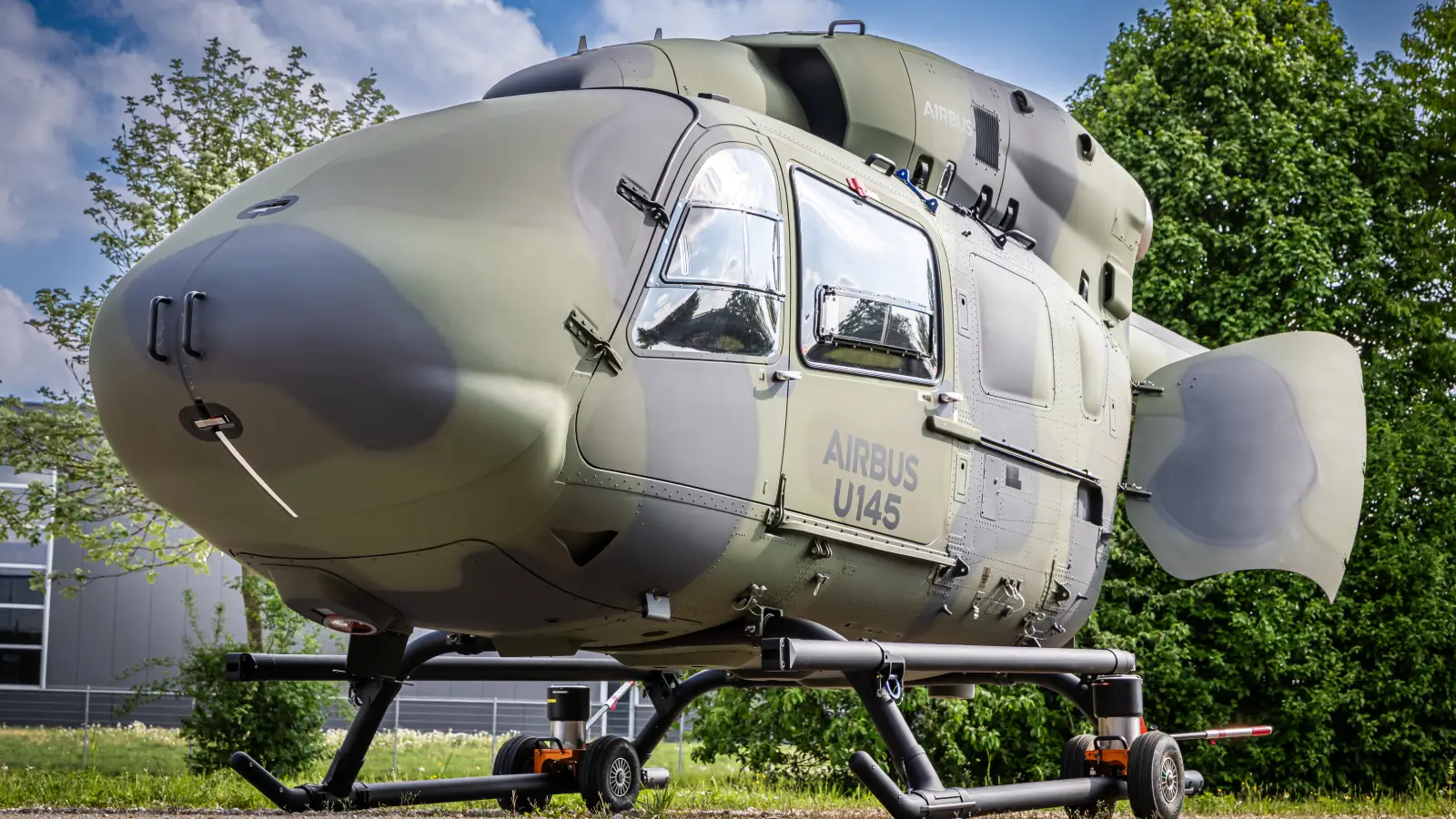
The Airbus U145 autonomous helicopter marks a significant step in the evolution of rotary-wing unmanned aviation. Revealed by Airbus Helicopters during the ILA Berlin Air Show, the new platform transforms the proven H145 helicopter into an uncrewed aircraft system capable of conducting autonomous missions across military and civilian sectors.
Airbus displayed a full-scale mock-up of the U145 at the event and announced plans for a maiden flight by the end of 2026 with a safety pilot onboard. Entry into operational service is expected in the early 2030s.
According to Airbus Helicopters CEO Matthieu Louvot, the U145 combines the payload capacity, airframe maturity, and operational experience of the H145 with the autonomy capabilities typically associated with advanced unmanned aerial systems.
-
Designed For Autonomous Cargo And Military Missions
Unlike the conventional H145, the U145 removes the physical cockpit entirely and replaces it with a dedicated sensor suite and artificial intelligence-driven autonomy system. Airbus says the aircraft is being optimized primarily for high-volume cargo transportation, particularly in environments where crewed operations may be risky or inefficient.
The aircraft incorporates several structural modifications, including:
- Integrated nose cargo door
- Foldable loading table
- Dedicated cargo floor
- Autonomous navigation and mission management systems
These changes are intended to streamline logistics operations while maximizing payload flexibility.
With a maximum takeoff weight of 3,800 kilograms, the U145 offers significantly greater lift capacity than many conventional unmanned aircraft currently in service.
Expanding Beyond Logistics
Although logistics support is the primary focus, Airbus is positioning the U145 as a modular platform capable of supporting a wide range of future missions.
Potential applications include:
- Military resupply operations
- Armed reconnaissance
- Intelligence, surveillance, and reconnaissance (ISR)
- Disaster response
- Firefighting support
- Drone mothership missions
- Crewed-uncrewed teaming operations
Airbus confirmed it is working with MBDA on concepts involving air-launched effects and drone mothership capabilities, reflecting growing interest among Western militaries in distributed and networked battlefield operations.
Part Of Airbus’ Broader Autonomous Aviation Strategy
The U145 represents Airbus’ second major effort to convert an existing helicopter into an autonomous platform. It follows the VSR700 program, which adapted the Cabri G2 helicopter into an unmanned system.
The announcement also aligns with Airbus’ ongoing investments in crewed-uncrewed teaming technologies. In 2025, the company unveiled HTeaming, a modular system designed to allow helicopter crews to control unmanned aircraft during flight. Together, these initiatives indicate Airbus is building an integrated ecosystem that connects crewed helicopters, autonomous aircraft, and future battlefield networks.
From a defense modernization perspective, the U145 reflects a broader industry trend toward autonomous logistics and operational support platforms. Armed forces increasingly view uncrewed rotorcraft as a way to reduce personnel risk while maintaining supply chains in contested environments.
Implications For Future Military Aviation
The launch of the Airbus U145 autonomous helicopter comes as military organizations across NATO and allied nations accelerate investment in autonomous aviation technologies.
The platform’s reliance on an already established helicopter design could offer several advantages. By leveraging the H145’s extensive operational history, Airbus may reduce technical risk, simplify maintenance planning, and accelerate certification compared with developing a completely new aircraft from scratch. The H145 family currently numbers more than 1,800 aircraft worldwide and has accumulated over 8.5 million flight hours across military, public service, and civilian missions.
As defense planners seek resilient logistics solutions and scalable autonomous capabilities, the U145 could emerge as a notable contender in the growing market for medium-lift uncrewed rotorcraft.
Executive Summary: The U.S. Marine Corps is rapidly advancing the MQ-72C Lakota Connector, an unmanned variant of the proven UH-72 platform, to solve “the last mile” of logistics in contested environments. By integrating Shield AI’s Hivemind autonomy, the MQ-72C is designed to deliver ammunition and supplies across the vast distances of the Pacific without risking aircrews.
The Evolution of the Lakota: From Utility to Autonomous Logistics
The MQ-72C Lakota, developed by Airbus U.S. Space & Defense, represents a strategic pivot in the Marine Corps’ Aerial Logistics Connector (ALC) program. Unlike the legacy manned UH-72A/B used primarily for domestic utility and training, the MQ-72C is a “clean-nose” redesign. By removing the cockpit, flight controls, and life-support systems, engineers have maximized internal volume for fuel and cargo.
This platform leverages the existing H145/UH-72 global supply chain, ensuring that the USMC can field a “risk-worthy” asset with high operational availability. The aircraft’s digital backbone, built on a Modular Open Systems Approach (MOSA), allows for the rapid integration of third-party sensors and mission sets beyond simple transport.
Technical Comparison: MQ-72C vs. Legacy UH-72
Feature UH-72B Lakota (Manned) MQ-72C Lakota (Autonomous) Range ~330 nm +350 nm (Expanded via fuel tanks) Payload ~3,903 lbs (Total Useful Load) Optimized for JMIC & Ordnance Status In Service (US Army/Navy) Prototyping / Flight Testing (2025-2026) Key Technology Helionix Avionics Suite Shield AI Hivemind / L3Harris C2 Force Design 2030: Strategic Context
The acceleration of the MQ-72C is a direct response to the threat posed by Anti-Access/Area Denial (A2/AD) bubbles in the Indo-Pacific. Under the Force Design 2030 mandate, the Marine Corps requires “stand-in forces” that can operate within the range of enemy precision fires.
- Contested Logistics: Traditional resupply via large vessels or manned heavy-lift helicopters (like the CH-53K) is increasingly vulnerable to sophisticated missile threats.
- Mass and Attrition: The MQ-72C provides a relatively low-cost, “attritable” alternative that can operate in swarms or continuous shuttle runs to sustain small, dispersed units.
- Expeditionary Advanced Base Operations (EABO): The aircraft’s ability to land in austere, unprepared clearings makes it ideal for supporting mobile missile batteries and ISR nodes on remote islands.
Technological Advantages of the MQ-72C
The integration of the Shield AI Hivemind autonomy software is the primary differentiator for the Lakota Connector. This “AI pilot” enables:
- GPS-Denied Navigation: The system can navigate and execute missions even when electronic warfare (EW) environments sever satellite links.
- Obstacle Avoidance: Real-time processing allows the MQ-72C to detect and avoid terrain and obstacles in low-altitude flight.
- Operational Simplicity: A single operator can manage multiple MQ-72Cs, reducing the manpower footprint required for sustainment.
- Modular Growth: Airbus has indicated the platform may eventually support “Launched Effects”—deploying smaller drones or loitering munitions from the helicopter in flight.
As of May 2026, the USMC continues to refine the MQ-72C’s performance through iterative flight tests, focusing on high-speed transport and autonomous landing on moving naval platforms. The success of the Lakota Connector could signal a broader shift across the Department of Defense toward converting proven rotorcraft into autonomous logistics workhorses.
Airbus Launches SAETA II Program To Replace Spain F-5 Fleet
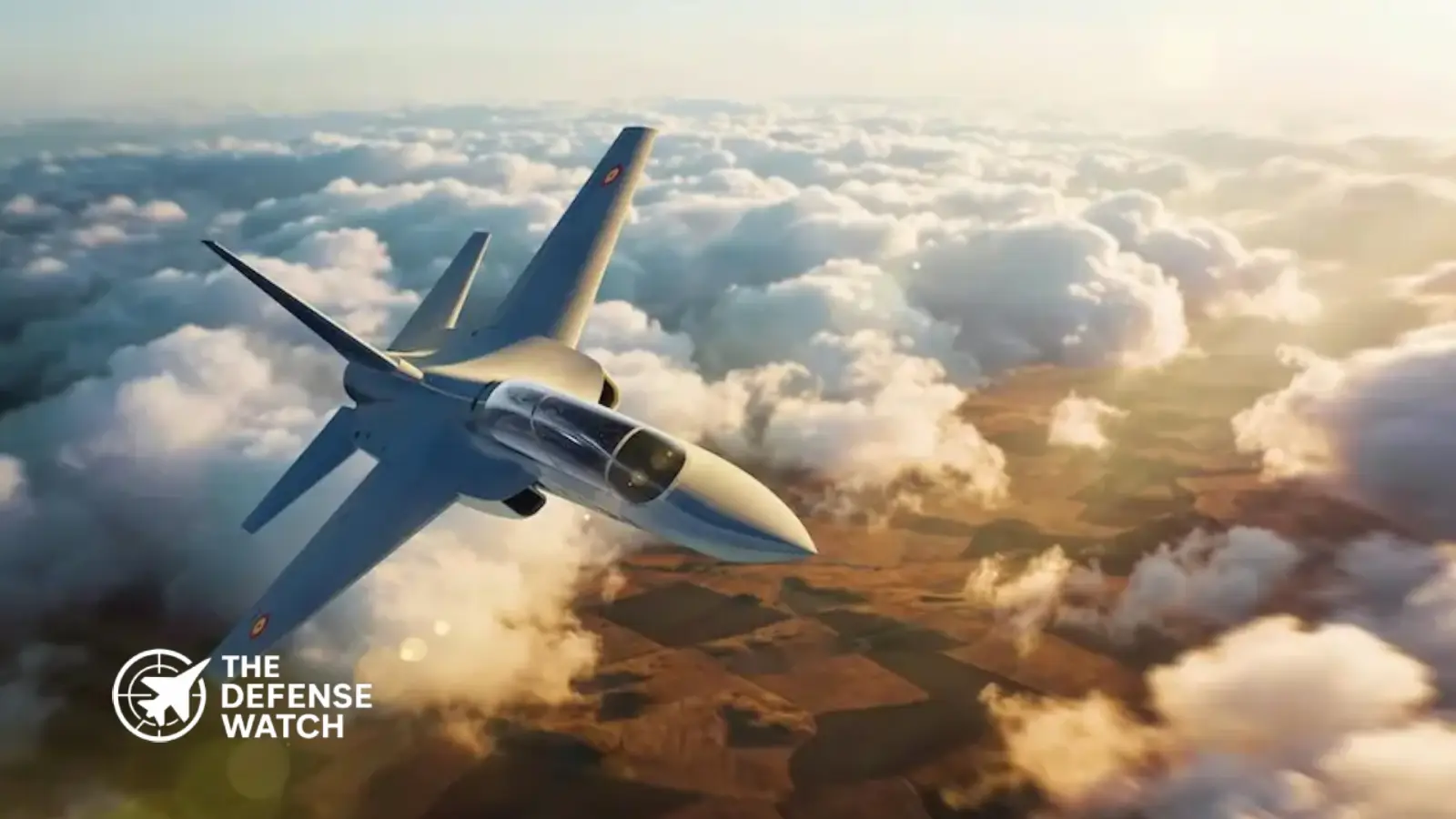
Spain’s SAETA II combat trainer program marks one of the country’s most important air force modernization efforts in years. Led by Airbus, the initiative will replace the Spanish Air and Space Force’s ageing F-5 aircraft with a new integrated pilot training system built around 30 advanced jet trainers.
- Airbus is leading Spain’s new Integrated Combat Training System centered on the SAETA II aircraft.
- The program will replace Spain’s ageing Northrop F-5 trainer fleet used for fighter pilot instruction.
- Spain plans a 30 aircraft fleet derived from the Turkish Aerospace HÜRJET platform.
- Initial deliveries begin in 2028, with full Spanish-standard deliveries scheduled through 2035.
- The project includes 60% Spanish industrial participation and upgraded simulators.
The program is based on a co-development arrangement between Airbus and Turkish Aerospace, manufacturer of the HÜRJET trainer jet. Spain’s localized version will carry the historic SAETA II name, linking the new fleet to the country’s earlier HA-200 Saeta jet trainer heritage.
Why Spain Is Replacing The F-5 Now
Spain’s F-5 fleet has served for decades in advanced fighter training. However, aging airframes, rising maintenance needs, and the demands of modern pilot instruction have made replacement increasingly urgent.
Today’s fighter pilots must transition to digital cockpits, advanced sensors, networked warfare, and complex mission systems. Legacy trainers designed in an earlier era are less suited to preparing crews for platforms such as the Eurofighter Typhoon and future sixth-generation systems.
That makes the SAETA II more than a simple aircraft purchase. It is a training pipeline upgrade designed to support Spain’s long-term combat air readiness.
What The SAETA II Program Includes
The SAETA II program covers more than aircraft deliveries. Airbus said it includes:
- Customization of 30 jets to Spanish requirements
- Advanced simulators and synthetic training systems
- Maintenance and logistics support
- Base infrastructure modernization
- Future upgrade pathways under Spanish control
Airbus will also redesign the Fighter and Strike School Training Centre at Talavera la Real Air Base.
That matters because modern pilot training increasingly blends live flying with simulator missions. This approach lowers cost, increases training repetitions, and allows pilots to rehearse high-risk combat scenarios safely.
Delivery Timeline And Industrial Impact
The first phase begins in 2028 with 21 aircraft deliveries. One airframe will be used as a prototype for integrating next-generation avionics and mission systems. Ground-based training systems are expected to enter service during the 2029 to 2030 academic period. Final Spanish-standard aircraft deliveries are scheduled from 2031 through 2035.
Airbus says the project includes 60% Spanish industrial participation. Domestic firms including Indra, GMV, Sener and others will contribute avionics, mission systems, datalinks, and support equipment.
This gives Madrid stronger sovereign control over sustainment, upgrades, and future exports.
Strategic Meaning For Europe
The SAETA II program also reflects a wider European defense trend. Rather than relying only on off-the-shelf foreign solutions, governments increasingly want local assembly, domestic supply chains, and control over future software and systems integration.
Spain’s decision blends an existing aircraft platform with national customization. That can reduce development risk while preserving industrial benefits.
For NATO members facing tighter budgets and growing readiness demands, that hybrid model may become more common.
Bottom Line
Spain’s SAETA II combat trainer program is not just replacing an old F-5 fleet. It is rebuilding the country’s fighter pilot training system for the next generation. With Airbus leading the effort and major Spanish industry involvement, the project strengthens readiness, industrial autonomy, and long-term air power capacity.
- Dassault Aviation CEO Eric Trappier says a two-to-three-week window remains to find a deal between France and Germany on the Future Combat Air System (FCAS) Next Generation Fighter program.
- FCAS Phase 1B — covering fighter and drone demonstrator design — is funded at approximately €3.2 billion and was expected to transition into full development (Phase 2) by late 2025, a deadline already missed multiple times.
- French President Emmanuel Macron and German Chancellor Friedrich Merz have jointly authorized a mediation mission to close the gap between Dassault and Airbus, with Germany setting a mid-April budget deadline for resolution.
- FCAS, valued at approximately €100 billion over its lifetime, is designed to replace the Rafale and Eurofighter Typhoon fleets starting around 2040, combining a crewed sixth-generation fighter with drone swarms and a combat cloud network.
- If FCAS collapses, the most likely outcome is two separate national programs — one led by France’s Dassault, another by Germany and Spain with Airbus — or deeper European reliance on U.S. platforms such as the F-35.
Dassault Aviation CEO Gives FCAS Two-to-Three Weeks To Survive as Franco-German Mediation Begins
The Future Combat Air System (FCAS) program — Europe’s flagship €100 billion sixth-generation fighter effort — has entered what may be its final weeks as a unified Franco-German project. Dassault Aviation CEO Eric Trappier stated publicly on April 1 that the company is giving itself two to three weeks to find a deal with German partner Airbus, framing the window as a last realistic opportunity before the program fractures.
Trappier’s statement aligns with a mid-April political deadline set by Berlin, driven by Germany’s upcoming federal budget decisions. French President Emmanuel Macron and Chancellor Friedrich Merz have jointly launched a mediation initiative, tasking intermediaries with closing the governance gap between Dassault and Airbus that has paralyzed the program’s transition from its current design phase into full-scale development.
The Big Picture: European Air Power at a Crossroads
Europe’s defense posture is undergoing its most significant transformation since the Cold War. NATO allies are dramatically increasing defense spending amid the protracted war in Ukraine and growing uncertainty over U.S. security commitments. Against this backdrop, the FCAS program was conceived as the cornerstone of European air power sovereignty — a demonstration that the continent could field a cutting-edge sixth-generation combat aircraft without dependence on American industry.
FCAS, known in French as SCAF, was announced in 2017 by Macron and then-Chancellor Angela Merkel. It envisions a “system of systems” combining a crewed Next Generation Fighter (NGF) with loyal wingman drones, advanced sensors, and a combat data cloud. France’s Dassault Aviation leads the NGF pillar; Airbus leads the Remote Carriers and Combat Cloud; Spain’s Indra heads sensor development. The program’s ambition was clear: replace both the Rafale and Eurofighter Typhoon from around 2040.
That ambition now hangs by a thread.
What’s Happening: A Program in the Final Hours
Dassault Aviation CEO Eric Trappier issued his two-to-three-week ultimatum as France and Germany work through a joint mediation effort endorsed at the highest political levels. Trappier has been consistent in his diagnosis: the dispute is not about capability or technical feasibility, but governance. Specifically, who holds final authority over the Next Generation Fighter’s design, subcontractor selection, and flight trial leadership.
Trappier argues that France was designated the lead nation from the program’s inception, with Dassault assigned leadership of the NGF pillar. He has accused Airbus of refusing to respect that arrangement, instead pushing for what Trappier derides as a “co-co-co” leadership structure — a model in which multiple partners share authority equally over key design decisions.
“If Airbus maintains its position of not wanting to work with Dassault, the matter is dead,” Trappier said at Dassault’s annual results briefing in early March 2026.
Airbus has publicly supported a “two-fighter” alternative in which Germany, Spain, and potentially other partners develop one aircraft while France builds another separately. Macron has firmly rejected this option. Trappier likewise called the two-aircraft concept unnecessary duplication, arguing that the operational requirements of France and Germany remain fundamentally compatible.
The program is currently in Phase 1B, which covers the design of the NGF and Remote Carrier airframes, demonstrators, and integration strategies. Phase 1B was budgeted at roughly €3.2 billion and was expected to conclude with the NGF demonstrator’s first flight in the summer of 2026 — a milestone that has since slipped to 2029 under a yet-to-be-signed Phase 2 agreement.
Germany’s federal government set mid-April as a hard deadline, citing its budget cycle. The German Aerospace Industries Association stated it was “optimistic that clarity will finally be achieved by mid-April.”
Why It Matters: More Than an Industrial Dispute
The FCAS collapse risk matters well beyond a corporate workshare argument. At its core, the dispute exposes the structural difficulty of sustaining multinational defense programs where participating nations hold divergent strategic interests, export policies, and operational requirements.
Trappier himself drew a stark historical lesson. When asked whether Dassault risked obsolescence by resisting the FCAS governance structure, he pointed out that of the four nations that built the Eurofighter Typhoon, three ultimately purchased the F-35. His implication was direct: governance-by-committee produces compromised aircraft that fail to satisfy national requirements, pushing customers back to U.S. platforms regardless of original intent.
This is not an abstract risk. Germany has already ordered 35 F-35A jets to carry U.S. B61-12 nuclear gravity bombs under NATO nuclear sharing arrangements, with an option for 15 more. Berlin’s investment in an American platform it operates separately from the FCAS requirement creates a practical question: does Germany genuinely need a sixth-generation fighter on the FCAS timeline, or has its near-term nuclear deterrence gap already been filled?
The French position is structurally different. The Rafale carries France’s airborne nuclear deterrent and must operate from Charles de Gaulle-class aircraft carriers. Paris requires a next-generation aircraft capable of both missions. Dassault’s ability to develop such an aircraft is not in serious technical doubt — Trappier asserted his company could develop the NGF independently for “well below” €50 billion.
What France cannot easily replace is the political legitimacy and industrial cost-sharing that a Franco-German program provides.
Strategic Implications: European Autonomy or American Dependence
FCAS was always as much a geopolitical statement as a procurement program. Macron framed it as proof that Europe could produce hard power without relying on Washington. A collapse would undercut that narrative at the worst possible moment — when European governments are urgently debating defense autonomy in the face of perceived U.S. withdrawal from NATO commitments.
The strategic stakes extend beyond the fighter itself. Dassault has already invested in next-generation autonomous systems, recently leading a €200 million investment in AI drone developer Harmattan AI to advance embedded autonomy for future combat systems including the Rafale F5 and its drone wingman. Dassault is developing a loyal wingman drone for the Rafale F5 standard regardless of whether FCAS continues. France, in other words, retains a credible fallback that preserves its industrial base.
Germany does not. Airbus Defence and Space has built substantial expertise in military aircraft integration, but it does not possess the end-to-end fighter design capability that Dassault has refined over seven decades. If FCAS fractures and Germany pursues a separate aircraft, Berlin will face a longer and more expensive development path — one that may ultimately steer it back toward the American market for bridging solutions.
Competitor View: Moscow and Beijing Read the Signals
Russia and China will closely monitor the FCAS outcome. A program collapse that drives Germany further into the F-35 ecosystem and leaves France developing a fighter alone would signal that European defense industrial integration remains aspirational rather than operational. This perception plays directly into narratives both Moscow and Beijing have promoted — that NATO’s European members cannot sustain independent hard power without American industrial underpinning.
From Beijing’s perspective, a fragmented European fighter market also creates long-term procurement openings. European nations that cannot afford a sixth-generation aircraft from a domestic program may turn to interim capability purchases, sustaining American market dominance and limiting Europe’s ability to develop autonomous strategic options. For Russia, FCAS failure at this moment reinforces the message that European responses to Russian aggression remain dependent on U.S. will.
Neither Moscow nor Beijing needs to act. The FCAS industrial dispute is entirely self-inflicted.
What To Watch Next
The mid-April window is now the singular focal point. Macron said France and Germany have “jointly decided to launch an initiative to bring Airbus and Dassault closer together in the coming weeks.” The mediation’s success depends on whether Airbus accepts a governance structure that preserves Dassault’s authority over the NGF while granting German industry a meaningful and clearly defined share of the work.
If a deal is reached by mid-April, the next milestone is a formal government decision on Phase 2 funding — a commitment governments have deferred multiple times since the original August 2025 deadline. Phase 2 would govern NGF full development, with a first flight of the demonstrator now targeted for 2029.
If the mediation fails, the most credible near-term scenarios are a formal two-aircraft solution — opposed by France — or a French decision to proceed with a national or alternative multinational program. Trappier has indicated Dassault could find alternative partners, though he stressed that choice belongs to French political authorities, not his company.
Capability Gap: What Failure Would Leave Unfilled
FCAS was designed to replace aircraft that will reach the end of their service lives around 2040. The Rafale and Eurofighter Typhoon are both capable fourth-generation-plus platforms, but neither was designed to operate in the threat environment projected for the 2040s — one characterized by advanced integrated air defense systems, stealth-enabled adversaries, and drone swarms. A sixth-generation aircraft with embedded AI, reduced radar cross-section, and the ability to command autonomous wingmen addresses that gap directly.
Without FCAS, France has a viable path through an evolved Rafale F5 paired with loyal wingman drones — a credible if less ambitious solution. Germany’s path is less clear. Berlin faces a harder strategic choice about whether to invest in an independent next-generation capability, accept indefinite F-35 reliance, or eventually pursue a different European partnership, potentially through the British-Italian-Japanese GCAP program that has been openly discussed as a possible destination for German interest.
The realistic limitation of any two-to-three-week resolution is that it can only address industrial governance, not the deeper divergence in French and German operational requirements that German Chancellor Merz has publicly articulated. Even a deal that survives April will need sustained political will from both capitals through years of development — a harder problem than the immediate deadline suggests.
The Bottom Line
The two-to-three-week window Dassault Aviation has given itself to find a FCAS deal is not simply a corporate negotiating tactic — it reflects a genuine program crisis that will determine whether Europe’s most ambitious defense industrial project survives or becomes the most expensive symbol of Franco-German strategic divergence since the Eurofighter era.
■ KEY FACTS AT A GLANCE- ► Airbus unveiled two advanced rotorcraft concepts focused on NATO future airpower requirements.
- ► Designs emphasize higher speed, survivability, and modular mission systems for contested environments.
- ► Concepts align with NATO modernization priorities and future vertical lift requirements.
- ► Airbus positions the designs as European options for next generation combat and transport missions.
- ► The announcement comes amid intensifying transatlantic competition in advanced rotorcraft development.
Airbus Dual Rotorcraft Concepts Target NATO Future Airpower Capabilities
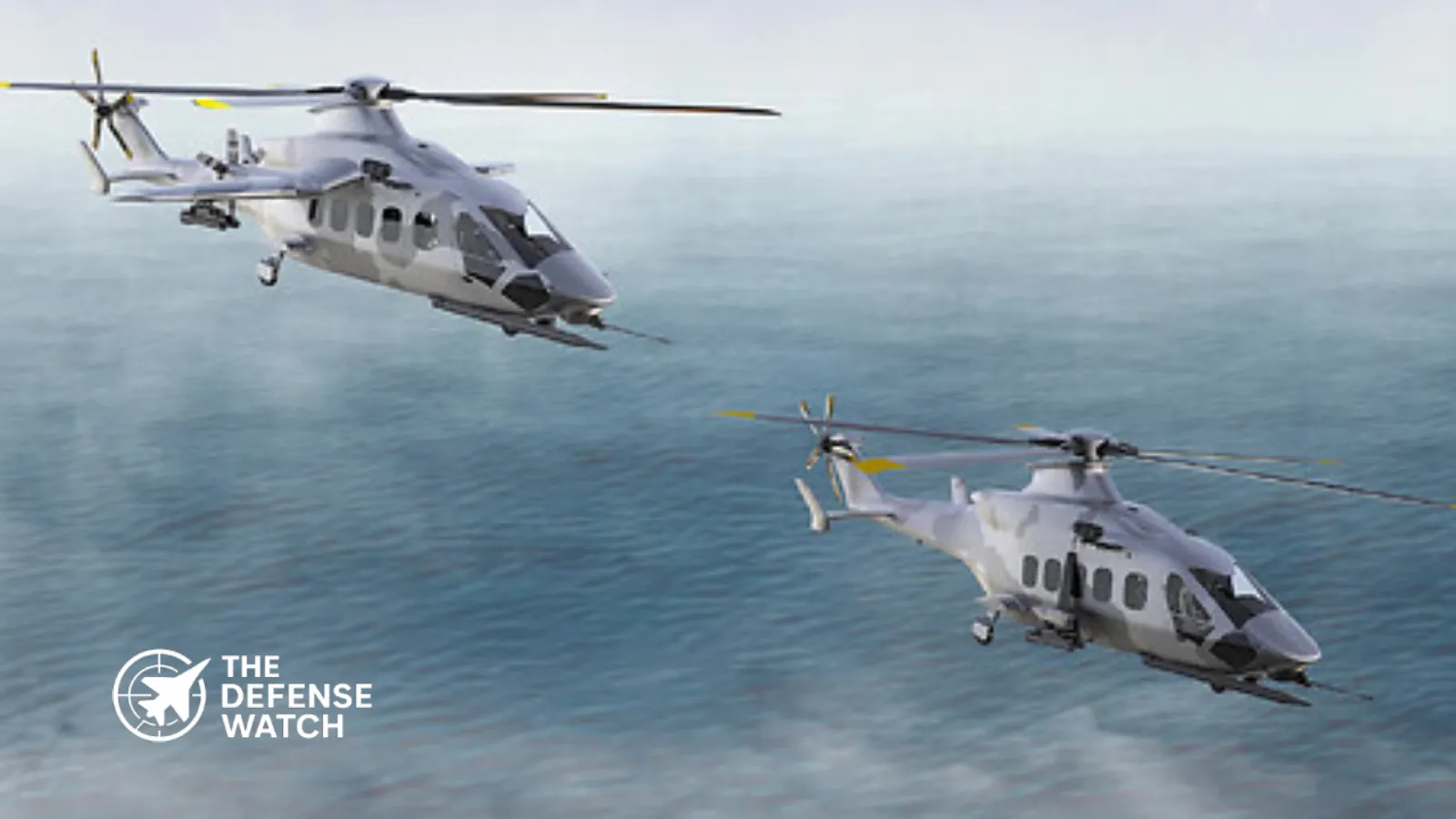
Airbus dual rotorcraft concepts are designed to support NATO future airpower capabilities as the alliance prepares for high intensity operations against near peer threats.
The European aerospace firm introduced two next generation rotorcraft studies aimed at expanding speed, survivability, and mission flexibility beyond current helicopter fleets. The concepts are positioned as potential contributors to NATO’s evolving force structure, particularly in the context of rapid reinforcement and distributed operations across Europe.
According to Airbus, The designs reflect Airbus’ intent to align closely with NATO capability planning, including requirements for enhanced mobility, improved protection, and advanced digital integration.
Focus On Speed And Survivability
While detailed specifications remain limited, both rotorcraft concepts emphasize higher cruise speeds than conventional helicopters. This focus mirrors broader Western efforts to overcome one of rotary wing aviation’s longstanding limitations, namely limited dash speed and range compared to fixed wing aircraft.
Higher speed rotorcraft can reduce exposure time in contested airspace, a key consideration as NATO planners account for integrated air defense systems fielded by Russia and other potential adversaries. Recent conflicts in Ukraine have underscored the vulnerability of legacy helicopters operating within range of modern surface to air missiles and loitering munitions.
Airbus appears to be responding to that operational reality. By exploring new aerodynamic configurations and propulsion concepts, the company aims to bridge the gap between traditional helicopters and tiltrotor or compound aircraft designs.
This effort parallels U.S. Army modernization programs such as Future Vertical Lift, though Airbus’ approach is tailored to European and NATO requirements.
Modular Design For Multi Role Operations
Another core element of the Airbus dual rotorcraft concepts is modularity. The aircraft are expected to support a range of missions, including troop transport, special operations insertion, medical evacuation, and potentially armed escort roles.
NATO’s defense planning documents emphasize flexible, interoperable platforms capable of operating across allied forces. A modular rotorcraft architecture would allow rapid reconfiguration based on mission demand, reducing logistics burdens and lifecycle costs.
For European nations balancing rising defense budgets with industrial policy goals, domestically developed platforms also offer strategic advantages. Airbus, headquartered in Europe, positions itself as a key industrial partner capable of sustaining regional supply chains while contributing to alliance level capability targets.
Strategic Context: NATO Modernization Drive
The unveiling of Airbus dual rotorcraft concepts comes amid accelerated defense spending across NATO member states. Since Russia’s full scale invasion of Ukraine in 2022, European governments have committed to increasing readiness and replacing aging equipment.
Helicopter fleets across Europe include platforms such as the NH90 and Tiger, both produced by European consortia that include Airbus. Many of these aircraft entered service in the 2000s and will require upgrades or replacement in the coming decades.
NATO’s 2022 Strategic Concept calls for strengthened deterrence and defense posture along the alliance’s eastern flank. Rapid air mobility, vertical lift, and survivable logistics are central to that objective. In this context, advanced rotorcraft capable of operating in contested environments become more than a procurement issue. They become part of the alliance’s deterrence framework.
Airbus’ announcement signals an effort to shape that discussion early. By presenting conceptual designs now, the company can influence requirement setting and multinational cooperation frameworks.
Industrial Competition And Transatlantic Dynamics
The rotorcraft sector is increasingly competitive. In the United States, Bell and Sikorsky are advancing high speed designs under Army programs. European governments must decide whether to join U.S. initiatives, develop indigenous systems, or pursue hybrid approaches.
Airbus dual rotorcraft concepts therefore carry political weight beyond their technical characteristics. A European led program could reinforce strategic autonomy goals articulated by several EU member states, while still operating within NATO’s integrated command structure.
At the same time, interoperability with U.S. forces remains essential. Any future NATO rotorcraft platform must integrate with alliance communications networks, data links, and logistics systems.
Balancing autonomy with interoperability will shape the future of NATO air mobility planning.
What Comes Next
Airbus has not announced a formal development timeline or launch customer for the concepts. As with many early stage studies, progression to a funded program will depend on national defense budgets and alliance level coordination.
Still, the unveiling of Airbus dual rotorcraft concepts marks a clear signal. Europe’s largest aerospace company intends to compete in the next generation vertical lift space and anchor part of NATO future airpower capabilities within a European industrial framework.
For defense planners, the question is no longer whether rotary wing aviation must evolve. It is how quickly alliance members can translate concept designs into fielded capability in an increasingly contested security environment.
Automatic Air-to-Air Refueling Now Fully Certified on A330 MRTT
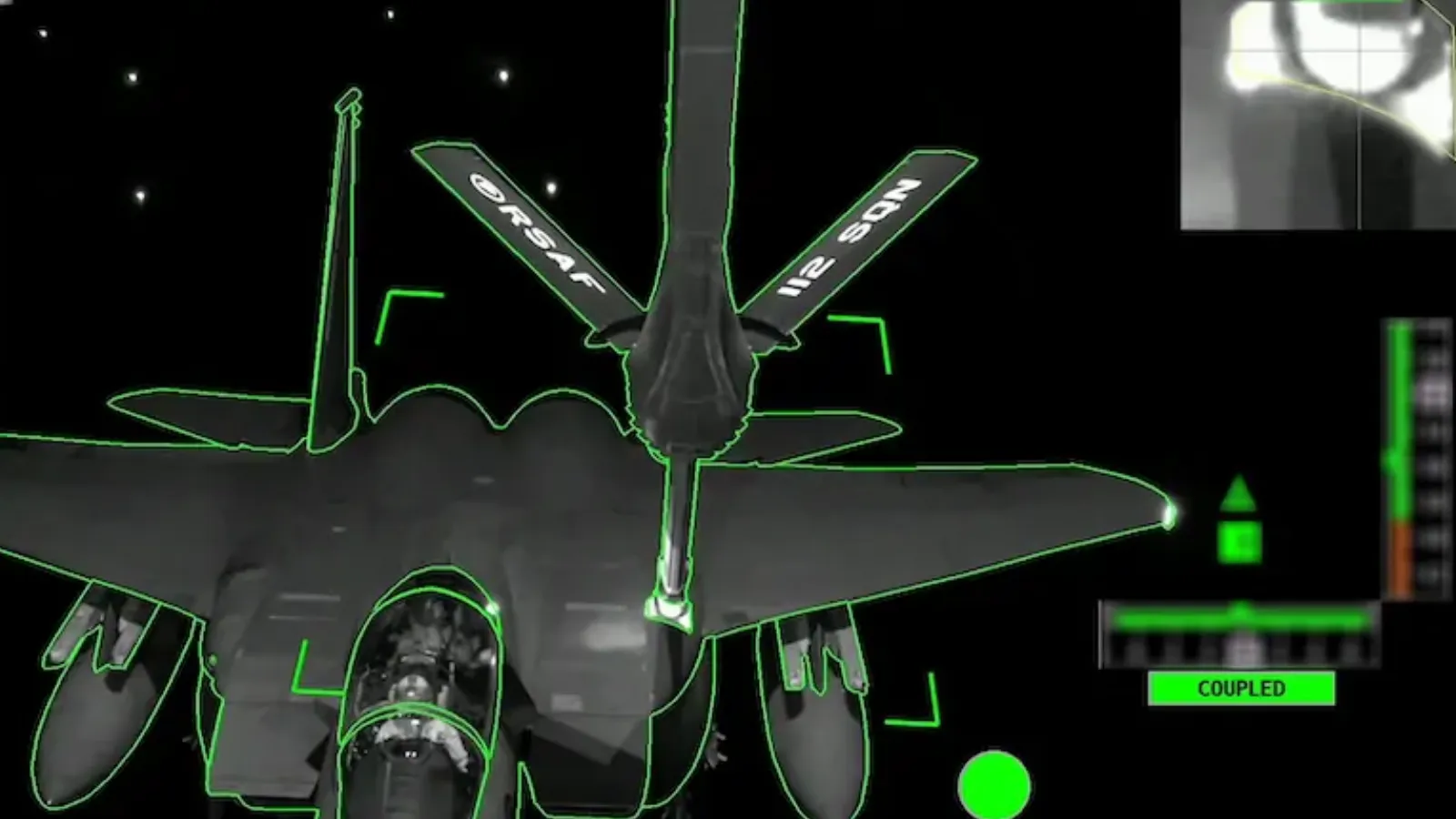
Airbus and Singapore have achieved full certification for the automatic air-to-air refueling (A3R) capability on the Airbus A330 Multi Role Tanker Transport (MRTT), marking a world first in military aviation. Certification was granted by Spain’s National Institute for Aerospace Technology (INTA) after a thorough flight-test and qualification campaign with the Republic of Singapore Air Force (RSAF) and the Defence Science and Technology Agency (DSTA).
The A3R system automates the traditional aerial refueling boom operation, reducing manual workload for air refueling operators while enhancing precision and safety. The full certification covers both daytime and night operations, reflecting rigorous testing across a wide range of mission profiles and receiver aircraft types.
What This Certification Means
The certification confirms the maturity, reliability, and safety of Airbus’s Automatic Air-to-Air Refueling system on the A330 MRTT. It allows the RSAF to conduct automated refueling operations with its fleet of MRTTs operated by 112 Squadron without manual boom control.
Singapore is the first air force in the world to field a fully certified automatic refueling capability on a tanker aircraft. This milestone establishes a benchmark for aerial refuelling automation and may influence future tanker modernization efforts internationally.
How the A3R System Works
Developed under Airbus’s SMART MRTT initiative, the A3R system uses advanced sensors and computer vision to automatically detect and track receiver aircraft and guide the refueling boom into position. The process minimizes the need for direct human input during boom engagement, reducing operator fatigue and enabling more consistent contact with receiver aircraft.
The system is designed to be compatible with multiple receiver platforms. Certification testing included RSAF F-16 and F-15SG fighters alongside the MRTT fleet, validating the system across different aircraft types and operational conditions.
Development and Testing History
Airbus and the RSAF began collaborating on the A3R program in 2020, aiming to bring automated boom refueling into operational service. Earlier milestones included successful daytime certification in 2022 and extensive night operation flight tests, as well as trials that involved hundreds of automatic contacts between the MRTT and various receiver aircraft.
These efforts culminated in the recent certification announcement at the Singapore Airshow 2026, reinforcing Singapore’s role as a leading partner in A3R development and innovation.
Strategic Impact
Automatic aerial refueling offers several operational advantages for air forces:
- Reduced workload and improved safety for refueling operators.
- Greater consistency and precision in boom contact across mission profiles.
- Enhanced flexibility for tanker and receiver formations during sustained operations.
By automating complex refueling tasks, the A3R system can free crew attention for broader situational awareness and mission management.
What Comes Next
With full certification secured, Airbus plans to support A3R retrofit and integration for existing MRTT operators. The company is also exploring ways to incorporate the technology more seamlessly into future tanker variants, including the A330neo-based MRTT Plus platform.
Continued collaboration between Airbus and Singapore could extend the range of certified receiver aircraft and broaden the global adoption of automated refueling capabilities.
MOD Awards £33.6 Million H145 Helicopter Support Contract to Airbus
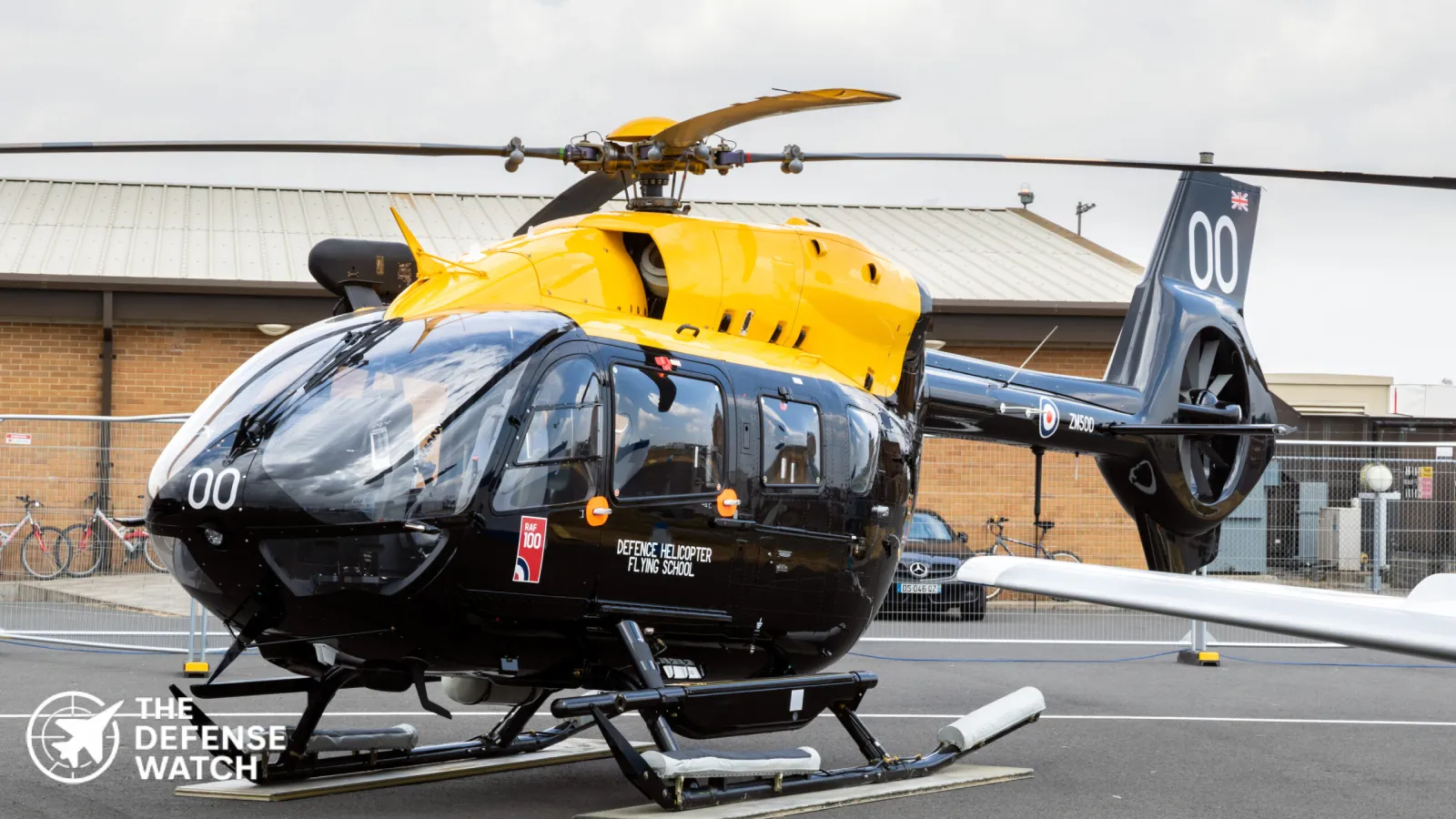
The UK Ministry of Defence has awarded Airbus Helicopters UK a £33.6 million, two-year contract to provide initial in-service support for its new fleet of six H145 helicopters, designated Jupiter HC2 in British service. The contract, managed by Defence Equipment & Support (DE&S), follows the original £122 million procurement of the aircraft finalized 18 months ago.
Under this agreement, Airbus will ensure operational readiness, maintenance, and technical support for the Jupiter HC2 helicopters. These aircraft are expected to enhance the UK military’s operational flexibility, including search and rescue, troop transport, and training missions.
The H145 helicopters, manufactured by Airbus, are widely recognized for their twin-engine performance, advanced avionics, and high versatility in military operations. DE&S confirmed the contract aims to maintain the fleet’s availability and extend lifecycle support, crucial for sustaining operational capability.
A spokesperson for DE&S stated that the contract highlights the MOD’s commitment to ensuring long-term reliability of its helicopter fleet while supporting British industry. Airbus will work closely with the MOD to deliver maintenance, technical advice, and spares management over the next two years.
The Jupiter HC2 fleet represents a significant modernization of the UK’s light helicopter capabilities, complementing other rotary-wing platforms in service. This support contract ensures that the new helicopters are mission-ready while reducing potential downtime and operational risk.
Airbus Helicopters UK has previously supplied multiple platforms to the MOD, reinforcing its role as a key partner in supporting British defense aviation.