
Executive Summary:
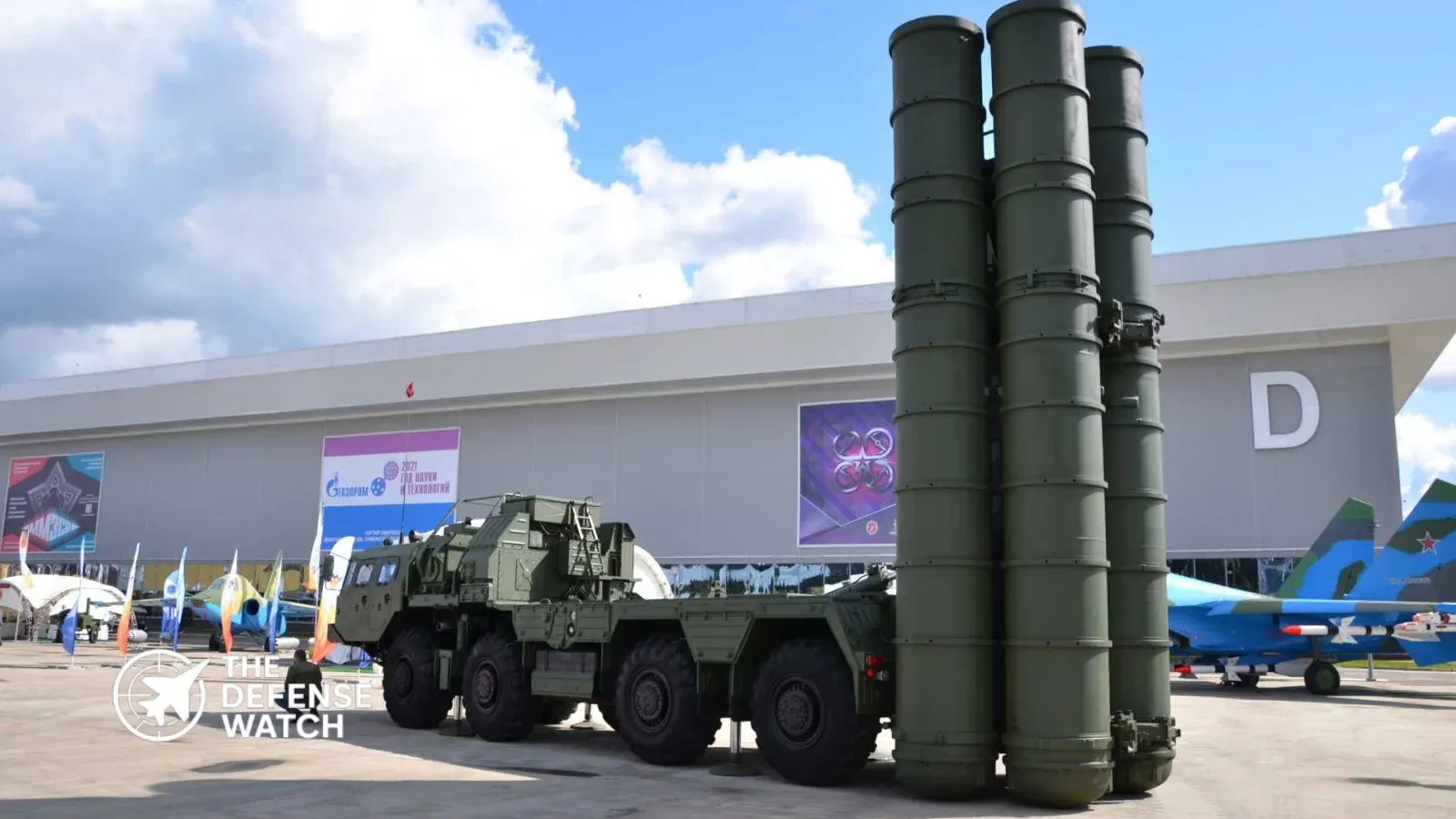
Türkiye is reportedly examining the sale of its Russian built S-400 air defense system to a Gulf nation as Ankara attempts to remove one of the main obstacles preventing its return to the U.S. led F-35 Joint Strike Fighter program. The reported discussions highlight Türkiye’s broader effort to restore defense cooperation with Washington while balancing regional security partnerships and its existing military capabilities.
Türkiye Explores S-400 Sale As It Seeks Return To F-35 Program
Türkiye’s reported effort to sell its Russian made S-400 air defense system marks one of the clearest indications that Ankara is looking for a long term solution to one of its most contentious defense disputes with the United States.
According to reporting by Army Recognition, Turkish officials are exploring the possibility of transferring the S-400 system to a Gulf country, potentially removing the issue that led Washington to suspend Türkiye from the multinational F-35 Joint Strike Fighter program.
The report comes as relations between Ankara and Washington have gradually improved through expanded defense dialogue, NATO cooperation, and negotiations over other military procurement programs.
Why The S-400 Became A Major Issue
Türkiye signed its agreement with Russia to purchase the S-400 Triumf long range air defense system in 2017, with deliveries beginning in 2019.
The acquisition immediately raised concerns within NATO because the advanced Russian radar system could potentially collect sensitive electronic data on Western combat aircraft, particularly the stealth characteristics of the F-35 Lightning II.
The United States argued that operating both systems together would create unacceptable intelligence risks. As a result, Washington removed Türkiye from the multinational F-35 production and acquisition program in 2019.
Additional measures followed under the Countering America’s Adversaries Through Sanctions Act (CAATSA), which imposed sanctions on Türkiye’s Presidency of Defense Industries (SSB) and limited future defense cooperation.
Potential Gulf Transfer Could Change The Strategic Landscape
Although no agreement has been officially announced, transferring the S-400 system to a Gulf nation could represent a significant diplomatic breakthrough if accepted by all parties involved.
Several Gulf countries continue to modernize their integrated air and missile defense networks as regional missile and drone threats evolve. However, any transfer would likely require Russian approval because export agreements for advanced military systems generally contain end user restrictions.
The United States has not publicly indicated whether removing the S-400 from Turkish service alone would automatically restore Türkiye’s eligibility for the F-35 program.
Why The F-35 Still Matters To Türkiye
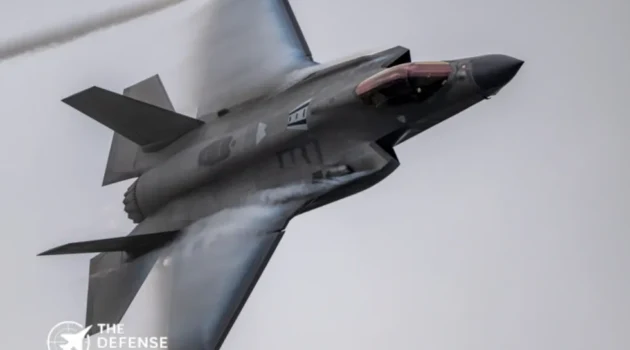
The F-35 remains one of the world’s most advanced fifth generation multirole fighters, combining stealth, sensor fusion, advanced networking, and precision strike capabilities.
Before its removal, Türkiye was both a development partner and industrial participant in the program.
Turkish aerospace companies manufactured hundreds of aircraft components, including structural assemblies, landing gear elements, and engine parts, before production responsibilities were redistributed among other suppliers following Ankara’s suspension.
A return to the program would provide several strategic benefits.
Capability Strategic Value Fifth generation stealth Enhanced survivability against advanced air defenses NATO interoperability Improved coalition operations Industrial participation High value aerospace manufacturing opportunities Long term fleet modernization Replacement for aging fighter aircraft Technical And Political Challenges Remain
Even if Türkiye ultimately transfers the S-400 system, several political and legal hurdles would remain before rejoining the F-35 enterprise.
Among the major issues are:
- U.S. congressional approval for any policy reversal.
- Resolution of CAATSA related restrictions.
- Security verification regarding previous S-400 operations.
- Agreement among existing F-35 partner nations.
- Potential Russian objections to transferring the system.
Each factor would require extensive diplomatic negotiations extending beyond the physical removal of the missile system.
Analysis: Why This Matters Beyond Türkiye
The reported proposal reflects a broader transformation in regional defense relationships rather than a simple arms transaction.
For Washington, restoring closer defense ties with Türkiye would strengthen NATO’s southern flank at a time when the alliance faces simultaneous security challenges from Russia, instability across the Middle East, and increasing military competition in the Black Sea region.
Türkiye occupies one of NATO’s most strategically important geographic positions, controlling access to the Black Sea through the Turkish Straits while maintaining military operations across Europe, the Eastern Mediterranean, the Middle East, and the Caucasus.
From an operational perspective, reintroducing Türkiye into advanced Western defense programs could improve alliance interoperability, logistics, and collective deterrence. Turkish industry has also expanded significantly since its removal from the F-35 supply chain, making future industrial cooperation potentially valuable for both NATO and U.S. defense manufacturing.
At the same time, any decision involving the S-400 would remain politically sensitive. The system has become a symbol of Ankara’s effort to pursue a more independent defense procurement policy while maintaining NATO membership. A transfer would therefore represent not only a military decision but also a strategic signal regarding Türkiye’s future alignment with Western defense structures.
For Gulf states, acquiring such a system would also require careful consideration of existing U.S. supplied missile defense architectures, including Patriot and THAAD batteries, interoperability requirements, sustainment costs, and the broader political implications of introducing Russian equipment into predominantly Western defense networks.
Outlook
No official announcement has confirmed that an S-400 transfer agreement has been finalized, and neither U.S. nor Turkish authorities have publicly outlined a roadmap for Türkiye’s possible return to the F-35 program.
Nevertheless, the reported discussions indicate that Ankara continues exploring options to resolve one of the most significant disputes affecting U.S. Türkiye defense relations. Whether those efforts ultimately lead to renewed participation in the F-35 program will depend on diplomatic negotiations, congressional decisions in Washington, and broader NATO security considerations.