$1.5 Trillion Defense Budget Signals Historic U.S. Military Expansion
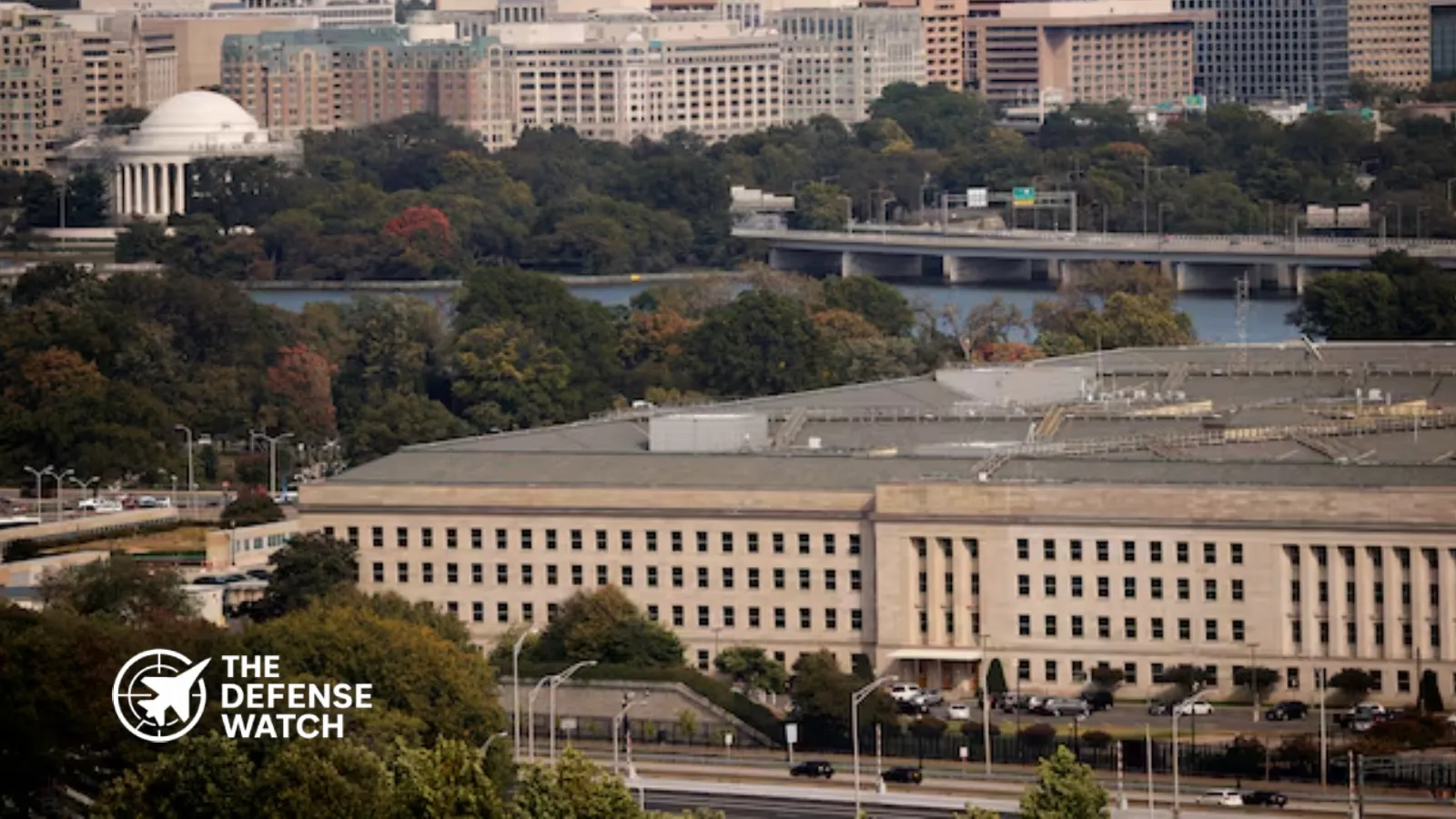
The $1.5 trillion defense budget proposed by the Trump administration would mark one of the largest annual increases in modern U.S. military spending, with the Pentagon directing major resources toward naval expansion, combat aviation, missile defense, drones and industrial capacity. Pentagon officials released new details on April 21, outlining a plan intended to accelerate force modernization and sustain readiness amid rising global tensions.
- Pentagon detailed a proposed $1.5 trillion U.S. defense budget for FY2027.
- More than $750 billion targets ships, aircraft and Golden Dome missile defense priorities.
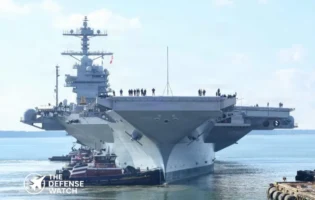
- $65 billion would fund 34 vessels, the largest U.S. shipbuilding request since 1962.
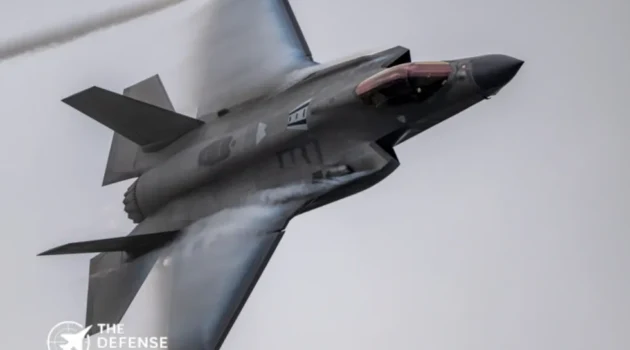
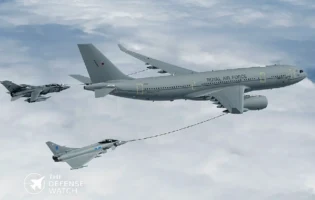
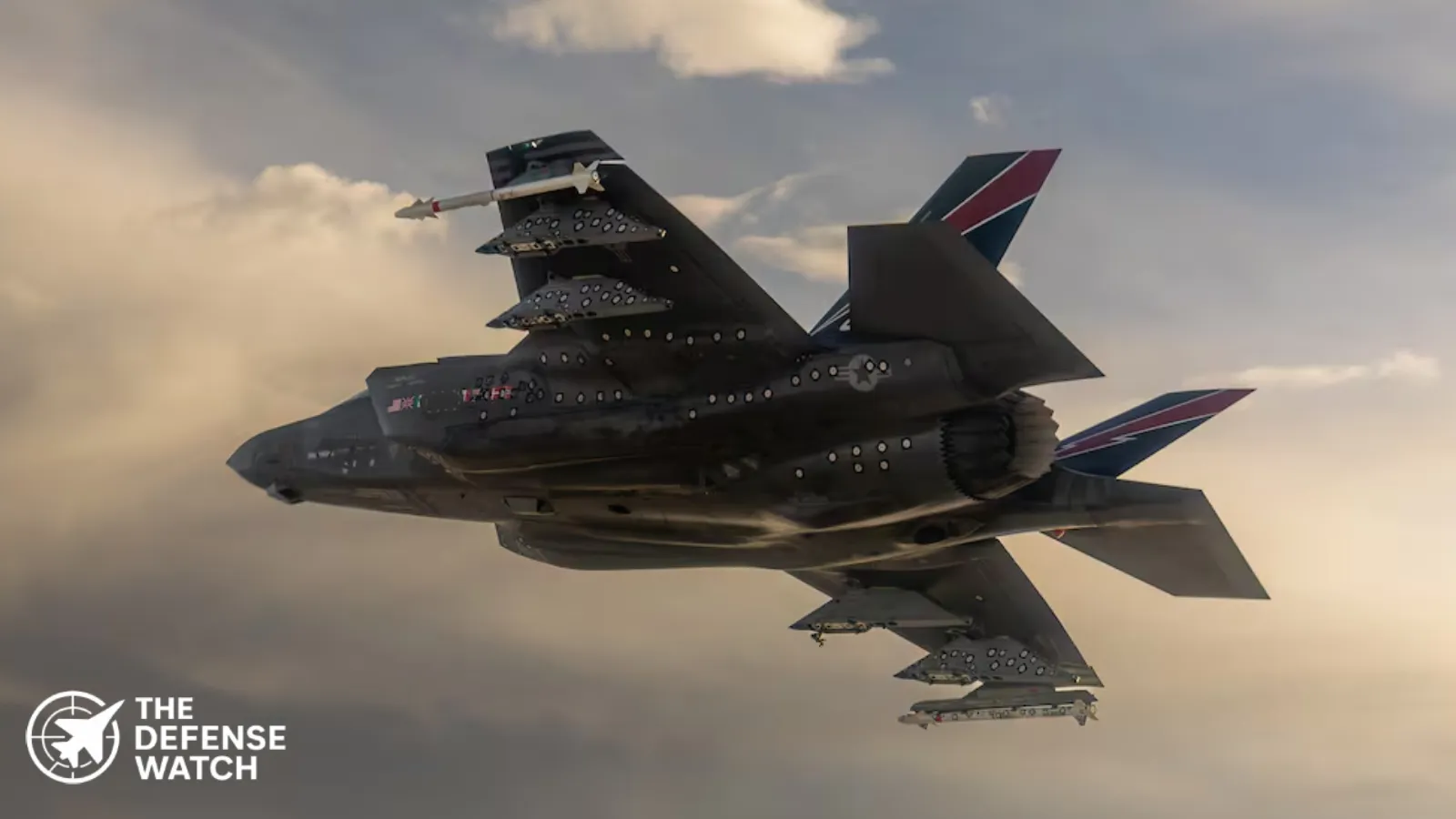
- Aircraft spending reaches $102 billion, including increased F-35 buys and next-gen fighter programs.
- Iran war costs were not included and may require a separate supplemental request.
The Big Picture
Washington has spent the last several years confronting simultaneous security pressures in Europe, the Middle East and the Indo Pacific. U.S. officials have repeatedly warned that legacy procurement timelines and constrained industrial capacity no longer match the speed of emerging threats.
This budget appears designed to compress modernization timelines. Rather than making marginal increases, it concentrates large sums into shipbuilding, tactical airpower, autonomous systems and missile defense. That suggests the Pentagon wants faster force regeneration, deeper inventories and stronger deterrence capacity during a period of strategic competition.
What’s Happening
The proposal combines a roughly $1.15 trillion core defense budget with a separate $350 billion supplemental component, reaching a total of $1.5 trillion. Reuters reported that more than $750 billion is tied to ships, jets and Golden Dome related priorities.
The Pentagon also created a new category labeled presidential priorities. That basket reportedly includes:
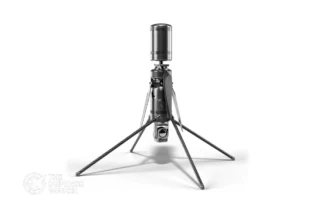
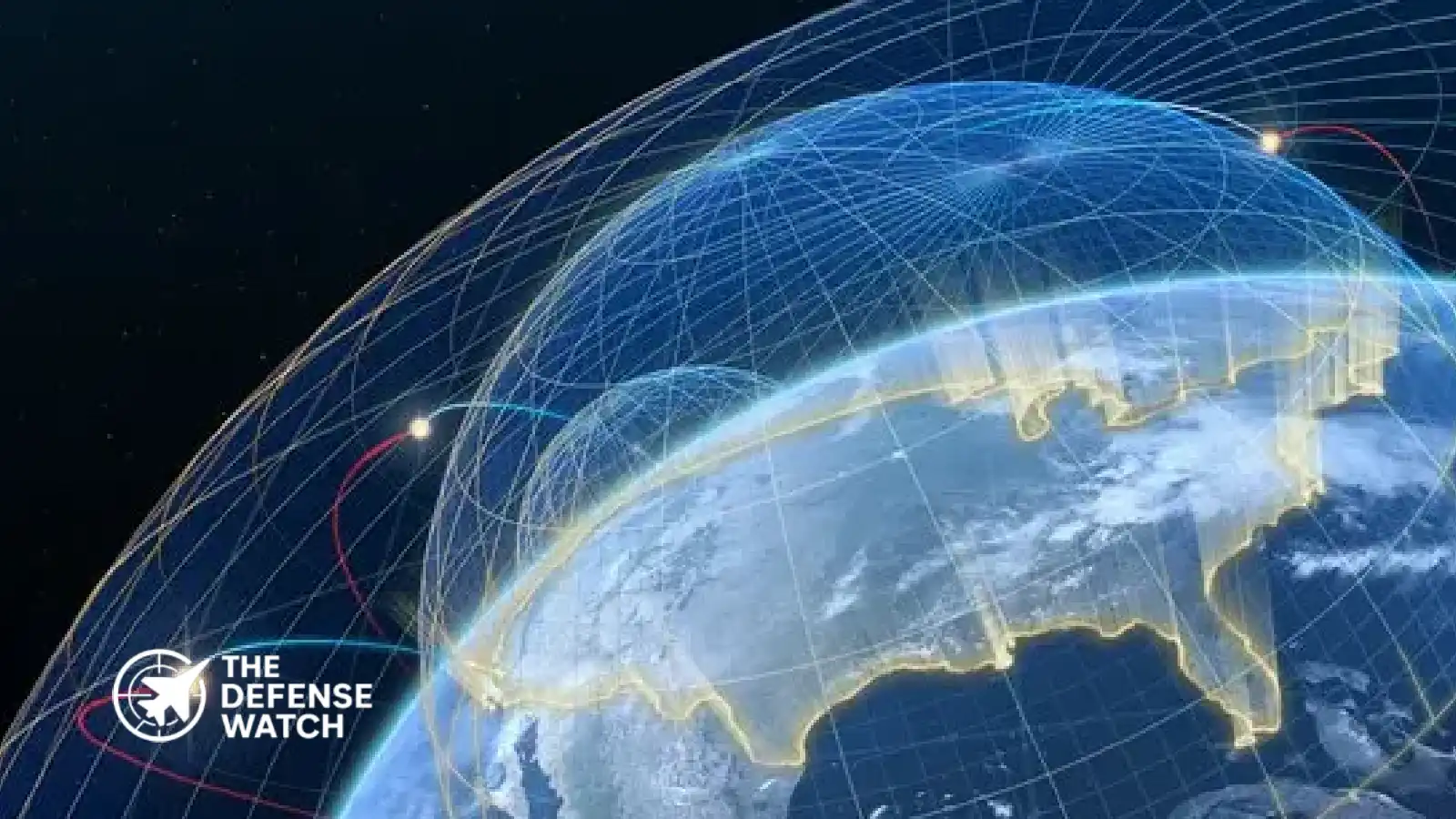
- Golden Dome missile defense
- Drone dominance initiatives
- Artificial intelligence and data systems
- Defense industrial base expansion
Naval Spending
The plan allocates more than $65 billion for 18 warships and 16 support vessels, or 34 ships total. Officials described it as the largest U.S. shipbuilding request since 1962. Major beneficiaries would likely include General Dynamics and Huntington Ingalls Industries.
Aerospace Spending
Aircraft procurement and aviation research would total $102 billion, a 26 percent increase over the prior year. The proposal reportedly raises annual procurement of the F-35 Lightning II to 85 aircraft while continuing development of Boeing’s F-47 next generation fighter concept and allocating $6.1 billion for the B-21 Raider.
Why It Matters
The U.S. military has faced growing pressure in three specific areas:
- Ship numbers and fleet age
The Navy has struggled to expand fleet size while China continues large scale naval construction. - Munitions and airpower readiness
Recent conflicts exposed the need for larger inventories of interceptors, cruise missiles and survivable aircraft. - Integrated homeland defense
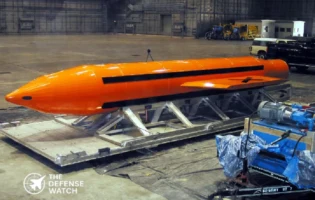
Cruise missiles, drones and potential long range strikes have increased interest in layered missile defense.
This budget attempts to address all three simultaneously.
Strategic Implications
If enacted, the $1.5 trillion defense budget would significantly strengthen U.S. surge capacity. More ships improve maritime presence and logistics reach. Additional fighters and bombers reinforce power projection. Industrial funding can shorten repair cycles and replenish weapons stockpiles faster.
The proposal also signals that Washington views defense manufacturing itself as a strategic asset. In a prolonged crisis, production speed may matter as much as frontline platforms.
Competitor View
China is likely to view the shipbuilding and Pacific airpower portions as directly relevant to Indo Pacific deterrence. Beijing closely tracks U.S. naval tonnage, submarine output and long range strike capacity.
Russia will likely focus on bomber, missile defense and munitions spending, especially as NATO continues rearmament.
Iran may note the emphasis on air defense, interceptors and autonomous systems after recent regional tensions.
What To Watch Next
Congress remains the decisive factor. Lawmakers will likely scrutinize:
- Whether the topline can pass politically
- How much supplemental funding survives negotiations
- Realistic shipyard production capacity
- Fighter procurement affordability
- Golden Dome technology maturity and timelines
Large budget requests often change substantially during appropriations.
Capability Gap
The central gap this plan targets is capacity under strain. The U.S. military retains advanced systems, but sustaining enough ships, aircraft, interceptors and drones for multiple theaters has become harder.
A major limitation remains industrial execution. Funding alone does not instantly create trained labor, drydock space, semiconductor supply or engine production capacity.
The Bottom Line
The proposed $1.5 trillion defense budget is less about symbolism and more about rapidly rebuilding U.S. military scale, production depth and deterrence capacity.
- Ship numbers and fleet age